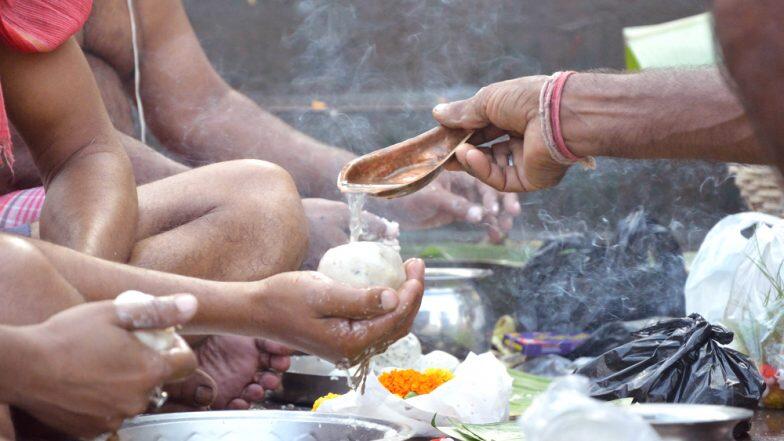
Temples of India,though constructed according to Agama Tradition,often contain something mystical, representing eternal principles enunciated in Indian philosophy. When we say Indian philosophy, it is not merely Vedas as is often thought to be,it includes Shaddarshanas,
- Nyaya
- Vaiseshika
- Sankhya
- Yoga
- Purva Mimamsa
- Uttara Mimamsa ( Upanishads)
- Jainism
- Buddhism
- Carvaka
- Ajivaka
Many temples have architectural beauty and special features like Sun’s rays falling at a specific time and place, Idols changing Colors….
And we have Siva Temples representing the Five Elements of Nature, Earth ,Water,Fire,Air and Ether.We have Temples aligned in the same longitude.Out of 21 sacred sites with unique features,seven from Hinduism and others were of Hinduism in ancient days We have the twelve Jyotir Lingas forming Fibonacci Spiral.

Following are the Chakras in Human Body according to Classical Texts. Yoginis corresponding to each Chakra is provided here below.( Seven Chakras concept was introduced later ,mostly based on John Woodroffee’s book Shakti and Shakta,. It is based on Sree Lalitha Sahasranama.’Akula Samayanthastha samayaachara Thath Para.
Place in subtle body	Yogini
1. Muladhara-	Dakini
2. Svadhisthana	-Rakini
3. Manipura	-Lakini
4. Anahata	-Kakini
5. Vishuddhi	-Shakini
6. Ajna	-Hakini White, David Gordon. Kiss of the Yogini,University of Chicago Press,pp. 221–229.

(The idea behind Chakra is found in the early traditions of .The modern Western chakra system arose from multiple sources, starting in the 1880s, followed by Sir John Woodroffe’s 1919 book The Serpent Power, and Charles W. Leadbeater’s 1927 book The Chakras, which introduced the seven rainbow colours for the chakras. Psychological and other attributes, and a wide range of supposed correspondences with other systems such as alchemy, astrology, gemstones, homeopathy, Kabbalah and Tarot were added later. Buddhist texts mention five chakras, while Hindu sources refer six or seven.Early Sanskrit texts speak of them both as meditative visualizations combining flowers and mantras and as physical entities in the body.)
We find Siva temples representing the Six Chakras ,in the Form of Virata Purusha,Cosmic Self, Siva manifests at/as
- Thiruvaarur -Mooladhara
- Thiruvanaikka – Swadhishtana
- Thiruvannamalai-Manipooraka
- Chidambaram – Anahatha
- Sri Kalahasthi- Visuthi
- Varanasi – Agnya.
‘இறைவன் – விராட்புருஷனின் வடிவத்தில் திருவாரூர் ‘மூலாதார’மாகவும், திருவானைக்கா ‘சுவாதிஷ்டான’ மாகவும், திருவண்ணாமலை ‘உந்தி(மணிப்பூரக)’யாகவும் , சிதம்பரம் ‘இருதயஸ்தான(அனாகதம்)’மாகவும், திருக்காளத்தி ‘கழுத்(விசுக்தி)’தாகவும் , காசி ‘புருவமத்தி(ஆக்ஞை)’யாகவும் அமைந்துள்ளது.’. https://ta.m.wikipedia.org/wiki/%E0%AE%9A%E0%AE%BF%E0%AE%A4%E0%AE%AE%E0%AF%8D%E0%AE%AA%E0%AE%B0%E0%AE%AE%E0%AF%8D_%E0%AE%A4%E0%AE%BF%E0%AE%B2%E0%AF%8D%E0%AE%B2%E0%AF%88_%E0%AE%A8%E0%AE%9F%E0%AE%B0%E0%AE%BE%E0%AE%9C%E0%AE%B0%E0%AF%8D_%E0%AE%A4%E0%AE%BF%E0%AE%B0%E0%AF%81%E0%AE%95%E0%AF%8D%E0%AE%95%E0%AF%8B%E0%AE%AF%E0%AE%BF%E0%AE%B2%E0%AF%8D
भारतीय दर्शनशास्त्र के सिद्धांतों को प्रतिष्ठान के अनुसार निर्मित भारतीय मन्दिरों में, अकामा परंपरा के अनुसार, कुछ रहस्यमयी चीजें होती हैं, जो भारतीय दर्शनशास्त्र के में स्थायी सिद्धांतों को प्रतिष्ठान करती हैं। हम जब ‘भारतीय दर्शनशास्त्र’ कहते हैं, तो ऐसा मत समझिये कि यह केवल वेदों को ही संक्षेप में समझा जाता है, बल्कि इसमें शद्दर्शनानि, न्याय, वैशेषिक, सांख्य, योग, पूर्व मीमांसा, उत्तर मीमांसा (उपनिषद्ध), जैन धर्म, बौद्ध धर्म, चार्वाक, अजीवक आदि शामिल होते हैं।
कई मंदिरों में वास्तुकला और विशेषताएं होती हैं, जैसे सूरज की किरणें किसी विशेष समय और स्थान पर गिरना और मूर्तियों के रंग बदलना….
और हमारे पास प्रकृति के पांच तत्वों को प्रतिष्ठित करने वाले शिव मंदिर हैं, माटी, पानी, अग्नि, वायु और आकाश की प्रतिष्ठा शिव मंदिर में की जाती है। हमारे पास पूज्य स्थलों में से बीस ऐसे महान स्थान हैं जिनमें विशेष विशेषताएं होती हैं, सात हिन्दू धर्म से संबंधित हैं और अन्य कई हिन्दू धर्म से जुड़े थे। हमारे पास फिबोनाची स्पाइरल रचते बारह ज्योतिर्लिंग हैं।
मानव शरीर के चक्रों के अनुसार, योगिनी नाम सहित निम्नलिखित योगिनीरूपी देवी यात्रा करती है।
- मूलाधार चक्र – दाकिनी
- स्वाधिष्ठान चक्र – राकिनी
- मणिपुर चक्र – लाकिनी
- अनाहत चक्र – काकिनी
- विशुद्धि चक्र – शाकिनी
- आज्ञा चक्र – हाकिनी
श्रीकालहस्ति में मूलाधार, थिरुवनैक्का में स्वाधिष्ठान, थिरुवन्नामलय में मणिपुर, चिदंबरम में अनाहत, श्रीकालहस्ति में विशुद्धि और वाराणसी में आज्ञा चक्र का प्रतिष्ठान किया गया है।
इस पोस्ट में रचनात्मक विचारों के साथ अनेक चयनित स्रोतों का उपयोग किया गया है, तथ्यों की पुष्टि करने के लिए कृपया स्रोतों को संदर्भित करें।
Translation by AI jetpack.. Please inform me of inaccuracies.