Indian history as described in Sanskrit texts and Tamil texts of yore are in line with the Dynasties of Kings, especially of the Tamil Kings.
It is a pity that Tamil is being portrayed as anti Vedic and Sanatana Dharma.
The Laws of Manu are being quoted as an evidence of Aryan, North Indian domination of Dravidas and Tamils.
Facts speak otherwise.
Here we shall see how the Tamil kings enforced and followed the Laws of Manu.
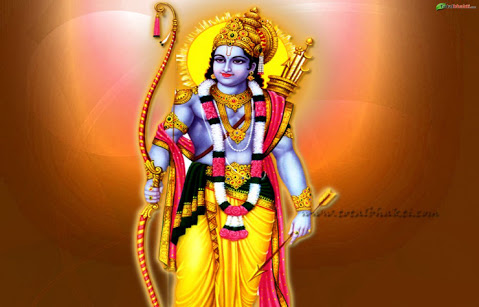
As an aside,I have written on Manu being a Dravida king and Lord Rama belonged to Chola Dynasty because Manu was a Chola king.
Manu’s son Ikshvaku founded the Surya vamsa,the Solar dynasty.
In this sense Lord Rama belonged to Chola Dynasty and not the other way around.
The Tamil kings followed The Laws of Manu.
One Chera king,Cheras being one of the three dynasties that ruled the south,Perunchotru Udiyan Cheralaathan,provided food for both the Kaurava and Pandava Armies during the Mahabharata War.
He also allotted lands, villages to Brahmins and Sangam literature records this and the fact that he would see if the Smoke of Yagnya fire rises in the morning from these villages allotted to Brahmins.
Another King,Malayadhdwaja ,a Pandyan King,the third dynasty of the south,took part in the Mahabharata War on the side of the Pandavas and gave a stiff fight to Aswathama.
Tamil and Sanskrit literature record many more instances.
The earliest temple inscription indicating that the Laws of Manu were followed is found in the Thiruvaarur Thyagaraja temple.
It is found in the North wall of the second Prakaara.
The epigraph is about Vikrama Chola.
It may be noted that the Chola Kings used the epithet,’one who followed the Laws of Manu’.
This title is called Meykkeerthi,meaning the Adjective to be used while using the King’s Name,a Honorary title.
Information on the Tamil kings having followed the Laws of Manu are confirmed by the epigraphs of Sundara Pandya and the epigraphs at Puthur and Mappedu in Chengalpet District,Tamil Nadu.
This information is also found in many chola temples.
‘திருவாரூர் தியாகராயர் கோவிலின் இரண்டாம் பிரகாரத்தில் வடக்குச் சுவரில் உள்ள விக்கிரமச் சோழன் கல்வெட்டில் (தெ.இ.க. 5; 456) மனுநீதிச் சோழன் பற்றிய குறிப்புக்கள் இடம் பெற்றுள்ளன. இக் கல்வெட்டில் மனுநீதிச் சோழனின் அமைச்சனது பெயர், இங்கணாட்டு பாலையூருடையான் உபயகுலாமவன் என்று குறிப்பிடப்பட்டுள்ளது. இதன் வாயிலாக மனுநீதிச் சோழனின்அமைச்சனுக்கு ஒரு தெளிவான அடையாளம் வழங்கப்பட்டுள்ளது. சேக்கிழார் காலத்துக்குப் பிந்தைய கல்வெட்டு இது. சோழர் ஆட்சிக்காலத்தி;ல் அரசநீதியாக மனுநீதி விளங்கியது. இதை சோழர்கால மெய்கீர்த்திகள் வாயிலாக அறியலாம். ‘மனுவாறு விளங்க’, ‘மனுநெறி’, ‘மனுவொழுக்கம்’ என்ற சொல்லாட்சி சோழர்கால மெய்கீர்த்திகளில் பரவலாக இடம்பெற்றுள்ளது. மூன்றாம் குலோத்துங்கச் சோழனின் பதினொன்றாம் ஆட்சியாண்டுக் கல்வெட்டில் (தெ.இ.க III பகுதி 1, 2; 86, 87) மெய்கீர்த்தியாக மனு நீதி முறை வளர மனு நீதி தழைத்தோங்க என்ற தொடர்கள் இடம்பெற்றுள்ளன. செஙகல்பட்டு மாவட்டம் மப்பேடு கிராமத்து சிவன் கோவிலிலும், தஞ்சை மாவட்ட கடம்பவனேசுவரர் கோவிலிலும் மனுநீதிச் சோழன் தொடர்பான சிற்பங்கள் உள்ளன (தகவல்: முனைவர் வெ. வேதாச்சலம், கல்வெட்டாய்வாளர்). பெரிய புராணத்தை அதன் மூலத்திலிருந்து விலகாது உரைநடையில் எழுதிய தி. பட்டுசாமி ஓதுவார் (2005; XIII) மனுநீதிச் சோழன் என்ற தலைப்பில் “இவன், ஏழரான் (ஏழ் 10 ஆரன்ளூ ஏழு மாலைகளை அணிந்தவன் அல்லது ஏழு அரசரை வென்று சூடிய ஏழு மாலைகளையுடையவன்) என்னும் பெயர் உடையவன் கி.மு. 2 ஆம் நூற்றாண்டின் இடைப்பகுதியில் இலங்கை மீது படையெடுத்து அசேலன் என்பவனை வெற்றி பெற்றவன்.” என்ற குறிப்பை எழுதியுள்ளார். ‘
The Mansusmriti,Hinduism, one of the Books on Code of Conduct covers a wide range of subjects, from Naminf the individual to even Toilet practices.
Toilet Rules, Manusmriti.
Manusmriti,Laws of Manu.jpg
A Brahmana who desires energy must not look at a woman who applies collyrium to her eyes, has anointed or uncovered herself or brings forth a child.
Let him not eat, dressed with one garment only; let him not bathe naked; let him not void urine on a road, on ashes, or in a cow-pen.
Nor on ploughed land, in water, on an altar of bricks, on a mountain, on the ruins of a temple, nor ever on an ant-hill.
Nor in holes inhabited by living creatures, nor while he walks or stands, nor on reaching the bank of a river, nor on the top of a mountain.
Let him never void faeces or urine, facing the wind, or a fire, or looking towards a Brahmana, the sun, water, or cows.
He may ease himself, having covered the ground with sticks, clods, leaves, grass, and the like, restraining his speech, keeping himself pure, wrapping up his body, and covering his head.
Let him void faeces and urine, in the daytime turning to the north, at night turning towards the south, during the two twilights in the same position as by day.
In the shade or in darkness a Brahmana may, both by day and night, do it, assuming any position he pleases; likewise when his life is in danger.
The intellect of a man who voids urine against a fire, the sun, the moon, in water, against a Brahmana, a cow, or the wind, perishes.
Let him not blow a fire with his mouth; let him not look at a naked woman; let him not throw any impure substance into the fire, and let him not warm his feet at it.
Let him not place fire under a bed or the like; nor step over it, nor place it when he sleeps at the foot-end of his bed; let him not torment living creatures.
Let him not eat, nor travel, nor sleep during the twilight; let him not scratch the ground; let him not take off his garland.
Let him not throw urine or faeces into the water, nor saliva, nor clothes defiled by impure substances, nor any other impurity, nor blood, nor poisonous things.
Manusmṛti Chapter 4, verses 44-56
Far from his dwelling let him remove urine and ordure, far let him remove the water used for washing his feet, and far the remnants of food and the water from his bath.
Early in the morning only let him void faeces, decorate his body, bathe, clean his teeth, apply collyrium to his eyes, and worship the gods.
Manusmṛti Chapter 4, verses 151-152.
All those cavities of the body which lie above the navel are pure, but those which are below the navel are impure, as well as excretions that fall from the body.
Flies, drops of water, a shadow, a cow, a horse, the rays of the sun, dust, earth, the wind, and fire one must know to be pure to the touch.
In order to clean the organs by which urine and faeces are ejected, earth and water must be used, as they may be required, likewise in removing the remaining ones among twelve impurities of the body.
Oily exudation, semen, blood, the fatty substance of the brain, urine, faeces, the mucus of the nose, ear-wax, phlegm, tears, the rheum of the eyes, and sweat are the twelve impurities of human bodies.
He who desires to be pure must clean the penis by one application of earth and then water, the anus by applying earth and then water three times, the left hand alone by applying it ten times, and both hands by applying it seven times.
Such is the purification ordained for householders; it shall be double for students, treble for hermits, but quadruple for ascetics.
When he has voided urine or faeces, let him, after sipping water, sprinkle the cavities, likewise when he is going to recite the Veda, and always before he takes food.
People malign Manu without studying his work in full.
Texts are often taken out of context to suit one’s convenience.
Manu Smriti
Whatever be the subject, deep thought seems to have gone into and these Laws are arrived at after taking into consideration the stability of the Society and the welfare of the individual.
However Social Order seems to take priority.
The Laws of Manu on selecting a Bride , to me, seems very rational.
As parents most of us follow the same without articulating or even aware of it.
To ensure Offspring without Genetic disorders Manu prohibits marriage with immediate blood relatives.
And with chronic illness and birth defects.
He insists on not marrying from a Family without a Male Heir.
Boys’ parents know how difficult it is to interact with a child with no brother/s for they normally are unaware of Mael view-point.
And in the event of the demise of the girl’s father, if there are no Males to interact on behalf of the Girl, it creates n running the Family at times of crisis.
Manu pays scant regard to the wealth of the Girl’s Family.
He has also provided some physical marks which might have a bearing on the character of the Bride.
Some of his observations are vindicated by Science, like the one regarding excessive Body hair-normally the extra hair growth is because of imbalance in Hormones.
Read the Laws of Manu on this.
Though this appears to apply for Brahmins, my view is that these laws are meant for the three Varnas, Brahmana, Kshatriyas,an Vaisyas as Manu simply lays down these rules for the Dwijas(twice Born)
That is those who wear Upaveeda.
These three varnas must wear Upaveedas.
Therefore these rules of Manu apply to all the three castes.
4. Having bathed, with the permission of his teacher, and performed according to the rule the Samavartana (the rite on returning home), a twice-born man shall marry a wife of equal caste who is endowed with auspicious (bodily) marks.
5. A damsel who is neither a Sapinda on the mother’s side, nor belongs to the same family on the father’s side, is recommended to twice-born men for wedlock and conjugal union.
6. In connecting himself with a wife, let him carefully avoid the ten following families, be they ever so great, or rich in kind, horses, sheep, grain, or (other) property,
7. (Viz.) one which neglects the sacred rites, one in which no male children (are born), one in which the Veda is not studied, one (the members of) which have thick hair on the body, those which are subject to hemorrhoids, phthisis, weakness of digestion, epilepsy, or white or black leprosy.
8. Let him not marry a maiden (with) reddish (hair), nor one who has a redundant member, nor one who is sickly, nor one either with no hair (on the body) or too much, nor one who is garrulous or has red (eyes),
9. Nor one named after a constellation, a tree, or a river, nor one bearing the name of a low caste, or of a mountain, nor one named after a bird, a snake, or a slave, nor one whose name inspires terror.
10. Let him wed a female free from bodily defects, who has an agreeable name, the (graceful) gait of a Hamsa or of an elephant, a moderate (quantity of) hair on the body and on the head, small teeth, and soft limbs
Manusmriti provides exhaustive details on the modes of Dress,the Staff(Danda) a Brahmin is expected to carry, The process of preparing the Upaveeda How to drink water and how to eat, for Brahmins.
The rules as is the norm are very stringent.
Here they are.
Naming the Brahmin.
Dress code Manusmiti.
31. Let (the first part of) a Brahmana’s name (denote something) auspicious, a Kshatriya’s be connected with power, and a Vaisya’s with wealth, but a Sudra’s (express something) contemptible.
32. (The second part of) a Brahmana’s (name) shall be (a word) implying happiness, of a Kshatriya’s (a word) implying protection, of a Vaisya’s (a term) expressive of thriving, and of a Sudra’s (an expression) denoting service.
33. The names of women should be easy to pronounce, not imply anything dreadful, possess a plain meaning, be pleasing and auspicious, end in long vowels, and contain a word of benediction.
34. In the fourth month the Nishkramana (the first leaving of the house) of the child should be performed, in the sixth month the Annaprasana (first feeding with rice), and optionally (any other) auspicious ceremony required by (the custom of) the family.
35. According to the teaching of the revealed texts, the Kudakarman (tonsure) must be performed, for the sake of spiritual merit, by all twice-born men in the first or third year.
36. In the eighth year after conception, one should perform the initiation (upanayana) of a Brahmana, in the eleventh after conception (that) of a Kshatriya, but in the twelfth that of a Vaisya.
37. (The initiation) of a Brahmana who desires proficiency in sacred learning should take place in the fifth (year after conception), (that) of a Kshatriya who wishes to become powerful in the sixth, (and that) of a Vaisya who longs for (success in his) business in the eighth.
38. The (time for the) Savitri (initiation) of a Brahmana does not pass until the completion of the sixteenth year (after conception), of a Kshatriya until the completion of the twenty-second, and of a Vaisya until the completion of the twenty-fourth.
39. After those (periods men of) these three (castes) who have not received the sacrament at the proper time, become Vratyas (outcasts), excluded from the Savitri (initiation) and despised by the Aryans.
Dress,Staff,Seat,Upaveeda.
41. Let students, according to the order (of their castes), wear (as upper dresses) the skins of black antelopes, spotted deer, and he-goats, and (lower garments) made of hemp, flax or wool.
42. The girdle of a Brahmana shall consist of a of a triple cord of Munga grass, smooth and soft; (that) of a Kshatriya, of a bowstring, made of Murvafibres; (that) of a Vaisya, of hempen threads.
43. If Munga grass (and so forth) be not procurable, (the girdles) may be made of Kusa, Asmantaka, and Balbaga (fibres), with a single three fold knot, or with three or five (knots according to the custom of the family).
44. The sacrificial string of a Brahmana shall be made of cotton, (shall be) twisted to the right, (and consist) of three threads, that of a Kshatriya of hempen threads, (and) that of a Vaisya of woolen threads.
45. A Brahmana shall (carry), ac cording to the sacred law, a staff of Bilva or Palasa; a Kshatriya, of Vata or Khadira; (and) a Vaisya, of Pilu or Udumbara.
46. The staff of a Brahmana shall be made of such length as to reach the end of his hair; that of a Kshatriya, to reach his forehead; (and) that of a Vaisya, to reach (the tip of his) nose.
47. Let all the staves be straight, without a blemish, handsome to look at, not likely to terrify men, with their bark perfect, unhurt by fire.
48. Having taken a staff according to his choice, having worshipped the sun and walked round the fire, turning his right hand towards it, (the student) should beg alms according to the prescribed rule.
49. An initiated Brahmana should beg, beginning (his request with the word) lady (bhavati); a Kshatriya, placing (the word) lady in the middle, but a Vaisya, placing it at the end (of the formula).
50. Let him first beg food of his mother, or of his sister, or of his own maternal aunt, or of (some other) female who will not disgrace him (by a refusal).
Procuring Food and Eating Procedure.
51. Having collected as much food as is required (from several persons), and having announced it without guile to his teacher, let him eat, turning his face towards the east, and having purified himself by sipping water.
52. (His meal will procure) long life, if he eats facing the east; fame, if he turns to the south; prosperity, if he turns to the west; truthfulness, if he faces the east.
53. Let a twice-born man always eat his food with concentrated mind, after performing an ablution; and after he has eaten, let him duly cleanse himself with water and sprinkle the cavities (of his head).
54. Let him always worship his food, and eat it without contempt; when he sees it, let him rejoice, show a pleased face, and pray that he may always obtain it.
55. Food, that is always worshipped, gives strength and manly vigour; but eaten irreverently, it destroys them both.
56. Let him not give to any man what he leaves, and beware of eating between (the two meal-times); let him not over-eat himself, nor go anywhere without having purified him- self (after his meal).
57. Excessive eating is prejudicial to health, to fame, and to (bliss in) heaven; it prevents (the acquisition of) spiritual merit, and is odious among men; one ought, for these reasons, to avoid it carefully.
58. Let a Brahmana always sip water out of the part of the hand (tirtha) sacred to Brahman, or out of that sacred to Ka (Pragapati), or out of (that) sacred to the gods, never out of that sacred to the manes.
59. They call (the part) at the root of the thumb the tirtha sacred to Brahman, that at the root of the (little) finger (the tirtha) sacred to Ka (Pragapati), (that) at the tips (of the fingers, the tirtha) sacred to the gods, and that below (between the index and the thumb, the tirtha) sacred to the manes.
60. Let him first sip water thrice; next twice wipe his mouth; and, lastly, touch with water the cavities (of the head), (the seat of) the soul and the head.
61. He who knows the sacred law and seeks purity shall always perform the rite of sipping with water neither hot nor frothy, with the (prescribed) tirtha, in a lonely place, and turning to the east or to the north.
62. A Brahmana is purified by water that reaches his heart, a Kshatriya by water reaching his throat, a Vaisya by water taken into his mouth, (and) a Sudra by water touched with the extremity (of his lips).
63. A twice-born man is called upavitin when his right arm is raised (and the sacrificial string or the dress, passed under it, rests on the left shoulder); (when his) left (arm) is raised (and the string, or the dress, passed under it, rests on the right shoulder, he is called) prakinavitin; and nivitin when it hangs down (straight) from the neck.
64. His girdle, the skin (which serves as his upper garment), his staff, his sacrificial thread, (and) his water-pot he must throw into water, when they have been damaged, and take others, reciting sacred formulas.
65. (The ceremony called) Kesanta (clipping the hair) is ordained for a Brahmana in the sixteenth year (from conception); for a Kshatriya, in the twenty-second; and for a Vaisya, two (years) later than that.
66. This whole series (of ceremonies) must be performed for females (also), in order to sanctify the body, at the proper time and in the proper order, but without (the recitation of) sacred texts.
67. The nuptial ceremony is stated to be the Vedic sacrament for women (and to be equal to the initiation), serving the husband (equivalent to) the residence in (the house of the) teacher, and the household duties (the same) as the (daily) worship of the sacred fire.
68. Thus has been described the rule for the initiation of the twice-born, which indicates a (new) birth, and sanctifies; learn (now) to what duties they must afterwards apply themselves.
69. Having performed the (rite of) initiation, the teacher must first instruct the (pupil) in (the rules of) personal purification, of conduct, of the fire-worship, and of the twilight devotions.
70. But (a student) who is about to begin the Study (of the Veda), shall receive instruction, after he has sipped water in accordance with the Institutes (of the sacred law), has made the Brahmangali, (has put on) a clean dress, and has brought his organs under due control.
### मनुस्मृति में आदर्श वस्त्र, ब्राह्मण के स्टाफ (दंड), उपवीत तैयार करने की प्रक्रिया, पानी पीने तथा भोजन करने के तरीके के बारे में विस्तृत विवरण दिया गया है।
नियमों को निभाना सामान्य होता है।
यहां वे हैं।
ब्राह्मण का नामकरण
> 31. ब्राह्मण के (नाम के) पहले हिस्से में मंगल, क्षत्रिय का शक्ति, और वैश्य का धन का संबंध होना चाहिए, लेकिन शूद्र का (कुछ) निन्दनीय द्वारकर्ता होना चाहिए।
>
> 32. (ब्राह्मण के नाम के दूसरे हिस्से में) खुशहाली का (शब्द) होना चाहिए, क्षत्रिय के (शक्ति का शब्द), वैश्य के (सम्रिद्धि का शब्द), और शूद्र के (सेवा का शब्द)।
>
> 33. महिलाओं के नाम उच्चारण में सरल होने चाहिए, कोई भी भयानक नहीं होना चाहिए, सादा अर्थवाला होना चाहिए, आकर्षक और शुभ होना चाहिए, लम्बी स्वर वाला होना चाहिए, और आशीर्वाद का शब्द होना चाहिए।
>
> 34. चौथे महीने में निष्क्रामण (घर से पहला निकलना), छठे महीने में अन्नप्राशन (चावल से पहला खिलाना), और परिवार की परंपरा के अनुसार कोई भी शुभ कार्य संपादनीय है।
>
> 35. प्रकट के ग्रंथों के अध्ययन के अनुसार, द्विजाति के सभी पुरुषों को प्रथम या तृतीय वर्ष में होने वाला कुंडली शुल्का करण जरूरी है, आध्यात्मिक पुण्य के लिए।
>
> 36. गर्भावस्था के आठवें वर्ष में एक का ब्राह्मण का उपनयन, ग्यारहवें वर्ष में क्षत्रिय का, और बारहवें वर्ष में वैश्य का करना चाहिए।
>
> 37. शिक्षा में प्रवीण ब्राह्मण के लिए पांचवे वर्ष में, शक्तिशाली बनने के लिए क्षत्रिय के लिए छठे में, और व्यावसायिक अपूर्वता के लिए आठवें वर्ष में उपनयन करना चाहिए।
>
> 38. एक ब्राह्मण की सावित्री की शुल्का करण का आवश्यक उपयोग 16 वर्ष (गर्भावस्था) के पूर्ण होने तक होता है, क्षत्रिय के लिए 22 वर्ष के पूर्ण होने तक, और वैश्य के लिए 24 वर्ष के पूर्ण होने तक।
>
> 39. इन सभी (अवधियों के बाद) उन तीन वर्णों के लोग जो सही समय पर इस संस्कार को नहीं प्राप्त करते, व्रात्य हो जाते हैं, सावित्री की शुल्का करण से बाहर और आर्यों द्वारा अनादर की दृष्टि से दूर होते हैं।
>
> पहनावा, छड़ी, बैठने की व्यवस्था, उपवीत, उपनयन।
>
> 41. अनुयायी अनुसार, छात्रों को काले हिरण, चीतल और बकरे की त्वचा (ऊपरी पहनावा में), और शांण के, सन के या ऊन के कपड़े (निचले पहनावा में) पहनने चाहिए।
>
> 42. ब्राह्मण की कमरबंध मिश्री की त्रिविंग तार होनी चाहिए, क्षत्रिय की धनुष की तार, मूर्वा की ऊंची उत्तरा बाण की तार, और वैश्य की ईन की तार।
>
> 43. अगर मिश्री (और ग्रास) नहीं प्राप्त होती (तो तार) कुस, अस्मन्तक और बलबग से बनाई जा सकती है, एकतारी (तारण) या त्रिविंग अनुसार।
>
> 44. ब्राह्मण का यज्ञीय तार कपास की चीर से बनी हो, (आदान-प्रदान) के लिए दायां तिरिया हो, और तीन तारों की रची हो, क्षत्रिय की हेम की तारें, (और) वैश्य की ऊन की तारें।
>
> 45. ब्राह्मण के परिधान का छड़ी बिलव या पलाश के से होनी चाहिए; क्षत्रिय की वट या खदिर के से; (और) वैश्य की पीलू या उदुम्बर की से होनी चाहिए।
>
> 46. ब्राह्मण की छड़ी का ऐसी लम्बाई तक होना चाहिए कि वह उसके बालों के छोटि तक पहुंचे; क्षत्रिय की, उसके माथे तक पहुंचे; (और) वैश्य की, (उसके) नाक के अन्त तक पहुंचे।
>
> 47. सभी छड़ियां सीधी, किसी दोष से रहित, देखने में सुंदर, लोगों को भयानक न करने वाली, नरम, और अग्नि से अच्छी तरह से सुरभि हुई होनी चाहिए।
>
> 48. अपनी पसंद के अनुसार छड़ी को धारण कर, सूर्य का पूजन किया और अग्नि के चारों ओर चलते हुए उसके दाहिने हाथ को आगे बधा कर उनके आज्ञानुसार भिक्षा लेनी चाहिए।
>
> 49. एक प्रारम्भित ब्राह्मण को "महारानी" (भवति) शब्द का उपयोग करके भिक्षा मांगनी चाहिए; एक क्षत्रिय, "महारानी" शब्द को मध्य में रखकर, लेकिन एक वैश्य, उसे अंत में रखकर (भिक्षा मांगनी चाहिए)।
>
> 50. पहले उसे अपनी माँ, या अपनी बहन, या अपनी मामकी बहन, या (किसी और) महिला से (जो उसकी अपमान करने की संकोच न करे) भोजन के लिए भिक्षा मांगते हुए, अनिवार्य रूप से, जितना खाना चाहिए, उसका इकट्ठा कर, और बिना कोई छलल के अपने गुरु को सूचित करके, पूर्णत: शुद्ध होकर, पूरब दिशा की ओर मुख करके खाना चाहिए।
>
> 51. उसका भोजन, पुरब दिशा की ओर मुख करके करने से बहुमारी मिलती है; यश मिलता है अगर वह दक्षिण की ओर मुख करके खा; वृद्धि समृद्धि मिलती है यदि वह पश्चिम की ओर मुख करके खा; सत्य बोलनी क्षमता मिलती है अगर वह उत्तर की ओर मुख करके खा।
>
> 52. द्विजाति के पुरुष को सदैव उदासीन मनोभाव रखकर खाना चाहिए, शुद्धकरण के बाद; और जब भोजन कर लिया तो, उसे उचित रूप से जल से शुद्ध करना चाहिए और सिर की भवों तथा शीर्ष पर जल चिड़कनी चाहिए।
>
> 53. उसे हमेशा अपने भोजन को पूजन करते देख, और उसे घृणा के साथ न काम करना चाहिए; जब वह उसे देखता है, तो उसे प्रसन्नता होती है, उसके चेहरे पर आनंद दिखता है, और प्रार्थना करता है कि वह हमेशा उसे प्राप्त कर सके।
>
> 54. हमेशा पूज्य भोजन, शक्ति और पुरुषार्थ क
I have been asked by email the Manu Smriti‘s stand on Brahmins and the discipline needed to learn the Vedas.
Manu Smriti.
I am reproducing aversion of Manu Smriti on this and you may read the Full Text in the Link.
You would find details on this and also on Naming of Children and a host of information.
Manu Smriti, Chapter II.
1. Learn that sacred law which is followed by men learned (in the Veda) and assented to in their hearts by the virtuous, who are ever exempt from hatred and inordinate affection.
2. To act solely from a desire for rewards is not laudable, yet an exemption from that desire is not (to be found) in this (world): for on (that) desire is grounded the study of the Veda and the performance of the actions, prescribed by the Veda.
3. The desire (for rewards), indeed, has its root in the conception that an act can yield them, and in consequence of (that) conception sacrifices are performed; vows and the laws prescribing restraints are all stated to be kept through the idea that they will bear fruit.
4. Not a single act here (below) appears ever to be done by a man free from desire; for whatever (man) does, it is (the result of) the impulse of desire.
5. He who persists in discharging these (prescribed duties) in the right manner, reaches the deathless state and even in this (life) obtains (the fulfilment of) all the desires that he may have conceived.
6. The whole Veda is the (first) source of the sacred law, next the tradition and the virtuous conduct of those who know the (Veda further), also the customs of holy men, and (finally) self-satisfaction.
7. Whatever law has been ordained for any (person) by Manu, that has been fully declared in the Veda: for that (sage was) omniscient.
8. But a learned man after fully scrutinising all this with the eye of knowledge, should, in accordance with the authority of the revealed texts, be intent on (the performance of) his duties.
9. For that man who obeys the law prescribed in the revealed texts and in the sacred tradition, gains fame in this (world) and after death unsurpassable bliss.
10. But by Sruti (revelation) is meant the Veda, and by Smriti (tradition) the Institutes of the sacred law: those two must not be called into question in any matter, since from those two the sacred law shone forth.
11. Every twice-born man, who, relying on the Institutes of dialectics, treats with contempt those two sources (of the law), must be cast out by the virtuous, as an atheist and a scorner of the Veda.
12. The Veda, the sacred tradition, the customs of virtuous men, and one’s own pleasure, they declare to be visibly the fourfold means of defining the sacred law.
13. The knowledge of the sacred law is prescribed for those who are not given to the acquisition of wealth and to the gratification of their desires; to those who seek the knowledge of the sacred law the supreme authority is the revelation (Sruti).
14. But when two sacred texts (Sruti) are conflicting, both are held to be law; for both are pronounced by the wise (to be) valid law.
15. (Thus) the (Agnihotra) sacrifice may be (optionally) performed, at any time after the sun has risen, before he has risen, or when neither sun nor stars are visible; that (is declared) by Vedic texts.
16. Know that he for whom (the performance of) the ceremonies beginning with the rite of impregnation (Garbhadhana) and ending with the funeral rite (Antyeshti) is prescribed, while sacred formulas are being recited, is entitled (to study) these Institutes, but no other man whatsoever.
17. That land, created by the gods, which lies between the two divine rivers Sarasvati and Drishadvati, the (sages) call Brahmavarta.
18. The custom handed down in regular succession (since time immemorial) among the (four chief) castes (varna) and the mixed (races) of that country, is called the conduct of virtuous men.
19. The plain of the Kurus, the (country of the) Matsyas, Pankalas, and Surasenakas, these (form), indeed, the country of the Brahmarshis (Brahmanical sages, which ranks) immediately after Brahmavarta.
20. From a Brahmana, born in that country, let all men on earth learn their several usages.
21. That (country) which (lies) between the Himavat and the Vindhya (mountains) to the east of Prayaga and to the west of Vinasana (the place where the river Sarasvati disappears) is called Madhyadesa (the central region).
22. But (the tract) between those two mountains (just mentioned), which (extends) as far as the eastern and the western oceans, the wise call Aryavarta (the country of the Aryans).
23. That land where the black antelope naturally roams, one must know to be fit for the performance of sacrifices; (the tract) different from that (is) the country of the Mlekkhas (barbarians).
24. Let twice-born men seek to dwell in those (above-mentioned countries); but a Sudra, distressed for subsistence, may reside anywhere.
25. Thus has the origin of the sacred law been succinctly described to you and the origin of this universe; learn (now) the duties of the castes (varna).
26. With holy rites, prescribed by the Veda, must the ceremony on conception and other sacraments be performed for twice-born men, which sanctify the body and purify (from sin) in this (life) and after death.
27. By burnt oblations during (the mother’s) pregnancy, by the Gatakarman (the ceremony after birth), the Kauda (tonsure), and the Maungibandhana (the tying of the sacred girdle of Munga grass) is the taint, derived from both parents, removed from twice-born men.
28. By the study of the Veda, by vows, by burnt oblations, by (the recitation of) sacred texts, by the (acquisition of the) threefold sacred science, by offering (to the gods, Rishis, and manes), by (the procreation of) sons, by the great sacrifices, and by (Srauta) rites this (human) body is made fit for (union with) Brahman.
29. Before the navel-string is cut, the Gatakarman (birth-rite) must be performed for a male (child); and while sacred formulas are being recited, he must be fed with gold, honey, and butter.
30. But let (the father perform or) cause to be performed the Namadheya (the rite of naming the child), on the tenth or twelfth (day after birth), or on a lucky lunar day, in a lucky muhurta, under an auspicious constellation.
31. Let (the first part of) a Brahmana’s name (denote something) auspicious, a Kshatriya‘s be connected with power, and a Vaisya‘s with wealth, but a Sudra’s (express something) contemptible.
32. (The second part of) a Brahmana’s (name) shall be (a word) implying happiness, of a Kshatriya’s (a word) implying protection, of a Vaisya’s (a term) expressive of thriving, and of a Sudra’s (an expression) denoting service.
33. The names of women should be easy to pronounce, not imply anything dreadful, possess a plain meaning, be pleasing and auspicious, end in long vowels, and contain a word of benediction.
34. In the fourth month the Nishkramana (the first leaving of the house) of the child should be performed, in the sixth month the Annaprasana (first feeding with rice), and optionally (any other) auspicious ceremony required by (the custom of) the family.
35. According to the teaching of the revealed texts, the Kudakarman (tonsure) must be performed, for the sake of spiritual merit, by all twice-born men in the first or third year.
36. In the eighth year after conception, one should perform the initiation (upanayana) of a Brahmana, in the eleventh after conception (that) of a Kshatriya, but in the twelfth that of a Vaisya.
37. (The initiation) of a Brahmana who desires proficiency in sacred learning should take place in the fifth (year after conception), (that) of a Kshatriya who wishes to become powerful in the sixth, (and that) of a Vaisya who longs for (success in his) business in the eighth.
38. The (time for the) Savitri (initiation) of a Brahmana does not pass until the completion of the sixteenth year (after conception), of a Kshatriya until the completion of the twenty-second, and of a Vaisya until the completion of the twenty-fourth.
39. After those (periods men of) these three (castes) who have not received the sacrament at the proper time, become Vratyas (outcasts), excluded from the Savitri (initiation) and despised by the Aryans.
40. With such men, if they have not been purified according to the rule, let no Brahmana ever, even in times of distress, form a connexion either through the Veda or by marriage.
41. Let students, according to the order (of their castes), wear (as upper dresses) the skins of black antelopes, spotted deer, and he-goats, and (lower garments) made of hemp, flax or wool.
42. The girdle of a Brahmana shall consist of a of a triple cord of Munga grass, smooth and soft; (that) of a Kshatriya, of a bowstring, made of Murva fibres; (that) of a Vaisya, of hempen threads.
43. If Munga grass (and so forth) be not procurable, (the girdles) may be made of Kusa, Asmantaka, and Balbaga (fibres), with a single threefold knot, or with three or five (knots according to the custom of the family).
44. The sacrificial string of a Brahmana shall be made of cotton, (shall be) twisted to the right, (and consist) of three threads, that of a Kshatriya of hempen threads, (and) that of a Vaisya of woollen threads.
45. A Brahmana shall (carry), according to the sacred law, a staff of Bilva or Palasa; a Kshatriya, of Vata or Khadira; (and) a Vaisya, of Pilu or Udumbara.
46. The staff of a Brahmana shall be made of such length as to reach the end of his hair; that of a Kshatriya, to reach his forehead;
(and) that of a Vaisya, to reach (the tip of his) nose.
47. Let all the staves be straight, without a blemish, handsome to look at, not likely to terrify men, with their bark perfect, unhurt by fire.
48. Having taken a staff according to his choice, having worshipped the sun and walked round the fire, turning his right hand towards it, (the student) should beg alms according to the prescribed rule.
49. An initiated Brahmana should beg, beginning (his request with the word) lady (bhavati); a Kshatriya, placing (the word) lady in the middle, but a Vaisya, placing it at the end (of the formula).
50. Let him first beg food of his mother, or of his sister, or of his own maternal aunt, or of (some other) female who will not disgrace him (by a refusal).
You must be logged in to post a comment.