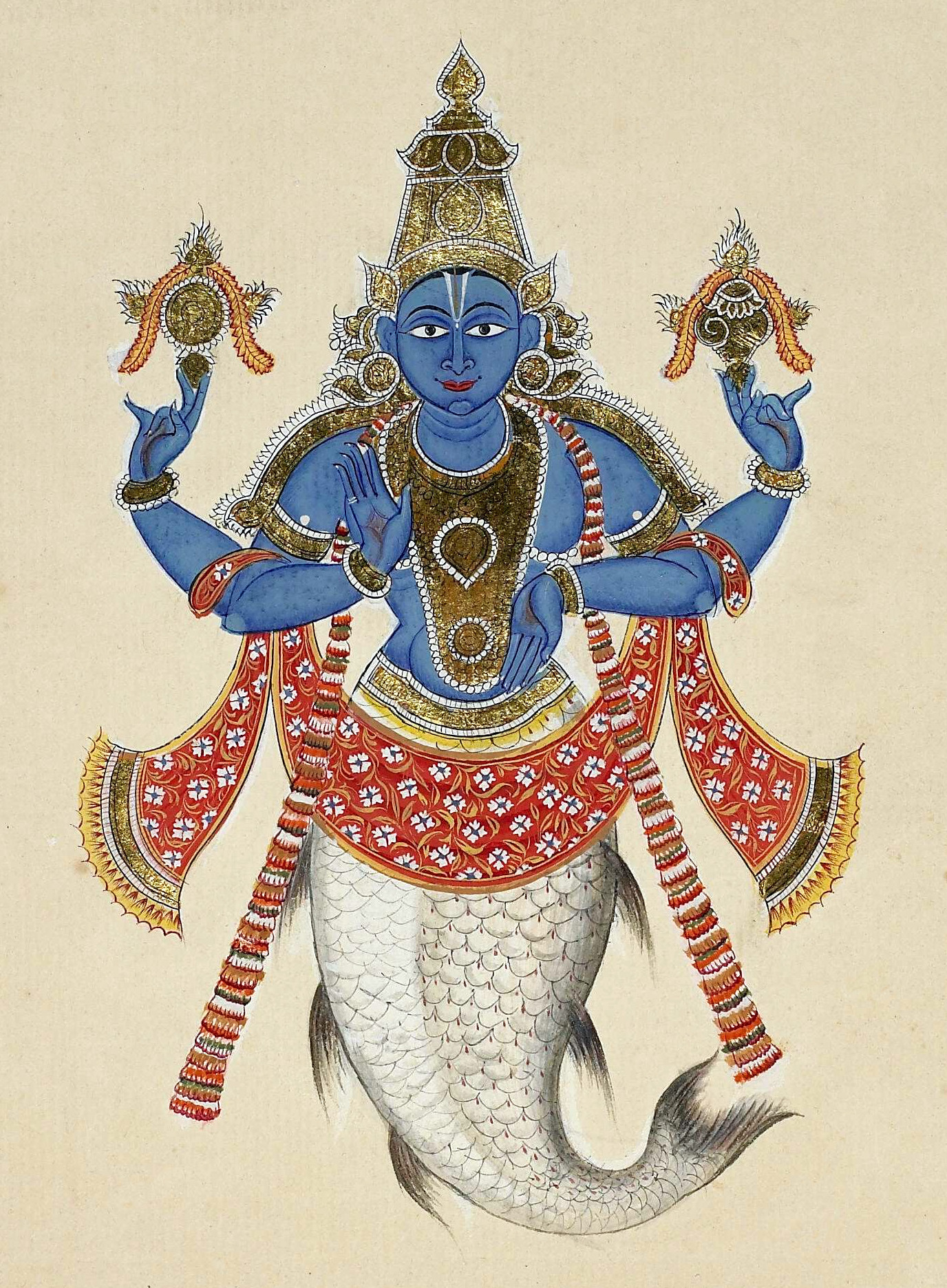
Tag: Manu

  • Chozha Manu Dynasty List Tamil Confirms Purana Ikshvaku Genealogy

    Chozha Manu Dynasty List Tamil Confirms Purana Ikshvaku Genealogy

    During my research into the History of India, cross referencing Sanskrit Textural information with Tamil, an ancient language of India, I have found corroboration of the facts/ information mentioned in Sanskrit Texts, Puranas and Ithihasas in Tamil literature. This, despite the misinformation that Tamil is inimical to Sanatana Dharma ,Vedic Way of Living.

    I have written a number of articles disproving the Aryan Theory; the Tamils and Vedic people lived alongside amicably; they intermarried;Vedic practices were followed by Tamils: Tamil concepts were integrated into Vedic Sutras,like Apasthamba sutra on Mangalya Dharana.I had also written that the Chozhas, one of the three Ancient dynasties of Tamils,descended from Manu,were a part of Ikshvaku Dynasty.This has been declared by Chozhas in their Epigraphs in Kanyakumari,among others, and numerous Copperplates evidence, including one at Thiruvaalangadu.I am posting the Dynasty of Manu from Bhagavatham below.

    Manu Dynasty (Ikshvaku)- Srimad Bhagavatham

    • Brahma
    • Marichi, one of the 10 Prajapatis created by Brahma.
    • Kashyapa, son of Marichi and Kala Bo. Kashyapa is regarded as the father of humanity.
    • Vivasvat or Surya, son of Kashyapa and Aditi.
    • Shraddhadeva Manu, originally Satyavrata, son of Vivasvan and Saranyu (Saṃjñā) https://religion.wikia.org/wiki/Shraddhadeva_Manu

    Manu Dynasty-Vikrama Chozha Ula, In Tamil

    Manu Dynasty by Vikrama Chola Ula(Moovar Ula)
    • பிரமன், உலகம் படைத்தவன்
    • (Brahma,The Creator)
    • காசிபன், பிரமன் மகன் (Kasyapa’ Son of Brahma)
    • மரீசி, மேதக்க மையறு காட்சியன்( Marichi, one who can discern Truth, Unbiased(Father of Kasyapa’)
    • சூரியன், எல்லாளன்,(Surya,Sun,who runs around in a Chariot with one Wheel) ஒற்றைச் சக்கரத் தேரில் வருவோன்
    • மனுச்சோழன், ( Manu, the Chozha,the one who dispensed Justice to a Cow)பசுவுக்கு நீதி வழங்கியவன் 
    • ஆடுதுறை அறனாளன், புலியும் மானும் ஒரே துறையில் நீருண்ணச் செய்தவன் 
    • * I shall explain the names below in forthcoming articles.
    • வானூர்தி அரசன்
    • தேவருலகைக் காத்தவன்
    • வேள்வியில் பெற்ற மந்திரத்தைக் கூற்றுவனுக்குச் சொல்லிக்கொடுத்தவன்,
    • முதுமக்கள்-தாழி செய்தளித்து எமனை வென்றவன்
    • தூங்கும் எயில் எறிந்த சோழன்
    • மேலைக்கடல் நீரைக் கீழைக்கடலில் பாயச்செய்தவன்
    • நாக-கன்னியை மணந்தவன், குகை வழியே நாகலோகம் சென்றவன்
    • சிபிச் சக்கரவர்த்தி, தான் வளர்த்த புறாவுக்காகத் தன்னையே தராசில் நிறுத்துப் பருந்துக்கு இரையாக அளித்தவன்

    https://ta.m.wikipedia.org/wiki/%E0%AE%A4%E0%AF%8A%E0%AE%A9%E0%AF%8D%E0%AE%AE%E0%AE%9A%E0%AF%8D_%E0%AE%9A%E0%AF%8B%E0%AE%B4%E0%AE%B0%E0%AF%8D

    One may note that,

    • Chozha genealogy tallies with Matsya Purana,Vishnu Purana.
    • The Order of Kings is not followed in Tamil.
    • Marici is the father of Kasyapa.Tamil says it is the other way around,which is incorrect.
    • However, Names of other Kings tally.
    • Surya,Sun is mentioned in Tamil as well as the First of the Dynasty, Kasyapa and Marici being Rishis.
    • Tamil conveys the purport of Sisumara Chakra aspect of Surya, by calling Sun as ‘ one who drives a chariot with one Wheel.
    • Tamil also calls Sun as one who rules lands within all Boundaries, implying that Sun covers the whole land.
    • Marici is known for his truthfulness. Tamil also records this by calling him as ‘Mythakka Mayaru Kaatchiyon.
    • Manu is correctly called as the son of Surya,Sun.
    • Tamil adds one information that Manu dispensed Justice to a Cow. Though this information is available in Sanskrit Texts, it does not specify Manu.Shall check.

    Other names in classical Tamil indicate the names of Kings as found in Sanskrit Texts. It needs deciphering.I shall post in forthcoming articles.

    The Manu Dynasty list mentioned here is from Tamil literature Moovar Ula,Parade of Three Great Kings.It was written by poet Ottakoothar,in praise of Vikrama Chola,His son Kulothunga Chola II and his son, Rajaraja Chola II . There are 342, 387, 391 poems respectively about each King. Each poem is in two lines.

    Citation and reference.

    https://ta.m.wikipedia.org/wiki/%E0%AE%AE%E0%AF%82%E0%AE%B5%E0%AE%B0%E0%AF%81%E0%AE%B2%E0%AE%BE

  • Protogonos Greek First Born From Prajapati Hinduism

    Protogonos Greek First Born From Prajapati Hinduism

    The term Prajapati means Lord of Citizens or Humans,the First Being. Indian texts speak of the First Man or Being extensively in Ancient texts of India called Puranas.

    ‘Prajapati ( प्रजापति) is a compound of “praja” (creation, procreative powers) and “pati” (lord, master).The term means “lord of creatures”,or “lord of all born beings”.In the later Vedic texts, Prajapati is a distinct Vedic deity, but whose significance diminishes.Later, the term is synonymous with other gods, particularly Brahma or Vishnu or Shiva. Still later, the term evolves to mean any divine, semi-divine or human sages who create something new.

    Brahma

    The names of the Prajapatis vary. However it is generally accepted as one who has descended from Brahma The Creator.

    Variously named and identified and Daksha,Savitr,… are the Prajapatis.

    An attempt to depict the creative activities of Prajapati”, a steel engraving from the 1850s. Wiki.
    • A list of twenty one includes Rudra, Manu, Daksha, Bhrigu, Dharma, Tapa, Yama, Marici, Angiras, Atri, Pulastya, Pulaha, Kratu, Vasishtha, Parameshti, Surya, Chandra, Kardama, Krodha and Vikrita.
    • A list of sixteen found in the Ramayana includes Angiras, Arishtanemi, Atri, Daksha, Kardama, Kashyapa, Kratu, Marichi, Prachetas, Pulaha, Pulastya, Samshraya, Shesha, Sthanu, Vikrita and Vivasvan.
    • A list of ten includes Marichi, Angiras, Atri, Pulastya, Pulaha, Kratu, Vasishtha, Daksha (or Prachetas), Bhrigu and Narada..’
    • And there is a little uncertainty about who the first Human being is.

    It is to be noted that, contrary to what we think Time is Cyclic and not Linear,World dissolves to come back to Existence again,Human advancement was much more than what we now think,there are N number of Historical Biological Anamolies that force one to rethink our present concepts of Human History.We find now that Dinosaurs coexisted with Humans,non human species mated with Homo sapiens and there are monuments, sites throughout the world that question our present concepts.It is possible that Human Beings were in touch with who are not humans and that they had influenced us.

    The First Human Name seems to vary with each Time cycle.This is brought out in the Concept of Manvantaras, a huge Time scale. Each Manvantara had a different Prajapati.Sometimes more than one is noticed and it is accounted by the fact that there is a Time frame where two huge Time scales shift,the transition period called as Yuga Sandhi,the meeting of Yugas.

    The concept of first human or Creator is found in All civilizations.However in terms of antiquity the reference in Sanatan Dharma is precedes every other civilization.Therefore I have been looking for reference to Prajapati concepts around the world.

    I have found that the early Greek concept of First Human or Prajapati seems to have been derived from Sanatana Dharm.Before the Secularists and Anglophiles in India jump that this is twisting of facts and history, I would like to add, please search Greeks ramanan50.

    possible connection between Prajapati (and related figures in Indian tradition) and the Prōtogonos (Ancient Greek: Πρωτογόνος, literally “first-born”) of the Greek Orphic tradition has been proposed:

    Protogonos is the Orphic equivalent of Vedic Prajapati in several ways: he is the first god born from a cosmic egg, he is the creator of the universe, and in the figure of Dionysus— a direct descendant of Protogonos—worshippers participate in his death and rebirth.— Kate Alsobrook, The Beginning of Time: Vedic and Orphic Theogonies and Poetics. Reference and citation.

    https://en.m.wikipedia.org/wiki/Prajapati

    I have written that Dionysus concept is borrowed from Siva.

    Bhrigu from Greece Greek priests in Rig Veda

    Daksha, according to Hindu mythology, is one of the Prajapatis, the progenitors of mankind. He is also known as the son of Brahma, the creator, and his importance in the Puranas cannot be overstated. Daksha is associated with various legends, the most famous of which is his conflict with his daughter Sati and her husband, Shiva. This conflict ultimately leads to Sati’s self-immolation at a sacrifice held by Daksha and the subsequent destruction of Daksha’s sacrifice by Virabhadra, a wrathful manifestation of Shiva. Daksha is then beheaded by Virabhadra, only to be later revived and reconciled with Shiva. The story of Daksha is often seen as a cautionary tale about the consequences of hubris and the importance of respecting divine powers. His role as a Prajapati and his tumultuous relationship with Shiva make Daksha a significant figure in Hindu mythology.

  • Chola Tamil Kings Enforced Laws of Manu Thiruvaarur Thyagaraja Temple Epigraph.

    Chola Tamil Kings Enforced Laws of Manu Thiruvaarur Thyagaraja Temple Epigraph.

    Indian history as described in Sanskrit texts and Tamil texts of yore  are in line with  the Dynasties of Kings, especially of the Tamil Kings.

    It is a pity that Tamil is being portrayed as anti Vedic and Sanatana Dharma.

    The Laws of Manu are being quoted as an evidence of Aryan, North Indian domination of Dravidas and Tamils.

    Facts speak otherwise.

    Here we shall see how the Tamil kings enforced and followed the Laws of Manu.

    As an aside,I have written on Manu being a Dravida king and Lord Rama belonged to Chola Dynasty because Manu was a Chola king.

    Manu’s son Ikshvaku founded the Surya vamsa,the Solar dynasty.

    In this sense Lord Rama belonged to Chola Dynasty and not the other way around.

    The Tamil kings followed The Laws of Manu.

    One Chera king,Cheras being one of the three dynasties that ruled the south,Perunchotru Udiyan Cheralaathan,provided food for both the Kaurava and Pandava Armies during the Mahabharata War.

    He also allotted lands, villages to Brahmins and Sangam literature records this and the fact that he would see if the Smoke of Yagnya fire rises in the morning from these villages allotted to Brahmins.

    Another King,Malayadhdwaja ,a Pandyan King,the third dynasty of the south,took part in the Mahabharata War on the side of the Pandavas and gave a stiff fight to Aswathama.

    Tamil and Sanskrit literature record many more instances.

    The earliest temple inscription indicating that the Laws of Manu were followed is found in the Thiruvaarur Thyagaraja temple.

    It is found in the North wall of the second Prakaara.

    The epigraph is about Vikrama Chola.

    It may be noted that the Chola Kings used the epithet,’one who followed the Laws of Manu’.

    This title is called Meykkeerthi,meaning the Adjective to be used while using the King’s Name,a Honorary title.

    Information on the Tamil kings having followed the Laws of Manu are confirmed by the epigraphs of Sundara Pandya and the epigraphs at Puthur and Mappedu in Chengalpet District,Tamil Nadu.

    This information is also found in many chola temples.

    திருவாரூர் தியாகராயர் கோவிலின் இரண்டாம் பிரகாரத்தில் வடக்குச் சுவரில் உள்ள விக்கிரமச் சோழன் கல்வெட்டில் (தெ.இ.க. 5; 456) மனுநீதிச் சோழன் பற்றிய குறிப்புக்கள் இடம் பெற்றுள்ளன. இக் கல்வெட்டில் மனுநீதிச் சோழனின் அமைச்சனது பெயர், இங்கணாட்டு பாலையூருடையான் உபயகுலாமவன் என்று குறிப்பிடப்பட்டுள்ளது. இதன் வாயிலாக மனுநீதிச் சோழனின்அமைச்சனுக்கு ஒரு தெளிவான அடையாளம் வழங்கப்பட்டுள்ளது. சேக்கிழார் காலத்துக்குப் பிந்தைய கல்வெட்டு இது.
    சோழர் ஆட்சிக்காலத்தி;ல் அரசநீதியாக மனுநீதி விளங்கியது. இதை சோழர்கால மெய்கீர்த்திகள் வாயிலாக அறியலாம். ‘மனுவாறு விளங்க’, ‘மனுநெறி’, ‘மனுவொழுக்கம்’ என்ற சொல்லாட்சி சோழர்கால மெய்கீர்த்திகளில் பரவலாக இடம்பெற்றுள்ளது.
    மூன்றாம் குலோத்துங்கச் சோழனின் பதினொன்றாம் ஆட்சியாண்டுக் கல்வெட்டில் (தெ.இ.க III பகுதி 1, 2; 86, 87) மெய்கீர்த்தியாக மனு நீதி முறை வளர மனு நீதி தழைத்தோங்க என்ற தொடர்கள் இடம்பெற்றுள்ளன.
    செஙகல்பட்டு மாவட்டம் மப்பேடு கிராமத்து சிவன் கோவிலிலும், தஞ்சை மாவட்ட கடம்பவனேசுவரர் கோவிலிலும் மனுநீதிச் சோழன் தொடர்பான சிற்பங்கள் உள்ளன (தகவல்: முனைவர் வெ. வேதாச்சலம், கல்வெட்டாய்வாளர்).
    பெரிய புராணத்தை அதன் மூலத்திலிருந்து விலகாது உரைநடையில் எழுதிய தி. பட்டுசாமி ஓதுவார் (2005; XIII) மனுநீதிச் சோழன் என்ற தலைப்பில் “இவன், ஏழரான் (ஏழ் 10 ஆரன்ளூ ஏழு மாலைகளை அணிந்தவன் அல்லது ஏழு அரசரை வென்று சூடிய ஏழு மாலைகளையுடையவன்) என்னும் பெயர் உடையவன் கி.மு. 2 ஆம் நூற்றாண்டின் இடைப்பகுதியில் இலங்கை மீது படையெடுத்து அசேலன் என்பவனை வெற்றி பெற்றவன்.” என்ற குறிப்பை எழுதியுள்ளார்.

    Source.

    https://mukkulamannargal.weebly.com/16-297030153006299629923021-299729922994300629933009–299030092993302129653006299429903021-2951297530162965302129653006299429903021-298630072993302.html

  • First Tribes Dynasties of The World Solar Lunar Origin Details

    First Tribes Dynasties of The World Solar Lunar Origin Details

    When one reads History one has to take facts as they are, bearing in mind the geographical differences between then and now, the conditions existing during the period of study.

    Unfortunately in India both seem to be at a premium.

    People while reading Indian history were and still are dependent on foreign sources with agenda.

    Most of the history taught in India is dis/misinformation by the rulers for over five hundred years.

    This includes the Mughals and the British.

    The Mughals had to keep their religion and empire intact and hence taught what was in their interests.

    The Britishers had the same approach.

    They went two steps further.

    They first divided people based on Religion.

    And introduced English. And they had psudeo researchers like Max Mueller to infiltrate Hinduism to make Indians lose respect for their texts.

    Some of these Missionaries outwardly Embraced Hinduism and propagated Christianity.

    People like Veeramamunivar in Tamil.

    The nett result is Indians do not refer Indian texts and even if they do, they do so through English!

    So Indian history looks to be confused and looks like fables.

    But if one were to study Indian texts diligently with the approach that there was no south, north divide, nor was a linguistic chavunism.

    And the land mass of Ancient times was different.

    With this, let us look at Indian history.

    The first major world war in indiay, called ten Kings war, Dadarjaniya war between two warring groups.

    Essentially there were two major tribes or groups in India.

    IT is worth remembering that the first Human being was Manuywho belonged to the southern hemisphere, called Dravida டிச.

    The term Man is from Manu.

    Manu had sons and a daughter.

    When a Tsunami struck South, he, along with his son left for Ayodhya.

    His son Ikshvaku founded the Surya Vamsa, Solar dynasty.

    His daughter, Ila, who was left behind in South, here south meaning from the Saraswathi valley to the present south india, running through the coast of Arabian sea, which was not called thus then.

    She married Chandra and had a son Budha.

    Then came Puru.

    This is the Lunar Dynasty, Chandra Vamsa.

    All dynasties of India can be traced back to these two dynasties including the Tamil Kings Chera, Chola and Pandyas.

    Please read my articles on Solar, Lunar and Tamil dynasties.

    There were sub dynasties like Yadu, Thurvasa.

    Some of these migrated outside Bharata kanda and settled around the world.

    Hence we find remains of Hinduism everywhere in the world.

    India’s name Bharat or Bharat-Varsh is named after a descendant of the Puru dynasty King Bharat.

    There were two main Vedic cultures in ancient India. The first was a northern kingdom centered on the Sarasvati-Drishadvati river region dominated by the Purus and the Ikshvakus. The second was a southern culture along the coast of the Arabian Sea and into the Vindhya Mountains, dominated by the Turvashas and Yadus and extending into groups yet further south. These northern and southern groups vied for supremacy and influenced each other in various ways as the Vedas and Puranas indicate. The northern or Bharata culture ultimately prevailed, making India the land of Bharata or Bharatavarsha and its main ancient literary record the Vedas, though militarily the Yadus remained strong throughout history….. ‘

    According to Puranic legend the Chandravanshi lineage is:
    Brahma -> Atri -> Chandra -> Budha (married to Manu’s daughterIla) -> Pururava -> Ayu -> Nahusha -> Yayati -> Puru andYadu

    King Yayati’s elder son Yadu had officially lost the title to govern by his father’s command since he had refused to exchange his youth with his father. Thereby, he could not have carried on the same dynasty, called Somvanshi. Consequently, the generations of King Puru, Paurav or Puruvanshi were the only one to be known as Somvansa.

    Yayati divided up his kingdom into five quarters (VP IV.10.1708). To Turvasha he gave the southeast (Bay of Bengal); to Druhya the west Gandhara; to Yadu the south (By Arabian sea); to Anu the north Punjab; and to Puru the center (Sarasvati region) as the supreme king of Earth’

    Luna dynasty (also known as Somavansha, Chandravansha and as Ailas) is one of the four principal houses of the Kshatriya varna, or warrior–ruling caste.This legendary dynasty was descended from the moon (Soma or Chandra), ,

    According to the Mahabharata, the dynasty’s progenitor Ilaruled from Prayag, while his son Shashabindu ruled in the country of Bahli.

    The great sage Vishvamitra the son of king Gadhi of Kanyakubja dynasty was a descendant of Amavasu, the son of Pururava of Chandravansha clan.

    Ila’s descendants, the Ailas (also known as Chandravansha), were a dynasty of kings of ancient India. Pururavas, the son of Budha was the founder of this dynasty.

    Reference and Citations.

    https://en.m.wikipedia.org/wiki/Lunar_dynasty

    https://en.m.wikipedia.org/wiki/Puru_(Vedic_tribe)

  • Tamraparni River Flowed in Lemuria

    References in Indian literature might be wished away,if one language mentions a fact.

    But it can not be if two languages,which are totally different from each other in Grammar,literature mention the same fact.

    Mahabharata

    Listen as I now recount the isle of Tamraparni below Pandya-desa and KanyaKumari, gemmed upon the ocean. The gods underwent austerities there, in a desire to attain greatness. In that region also is the lake of Gokarna…Pulastya said… Then one should go to Gokarna, renowned in the three worlds. O Indra among kings! It is in the middle of the ocean and is worshipped by all the worlds. Brahma, the Devas, the rishis, the ascetics, the bhutas (spirits or ghosts), the yakshas, the pishachas, the kinnaras, the great nagas, the siddhas, the charanas, the gandharvas, humans, the pannagas, rivers, ocean and mountains worship Uma’s consort there”. Mahabharata. Volume 3. pp. 46-47, 99.’

    One must also remember that the culture of people who spoke and wrote in these languages was different,though there is unity lying underneath the surface.

    I am referring to Sanskrit,two of the ancient languages of not only of India,but of the world.

    These two repeatedly mention the Tamraparani River,now flowing in the south of Tamil Nadu.

    Tamraparni is referred to in Tamil Classic Kalithogai and Sanskrit texts.

    Tamraparani,aka Thammabanni in Pali flowed into Sri Lanka and Vijaya,the first King of Lanka was from Tamils.

    The river flowed into Sri Lanka as well.

    Kumari Kandam.image
    Kumari kandam

    Considering this and Manu having meditated in Madagascar, I postulate that Tamraparni flowed into Lemuria in ancient times and dynasties flourished.

    While researching for the material to support my view, I had come across information about the Malaya Mountain, Malayamarutha.

    Malayamarutha is often mentioned in the Ramayana and repeatedly in Tamil Literature.

    Tamil is so obsessive with Malaya Mountain, even the Gentle breeze is named after it, Malaya Marutham.

    This wind is recorded to have emanated from the south.’

    Manu meditated in Madagascar

    Sakatdvipa was 25,600,000 mile


    The 49 lands

    This land was divided into 49 Naadu, or territories (probably of the size of small districts) between Kumari river and Pahruli / Prahuli / Pakruli river. These are named as seven coconut territories (Ezhu Tenga Natu), seven Madurai territories (Ezhu Maturai Natu), seven old sandy territories (Ezhu Mun-palai Natu), seven new sandy territories (Ezhu Pin-palai Natu), seven mountain territories (Ezhu Kunra Natu), seven eastern coastal territories (Ezhu Kuna Karai Natu) and seven dwarf-palm territories (Ezhu Kurum Panai Natu). All these lands, together with the many-mountained land that began with Kumari-Kollam, with forests and habitations, were submerged by the sea.

    Tamil Nadu was not the whole Tamil Kingdom.

    Block quote from,

    https://en.m.wikipedia.org/wiki/Tamraparni is the reference for this article.

    ‘an ancient name of a river proximal to Tirunelveli of South India and Puttalam of Western Sri Lanka.A toponym, “Tamraparniyan” is eponymous with the socio-economic and cultural history of this area and its people. Movement of people across the Gulf of Mannar during the early Pandyan and Anuradhapura periods, between the Tirunelveli river of Pothigai, Adam’s Peak and the estuary of the Gona Nadi/Kala Oya river of Northwest Sri Lanka, Java and Sumatra led to the shared application of the name for the closely connected region’s culture.The entire island of Sri Lanka itself was known in the ancient world as “Tamraparni”, with use dating to before the 6th century BC. It is a rendering of the original Tamil name Tān Poruṇai of the Sangam period, “the cool river Porunai”

    ‘the original Tān Poruṇai river in the Eṭṭuttokai anthlogy, meaning “the cool river Porunai”, to Tān Poruṇdam then Tamira Porunai, to Tamraparni then Tambraparni and now called Thamirabarani River.A meaning for the term following its derivation became “copper-colored leaf”, from the words Thamiram (copper/red) in Tamil/Sanskrit and parani meaning leaf/tree, translating to “river of red leaves”

    ‘The region stretching to Sri Lanka south of Tirunelveli – the citadel of the Pandyan kingdom around the Tān Poruṇai river in Tamil Nadu – was referred to as Tamraparna by extension in the ancient period; Korkai, one of the Pandyan kingdom’s early capitals and the epicentre of the pearl trade, was located at the river’s mouth.Referring to pearls, Kautilya in his Arthasastra speaks of two varieties, “Pandya-Kavadaka” (of Kavadapuram) and “Thamro Par nika, that which is produced in the Tamraparni”, and notes the Pandya country is famed for its gems and pearls. He describes Tamraparni as “a large river, which went to meet and traverse the sea (samudram avaghate) containing the row of islands”. In the grammar anthology Tolkāppiyam, the Chera king Yanaikatchai Mantaran Cheral Irumporai, a contemporary of Pandyan king Nedunjeliyan II c. 135 AD, is mentioned in the phrase honouring the Lord of the river Tān-Poruṇai thus, Vitar-c-cilai poritta ventan vali, Pun-tan porunai-p-poraiyan vali, Mantaran ceral mannavan vali which describes “Long live the king who engraved in the hill, Long live the lord of the river Porunai filled with flowers and cool water, Long live the King Mantaran Chera”