Month: October 2023

  • Sudras Are Aryans, Kshatriyas (!) Says Ambedkar

    Sudras Are Aryans, Kshatriyas (!) Says Ambedkar

    The most Learned man, the man who single handedly wrote the Constitution of India, The only social reformer India has seen, the only man who toiled for and uplifted the Downtrodden, the Godfather of The SC ST, the man who is a Scholar in every thing under the Sun , not to speak of Vedas and Indian philosophy, speaks of who a toiled is!

    Please read on.

    Viva la Ambedkar.

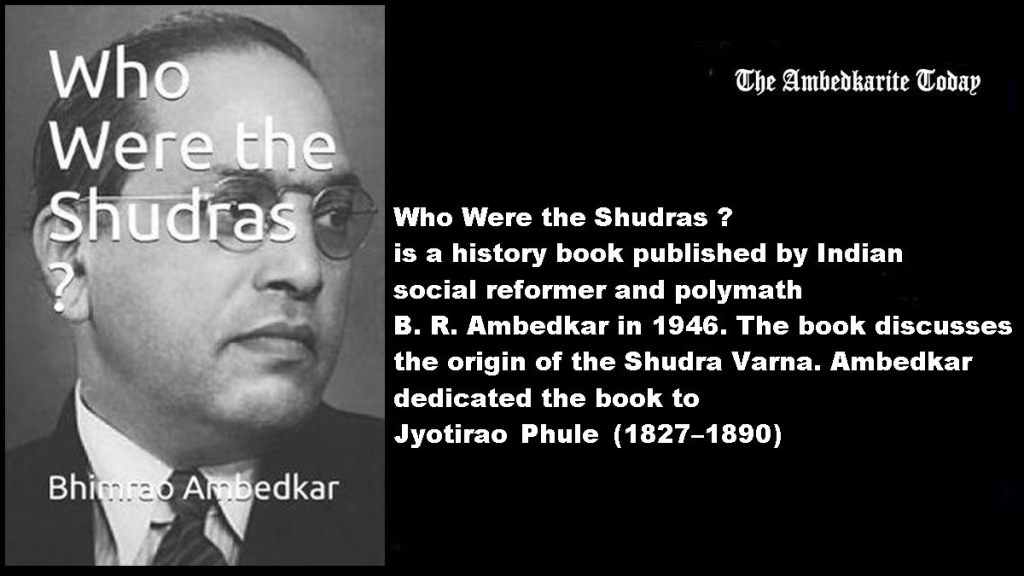
    ‘Ambedkar citing Rigveda, Mahabharata and other ancient Vedic scriptures, estimates that the Shudras were originally Aryans.

    Ambedkar writes in the preface of the book,

    “Two questions are raised in this book: (1) Who were the Shudras? and (2) How they came to be the fourth Varna of the Indo-Aryan society? My answers to them are summarised below.

    The Shudras were one of the Aryan communities of the solar race”
    There was a time when the Aryan society recognised only three Varnas, namely. Brahmins, Kshatriyas and Vaishyas.
    The Shudras did not form a separate Varna. They ranked as part of the Kshatriya Varna in the Indo-Aryan society.
    There was a continuous feud between the Shudra kings and the Brahmins in which the Brahmins were subjected to many tyrannies and indignities.
    As a result of the negligence towards the Shudras generated by their tyrannies and oppressions, the Brahmins refused to perform the Upanayana of the Shudras.
    Owing to the denial of Upanayana, the Shudras who were Kshatriyas became socially degraded, fell below the rank of the Vaishyas and thus came to form the fourth Varna.”[3]
    Importantly, Ambedkar states that the Shudras of Hindu society are entirely different from Shudras of ancient Indo-Aryan Society. The common misconception that the two are related in terms of ancestry stems from the fact that people believe that the Hindu and Indo-Aryan meaning of the word “Shudras” is the same, when they are actually different.[4] In the Indo-Aryan society, the word referred to a particular race of people, whereas in the Hindu society, the word loosely applies to individuals of a low social status, who are considered “uncultured”.[4] Ambedkar claims that the application of the word in the Hindu sense is incorrect as it wrongly associates them with the people and culture of the Indo-Aryan society, who committed wrongdoings, such as offending the Brahmins.[4]

    Shudras Are Aryans says Ambedkar

    Read free book here

    Aswamedha A Sexual Orgy Rama’s Mother In Animal Sex ?

    The following quote from the Valmiki Ramayana details the first of the two sacrifices that King Dasaratha conducted — the asvamedha yajna, in particular the queen-horse sexual portion of the sacrifice.

    Although all three of King Dasaratha’s wives were united with the carcass of the horse, Rama’s mom Kausalya was the one who had the…

    Keep reading

    Independence To India A Disaster No Equality Sch. Tribes Ambedkar

    Ambedkar did not want to give political rights to the Scheduled Tribes (he called them ‘Aboriginal Tribes’), equal to those of the Scheduled Castes? In his address to the session of the All India Scheduled Castes Federation in Bombay on 6 May 1945, he states the “reasons why I have omitted them from my scheme”.

    According to Dr. B.R. Ambedkar, the Shudras were originally Aryans, as he cites in his book “Who Were the Shudras?” He emphasizes that during ancient times, the Aryan society only recognized three varnas: Brahmins, Kshatriyas, and Vaishyas. The Shudras did not form a separate varna but were considered part of the Kshatriya varna. However, there was a continuous conflict between Shudra kings and Brahmins, leading to the Brahmins subjecting the Shudras to tyranny and indignities.

    Due to the neglect and oppression faced by the Shudras, the Brahmins refused to perform the Upanayana (sacred thread ceremony) of the Shudras. As a result, the Shudras, who were initially considered Kshatriyas, became socially degraded and fell below the Vaishyas, thus forming the fourth varna.

    It is important to note that Ambedkar states that the Shudras in Hindu society are different from the Shudras in ancient Indo-Aryan society. The misconception arises from the fact that people mistakenly believe that the meanings of “Shudras” in both contexts are the same. In Indo-Aryan society, it referred to a particular race of people, whereas in Hindu society, it loosely refers to individuals of low social status who are considered “uncultured.” According to Ambedkar, this application of the term in the Hindu sense is incorrect as it wrongly associates the Shudras with the people and culture of the Indo-Aryan society, who were involved in wrongdoings such as offending the Brahmins.

    For more detailed information, you can refer to the book “Who Were the Shudras?” by Dr. B.R. Ambedkar. Additionally, you can read a free version of the book here.

    Above is summation is Jetpack AI

  • Sri Ram Krishna Painting in The Constitution of India

    Sri Ram Krishna Painting in The Constitution of India

    India is secular.

    Ram and Krishna are also Secular.

    Who can be more secular than Ram and which Text can be more Secular than Srimad Bhagavad Gita.

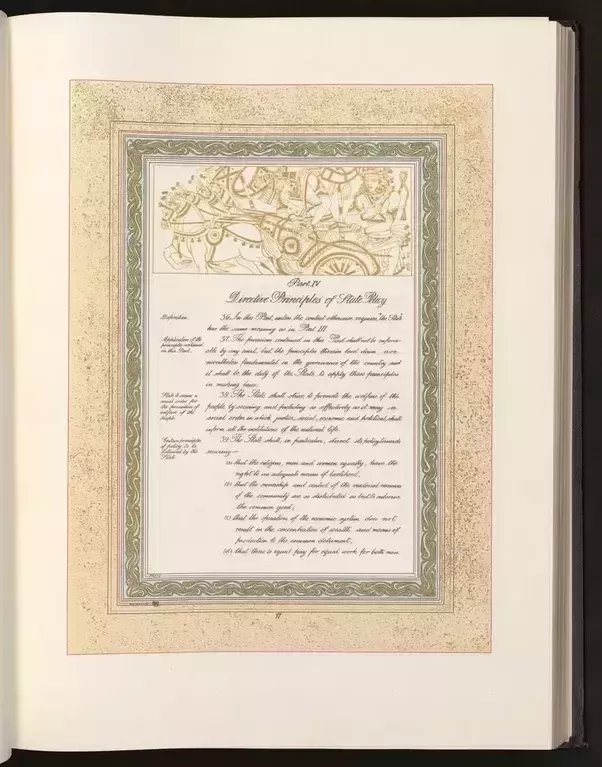
    The following paintings are from the original of the pages of the Constitution of India .

    Sri Rams painting on the pages of ‘ Fundamental Rights ‘

    Krishna’s painting on the pages of ‘ Directive Principles of State Policy.

    How appropriate!

    Sri Rama’s painting on the page of Fundamental Rights in the constitution of India.
    Srimad Bhagavad Gita painting with Krishna on the page of ‘ Directive Principles of State Policy in the Constitution of India.

    The painting of Sri Rama on the page of Fundamental Rights in the Constitution of India represents the ideals of secularism and equality enshrined in the document. Sri Rama, a revered figure in Hindu mythology, symbolizes righteousness, justice, and compassion, which are fundamental values in a secular and democratic society. This painting serves as a reminder of the inclusivity and diversity that India aspires to uphold, ensuring that every citizen is treated with fairness and respect, regardless of their faith or beliefs.

    The painting of Krishna on the page of ‘Directive Principles of State Policy’ in the Constitution of India signifies the principles of good governance, social justice, and welfare enshrined in the document. Krishna, a significant figure in Hindu mythology, represents wisdom, righteousness, and compassion. His presence on this page highlights the importance of incorporating spiritual and moral values in the governance of the country. It serves as a reminder that while India is a secular nation, it also recognizes the significance of ethical principles in creating a just and inclusive society for all its citizens.

    ,

  • देवी महात्म्यम दुर्गा सप्तशती पारायण प्रक्रिया

    देवी महात्म्यम दुर्गा सप्तशती पारायण प्रक्रिया

    दुर्गा, लक्ष्मी और सरस्वती में सन्निहित महिला सिद्धांतों के तीन रूप मनुष्यों के लिए आवश्यक वीरता,धन और ज्ञान की अभिव्यक्ति हैं ।
    सफल जीवन जीने के लिए तीनों को साथ रहना होगा ।
    हिंदू त्योहार इन सिद्धांतों का प्रतिनिधित्व करते हैं और वे इन जीवन के सत्यों में से एक को याद दिलाते हैं ।
    दुर्गा वीरता, लक्ष्मी धन और सरस्वती ज्ञान का प्रतिनिधित्व करती है ।
    नौ दिनों का त्योहार, नवरात्रि इसका प्रतिनिधित्व करता है ।
    मैंने प्रत्येक देवी को सौंपी गई प्रक्रिया मंत्रों और तिथियों पर लेख लिखे हैं ।
    मार्कंडेय पुराण में देवी महात्म्यम नामक एक पवित्र पाठ है, जो तीनों देवताओं के सभी मंत्रों का पाठ करके अर्जित करने के बराबर परिणाम देता है ।

    / (देवी माँ) ने मधु और कैदाभा को विष्णु माया (थमासिक-बेस) के रूप में मार डाला, महिषासुर को लक्ष्मी (राजसी रूप-भौतिकवादी) के रूप में मार डाला और देवी सरस्वती (सात्विक-आध्यात्मिक) के रूप में शुंभ और निशुंभ को मार डाला ।
    तीनों इस स्तोत्र में संयुक्त हैं ।
    इसमें मार्कंडेय पुराण के अध्याय 74 से 86 (13 अध्याय) शामिल हैं और इसमें 700 श्लोक हैं ।
    इसे दक्षिण भारत में देवी महात्म्य, पश्चिम बंगाल में चंडी और वाराणसी सहित देश के उत्तरी हिस्सों में दुर्गा सप्तशती के रूप में जाना जाता है ।
    कैसे करें देवी महात्म्य परायण
    दो तरीके हैं ।

    Check this too.

    त्रयंगम एक ऐसी विधि है जिसमें हमें तीन प्रार्थनाओं का जाप करने की आवश्यकता होती है – देवी कवच, अर्गला स्तोत्रम और देवी कीलकम के बाद नवक्षरी मंत्रम ।
    नवंगम एक ऐसी विधि है जिसके लिए पुस्तक पढ़ने से पहले नौ प्रार्थनाओं का पाठ किया जाता है । नवंगम स्तोत्र हैं: देवी न्यासा, देवी अवहाना, देवी नमनी, अर्गला स्तोत्रम, कीलाका स्तोत्रम, देवी ह्रदय, धला, देवी ध्यान और देवी कवच ।
    प्राचीन शास्त्रों में निर्धारित विधियों के अनुसार, देवी महात्म्य को एक बैठक में पढ़ा जाना चाहिए । देवी महात्म्य का पाठ समाप्त करने के बाद, किसी को देवी सूक्तम (अध्याय 7 के श्लोक 36 से 8) का जाप करना चाहिए ।
    3 दिन और 7 दिन में देवी सप्तशती परायण
    एक बैठे हुए पाठ के अलावा, भक्त लगातार तीन दिनों तक देवी महात्म्य पढ़ते हैं: पहले दिन प्रथम चारित्र या 1 अध्याय, 2 वें दिन मध्यमा चारित्र (2, 3, 4 अध्याय) और तीसरे दिन उत्तम चारित्र (5-13 अध्याय) ।
    कुछ भक्तों ने 7 दिनों में देवी महात्म्य भी पढ़ा। वे पहले दिन 1 अध्याय, 2-3 अध्याय 2 वें दिन, 4 वें अध्याय 3 वें दिन, 5-8 अध्याय 4 वें दिन, 9-10 अध्याय 5 वें दिन, 11 वें अध्याय 6 वें दिन और 12-13 अध्याय 7 वें दिन जाप करते हैं ।

    प्रत्येक अध्याय को एकल बैठक में पढ़ा जाना चाहिए । किसी भी कारण से, एक अध्याय के बीच में परायण को रोक दिया जाता है; पूरे अध्याय को फिर से पढ़ा जाना चाहिए ।
    दुर्गा सप्तशती परायण का पाठ प्रतिदिन करने का क्रम है: त्रयंगा मंत्र, देवी महात्म्य पाठ के बाद देवी सूक्तम ।
    कई भक्त नवरात्रि दुर्गा पूजा 9/10 दिनों के दौरान दुर्गा सप्तशती पढ़ते हैं । . नवरात्रि के दौरान देवी महात्म्यम पढ़ने की प्रक्रिया यहां दी गई है
    नवरात्रि उत्सव के दौरान दुर्गा सप्तशती (देवी महात्म्यम) कैसे पढ़ें
    1 दिन: अध्याय 1 (मधु कैताभ संहिता)
    2 दिन: अध्याय 2, 3 और 4 (महिषासुर संहार)
    3 दिन: अध्याय 5 और 6 (धूमलोचन वध)
    4 वां दिन: अध्याय 7 (चंदा मुंडा वध)
    5 वां दिन: अध्याय 8 (रक्ता बायजा समाराेह)
    6 वां दिन: अध्याय 9 और 10 (शुंभ निशुंभ वध)
    7 वां दिन: अध्याय 11 (नारायणी की स्तुति)
    8 वां दिन: अध्याय 12 (फलस्तुति-गुण या लाभ का पाठ)
    9 वां दिन: अध्याय 13 (सुरथा और व्यापारी को आशीर्वाद)
    10 वां दिन: अध्याय 14 (अपराधा क्षमप्रार्थना) 10 वें दिन

    आप 9 वें दिन देवी अपराधा क्षमा प्रार्थना स्तोत्रम का जाप करके 9 वें दिन भी गायन पूरा कर सकते हैं ।
    आपको हर अध्याय का पाठ पूरा करने के बाद सिद्ध कुंजिका स्तोत्रम पढ़ना चाहिए ।
    सिद्धकुंजिका स्तोत्र।
    *
    यह मंथरा बहुत महान शक्ति का है और इसका जाप तब तक नहीं किया जाना चाहिए, जब तक कि इसे गुरु द्वारा सिखाया न जाए ।
    दूसरा नवंगम है, जहां पुस्तक पढ़ने से पहले नौ प्रार्थनाएं पढ़ी जाती हैं । वे 1 का जप कर रहे हैं । न्यासा, 2. अवाना, 3. नमानी, 4. अर्गला, 5. कीलागा, 6. ह्रदय, 7. झाला, 8. 9.धोनी और धोनी कवचा।
    यह सिफारिश की जाती है कि संपूर्ण देवी महात्म्य को एक बैठक में पढ़ा जाना चाहिए । पठन पूरा होने के बाद देवी सूक्तम् का जाप करना आवश्यक है जिसमें अध्याय 36 के श्लोक 8 का जाप करना है । यदि गुरु ने नवक्षरी मंत्र सिखाया है, तो उस पर भी ध्यान करना चाहिए ।
    प्रशस्ति पत्र ।

    http://stotraratna.sathyasaibababrotherhood.org/pm1.htm

    http://sanskrit.safire.com/pdf/DURGA700.pdf

    https://archive.org/stream/DeviMahatmyamEnglishTransiteration/Devi%20Mahatmyam%20English%20Transliteration_djvu.txt

    अंग्रेजी में मेरा मूल लेख

    ,
    October 2023
    M T W T F S S
     1
    2345678
    9101112131415
    16171819202122
    23242526272829
    3031  

    The post discusses the significance of the three forms of the Hindu goddesses Durga, Lakshmi, and Saraswati in representing bravery, wealth, and knowledge respectively. It explains that for a successful life, all three qualities must be present. The post details the rituals and practices associated with the Devi Mahatmyam or Durga Saptashati, a sacred scripture that encompasses the mantras and stories of all three goddesses. It provides instructions for performing the Parayana, or the recitation of the scripture, in both the Trayanga method (consisting of three prayers) and the Navanga method (consisting of nine prayers). The post also suggests other prayers to be recited before and after each chapter, emphasizing the importance of seeking guidance from a guru. It ends by providing links to additional resources for further study.

    https://mahaperiyavaa.blog/2013/10/01/devi-mahatmyam-reading-procedure/

    https://x.com/Ramanisblog

    https://www.facebook.com/ramanan50?mibextid=ZbWKwL

  • मंत्र प्रभावी क्यों नहीं हैं, मंत्रों को सांस लें

    मंत्र प्रभावी क्यों नहीं हैं, मंत्रों को सांस लें

    मुझे पाठकों से प्रश्न प्राप्त होते हैं कि मंत्र अपेक्षित परिणाम प्रदान नहीं कर रहे हैं । ऐसे लोग भी हैं जो कहते हैं कि भले ही वे मानते हैं कि मंत्र, जप परिणाम प्रदान करेंगे, वे अभी तक लोगों को ब्रह्म,वास्तविकता या भगवान को देखने के लिए नहीं देख रहे हैं, क्योंकि संत थियागराज ने एक करोड़ बार राम नाम जप करने के बाद श्री राम को देखा था,(दस मिलियन) ।
    सच है । यदि केवल एक मंत्र का जाप करने की संख्या ही मानदंड है, तो जिन लोगों ने निर्धारित संख्याओं को पूरा कर लिया है ,उन्हें उनके द्वारा मांगे गए परिणाम प्राप्त करने चाहिए थे । लेकिन ऐसा नहीं है ।
    यदि आप गायत्री मंत्र,जो कि सर्वोच्च मंत्र है, का लगभग एक करोड़ बार जाप करते हैं, तो आपको ज्ञानी या सिद्धियों वाला कम से कम एक बनना चाहिए । कम समय में दस लाख बार जप संभव है,क्योंकि व्यक्ति के आधार पर 1008 गायत्री का जप लगभग दो से तीन घंटे में किया जा सकता है ।
    तो, मंत्र परिणाम क्यों नहीं देते हैं?
    यह केवल जप के रूप में मन में मंत्रों का जप नहीं है,बिना होंठों को हिलाए, वह मंत्र जप है ।
    मंत्र ध्वनियाँ हैं । हम अपने मुंह और नाक से आवाज करते हैं,जो हमारी ऊर्जा से प्रेरित होती है,जो मूलाधार से निकलती है । ध्वनियाँ अकासा से सभी के लिए सामान्य हैं; ध्वनि बनाने के लिए हम जिस हवा का उपयोग करते हैं वह भी सभी के लिए सामान्य है ।
    क्या अलग है आपकी ऊर्जा और जिस तरह से ध्वनि उठाई जाती है और ध्वनि को ‘सांस’ लेना होता है । जब आप ऐसा करते हैं, तो आप अपने शरीर को कंपन महसूस करेंगे ।

    जब आप जप करते हैं या बोलते हैं, तो आप अपनी सांसों में बदलाव पाएंगे क्योंकि हम अपनी नाक का उपयोग बोलने में भी करते हैं और मुंह से आवाज उठाने से भी सांस का प्रवाह प्रभावित होता है ।
    यदि आप बीजा का जाप करते समय सांस के प्रवाह का निरीक्षण करते हैं, तो यह साँस छोड़ना होगा । यदि आप क्लेम का जाप करते हैं, तो यह साँस लेना होगा ।
    बीजा मंत्र प्रति मंत्र नहीं हैं । वे वृक्षा के लिए बीज हैं जिन्हें मंत्र कहा जाता है । एक ध्वनि को पिंडा, दो ध्वनियाँ कार्थरी, तीन से नौ बीजक्षरियाँ कहा जाता है ।
    मंत्र जप,बीजक्षरों पर पालन करने के लिए और अधिक.

    . यांडेक्स अनुवाद द्वारा अनुवाद |कृपया मुझे अशुद्धियों की सूचना दें ।

    मेरी मूल पोस्ट अंग्रेजी में

    https://ramanisblog.in/2023/03/07/why-mantras-are-not-effective-breathe-mantras/

    , ,

    https://www.facebook.com/ramanan50?mibextid=ZbWKwL

  • Maha Periyava Discourse in Telugu

    Kanchi Periyava Speech in Telugu.

    https://www.facebook.com/ramanan50?mibextid=ZbWKwL

    My X

    https://instagram.com/ramanan50