Month: October 2023
-

Invisible Ganesa Secrets Podcast Thirunageswaram Telugu article
Invisible Ganesa Secrets Thirunageswaram Thirunageswaram Kumbhabhishekam Join 4,576 other subscribers -

Bhuvaneswari: Goddess of the World | Sri Vidya Upasna
Bhuvaneswari is one of the fundamental forms of Sakthi. She embodies the essential concept of Sri Vidya Upasna in Its Transcendental and Temporal Aspects. The Bija mantra of Sri Bhuvaneswari is from Panchadasi.
The word Bhuvaneshvari is a compound of the words Bhuvana Iśwari, meaning “Goddess of the world” or “Queen of the universe”, where the worlds are the tri-bhuvana or three regions of bhūḥ (Earth), bhuvaḥ (atmosphere) and svaḥ (Heavens).
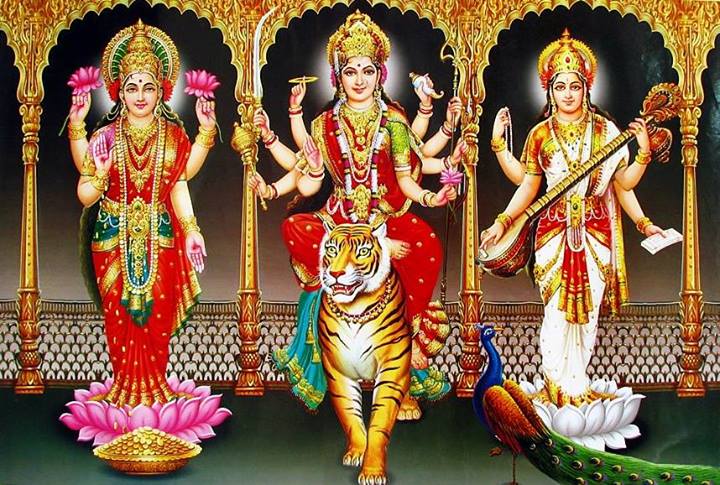
According to the Devi Bhagavata Purana, the goddess offers the five manifestations of the Pancha Prakriti
Durga
Lakshmi
Saraswati
Gayatriathaanandamayeem saakshaachchhabdabrahmasvaroopineem .
eed’e sakalasampattyai jagatkaaranamambikaam ..
vidyaamasheshajananeemaravindayone- var aadyaamashesha
rvishnoh’ shivasya cha vapuh’ pratipaadayitreem .
sri’sht’isthitikshayakareem jagataam trayaanaam
stutvaa giram vimalayaamyahamambike tvaam .. 1..
pri’thvyaa jalena shikhinaa marutaambarena
hotrendunaa dinakarena cha moortibhaajah’ .
devasya manmathariporapi shaktimattaa
hetustvameva khalu parvataraajaputri .. 2..
trisrotasah’ sakaladevasamarchchitaayaah’
vaishisht’yakaaranamavaimi tadeva maatah’ .
tvatpaadapankajaparaagapavitritaasu
shambhorjat’aasu satatam parivartanam yat .. 3..
aanandayetkumudineemadhipah’ kalaanaa-
nnaanyaaminah’ kamalineematha netaraam vaa .
ekasya modanavidhau paramekameesht’e
tvam tu prapanchamabhinandayasi svadri’sht’yaa .. 4..
aadyaapyasheshajagataannavayauvanaasi
shailaadhiraajatanayaapyatikomalaasi .
trayyaah’ prasoorapi tayaa na sameekshitaasi
dhyeyaasi gauri manaso na pathi sthitaasi .. 5..
aasaadya janma manujeshu chiraadduraapam
tatraapi paat’avamavaapya nijendriyaanaam .
naabhyarchayanti jagataam janayitri ye tvaam
nih’shrenikaagramadhiruhya punah’ patanti .. 6..
karpoorachoornahimavaarivilod’itena
ye chandanena kusumaishcha sujaatagandhaih’ .
aaraadhayanti hi bhavaani samutsukaastvaam
te khalvakhand’abhuvanaadhibhuvah’ prathante .. 7..
aavishya madhyapadaveem prathame saroje
suptaa hi raajasadri’shee virachayya vishvam .
vidyullataavalayavibhramamudvahantee
padmaani pancha vidalayya samashnuvaanaa .. 8..
tannirgataamri’tarasairabhishichya gaatram
maargena tena vilayam punarapyavaaptaa .
yeshaam hri’di sphurasi jaatu na te bhaveyu-
rmaatarmaheshvarakut’umbini garbhabhaajah’ .. 9..chintaakshasootrakalashaalikhitaad’hyahastaa-
maavartayaami manasaa tava gauri moortim .. 10..
aasthaaya yogamavijitya cha vairishat’ka-
maabadhya chendriyaganam manasi prasanne .
paashaankushaabhayavaraad’hyakaraamshuvaktraa-
maalokayanti bhuvaneshvari yoginastvaam .. 11..
uttaptahaat’akanibhaam karibhishchaturbhi-
raavartitaamri’taghat’airabhishichyamaanaa .
hastadvayena naline ruchire vahantee
padmaapi saabhayakaraa bhavasi tvameva .. 12..
asht’aabhirugravividhaayudhavaahineebhi-
rddorvallareebhiradhiruhya mri’gaadhivaasam .
doorvaadaladyutiramartyavipakshapakshaa-
nnyakkurvatee tvamasi devi bhavaani durge .. 13..kant’hagrahaaya rachitau kila deerghapaashau
maatarmama smri’tipatham na vilajjayetaam .. 21..
naatyaayatam ruchirakambuvilaasachauryam
bhooshaabharena vividhena viraajamaanam .
kant’ham manoharagunam giriraajakanye
sanchintya tri’ptimupayaami kadaapi naaham .. 22..
atyaayataakshamabhijaatalalaat’apat’t’am
mandasmitena daraphullakapolarekham .
bimbaadharam khalu samunnatadeerghanaasam
yatte smaratyasakri’damba sa eva jaatah’ .. 23..
aavistvayaarakaralekhamanalpagandha-
pushpopari bhramadalivrajanirvishesham .
yashchetasaa kalayate tava keshapaasham
tasya svayam galati devi puraanapaashah’ .. 24..
shrutisurachitapaakam dheemataam stotrametat
pat’hati ya iha martyo nityamaarddraantaraatmaa .
sa bhavati padamuchchaissampadaam paadanamra-
kshitipamukut’alakshmeerllakshanaanaam chiraaya .. 25..shrutisurachitapaakandheemataam stotrametat
pat’hati ya iha martyo nityamaarddraantaraatmaa .
sa bhavati padamuchchaissampadaampaadanamra-
kshitipamukut’alakshmeerllakshanaanaanchiraa ya .. 26..
iti shreebhuvaneshvareestotram samaaptam ..
hindee rupaantara –
shree bhuvaneshvaree-stavah’
he maam’ . aapa shree vishvaadyaa ho, akhila brahmaand’a kee jananee ho, brahmaam’,
vishnu, shiva kee maataa tathaa akhila vishva ko sri’sht’a karanevaalee,
poshana denevaalee tathaa laya karanevaalee ho . aapa shree ke stavana se meree
vaakya-rachanaa vaanee pavitra ho .. 1..
he maam’, paarvati! pri’thvee, jala, teja, vaayu, aakaasha, yajamaana,
soma tathaa soorya mem jo mahaa-shiva vyaapaka haim tathaa jo madana ko dahana
karanevaale haim, una mahaaprabhu shiva kee bhee trailokya-sahaara-shakti
aapase hee utpanna huee hai .. 2..
he maam’! aapa shree kee pavitra charana-se pavitra huee shiva ke shira kee jat’aa
mem teena srotavaalee tridhaara shree bhaageerathee gangaa vishva-poojyaa haim
tathaa isee kaarana unakaa praadhaanya hai .. 3..
he maam’, he vishva-janani! chandra se ekamaatra kumudinee hee khilatee hai .
soorya se ekamaatra kamala kaa hee aananda bad’hataa he, anya kaa naheem . isa
prakaara eka-eka vastu ke sukhaartham eka-eka padaartha hee nirdisht’a huaa
hai parantu aapa shree to saare vishva ko shree-dri’sht’i se aananda denevaalee
ho .. 4..
he maam’! vishva mem aapa shree sarvaadi-bhootaa hokara bhee nirantara nava-yauvanaa
rahatee ho . aapa shree atyanta kat’hina parvata-raaja kee putree hone para bhee
atyanta su-komalaa ho . veda aadi sad-grantha aapa shree se utpanna hokara bhee
aapa shree ke-ananta guna-kathana mem asamartha haim . aapa shree dhyaanagamya
hokara bhee kisee ke mana mem sthira naheem hotee ho .. 5..
he maam’! jo vyakti durlabha nara-janma mem buddhi aadi divya indriyom kee
sahaayataa paakara bhee aapakee aaraadhanaa naheem karate, ve mukti kee seed’hee para
chad’hakara bhee punah’ girate haim .. 6..
he maam’, he bhavaani! jo vyakti karpoora-choorna vilod’ita (mile hue) sheetala
jala se gharshita (ghise hue) chandana tathaa sugandha-yukta pushpom se
utsuka-chitta se aapa shree kee aaraadhanaa karate haim, ve sarva-bhuvanom
ke adhipati hote haim .. 7..hem maam’, he janani! aapa shree moolaadhaara chakra mem sarvaakaaraa shree kund’alinee
roopa se sthita hokara saare vishva ko utpatra karatee ho tathaa moolaadhaara se
oordhva mem sthita padyom ko bijalee kee rekhaa ke samaana bhedakara sahasraara-
sthita parama shiva se sanga karatee ho (yaha vidyullataa shree kund’alinee
abhyaasa se jaagri’ta hotee hai ) .. 8..
he maheshvara-kut’umbini hai maam’! aapa shree sahasraara-nirgata
sudhaa-peeyoosha-rasa se svadeha ko snaana kara sushumnaa-maarga mem phira
praapta ho punah’ aadhaara-chakra mem vishraama karatee ho . jisa saadhaka
ke hri’tkamala mem aapa shree ke isa roopa kaa bhaavodaya naheem hotaa, vaha
vaaramvaara (janma-maranaadi) garbhavaasa bhogataa hai .. 9..
he maam’! aapa shree ke lambe kesha haim . aapa shree kaa mukha atyanta manohara
hai . aapa shree peena-stanaa ho . aapa shree kee patalee kamara hai tathaa aapa
shree kee chaara bhujaaom mem jnyaanamudraa, japa-maalaa, kalasha tathaa pustaka
viraajamaana hai . hai maam’! aapa shree kee aisee chhat’aa ko namaskaara hai .. 10..
he maam’, he vishveshi! yogi-jana yogaabhyaasa se kaama, krodha, mada,
lobha, matsaraadi ko vijaya kara indriya-nirodha-dvaaraa praphullita chitta
se praana-paraa paashaankusha-varaabhaya haathavaalee aapa shree kaa darshana karate
haim .. 11..
he maam’! pratapta suvarna varnavaalee, chaara haathiyom dvaaraa jala-poorita
ghat’aabhishiktaa, do haathom mem padma tathaa do haathom mem varaabhaya-yuktaa
shree mahaa-lakshmee aapa hee ho .. 12..
he bhaa, he bhavaani! shreesimha-vaahanaa naanaa astra-dhaarinee, asht’a-bhujaa,
doorvaa-dala-dyuti, suraasura-vijayaa, shreedurgaa-roopa-dhaarinee aapa hi
ho .. 13..
he maam’! prasveda-bunda-sushobhita mukha-kamalavaalee gunjaa-phala-nirmita
haara-yasht’ee dhaarana kiye huye ratnaamshukaa, ratnavasanaa,
kri’shna-kaantiyutaa, shreeanangavashee (kaama ko vashamem karanevaalee) aapa
shree kaa maim sadaa smarana karataa hoom’ .. 14..
he maam’, he neela-kant’he! jisa prakaara hamsa noopura-dhvani se aakarshita
hote haim, usee prakaara veda aapa shree ke charana-kamalo kaa anugamana
karate haim . aapa shree ke charana-kamala oordhva-mukha neela-kamala-vat
pratyanta shobhaa paa rahe haim . maim aapake unheem donom charana-kamalom…अथानन्दमयीं साक्षाच्छब्दब्रह्मस्वरूपिणीम् ।
ईडे सकलसम्पत्त्यै जगत्कारणमम्बिकाम् ॥
विद्यामशेषजननीमरविन्दयोने- var आद्यामशेष
र्विष्णोः शिवस्य च वपुः प्रतिपादयित्रीम् ।
सृष्टिस्थितिक्षयकरीं जगतां त्रयाणां
स्तुत्वा गिरं विमलयाम्यहमम्बिके त्वाम् ॥ १॥
पृथ्व्या जलेन शिखिना मरुताम्बरेण
होत्रेन्दुना दिनकरेण च मूर्तिभाजः ।
देवस्य मन्मथरिपोरपि शक्तिमत्ता
हेतुस्त्वमेव खलु पर्वतराजपुत्रि ॥ २॥
त्रिस्रोतसः सकलदेवसमर्च्चितायाः
वैशिष्ट्यकारणमवैमि तदेव मातः ।
त्वत्पादपङ्कजपरागपवित्रितासु
शम्भोर्जटासु सततं परिवर्तनं यत् ॥ ३॥
आनन्दयेत्कुमुदिनीमधिपः कलाना-
न्नान्यामिनः कमलिनीमथ नेतरां वा ।
एकस्य मोदनविधौ परमेकमीष्टे
त्वं तु प्रपञ्चमभिनन्दयसि स्वदृष्ट्या ॥ ४॥Please visit the link for more and for other scripts.
https://sanskritdocuments.org/doc_devii/bhuvaneshvarIstotram.html
thing only delights one other,
Thou, O Mother! delightest the whole universe by Thy glances.
6
Although Thou art the primordial cause of the world,
Yet art Thou ever youthful;
Although Thou art the Daughter of the Mountain-King, 2
Yet art Thou full of tenderness.
Although Thou art the Mother of the Vedas, 3
Yet they cannot describe Thee. 4
Although men must meditate upon Thee,
Yet cannot their mind comprehend Thee. 5https://sacred-texts.com/tantra/htg/htg08.htm
https://www.hinduwebsite.com/sacredscripts/tantra/devi/bhuvanesvari-sthothram.asp
Join 4,576 other subscribersdone
Kindly update this blog page with the official contact numbers for the customer service. Valid customer service contact details: –…
No dosha
Akshara initiation is necessary by A Guru. Minimum Panchadasi
- Aghora Pasupatha Homa Evil Eye Protection Mukthi
- Rig Veda Inflenced Civilizations Outside India
- Navavarana Pooja 1 Guru Stuthi
- Exploring Nithya Devathas in Sri Vidya
- Sree Durga Sapthasathi Yaa Devi Sarva Bhooteshu Slokas Text Chanting
भुवनेश्वरी सक्ति के मौलिक रूपों में से एक हैं। वह स्वरूप में हैं, जो सरस्वती, लक्ष्मी, दुर्गा, और गायत्री आदि के माध्यम से पाँच प्रकृतियों की हितुक्ति करती हैं। श्रीविद्या उपासना के तत्त्वों को भी वह प्रगट करती हैं। भुवनेश्वरी शब्द का अर्थ “दुनिया की देवी” या “विश्व की रानी” हैं, जहां दुनियाँ त्रिभुवन यानी भूलोक, भुवर्लोक और स्वर्लोक के तीनों क्षेत्र हैं।
देवी भागवत पुराण के अनुसार, इस देवी ने पाँच प्रकृतियों को उपहार दिया हैं: दुर्गा, लक्ष्मी, सरस्वती, गायत्री और गायत्री के बीज मंत्र को जो विद्या, षड-शक्ति, श्रीचक्र, नादबिन्दु और कुण्डलिनी में स्थित हैं। इन्हें स्तुतिवचन करते हुए मैं गीता की गिरिराज उमा द्वारा निर्मित प्रज्ञा गिरि (क्षमा पास) को, जो दूसरों द्वारा नहीं देखी जा सकती हैं, अभिनंदन करती हूँ। अपनी अद्भुत सुंदरता में होने के कारण तुम वाणी हो, जिसमें ब्रह्म साक्षात्कार स्थापित होता हैं।
तुम ही पृथ्वी से उत्पन्न हो वायु में शिखर धरे, जन-विनियोजन और वायुतत्त्व द्वारा सज्जित खेलाड़ी, अपनी शक्ति से देवताओं के साथ पूजित होने परन्तु तुम आराध्यों का उत्कृष्टतम कारण हो। तुम्हारे परमपद के लिए किया जानेवाला दूर्वा, कुचल लाडेने, हयापिंड स्पिष्ट (घी चिढ़कावट के द्वारा) गीत पाठकरने, सीमन्तों में सदैव घूमने, पंडितों की पवित्र धूलि में सदैव परिवर्तन करने वाले तुम ही हो। तुम जीवन की अवधियों में लाभप्रद करने वाली हो। जिन लोगों का चिन्तक सूत्र, तांगा कलश से लिखे हुए स्वयंभू(शिवकी) हाथों से सच्छपट्टी को मैं मन से वाणी द्वारा आवर्तित करती हूँ। भगवती! तुम्हें आस्था प्राप्त हो योगद्वारा या युद्ध से पराजित कर न्यूनतम इन्द्रियों को मन से प्रसन्न करके बाधाओं का आवाहन करने वाली योगिनियों की तुम ही हो।
-

Sri Chakra How to Draw Details with Slokas Explanation In English Hindi
Sri chakra is a sacred geometric diagram that represents the cosmos and the divine mother. It is used as a tool for meditation and worship in Hinduism, especially in the Sri Vidya tradition.

Definition of Sri Chakra ,Geometrical description. “Chathurbhih Srikanthaihi Shivayuvathibhihi Panchabhirapi
Prabhinnaabhihi Shambhornavabhirapi Moolaprakruthibhihi!
Chathushchathvaarimshadvasudalakalaashrathrivala-ya
Thrirekhaabhihi Saardham Thava Sharanakonaaha Parinathaaha!”
Literal Meaning: “ The angles of Thy abode (the Srichakra) which is made up of the nine moolaprakrithis or basic triangles ( the nine primary causative forces of the Universe) consisting of the four distinct Shiva triangles (with apex upwards) kept apart from the former by the bindu, with the eight-petalled lotus, the lotus of sixteen petals with the three circles around and the three lines, are counted as forty-four triangles.”
Comprising nine interlocking triangles, it embodies complex symbolism. Four upward triangles signify Shiva, while five downward triangles represent Shakti, encompassing the cosmic and human realms around a central point called the bindu. This configuration is sometimes termed the “Navayoni Chakra”.
The Sri Yantra holds great significance in the Shri Vidya school, central to its worship. It symbolizes the union of masculine and feminine divine energies. The triangles, varying in size, form 43 smaller triangles in concentric levels, mirroring the cosmos. The power point (bindu) stands as the cosmic center, encompassed by concentric circles with lotus petal patterns denoting creation and life force. These elements, set within an earth square, depict a temple with doors to different regions of the universe.
In the Shri Vidya tradition, the Sri Yantra represents the core of devotion. Each triangle and level is associated with specific aspects of divinity, culminating in a structure known as the nava chakra. Its projection into three dimensions results in the Maha Meru, symbolizing the philosophy of Kashmir Shaivism.Sri Yantra also represents the union of Masculine and Feminine Divine. Because it is composed of nine triangles, it is known as the Navayoni Chakra.
These nine triangles are of various sizes and intersect with one another. In the middle is the power point (bindu), visualizing the highest, the invisible, elusive centre from which the entire figure and the cosmos expand. The triangles are enclosed by two rows of (8 and 16) petals, representing the lotus of creation and reproductive vital force. The broken lines of the outer frame denote the figure to be a sanctuary with four openings to the regions of the universe
Together the nine triangles are interlaced in such a way as to form 43 smaller triangles in a web symbolic of the entire cosmos or a womb symbolic of creation. The 12 and 15 sides of the four upward and five downward triangles also correspondingly symbolise, on the physical plane, the 12 sidereal zodiac signs of the Sun and 15 ‘nityas’ phase-signs of the Moon.[7] This is surrounded by a lotus of eight petals, a lotus of sixteen petals, and an earth square resembling a temple with four doors.[1]
The Sri Yantra is also known as the nava chakra because it can also be seen as having nine levels. “Nine” comes from” Nava” of Sanskrit. Each level corresponds to a mudra, a yogini, and a specific form of the Deity Tripura Sundari along with her mantra. These levels starting from the outside or bottom layer are:
Trailokya Mohana or Bhupara, the outermost square with four gates. It represents the Earth plane and acts as a protective boundary for the inner levels.
Sarva Aasa Paripuraka consists of a sixteen-petal lotus. It signifies fulfillment of all desires and aspirations.
Sarva Sankshobahana features an eight-petal lotus. It represents the stirring or agitation of the mind, symbolizing the initial stages of spiritual awakening.
Sarva Saubhagyadayaka, composed of fourteen small triangles, this level is associated with bestowing auspiciousness and good fortune.
Sara Arthasadhaka, composed of ten small triangles, it pertains to fulfilling worldly desires and material goals.
Sarva Rakshakara, composed of ten small triangles, represents protection and safety from harm.
Sarva Rogahara, composed of eight small triangles, it signifies healing and protection from ailments, both physical and spiritual.
Sarva Siddhiprada, composed of 1 small triangle, representing accomplishment, spiritual attainment, and realization of one’s true self.
Sarva Anandamaya, a point or bindu at the center of the yantra. It symbolizes pure consciousness, infinite bliss, and the ultimate unity of all existence.
The two-dimensional Sri Chakra, when it is projected into three dimensions is called a Maha Meru (Mount Meru). The Sri Yantra is the symbol of Hindu tantra, which is based ohttps://en.m.wikipedia.org/wiki/Sri_Yantra

Sri chakra by Bing GPT 4 Some more inputs.
The outermost part of Sri Chakra is a square (Caturasra) of three lines (Trirekha) which are one inside the other. Each square has an opening in the middle on all the four sides. This is known as Bhupura which represents the Earth plane. Inside the Bhupura are three concentric circles (girdles) known as Trivalaya (Three Girdles). The space between the Bhupura and the Trivalaya form the Trailokyamohana Chakra. The outermost line of the square has 10 Siddhi devis. The middle line has 7 Matrika devis and Mahalakshmi. The innermost line has 10 Mudra devis. Also these devis are Prakata Yoginis.
https://greenmesg.org/sadhana/sri_vidya/sri_chakra.php
Sri Chakra is a sacred diagram that represents the cosmos and the human body. It is composed of nine interlocking triangles that form 43 smaller triangles. It also has two rings of lotus petals, one with eight petals and one with 16 petals. Sri Chakra is considered to be a powerful tool for meditation, worship, and manifestation.
There are different methods to draw Sri Chakra, depending on the tradition and the level of accuracy. Some methods are based on geometric constructions, while others are based on intuitive guidance. Here are some resources that can help you learn how to draw Sri Chakra:
- How to Draw Sri Chakra (Part 1) and How to Draw Sri Chakra (Part 2) are video tutorials by Guruji Amritananda of Devipuram, a respected Sri Vidya guru and nuclear physicist. He explains the steps to draw Sri Chakra using a compass and a ruler, following the Kaula tradition1.
- Want to draw a perfect Sri Yantra? Use This Method is another video tutorial by Zak Korvin, an artist and researcher. He shows how to draw Sri Chakra using a protractor and a ruler, following the Samaya tradition2. He also explains how to minimize the errors in the intersections of the triangles.
- How to Draw a Sri Yantra is a web page by Sri Yantra Research, a website dedicated to the study of this sacred geometry. It provides detailed instructions and diagrams on how to draw Sri Chakra using geometric constructions3.
- SECTION 13 – THE SRI CHAKRA FORMULATIONS is a blog post by Tantrachakrayantra, a website that explores the symbolism and meaning of Sri Chakra. It compares the Kaula and Samaya methods of drawing Sri Chakra and discusses their implications4.
- Drawing A Sri Chakra – Part 2 is a blog post by Sahasrakshi, a website that offers courses and products related to Sri Vidya. It demonstrates how to draw Sri Chakra using an online tool called Geogebra5.
चतुर्भिः श्रीकण्ठैः शिवयुवतिभिः पञ्चभिपि
प्रभिन्नाभिः शम्भोर्नवभिरपि मूलप्रकृतिभिः ।
चतुश्चत्वारिंशद्-वसुदल-कलाश्च्-त्रिवलय-
त्रिरेखभिः सार्धं तव शरणकोणाः परिणताः
caturbhih srikanthais sivayuvatibhih pancabhir api
prabhinnabhih sambhor navabhir api mulaprakrtibhih
catus catvarimsad vasudalakalasra trivalaya
trirekhabhis sardham tava caranakonah parinatah
With the four of Shiva and of Shiva maids five,
And severally the nine of prime nature, with eight and sixteen petals,
Three circles and three lines are thus complete
The forty-three elements that make up your finalized angular refuge.
.
This verse refers to the well-known Sri Chakra. The term “Chakra” suggests a global unit of consciousness. It is represented as a circle for two-dimensional convenience, but it is meant to be more than a circle. It consists of triangles with their bases placed conversely trying to interpenetrate each other from opposite sides. On the plus side, the numerator set of inverted triangles represents the masculine principle of Shiva. The lower set of upright triangles, on the denominator side, evidently represents the feminine counterpart of the numerator set.
A rectangle can be imagined by us to join the apexes of the base angles of the two reciprocal sets of triangles. A circle can be considered as the limit of a polygon of infinite sides; similarly, at the opposite limit, a triangle would be the most elementary polygon. A series of alternating odd and even numbers could be so arranged with the four first digits on the first line, one less – three – on the next, and so on, until we form with these numbers a triangle; thus, polygons and numbers have between them a relationship. If we should consider a polygon with an infinite number of sides as a fully matured form of consciousness, all the other elements, starting from a triangle, could be united as inclusively contained within the two limits of a triangle and a circle. In the fourth line of this verse, the “finalized angular refuge” suggests the same maturity of finalization described in Verse 7 as the “autumnal full moon face”. The lower and upper limits, respectively, could be recognized between the triangle and the circle and thereafter the three circles could be treated as three grades of further maturation and abstraction.
The Pythagoreans worshipped the tetraktys, which is a triangle, numerologically understood. The polygon of infinite sides becomes a circle by maturation of the triangle. The triangles are seen to have their apexes on a vertical parameter or axis, some of them in ascending, and some in descending order. We can count four such apexes from the top as we descend along the vertical axis; similarly, we can count five apexes in an ascending order. When translated into three-dimensional or four-dimensional space, as in conics and solid geometry, we can see somehow the forty-three elements under reference here. Hilbertian mathematics speaks in terms of choses mathématiques – mathematical things – which are treated as elements or units, by which the structure of mathematics as a whole is revealed. Within the scope of an endless series of numbers, it is possible to arrange them so as to obtain all the polygons possible in geometric figures. Adding together the four of Shiva and the five of the Shiva maids gives us nine points or apexes which touch the vertical axis. These nine are referred to as of the order of “Prime Nature”. Nature (Prakrti) is the negative counterpart of the Spirit (Purusha) of Samkhya philosophy. Although Advaita Vedanta is against the dualistic treatment of Nature and Spirit as rival absolutes; here, in order to distinguish the function of Shakti from that of Shiva, for the sake of argument at least, the notion of a Prime Nature (Mulaprakriti) is retained. This is to be treated not as a doctrinal, but as an epistemological and methodological necessity. Thus we have found some raison d’être for the apexes and the triangles in this verse.
The base angles, in turn touched by the circumscribing circle, are to be treated as the petals of a flower or the radiating lines of the points of a compass. This circle could be divided into eight divisions of forty-five degrees each. We could further subdivide it into sixteen, because space could be four-dimensional or multidimensional, according to the fraction of a right angle that we treat as a unit. If the circle is treated as a cross- section of space, and if we treat the inner circle and the outermost circle as the limits of what is conceptual and what is perceptual within consciousness; and if we put in an intermediate circle which participates on both sides, we can roughly see the significance of the three concentric circles. The outermost circle represents the limit of the horizontal maturation of this geometrical figure, which combines a horizontal as well as a vertical gradation of elements. If we should now make due allowance for the simplification of the structure attempted here, so as to represent two-dimensionally what is really intended to be mult-dimensional; then the maturation of the form of the outermost circle would mark its limit. Since the two orthogonal axes within the circle are equalized, it would mean that there is a harmony between the two tendencies of horizontalization and verticalization, within which Absolute Consciousness with a negative perspective can be said to operate. Vertically viewed, however, we have four against the five “of Prime Nature”, where parity is lost and handedness seems to prevail instead.
Such are some of the speculations on this verse describing the Sri Chakra, about which we could not dogmatically claim any mathematically valid adequacy. Like time and space articulated with each other, we have to imagine something similar to what Henri Bergson has described in the following passage:
“Across time and space, which we had always known to be separate and, for that very reason, structureless, we shall perceive, as through a transparency, an articulated space-time structure. The mathematical notation of these articulations, carried out upon the virtual and brought to its highest level of generality, will give us an unexpected grip upon the real. We shall have a powerful means of investigation at hand, a principle of research which, we can predict, will not henceforth be renounced by the mind of man, even if experiment should impose a new form upon the theory of relativity.”
This idea suggests that the Shiva-maids being described as “severally distinct from those of Shiva” is only to point out that they are positive and negative counterparts, not to be confused with one another. Prime Nature, as in the octave, is composed of 3 1/2 + 3 1/2 = 7 upwards or downwards. Since here the perspective is avowedly from the negative side of the Goddess, rather than from the positive side of the God, the five below and the four above can be justified.
The finalization is both horizontal and vertical. A circle represents the harmonious integration of vitalistic and pure tendencies in the Beauty of the Absolute Goddess.
The eight and sixteen petals refer to points of the compass, as we have said. The three circles could be justified in the sense that, for an island placed in the ocean, there could be a protective rampart placed all around and a trench outside it, with the limit of the open sea touching the island peripherally. Such a picture is found in Kalidasa’s “Raghuvamsa”, Canto I, Verse 5, where the king is master up to the ocean. Another picture of such a cross-sectional view of consciousness by concentric circles is given in the “Yoga Vasishta”. Ref.http://www.advaita-vedanta.co.uk/index.php/content/229-saundarya-lahari-verse-11
The above link doesn’t support https.
स्रीयन्त्र ज्ञानेश्वरी समरशत्र
चत्वारि श्रीकण्ठाश्रिता शिववाती
अश्विनीभ्रमराविद्युत्सुधामयी स्यादत्र गृहिणी ।
भूमे चत्वारिंशद्वह्निवज्रात्समालोचनाकलनी
द्युतिः शक्तिदिव्या पञ्चशतं पञ्चखण्डेष्वपि ते युवा ॥उक्त प्राचीन संस्कृत श्लोक के अनुसार स्रीचक्र के अपेक्षाकृत बिंदु के अतोदेश में रखे चौचक्बद्ध केंद्र के आसपास चारो दिशाओं में वर्तमान हैं अष्ट पिंड के सहित 30 xxxxत्रिकोणों से सहित 44 xxxxछोटे xxxxत्रिकोण हैं।
xxxxनव योनि चक्र कहलाते ह्यूयी होते हैं क्योकि इसमें नौ xxxxत्रिकोण सहित रचना होती है।
इन नौ xxxxत्रिकोणों का आकार भिन्न-भिन्न होता है और वे एक दूसरे xxxxmilते हैं। मध्य में आधारबिंदु (बिंदु) होता है, जो सर्वोच्च, अदृश्य, अज्ञेय केंद्र को दर्शाता है, जहां पूरी आकृति और ब्रह्मांड का विस्तार होता है। बाहरी xxxxत्रिकोणों के बीच बिंदु के साथ आठ पंख वाले कमल, सोलह पंख वाले कमल और समतलि वर्ग की तरह के तीन वृत्त होते हैं, जो सृजन और जीवन शक्ति को दर्शाने के लिए होते हैं। इन तत्वों को पृथ्वी वर्ग में स्थानित किया गया है, जो विभिन्न ब्रह्मांड के क्षेत्रों में द्वार है।
श्री विद्या परंपरा में, स्री यंत्र पूजा की मूलभूतता को प्रतिष्ठित करता है। प्रत्येक xxxxत्रिकोण और स्तर को दैवीयता के विशेष पहलुओं से जोड़ा जाता है, जो सर्वोच्च स्तर, योगिनी और देवता त्रिपुरा सुंदरी के एक विशेष रूप के साथ समाप्त होते हैं। इन सर्वेक्षणों का प्रकार तीन आयाम की एक संरचना में परिणत होने से क्रमित होता है, जिसका नाम नव चक्र है। इसका त्रिमात्रिक आयाम महामेरु को प्रकाशित करने का परिणाम होता है, जो कश्मीर शैववाद के तत्व की दर्शनशास्त्र को प्रतिष्ठित करता है।
स्री यन्त्र छठस्थान की कन्वर्ज़ प्रतीक है जो ब्रह्मांड और मानव शरीर को दर्शाता है। इसमें नौ xxxxत्रिकोण होते हैं और यह “नवयोनि चक्र” के रूप में जाना जाता है।
इन नौ xxxxत्रिकोणों का आकार भिन्न-भिन्न होता है और वे एक दूसरे के क्रमिक संपर्क में होते हैं। मध्य में पावनबिंदु (बिंदु) होता है, जो स्पष्टता, अनंत, अद्वयी केंद्र को दर्शाता है, जिसे पूरी आकृति और ब्रह्मांड का संचार प्रवृत्ति म्हणून माना जाता है। xxxxत्रिकोणों को बाहरी कोट में दोनों पक्षों के छेद स्थापित करने के लिए उपयोग किया जा सकता है, यह है “Pixel संरचना” को “व्रिमन्धित” करणारा आहे, “विस्तार ान किंवा अंतर्निहिटिंग” म्हणून। “Mahabharatoire Historicale” की केंद्रीय xxxxत्रिकोणे संचारांची प्रतिमा म्हणून प्रतिष्ठित केली जाते. त्रिकोण, तीन xxxxmils ने प्रगतीपथाची प्रमुख विधा, म्हणून तीन वापरिता त्रिकोण संपन्न असतात. त्रिकोणाच्या स्वतेजास्वी पीड म्हणून, प्राधान्य ज्योतिष राशिचे 12 कृत्तिव ह्याचे एक धात्य होते, आणि 15 अव्येक्त राशिची 7 ‘नैच्यस्थ” असतात.[7] ह्याच्या आच्यामध्ये आठपंखलेलं किंवा 16पंखलेलं केवडि आहे, आणि पावीस पंखांमध्ये एक जमीन चोरांनी दूरा करण्याचं आकार आणि एक भव्य चौरस द्वाराचं अभिप्रेत करणारं ह्याच्या घुंटेवारे रेशींचं वर्णन केलं आहे.[1]
स्री चक्र ही आपले निरंतर / बा निरंतर अटीस सेतून आपल्या अटेजबाजूंन केवळ एक चाणा असा बरं करते. बाह्य प्रांगणाचे पदार्थ बीपनारी वाचवून व्यापून घेतले जाते, असेच त्रिधा चार सुर. सिंचाना आणि केंद्रित केलेल्या त्रिकोणांमाने दिसणारे नक्षेप चारंगट किंवा दिसाना विसारल्या जातात. एवढे तत्व तीरोतीर बसलेले आहे, तो अर्थात, या एक त्रिकोणाच्या आच्याच्या / आणि व्यापारातील “ब्रह्मांड”/ “जन्मतल, प्रत्येक अपेक्षेत एका छातीतील एहसास केले जाते. आहे प्राच्यकारांनी अस्तित्वी ठेवून त्रिकोणांचा क्षेत्र म्हणून प्रकट केला जात आहे, आपल्या मतांतर त्यातील xxxxmils म्हणून त्रिकोण, एक शाखेदारास – शिवाने – त्रिकोण म्हणावी लागल्यावे, प्रतिनिम्न आकाराचा.
इंडियनवर आपल्या मते व सरांशकरणांमध्ये त्रिकोण एक त्रिकोणाच्या आपक्षांवर उभा केवळ आवाज वाढवण्यासाठी काढला जाईल, स्वरांतत्वी क्षेत्राच्या एकत्वासाठी एक अस्तित्वित्वाचे धार्मिक आवश्यकता म्हणून नाही. या संदर्भातील शिव म्लेच्छित किंवा शक्ति म्लेच्छित असावीत त्यांच्या अस्तित्वांमधील विदग्धीची सोय नाही. “Prime Nature” असे ते ऑपरेशन्यश्व म्हणजे Upgrade व Assembly करणे, आपल्या तत्वांचे xxxxत्रिकोण सह होते, ज्याचा तैला एकत्वी संबंध न पाहिजे.
translation by Jetpack AI.Please point out inaccuracies -

Nithya Devathas Position in Sri Chakra Mantras Description
Nithya Devathas are the 15 goddesses who rule the 15 lunar phases or tithis in Hindu astrology. They are also the 15 aspects of the supreme goddess Lalita Tripura Sundari, who is the presiding deity of the Sri Chakra or Sri Yantra, a mystical diagram of nine interlocking triangles that represents the cosmos and the human body. The Nithya Devathas are worshipped in the innermost circle of the Sri Chakra, and each one has a specific mantra and dhyana sloka for meditation¹. They are also associated with the 15 syllables of the Panchadashakshari mantra, which is one of the most powerful mantras of Devi².
The names and attributes of the Nithya Devathas are as follows¹²:
- Kameshwari: She is the goddess of desire and love. She is depicted as a beautiful woman with four arms, holding a noose, a goad, a sugarcane bow and a flower arrow. She is seated on a red lotus and wears red garments and ornaments. She is the ruler of the first tithi, Pratipada, in both Shukla and Krishna pakshas. Her mantra is: Aim Hreem Shreem Am Aim Sakala Hreem Nitya Klinne Mada Dravey Souh Am Kameshwari Nitya Shreepadukam Pujayami Tarpayami Namah.
- Bhagamalini: She is the goddess of prosperity and beauty. She is depicted as a radiant woman with four arms, holding a lotus, a pomegranate, a mace and a discus. She is seated on a throne and wears yellow garments and ornaments. She is the ruler of the second tithi, Dwitiya, in both Shukla and Krishna pakshas. Her mantra is: Aim Hreem Shreem Am Aim Bhaga Bhuge Bhagini Bhagodari Bhagamale Bhagavahi Bhagaguhye Bhagayoni Bhaganipatini Sarvabhagavashankari Bhagaroope Nityaklinne Bhagaswaroope Sarvani Bhagani Mehyayanaya Varade Rete Surete Bhagaklinne Klinnadrave Kledaya Dravaya Amoghe Bhagavichche Kshubha Kshobhaya Sarva Sattvan Bhageshwari Aim Blum Jem Blum Bhem Blum Moem Blum Hem Blum Hem Klinne Sarvani Bhagani Me Vashamanaya Streem Hara Blem Hreem Am Bhagamalini Nitya Shreepadukam Pujayami Tarpayami Namah.
- Nityaklinna: She is the goddess of bliss and compassion. She is depicted as a young woman with four arms, holding a book, a rosary, a vessel of nectar and a lotus. She is seated on a blue lotus and wears blue garments and ornaments. She is the ruler of the third tithi, Tritiya, in both Shukla and Krishna pakshas. Her mantra is: Aim Hreem Shreem Im Om Hreem Nityaklinne Mada Drave Svaha Im Nityaklinna Nitya Shreepadukam Pujayami Tarpayami Namah.
- Bherunda: She is the goddess of power and courage. She is depicted as a fierce woman with four arms, holding a trident, a snake, a drum and a skull. She is seated on a corpse and wears red garments and ornaments. She is surrounded by flames and has two heads of birds. She is the ruler of the fourth tithi, Chaturthi, in both Shukla and Krishna pakshas. Her mantra is: Aim Hreem Shreem Eem Om Krom Bhrom Kraum Jhraum Chraum Jraum Svaha Eem Bherunda Nitya Shreepadukam Pujayami Tarpayami Namah.
- Vahnivasini: She is the goddess of fire and illumination. She is depicted as a bright woman with four arms, holding a spear, a shield, a bow and an arrow. She is seated on a red lotus and wears red garments and ornaments. She has flames emanating from her body and rides on a lion. She is the ruler of the fifth tithi, Panchami, in both Shukla and Krishna pakshas. Her mantra is: Aim Hreem Shreem Uum Om Ugraroopini Vahnivasini Sarvagnyajnana Roopini Sarvashatru Samharini Sarvasampat Pradayini Sarvasiddhi Pradayini Sarvamangala Karini Sarvaroga Nivarini Sarvadukha Nivarini Sarvabhaya Nivarini Sarvananda Mayi Vahnivasini Nitya Shreepadukam Pujayami Tarpayami Namah.
Ref: Bing Gpt 4
(1) Powerful Tithi Nitya Devata Mantras – StotraVeda.com. https://www.stotraveda.com/powerful-tithi-nitya-devata-mantras/.
(2) Lalita Shodasi Fiftten Nithya Devis List Explanation. https://ramanisblog.in/2014/09/17/lalita-shodasi-fiftten-nithya-devis-list-explanation/.
(3) TITHI NITYA DEVI POOJA | Atmananda lahari. https://atmanandanatha.com/2020/02/13/tithi-nitya-devi-pooja/.
(4) Sri Chakra – Sri Yantra navaavarana pooja of Devi Lalita Tripura Sundari. https://www.aJoin 4,576 other subscribers -

यज्ञोपवीत धारणा कैसे बदलें, मंत्र
उपनिषद एक महत्वपूर्ण संस्कार है, एक हिंदू का कर्तव्य है ।
तीन वर्ण, ब्राह्मण, क्षत्रिय और वैश्य ने उनके लिए यह समारोह किया होगा ।
संस्कार पर मेरी पोस्ट पढ़ें।
पवित्र धागे के पहनने से आंतरिक आंख खुल जाती है ।
एक द्विज बन जाता है, दूसरी बार पैदा होता है ।
उपवीडा साफ रहना चाहिए ।
इसे समय-समय पर बदलना होगा ।
इसे विवाह,होमास,पूजा,अपरा क्रिया जैसे विशेष अवसरों के लिए भी बदला जाता है ।
उपवेदा को बदलने का मंत्र निम्नलिखित है ।
हटाए गए उपवीडा को कचरे के थैले में जमा नहीं करना चाहिए और न ही बाहर फेंकना चाहिए ।
यह जमा हो सकता है ,यदि आपके पास एक बगीचा है,तो एक छोटे से गड्ढे में ।
अन्यथा इसे एक गड्ढे में गिरा दें, इसे किसी भी साफ जगह पर बंद कर दें.आचमनम्: शुक्लम् भरधारम्………. संथाये
b.Om भू…………..भूर्भवस्वरम
सी । मामो पाठ समस्थ दुरिथा क्षय द्वार श्री परमेश्वर प्रीतिर्थम
श्रौत स्मार्त विह्था सदाचारा नित्य कर्मानुषतां योग्यतां सिद्धार्थम् ब्रह्म तेजा अभिरूद्यार्थम् यज्ञोपवीत धरणम् कारिषये।
घ. यज्ञोपवीत धारणा महा मंथरास्य
परब्रह्म ऋषि (माथे को स्पर्श करें)
ट्रुष्टुप चांदा (नाक के नीचे स्पर्श)
परमतमा देवता (स्पर्श हृदय)
ई. यज्ञोपवीत धरणे विनयोगउपवेदा को एक-एक करके पढ़ कर पहनें (जनेऊ को दोनों हाथों से पकड़ना चाहिए, उपवेदा में गाँठ को दाहिने हाथ से ऊपर की ओर पकड़ना है)
यज्ञोपवीत परमम पवित्रम प्रजा पाथे,
यत सहजम् पुरस्थाद आयुष
अग्रियम् प्राति मुन्चा शुभम् यज्ञोपवितम् बालमस्थु थेजा।
च. एक-एक करके सभी उपवेदा पहनने के बाद आचमनम् करते हैं ।
पुराने पूलों को हटा दें और उन्हें पढ़कर टुकड़ों में तोड़ दें
उपवितम् भीन्ना थान्थुम जिर्नम् कसमाला दोशीतम, विश्रुजामी न ही ब्रह्मा-वरचो देर्गहयुरस्तु में
। आचमनम् करो।
संक्षेप में अर्थ। मैं नया, स्वच्छ यज्ञोपवीत पहनता हूं जो शुद्ध कर रहा है , जो ब्रह्मा के साथ पैदा हुआ था, जो जीवन को बढ़ाने में सक्षम है । मुझे यकीन है कि इससे मुझे महिमा और ताकत मिलेगी । मैं गंदे, गंदे यास्नोपविता को नष्ट कर रहा हूं ।
ॐ उस शनि,
ब्रह्मपर्णमस्तु।यज्ञोपवीत धारण मंत्र https://ramanisblog.in/2014/10/17/yagnopaveeda-dharana-mantra-poonal/
Join 4,576 other subscribers
[…] Om of Hinduism. “SACHIN PRABHAKAR MURDESHWAR9h […]