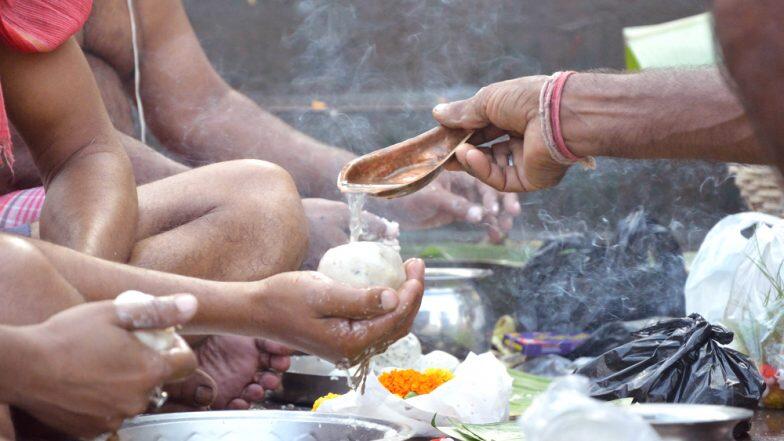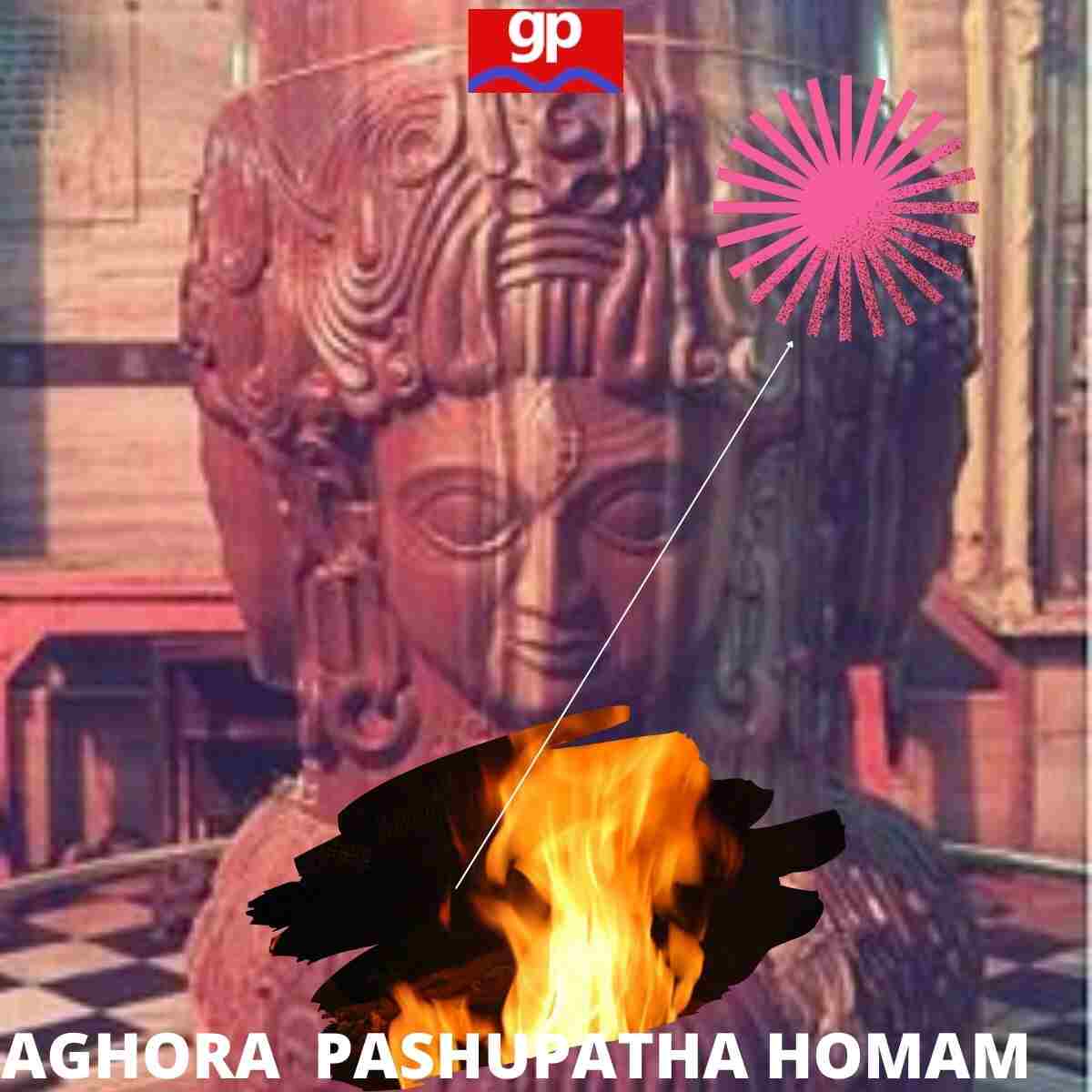

Aghora Pasupathi Homa is a powerful fire ritual performed to worship Lord Shiva in his Aghora and Pasupathi forms, with the purpose of removing negative energies, evil eye afflictions, and disturbances from spirits, ghosts, and demonic forces, as well as to overcome enemies and for self-protection.
It is also regarded as a part or form of the Aghorastra Homa.Through this Homa, sufferings are removed and it helps to bring protection, courage, the power to conquer negative forces, and peace in life.Protection:
It grants protection from the evil actions of enemies, evil eye afflictions, and troubles caused by spirits, ghosts, and demonic beings.Courage and success:
By obtaining the divine power of Aghora Rudra, it helps to overcome fear and negative thoughts.Self-defence:
This Homa is very powerful for fighting against enemies and for one’s self-protection.
Aghora Rudra:
A fierce form of Lord Shiva with five faces.Aghorastra:
This is considered one of the five weapons of Lord Shiva (such as Sivastra, Aghorastra, Pasupatastra, etc.).When there are afflictions like Bhrigu Shatkam and Bhrigvashtamam, and for those who seek liberation from a life of excessive luxury, this Homa is regarded as highly suitable.The effects include:
Removal of disturbances from spirits, ghosts, demonic entities, and evil eye doshas.


Dissolution of negative thoughts and fears, and increase of courage.
Attainment of protection and success in life.
“
In His fearsome form as Aghora Rudra, Lord Shiva destroys evil forces and offers His followers unbeatable protection. Additionally, Lord Aghora Rudra stands for fire energy, which transforms everything negative and cruel. According to legend, on Lord Krishna’s advice, Arjuna had prayed to Lord Shiva for the powerful sword known as Pashupatha or Pashupatastra during the Mahabharata’s battle of Kurukshetra. Lord Shiva was pleased with Arjuna and gave him the Pashupatha to assist him in defeating rivals and overcoming obstacles. Even though Arjuna did not deploy the Pashupatha, it is thought that Arjuna won the fight just by the nature of its presence. Performing the Aghora Pashupata Homam provides the participant with complete protection, protects the participant’s home and family, shows courage, health, and wealth, and aids in overcoming difficult circumstances, legal proceedings, and other issues. The Aghorastra Homam gains from protecting and eliminating the negative energy, even if the participant is unaware of the bad forces around them or if a hidden opponent harbors a malicious purpose.
Agora Pasupatha Homam Benefits
- Self-defense.
- Reduce the number of barriers or hurdles.
- development of positive energy to combat the negative aspects of society.
- generation of positive energy in opposition to dark magic.
- Both mental and physical stability.
- eliminates the fear that comes from things, people, animals, machines, etc.
Agora Pasupatha Homam, Timings, Benefits, and Procedure https://share.google/IO2qGcJGwyyvCc181
To chant the Agora Pasupatha Homa mantra, follow these steps:
Steps to Chant the Mantra
- Find a Sacred Space: Choose a clean and quiet place where you can focus without distractions. It’s preferable to have a sacred atmosphere.
- Prepare the Ritual Setup: If possible, set up a small altar with an image or idol of Lord Shiva, preferably in his Aghora form. You may also light a diya (oil lamp) and incense to create an auspicious environment.
- Purify Yourself: Take a bath and wear clean clothes. It’s traditional to wear white, but any clean attire is acceptable.
- Sit in a Comfortable Position: Sit in a cross-legged position (Padmasana or Sukhasana) on a mat or a comfortable surface, ensuring that your back is straight.
- Focus Your Mind: Take a few deep breaths to relax. Clear your mind of any distractions and concentrate on the purpose of your chanting.
- Chant the Mantra:
- The primary mantra for the Aghora Pasupatha Homa is:
ॐ पाशुपतये नमः
(Om Pashupataye Namah) - Repeat the mantra with devotion and sincerity. It is recommended to chant it 108 times using a mala (prayer beads) to keep track.
- The primary mantra for the Aghora Pasupatha Homa is:
- Visualize: While chanting, visualize the divine energy of Lord Aghora Rudra surrounding you and removing any negative energies or obstacles from your life.
- Conclude Your Chant: After finishing the chanting, spend a few moments in silence, thanking Lord Shiva for his blessings and expressing gratitude for the protection and guidance.
Recommended Chanting Schedule
- Daily Practice: Consistent daily chanting, particularly during the early morning hours (Brahma Muhurta), is believed to be highly effective.
- During Auspicious Occasions: You can also chant during festivals related to Lord Shiva or on Mondays, which is considered sacred for Shiva worship.
Note
Maintain a focused intention and practice with sincerity, as the energy of the mantra is believed to manifest according to the devotion and concentration of the practitioner.
Chant Agorebyo….chant and prefix it with each Namakam.
Sree Rudram chanting is a revered Vedic hymn, primarily dedicated to Lord Shiva, known for its spiritual significance and powerful vibrations. This chant, found in the Krishna Yajurveda, consists of a series of invocations and praises, emphasizing the importance of Rudra, a fierce form of Shiva, as the embodiment of consciousness and the remover of obstacles. Devotees believe that regular chanting of Sree Rudram can lead to purification of the mind and soul, promote health, prosperity, and protection from negativity. The rhythmic recitation often includes specific intonations that enhance its mystical properties, making it a fundamental practice in various Hindu rituals and ceremonies.
20,086,537 hits