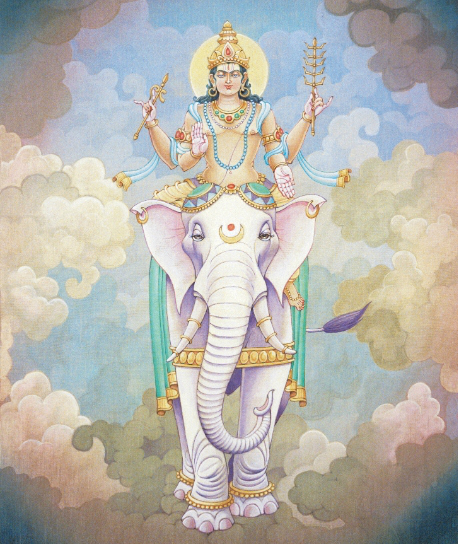
Tag: Indira Vizha

  • Indra Vizha Festival Celebrated First in North By Chedi Chozha

    Indra Vizha Festival Celebrated First in North By Chedi Chozha

    Now more information about Uparichara Vasu, Thodiththol Chola.He was the first King to conduct a Festival for Indra called Indra Vizha in Tamil. Silappadikaram ,one of the five Epics of India,devotes a chapter ‘ Vizhaa Kaathai, விழாக் காதை.This contains detailed procedure to be followed in the festival which was a sort of Thanksgiving to Indra.Contrary to what is known, this Festival was started in the North ,in Chedi Kingdom by Uparichara Vasu, a Chozha King. Check this Link https://www.whatisindia.com/inscriptions/south_indian_inscriptions/volume_3/no_205_aditya_ii_karikala.html#_ftnref7

    Krishna Lifts Mountain.

    Krishna Lifts Mountain Indra Vizha By Early Cholas

    Uparichara.

    Uparichara was a king of Chedi belonging to the Puru Dynasty. He was known as the friend of Indra. During his reign, Chedi kingdom had a good economic system and contained much mineral wealth, which made a lot of merchants around the world, come to the Kingdom. It was abundant in animals and corn. There were many towns and cities in the kingdom. He possessed a very special chariot. He introduced a festival in his kingdom in the honour of Indra. The festival involved planting of a bamboo pole every year, in honour of Indra. The king will then pray for the expansion of his cities and kingdom. After erecting the pole, people decked it with golden cloth and scents and garlands and various ornaments. From Chedi, he ruled a large territory, placing his sons as governors of various provinces. His son Vrihadratha (Maharatha) was installed in Magadha, who later fathered Emperor Jarasandha. His other sons, viz., Pratyagraha, Kusamva (Manivahana), Mavella and Yadu also became governors at various places. Thus the Chedi king attained the status of an emperor and his kingdom became a vast empire. He diverted the waters of river Suktimati from the locks of the Mountain Kolahala, for irrigating his capital-city which he named Suktimati. (1,63)

    • This beautiful city of the Chedis was called after the Oyster (14,83)

    His wife Girika, was from the valley of Kolahala. Girika’s brother was installed as the generalissimo of Vasu’s army. Apart from his five royal sons, he had a son and a daughter born of a woman of fisherman community. The male child, in due course established the Matsya Kingdom and founded the royal dynasty called Matsya Dynasty. The female child lived as a member of fishermen community. Her line established as fishermen on the banks of river Yamuna, in the kingdom of Kurus. The famous Kuru king Santanu‘s wife Satyavati was from this fishermen community. The author of Mahābhārata, vis Krishna Dwaipayana Vyasa and the Kuru kings viz Chitrangada and Vichitravirya were the sons of Satyavati. Pandavas and Kauravas were the grandsons of Vichitravirya.(1,63)

    ……….Another story connects Vasu with vegetarianism in ancient India. Filled with doubts respecting the propriety of eating flesh, some sages asked Uparichara Vasu for solving them. King Vasu, knowing that flesh is inedible, answered that it was edible. From that moment Vasu fell down from the firmament on the earth. After this he once more repeated his opinion, with the result that he had to sink below the earth for it. (13,115) http://www.sacred-texts.com/hin/m13/m13b080.htm

  • Makara Sankranti as Indira Vizha Tamil Epics Detail

    Makara Sankranti as Indira Vizha Tamil Epics Detail

    As I have written earlier, Sanatan Dharma and Tamil is linked inextricably. Tamils followed Sanatan Dharma and Sanatan Dharma followed Tamils concepts in Religion. The only difference is that Tamils did not worship Fire as the Vedic people and because of this, they were called Dasyus. Tamil Kings from Karaikal Valavan, a chozha emperor to Rajaraja Chola,who built the Thanjavur Big Temple celebrated Sanatan dharma festivals. Cheran Perunchotru Udiyan Cheralaathan fed both Pandava and Kaurava Armies during Mahabharata war.He performed Tharpana for the dead. He gave away lands to Brahmins and ordained them to perform Agnihotra daily.Rajaraja Chola gave a village Chaturvedi Mangalam to Brahmins and this village is in Thanjavur District near Mayuram,Tamil Nadu.Pandya King Saranga,called Malayatdwaja,father of Madurai Meenakshi took part in Mahabharata war and fought alongside Pandavas. A Pandya King was called as ‘One who performed many Yagnyas’ Palyaagasalai Mudukudumi Peruvazhthi, பல் யாகசாலை முடுகுடுமிப் பெருவழுதி.

    The list is endless.

    One of the major Festivals of Tamils in ancient days was Indira Vizha, Dedicated to Indra, Chief of Devas
    It was ordained by Sage Agastya,who ,along with Siva ,was the Founder of Tamil Language,that Tamil kings celebrate the Festival for Indra. Failing to honour him, Agastya warned,would result the Tamil lands being consumed by Tsunami. The First Tamil Sangam ,Piets’ Conclave, was Consumed by a Tsunami because of the failure to conduct Indira Vizha.

    Tamil Epics ,Five in number speak of this festival.They mark the dates, procedure,who would decide the dates,and how to celebrate.They also listed dos and don’ts during this period.This period was also a period of Vow,For girls of marriable age to pray for suitable Bridegroom. This corresponds to Margazhi vow being observed even today and in Fareast.

    The festival is to be celebrated for twenty eight days.

    Agastya advised Chola King,Thodithot Chembiyan to perform the Festival in Poompuhar,Kaverippompattinam and durring the period Indra,along with Devas was present in Poompuhar.

    ‘வாய்ந்தது புகார் நகரமாகும். ஒழுக்கங்களில் சிறந்து விளங்கிய மக்கள் பலரும் அந்நகரைப் போற்றுவர். பழஞ்சிறப்பு வாய்ந்த நகரின் புகழ் மேலும் சிறப்புற வேண்டும் என்று அருந்தவ முனிவர் அகத்தியர் நினைத்தார். அப்புகார் நகர் மேலும் வளமுடன் பொலிவடைய வேண்டுமானால் தேவர் தலைவனாகிய இந்திரனுக்கு இருபத்தெட்டு நாட்கள் விழா எடுக்க வேண்டும் என அவர் தெரிவித்தார். அப்போது புகார் நகரில் இருந்து ஆட்சி செய்த மன்னன் தூங்கு எயில்கள் எனப்படும் தொங்கும் கோட்டைகளை அழித்தவனாகிய தொடித்தோட் செம்பியன் ஆவான். அவனிடம் இக்கருத்தைத் தெரிவிக்க, உடனே இசைவு அளித்து, விழா சிறப்புடன் நடைபெற ஏற்பாடு செய்தான். செம்பியன் வேண்டுகோளை ஏற்று இவ்விழாவில் தேவர் தலைவனாகிய இந்திரனும், மற்றுமுள்ள தேவர்களும் விழாத் தொடங்கிய இருபத்தெட்டு நாட்களிலும் புகார் நகரத்திலே வந்து தங்கியிருந்தனர். கேள்வி ஞானம் உடைய சான்றோர்கள் இத்தகு உயர்வு மிக்க இந்த இந்திர விழாவினைக் கொண்டாடுதலை ஒரு போதும் தவறவிட மாட்டார்கள்’

    The festival date was decided by two committees, comprising of Those who realised God,Devas, Astrologers, Brahmins, Cabinet, General,Ambassadors ,Volunteers,those who know Karanas,Chief of Elephant Force, People’s representatives,and heads of special forces.

    இந்திர விழாவினை நடத்த வேண்டும் என்பதற்காக அரசவையில் கூடியவர்கள்: இம்மை, மறுமைப் பயன்களை உணர்ந்தவரும் நால்வகை உறுதிப் பொருள்களின் உண்மை அறிந்த வரும் ஆன சமயக் கணக்கர், காலம் கணிக்கும் சோதிடர், தம் தேவ உருவினை மறைத்து மனித உருவம் கொண்ட கடவுளர்கள் (தேவர்கள்), பன்மொழி பேசும் வேற்று நாட்டினர், ஐம்பெருங் குழுவினர், எண் பேராயத்தினர் ஆகியோர் ஒன்று கூடி விழா நடத்த முடிவு செய்தனர்.

    சமயக் கணக்கரும்;தந்துறை போகிய
    அமயக் கணக்கரும்; அகலா ராகிக்
    கரந்துரு எய்திய கடவுளாளரும்              (13-16)

    (சமயக் கணக்கர் = சமயவாதிகள்: அமயக் கணக்கர் = காலம் கூறும் சோதிடர்; கரந்துரு எய்திய = உண்மை உருவத்தை மறைத்த.)

    ஐம்பெருங் குழு : அமைச்சர், புரோகிதர், சேனாதிபதியர், தூதுவர், சாரணர் ஆகிய ஐவரைக் கொண்ட குழு.

    எண்பேராயம் :கரணத்து இயலவர், கரும விதிகள், கனகச் சுற்றம், கடைக் காப்பாளர், நகர மாந்தர், நளிபடைத் தலைவர், யானை வீரர், இவுளி மறவர் எனப்படும் எண்மரைக் கொண்ட குழு.

    ஐம்பெருங் குழுவினரும், எண்பேராயத்தினரும் அரசனுக்குரிய பணிகளை நிறைவேற்றக் கூடியவர்கள்.’

    The festival is also used to appease a Demigod,Naalangadi Bootham,which helped Chola King Muchukunda( he was a contemporary of Ravana in Treta Yuga, subsequently killed by Krishna in Dwapara Yuga).This festival was announced in Public .

    இவ்விழாவினை வழக்கம்போல் நடத்தாவிடில் புகார் நகருக்கும், மக்களுக்கும் துன்பம் வந்து சேரும். கொடி பறக்கும் தேரினையும், படைப் பெருக்கத்தினையும் கொண்ட கொற்றவனாகிய முசுகுந்த மன்னனுக்கு முன்னாள் ஏற்பட்ட துயரத்தினைப் போக்கியது இப்புகார் நகரத்து நாளங்காடி (பகல் நேரக் கடைத்தெரு)ப் பூதம். அப்பூதம் தனக்கு விழாவினை வழக்கம்போல் எடுக்காவிட்டால், சிவந்த வாயினை மடித்துத் தன் வலிமையான பற்கள் வெளித்தோன்ற, இடியின் முழக்கம் போன்று குரலெடுத்து முழக்கமிட்டு, மக்களுக்கும், புகார் நகருக்கும் துன்பத்தைச் செய்துவிடும் என்று சான்றோர்கள் கூறினர். மேலும், பாவிகளைப் பாசத்தால் (கயிற்றினால்) பிடித்து உண்ணும் சதுக்கப் பூதமும் இப்புகார் நகரை விட்டு நீங்கி விடும். ஆதலினால் இந்த மிகப்பெரிய உலகத்தில் உள்ள அரசர்கள் பலரும் ஒருங்கே வந்து கூடுகின்ற இந்திர விழாவுக்கான, கால்கோள் விழாவினைச் (தொடக்க விழா) செய்யுங்கள் என்றனர் சமய வாதிகள்.

    மாயிரு ஞாலத்து அரசுதலை ஈண்டும்
    ஆயிரங் கண்ணோன் விழாக்கால் கொள்க

                                                        (அடிகள் 25-26)

    (ஆயிரங்கண்ணோன் = இந்திரன்)

    இப்பகுதியால் இந்திர விழாவை மறந்து கைவிடத் தகுந்த சூழ்நிலை அந்நகரத்தில் இருந்தமையை உணர முடிகிறது. புகார் நகரத்திற்கு ஏற்படும் துன்பத்தினைத் தடுக்கவும், நகரம் வளமடையவும், இந்திர விழாவை வழக்கம்போல் கொண்டாட வேண்டும் என்னும் செய்தி வெளிப்படுகின்றது. மேலும், உலகிலுள்ள அரசர்கள் முதலாக அனைவரும் வந்து கொண்டாடும் விழா என்பது உணர்த்தப்படுகிறது.

     வள்ளுவன் முரசு அறைந்து அறிவித்தல்

    வாளேந்திய வீரர்கள், தேர்ப் படையினர், குதிரைப் படையினர், யானைப் படையினர் ஆகிய நால்வகைப் படையினரும் சூழ்ந்து வந்து கொண்டிருக்க, முதுகுடிப் பிறந்த வள்ளுவன் (முரசறைவோன்) வச்சிரக் கோட்டத்தில் உள்ள முரசினை யானையின் கழுத்திலே ஏற்றி, குறுந்தடி கொண்டு முரசறைந்து, இந்திர விழா நடைபெற இருப்பதனைப் புகார் நகர மக்களுக்குப் பின்வரும் செய்திகளைக் கூறி அறிவித்தான்.

    முதலில் திருமகள் விரும்பி உறைகின்ற மூதூரான இப்புகார் நகரம் வாழ்க என்று வாழ்த்தினான். பின் மாதந்தோறும் மூன்று முறை தவறாது மழை பொழிவதாகுக என்றான். ஞாயிறு, திங்கள் முதலிய கோள்கள் தம்நிலையில் மாறுபடா வண்ணம் மன்னவன் செங்கோலனாக ஆகுக என்று அரசனை வாழ்த்தி முரசறைந்து தெரிவித்தான்.

    திருவிழை மூதூர் வாழ்கஎன் றேத்தி
    வானமும் மாரி பொழிக! மன்னவன்
    கோள்நிலை திரியாக் கோலோன் ஆகுக.   (32-34)

    (திரு = திருமகள்; விழை = விரும்பும்; மூதூர் = பழைமை வாய்ந்த புகார் நகரம்; கோள்நிலை = ஞாயிறு, திங்கள் முதலான கோள்கள்.)

    இப்பகுதியால் முரசறைவோர் நகரத்தையும், மழையையும், செங்கோலையும் முதலில் வாழ்த்திப் பின்னரே செய்தி அறிவிப்பது மரபு என்னும் செய்தி உணர்த்தப்படுகின்றது.

    Tamil Epics Manimekalai and Silappadikaaram speak of these in detail.Silappadikaaram has an Entire Canto dedicated to Indra,Indira Vizhavu Edutha Kaathai.

    It is worth noting that the 28 days correspond to 28 days of Margazhi month in Tamil and one extra day in Marghazhi was used in preparation for the Pongal,Indira Vizha Festiy.This is exactly the Makara Sankranti day,and this was celebrated by ancient Tamils with pomp and splendor.

    Reference and citation.

    http://www.tamilvu.org/courses/degree/p104/p1041/html/p1041333.htm

  • How Tamils Celebrated Indra Festival Silappadikaaram

    How Tamils Celebrated Indra Festival Silappadikaaram

    The Chief of Devas, Indra holds a special place in Tamil Classics. He was included as One of the Primary Deities assigned to each region(there were five geographical regions in Tamilzhakam, according to Sangam Classics), others being Cheyon(son of Siva, Murugan,Maayon(Vishnu) Varuna, and Kotravai(Durga).Special importance was given to Indra and every year a Festival was held in his Honour. This is the forerunner of the present Valentine’s Day. Tamil Literature speaks highly of this festival. It was believed that failure to conduct the festival shall invite the wrath of Indra who would destroy the city by flooding it. It may be noted that Indra is the God of Thunder in Vedic texts and Varuna,the God of Water/Ocean. Failure to conduct this festival by the Chozhas resulted in the Chozha port city of Poompuhar being swallowed up by the sea.9 Poompuhar, aka Keverippommpattinam, was excavated and it has been dated at 12,000 years ago. You may read my article here.I am providing details how the festival for Indra was celebrated by Tamil Chozhas.This excerpt is from Silappadikaaram, one of the Five Epics of Tamils, the others being Manimekalai,Kundalakesi,Valayapathi and Chevaka Chintamani.Silappadikaaram was written by a Jain Monk,Ilango Adigal, brother of Chera King, Cheran Senguttuvan.The epic is special in grammar in that each canro has one line running through the entire Canto, no full stops.It is called Thodar Nilaich cheyyul, meaning that the poem continues.The description of How Indra Festival, Indra Vizha in Tamil, is found in Indira Vizha Ur Edutha Kaathai( How the city Celebrated the Indira Festival).

    #I have provided English Translation by Google, which is not good, though it conveys the essence. I Have corrected some lines. Shall edit this wiki page and update shortly.

    City view

    Poompuhar was exquisite in the morning; In the morning light, its balconies, towers, temple sites, and forums were beautiful.

    The city was bustling; Most of the merchants lived prosperously.; They brought colony brought pride to the city.

    Desert Bakkam

    The interior of the city was called Maruvoorpaakkam.. Pattinapakkam is the area closest to the beach.Maruvoorpakkam was an Industrial and commercial area. Traders Professionals lived there. People of Higher status lived in the other area

    The city was enriched and beautified by terraced houses, ornate seats, mansions with eye-catching windows, glamorous Greek houses on false shores, and houses built on the banks of water bodies inhabited by foreigners.

    The streets were individually categorized industry- wise; Those who sold Perfumed Lived in a Street (separate street) Weavers  on another.. The sellers of silk, gold and jewelry were staying in yet another.. The place where goods for daily use was sold was called ,Koola Veedhi.. Bread sellers, s sellers, fishmongers, betel nut sellers, meat, oil sellers, gold and silverware, toy sellers, toy sellers, carpenters, blacksmiths, tanners, musicians, small business owners Lived in an area. This area was called the Maruvoorpaakam.

    பட்டினப் பாக்கம்

    Next is Pattinappaakam.; This is the area where the high-ranking mandarins lived. They lived separately from the royal court, the court, the shop street, the merchant’s street,street wher the chariots can run, Brahmin,s Residences called Agrahara, farmers, doctors, astrologers, watchmakers, who sell Bangles. These lived separately in the city.

    Guardians, dancers, florists, women, musicians, dancers all lived in one area.

    There were soldiers’ quarters around the king’s palace. Elephants, horses, chariots and infantry lived here. This area is known as Pattinapakkam as it is close to the coast. The former was called Ur; It was categorized as starvation. With this the complaint was called Kavirippoompattinam. It was given two different names, Poompukar and Poompattinam.

    Sacrifice

    The central part between the two areas was special. Most of the shops were open during the day; It was called Nalangadi. There was always the noise of sellers and buyers.

    At the base of the trees they served as pillars for the shops; The oasis area seems to be that; Here is a prelude to the police giantWere set up. It was called the Sacrifice. On the day of Indra festival, the women of Marakudi worshiped here with flowers and pongals. The soldiers cut off their heads and killed them. Congratulations to the Chola king on his victory.

    A story is told of this guarding Bootha being placed there. The Chola king Musukuntan helped Indra; He defeated the asuras. They tried to destroy him by chanting spells that harmed him. Indra sent a guard to protect himself from the monsters. The Demon( Bootha) dispelled the the deceptions of the monster. It remained there and became a watchdog for the city.

    <p class="has-drop-cap" value="<amp-fit-text layout="fixed-height" min-font-size="6" max-font-size="72" height="80">

    Picture hall

    Visitors to the festival were amazed and delighted to see the altar. After this, the picture hall set up by Thirumavalavan was a sight to behold in the city. When he went north and returned victorious, the emperors gave him three items as curtains. One is ‘Korrap Bandar’; The other is the ‘bar’; Another ‘poseவாயில் ‘; The king of Vachira gave the corpse, the king of Magadha gave the bar; Presented by Avanti Venthan. தோரணவாயில். These are not man-made; Devadachan Mayan made; They were said to have been given by Indra to the kings from time to time. History has it that Thirumavalavan cooked all these in one hall. It was called the Art Gallery. Those who came to the Indra festival also saw this.

    Great forums

    And the forums to be seen in the city were called the Great Forums. These are said to have been given by Indra during the time of various Cholas.

    The so-called ‘silver forum’ was where thieves would stack their stolen packages on their heads. If the patient wakes up completely immersed in the pool water, they are cured. The forum with the pool was called the ‘Ilanchimanram’; Bile-poisoned, poisoned, and afflicted, they were relieved of their grief and ascended. The area was called the ‘Long Hall’. The evil one punched and punched them and called it ‘Giant Square’. The king wept over the injustice and the forums gave wrong judgments; It was called the ‘Sin Forum’. These were called giant forums. These, too, became dramatic scenes; Those who came to the festival were amazed to see these.Invitation to the ceremony

    Vachirak Kottam is the Indra Temple; Viper takes the trumpet and puts it in the elephant’s trunk. From there the festival message was announced to the town.

    Football Festival It’s the opening ceremony, from the Football Festival to the post-show. They took the dim flag and carried it.

    Poses hung everywhere in front of the City House. They took the fake sprouts in a full jug. They carried the puppet, the flag, the chandelier, and the chalk, and glorified the rules.

    Water Festival

    The emperor, the emperor, the prince, and the merchant youth rode in their respective chariots and wished Indra a happy “victory”. The kings of Kurunegala brought Cauvery water in jugs and immersed Indra in yellow water. This bathing was considered the chief ceremony. Hence it was also highlighted as a bathing festival.

    He performed traditional rituals and worships at Sivankoil, Murugan, Balarama and Thirumal temples. To God, the Eleven Great MomentsS were taken to the ceremony. They took the ceremony on the charitable roads. The king freed the captive enemy king.

    There were concerts. In the breezy streets the lustful men feasted on the eyes, and the men who were enchanted by their form associated with them.

    This romantic apocalypse stunned men. They wondered if the sky had come to a halt on Monday. They talked about whether Tamaraimlar had come here in search of the bride. They also feared that the claimant would discriminate against us by melting the woman; They wondered if the sky lightning was coming and rolling on the ground. They snatched themselves away from such beauties and enjoyed the game. It betrayed them to read the truth in the lie they had written on their chests because they had sunk with them.

    This lustful lust for sex became the reason for women to leave the relationship. They can’t write the title song to solve the problem; If the guest comes, the solution is sexual. That, too, is not medicine; Delicious life

    Madhavi and Kannaki

    It was one of the events held at the Indra Festival; What is the status of Madhavi in ​​this situation? செங்கழுWatering is ideal for honeydew. Tears of joy welled up in her eyes as she blushed.

    Kannaki her black eyes did not change at all; She burst into tears as she languished in solitude.

    Madhavi’s right eye throbbed: Kannaki’s left eye throbbed. The two positions are contradictory; One soaked in joy: the other languished in loneliness. Both expressed joy and sorrow at these different stages.

    #I have provide English translation by Google, though I have corrected a few Lines. I shall be editing this wiki page to render correct meaning and share.

    https://ta.wikisource.org/wiki/%E0%AE%9A%E0%AE%BF%E0%AE%B2%E0%AE%AE%E0%AF%8D%E0%AE%AA%E0%AE%BF%E0%AE%A9%E0%AF%8D_%E0%AE%95%E0%AE%A4%E0%AF%88/%E0%AE%87%E0%AE%A8%E0%AF%8D%E0%AE%A4%E0%AE%BF%E0%AE%B0%E0%AE%B5%E0%AE%BF%E0%AE%B4%E0%AE%B5%E0%AF%81_%E0%AE%8A%E0%AE%B0%E0%AF%8D_%E0%AE%8E%E0%AE%9F%E0%AF%81%E0%AE%A4%E0%AF%8D%E0%AE%A4_%E0%AE%95%E0%AE%BE%E0%AE%A4%E0%AF%88

    Tamizh text is below.

    நகர்க் காட்சி

    புகார் நகர் காலையில் கவின் மிக்கதாக விளங்கியது; காலை ஒளியில் அதன் மாடங்களும், கோபுரங்களும், கோயில் தலங்களும், மற்றும் உள்ள மன்றங்களும் அழகு பெற்றுத் திகழ்ந்தன.

    இந்த நகர் சுருசுருப்பாக இயங்கியது; வணிகர்கள் மிக்கு வாழ்ந்தனர்; அவர்கள் குடியிருப்புப் பெருமை தேடித் தந்தது.

    மருவூர்ப் பாக்கம்

    மருவூர்ப் பாக்கம் என்பது நகரின் உட்பகுதியாகும். பட்டினப் பாக்கம் என்பது கடற்கரையை அணுகிய பகுதியாகும். தொழில்கள் மிக்க பகுதி மருவூர்ப்பாக்கம்; வாணிபம் செய்வோரும், தொழில் செய்வோரும் வாழ்ந்த பகுதி அது; மற்றையது உயர் குடிமக்கள் வசித்த இடமாகும்.

    மாடி வீடுகளும், அழகுமிக்க இருக்கைகளும், மான கண் போன்ற சன்னல்கள் வைத்த மாளிகைகளும், பொய்கைக் கரைகளில் கவர்ச்சிமிக்க யவனரது வீடுகளும், வேற்று நாட்டவர் வசிக்கும் நீர் நிலைகளின் கரைகளில் கட்டி இருந்த வீடுகளும் அந்நகரை வளப்படுத்தின, அழகு தந்தன.

    தெருக்கள் தனித்தனியே இன்ன இன்ன தொழிலுக்கு என வகைப்படுத்தி இருந்தனர்; நறுமணப் பொருள் விற்போர் ஒரு தனித்தெருவில் குடி இருந்தனர். நூல் நெய்வோர் தனிவீதியில் இருந்தனர். பட்டும், பொன்னும், அணிகலன்களும் விற்போர் தனிவீதியில் தங்கி இருந்தனர். பண்டங்கள் குவித்து விற்றவர் தெரு கூலவீதி எனப்பட்டது. அப்பம் விற்போர், கள் விற்போர், மீன் விலைபகர்வோர், வெற்றிலை வாசனைப் பொருள்கள் விற்போர், இரைச்சி, எண்ணெய் விற்போர், பொன் வெள்ளி செம்புப் பாத்திரக் கடைகள் வைத்திருப்போர், பொம்மைகள் விற்போர், சித்திரவேலைக்காரர், தச்சர், கம்மாளர், தோல் தொழிலாளர், விளையாட்டுக் கருவிகள் செய்வோர், இசை வல்லவர்கள், சிறு தொழில் செய்பவர்கள் இவர்கள் எல்லாம் ஒரு பகுதியில் வாழ்ந்து வந்தனார். இந்தப் பகுதி மருவூர்ப் பாக்கம் எனப்பட்டது.

    பட்டினப் பாக்கம்

    அடுத்தது பட்டினப்பாக்கம்; உயர்நிலை மாந்தர் வசித்த பகுதி இது. அரசவிதி, தேர்விதி, கடைத்தெரு, வணிகர் தெரு, அந்தணர் அக்கிரகாரம், உழவர் இல்லம், மருத்துவர், சோதிடர், மணிகோத்து விற்பவர், சங்கு அறுத்து வளையல் செய்வோர் ஆகிய இவர்கள் தனித்தனியே வசித்து வந்தனர்.

    காவற்கணிகையர், ஆடற் கூத்தியர், பூவிலை மடந்தையர், ஏவல் பெண்கள், இசைக்கலைஞர்கள், கூத்தாடிகள் இவர்கள் எல்லாம் ஒருபகுதியில் வாழ்ந்தனர்.

    அரசன் அரண்மனையைச் சுற்றிப் படை வீரர்கள் குடியிருப்புகள் இருந்தன. யானை, குதிரை, தேர், காலாள் வீரர்கள் இங்குக் குடி இருந்தனர். இப்பகுதி கடற்கரையை ஒட்டி இருந்தமையால் இது பட்டினப்பாக்கம் எனப் பட்டது. முன்னது ஊர் எனப்பட்டது; இது பட்டினம் என்று பாகுபடுத்திக் காட்டப்பட்டது. இதை வைத்துத்தான் புகார் காவிரிப்பூம்பட்டினம் எனப்பட்டது. இதற்குப் பூம்புகார் என்றும், பூம்பட்டினம் என்றும் இருவேறு பெயர்கள் வழங்கப்பட்டன.

    பலிக் கொடை

    இவ்விரு பகுதிகளுக்கும் இடைப்பட்ட மையப் பகுதியே சிறப்பு மிக்கதாக விளங்கியது. கடைகள் மிக்குள்ள பகுதி, பகலில் செயல்பட்டது; இது நாளங்காடி எனப்பட்டது. இங்கு எப்பொழுதும் விற்பவர் ஓசையும், வாங்குவோர் ஓசையும் ஒலித்துக் கொண்டே இருந்தன.

    மரங்களின் அடிப்பகுதியே இவர்கள் கடைகளுக்குத் தூண்களாக விளங்கின; சோலைகள் மிக்க பகுதி அது என்று தெரிகிறது; இங்கே காவல் பூதத்திற்கு ஒரு பீடிகை அமைத்திருந்தனர். அது பலிப் பீடிகை எனப்பட்டது. இந்திர விழா கொண்டாடும் நாளில் இங்குப் பூவும் பொங்கலும் இட்டு மறக்குடி மகளிர் வழிபாடு செய்தனர். வீரர்கள் தங்கள் தலைகளை அறுத்து வைத்துப் பலி இட்டனர். “சோழ அரசன் வெற்றி பெறுக” என்று வாழ்த்துகள் கூறினர்.

    இந்தக் காவல் பூதம் அங்கு வைக்கப்பட்டதற்கு ஒரு கதை கூறப்படுகிறது. முசுகுந்தன் என்னும் சோழ அரசன் இந்திரனுக்கு உதவினான்; அசுரர்களை ஓட்டினான்; அவர்கள் இவனுக்குத் தீங்கு கருதி மந்திரங்கள் சொல்லி இவனை அழிக்க முயன்றனர். அந்த அசுரர்களிடமிருந்து காக்க இந்திரன் காவல் பூதத்தை அனுப்பிவைத்தான். அப்பூதம் அசுரர் செய்த வஞ்சங்களை ஒழித்துக் கட்டியது. அங்கேயே அது நிலைத்து அந்நகருக்கு அது காவல் பூதமாக அமைந்து விட்டது.

    இந்த விழா சித்திரை மாதம் சித்திரை முழுநிலவு அன்று எடுக்கப்பட்டது. மருவூர்ப்பாக்கம், பட்டினப்பாக்கம் இவ்விரு பகுதிகளினின்றும் வீரர்கள் இங்கு வந்து விழா எடுத்துப் பலியும் தந்து கொண்டனர். இது வியத்தகு காட்சியாக விளங்கியது.

    சித்திர மண்டபம்

    இந்திரவிழா காண வருவோர் இப்பலிப்பீடத்தைக் கண்டு வியப்பும் மகழ்வும் அடைந்தனர். இதனை அடுத்து அந்நகரில் பார்க்கத் தகுந்த காட்சியாக விளங்கியது திருமாவளவன் அமைத்த சித்திர மண்டபம். அவன் வடநாடு சென்று வெற்றி கொண்டு திரும்பி வருகையில் பேரரசர்கள் அவனுக்குத் திறைப் பொருளாக மூன்று பொருள்களைத் தந்தனர். ஒன்று ‘கொற்றப் பந்தர்’; மற்றொன்று ‘பட்டிமண்டபம்’; மற்றொன்று ‘தோரண வாயில்’; வச்சிர நாட்டு அரசன் தந்தது கொற்றப்பந்தர், மகத நாட்டு அரசன் தந்தது பட்டிமண்டபம்; அவந்தி வேந்தன் அளித்தது. தோரணவாயில். இவை மானுடரால் செய்யப்பட்டவை அல்ல; தேவதச்சன் மயன் செய்து தந்தவை; இந்திரன் அவ் அரசர்களுக்கு அவ்வப் பொழுது தந்தவை அவை எனப்பட்டன. இவற்றை ஒருங்கு வைத்து ஒரே மண்டபமாகத் திருமாவளவன் சமைத்தான் என்பது வரலாறு. இது சித்திர மண்டபம் எனப்பட்டது. இந்திர விழாவுக்கு வருபவர் இதனையும் கண்டுமகிழ்ந்தனர்.

    ஐம்பெரு மன்றங்கள்

    மற்றும் அந்நகரில் காணத் தகுந்தவை ஐம்பெரும் மன்றங்கள் எனப்பட்டன. இவை பல்வேறு சோழர்கள் காலத்தில் இந்திரனால் அளிக்கப்பட்டவை என்று கூறப்படுகிறது.

    களவு செய்வோரை அவர்கள் தலையில் களவாடிய பொதிகளை அடுக்கிவைத்துச் சுற்றிவரச் செய்வது ‘வெள்ளிடை மன்றம்’ எனப்பட்டது. நோய் நொடியால் வாடுவோர் குளத்து நீரில் முழுகி எழுந்தால் அவர்கள் நோய் தீர்ந்தனர். அந்தக் குளம் உடைய மன்றம் ‘இலஞ்சிமன்றம்’ எனப்பட்டது; பித்தம் பிடித்தவர், நஞ்சு உண்டவர், அரவு தீண்டப் பெற்றவர் இவர்கள் துயர் நீங்கி உயர்வு பெற்றனர். அந்தப் பகுதிக்கு ‘நெடுங்கல்நின்ற மண்டபம்’ என்று கூறப்பட்டது. தீய ஒழுக்கத்தவர் அவர்களைப் புடைத்து உண்டு தண்டித்தது ‘பூத சதுக்கம்’ எனப்பட்டது. அரசன் நீதி தவறினாலும், மன்றங்கள் தவறான தீர்ப்புகள் வழங்கினாலும் கண்ணீர் உகுத்து அழுது காட்டி அநீதியை எடுத்து உரைத்தது; அது ‘பாவை மன்றம்’ எனப்பட்டது. இவை ஐம்பெரு மன்றங்கள் எனப்பட்டன. இவையும் வியத்தகு காட்சிகள் ஆயின; இவ்விழாவுக்கு வந்தவர் இவற்றைக் கண்டு வியந்தனர். விழா அழைப்பு

    வச்சிரக் கோட்டம் என்பது இந்திரன் கோயில்; அதில் இருந்த முரசத்தை எடுத்து யானையின் பிடரியில் ஏற்றி வைப்பர். அதன் மீது இருந்து விழாச் செய்தியை ஊருக்கு அறிவித்தனர்.

    கால்கோள் விழா இது தொடக்க விழா, கால்கோள் விழா முதல் கடைநிலை நிகழ்ச்சி வரை நடைபெற உள்ள நிகழ்ச்சிகள் பற்றி நவின்றனர். மங்கல நெடுங்கொடி எடுத்து ஏற்றினர்.

    நகரத்து மாளிகை முன் எங்கும் தோரணங்கள் தொங்கவிட்டனர். பூரண குடத்தில் பொலிந்த முளைப்பாலிகையை எடுத்துச் சென்றனர். பாவை விளக்கும், கொடிச் சீலையும், வெண்சாமரமும், சுண்ணமும் ஏந்தி விதிகளில் பொலிவு ஊட்டினர்.

    நீராட்டு விழா

    ஐம்பெரும் குழுவினரும், எண்பேராயத்தினரும், அரச குமரரும், வணிக இளைஞரும் தத்தமக்கு உரிய தேர்களில் ஏறிச் சென்று, “அரசன் வெற்றி கொள்வானாக” என்று, வாழ்த்துக் கூறி இந்திரனுக்கு நீராட்டு விழா நடத்தினர். குறுநில மன்னர்கள், குடங்களில் காவிரிநீர் கொண்டுவந்து இந்திரனுக்கு மஞ்சனம் ஆட்டி நீர் முழுக்குச் செய்வித்தனர். இந்த நீராட்டுதலே தலைமை விழாவாகக் கருதப்பட்டது. அதனால் இது நீராட்டு விழா எனவும் சிறப்பித்துக் கூறப்பட்டது.

    ஊர்த்திருவிழாக்கள் மற்றும் சிவன்கோவில், முருகன், பலராமன், திருமால் இக்கோவில்களில் அவரவர் மரபுப்படி பூசைகள் நடத்தினர். தேவர்க்கும், பதினெண் பூத கணங் களுக்கும் விழா எடுக்கப்பட்டன. அறச் சாலைகளில் அவர்கள் விழா எடுத்தனர். சிறைப்பட்ட பகை மன்னரை அரசன் விடுவித்தான்.

    அங்கங்கே இசை நிகழ்ச்சிகள் நடை பெற்றன. தென்றல் வீசும் தெருக்களில் காமக் கணிகையர் கண்களுக்கு விருந்து அளித்தனர், அவர்கள் வடிவழகில் மயங்கி ஆடவர்கள் அவர்களோடு உறவு கொண்டனர்.

    இந்தக் காதற்பரத்தையர் பேரழகு ஆடவர்களைத் திகைக்க வைத்தது. வானத்துத் திங்கள் வையகத்துக்கு வந்ததோ என்று வியந்தனர். திருமகளைத் தேடித் தாமரைம்லர் இங்கு வந்து புகுந்ததோ என்று பேசினர். கூற்றுவன் பெண் உருக் கொண்டு எம்மைப் பேதமைப் படுத்துகிறானோ என்றும் அஞ்சினர்; வானத்து மின்னல் மண்ணில் வந்து புரள்கிறதோ என்று வியந்து பேசினர். இத்தகைய அழகு உடையவர்கள்பால் தம்மைப் பறிகொடுத்துக் களி மகிழ்வு எய்தினர். அவர்களோடு தோய்ந்ததால் அவர்கள் மார்பில் எழுதியிருந்த தொய்யில் இவர்கள் மெய்யில் படிய அது இவர்களைக் காட்டிக் கொடுத்தது.

    ஊடல் கொள்வதற்கு இந்தக் காமக் கணிகையர்தம் உறவு விட்டு மகளிர்க்குக் காரணம் ஆகியது. ஊடலைத் தீர்ப்பதற்கு அவர்கள் பட்ட பாடு ஏட்டில் எழுத முடியாது; விருந்தினர் வந்தால் ஊடல் தீர்வர். அதுவும் மருந்தாக அமையவில்லை; சுவைமிக்க வாழ்க்கை

    மாதவியும் கண்ணகியும்

    இது இந்திர விழாவில் நடைபெற்ற நிகழ்ச்சிகளுள் ஒன்று; இந்நிலையில் மாதவியின் நிலை யாது? செங்கழு நீர்ப்பு தேன்சிந்தி உகுகிறது. அது போல் இவள் சிவந்த கண்கள் உவந்த காரணத்தால் மகிழ்வக் கண்ணீர் சொரிந்தன.

    கண்ணகி அவள் கருங்கண்கள் எந்த மாற்றமும் அடையவில்லை; தனிமையில் உழந்து தளர்ந்த நிலையில் அவள் கண்ணீர் உகுத்தாள்.

    மாதவியின் வலக்கண் துடித்தது: கண்ணகியின் இடக்கண் துடித்தது. இருவர் நிலைகள் முரண்பாடு கொண்டவை; ஒருத்தி மகிழ்ச்சியில் திளைத்தாள்: மற்றொருத்தி தனிமையில் தவித்தாள். இந்த மாறுபட்ட நிலைகளில்.இருவரும் மகிழ்வும் துயரமும் காட்டினர்.

  • Why Special Honour To Indra Among Ancient Tamil Kings

    Why Special Honour To Indra Among Ancient Tamil Kings

    When one cross checks the Dynasties of India as explained in ancient Indian texts,, One is rewarded with a lot Information, that would clear the cobwebs surrounding Indian History.Contraray to what is being touted the relationship between the so called Dravididas and those from the Aryavartha was quite intimate and the Three Great Dynaties of Tamils, Chera, Chozha and Pandya descended from Ikshvaaku/Chandravamsa.I had written in detail about this in a c couple of articles, where I had proved, with evidence that the Chozhas descended from Ikshavaaku /Lunar Dynasty.

    Tamils, who belong to Dravidian group, have one of the most ancient Languages of the world. Along with Sanskrit.The basis of Tamil literature is Tholkaapiyam,Grammar Book of Tamils.Tholkaapiyam is dated 3000 years traditionally.My eleven years of research shows that it is atleast 20,000 years old.Tholkaapiyam divides Tamil landmass into five entities.

    1. Kuriinji, Mountainous Region.
    2. Marutham,Arable Land.
    3. Mullai,Pastoral Land
    4. Neydhal, Seashore and
    5. Paalai, Desert Region

    Each of these region is assigned a God.Kurinji,Murugan,Subrahmanya;Marutham,Indra;Mullai,Vishnu;Neydhal, Varuna and Paalai, Durga, Kotravai.

    It is interesting to note that all the Gods mentioned in the Vedas are found in the above classification.Of special interest is Indra nd Varuna. These two devas are not given as much pride of place in Vedas in the sense that they are accorded the status of Regining deities for a specific Land.Varuna, in the Vedic Tradition is the God of water, while Indra is the chief of all devatas and God of Thunder.

    .In the Tamil tradition ,Indra is elevated to the position of the God of Marutham landmass, Arabale land.It is a fact arable land needs copious water and Indra is the God of Thunder and Varuna God of Water.And Varuna obeys Indra..Tamils celebrated the Festival for Indra called Indra Vizha and this is one of the most Important festival of Tamils.This is to celebrate Indra, The Rain God and alomg with him,Krisahna was also celebrated as Krishna provided shelater to Govardhan people when Indra hit the land with Deluge when the Govardhan people did not perform Pooja for him.Krishna protected the people.This event was also celebrated in Tamil tradition.The details are found in earlies Tamil works of Sangam Age, inclding th Silappadikaaram One of the Five Epics of Tamils.This belongs to Tamil Sangam Era..Failure to Celebrate the Indra Vizha, Indra Festival, Tamil Literature recors,resulted in the Tamil Land being inundated by A Tsunami.Silappadikaaram mentions, so deos Manimekalai, another Epic of Tamils, mentions the Second Tamil Sangam was destroyed due to The Deluge.Tamils had three Sangams, Poets’ Conclave.Firt was at Then Madurai, the second at Kapaatapuram(Kavatam) and the third one at Madurai.Kapaatapuram was destroyed by a Tsunami.

    There is also a view that Poompuhar,Kaverippommpattinam,the harbour of Chozhas was submerged because of failure to celebrate Indira festival.

    Marudam region (area of the plains) Tamil agriculturists used to worship Indra as their Lord. Indra was considered as the god of the rains and since the farmers were dependent on rains for their crops, they used to worship Indra for rain, thunder and lightening.

    There were many festivals celebrated in ancient India and references of them can be found in the ancient works like Vishnudhetrmottara Purana, and the Bhagavata Purana. This practice was prevalent in Tamil Nadu also. One such festival is known as `Indra Vizha`. The Chola kings whose port-city was Kaveripum-pattinam used to take the responsibility of this festival.

    The detailed information on the celebration of `Indra Vizha` festival can be seen in the Tamil epics, the `Silappadikaram` and the `Manimekhalai`. As per the Manimekhalai, the famous sage Agastya helped the people of Kaveripumpattinam during a period of drought. He advised the Chola king Todittol Sembian to celebrate a festival for Indra to please him and then only Indra would bring rain to this city. According to the advice, the king arranged a big festival for the Lord Indra. In return, they got rain in the city and experienced the benefits of this, his successors also continued to celebrate this festival every year. This `Indra Vizha` festival generally continues for a period of twenty-eight days.

    The festival usually commenced with a group beating drums and announcing to the people the start of the celebrations. The citizens of the town then cleaned the streets and roads and redecorate the city, with each house being adorned with many decorations. The officials of the kingdom would pay their respects to the king and wish him and the kingdom well. Musical performances would be held and the fire oblations offered in many temples for Siva, Vishnu and other deities. The festival ended with people bathing in the sea with the members of the family. It was generally believed that this festival was actually a prayer to Indra, and would remove the difficulties and dangers to those who celebrate it.’

    ‘The Sangam literature also records legends about mythical Chola kings.These myths speak of the Chola king Kantaman, a supposed contemporary of the sage Agastya, whose devotion brought the river Kaveri into existence. Two names are prominent among those Chola kings known to have existed who feature in Sangam literature: Karikala Chola and Kocengannan. There are no sure means of settling the order of succession, of fixing their relations with one another and with many other princelings of around the same period.Urayur (now a part of Thiruchirapalli) was their oldest capital. Kaveripattinam also served as an early Chola capital. The Mahavamsa mentions that an ethnic Tamil adventurer, a Chola prince known as Elara, invaded the islandaround 235 BCE.

    Citations and references.

    http://m.indianetzone.com/artical.aspx?iwebpageid=11753

    https://en.wikipedia.org/wiki/Chola_dynasty#Origins

    Krishna Lifts Mountain Indra Vizha By Early Cholas

    https://ta.wikisource.org/wiki/%E0%AE%9A%E0%AE%BF%E0%AE%B2%E0%AE%AE%E0%AF%8D%E0%AE%AA%E0%AE%BF%E0%AE%A9%E0%AF%8D_%E0%AE%95%E0%AE%A4%E0%AF%88/%E0%AE%87%E0%AE%A8%E0%AF%8D%E0%AE%A4%E0%AE%BF%E0%AE%B0%E0%AE%B5%E0%AE%BF%E0%AE%B4%E0%AE%B5%E0%AF%81_%E0%AE%8A%E0%AE%B0%E0%AF%8D_%E0%AE%8E%E0%AE%9F%E0%AF%81%E0%AE%A4%E0%AF%8D%E0%AE%A4_%E0%AE%95%E0%AE%BE%E0%AE%A4%E0%AF%88

    Why this status for Indra?

    I had stated that Chozhas trace their ancestry to Ikshvaaku Dynasty in the Copperplates evidence of Rajendra Chola at Thiruvaalangadu and Epigraphs in Kanyakumari.This refernece is found in almost all epigraphs and copperplates of Chozhas.Chozha Emperor Sibi was the (son of Usinara) Graet Great Grand son of Yayati, who founded the Chandra Vamsda ,Lunar Dynasty.Lunar Dynasty sprang upg up from Ikshavaaku,Solar Dynasty.Please refer my articles on these.

    Mandhata ,aka Mandatri was an Ikshvakku ancestor of Rama.

    Ushinara was given north-western side of India. Shibi was the son of King Ushinara and his descendants were MadrasKekayas and Sauviras. He is the one who gave flesh for a hawk and an eagle.

    1. Shibi, Vara, Krmi, Dakshas were the sons of king Ushinara.
    2. Vrshadarha, Setuka, Madra and Kekaya were the sons of Shibi (Contemporary to Suryavanshi King Trishanku). https://en.wikipedia.org/wiki/Turvasu_Druhyu_and_Anu_Dynasties

    Mandhata’s legend is cited in the Vana Parva, Drona Parva, and Shanti Parva of Mahabharata.

    King Yuvanaswa of Ayodhya was childless. Once, he went on a hunting expedition and in the afternoon, he became wracked with thirst.

    He came across the hermitage of sage but found no one. The king saw a pitcher of water and drank it. When sage came to know of this, he told the king that the water was meant for his wife so that she would conceive. Since the king drank it he became pregnant with his son.

    One century later, the sages and saints arrived to help him give birth and slit open the left side of Yuvanaswa’s abdomen without causing pain and brought the baby boy. Indra, King of the Gods declared “He shall draw sustenance and dependence from me” or “Mandhata”. Indra provided milk from heaven to Manadhata. The milk began to accelerate the boy’s growth. Within twelve days, he resembled a twelve-year-old boy who was thirteen cubits tall. Mandhata spontaneously acquired the entire knowledge of the Vedas and military sciences. Mandhata acquired an impenetrable armor, a quiver with an inexhaustible supply of arrows and the Ajagava bow (originally belonging to Shiva) which fell from the sky. Mandhata ascended the throne.

    https://en.wikipedia.org/wiki/Mandhatri

    ‘Then Indra said to the king Muchukunda, “O king, we, the Devas are indebted to you for the help and protection which you have given us, by sacrificing your own family life. Here in the heaven, one second equals one year of the earth and you had fought with asuras for one year of heaven. Since, it has been a long time, there is no sign of your kingdom and family because it has been destroyed with the passage of time. We are happy and pleased with you, so ask for any boon except Moksha (liberation) because Moksha (liberation) is beyond our capacities”.

    https://en.m.wikipedia.org/wiki/Muchukunda

    It is probable that as Muchukunda , Mandhata were very close to Indra, especially Mandhata being the Foster Son of Indra,Chozhas ,as a token of respect might have celebrated Indra Vizha in honor of Indra.And Mandhata,Sagara, Muchukunda …all are ancestors of Chozhas because Chozhas belong to Ikshvaku Dynasty.

    Dravidian Roots of Sri Rama