Tag: Tamil History

  • சோழர் ராமனின் இக்ஷ்வாகு குலத்தவர் காஸ்யப கோத்திரம்

    சோழர் ராமனின் இக்ஷ்வாகு குலத்தவர் காஸ்யப கோத்திரம்

    ராமபிரானின் இக்ஷ்வாஹு வம்சத்தின் வழித்தோன்றல்கள் தமிழ்ச் சோழ மன்னர்கள் என்று ஒரு கட்டுரையைப் பதிவிட்டு, சோழ அரசர்களின் பட்டியலை வெளியிட்டிருந்தேன்.

    ‘சோழன்’ என்ற சொல்லின் தோற்றம் மற்றும் சோழ வம்சத்தை நிறுவியவர் பற்றிய தகவல்களை நான் ஆராய்ந்ததில்,மூன்று தனித்துவமான சோழர்கள் இருந்ததாகத் தெரிகிறது.

    1.இக்ஷ்வாகு வம்சத்தைச் சேர்ந்த சங்க காலத்திற்கு முந்தைய சோழர்கள்.

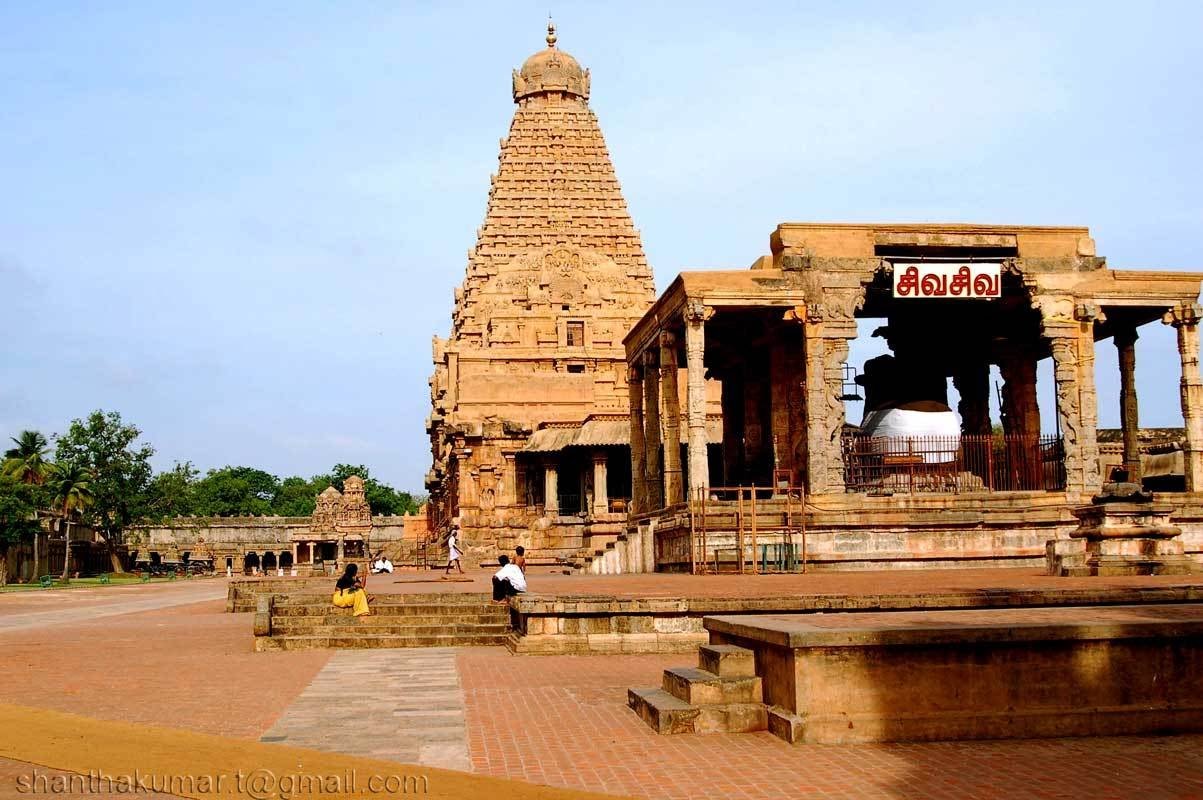
    2.பிற்காலச் சோழர்கள். இவர்களில் ராஜராஜ சோழன் ஒருவனாக இருந்தான். தஞ்சாவூர் பிரகதீஸ்வரர் கோயிலைக் கட்டி வடக்கே கோதாவரிப் படுகையிலிருந்து இலங்கை வரை ஒரு பேரரசை நிறுவி, அப்போது ஈழம் என்று அழைக்கப்பட்ட இன்றைய ஶ்ரீ லங்காவரை விஸ்தரித்தார்,(கிமு ஐந்தாம் நூற்றாண்டு முதல் கிபி மூன்றாம் நூற்றாண்டு வரை),

    3.இரட்டைப்பாடிச் சோழர்கள், இப்போது ஆந்திரப் பிரதேசம் என்று அழைக்கப்படும் ஆந்திரப் பிரதேசத்தை ஆண்டனர்.

    கர்னல் கெரினியின் கூற்றுப்படி சோழர் என்ற சொல் காலா அல்லது கோல என்ற வடமொழிச் சொல்லிலிருந்து வந்தது.இச்சொல் கருப்பு எனப் பொருள் தரும்.தென் திசையில் இருந்த இனத்தின் நிறம் கருப்பு. (இராமனும் கிருஷ்ணனும் கருமை நிறத்தவர் . விஷ்ணு கரிய மால் என தமிழ் இலக்கியங்களில் அழைக்கப் படுகிறார்).அதாவது, சோழர்களின் மூதாதையர்கள் வரலாற்றுக்கு முற்பட்ட திராவிடர்களாக இருந்தனர் என்பதைக் குறிக்கிறது. கோலா என்ற சொல் சோழன் ஆனது என்று கெரினி கூறுகிறார்.
    ஆனால் தமிழ் இலக்கணம் இக்கருத்திற்குத் துணை போகவில்லை. .

    மற்றொரு கருத்து என்னவென்றால், சோழர் என்ற சொல் ‘ சூழ்’ என்ற வார்த்தையிலிருந்து வந்தது, இதன் பொருள் சுற்றி இருத்தல்.

    சோழர்களின் முந்தைய குழு நாடோடிகளாக இருந்திருக்கக்கூடும், அவர்கள் தமிழ்நாட்டைச் சுற்றி பரவலாகப் பயணம் செய்தனர், பின்னர் அவர்கள் ஒரு இராச்சியத்தை உருவாக்கியபோது, இந்த சொல் சோழர் ஆனது.

    இந்த விளக்கம் மிகவும் வலிந்து பொருள் கூறுவதாக உள்ளது என்று அறிஞர்கள் சரியாக நினைக்கிறார்கள்.

    Chola Emblem Tiger found in Flags Rings
    Chola Emblem Tiger
    Chola Pass was a route opened by Tamil King Karikal chola
    Chola Pass in Himalayas

    இராஜ ராஜ சோழர்

    Tamil History Being Erased in Thanjavur Big Temple? Fact Check

    A mischievous message is doing the rounds through a video that Hindi is imposed and Tamil history is being destroyed from the Thanjavur Big Temple inscriptions.It is a lie. Sarboji kings ruled the area in the later period of Cholas, they have donated to the temple and had left inscriptions of the details of donations.…

    Tamil Lands Sanjaya Description Tallies Tamil Work Tholkaapiyam?

    The desert region called Paalai in Tamil Literature is found in Seven then panai naadu, Seven  lands of  Normal and short Palmyra trees. Palmyra trees grow in and around Deserts. These Paalai lands were further classified into nearly Desert முன் பாலை and Desert பின் பாலை

    இன்னொரு விளக்கமும் உண்டு.

    சோழர் என்ற பெயர் ஒரு வம்சத்தின் பெயரே ஆகும்.

    கன்னியாகுமரிக் கல்வெட்டின் படி, சோழ வர்மன் என்ற முதல் அரசன் சோழ வம்சத்தை நிறுவினான்.

    சோழ வர்மன் ஒரு மான் வடிவம் பெற்ற ராஜநிஜாராஜன் என்ற ராட்சசனைத் துரத்தி ,அவனைக்/அதைக் கொன்றார்.


    பின்னர் அவர் காவிரி ஆற்றில் நீராடினார்.

    அருகில் எங்கும் ஒரு பிராமணரைக் காண முடியாததால், வடக்கிலிருந்து பிராமணர்களைக் கொண்டுவந்து, அவர்களுக்கு நிலங்களையும் பசுக்களையும் வழங்கி, அவர்கள் யாகங்களைச் செய்வதை உறுதி செய்தார்.

    நிலம் செழிப்பாக மாறியது, இதற்கான தமிழ்ச் சொல் ‘செழித்தது’.

    இந்த வார்த்தை சோழர்களானது.

    சோழ வர்மனின் வழித்தோன்றல்கள் அப்போதிருந்து இந்த வார்த்தையைப் பயன்படுத்துவதாகக் கூறினர்.

    சோழ வர்மன் சூர்ய வம்சத்தைச் சேர்ந்தவர், சூரிய வம்சத்தைச் சேர்ந்தவர் (ராமர் வம்சத்தவர்).

    அவர் மனுவின் வழித்தோன்றல் ஆவார்.

    அவர் காஸ்யப கோத்திரத்தைச் சேர்ந்தவர்.

    இத்தகவல் கன்யா குமாரி கல்வெட்டிலிருந்து பெறப்பட்டதாகும்.

    கல்வெட்டு அல்லது செப்பேடுகளில் உள்ள தகவல்கள் அங்கு காணப்பட்டாலும் அவை உண்மை என்று பல தமிழறிஞர்கள் இதை ஏற்றுக்கொள்வதில்லை.

    இரண்டாவது ஆட்சேபணை என்னவென்றால், ஒருவர் மானாக மாறுவது சாத்தியமில்லை.

    அதே அறிஞர்கள் மற்ற சோழர்களைப் பற்றிய தகவல்களைச் சரிபார்க்க அதே கன்னியாகுமரிக் கல்வெட்டை மேற்கோள் காட்டுகிறார்கள்.

    அன்பில், உத்திரமேரூர் கல்வெட்டுகளையும் அவர்கள் ஏற்றுக்கொள்கிறார்கள்.

    ஆனால் சனாதன தர்மத்தைப் பற்றிய குறிப்பை ஒருவர் காணும்போது, உண்மைகளை மறுப்பதற்கு அவர்கள் உடனடியாக விசித்திரமான வாதங்களைக் காண்கிறார்கள்.

    சோழவர்மன் சோழ வம்சத்தை நிறுவினார் என்ற கோட்பாடு, வைவஸ்த மனு திராவிட தேசத்திலிருந்து வடக்கிற்குச் சென்று இக்ஷ்வாஹு வம்சத்தைத் தோற்றுவிக்க,சுனாமி காரணமாக, சென்றார் என்ற எனது கோட்பாட்டுடன் பொருந்துவதாகத் தெரிகிறது.

    திருவாலங்காடு செப்பேடுகளில் இருந்து மற்றொரு பதிவை நான் எழுதப் போகிறேன்.

    மேலும் இது மிகவும் நம்பகமானதாகவும், இக்ஷ்வாகு, புரு வம்சங்களின் புராணப் பட்டியலின் குறுக்குக் குறிப்புகளால் ( Cross References) ஆதரிக்கப்படுவதாகத் தெரிகிறது.

    தயவுசெய்து எனது கீழ்க்கண்ட இடுகையைப் படியுங்கள் ‘ராமனின் மூதாதையர் திராவிடர்.

    மேற்கோள் காட்டல்.

    First Rajaraja Chola by K.D. Thirunavukkarasu, published by Ananda Vikatan Press.

    Related articles

    https://ramanisblog.in/2014/12/08/tamil-chola-kings-descendants-of-manu-rama/

  • Indra Vizha Festival Celebrated First in North By Chedi Chozha

    Indra Vizha Festival Celebrated First in North By Chedi Chozha

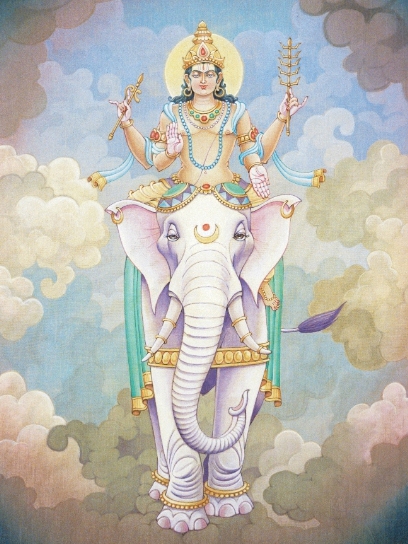
    Now more information about Uparichara Vasu, Thodiththol Chola.He was the first King to conduct a Festival for Indra called Indra Vizha in Tamil. Silappadikaram ,one of the five Epics of India,devotes a chapter ‘ Vizhaa Kaathai, விழாக் காதை.This contains detailed procedure to be followed in the festival which was a sort of Thanksgiving to Indra.Contrary to what is known, this Festival was started in the North ,in Chedi Kingdom by Uparichara Vasu, a Chozha King. Check this Link https://www.whatisindia.com/inscriptions/south_indian_inscriptions/volume_3/no_205_aditya_ii_karikala.html#_ftnref7

    Krishna Lifts Mountain.

    Krishna Lifts Mountain Indra Vizha By Early Cholas

    Uparichara.

    Uparichara was a king of Chedi belonging to the Puru Dynasty. He was known as the friend of Indra. During his reign, Chedi kingdom had a good economic system and contained much mineral wealth, which made a lot of merchants around the world, come to the Kingdom. It was abundant in animals and corn. There were many towns and cities in the kingdom. He possessed a very special chariot. He introduced a festival in his kingdom in the honour of Indra. The festival involved planting of a bamboo pole every year, in honour of Indra. The king will then pray for the expansion of his cities and kingdom. After erecting the pole, people decked it with golden cloth and scents and garlands and various ornaments. From Chedi, he ruled a large territory, placing his sons as governors of various provinces. His son Vrihadratha (Maharatha) was installed in Magadha, who later fathered Emperor Jarasandha. His other sons, viz., Pratyagraha, Kusamva (Manivahana), Mavella and Yadu also became governors at various places. Thus the Chedi king attained the status of an emperor and his kingdom became a vast empire. He diverted the waters of river Suktimati from the locks of the Mountain Kolahala, for irrigating his capital-city which he named Suktimati. (1,63)

    • This beautiful city of the Chedis was called after the Oyster (14,83)

    His wife Girika, was from the valley of Kolahala. Girika’s brother was installed as the generalissimo of Vasu’s army. Apart from his five royal sons, he had a son and a daughter born of a woman of fisherman community. The male child, in due course established the Matsya Kingdom and founded the royal dynasty called Matsya Dynasty. The female child lived as a member of fishermen community. Her line established as fishermen on the banks of river Yamuna, in the kingdom of Kurus. The famous Kuru king Santanu‘s wife Satyavati was from this fishermen community. The author of Mahābhārata, vis Krishna Dwaipayana Vyasa and the Kuru kings viz Chitrangada and Vichitravirya were the sons of Satyavati. Pandavas and Kauravas were the grandsons of Vichitravirya.(1,63)

    ……….Another story connects Vasu with vegetarianism in ancient India. Filled with doubts respecting the propriety of eating flesh, some sages asked Uparichara Vasu for solving them. King Vasu, knowing that flesh is inedible, answered that it was edible. From that moment Vasu fell down from the firmament on the earth. After this he once more repeated his opinion, with the result that he had to sink below the earth for it. (13,115) http://www.sacred-texts.com/hin/m13/m13b080.htm

  • Sixteen Emperors of India Mahabharata List Chola Among Them

    Sixteen Emperors of India Mahabharata List Chola Among Them

    History of ancient India is very interesting and it would need patience and perseverance to go through the volumes upon volumes left by our ancestors in the form of Puran, Ithihasa and Sthala Puran. Added to this are the texts in Regional languages of India,like Tamil, Telugu, Bengali.Then there are temple Epigraphs.Despite all this, people say India did not historical records!

    Though many dynasties had been in India,two dynasties,Surya, Solar and Chandra,Lunar Dynasties are the ones from which all others have sprung .This includes Ancient Tamil Kings Chola,Andhra Kings.

    The Chola Emperor mentioned as one of the sixteen, Shodasa,is Sibi also called as Usunira Vasu.

    Screen shot of the Book Ancient Historical Traditions by Pargiter.

    The first major war was fought in India. ( Ref. https://en.m.wikipedia.org/wiki/Battle_of_the_Ten_Kings

    First Emperors were also from India. Mahabharat gives a list of sixteen( Shodasa) Chakravarthins.

    ‘When the Rajasuya Yagya was conducted by Yudhishthira, rishi Vaishampayana described to him a list of 16 Samrats who had lived before the Mahabharata era. The list occurs in Mbh (12.29) and is called Shodasha Rajika or a list of 16 kings.

    • Marutta Avikshita ( Suryavanshi and Vaishali kingdom)
    • Suhotra Atithina    ( Chandravanshi, Puru (Bharatvansh) and Kurujangala kingdom)
    • Brihadratha Anga  ( Chandravanshi and Anga kingdom)
    • Shivi Aushinara     ( Chandravanshi, Anu and Shivi kingdom)
    • Bharata Daushyanti ( Chandravanshi, Puru and Kurujangala kingdom)
    • Ram Dasharathi     ( Suryavanshi and Ayodhya or Kosala kingdom)
    • Bhagiratha Dileepa (Suryavanshi and Ayodhya or Kosala kingdom)
    • Dileepa Khatvanga ( Suryavanshi and Ayodhya or Kosala kingdom)
    • Mandhata Yauvanashva ( Suryavanshi and Ayodhya or Kosala kingdom)
    • Yayati Nahusha      ( Chandravanshi and ruled Puru+Anu+Yadava+Turvasu+Druhyu kingdom)
    • Ambarisha Nabhagi  ( Suryavanshi and Ayodhya or Kosala kingdom)
    • Shashabindu Chaitrarathi ( Chandravanshi, Yadava and Yadava kingdom)
    • Rantideva Sankruti  ( Chandravanshi and Charmanvati (Chambal) kingdom)
    • Prithu Vainya          ( Older than the formation of Suryavansha and Chandravansha)
    • Ancient Indian historical tradition

    http://historyindianized.blogspot.com/2013/01/chakravarti-samrat-of-ancient-india.html?m=1

  • How Tamil Kings Are Named Identified Epigraphs Inscriptions

    How Tamil Kings Are Named Identified Epigraphs Inscriptions

    Recently I received an email from one of the readers of my blog asking me how the Ancient Kings of Tamil Nadu were mentioned in Epigraphs and Inscriptions.He wanted to know whether these Kings were mentioned as Dravidas or how they were referred to.

    An interesting question. Though I had written articles based on Epigraphs of Tamil Kings, this thought never struck me. I replied to the reader that though the Purans, at some places refer to Kings of Tamils as Kings of Dravida desa, here Dravida denoting South. Bhagavada Purana describes First Human Being Manu as an Emperor of Dravida Desa.But in other places these texts and Ithihasas mention Dravida kings in some places and Chera, Chola ,Pandya; in other places Kings reigning Dravida desa; or they mention the Kings by their names.

    In the case of Epigraphs and Inscriptions , method is followed by the Kings is to record their names and also identify their Dynasty by their Titles, like Parakesari,Valavan,Sembiyan… in the case of Cholas; மாறவர்மன்(Maravarman), சடய வர்மன்(Satayavarman) got Pandyas; வானவரம்பன்(Vaana varambhan) ,இமய வரம்பன்( Imayavaramban) in the case of Chera.

    Many kings added their unique achievements as their Titles, like Ariyappadai kadantha neduncheralathan,Mudukudumi Palyaga saalai Peruvazhuthi,Yaanaimerth thunjiya Chozhan,Kadaaram Kondaan,Perunchotru udhiyan Neduncheralathan.

    # Link provided in Tamil copperplate inscriptions in this article is good source for Tamil inscriptions. Please check out.

    A record of the Chola king Madhurantakadeva alias Uttama Chola.

    Records that the temple of Tirunallamudaiyar was built of stone by Madevadigalar alias Sembiyan Madeviyar queen of Gandaradittadeva and mother of the king[18]

    Yet another inscription of him from the Masilamanisvara temple in Tirumullaivayil,Dated in the reign of the Chola king Parakesarivarman alias Uttama Chola deva;

    records in his fourteenth year, gift of land by Sembiyan Madeviyar, queen of Gandaraditta Perumal and daughter of Malavarayar. The lands were purchased from the villagers in Ambattur in Ambattur-nadu, a district of Pular kottam Uthama Chola inscription

    The Sanskrit portion of the bigger &nnamanfir plates begins with a fragmentary verse 
    in which the king (perhaps Pdndya) boasts of having subdued the ocean—an attribute which
    the mythical Pdndya kings generally assumed in consequence, perhaps, of their sea-bordering
    kingdom, their naval power, and their sea-borne trade, from the earliest historical times.
    Prom him were descended the kings known as Pdndyas (v. 2) ‘ who engraved their edicts on the
    Himalaya mountain ’ and whose family-priest wffs the sage Agastya (v. 3). One of the
    Phndya kings is said to have occupied the throne of Indra (v. 4) and another to have shared
    it with that god, and still another, to have caused the Ten-Headed (i.e., Havana of Lanka)
    to sue for peace (v. 5). One was a conqueror of the epic hero Arjuna (v. 7) 2 . VerseS
    refers to a king who cut off his own head in order to protect that of his master and also to a
    certain Sundara-P&ndya who had mastered all the sciences. Many kings of this family had
    performed Vedic sacrifices Rdjasuya and A&samddha, (v. 9). 3

    ' Bp. Ind., Yol. YIII, p. 317 f.

    * See Jnd. Ant., Yol. XXII, p. 59 and foot-note 4. •

    l he Tamil portion gives many more of each attributes to the Psndya ancestors ; see below p. 443. Source.
    Tamil copperplate inscriptions.
  • Four Pandya Kings Of Ramayana Names Date

    Four Pandya Kings Of Ramayana Names Date

    We have been exploring the history of Tamil Kings, Chera, Chola and Pandyas.In the earlier articles, we have traced the dates of Karikal Chozhan, Sarangadwaja Pandya and Perunchotru Udhiyan Neduncheralaathan from the time of Kurukshetra War of Mahabharata.We have based our findings on the confirmed date of Kurukshetra war .That is around 5100 CE.

    We can see ,from the references in Tamil literature of Tamil Sangam, Ramayana and Kalidasa’s works that Tamil Kings were present even during the period of Nala, ancestor of Rama.Rama’s ancestor Emperor Sibi built this temple and had a second Capital in what is now Pakistan.We also have Muchukunda who belonged to Ikshvaku Dynasty.

    Muchukunda was the son of Mandhata.

    1. Brahma
    2. Marichi
    3. Kashyapa
    4. Vivasvan or Surya
    5. Vaivasvata Manu
    6. Ikshvaku
    7. Kukshi
    8. Vikukshi
    9. Bana
    10. Anaranya
    11. Prithu
    12. Trishanku
    13. Dhundhumara
    14. Yuvanashva
    15. Mandhatahttps://www.google.com/amp/s/ramanisblog.in/2015/04/13/tamils-lived-in-treta-yuga-muchukunda-proof/amp/

    So Chola Muchukunda was an ancestor of Rama.We have references to Chera and Pandyas in Ramayana.We shall now attempt to trace the Pandya Kings who were present before Mahabharata , because we have traced Tamil Kings after the Kurukshetra battle of Mahabharata, that is from 5100 CE.

    We have references updated till Karikal Chozhan , Perunchotru Udhiyan Neduncheralaathan and Sarangadwaja.Now we shall see first the Pandya Kings who preceded Sarangadwaja.

    We have information that there were Forty Kings before Karikal Chozhan in Chola dynasty and Tamil Sangam Classics speak of Kings before Sangam Era. Unfortunately , I have not been able to identify all the forty Tamil Kings.Shall study and update.

    I have been able to trace Four Pandyan Kings who ruled before Sarangadwaja Pandya, who is dated around 5100 CE.

    References in Ramayana of Tamil Kings.

    Now the Tamil Kingdoms of Chera, Chola and Pandyas are described by Sugreeva to Hanuman and Angadason of Vaali, when Sugreeva directs them to routes to be taken by themthe places to search for Sita, who was kidnapped by Ravana.

    These verses appear in the Valmiki Ramayana.

    I am providing the text of slokas and translation hereunder.

    Valmiki Ramayana,Sundarakanda, Slokas 1 to 49.

    ‘Sugreeva sends Vanara-s to southward which troop includes Hanuma, Jambavanta, Niila and others and Angada is its leader. Sugreeva gives a vivid picture of the southern side of Jambu dviipa up to the south-most part of passable regions, next to which the abode of Yama, the Terminator is there. This troop is also given one month’s time to find the whereabouts of Seetha.

    tathaa vangaan kalingaam ca kaushikaan ca sama.ntataH |

    anviikSya daNDaka araNyam sa parvata nadii guham || 4-41-11

    nadiim godaavariim caiva sarvam eva anupashyata |

    tathaiva aandhraan ca puNDraan ca colaan paaNDyaan keralaan || 4-41-12

    11, 12. tathaa= like that; vangaan kalingaam ca=, Vanga, Kalinga [kingdoms,] also; sam antataH= verily, at its fringes; available; kaushikaan ca= Kaushika [territories,] also; you search and then; sa parvata nadii guham daNDaka araNyam = with, mountains, rivers, Dandaka, forest, caves; anviikSya= on seeing – on searching Dandaka; godaavariim nadiim caiva= Godavari, river, also, thus; tathaiva= like that; aandhraan ca= Andhra territory; puNDraan ca colaan paaNDyaan keralaan= Pundra, Chola, Paandya, Kerala [provinces]; sarvam eva= all of them; anu pashyata= closely, see – make a through search.

    “Like that Vanga, Kalinga territories shall be searched along with Kaushika territories available on their fringes, then cast about the Dandaka forest all over its mountains, rivers, and its caves, then River Godavari that courses through Dandaka forest, and then the provinces of Andhra, Pundra, Chola, Paandya, Kerala are to be searched thoroughly. [4-41-11, 12]

    Some other mms have Matsya desha in this verse instead of the Vanga desha. The Vanga is the present day Bengal and this territory retained its epical name, but while pronouncing it becomes banga because the Sanskrit grammar allows to pronounce or write va as ba by the rule va ba yoH abhedaH and thus it is called Baangla or Bengal as British used to call. Kaushika in some other mms is read as kaashika. Kalinga is Orissa which touches Bengal at its north, and it is the Kie-ling-kia as said by Huet Tsang.

    The Andhra is the present day Andhra Pradesh and Chola is the present Tamil Nadu, especially northern area, and Pundra is roughly in between Andhra and Chola. Paandya is south-most area where in Kanyakumari district the Cape Camorin is there, and Kerala is the present Kerala state from Gokarna to Kanyakumari. Its historical name was chera raajya and in Ashoka’s time, it was called kerala putra.

    ayomukhaH ca ga.ntavyaH parvato dhaatu maNDitaH |

    vicitra shikharaH shriimaan citra puSpita kaananaH || 4-41-13

    suca.ndana vanoddesho maargitavyo mahaagiriH |

    13, 14a. dhaatu maNDitaH= with ores, crowded with; vi citra shikharaH= verily, amazing, with crests; shriimaan= prosperous [mountain]; citra puSpita kaananaH = motley, flowered, with forests; such a; ayaH mukhaH parvataH= iron, mouths, mountain – a mountain having iron-ore mines in the shape of mouths, namely Mt. Malaya]; gantavyaH= reachable – you shall go to; su candana vanaat deshaH= best, sandalwood trees, with copses, places; mahaa giriH maargitavyaH = great mountain, is to be searched.

    “You shall go to the prosperous Mt. Malaya which is crowded with iron-ore mines as its vast mouths, and with amazing crests and motley flowered forests. Search shall be carried out on that great mountain in the places that are with the copses of sandalwood trees. [4-41-13, 14a]

    This Mountain is also called Agastyamalai and it is in Western Ghats from which River Tamraparni emerges.

    https://ramanisblog.in/2017/05/01/59784/

    Tamil Sangam Literature speaks of Tamil kings who ruled before Sangam period.As an aside I may record here that the Archelogical findings at Poompuhar sets the date of Tamil back by about 12,000 years.

    Of these kings I have been able to trace about four Pandya Kings.They are

    • Vadivalambaninra Pandyan
    • Mudhukudumipperuvazhthi.
    • Nilantharu Thiruvirpandyan.
    • Perumpeyar Vazhuthi.

    SriRama’s date.

    Rama’s Birth Date:

    “This planetary configuration was prevailing on the January 5, 5089 BC, and it was on this day that Shri Ram left Ayodhya for 14 years of exile.


    Thus, he was 25 years old at that time (5114-5089). https://ramanisblog.in/2014/03/05/ramayana-scientific-dating-wrong/


    Hence we may assign these four Pandyas around 5000 CE.

    Of these, Vadivalambaninra Pandyan seems to be the earliest among the Pandyas.Tamil Sangam Literature records that he was called Nediyon, meaning Tall, implying that he Ruled for a long time.He was the first King to have taken a special festival for Indira near Poompuhar, which was located ,then,South of Kanyakumari . He also started the festival for Varuna, God of Ocean for the First time.This was celebrated at the mouth of the River Pahruli where it joined the sea.This land is sunk now because of Tsunami.I have written in detail on this. https://ta.m.wikipedia.org/wiki/%E0%AE%AA%E0%AF%86%E0%AE%B0%E0%AF%81%E0%AE%AE%E0%AF%8D%E0%AE%AA%E0%AF%86%E0%AE%AF%E0%AE%B0%E0%AF%8D_%E0%AE%B5%E0%AE%B4%E0%AF%81%E0%AE%A4%E0%AE%BF