Tag: Tamil History

  • Tamil In Nepal Bhutan East Central India Balochistan Afghanistan Evidence

    Tamil In Nepal Bhutan East Central India Balochistan Afghanistan Evidence

    I had written quite a number of articles on the languages of India, especially Sanskrit and Tamil and how they run parallel with each other, supporting and complimenting each other.Not only that,they had taken Sanatan dharma throughout the world, despite misinformation that Tamil is anti- Sanskrit and Anti-Sanatan Dharma.

    Prakrit was the language of the common people in ancient India and was spoken throughout India along with Tamil.Tamil Brahmi script was found in Indus civilization and Sanskrit and Sanskrit Brahmi,Prakrit is found in ancient sites and Epigraphs in South India Temples.It is customary for the Kings to record information in both Prakrit/ Sanskrit and Tamil in Epigraphs.Tamil is found in northwestern province in Pakistan and Balochistan.Chola Emperor Sibi ruled from Sibi in North West province.It was his second capital.Kosars are one of the earliest Tamils and they were spread throughout India, mainly in Karnataka,Tulu,Konkan,Maratha region,Odisha,and Central India. They are responsible for building Kosambi,associated with Buddha.

    Dravidian is a family of languages spoken by 220 million people, mainly in southern India and northern Sri Lanka, with pockets elsewhere in South Asia.[1][2] Since the colonial era, there have been small but significant immigrant communities outside South Asia in Mauritius, Hong Kong, Singapore, Malaysia, Indonesia, Philippines, Britain, Australia, France, Canada, Germany and the United States..The Dravidian languages are first attested in the 2nd century BCE as Tamil-Brahmi script inscribed on the cave walls in the Madurai and Tirunelveli districts of Tamil Nadu.[3][a] The Dravidian languages with the most speakers are (in descending order of number of speakers) Telugu, Tamil, Kannada and Malayalam, all of which have long literary traditions. Smaller literary languages are Tulu and Kodava.[4] There are also a number of Dravidian-speaking scheduled tribes, such as the Kurukh in Eastern India and Gondi in Central India.[5]

    Only two Dravidian languages are spoken exclusively outside the post-1947 state of India: Brahui in the Balochistan region of Pakistan and Afghanistan; and Dhangar, a dialect of Kurukh, in parts of Nepal and Bhutan.[6] Dravidian place names along the Arabian Sea coasts and Dravidian grammatical influence such as clusivity in the Indo-Aryan languages, namely, Marathi, Gujarati, Marwari, and Sindhi, suggest that Dravidian languages were once spoken more widely across the Indian subcontinent. https://en.m.wikipedia.org/wiki/Dravidian_languages

  • Religious Grants By Tamil Kings Seven Types

    Religious Grants By Tamil Kings Seven Types

    Indian writers of History would make one believe that Tamil Kings and Civilization was against Sanatana dharma and Vedic way of life. Nothing can be farther from truth. I have, through this site, been providing authentic information from Ancient Tamil Classics, Epigraphs in Tamil and Sanskrit texts.

    Tamil Kings, Chera, Chola and Pandyas were present during Damayanthi, Sita and Draupadi Swayamvar,Rama visited temples in South India, Ravana was defeated by a Pandyan King, Rama’s brother in law Rishyashringa was from Sringeri, Karnataka, Hanumanji/Vaali/Sugreeva were from Karnataka/Andhra, Tamil Kings participated in Mahabharata.. the list is endless.

    Tamil King Udhiyan Cheralaathan fed both Kaurava and Pandyas during Mahabharata war;he also performed Tharpana for the dead in the war. Many Tamil Kings performed Yagnyas and granted lands to Brahmins with the stipulation that they would forfeit the lands if they fail to perform Yagnyas daily

    Tamil Kings, not only built innumerable Temples, but were very generous in offering Grants to Temples,Jain /Buddhist Monasteries,Brahmins. These are called as Irayili in Tamil. இறையிலி.

    These Grants to Religious Activities were Eight . They are,

    • Devadhaanam, Grant to Siva Temples
    • Vishnu Temples, Thiruvidaiyaattam.
    • Pallichsndham, , Jain/Buddhists
    • To Brahmins,Brahmadeyam
    • Mathas, Mutts (Religious places),Madappuram
    • Poets, Scholars,Mutroottam
    • Astrologers,Kanimuttroottam

    இறையிலி (கொடை)

    இறைவன் கோயிலுக்கு அளிக்கப்படும் கொடை இறையிலி என அழைக்கப்பட்டது.

    சிவன் கோயிலுக்கு அளிக்கப்பட்ட இறையிலி தேவதானம் என அழைக்கப்பெற்றது.

    திருமால் கோயிலுக்கு அளிக்கப்பட்ட இறையிலிக்குதிருவிடையாட்டம் என்று பெயர்.

    சைன, பௌத்த கோயில்களுக்கு அளிக்கப்பட்ட கொடை பள்ளிச்சந்தம் எனவும்,

    அந்தணர்களுக்கு வழங்கப்பட்டது பிரமதேயம்; பட்டவிருத்தி எனவும்,

    மடங்களுக்கு வழங்கப்பட்டது மடப்புறம் எனவும், 

    புலவர்களுக்கு முற்றூட்டும் எனவும்,

    சோதிடர்களுக்கு கணிமுற்றூட்டும் எனவும் கொடைகள் அழைக்கப்பட்டன.https://tamilcastes.weebly.com/

  • Pandyas Chandra Vamsa Royal Emblem Fish By Pururavas

    Pandyas Chandra Vamsa Royal Emblem Fish By Pururavas

    I have written that the Cholas descended from Ikshvaku Dynasty. The chola kings Manu,Sibi and Muchukunda were the ancestors of Rama.Vaivaswatha Manu,the first Human being ,was an Emperor of Dravida Desa, South India and he had a daughter Ila. Ila married Chandrs and had a son Budha. Ila’s descendants came to be known as belonging to Chandra Vamsa,Lunar Dynasty. As I had written earlier,Ezham as Tamil Ezham is from Ila ruled Kingdom.

    Cholas describe their genealogy in their copperplates,that they belong to Ikshvaku Dynasty.

    I herebelow provide the Cooper plates inscriptions from Velvikkudi,Tamil Nadu.

    It states that the Pandyas belong to Chandra Vamsa and Pururavas,son of Budha.

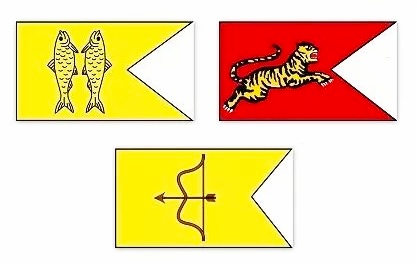
    Pandyas also record that Sage Agastya is their Raj Purohit and the Pnndya Emblem,Fish was designed by Pururavas.

    ‘The Velvikudi inscription is an 8th-century bilingual copper-plate grant from the Pandya kingdom of southern India. Inscribed in Sanskrit and Tamil languages, it records the renewal of a grant of the Velvikudi village to a brahmana by the Pandya king Nedunjadaiyan Varaguna-varman I alias Jatila Parantaka (r. c. 768—815 CE) in c. 769-770 CE.

    Velvikkudi Tamil Inscriptions-Pandya

    The inscription begins with a Sanskrit portion that invokes the God Shiva, and describes the mythical lineage of the Pandya kings, naming the sage Agastya as their family priest. It also gives the following account of the dynasty’s origin:

    At the end of the previous kalpa (age), a king named Pandya ruled the coastal region. At the beginning of the present kalpa, this king was reborn as Budha, the son of the Moon.Budha’s son Pururavas introduced the dynasty’s emblem – a pair of fish, and shared his throne and taxes with Indra.

    Pururavas’ descendant Maravarman was a patron of the learned, who conquered several enemies and gave away heaps of gold.

    Velvikkudi inscriptions

  • Vedas Brahmin reference 20,000 Years Ago Tamil Madurai Kanchi

    Vedas Brahmin reference 20,000 Years Ago Tamil Madurai Kanchi

    I am tired of informing people about how Indian history is systematically manipulated. There was a claim recently by self styled scholars,rationalists from Tamil Nadu that Murugan was/ is a Tamil God and Brahmins attributed Upaveedha to Him and made him a North Indian,Aryan God as Skanda. I have posted an article disproving this.

    Despite the Aryan Invasion Theory being proved wrong, some people from Tamil Nadu in particular still cling to it because of political compulsions and the face that basically these self styled Tamil. These Scholars are illiterate when it comes to understanding the Tamil Language or the History of Tamil. Unfortunately these persons gain media attention and the the general public and people from other States think Tamil,Tamils are arrogant and are against Sanatana Dharma. Wrong. I have been writing to prove that Tamil/ Tamils were and are an intricately connected to Sanatana Dharm and the service and temples built by ancient Tamil kings attest to this.Tamil literature speaks highlights Sanatana Dharm and speak very highly of it.And Brahmins as the Teachers of Vedas and spirituality were revered. They were granted lands on the condition that they perform homas daily.I have written exhaustively on this.

    I propose writing how Sanatana Dharma vand Brahmins were venerated and how They were an integral part of the ancient Tamil Kingdom. The Great Rajaraja Chola’s father had his closest friend Aniruddha Brahmaraya as his Chief Advisor and Minister.Rajaraja chola continued with him.

    Now in Madurai Kanchi a literary work belonging to Sangam Era speaks about Vedas, Brahmins. I have provided relevant details from the text .

    The date of Sangam is ascribed to 3000 years ago.

    But the finding of Poompuhar remains push back the Sangam Era to 20,000 years ago.

    So, we can take the reference in Madurai Kanchi about Vedas as being made around 20,000 years ago.

    Note the way the text speaks of Vedas and Brahmins.

    I have highlighted them.

    And it is curious to observe that the site which teaches Sangam literature,which I have provided as the source for this article mentions vthat Madurai Kanchi mentions Buddhists and Jainism. But eloquently silent on Vedas and Brahmins.

    You can now know how History is manipulated.

    ‘This song has 782 lines in the Āsiriyappā/Akaval meter mixed with vanji meter, and was written by poet Māngudi Maruthanār (Māngudi Kilār), for Pāndiyan king Neduncheliyan.  Kānji is a later genre of Sangam poetry.  It is based on the philosophy of instability and perishability of the world and life.  This idyll contains didactic matter, as do other poems composed by this poet.  There are descriptions of Buddhist monasteries and Jain temples.  There are also descriptions of the king’s victories in battles and the various riches brought back by his warriors.  The sights and sounds of Mathurai are captured beautifully in the morning, afternoon, at dusk, midnight and at dawn.

    சிறந்த வேதம் விளங்கப் பாடி,
    விழுச்சீர் எய்திய ஒழுக்கமொடு புணர்ந்து,
    நிலம் அமர் வையத்து ஒரு தாம் ஆகி   470

    உயர் நிலை உலகம் இவண் நின்று எய்தும்
    அறநெறி பிழையா அன்புடை நெஞ்சின்
    பெரியோர் மேஎய் இனிதின் உறையும்
    குன்று குயின்றன்ன அந்தணர் பள்ளியும்,  (468 – 474)

    Brahmin Monastery

    There are Brahmins who sing the Vedas well,

    following tradition, with great discipline.

    Even though they live in this world with different

    kinds of lands, they are one with god and they

    live in a superior world.  They lead virtuous lives

    not faulting from the just path.  The monastery

    where these great people live sweetly, appears

    like it was dug into the mountains.

    Notes:  ஒரு தாம் ஆகி (470) – பொ. வே. சோமசுந்தரனார் உரை – அவனே தானே ஆகிய அந்நெறி ஏகனாகி இறைபணி நின்று என்றவாறு.  அந்தணர் (474) – நச்சினார்க்கினியர் உரை – வேதாந்தத்தை எக்காலமும் பார்ப்பார்.  கலித்தொகை 1 – நச்சினார்க்கினியர் உரை – ‘அந்தத்தை அணவுவார் அந்தணர்’ என்றது, வேதாந்தத்தையே பொருளென்று பார்ப்பார் என்றவாறு. ‘ My note for the above Three lines.Brahmins are those who Perceive the Vedanta:

    Meanings:  சிறந்த வேதம் விளங்கப் பாடி – singing the great Vedas clearly, விழுச்சீர் எய்திய ஒழுக்கமொடு புணர்ந்து – following the greatness with discipline, நிலம் அமர் வையத்து – in he world with different lands, ஒரு தாம் ஆகி – becoming one with god, உயர் நிலை உலகம் – they are in the superior upper world, இவண் நின்று எய்தும் – even while here they attain, அறநெறி பிழையா – not faulting from the just path (பிழையா – ஈறுகெட்ட எதிர்மறை வினையெச்சம்), அன்புடை நெஞ்சின் – with loving hearts, பெரியோர் – great souls, wise people, மேஎய் இனிதின் உறையும் – residing there sweetly (மேஎய் – இன்னிசை அளபெடை), குன்று குயின்றன்ன – like dug into the mountains, அந்தணர் பள்ளியும் – and the Brahmin monastery….

    Source. https://learnsangamtamil.com/maduraikanchi/

  • Home Where Kannagi Kovalan Lived Madurai Kadaichanendal

    I have been exploring the history of India,with the help of Archeology, Astronomy, Linguistics, Etymology, Sanskriti and Tamil literature (because I am familiar with these languages),Temple history,Rock writings, Cultures,local legends and folklore.

    There are also researched material from abroad from historians of Greece,Modern researches.

    I have been at this for the past ten years and I am convinced that Sanatana Dharma and Tamil culture are quite ancient and that they are interwoven.

    In our efforts to follow British education,we normaly fail to take into account History as found in our literature,both in Sanskrit and regional languages.

    The reason is that we are taught that indians do not record history and every thing is a story.

    Far from it.

    Our texts are a mine of information and one can find historical facts which can be verified by modern findings.

    We also,thanks to now discredited Aryan invasion theory,tend to dismiss Tamil culture and it’s antiquity .

    This is incorrect.

    There are over 239 sites in the Vaigai River that speaks volumes of ancient Tamil culture and Sanatana Dharma.

    Dating of these artifacts recovered from the sites is a challenge to C14,Carbon Dating, as C 14 is useleless in dating beyond 50,000 years.

    This,coupled with the systematic misinformation about Indian history by the Agenda filled western scholars(?) Straight from Max Mueller to present day pseudo researchers from the West,the self styled Secularists and Anglophiles,who try to muddle history of India and our general reluctance to study our regional and Sanskrit texts and our labelling them as myth ,without bothering to read them, has to led us to be unaware of our history.’

    239 Sangam sites, Vaigai River, Madurai

    One of the five great Tamil epics ,Silappadikaram,narrates the story of Kovalam,Kannagi and Chera,Pandya kings.

    The Pandyan king unjustly had Kovalan killed by hanging.

    This is because he erroneously concluded the Anklet which Kovalan sold was that of Pandya Queen’s.

    (And his wife Kannagi burnt Madurai as a revenge.)

    Before going out to sell the Anklet,Kovalan was seen off by his wife Kannagi from their home in Madurai.

    The description of the place is found in Silappadikaram by Ilango Adigal.

    The name given to the place is Kadaichanendal, Madurai.

    The home where they lived is found here alone with the hermitage of the Buddhist monk,a lady named Kavundhi Adigal,who guided the pair of Kovalan and Kannagi.

    The original name of the place was Kadai+Chilambu+Endhal, meaning ‘the place where the Anklet was held in Hands for the last time’

    I am unable to find the photo of the house.

    People from Madurai may contribute.

    I have provided the map of the town and the referral Facebook post.

    Kadaichanendal.
    Village Name : Kadachanendhal ( கடச்சனேந்தல் )
    City Name : Madurai West
    District : Madurai
    State : Tamil Nadu
    Language : Tamil and Telegu, Sourashtra, English, Hindi

    PIN 625107

    http://www.onefivenine.com/india/villages/Madurai/Madurai-West/Kadachanendhal

    கண்ணகி வாழ்ந்த வீடு
    “”””””””””””””””””””””””””””””””””””””””””””

    Kadachanendhal
    Tamil Nadu
    https://maps.app.goo.gl/abkwaCF5cdwjbSYP7

    மதுரைக்கு மிக அருகில் உள்ள கிராமம் கடச்சனேந்தல். இங்கு விவசாயிகளை அமைப்பாகத் திரட்டும் ஒரு முயற்சிக்காக நான் சென்றிருந்தேன். அந்த ஊரைச் சேர்ந்த விவசாயச் சங்கத்தினர் உடன் இருந்தனர். அந்தச் சின்னஞ்சிறிய கிராமத்தின் குறுகிய வீதிகளின் வழியே, வயல் வேலைகள் முடித்துத் திரும்பும் விவசாயிகளைப் பார்த்துப் பேசிக்கொண்டிருந்தோம்.

    சடசடவென மழை பெய்ய ஆரம்பித்தது.
    எங்கு ஒதுங்குவது எனச் சுற்றும்முற்றும் பார்த்து, மூலையில் இருக்கும் ஒரு தாவாரத்தில் ஒதுங்கினோம். காற்றும் மழையுமாகக் கொட்டித் தீர்த்தது. ஒதுங்கி நிற்கிறோம் என்பதற்கான எந்த அடையாளத்தையும் மழை விட்டுவைக்கவில்லை. மேலெல்லாம் நனைந்து சற்றே நடுக்கம் எடுக்கத் தொடங்கியது. நான் எதையோ யோசித்தபடி அங்கு சிறு பலகை ஒன்றில் எழுதியிருந்ததைப் பார்த்தேன். ‘கவுந்தியடிகள் ஆசிரமம்’ என எழுதியிருந்தது. என் கண்களையே நம்பாமல், ஆச்சர்யத்தோடு மீண்டும் ஒருமுறை படித்து உறுதிப்படுத்தினேன்.
    கோவலனும் கண்ணகியும் மதுரைக்கு வருவதற்கு, உறுதுணையாக இருந்து ஆற்றுப்படுத்திய சமணத் துறவி கவுந்தியடிகளுக்கு இங்கு எதற்கு ஆசிரமம் என யோசித்தபடி நின்றேன்.
    மழை குறையத் தொடங்கியது.

    தாவாரத்துக்கு அடுத்து இருந்தவரிடம், ‘கவுந்தியடிகள் ஆசிரமம் என்ற பெயர் எதற்காக வைத்திருக்கிறீர்கள்?’ எனக் கேட்டேன். அவர் சொன்னார், ‘இந்த அம்மாதானே கோவலன் – கண்ணகியை எங்க ஊருக்குக் கூட்டிவந்துச்சு’ என்றார்.
    அவரின் பதில், மேலும் ஆச்சர்யத்தை ஊட்டியது. ‘கோவலன் – கண்ணகி மதுரைக்குத்தானே வந்தார்கள்? உங்கள் ஊருக்கு எங்கு வந்தார்கள்?’ எனக் கேட்டேன். ‘என்ன தம்பி… மதுரைக்குள்ள போறதுக்கு மொத நாளு அவங்க ரெண்டு பேரையும், எங்க ஊர்லதான அந்த அம்மா தங்கவெச்சுச்சு’ என்றார். எனக்கு என்ன சொல்வது எனப் புரியவில்லை. ஆனால், அவருக்கு என்னிடம் சொல்ல நிறைய விஷயங்கள் இருக்கின்றன என்பது மட்டும் புரிந்தது.

    நான் பேச்சைத் தொடர்ந்தேன். அவர் மேலும், ‘கோவலன் – கண்ணகி தங்கி இருந்த வீடு அருகில்தான் இருக்கிறது’ என்றார். நான் ஏறக்குறைய உறைந்துபோய் நின்றேன். அதற்கு மழை மட்டும் காரணம் அல்ல! தொடர்ந்து, ‘கண்ணகி வீடுதானே… அது எனக்குத் தெரியும். நான் கூட்டிப்போய் காட்டுறேன்’ என உடன் இருந்தவர் பதில் சொன்னார்.

    சிலப்பதிகாரத்தை வெளியில் இருந்து படித்த நான், முதன்முறையாக அதற்குள்ளே இருக்கும் மனிதர்களைச் சந்தித்தேன். அவர், ‘வாருங்கள் போகலாம்’ எனச் சொல்லி என்னை அழைத்துப்போனார். மழை நின்ற அந்த இரவில் நான் காலத்துக்குள் நடந்துபோய்க்கொண்டிருந்தேன்.
    இரண்டு தெரு தள்ளி ஓர் இடத்தைக் காட்டினார். ‘இந்த இடத்தில்தான் கண்ணகியின் வீடு இருந்தது’ என்றார். நான் விழித்த கண் இமைக்காமல் பார்த்துக்கொண்டிருந்தேன். அந்த இடம் எதுவும் இல்லாத வெளியா… அல்லது காலவெளியா என்பது புரியாத திகைப்பில் நின்றிருந்தேன்.
    வயதான ஒரு மூதாட்டி, ‘என்னப்பா, இந்த ராத்திரியில வந்து கண்ணகி வீட்டைப் பார்த்துக்கிட்டிருக்கீங்க?’ எனக் கேட்டபடி எங்களைக் கடந்துபோனாள். இப்போதுதான் கண்ணகியை வீட்டில் விட்டுவிட்டுப் போகும் கவுந்தியடிகளைப்போல இருந்தது அவளது வார்த்தைக்குள் இருந்த உரிமை.

    என்னை அழைத்துப்போனவர் தொடர்ந்து சொன்னார்… ‘கண்ணகி – கோவலன் கடைசியா இருந்தது இந்த வீட்டில்தான். இங்கிருந்துதான் சிலம்பை விற்க கோவலன் மதுரைக்குப் புறப்பட்டுப் போனான். புதுவாழ்வு தொடங்க ஆசையோடு காத்திருந்த கண்ணகிக்கு, போனவன் கொலையுண்ட செய்திதான் வந்து சேர்ந்தது. செய்தி கேள்விப்பட்டதும் ஆத்திரம் பொங்க தனது காலில் இருந்த இன்னொரு சிலம்பை கையில் ஏந்தியபடி இங்கிருந்துதான் புறப்பட்டாள். அதனால்தான் எங்கள் ஊருக்கு ‘கடை சிலம்பு ஏந்தல்’ எனப் பெயர்.

    20 வருடங்களுக்கு முன்புவரைகூட ஊரின் பெயர்ப்பலகை எல்லாமே ‘கடை சிலம்பு ஏந்தல்’ என்றுதான் இருந்தது. அதன் பிறகுதான் பேச்சுவழக்கில் எல்லோரும் ‘கடச்சனேந்தல்’ என்றே அழைக்க ஆரம்பித்துவிட்டனர்’ என்றார்.
    நான் மறுபடியும் ஊரின் பெயரில் இருந்து எல்லாவற்றையும் யோசிக்க ஆரம்பித்தேன். அவர் பேச்சைத் தொடர்ந்தார். ‘கோவலன் – கண்ணகியை அவமதித்துப் பேசிய இருவரை, கவுந்தியடிகள் நரியாகப் போகுமாறு சபித்துவிட்டார் இல்லையா?’ எனக் கேட்டார், சிலப்பதிகாரத்தின் காட்சியை நினைவுபடுத்தி. ‘ஆம்… ஓராண்டு காலம் நரியாகப் போகுமாறு சபித்தார்’ என்றேன். ‘அதுதான் அந்த நரி’ என்றார்.
    அவர் கைகாட்டும் திசையை மிரட்சியோடு பார்த்தேன். கும்மிருட்டாக இருந்த அந்தத் திசையில் இருந்து அடுத்து வெளிவரப்போவது என்னவோ என்ற திகைப்பு குறையாமல் அவரை நோக்கித் திரும்பினேன். அவர் சொன்னார், ‘கவுந்தியடிகளால் சபிக்கப்பட்ட அந்த நரிகள் இரண்டும் ஓராண்டு காலமும் அந்தப் பக்கம் உள்ள காட்டில்தான் இருந்ததாம். அதனால்தான் அந்த இடத்துக்கு ‘அந்தநேரி’ எனப் பெயர்’ என்றார். அடுத்து இருக்கும் ஊரின் பெயர் ‘அந்தநேரி’ என்பது அப்புறம்தான் நினைவுக்கு வந்தது (அதுவே ‘அந்தனேரி’ ஆகிவிட்டது).

    நிகழ்காலத்துக்கும் கடந்தகாலத்துக்கும் இடையில் இடைவெளியற்ற ஒரு நிலத்தில், நின்றுகொண்டிருப்பதுபோல் உணர்ந்தேன். ஒருவகையில் மதுரையே இப்படி ஒரு நிலம்தான். காலத்தின் எந்தப் புள்ளியில் நாம் நின்றுகொண்டிருக்கிறோம் என்பது பல நேரங்களில் ஒரு புகைமூட்டமாகத்தான் தென்படும்.

    அந்த வீடுதான் சிலப்பதிகாரத்தில் கொந்தளிக்கும் உணர்ச்சிகள் மையம் இட்டிருந்த இடம். கோவலன் – கண்ணகி இருவரும் இங்குதான் ஒரு புது வாழ்வைத் தொடங்கினர். கண்ணகியின் களங்கம் இல்லாத அன்பின் முன்பாக கோவலன் ஒரு தூசுபோல கிடந்தான். ஆண் எனும் அகங்காரம் முற்றிலும் அழிந்து, கண்ணகியின் கால் பற்றி நின்றான். 12 ஆண்டுகள் நெஞ்சம் முழுவதும் பெருகிக்கிடந்த துயரக் கடலை அன்பு எனும் மிதவைகொண்டு எளிதாகக் கடந்தாள் கண்ணகி. கால் சிலம்பைக் கழட்டிக் கொடுத்து புதுவாழ்வின் வாசல் நோக்கி அனுப்பினாள். நற்செய்தியோடு வருவான் என எதிர்பார்த்திருந்த கண்ணகிக்கு, அவன் கொலையுண்ட செய்தியே வந்து சேர்கிறது. அவள் வெகுண்டெழுந்தாள்.
    சிலப்பதிகாரத்தில் உணர்ச்சிகளினால் உச்சம் பெற்ற காட்சி இங்குதான் அரங்கேறியது. பெருக்கெடுத்த அன்பும், புதுவாழ்வின் கனவும், கொடுங்கொலையும் வந்துசேர்ந்த இடமாக, இந்தச் சிறு குடிலே இருக்கிறது. கோவலனின் மனைவியாக மட்டுமே இருந்த ஓர் அபலைப் பெண், கண்ணகியாக உருமாற்றம்கொள்வது இந்த இடத்தில் இருந்துதான். ஒரு காப்பியத்தில் எந்த இடத்தை சமூகம் பற்றி நிற்கவேண்டுமோ, அந்த இடத்தை இறுகப் பற்றி நிற்கிறது இந்த ஊர்.
    கதைகளின் பலம், பெருந்துக்கத்தை மறந்துவிடாமல் மீண்டும் மீண்டும் நினைவூட்டிக் கொண்டே இருப்பதுதான். ‘எங்கள் ஊருக்கு வந்த பெண்ணுக்கு இப்படி ஆகிவிட்டதே’ என்ற துக்கம், இத்தனை ஆயிரம் ஆண்டுகளுக்குப் பிறகும் அந்தக் கதையைச் சொல்பவரின் தொண்டைக் குழியில் தேங்கி நிற்கிறது. அந்தத் துக்கம் மறக்காமல் இருந்தால்தான் மனிதன் அறம்சார்ந்த வாழ்வை வாழத் தொடர்ந்து தூண்டப்பட்டுக் கொண்டிருப்பான். மனிதனை நியாயவானாக மாற்றவேண்டிய செயல், மனிதன் இருக்கும் வரை நடத்தப்பட்டுக்கொண்டே இருக்க வேண்டிய செயல்.

    அதற்கான கருவியை தனது அனைத்து அங்கங்களிலும் வைத்திருக்கும் பண்பாட்டையே சிறந்த பண்பாடாக நாம் கருதுகிறோம். அத்தகைய பண்பாட்டு விழுமியங்கள் செழிப்புற்று இருப்பதே நாகரிகச் சமூகத்துக்கான சான்று. கண்ணகியின் கண்ணீர்த் துளியைக் கைகளில் ஏந்தி, கவுந்திக்கு மரியாதை செய்துகொண்டிருக்கும் இந்தச் செயல்கூட அத்தகைய நாகரிகத்தின் அடையாளமே.

    தார்ச்சாலையின் ஓரத்தில் இருக்கும் பெயர்ப்பலகையில் எனாமல் பெயின்டால் எழுதப்பட்ட எழுத்துக்குப் பின்னால் இவ்வளவு நெடிய கதையும் காலமும் மறைந்திருக்குமானால்… பல்லாயிரம் ஆண்டுகளுக்கு முன்னால் எழுதப்பட்ட எழுத்துக்களுக்குப் பின்னால் மறைந்திருக்கும் கதைகளை யார் அறிவார்?

    அப்படிப்பட்ட எழுத்தைத் தாங்கிநிற்கும் கருங்கல் ஒன்று, வைகையின் தென்கரை கிராமம் ஒன்றில் நிமிர்ந்து நிற்கிறது. சுமார் 2,400 ஆண்டுகளாக…

    (நன்றி- எழுத்தாளர் திரு.சு.வெங்கடேசன்)’

    Source. Thinaiyagam Facebook.