Tag: பூம்புகார் வரலாறு

  • Poompuhar Founded Eleven Thousand Years Ago?

    Poompuhar Founded Eleven Thousand Years Ago?

    Now comes the tough part in determining the Timeline for Kaveri River.From Chola Copperplates evidence of Thiruvalankadu and the genealogical table by the Purans,it becomes evident that Cauvery River was brought to earth by Chitradhanvan Chola, emulating his ancestor Bhagirath who brought Ganga River to Earth.This would place Cauvery River timeline and consequently date of Poompuhar to Treata Yug,which is atleast a 900,000 years ago( We are in Kaliyug now; Dwapar Yug preceded this lasting for 8,64,000 years).

    However, dating of Ramayana places it around 5114 BC, that is about Seven thousand years ago.

    The conundrum is because of Time being Cyclic and not Linear.

    The origin of Kaveri river is associated with Sage Agastya and it was brought to earth by him.We find references to Agastya ,apart from references to him in Puran, Vedas,is mentioned in Vedas. He imparted Adhitya Hruday stotra to Sri Rama to shrug of his depression when Lakshmana was felled by Ravana’s Mohanastra. Agastya is reported to have come down south . This time frame is validated by Star Canopus, Agastya Nakshatra visibility in the southern hemisphere.And Ramayana lists over Thirty Rivers.

    Our minds do not accept such vast scale of Time. Can we then ,place Cauvery River and Poompuhar date around 7000 years ago.

    But we have archeological evidence from Poompuhar that Poompuhar to support a date of around atleast 11,000 years ago.

    So as a compromise, we may assign the Date of Cauvery River to atleast 11000 ago?

    Now, Indra Vizha celebrated in Poompuhar also supports this timeline because Uparichara Vasu was a Chola King who ruled Chedi Kingdom and was a friend of Indra. Indra is reported to have given him Bamboo Pole.

    Uparichara Vasu was a king of Chedi belonging to the Puru Dynasty. He was known as the friend of Indra. During his reign, Chedi kingdom had a good economic system and contained much mineral wealth, which made a lot of merchants around the world, come to the Kingdom. It was abundant in animals and corn. There were many towns and cities in the kingdom. He possessed a very special chariot. He introduced a festival in his kingdom in the honour of Indra. The festival involved planting of a bamboo pole every year, in honour of Indra. The king will then pray for the expansion of his cities and kingdom. After erecting the pole, people decked it with golden cloth and scents and garlands and various ornaments.

    Chedi Kingdom

    Indra Vizha , Festival was celebrated with great pomp in Poompuhar. Failure to conduct it had resulted in a great Tsunami consuming Poompuhar, Tamil Sangam Classics, including Silappadikaram aver.

    So this shall place Poompuhar being intact before Kaliyug that is Chola Perunarkilli , who is recorded to be the first Chola King in Kaliyug.

    Hence ,it is safer to postulate the date of Poompuhar to about 11000 years ago.

    Cholavarman’s son was Rajakesarivarman and Rajakesarin’s son was Parakesarin (vv. 30 and 31).  These two names were used as titles alternately by the Chola kings in the order of their coronation (v. 32).  Parakesarin’s son was Chitraratha; his son was Chitrasva and his son, Chitradhanvan (v. 33).  It is stated that this last king Chitradhanvan brought into his dominions the river Kaverakanyaka, i.e., Kaveri, just as Bhagiratha brought into the earth Ganga, the river of the gods (v. 35).( Chitradhanvan was an ancestor of Sri.Rama and therefore Kaveri was in flow during Ramayana)

    Thiruvaalangadu Copperplates

    V. 36.) In that family was (born) Suraguru who was the hereditary abode of the maiden, the Lakshmi of victory.  This king having conquered by his glory the god of Death in his own territory acquired the name Mrityujit.

    (V. 37.) In his race was born king Chitrartha called Vyaghraketu from his banner-cloth bearing (the figure of) a tiger, who was a store of great heroism and who wore as an ornament on his head the flowers of the dhataki (Grislea Tomentosa).

    (V. 38.) The Treta-age having come to a close, a son of this king known as Narendrapati became the ruler.  The diadems of (subordinate) kings dropped down their gems ; (because their) fastenings had become loosened by the constant rolling at his footstool.

    (V. 39.) From him was produced the head-jewel of the powerful Solar race, (king) Vasu, who was the cause of the destruction of the demons (and) who (known) by the significant surname of Uparichara moved in any direction he liked in a celestial car which was presented (to him) by the lord of gods (i.e., Indra).

    (V. 40.) At the end of the Dvapara (-age) was born in the family of this head-jewel of kings a conqueror of all hostile kings named Visvajit.[30]https://www.whatisindia.com/inscriptions/south_indian_inscriptions/volume_3/no_205b_aditya_ii_karikala.html

    Kings after Muchukunda Chozha.

    Mandhata
    Muchukunda
    Valabha
    Prithulaksha
    Parthivachudamani
    Dirghabahu
    Chandrajit
    Sankriti
    Panchapa
    Satyavrata
    Rudrajit
    Sibi
    Marutta
    Dushyanta
    Bharata
    Cholavarman
    Rajakesarivarman
    Parakesarin
    Chitraratha
    Chitrasva
    Chitradhanvan. https://www.whatisindia.com/inscriptions/south_indian_inscriptions/volume_3/no_205_aditya_ii_karikala.html

  • பூம்புகார் காலம் 11000 ஆண்டுகளுக்கு முன்

    சிலப்பதிகாரத்தின் மிக முக்கிய களமாக விளங்கியது காவிரிப் பூம்பட்டினம்.புகார் என அழைக்கப்பட்ட இந்நகரம் சோழர்களின் சிறந்த துறை நகராக உயர்வு பெற்றது. யவனர்கள் மற்றும் ரோமானிய வணிகர்கள் இத்துறைமுகத்தின் வாயிலாக வாணிபம் மேற்கொண்டனர்.

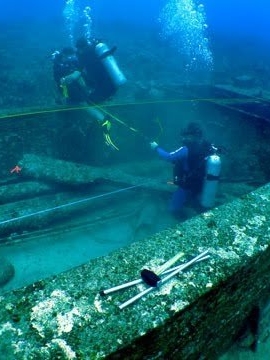
    1980,1984, மற்றும் 2004 ஆண்டுகளில் புகாரில் National Institute of Oceanography மற்றும் Archeological Survey இவர்களால் மேற்கொள்ளப்பட்ட ஆய்வில், புகார் நகர் சுமார் 11000 ஆண்டுகளுக்கு முற்பட்டது என்பது உறுதி செய்யப் பட்டது. கிரகாம் ஹான்காக் அகழ்வாராய்ச்சியாளரின் பங்களிப்பு இக்கண்டுபிடிப்பில் இன்றியமையாததாகும்.

    https://youtu.be/qmAH3axKLt

    The Tamil sites who have been calling me names have now been sending mails to me requesting to publish more articles on the antiquity of Tamil!

    This after my recent articles on Tamil and Sanskrit.

    Well I shall continue to write facts as they are available, relying more on Indian Literature ,Epigraphy, Linguistics rather than some big fancy Names of self-styled Indologists.

    Now on the find of the material being dated 11000 Years  sets the Tamil History and the Sanatana Dharma back at least by 20,000 years.

    But the Tamil Sangams are dated at

    “that the first two of which were held in cities since “taken by the sea”, and the third of which was held during the 5th century BC in the present-day city of Madurai.'(wiki).

    Silappadikaram  has been dated to likely belong to the beginning of Common era.

    The incidence of Kovalan Madhavi and Kannagi took place in the same period as the poet who wrote the Tamil Epic was the brother of the Chera King Cheran Senguttuvan.

    However the recent finding placed these dates to 11000 years back!

    So it is logical to arrive at the conclusion that the Silappadikaram Town was in existence around 11000 CE and for a rich language as Tamil to develop, from a dialect, colloquial form and then to literary ,it requires  minimum  5000 Years.

    And Tamil quotes Ithihasas ,Ramayana and Mahabharata and the Vedas.

    That should place these Ithihasas earlier .

    Hence based on this evidence available now, Tamil should be at least 16000 years old and the Sanskrit Puranas earlier.

    Please read my Post Million Year Old Tamil quotes Vedas and they quote Tamil.

    But we are assigning Tamil Sangam at 500 BC and Rig veda at 5000 BC!

    The date of Poompuhar artifact was arrived at and verified by  Glenn Milne Sea Level changes.

    The place is called Poompuhar. It lies on southeast India’s Coromandel coast facing the Bay of Bengal between modern Tamil Nadu and Sri Lanka. Its immediate offshore area has been the subject of marine archaeological investigations by India’s National Institute of Oceanography since the 1980’s — and numerous non-controversial finds of man-made structures dated between the third century AD and the third century BC have been made in the “inter-tidal zone” close to shore at depths down to 6 feet (approximately 2 metres).

    These finds of structures in shallow water (some so shallow that they are exposed at low tide) have been quite widely written-up in the archaeological literature. But for some reason other discoveries that the NIO has made in deeper water off Poompuhar have attracted no attention at all. Most notably these other discoveries include a second completely separate group of structures fully three miles from the Poompuhar shore in water that is more than 70 feet (23 metres) deep. The lack of interest is surprising because to anyone with even minimal knowledge of post-glacial sea-level rise their depth of submergence is – or should be – highly anomalous. Indeed according to Glenn Milne’s sea-level data the land on which these structures were built last stood above water at the end of the Ice Age more than 11,000 years ago.

    https://ramanisblog-in.cdn.ampproject.org/v/s/ramanisblog.in/2015/03/02/poompuhar-find-sets-tamilhinduism-by-atleast-20000-years/amp/?amp_js_v=a6&amp_gsa=1&usqp=mq331AQHKAFQCrABIA%3D%3D#aoh=16025087535958&referrer=https%3A%2F%2Fwww.google.com&amp_tf=From%20%251%24s&ampshare=https%3A%2F%2Framanisblog.in%2F2015%2F03%2F02%2Fpoompuhar-find-sets-tamilhinduism-by-atleast-20000-years%2F
    Ancient Sundaland
    Emerging Sundaland.
    புகார் இடிபாடுகள்.