Tag: தமிழர் வரலாறு

  • Jamboodweepa Is Navalan Theevu Sangam Literature Confirms Geography

    When one reads Tamil Sangam Literature carefully,one finds it to be a mine of information.Information is so rich that one is amazed when it agrees with facts that are available today.Tamil , as I have discovered over the past twelve years, runs parallel to Sanskrit and Tamil culture is intimately and intricately connected with Vedic Culture.As a matter of record it may be noted that the worship of Siva and the concept of Saiva Siddhandha is more detailed in Dravida Desa,Tamil Land.Tamil and Sanskrit quote each other.Tamil Kings were present during Sita’s, Draupadi’s Swayamvara.Manu, the first Human being as described in Puran was a Dravidian emperor.Due to a great flood, his son Ikshvaku moved from South to Ayodhya and founded the Suryavansha,Solar Dynasty to which Sri Rama belongs.Manu’ s daughter, Ila remained in South and established the Chandravansha,the Lunar Dynasty.Tamil Kings of ancient days record that they belong to both the dynasties, because they intermarried.

    When Tamil literature mentions what is now North India,that is North of Vindhyas and Satpura ranges,it calls as வடபுலம் and ‘Those of North’ , வட புலத்தோர்’.Tamil sets it’s boundaries, Thiruvengadam, Tirupati range as North,South Kanyakumari,East and West Ocean.What is intriguing is that Tamil mentions Thiruvengadam as covered in Snow!We all know that Tirupati area is not covered by Snow all the year. ( I have marked relevant Tamil lines that say Thiruvengadam is covered by Snow, by #)When Himalayas are mentioned Tamil specifically points it out Imayam, இமயம் or words that contain Imayam. And Himalayas description is different from Thiruvengadam description.The description of Himalayas as Imayamalai or Imayam may be seen under சங்க இலக்கியத்தில் இமயமலை

    So the reference to Thiruvengadam is different from Himalayas.While Himalayas are always covered under Snow, Thiruvengadam is NOT.So these two are different.When Tamil sets Thiruvengadam as it’s northern boundary and describes it as having been covered with Snow and when it calls Himalayas as having been covered with Snow there is a difference in that Sangam Literature deliberately states Himalayas as Imayamalai with adjectives other than/ in addition to Imayamalai.

    Now lets us look at formation of Himalayas. It is about 70 Million years old.

    But Thiruvengadam is 2100 Million years old

    Geologists have dated Tirupati Hills range and the information tallies with what Hindu Puranas say about the age of the Hills. It is about 2100 Million years old.

    Based on this and references to this mountain by Tamil literature one can infer Tamils , to have described this mountain, should have lived when it was in existence and also when Himalayas was formed around 70 Million years ago.Tamil hints at the emergence of Himalayas by the pressure of tectonic plates , by saing that Sage Agastya was sent to South to balance the earth as Himalayas was pressed down and Southern plateau tilted up.’வடதிசை இமயமும், தென்திசை ஆய்குடியும் உலகைச் சமனிலை கொள்ளச் செய்யும். – புறம் 132′ This poem 132 from Puranaanuru states that Himalayas of the North and the Clan of Ay, a Tamil Clan shall balance the earth.There are innumerable poems that state Sage Agastya came to South while Siva Parvathi marriage took palce to regain earth’s balance and Tamilnadu has Temples where Siva was reported to have given Darshan of His marriage with Parvathi to Agastya as Agastya could not be present at Himalayas.

    Then we have the seven Root Races of the world.Among these are Lemuria.This is dated around 230 Million years old where it existed .I had written on this and also on MU civilization.

    Now landmass which was later known as Aryavartha, how was it called? Aryavartha people and Puran call South of Vindhyas as Dravida Desa ,Southern Country.

    What did Dravida Desa people call the Northern landmass?

    Navalantheevu, நாவலன் தீவு.Navalpazham is the name for Jamboo fruit in Tamil.How do puranas, Shruthi and Smriti describe Landmass? Jamboothdweepe Bharathavarshe Bharathak kande ‘( Sankalpa we do in Pooja and on religious occasions).Tamil therefore refers to North as Navalan theevu.It was surrounded by oceans.

    And what did lie between Thiruvengadam, the Northern boundary of Tamils and Himalayas.Vindhyas and Satpura mountain ranges, called as Krauncha Parvatha.Tamil literature refers to it as the landmass that lay as (lies now Vindhya and Satpura) Krauncha parvatha and Subrahmanya, Murugan broke it into two with his Vel ,Spear. ‘மாய அவுணர் மருங்கு அறத் தபுத்தவேல், நாவலந்தண்பொழில் வடமொழி ஆயிடைக் குருகொடு பெயர்பெற்ற மால்வரை உடைத்து, மலையாற்றுப்படுத்த மூவிரு கயந்தலை – பரிபாடல் 5-9 Paripadal 5- 9.(Murugan broke with his Spear the Mountain that lay between the land of Ay Clan and Land where people spoke Sanskrit) குருகு எறி வேலோய் – பரிபாடல் 19-36 (The one with Spear thou had throrn it to break open the Range.)

    So Tamil land was different from Aryavartha.Aryavartha was called Navalan Theevu,Jaboodweepa.These two were separated by Vindhya and Satpura mountains.South of it lay the Northern boundary of Tamils. Tamil Literature asserts this.And Northern territory was surrounded by oceans.
    #வடாஅது பனிபடு நெடுவரை வடக்கும்#

                        தெனாஅது உருகெழு குமரியின் தெற்கும்

                        குணாஅது கரைபொரு தொடுகடற் குணக்கும்

                        குடாஅது தொன்றுமுதிர் பௌவத்தின் குடக்கும்’   – (புறம்.6) ( Puranaanuru.6)

    என்று காரிகிழார் என்ற புலவர் தமிழ் மன்னர்கள் ஆண்ட பகுதிக்குட்பட்ட எல்லைகளை வரையறுத்துள்ளார்.   வடக்கு எல்லை பனிபடர்ந்த வேங்கடம் எனவும், தெற்கு எல்லை குமரி எனவும், கிழக்கும் மேற்கும் கடல் எனவும் எல்லைகள் குறிக்கப்பட்டுள்ளன.

    https://sites.google.com/site/tholthamizhar/

    விடனுடைப் பேரியாழ் மிறையுளிக் கழிப்பிக்

    கடனுடை மரபிற் கைதொழூஉப் பழிச்சி

    நின்னிலை தெரியா வளவை யந்நிலை

    நாவலந் தண்பொழில் வீவின்று விளங்க

    நில்லா வுலகத்து நிலைமை தூக்கி

    யந்நிலை யணுகல் வேண்டி நின்னரைப்

    பாசி யன்ன சிதர்வை நீக்கி

    யாவி யன்ன யவிர்நூற் கலிங்க // /

    மிரும்பே ரொக்கலொ டொருங்குட னுடீஇக் // 470 // Perumpaanaatruppadai 470.

    https://ta.m.wikisource.org/wiki/%E0%AE%AA%E0%AF%86%E0%AE%B0%E0%AF%81%E0%AE%AE%E0%AF%8D%E0%AE%AA%E0%AE%BE%E0%AE%A3%E0%AE%BE%E0%AE%B1%E0%AF%8D%E0%AE%B1%E0%AF%81%E0%AE%AA%E0%AF%8D%E0%AE%AA%E0%AE%9F%E0%AF%88

    நெடியோன் குன்றமும் தொடியோள் பௌவமும்

    தமிழ் வரம்பறுத்த தண்புனல் நல்நாட்டு

    (சிலப்பதிகாரம்,வேனிற்காதை:1-2) Silappadhikaram Venil Kaathai:1-2.)

    (நெடியோன் குன்றம் – திருமாலவன் குன்றம், வேங்கட மலை, திருப்பதி; தொடியோள் – குமரி; பௌவம் – கடல்; வரம்பு – எல்லை.)

    சங்க காலத்துக்கு முன்பு கன்னியாகுமரிக்குத் தெற்கில் நெடுந்தூரம் பரவியிருந்த தமிழகம் சங்க காலத்தில் சுருங்கிவிட்டது. குறுங்கோழியூர் கிழார் என்னும் புலவர் புறநானூற்றில் சங்க காலத் தமிழகத்தின் எல்லையை அளவிட்டுக் காட்டியுள்ளார்: தென்குமரி வடபெருங்கல்

    குணகுட கடலா எல்லை

    (மதுரைக்காஞ்சி:70-71)( Maduraik Kaanchi 70-71)

    என்று தமிழகத்தின் எல்லையைச் சுட்டியுள்ளார்.

    வேங்கடத்துக்கு வடக்கில் வேறுமொழி (தெலுங்கு) இருந்து வந்தது என்பதனை மாமூலனார் அகநானூற்றில் பின்வருமாறு கூறியுள்ளார்.

    #பனிபடு சோலை வேங்கடத்து உம்பர்

    மொழிபெயர் தேஎத்தர் ஆயினும்,,,,,#

    (அகநானூறு, 211:7-8) Akanaanuru 211:7-8

    (உம்பர் – மேலே, வடக்கில்; மொழிபெயர் தேஎத்தர் – வேறு மொழி பேசும் நாட்டினர்.)

    குறுந்தொகையில் மாமூலனார் கட்டி என்னும் மன்னனின் நாட்டுக்கு வடக்கில் வடுகர் (தெலுங்கர்) வாழ்ந்து வந்தனர் என்பதை,

    குல்லைக் கண்ணி வடுகர் முனையது

    வல்வேல் கட்டி நல்நாட்டு உம்பர்

    மொழிபெயர் தேஎத்தர் ஆயினும்.

    (குறுந்தொகை,11:6-7)( Kurunthogai 11:6-7)

    என்று கூறுகிறார்.

    சங்க காலத் தமிழகத்தில் தற்போது உள்ள கேரளமும் சேர்ந்திருந்தது என்பது நன்னூல் குறிப்பிலிருந்து தெரிய வருகிறது. நன்னூலார் தமது இலக்கண நூலாகிய நன்னூலில் தமிழகத்தின் நான்கு எல்லைகளைச் சரிவரக் குறிப்பிட்டுள்ளார்.

    குணகடல் குமரி குடகம் வேங்கடம்

    (நன்னூல்,சிறப்புப்பாயிரம்:8 (Nannul Sirappupasyiram 8.

    http://www.tamilvu.org/courses/degree/a031/a0311/html/a0311112.htm

  • King Sibi Janapada Coins Found First Century BC

    King Sibi Janapada Coins Found First Century BC

    King Sibi is a famous Chozha King. He is reported to be the ancestor of Sri Rama. He built a temple for Vishnu as Pundarikaksha at Thiruvellarai ,7 km from Srirangam, Tamil Nadu.He has invaded South to subdue Asuras.He is praised for his compassion.

    King Sibi’s Janapada Coins have been unearthed.Details are: ‘

    Full Description:

    Śibi was a king in Hindu texts and the Jataka tales of Buddhism, notably in the Śibi Jataka. Śibi… was the son of Ushinara, a famous king of the Surya Vamsa. He was contemporary to the Suryavanshi King Trayarunya who was the ancestor of Rama. King Śibi was renowned for his liberal beliefs and selflessness and is said to have saved Agni (transformed into a dove) from Indra (transformed into a hawk) by offering up his own flesh..Śibi is listed among other legendary kings in the lineage claimed by the later Chola dynasty. The Cholas claimed to have descended from the Sun. The Tamil name for Shibi is Cempiyan and Chola rulers took this as one of their titles.

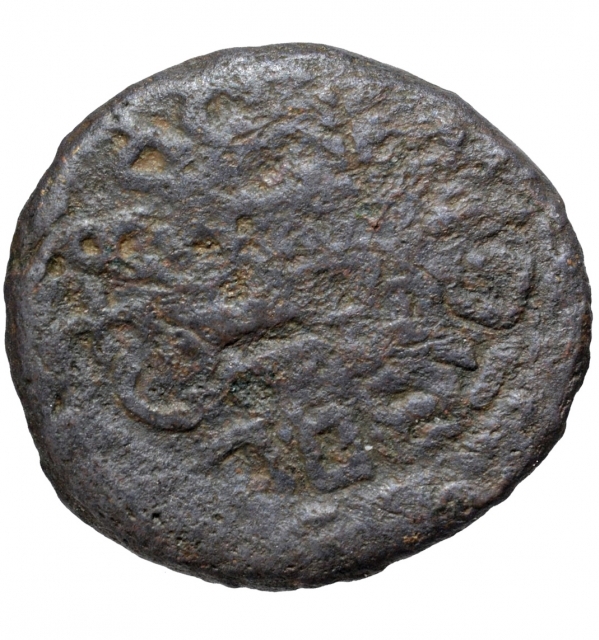
    Tribal-Post Mauryan, Sibi Janapada (200 BC), Copper Unit, Obv: a tree and a Swastika in the center with taurine attached to each corner, Brahmi legend “(Majhamikaya) Sibi (Janapa)dasa”, Rev: six-arched hill with crescent (chaitya) with a wavy line below, 4.48g, 20.17mm, (Handa # Pl. XXXII- 5), about very fine, Extremely Rare.

    Note: Referred to in the Rigveda and the Aitareya Brahmana as the Shivas, the Sibis are amongst the earliest known tribes of ancient India. They are one of the many tribes described in these ancient texts as having been defeated by the Trtsu-Bharata (Puru) king Sudas in the famous Battle of the Ten Kings, or the Dasrajya Yuddha, which is recorded to have taken place somewhere near the rivers Vipas (Beas) and Purushni (Ravi). They feature prominently in the Mahabharata, with their king Usinara having attended the swayamvara of Draupadi and later fighting alongside the Pandavas in Kurukshetra where he was killed by Dronacharya. They also appear in the writings of Patanjali and Katyayana, and their cities, Arithapura and Jetuttara, can be found in Buddhist texts such Mahamayuri and the Jatakas. In the 10th century AD, Jetuttara is referred to by Al-Beruni as Jattaraur in Mariwar, which is present-day Mewar, and it is here, at Nagari and Chittorgarh, that the coins of this illustrious tribe 

    https://www.facebook.com/vishalbumb99/videos/541662300304305/

    The story of Sibi Chakravarthy is so famous that it was sculpted in the Barhut, Nagarjunakonda ,Amaravati bas-reliefs and  Borobudur in Java,Indonesia (see Boropudur sculpture above).

    Tamil epics Silappadikaram and Manimekalai gave more details about this link. Since the oldest part of Sangam Tamil literature mentions it no one can reject it. The link is confirmed with other stories as well.

    Sibi ruled from the north west of India. There was a Sibi puram on the banks of river Chenab in Punjab. Sibi clan is mentioned in Rig Veda and Brahmanas. Panini referred one Sivapuram may be the same Sibipuram’

    Sibi is in Nort west of India, currently in Pakistan.

    There are views that Sibi ruled from there and that the Tamils were living in North India.

    Considering the differences between the Tamil Culture and Sanatana Dharma, thought Tamils were a part of Sanatana Dharma and the archeological evidence,Literature, the structural difference between Sanskrit , I am of the opinion that it is not so.

    In the case of Sibi. it is probable that Sibi had the city of Sibi as a second capital.

    The Temple for Vishnu at Srirangam ,is reported to be built by Rama,though many state that it was built earlier.
    This period belongs to Treta Yuga, some 4,32,000 ago according to Indian Texts.
    Historical dating of Lord Rama is around 5114 BC.
    We may safely state that Srirangam belongs to 5114 BC, if not earlier.
    References are found in Indian Texts that there is another temple which was built earlier by Lord Rama’s ancestor, King Sibi.
    The same Sibi is mentioned as the one who parted with his Flesh to feed a Dove.
    This has been mentioned in Tamil Sangam Literature, which is dated around 3000 BC.
    But  the date of Sangam literature is pushed back by at least by 20,000 subsequent finding of the ruins of Poompuhar,Tamil Nadu.
    Poompuhar’s period was much later than Sangam period!
    The Tamil Cholas are referred to as the descendants of Ikshvaku Clan,to which Lord Rama belonged.
    So the refernce to a temple earlier to that of Srirangam gains credibility.
    The Temple of Pundarikaksha(Vishnu) is mentioned in Sangam Classics and also referred to in King Rajaraja’s inscriptions.https://ramanisblog.in/2016/06/03/become-invicible-pond-thiruvellarai-oldest-vishnu-temple/

    Sibi Janapada, Circa 1st century BC, AE mixed alloy unit. Obv: Swastika with taurine ends, crop plant (multi branched tree), legend around in Brahmi: Sibi Janapada[Sa]. Rev: Six arched hill.

    The descendants of Shiva are called Shivi (S’ibi) The lineage is shown from page of an English translation of Bhagatvatpurana.Samrat Ushinara’s son was Shivi. Shivi was the name of a King and a Gana in ancient India, ruled by democratic system of administration known as ganatantra. Kshudrakas had formed a sangha with Malavas. Sibia were the people descendants of Sibi. Shivis formed a sangha with a big federation or sangha known as Jat, which is clear from Panini’s shloka in grammar of Aṣṭādhyāyī. The famous Sanskrit scholar Panini of 500 BCE has mentioned in his Sanskrit grammar known as Aṣṭādhyāyī (III. 3. 19) in the form of shloka as जट झट संघाते or Jata Jhata Sanghāte. This means that the terms ‘Jat’ and ‘democratic federation’ are synonymous. Shibi (शिबी) are mentioned at various places in Mahabharata (I.59.18), (I.61.8), (I.177.15), (II.29.6), (II.48.13), (XIII.116.66). Adi Parva, Mahabharata/Mahabharata Book I Chapter 59 mentions details of Birth of all creatures starting from Brahma ….Hiranyakasipu had five sons, all famous throughout the world. The eldest of them all was Prahlada, the next was Sahradha; the third was Anuhrada; and after him were Shibi and Vashkala. Shibi is included in verse (I.59.18). Please read captions for details. These coins are exceedingly rare and are found in worn out condition but this piece has clear depiction which makes it special specimen for me! References: Jatland.com, Mahabharta.https://nilaish.blogspot.com/2020/07/sibi-janapada-rare-coin.html?m=1

    Reference to Shiva is interesting. Siva is described in greater detail than Vedas in South and Siva’ Exploits are quite vivid in Thiruvilayadal Purana .Sixty four of His Manifestations are described in detail and the events mentioned stand verification by History as found in Epigraphs and Tamil literature.Shall write more on this.There is strong evidence that Tamil Kings were forerunners of Jats or are closely related to them.

  • பூம்புகார் காலம் 11000 ஆண்டுகளுக்கு முன்

    சிலப்பதிகாரத்தின் மிக முக்கிய களமாக விளங்கியது காவிரிப் பூம்பட்டினம்.புகார் என அழைக்கப்பட்ட இந்நகரம் சோழர்களின் சிறந்த துறை நகராக உயர்வு பெற்றது. யவனர்கள் மற்றும் ரோமானிய வணிகர்கள் இத்துறைமுகத்தின் வாயிலாக வாணிபம் மேற்கொண்டனர்.

    1980,1984, மற்றும் 2004 ஆண்டுகளில் புகாரில் National Institute of Oceanography மற்றும் Archeological Survey இவர்களால் மேற்கொள்ளப்பட்ட ஆய்வில், புகார் நகர் சுமார் 11000 ஆண்டுகளுக்கு முற்பட்டது என்பது உறுதி செய்யப் பட்டது. கிரகாம் ஹான்காக் அகழ்வாராய்ச்சியாளரின் பங்களிப்பு இக்கண்டுபிடிப்பில் இன்றியமையாததாகும்.

    https://youtu.be/qmAH3axKLt

    The Tamil sites who have been calling me names have now been sending mails to me requesting to publish more articles on the antiquity of Tamil!

    This after my recent articles on Tamil and Sanskrit.

    Well I shall continue to write facts as they are available, relying more on Indian Literature ,Epigraphy, Linguistics rather than some big fancy Names of self-styled Indologists.

    Now on the find of the material being dated 11000 Years  sets the Tamil History and the Sanatana Dharma back at least by 20,000 years.

    But the Tamil Sangams are dated at

    “that the first two of which were held in cities since “taken by the sea”, and the third of which was held during the 5th century BC in the present-day city of Madurai.'(wiki).

    Silappadikaram  has been dated to likely belong to the beginning of Common era.

    The incidence of Kovalan Madhavi and Kannagi took place in the same period as the poet who wrote the Tamil Epic was the brother of the Chera King Cheran Senguttuvan.

    However the recent finding placed these dates to 11000 years back!

    So it is logical to arrive at the conclusion that the Silappadikaram Town was in existence around 11000 CE and for a rich language as Tamil to develop, from a dialect, colloquial form and then to literary ,it requires  minimum  5000 Years.

    And Tamil quotes Ithihasas ,Ramayana and Mahabharata and the Vedas.

    That should place these Ithihasas earlier .

    Hence based on this evidence available now, Tamil should be at least 16000 years old and the Sanskrit Puranas earlier.

    Please read my Post Million Year Old Tamil quotes Vedas and they quote Tamil.

    But we are assigning Tamil Sangam at 500 BC and Rig veda at 5000 BC!

    The date of Poompuhar artifact was arrived at and verified by  Glenn Milne Sea Level changes.

    The place is called Poompuhar. It lies on southeast India’s Coromandel coast facing the Bay of Bengal between modern Tamil Nadu and Sri Lanka. Its immediate offshore area has been the subject of marine archaeological investigations by India’s National Institute of Oceanography since the 1980’s — and numerous non-controversial finds of man-made structures dated between the third century AD and the third century BC have been made in the “inter-tidal zone” close to shore at depths down to 6 feet (approximately 2 metres).

    These finds of structures in shallow water (some so shallow that they are exposed at low tide) have been quite widely written-up in the archaeological literature. But for some reason other discoveries that the NIO has made in deeper water off Poompuhar have attracted no attention at all. Most notably these other discoveries include a second completely separate group of structures fully three miles from the Poompuhar shore in water that is more than 70 feet (23 metres) deep. The lack of interest is surprising because to anyone with even minimal knowledge of post-glacial sea-level rise their depth of submergence is – or should be – highly anomalous. Indeed according to Glenn Milne’s sea-level data the land on which these structures were built last stood above water at the end of the Ice Age more than 11,000 years ago.

    https://ramanisblog-in.cdn.ampproject.org/v/s/ramanisblog.in/2015/03/02/poompuhar-find-sets-tamilhinduism-by-atleast-20000-years/amp/?amp_js_v=a6&amp_gsa=1&usqp=mq331AQHKAFQCrABIA%3D%3D#aoh=16025087535958&referrer=https%3A%2F%2Fwww.google.com&amp_tf=From%20%251%24s&ampshare=https%3A%2F%2Framanisblog.in%2F2015%2F03%2F02%2Fpoompuhar-find-sets-tamilhinduism-by-atleast-20000-years%2F
    Ancient Sundaland
    Emerging Sundaland.
    புகார் இடிபாடுகள்.
  • Chera Chola Pandyas From Turvasu Ikshvaku Dynasty

    The Puranas of ancient India provide the Timeline and Kings’ list of India. Misinformation that the Dravidas are a separate entity, has been going on for quite some decades,the idea being first planted by the British, developed by Mughuls and later eagerly embraced and promoted by the Secularists of India.

    The Dravidian parties of Tamil Nadu for their personal gains have been promoting this quite vigourusly since the days of the Justice Party in Madras Presidency. The DK,DMK and the AIADMK are but another form of the Justice Party,which was a tool in the hands of the Britishers.

    The Nehruvian era wanted the label of Liberals,meaning denying a Nation it’s history and culture and promoted Western canards.

    Not realising the danger,they too contributed to this idea by trying to impose Hindi and thus increased the divide between North and South.

    I have,for the past eleven years,been researching the History of India from Indian and classical sources from the west.

    I found that there is no iota of Truth in the Concept of Aryan Invasion and that the Tamil Kings and diaspora were divorced from Sanatana Dharm.

    I have published quite a few articles proving that Tamils and Tamil kings were a part of Sanatan Dharm and Tamil kings were patrons of Sanatan Dharma.

    And there were intermarriages between the Dynasties located in the north and the South.

    Not only that.

    The great Chera, Chola and Pandya Dynasties declare themselves to be descendants of Suryavansha , Ikshvaku Dynasty to which Lord Rama belonged and Chandravansh. The cholas recorded in the Copperplates of Thiruvalangadu that they descended from Ikshvaku Dynasty.And Cholas declare elsewhere that they belong to Kasyapa Gotra.

    I have written on this.

    I have been tracing the dynasties of India.

    There were two Dynasties, Suryavansh and Chandravansh, Solar and Lunar dynasties.

    Other Dynasties of India have sprung from these two.This includes the Yadava Dynasty,to which Lord Krishna belongs.

    One finds that the Tamil Kings have descended from Turvasu ,second son of Yayati.The land alloted to them was what is now Bay of Bengal. This also tallies with Lemuria,the Land of Tamils.

    His son Puru founded the Chandravansh,Lunar Dynasty.

    Based on this one may conclude that Tamil Kings belong to Chandravansh, Lunar Dynasty.There is yet another angle. Manu,the first Human being, had a Daughter,Ila. She married Chandra and founded the Lunar Dynasty, Chandravansh.

    As her brother Ikshvaku founded the Suryavansh,Solar Dynasty,Cholas might have claimed that they belong to Solar Dynasty, Suryavansh.

    And note that these kings mentioned as having been the forefathers of Tamil Kings were the disciples of Sage Agastya.There is also the information that Agastya brought seventy two two families from Dwaraka before it sank,to South India. And they were the Velirs of Tamil Nadu,kings who were aligned to Cholas.

    The Chandravansha was founded in Treta Yuga.

    1. Pururavas
    2. Aayu
    3. Nahusha
    4. Yayati was the youngest son of King Nahusha. He had 2 wives and 5 sons.Yadu, Turvasu, Druhyu, Anu and King Puru were the 5 sons of Yayati.Devayani and Sharmishtha were the two wives of Yayati. (Contemporary to Demon King Vrishparva)

    Turvasu Dynasty -Turvasu’s (the second son of King Yayati) descendants were called Mlecchas (who ruled in Balochisthan) as per Srimad Bagavatha Mahapurana and Dravidas (who ruled in South India). The following kings were the disciples of Sage Agastya (Developed Tamil language and created Kaveri River with the help of Lord Ganesha). He ruled Southern side of Bharatkhand.

    ‘Kulya (Prince of Andhra and whose descendants were Pallavas and Tondai Kings), Chola (Founder of Chola Kingdom and Dynasty), Pandya (Founder of Pandya Kingdom and Dynasty), Kerala (Whose descendants were Cheras) – Because of these kings Dravida Country (Tamil and Sanskrit are the two eyes of this country) was developed. https://en.everybodywiki.com/Turvasu,_Druhyu_and_Anu_Dynasties

    In the nineteenth chapter of book nine of the Bhagavata Purana, Puru is described as having four brothers; Yadu, Turvasu, Druhyu and Anu. He exchanges his youth for old age of his father Yayati when Yayati gets cursed by Shukracharya. In return Yayati makes him his descendant though he was youngest of all. His son and successor is named as his son was Práchinvat; his son was Pravíra; his son was Manasyu.

    https://en.m.wikipedia.org/wiki/King_Puru

    According to the Shatapatha Brahmana, Pururavas was the son of Budha (himself often described as the son of Soma) and the gender-switching deity Ila (born as the daughter of Manu). Pururavas’s great-grandson was Yayati, who had five sons named Yadu, Turvasu, Druhyu,Anu, and Puru. These seem to be the names of five Indo-Aryan tribes as described in the Vedas.

    According to the Mahabharata, the dynasty’s progenitor Ila ruled from Prayag, and had a son Shashabindu who ruled in the country of Bahli. Ila’s descendants were also known as the Ailas or Chandravansha

    https://en.m.wikipedia.org/wiki/Lunar_dynasty

  • Sangam Tamils Prepared Biriyani Used Barbeque

    Sangam Tamils Prepared Biriyani Used Barbeque

    Evolution of Cuisine takes a long time to evolve.

    The edible are to be found by trial and error,

    The combination of the ingredients is to arrived at,

    Whether is healthy and nourishing is to be ascertained,

    The food has to suit the environment.

    This takes time,even hundreds of years to arrive at a standard cuisine.

    Cuisine is an identifying mark of Culture.

    I have written on the Food Habits of the Vedic people.

    I am studying the Cuisine of Tamils as foundin the Sangam Classics,which are asigned around 3000BC.

    The term ‘Cuisine’ is from the Tamil word Kusini,குசினி.

    My view is that this date can be pushed back,at a conservative estimate,by 11,000 years.

    Please read my articles on this.

    I am providing details of the fact that the ancient Tamils cooked Biriyani and used Barbecue style of cooking.

    They also mastered the art of making different kinds of Liquor.

    I shall write in detail about the food habits,methods of preparation of ancient Tamils separately

    Here I shall deal with Biriyani,which we consider as a Mughal Innovation and Barbecue,a western method.

    Tamil Sangam classics is a record of the lifestyle of the Tamils.

    I had,in another article,Lemuria,Home of Tamils 230 Million years old,about the literary works of Sangam period.

    Among these is Porunaraatrupadai,the Path traveled by the Warriors.

    Aatrupadai means ‘setting the right Course’

    Just as River has to be channelised by erecting bunds,dams,life should be regulated to have a meaning.

    Aatrupadai chronicles of events and sets standard of behaviour.

    Porunaraatrupadai describes,among others,the feast hosted by Karikal Chozhan.

    Karikala was a Chola king who ruled in southern during the Sangam Period.He is recognised as the greatest of the early Chola.

    He hosted a feast,which included ‘ஊன் சோறு ‘

    This is the modern Mutton Biriyani.

    Also he used Barbecue method to cook meat,by stringing meat in an iron rod and roasted it by indirect Fire.

    சோழநாட்டு மன்னனான கரிகாலன், தன்னை நாடி வந்த பொருநனுக்கும் அவனைச் சேர்ந்தவர்களுக்கும் உணவளித்த திறம் பொருநர் ஆற்றுப்படையில் பின்வருமாறு பேசப்பட்டுள்ளது:


    பொருநர் அரண்மனையை அடைந்தவுடன் பணிப்பெண்டிர், பருகியவரை மயங்கச் செய்யும் மகிழை (கள்ளை)ப் பொற்கலங்களில் வார்த்துத் தந்தனர் (அடி, 84-88). பொருநர் அதனை உண்டு, வந்த களைப்பைப் போக்கிக்கொண்டனர். கொழுத்த செம்மறிக்கிடாயின் இறைச்சித்துண்டங்கள் சில, இரும்புக் கம்பியில் கோத்துச் சுடப்பட்டன; வேறு சில இறைச்சி வகைகள், வேகவைக்கப்பட்டன; பல வடிவங்களில் அமைத்த பல்வேறு இனிப்புச் சுவையுடைய பண்ணியாரங்கள் (தின்பண்டங்கள்) வைக்கப்பட்டன. முல்லை அரும்பை ஒத்த மெல்லிய அரிசிச்சோறும் படைக்கப்பட்டது. பாலைக் காய்ச்சி அதனோடு கூட்டின பொரிக்கறிகளும் வைக்கப்பட்டன (அடி, 103-116). பிரியா விடைபெறும்பொழுது இனியபூ (குங்குமப்பூ) மணக்கின்ற தேறல் (கள் தெளிவு) பருகத் தரப்பட்டது (அடி, 157).’
    Source. http://www.varalaaru.com/design/article.aspx?ArticleID=543

    கதுமெனக் கரைந்து வம்மெனக் கூஉய்

    அதன்முறை கழிப்பிய பின்றைப் பதனறிந்து
    துராஅய் துற்றிய துருவையம் புழுக்கின்
    பராஅரை வேவை பருகெனத் தண்டிக்
    காழிற் சுட்ட கோழூன் கொழூங்குறை … 105

    ஊழின் ஊழின் வாய்வெய் தொற்றி
    அவையவை முனிகுவ மெனினே சுவைய
    வேறுபல் லுருவின் விரகுதந் திரீஇ
    மண்ணமை முழவின் பண்ணமை சீறியாழ்
    ஒண்ணுதல் விறலியர் பாணி தூங்க …. 110

    மகிழ்ப்பதம் பன்னாட் கழிப்பி யருநாள்
    அவிழ்ப்பதங் கொள்கென் றிரப்ப முகிழ்த்தகை
    முரவை போகிய முரியா அரிசி
    விரலென நிமிர்ந்த நிரலமை புழுக்கல்
    பரல்வறைக் கருனை காடியின் மிதப்ப … 115

    Source. http://ilakkiyam.com/iyal/52-tamil/iyal/sangailakkiyam/pathinenmerkanaku/pathupattu/3784-porunaraatrupadai

    Featured image credit. http://www.ajithkumar.cc/history/karikala-chola-the-chola-king-the-greatest-visionary/attachment/karikaala-cholan/http://www.ajithkumar.cc/history/karikala-chola-the-chola-king-the-greatest-visionary/attachment/karikaala-cholan/