

All Suvasinis are welcome.
Contact Number in the Invite Below

Suvasini is also a Marathi term of courtesy for a woman whose husband is alive, or for a woman of good residence. It can also mean “soft spoken”, “nice girl”, or “well-spoken”.
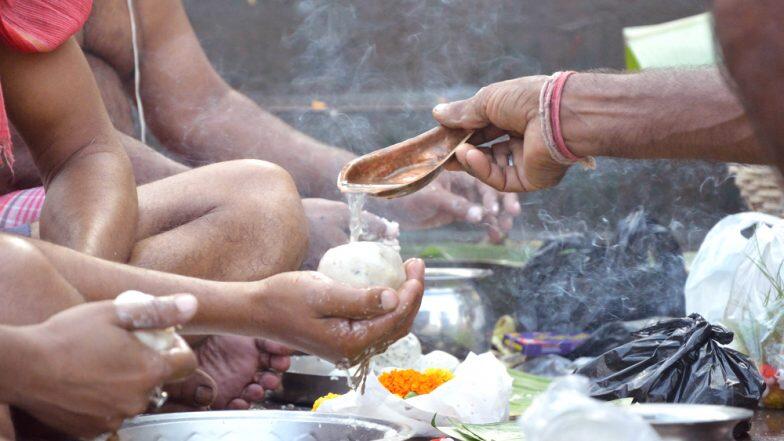
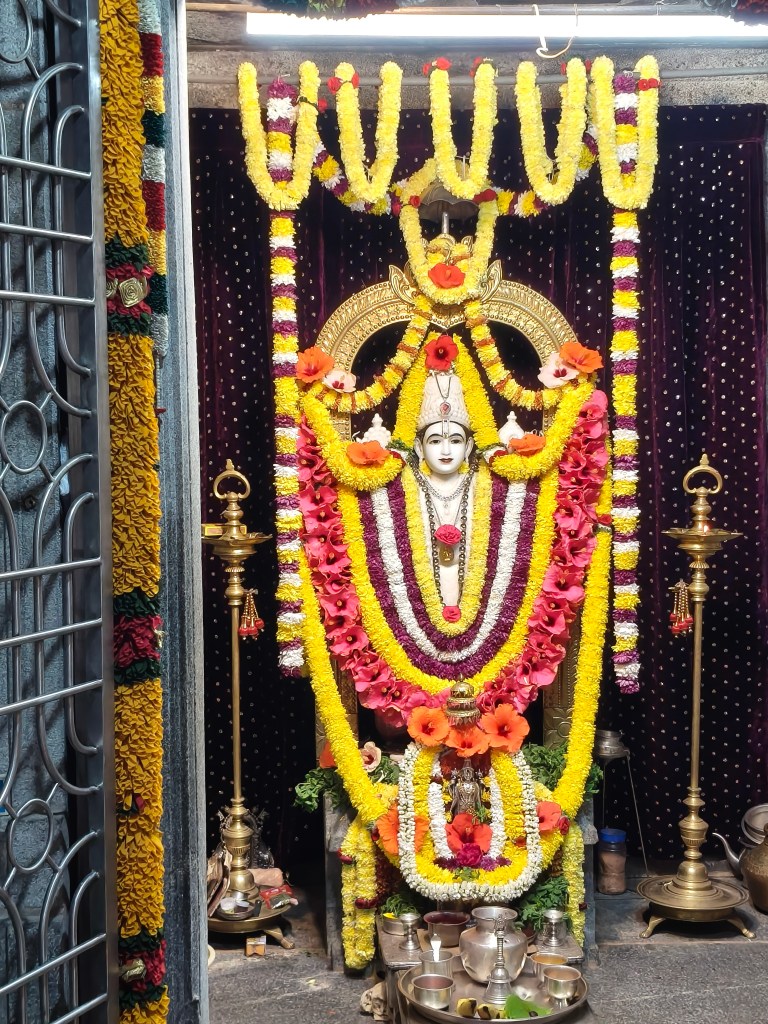
Suvasini Pooja is a ritual that takes place during Sharad Navratri. It is also known as Kumari Pooja.
Devi Upasna on Ramanisblog.in
If you’re looking to delve into the sacred practice of Devi Upasna, Ramanisblog.in is your gateway to insightful content on Indian religious traditions. The website extensively covers a wide array of topics, including the revered Suvasini Pooja and Devdhis.
Ramanisblog.in hosts a variety of resources, including a notable PDF titled “Homa List PDF”, encompassing essential rituals such as the Suvasini and Kannika Pooja. Diving deep into the rich tapestry of Indian culture, the blog sheds light on the significance and intricacies of Devi Upasna and related spiritual practices.
With its comprehensive coverage of ritualistic worship, symbolism, and cultural context, Ramanisblog.in serves as a valuable platform for enthusiasts and practitioners alike to explore the profound realm of Devi Upasna.
The Srividya Upasna is a sacred and intricate practice that holds great significance in the realm of Tantra and Hindu spirituality. It encompasses the worship of the divine mother, Lalita Tripurasundari, and involves intricate rituals, mantras, and meditative techniques. This profound form of worship is steeped in symbolism and seeks to awaken the practitioner’s spiritual consciousness through the devotion to the divine feminine.
Srividya Upasna is revered for its esoteric teachings and its focus on the unity of Shiva and Shakti, representing the cosmic principles of consciousness and energy. Practitioners of Srividya Upasna often undergo rigorous initiation and guidance from a qualified guru to immerse themselves in this profound spiritual practice.
If you’re eager to explore the depths of Srividya Upasna, consider seeking guidance from knowledgeable practitioners or resources that delve into the intricate facets of this revered spiritual tradition. It’s a journey that requires deep reverence, commitment, and a yearning for spiritual awakening.
I have provided an overview of Srividya Upasna, emphasizing its significance in Hindu spirituality and the profound devotion involved. If you need more specific details or a different approach, feel free to ask!
Navavarana in Srividya Upasna
The term “Navavarana” refers to a sacred and intricate aspect of Srividya Upasna, a profound practice central to the realm of Tantra and Hindu spirituality. In the context of Srividya Upasna, Navavarana pertains to the worship of the divine mother, Lalita Tripurasundari, through a structured ritual framework comprising nine enclosures or layers of worship.
These nine enclosures, or “avarana,” symbolically represent the layers of consciousness and energy within the practitioner, offering a transformative journey towards spiritual realization and transcendence. Each avarana is associated with specific deities, yantras (geometrical diagrams), mantras (sacred chants), and symbolic representations, collectively weaving a tapestry of profound spiritual significance.
The worship within Navavarana involves the recitation of esoteric mantras, visualization of divine forms, and meditative immersion into the sacred geometries of the yantras, culminating in the awakening of spiritual energies and the expansion of consciousness. This intricate and reverential practice is often undertaken under the guidance of a qualified guru, signifying a deep commitment to spiritual evolution and the profound teachings of Srividya Upasna.
Exploring the depths of Navavarana in Srividya Upasna unveils a profound journey of spiritual elevation, symbolizing the union of Shiva and Shakti, and the awakening of the practitioner’s divine potential. Delving into the nuances of each avarana and embracing the transformative power of these sacred rituals can lead to a heightened understanding of consciousness, energy, and the divine feminine within the rich tapestry of Hindu spirituality.
https://ramanisblog.in/2014/09/16/navavarana-pooja-procedure-mantras-part-1/
Tamil Inscriptions in Egypt’s Valley of the Kings
Presence of Tamil writing in “called kings” contexts shows up in two main ways: “Cikai Koṟṟaṉ” breaks down into two parts in Old Tamil/Tamil-Brahmi:Meaning breakdown • Cikai — Derived from Sanskrit śikhā, meaning “tuft of hair” or “crown/crest”. In South Indian context, a śikhā was the traditional tuft of hair worn on the crown of…

Tamil inscriptions found in Egypt’s Valley of the KingsArchaeologists recently documented nearly 30 inscriptions in Tamil-Brahmi, Prakrit, and Sanskrit inside royal tombs in Egypt’s Valley of the Kings, dating to the 1st–3rd centuries CE. The actual letters and then compare this Egyptian graffiti to what we find back home in Tamil Nadu.1. How Cātaṉ and…
Understanding Samavarthanam: The Vedic Graduation Rite
Below is a comprehensive, detailed article on Samavarthanam in Sanatana Dharma, expanding upon its philosophical, ritualistic, and contemporary dimensions. Samavarthanam: The Vedic Convocation – Returning Home as a Dharmic Graduate Among the sixteen Samskaras (sacraments) that shape a Dharmic life, Samavarthanam holds a unique position. While most people are familiar with Upanayanam (sacred thread initiation)…
Blog
Welcome to a world of limitless possibilities, where the journey is as exhilarating as the destination, and where every moment is an opportunity to make your mark on the canvas of existence. The only limit is the extent of your imagination.
https://ramanisblog.in/2023/09/01/the-sri-vidya-article-i-did-not-write-how-it-came-into-being/

?
hello