

Rameswaram, which has Ramanathaswamy ,a form of Lord Shiva is a Holy Place for Hindus.
People take bath in the 22 Theerthas and in the sea, Bay Of Bengal to expiate their sins.

It is believed that Lord Rama built
a Bridge here to cross over to Lanka to bring Sita back.
On return He worshiped Lord Shiva in the form of a Linga.
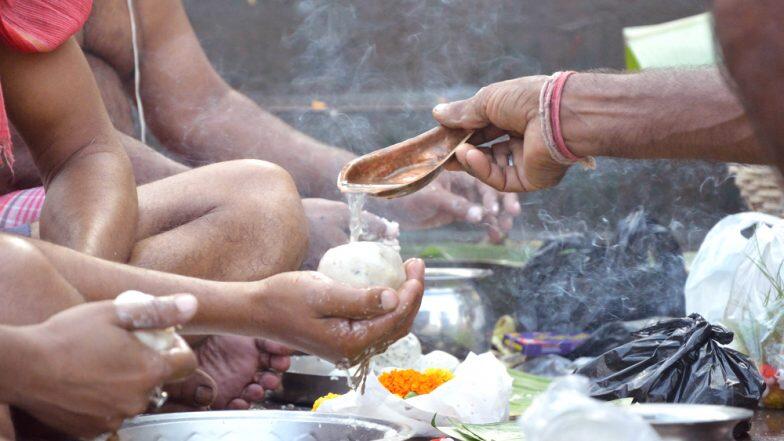
He asked Hanuman to bring a shiva Linga to worship but as the auspicious time was running out a Shiva
Linga was made out of sand by Sita and Rama worshiped it.
He also took bath in the Theerthas.
While Valmiki mentions about Rama building a bridge from near Rameswaram, his Ramayana is silent on Rama’s worship of Shiva Linga there.
However this is narrated by Veda Vyasa in his Adyatma Ramayana.
. Rama also speaks about the merit of Pilgrimage to Rameswara in the Adhyatma Ramayana.


Just a thought here. Reading thru the baala Kanda and Ayodhya kaanda, sage Vishwamitra has detailed out every single description, as small as sage vasishta being called by Dasharatha asking him to go to Rama’s palace and prepare Rama and Sita to initiate the vrata, the description of the decorations of the people, villagers, kids, roads, the cross roads, decoration of the trees with lamps during the planned coronation of Lord Raam. If Lord Raam had indeed worshipped Lord Shiva (let me not get into the argument who is greater here), he would have described in greater details. However, there’s absolutely no description on Lord Raam’s journey to Lanka.
Sage Valmiki had earlier (baala Kanda) addressed Lord Shiva as Bhagavan, and Rudra in Baala Kanda
The above two aspects gives enough reasons to believe that Lord Rama was mentioning about the lord of the ocean and not Lord Shiva/Rudra
Mr. PG Rao is not considering the timing and the actual situation Shri Rama and his team had at Rameshwaram at that time…..!
It seems that Mr. Rao is trying his best to confuse the readers by bringing necessary and unimaginable dialogues and also bringing Sages Vishwamitra and Vasishta also in this picture to defend his arguments!!….
Standard approach of some.