Tag: Temples of India

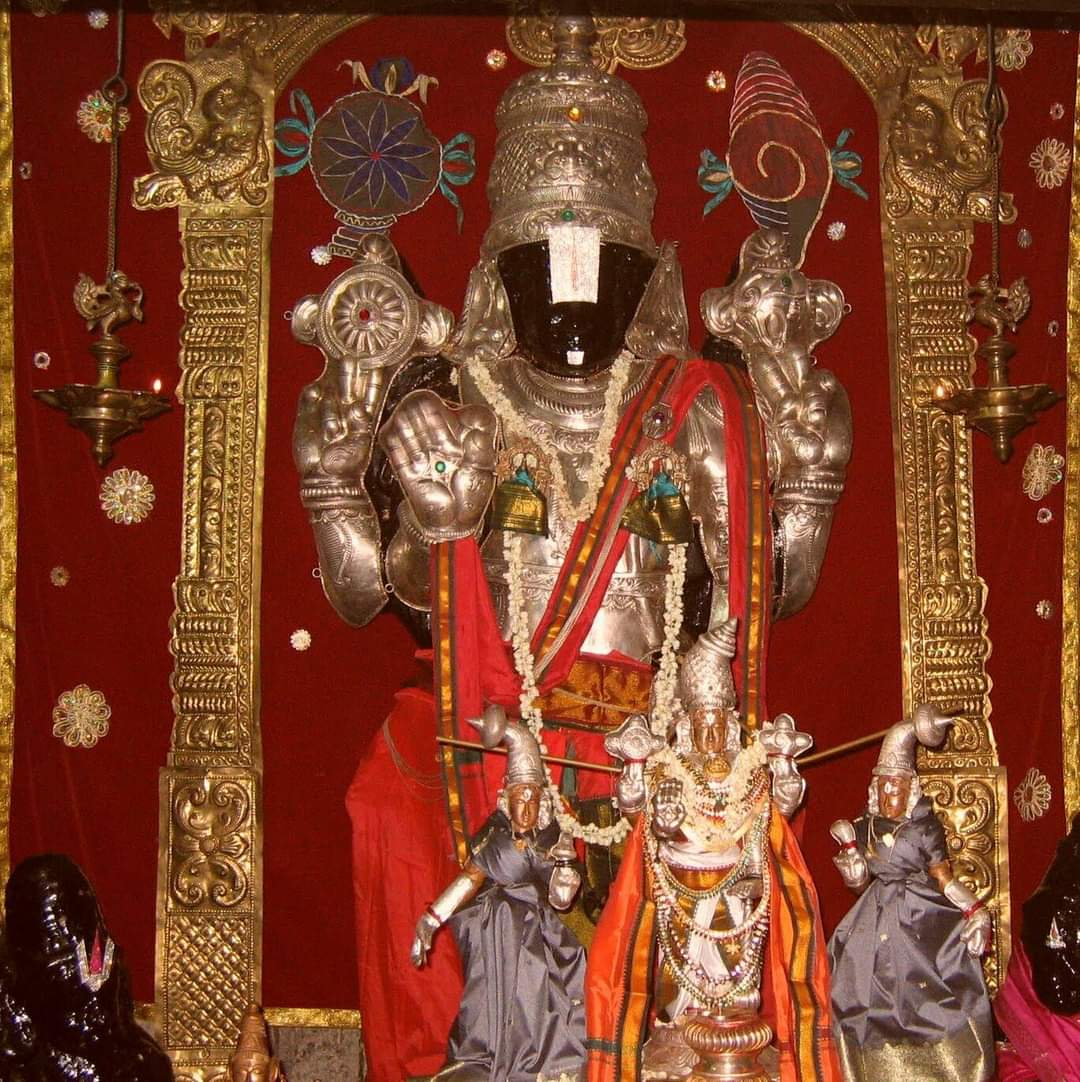
  • பாதங்களை அடையும் போது வெந்நீர் குளிர்ச்சியாக மாறும் ,லக்ஷ்மி வெங்கடேஸ்வரா கப்பூர்

    பாதங்களை அடையும் போது வெந்நீர் குளிர்ச்சியாக மாறும் ,லக்ஷ்மி வெங்கடேஸ்வரா கப்பூர்

    இந்தியக் கோயில்கள் என்னை வியப்பில் ஆழ்த்துவதை ஒருபோதும் நிறுத்துவதில்லை. ஆன்மீக வலிமையின் ஆதாரங்களாக இருப்பதைத் தவிர, அவை கட்டிடக்கலை அதிசயங்களும் கூட. பல கோயில்கள் வானியல் ரீதியாக அமைக்கப்பட்டுள்ளன. சில கோவில்கள்வானியல் நிகழ்வுகளுடன் இணைக்கப்பட்டுள்ளன. சில கோயில்கள் ஒரே தீர்க்கரேகையில் சீரமைக்கப்பட்டுள்ளன. பன்னிரண்டு ஜோதிர்லிங்கக் கோயில்கள் ஃபிபானோச்சிச்(Fibonacci) சுழலை உருவாக்குகின்றன. சூரியனின் கதிர்கள் ஒரு குறிப்பிட்ட நேரத்தில் ஒரு குறிப்பிட்ட இடத்தில் விழும் கோயில்கள் உள்ளன. சிவலிங்கம் ஒரு நாளைக்கு ஐந்து முறை நிறம் மாறும் கோயில்கள் உள்ளன…. பட்டியல் நீள்கிறது.

    இப்போது இந்த அற்புதமான கோவில்களில் மற்றொரு கூடுதல். கர்நாடகாவின் ராய்ச்சூர் மாவட்டத்தில் உள்ள கப்பூர் என்ற இடத்தில் லட்சுமி வெங்கடேஸ்வரா கோயில் உள்ளது. இந்த கோயில் குறைந்தது 800 ஆண்டுகள் பழமையானது. இது கல்யாண சக்குக்கியர்களால் கட்டப்பட்டது. இந்த கோவிலில் ஸ்ரீ வெங்கடேஸ்வரரைத் தவிர ஹனுமான் இருக்கிறார். இங்கு, வெந்நீரால் அபிஷேகம் செய்யப்படுகிறது, அது சிலையின் பாதத்தை அடையும் போது குளிர்ச்சியாக மாறும். நீராவி உயர்வதைக் காணலாம். இருப்பினும், வெந்நீர் பாதங்களில் ஊற்றப்படுகிறது, அது சூடாக இருக்கும்.
    Aghora Pasupatha Homa Evil Eye Protection Mukthi

    Removal of Evil eye, Protection from forces that hinder Spiritual development. Protection from Black magic,Animals. Increases self confidence and self assurance. Clarity of thought.. Above all,Mukthi and Gnana are facilitated.

    Rig Veda Inflenced Civilizations Outside India

    Date of Rig veda in Ramanisblog According to Ramanisblog, the date of the Rig Veda is subject to considerable debate, with modern scholarly estimates generally ranging between 2000 BCE to 1000 BCE[1]. However, Ramanisblog highlights that Hindu tradition considers the Vedas to be timeless and without a specific beginning[1]. Perspectives on Rig Veda Dating Ramanisblog…

    Navavarana Pooja 1 Guru Stuthi

    Following in the Ai Generated transcript of the Navavarana Pooja Mantras . Recorded and sent to my Shishyas. This is being made public so that this secret knowledge is not lost to posterity. Those who want to be initiated may contact me through mail at ramanan50@gmail.com. Also they can contact through the comment column. If…

    வெங்கடேஸ்வரர் கோவில் கப்பூரு,ராய்ச்சூர் கர்நாடகா.

    ஸ்ரீ. லக்ஷ்மி வெங்கடேஸ்வரா கோயில், கப்பூர், ராய்ச்சூர் மாவட்டம், கர்நாடகா.


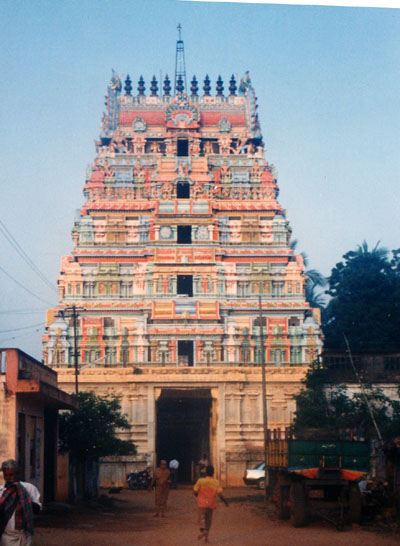
    கப்புரு, ராய்ச்சூர் மாவட்டத்தின் கோயில் நகரம் என்று அழைக்கப்படுகிறது. இந்நகரில் 30 கோயில்களும், 28 குடைவரைகளும் உள்ளன. பண்டைய காலங்களில், கப்பூர் கர்பபுரா என்றும், கோபராகிராமம் என்றும் அழைக்கப்பட்டது. இவற்றில் பல கோயில்கள் கல்யாணி சாளுக்கியர்களின் ஆட்சிக் காலத்தில் கட்டப்பட்டன. ஹனுமான், ஈஸ்வரன், வெங்கடேஸ்வரா, மாலே சங்கரர், பங்காரா பசப்பா, மகாநந்தீஸ்வரர், ஏலு பாவி பசவண்ணா மற்றும் பூதி பசவேஸ்வரா கோயில் ஆகியவை கபூரின் சில முக்கிய கோயில்களாகும்; இடிபாடுகளில் வேறு பல கோயில்கள் உள்ளன.

    எப்படி அடைவது.

    அருகிலுள்ள விமான நிலையம்.பெங்களூர்.

    இரயில் நிலையம். ராய்ச்சூர்.

    Bangalore.To கப்பூர் நகரத்திலிருந்து ராய்ச்சூருக்குச் செல்லும் பேருந்துகள் குறைந்த எண்ணிக்கையில் உள்ளன.உள்ளூர் பேருந்துகள் உள்ளன. டாக்ஸிகள் கிடைக்கின்றன.ராய்ச்சூர் சென்று அங்கிருந்து கப்பூரு செல்வது நல்லது.

  • தினமும் சிவனுக்கு முன்பாக சடலங்கள் எரியும் ஆலயம் ஸ்ரீ வாஞ்சியம்

    தினமும் சிவனுக்கு முன்பாக சடலங்கள் எரியும் ஆலயம் ஸ்ரீ வாஞ்சியம்

    இந்து மதத்தில், கோயில் அமைந்துள்ள தெருவில் மரணம் ஏற்பட்டால் கோயில்கள் மூடப்படும்.

    சடலத்தை வெளியே எடுக்கும் வரை கோயில் மூடப்பட்டிருக்கும்.

    பின்னர் புண்யஹவசனம்செய்யப்பட்டு, பின், கோயில் திறக்கப்படும்.

    ஸ்ரீ வாஞ்சியத்தில் சிவபெருமானுக்கு அர்ப்பணிக்கப்பட்ட ஒரு கோயில் உள்ளது.

    இங்கே ஒரு மயானம், கோயிலின் முன் அமைந்துள்ளது, அங்கு சடலங்கள் எரிக்கப்படுகின்றன, கோயில் ஒருபோதும் மூடப்படுவதில்லை.

    இறைவனுக்கு , ஒரு சடலமாவது எரிக்ககப் பட்டு, அப்புகை எழும்பிய பின்னரே நைவேத்யம் படைக்கப்படுகிறது.

    நன்னிலம் அருகில், கும்பகோணம் அருகில், மயிலாடுதுறை, தமிழ்நாடு அமைந்துள்ளது.

    மகாவிஷ்ணு லக்ஷ்மி தேவிக்காக ஏங்கியதாகக் கூறப்படும் இடம் இதுவாகும். (ஸ்ரீ-லக்ஷ்மி: வாஞ்சியம்-‘ஏங்குகிறார், காதலிக்க முனைகிறார்)

    இங்கு யமன், மரணம்/காலத்தின் கடவுளான, ராகு மற்றும் கேது (நிழல் கிரகங்கள்) கங்கா தீர்த்தத்தில் (கோயில் குளத்தில்) நீராடிய பின்னர் தங்கள் பாவங்களிலிருந்து விடுபட்டனர் என்பது ஐதீகம்.

    யமனுக்கு தனிச் சிலையும் சன்னிதியும் உள்ளன.

    மரண பயம் மற்றும் ராகு மற்றும் கேதுவின் தவறான நடத்தையின் தீய விளைவுகளிலிருந்து மக்கள் விடுபடுவார்கள் என்று நம்பப்படுகிறது

    மூலவர் வாஞ்சிநாதரின் திருநாமம்,

    தேவி.மங்களாம்பிகை.

    முதலில் விநாயகரையும், பிறகு யமனையும், வாஞ்சிநாதரையும், மங்களம்பியையும் தரிசிக்க வேண்டும்

    தீர்த்தத்தில் (கோயில் குளம்) நீராடுவது சிறந்தது.

    மதியம் 12 மணி முதல் 4.00 மணி வரை கோயில் நடை சாத்தப்படுகிறது.

    கோயிலின் புராணக்கதை.

    சிம்ம ராசியில் சிம்ம ராசி உள்ளவர்கள் தமிழ்நாட்டில் உள்ள வாஞ்சிநாதர் ஆலயமான திருவாஞ்சியம் (ஸ்ரீவாஞ்சியம்) வருடத்திற்கு இரண்டு முறை அல்லது வருடத்திற்கு ஒரு முறையாவது சென்று வர வேண்டும். இரண்டரை மணி நேரம் கோயில் அல்லது வளாகத்தில் தங்க வேண்டும்.

    “சிவபெருமானின் இருப்பிடங்களில் ஒன்றான திருவாஞ்சியம் (ஸ்ரீவாஞ்சியம்) இந்தியாவின் தமிழ்நாடு மாநிலத்தில் திருவாரூர் (திருவாரூரிலிருந்து சுமார் 14 கி.மீ) மற்றும் நானிலம் அருகே காவிரிப் படுகையில் அமைந்துள்ளது. “முக்திஸ்தலம்” (முக்தியை அடையும் பூமி) என்று கருதப்படும் கங்கை தேவி, கங்கையில் நீராடுபவர்களின் பாவங்கள் அனைத்தையும் கழுவுவதற்காக, கோயிலின் புனித குளமான “குப்த கங்கா தீர்த்தத்தில்” நீராடியதாக கூறப்படுகிறது. ஸ்ரீவாஞ்சியம் வாரணாசியை (காசி) விட புனிதமானதாகக் கருதப்படுகிறது)

    மகாவிஷ்ணுவுடன் ஐக்கியமாக இருக்குமாறு மகாலட்சுமி சிவபெருமானை வேண்டிக்கொண்டதாகவும், எனவே இத்தலம் “ஸ்ரீ வாஞ்சியம்” என்று அழைக்கப்படுகிறது என்றும் கூறப்படுகிறது. மகாலட்சுமி தேவியுடன் ஐக்கியப்பட வேண்டும் என்று மகாவிஷ்ணு பிரார்த்தித்ததாகவும் ஒரு கதை உண்டு. தமிழ் மாதமான கார்த்திகை மாதம் ஞாயிற்றுக் கிழமைகளில் குப்த கங்கா தீர்த்தத்தில் நீராடுவது புனிதமானதாகக் கருதப்படுகிறது, மேலும் இது அனைத்து பாவங்களையும் துடைப்பதாகக் கூறப்படுகிறது. சூரியன் (சூரியன்) தனது பாவங்களிலிருந்து விடுபடவும், மீண்டும் குணமடையவும் இங்குள்ள சிவபெருமானை வேண்டிக்கொண்டார், கார்த்திகையின் போது (நவம்பர்-டிசம்பர்) சிறப்பாக பிரகாசிக்கிறார்.

    இந்த கோயில் பெரும் பிரளயத்தின் காலத்தை சமாளித்ததாகவும், எனவே மிகவும் புனிதமானதாகக் கருதப்படுகிறது என்றும் கூறப்படுகிறது. மூலவர் வாஞ்சிநாதன் என்று அழைக்கப்படும் சிவன் ஆவார். இங்குள்ள சிவலிங்கம் “சுயம்பு” ஆகும், இது கிழக்கு மற்றும் மேற்கு ஆகிய இரு திசைகளிலும் உள்ளது. எனவே சிவலிங்கத்தின் இருபுறமும் பூஜைகள் நடத்தப்படுகின்றன. சந்தன இலைகளால் வாஞ்சிநாதனுக்கு பூஜை செய்யப்படுகிறது. இங்குள்ள ஸ்தல விருட்சம் சந்தன மரமாகும். சிவபெருமானின் துணைவியார் இங்கு மங்களாம்பிகை என்று அழைக்கப்படுகிறார்.

    திருவாஞ்சியத்தில் உள்ள அபூர்வ தெய்வங்களில் ஒன்று “யோக பைரவர்”. “வன்னி” இலைகளைக் கொண்டு யோக பைரவருக்கு பூஜைகள் செய்யப்படுகின்றன. பூஜைக்கு பயன்படுத்தப்படும் வன்னி இலைகளால் தயாரிக்கப்படும் பொடியை தினமும் உட்கொண்டால் நரம்பு கோளாறுகள் மற்றும் நோய்கள் குணமாகும் என்பது ஐதீகம். யோக பைரவரை இங்கு வழிபட்டு வந்தால், ஒரு நபரை நோக்கிய அனைத்து தீமைகளும் நீங்கும். 6 கிருஷ்ணபக்ஷ அஷ்டமி நாட்களில் (சந்திரனின் எட்டாம் நாள்) “சிவப்பு அரளி” பூக்களைக் கொண்டு பூஜைகள் செய்து குழந்தை பெற்றுக்கொள்ளலாம். அமாவாசை தினங்களில் தயிர் சாதம், தேங்காய் சாதம், தேன் ஆகியவற்றைச் சமர்ப்பித்து சிறப்பு வழிபாடு செய்வதன் மூலம் தனது செயல்கள் அனைத்திலும் வெற்றி பெறவும், வியாபாரத்தில் லாபம் பெறவும் உதவுகிறது. விரைவில் திருமணம் செய்து கொள்ள ராகு காலத்தில் ஞாயிற்றுக் கிழமைகளில் பருப்பு மற்றும் நெய்யால் செய்யப்பட்ட வடை படைத்து பூஜை செய்யப்படுகிறது.

    ஒருவரின் ஜாதகத்தில் ராகு மற்றும் கேதுவுக்கு இடையில் அனைத்து கிரகங்களும் இருந்தால் ஒருவருக்கு “காலசர்ப்ப தோஷம்” என்று கூறப்படுகிறது. ஸ்ரீவாஞ்சியம் என்பது கேது மற்றும் காலசர்ப்ப தோஷத்திற்கு அதிகம் அறியப்படாத பரிகார ஸ்தலமாகும். ராகுவுக்கு பரிகாரமும் இங்கு செய்யப்படுகிறது.

    இப்பதிவின் ஆங்கில மூலம்

    ஶ்ரீ வாஞ்சியம் செல்வது எப்படி

    , ,

    Pitru Dosha Parihara Temples Location Details

    Though it is mandatory to perform Sraddha for the ancestors, many of us do not perform. Pitru Dosha,, curse of the Pitrus for not being properly when they were alive and no performance of Sraddha may be atoned in some temples. One is Gaya Sraddha and the performance of Sraddha at Benares. How to Reach…

    Pitru Dosha and Parihara

    When somebody tells me that they are going through a rough patch due to circumstance beyond their control, I tell them first to be sure that they are performing Sraddha for their ancestors regularly and whether they are following the Sumngali Prarathana done in their Homes.

    As for as I know these are the prima…

  • Leaning Temple of Rateneshwar, Varanasi

    Leaning Temple of Rateneshwar, Varanasi

    Listen to this article below.

    We have, in India, temples which are more than places of worship.There are temples,

    The list goes on. Add the Raneswara temple in Varanasi.

    Ratneshwar Mahadev temple Varanasi.

    Also known as Matri-rin Mahadev or Kashi Karvat, Ratneshwar Mahadev Temple has to be one of the most photographed temples in the holy city of Banaras. An image of this temple is almost guaranteed to appear in any promotional materials about the ancient city, it is probably the most recognisable monument along the ghats for foreign visitors. The location of this temple is also a curious one. Rather than being built at a higher level and protected from the high flood waters of the Ganga during the monsoon season, it appears that the builders made a conscious decision to construct the temple in a location where for many months of the year it would be partially underwater.Today it would be all too easy to assume that the location of this temple and its leaning aspect is an anomaly, but there is plenty of evidence to suggest otherwise. Many paintings of the ghats from the early to mid 19th century depict leaning temples close to the Ganga, so it would appear that Ratneshwar Mahadev is now a lone survivor of this phenomenon. …..

    Leaning Temple of Rateneswar Varanasi India
    Rateneswar temple Varanasi. Screenshots.
    Rateneswar temple Varanasi.
    Rateneswar temple Varanasi

    We also have documentary evidence of these leaning temples. The artist William Daniell writing in The Oriental Annual in 1834 observed :

    “One of the most extraordinary objects to be witnessed at Benares and which is generally one of great curiosity to the stranger, is a pagoda standing in the river, there is nothing to connect it with the shore. The whole foundation is submerged, and two of the towers have declined so much out of the perpendicular as to form an acute angle with liquid plain beneath them….It has been surmised, and with probability, that this temple was originally erected upon the bank of the river, which then offered a firm and unsuspected foundation;..During the Winter and Spring months the water levels of the great Ganga are low enough to permit access without getting your feet wet. It’s worth a quick exploration, there’s some nice carvings that have remained in remarkably good condition considering the length of time this temple is submerged each year. Source.

    https://kevinstandagephotography.wordpress.com/2020/05/16/ratneshwar-mahadev-kashi-karvat-banaras-varanasi/

    The claim is true. The Ratneshwar Mahadev Temple is situated at Manikarnika Ghat, Varanasi. The temple has developed a nine-degree slant. It is also referred to as Kashi Karvat (Kashi is the ancient name for Varanasi and karvat means leaning in Hindi). A Times Now report said that one of the beliefs held regarding the temple is that the ‘ghat’ had collapsed and leaned backwards after not being able to withstand its weight. The temple supposedly stood straight before the 1860s. An Indian Travel Photography Blog, Kevin Standage, stated that the temple is famous for having a tilt of about nine degrees. Below are screenshots from the blog which shows the temple from varied angles:

    https://thelogicalindian.com/fact-check/ratneshwar-temple-leaning-tower-pisa-varanasi-lean-22847

    Ratneshwar Mahadev Mandir (Hindi: रत्नेश्वर महादेव मंदिर) (also known as Matri-rin Mahadev, or Leaning temple of Varanasi) is one of the most photographed temples in the holy city of Varanasi in Uttar Pradesh, India. The temple, while apparently well-preserved, leans significantly towards the back side (north-west), and its garbhagriha is generally below the water much of the year, except for a few months during the summer. The Ratneshwar Mahadev Temple is situated at Manikarnika Ghat, Varanasi. The temple has developed a nine-degree slant. It is also referred to as Kashi Karvat (Kashi is the ancient name for Varanasi and karvat means leaning in Hindi).[

    Join 4,576 other subscribers

    Leave a Reply

    https://en.m.wikipedia.org/wiki/Ratneshwar_Mahadev_temple
  • Ozone Layer Painting in Meenakshi Amman Temple Verified

    Ozone Layer Painting in Meenakshi Amman Temple Verified

    It is true that Sanatan Dharma contains advanced scientific concepts, including some complicated ones that have been validated by Quantum.

    There is a report that High court had observed that Madurai Meenakshi Amman Temple has a Chakra called Bhugol Chakra,Circle of Geography,that describes the ozone layer in the atmosphere.The report.

    The National Green Tribunal today rapped the Ministry of Environment and Forests for suggesting that ozone depletion is an international issue and asked its officials to visit Meenakshi Temple in Madurai to learn that India was aware of the ozone layer more than 700 years ago.

    “Do you have any idea when did India became aware of the ozone layer and its significance? India was one of the first countries to know about the significance of ozone layer and the proof can be found in the more than 700 years old ‘Bhugol Chakra’ at the Meenakshi Temple,” a bench headed by NGT chairperson Swatanter Kumar said.

    The green panel asked MoEF officials to visit the temple and check the “Bhugol Chakra” to know about the ozone layer which is a belt of naturally occurring ozone gas that sits 15 to 30 km above earth.

    “You will find that even before 700 years, India was aware of the ozone layer. The ‘Bhugol Chakra’ has mentioned the significance of ozone and the ways how to protect it,” the panel said.

    The bench reserved its verdict on a plea alleging that unregulated emission and availability of hydrofluorocarbon (HFC) easily in India is the main source for the depletion of ozone layer resulting in global warming.https://www-deccanherald-com.cdn.ampproject.org/v/s/www.deccanherald.com/amp/content/509930/visit-meenakshi-temple-study-ozone.html?amp_gsa=1&amp_js_v=a6&usqp=mq331AQKKAFQArABIIACAw%3D%3D#amp_tf=From%20%251%24s&aoh=16412608754350&csi=1&referrer=https%3A%2F%2Fwww.google.com&ampshare=https%3A%2F%2Fwww.deccanherald.com%2Fcontent%2F509930%2Fvisit-meenakshi-temple-study-ozone.html

    Almost all ancient temples , especially those date back over Five hundred years, have a Chakra drawn in the Artha Mandapa or in the roof of the Prakara, along with other paintings describing events from Purans , Ithihasas.The Bhulog chakra is the one that describes the position of Earth/ Cosmology mentioned in the Purans.

    Bhugol Chakra in Madurai Meenakshi Amman Temple.

    My ancestors are from Madurai and I have been in Madurai and visiting the temple quite often. The reference by the court is unclear. The chakra that is mentioned has nothing connected to Ozone layer. The Learned judge should clarify. There is no reference to Ozone layer as such to my knowledge of Ithihasas,Purans and in ancient Tamil literature.

  • Koothanur Saraswati Temple By Tamil Poet Darshan Contact Details

    Koothanur Saraswati Temple By Tamil Poet Darshan Contact Details

    There are very few temples for Saraswati, Goddess of Speech .There are three levels of speech, Gayathri,Savitri and Saraswati.Gayatri is at the Conceptual level,Savitri is at the point of vocalising and Saraswati is responsible for Speech.She is also the Goddess of Wisdom. She is full of Sathva Guna,symbolised by White attire of Saraswati.The temple of Mahasaraswati is at Koothanur also called as Thirukkothanur.This temple is quite ancient. The town was gifted by Rajaraja Chila Il, to great Tamil Poet Ottakkoothar.

    Koothanur is the birthplace of the Tamil poet Ottakoothar. There is another reason for the name of this place which is Rajaraja Chola II gifted this village for koothan’s poem because he is a great poet. So this village is called Koothan + oor = Koothanur. In India, Koothanur became an important tourist spot. Vijayadasami festival is celebrated in Koothanur which is one of the most important festivals in this temple.

    https://en.m.wikipedia.org/wiki/Koothanur
    Thirukkothanur Saraswati temple.

    The temple was built by a renowned Tamil poet of yore, Ottakoothar, and the town itself is named after him as Koothanur. Koothar was gifted this land by the Chozha kings, under whom he had served as the chief court poet. Kulothungan, Vikraman, Rajarajan II were all glorified by the presence of Ottakoothar in their court. It was on this land that he raised a temple to Vani, without whose grace he would never have been half as good a poet. However, the truth is that the land was indeed chosen by Saraswathi herself for the very purpose.It was a time when Dakshayini had been reborn to Parvatharajan as Parvathi. Having attained a suitable age for marriage, she of course chose to unite with her lord, Parameshwara. Intending to please Shiva with her severe tapas, she went into a forest filled with sacred Vilva trees and began her penance to gain Shiva’s hnd. The place known as Vilvavanam was soon blooming and blossoming with flowers and birds. Such was the benefit of Parvathi’s presence and her intense penance.

    Immensely pleased with Parvathi, Shiva decided to approach Parvatharajan and ask for her hand in marriage. However, there was one major flaw in the plan- Ganga. The second wife of Shiva, eternally sat in his matted locks, trickling down the Himalayas and flowing across the bosom of Bharatha. In the event that Parvatharajan came to know of this existence of another woman in Shiva’s life, it would be a very sticky situation indeed. Therefore, to avoid further disasters, Shiva turned Ganga into a young girl and himself into a Brahmin. He then handed over Ganga to Bhaskara Muni to take care of her while he supposedly went on a pilgrimage tour. Bhaskara Muni, who himself was involved in a penance to please Shiva, accepted the responsibility and took care of Ganga like his own daughter.

    One day, by the playings of fate, Bhaskara Muni went down to the Arisol Aaru (river) to do his daily ablutions. Having forgotten to bring his Kamandala with him, he shouted to Ganga, “Oh Daughter, can you please get me my Kamandala from the ashrama?” Ganga too obediently brought out the Kamandala to Bhaskara Muni. Suddenly, at that very moment, realizing her previous self, and to the utter surprise of Bhaskara Muni, Ganga joined into the Arisol Aaru, Bhaskara Muni was totally flabbergasted at the sight and could only blink in return. Things turned out to be more complicated, when Shiva returned back as the Brahmin and asked Bhaskara Muni for his daughter back. The Muni remained silent out of fear, not letting a word out. But when Shiva threatened him that he would complain to the King about this, things got really nasty and Bhaskara Muni narrated the unfortunate turn of events. He was trembling with the fright and the sheer shock of the sudden disappearance of a young lady. Not wanting to test his devotee any further, Shiva appeared before Bhaskara Muni in his true form and blessed him. The place where Ganga merged with the Arisol Aaru came to be known as Rudragangai. Since Gauri had performed her penance there, it is also known as Gaurivanam. Eons passed by, peaceful and quiet, until one day, at Brahma Loka a verbal battle broke out between Brahma and Vani. “It is because of me that Brahma Loka has attained so much popularity and fame”, argued Brahma. “No way dear, it is due to my presence that the flag of Brahma Loka flies high. The moment I leave, the place loses its sheen”, defended Saraswathi. Quite soon, the tempers rose high and in a fit of rage, the cursed each other. As a result of the curse, they were born to a Brahmin named Punyakeerthi, as daughter and son. The son was named Bagukanthan and the daughter, Shraddhai.  When they had attained a marriageable age, Punyakeerthi, as a responsible father, took efforts to find suitable matches. It was then that Brahma and Saraswathi realized their previous positions, and aghast at the complexity of the situation they prayed to Shiva to save them from this.Saraswathi”, cried a voice from the heavens, “Go to the Rudragangai River near Gaurivanam and merge in there with the waters. In the times to come, you will soon be honored with a temple near Arisol Aaru. Stay there as MahaSaraswathi and shower your grace on those who come to you.

    Brahma too was relieved from the curse. “Mahadeva, it would be really great if you think over your previous curse of me not having any temple on earth”, he requested Shiva. “Brahma, though you will not have any temples on earth, in all Pitr Karmas you will be invocated with the Brahma Pooja. People will worship you this way”, offered Shiva and disappeared.

    And so Saraswathi went to the Rudragangai and merged herself with it. It is a different story that much later when Yamuna was suffering from the doshas of the people who bathed in her, Krishna suggested that she be relieved of them by bathing in the Rudragangai and meditating on Shiva. And so Yamuna too joined into the Rudragangai. With the confluence of Ganga, Yamuna and Saraswathi into the Arisol Aaru, the place came to be known as Dakshina Triveni Sangamam.It was on such a sacred spot that Koothar chose to build his temple for Sakalakalaavalli, the Mistress of all Arts. Located on the Mayiladuthurai-Thiruvarur route, near a village named Poonthottam, Koothanur is a small work of wonder. With a three-tiered gopuram, the humble temple is located by the Koothanur Agrahaaram.

    Source.https://kshetrapuranas.wordpress.com/2009/10/04/koothars-own-town-koothanur/amp/

    Koothanur Saraswathi Temple is open from 7 AM to noon. From 4 PM to 08:30 PM.

    Address: Kumbakonam Main Road, Koothanur, Tiruvarur District, Tamil Nadu.

    Contact details. You may contact Srim Raju Kurukkal at 094443 50759. He is at Thirumeyachur ,which is about fifteen minutes away. He shall guide for Darshan at Mahasaraswati temple at Koothanur and also at Thirumeyachur.

    Parking Facilities: Ample car parking around the temple compound is enough to accommodate a lot of vehicles

    Nearest Airport: Trichy International Airport  – 126 km

    Nearest Railway station: Thiruvarur – 21 km. One can cover Koothanur,also called Thirukkothanur from Myladuthurai,which is about half an hour’s drive and Kumbakonam ,which is about an an hour.Good hotel facilities are available at Kumbakonam, Myladuthurai ,Thiruvarur..