Category: Tamils

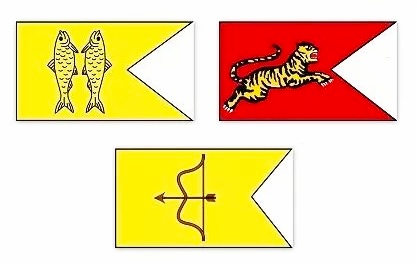
  • Pandyas Chandra Vamsa Royal Emblem Fish By Pururavas

    Pandyas Chandra Vamsa Royal Emblem Fish By Pururavas

    I have written that the Cholas descended from Ikshvaku Dynasty. The chola kings Manu,Sibi and Muchukunda were the ancestors of Rama.Vaivaswatha Manu,the first Human being ,was an Emperor of Dravida Desa, South India and he had a daughter Ila. Ila married Chandrs and had a son Budha. Ila’s descendants came to be known as belonging to Chandra Vamsa,Lunar Dynasty. As I had written earlier,Ezham as Tamil Ezham is from Ila ruled Kingdom.

    Cholas describe their genealogy in their copperplates,that they belong to Ikshvaku Dynasty.

    I herebelow provide the Cooper plates inscriptions from Velvikkudi,Tamil Nadu.

    It states that the Pandyas belong to Chandra Vamsa and Pururavas,son of Budha.

    Pandyas also record that Sage Agastya is their Raj Purohit and the Pnndya Emblem,Fish was designed by Pururavas.

    ‘The Velvikudi inscription is an 8th-century bilingual copper-plate grant from the Pandya kingdom of southern India. Inscribed in Sanskrit and Tamil languages, it records the renewal of a grant of the Velvikudi village to a brahmana by the Pandya king Nedunjadaiyan Varaguna-varman I alias Jatila Parantaka (r. c. 768—815 CE) in c. 769-770 CE.

    Velvikkudi Tamil Inscriptions-Pandya

    The inscription begins with a Sanskrit portion that invokes the God Shiva, and describes the mythical lineage of the Pandya kings, naming the sage Agastya as their family priest. It also gives the following account of the dynasty’s origin:

    At the end of the previous kalpa (age), a king named Pandya ruled the coastal region. At the beginning of the present kalpa, this king was reborn as Budha, the son of the Moon.Budha’s son Pururavas introduced the dynasty’s emblem – a pair of fish, and shared his throne and taxes with Indra.

    Pururavas’ descendant Maravarman was a patron of the learned, who conquered several enemies and gave away heaps of gold.

    Velvikkudi inscriptions

  • Makara Sankranti as Indira Vizha Tamil Epics Detail

    Makara Sankranti as Indira Vizha Tamil Epics Detail

    As I have written earlier, Sanatan Dharma and Tamil is linked inextricably. Tamils followed Sanatan Dharma and Sanatan Dharma followed Tamils concepts in Religion. The only difference is that Tamils did not worship Fire as the Vedic people and because of this, they were called Dasyus. Tamil Kings from Karaikal Valavan, a chozha emperor to Rajaraja Chola,who built the Thanjavur Big Temple celebrated Sanatan dharma festivals. Cheran Perunchotru Udiyan Cheralaathan fed both Pandava and Kaurava Armies during Mahabharata war.He performed Tharpana for the dead. He gave away lands to Brahmins and ordained them to perform Agnihotra daily.Rajaraja Chola gave a village Chaturvedi Mangalam to Brahmins and this village is in Thanjavur District near Mayuram,Tamil Nadu.Pandya King Saranga,called Malayatdwaja,father of Madurai Meenakshi took part in Mahabharata war and fought alongside Pandavas. A Pandya King was called as ‘One who performed many Yagnyas’ Palyaagasalai Mudukudumi Peruvazhthi, பல் யாகசாலை முடுகுடுமிப் பெருவழுதி.

    The list is endless.

    One of the major Festivals of Tamils in ancient days was Indira Vizha, Dedicated to Indra, Chief of Devas
    It was ordained by Sage Agastya,who ,along with Siva ,was the Founder of Tamil Language,that Tamil kings celebrate the Festival for Indra. Failing to honour him, Agastya warned,would result the Tamil lands being consumed by Tsunami. The First Tamil Sangam ,Piets’ Conclave, was Consumed by a Tsunami because of the failure to conduct Indira Vizha.

    Tamil Epics ,Five in number speak of this festival.They mark the dates, procedure,who would decide the dates,and how to celebrate.They also listed dos and don’ts during this period.This period was also a period of Vow,For girls of marriable age to pray for suitable Bridegroom. This corresponds to Margazhi vow being observed even today and in Fareast.

    The festival is to be celebrated for twenty eight days.

    Agastya advised Chola King,Thodithot Chembiyan to perform the Festival in Poompuhar,Kaverippompattinam and durring the period Indra,along with Devas was present in Poompuhar.

    ‘வாய்ந்தது புகார் நகரமாகும். ஒழுக்கங்களில் சிறந்து விளங்கிய மக்கள் பலரும் அந்நகரைப் போற்றுவர். பழஞ்சிறப்பு வாய்ந்த நகரின் புகழ் மேலும் சிறப்புற வேண்டும் என்று அருந்தவ முனிவர் அகத்தியர் நினைத்தார். அப்புகார் நகர் மேலும் வளமுடன் பொலிவடைய வேண்டுமானால் தேவர் தலைவனாகிய இந்திரனுக்கு இருபத்தெட்டு நாட்கள் விழா எடுக்க வேண்டும் என அவர் தெரிவித்தார். அப்போது புகார் நகரில் இருந்து ஆட்சி செய்த மன்னன் தூங்கு எயில்கள் எனப்படும் தொங்கும் கோட்டைகளை அழித்தவனாகிய தொடித்தோட் செம்பியன் ஆவான். அவனிடம் இக்கருத்தைத் தெரிவிக்க, உடனே இசைவு அளித்து, விழா சிறப்புடன் நடைபெற ஏற்பாடு செய்தான். செம்பியன் வேண்டுகோளை ஏற்று இவ்விழாவில் தேவர் தலைவனாகிய இந்திரனும், மற்றுமுள்ள தேவர்களும் விழாத் தொடங்கிய இருபத்தெட்டு நாட்களிலும் புகார் நகரத்திலே வந்து தங்கியிருந்தனர். கேள்வி ஞானம் உடைய சான்றோர்கள் இத்தகு உயர்வு மிக்க இந்த இந்திர விழாவினைக் கொண்டாடுதலை ஒரு போதும் தவறவிட மாட்டார்கள்’

    The festival date was decided by two committees, comprising of Those who realised God,Devas, Astrologers, Brahmins, Cabinet, General,Ambassadors ,Volunteers,those who know Karanas,Chief of Elephant Force, People’s representatives,and heads of special forces.

    இந்திர விழாவினை நடத்த வேண்டும் என்பதற்காக அரசவையில் கூடியவர்கள்: இம்மை, மறுமைப் பயன்களை உணர்ந்தவரும் நால்வகை உறுதிப் பொருள்களின் உண்மை அறிந்த வரும் ஆன சமயக் கணக்கர், காலம் கணிக்கும் சோதிடர், தம் தேவ உருவினை மறைத்து மனித உருவம் கொண்ட கடவுளர்கள் (தேவர்கள்), பன்மொழி பேசும் வேற்று நாட்டினர், ஐம்பெருங் குழுவினர், எண் பேராயத்தினர் ஆகியோர் ஒன்று கூடி விழா நடத்த முடிவு செய்தனர்.

    சமயக் கணக்கரும்;தந்துறை போகிய
    அமயக் கணக்கரும்; அகலா ராகிக்
    கரந்துரு எய்திய கடவுளாளரும்              (13-16)

    (சமயக் கணக்கர் = சமயவாதிகள்: அமயக் கணக்கர் = காலம் கூறும் சோதிடர்; கரந்துரு எய்திய = உண்மை உருவத்தை மறைத்த.)

    ஐம்பெருங் குழு : அமைச்சர், புரோகிதர், சேனாதிபதியர், தூதுவர், சாரணர் ஆகிய ஐவரைக் கொண்ட குழு.

    எண்பேராயம் :கரணத்து இயலவர், கரும விதிகள், கனகச் சுற்றம், கடைக் காப்பாளர், நகர மாந்தர், நளிபடைத் தலைவர், யானை வீரர், இவுளி மறவர் எனப்படும் எண்மரைக் கொண்ட குழு.

    ஐம்பெருங் குழுவினரும், எண்பேராயத்தினரும் அரசனுக்குரிய பணிகளை நிறைவேற்றக் கூடியவர்கள்.’

    The festival is also used to appease a Demigod,Naalangadi Bootham,which helped Chola King Muchukunda( he was a contemporary of Ravana in Treta Yuga, subsequently killed by Krishna in Dwapara Yuga).This festival was announced in Public .

    இவ்விழாவினை வழக்கம்போல் நடத்தாவிடில் புகார் நகருக்கும், மக்களுக்கும் துன்பம் வந்து சேரும். கொடி பறக்கும் தேரினையும், படைப் பெருக்கத்தினையும் கொண்ட கொற்றவனாகிய முசுகுந்த மன்னனுக்கு முன்னாள் ஏற்பட்ட துயரத்தினைப் போக்கியது இப்புகார் நகரத்து நாளங்காடி (பகல் நேரக் கடைத்தெரு)ப் பூதம். அப்பூதம் தனக்கு விழாவினை வழக்கம்போல் எடுக்காவிட்டால், சிவந்த வாயினை மடித்துத் தன் வலிமையான பற்கள் வெளித்தோன்ற, இடியின் முழக்கம் போன்று குரலெடுத்து முழக்கமிட்டு, மக்களுக்கும், புகார் நகருக்கும் துன்பத்தைச் செய்துவிடும் என்று சான்றோர்கள் கூறினர். மேலும், பாவிகளைப் பாசத்தால் (கயிற்றினால்) பிடித்து உண்ணும் சதுக்கப் பூதமும் இப்புகார் நகரை விட்டு நீங்கி விடும். ஆதலினால் இந்த மிகப்பெரிய உலகத்தில் உள்ள அரசர்கள் பலரும் ஒருங்கே வந்து கூடுகின்ற இந்திர விழாவுக்கான, கால்கோள் விழாவினைச் (தொடக்க விழா) செய்யுங்கள் என்றனர் சமய வாதிகள்.

    மாயிரு ஞாலத்து அரசுதலை ஈண்டும்
    ஆயிரங் கண்ணோன் விழாக்கால் கொள்க

                                                        (அடிகள் 25-26)

    (ஆயிரங்கண்ணோன் = இந்திரன்)

    இப்பகுதியால் இந்திர விழாவை மறந்து கைவிடத் தகுந்த சூழ்நிலை அந்நகரத்தில் இருந்தமையை உணர முடிகிறது. புகார் நகரத்திற்கு ஏற்படும் துன்பத்தினைத் தடுக்கவும், நகரம் வளமடையவும், இந்திர விழாவை வழக்கம்போல் கொண்டாட வேண்டும் என்னும் செய்தி வெளிப்படுகின்றது. மேலும், உலகிலுள்ள அரசர்கள் முதலாக அனைவரும் வந்து கொண்டாடும் விழா என்பது உணர்த்தப்படுகிறது.

     வள்ளுவன் முரசு அறைந்து அறிவித்தல்

    வாளேந்திய வீரர்கள், தேர்ப் படையினர், குதிரைப் படையினர், யானைப் படையினர் ஆகிய நால்வகைப் படையினரும் சூழ்ந்து வந்து கொண்டிருக்க, முதுகுடிப் பிறந்த வள்ளுவன் (முரசறைவோன்) வச்சிரக் கோட்டத்தில் உள்ள முரசினை யானையின் கழுத்திலே ஏற்றி, குறுந்தடி கொண்டு முரசறைந்து, இந்திர விழா நடைபெற இருப்பதனைப் புகார் நகர மக்களுக்குப் பின்வரும் செய்திகளைக் கூறி அறிவித்தான்.

    முதலில் திருமகள் விரும்பி உறைகின்ற மூதூரான இப்புகார் நகரம் வாழ்க என்று வாழ்த்தினான். பின் மாதந்தோறும் மூன்று முறை தவறாது மழை பொழிவதாகுக என்றான். ஞாயிறு, திங்கள் முதலிய கோள்கள் தம்நிலையில் மாறுபடா வண்ணம் மன்னவன் செங்கோலனாக ஆகுக என்று அரசனை வாழ்த்தி முரசறைந்து தெரிவித்தான்.

    திருவிழை மூதூர் வாழ்கஎன் றேத்தி
    வானமும் மாரி பொழிக! மன்னவன்
    கோள்நிலை திரியாக் கோலோன் ஆகுக.   (32-34)

    (திரு = திருமகள்; விழை = விரும்பும்; மூதூர் = பழைமை வாய்ந்த புகார் நகரம்; கோள்நிலை = ஞாயிறு, திங்கள் முதலான கோள்கள்.)

    இப்பகுதியால் முரசறைவோர் நகரத்தையும், மழையையும், செங்கோலையும் முதலில் வாழ்த்திப் பின்னரே செய்தி அறிவிப்பது மரபு என்னும் செய்தி உணர்த்தப்படுகின்றது.

    Tamil Epics Manimekalai and Silappadikaaram speak of these in detail.Silappadikaaram has an Entire Canto dedicated to Indra,Indira Vizhavu Edutha Kaathai.

    It is worth noting that the 28 days correspond to 28 days of Margazhi month in Tamil and one extra day in Marghazhi was used in preparation for the Pongal,Indira Vizha Festiy.This is exactly the Makara Sankranti day,and this was celebrated by ancient Tamils with pomp and splendor.

    Reference and citation.

    http://www.tamilvu.org/courses/degree/p104/p1041/html/p1041333.htm

  • Tamil Grammar Includes Improved Sanskrit Grammar

    Tamil Grammar Includes Improved Sanskrit Grammar

    The energy called word has the nature of an egg.
    It develops in the form of an action, andrealizes itself as a sequence of parts.- Bharthari, Sanskrit Grammarian Vākyapadīya 1.52

    I had published quite a few articles on the intricate and intimate relationship between Sanskrit and Tamil, both great ancient languages of the world.Tamil or Sanskrit , which is Older?I have given up this search as both go back to vast stretches of Time and each quotes the Other. So, it became impossible to find out which is older .Best is to enjoy both.

    Widely known and accepted Grammar work in Sanskrit is Panini’s Asthtadhyaayi.However, there were about Eleven Grammar works before Pannini. Panini acknowledges them in Astadhyayi.

    Some of these pre-Pāṇinian scholars mentioned by Pāṇini include Apisali, Kasyapa, Gargya, Galava, Cakravarmana, Bharadvaja, Sakatayana, Sakalya, Senaka ,Katantra and Sphoṭayāna.

    There was a Grammar Text in Tamil whic was to have ben composed during the Second Tamil Sangam period.It was called Aindiram. It was reported to have been composed by Indra, Chief of Devas.It is lost to us.

    -The Aindra (of Indra) school of Sanskrit grammar is one of the eleven schools of Sanskrit grammar mentioned in Pāṇini’s Ashtadhyayi. It is named after Indra in allusion to Lord Indra, the king of deities in Hindu mythologyArthur Coke Burnell, a renowned orientologist, in his 1875 book, “On the Aindra school of Sanskrit grammars” details this school. Burnell believed that most non-Pāṇinian systems of Sanskrit grammar were traceable to this school of grammar, believed to be the oldest and reputed to be founded by Indra himself….

    Burnell’s search for the Aindra school took him to Southern India where he came across the Tamil grammatical work Tolkappiyam. A preface of this work, written during the twelfth century CE by Ilampuranar describes the work as aindiram nirainda Tolkappiyam (‘comprising Aindra’). This, Burnell posits is an allusion to the pre-Pāṇinian Aindra school of grammar.

    Further, Burnell proceeded to do an exhaustive comparison of the Tokappiyam with two non-Pāṇinian schools of grammar, namely, the Katantra school of Sanskrit grammar and the Kaccayana, a Pali school of Southern India. Based on the comparisons and allowing for divergences due to the structural differences between Tamil and Sanskrit/Pali, Burnell concluded that the Tolkappiyam corresponds to the Katantra school minutely and across the board.

    Lord Dakshinamurthy,Shiva.Founder of Tamil.

    He also demonstrated that many of the technical terms of the Tolkappiyam and of later Tamil grammars were merely simple translations of Sanskrit terms which he attributes to the Aindra school or the other pre-Pāṇinian texts.

    While his demonstration of the influence of Sanskrit on the Tolkappiyam has met with some approval, his attribution and approximation of all non Pāṇinian schools of Sanskrit grammar with the Aindra school has met with resistance. https://en.wikipedia.org/wiki/Aindra_School_of_Grammar

    Katantara School of Grammar.

    Vyakarana (Sanskrit grammar)

    [«previous (K) next»] — Katantra in Vyakarana glossarySource: Wikisource: A dictionary of Sanskrit grammar

    Kātantra (कातन्त्र).—Name of an important small treatise on grammar which appears like a systematic abridgment of the Aṣṭādhyāyī of Pāṇini. It ignores many unimportant rules of Pāṇini, adjusts many, and altogether omits the Vedic portion and the accent chapter of Pāṇini. It lays down the Sūtras in an order different from that of Pāṇini dividing the work into four adhyāyas dealing with technical terms, saṃdhi rules, declension, syntax compounds noun-affixes (taddhita affixes) conjugation, voice and verbal derivatives in an order. The total number of rules is 1412 supplemented by many subordinate rules or Vārttikas. The treatise is believed to have been written by Śarvavarman, called Sarvavarman or Śarva or Sarva, who is said to have lived in the reign of the Sātavāhana kings. The belief that Pāṇini refers to a work of Kalāpin in his rules IV. 3.108 and IV.3.48 and that Patañjali’s words -कालापम् (kālāpam) and माहवार्तिकम् (māhavārtikam) support it, has not much strength. The work was very popular especially among those who wanted to study spoken Sanskrit with ease and attained for several year a very prominent place among text-books on grammar especially in Bihar, Bengal and Gujarat. It has got a large number of glosses and commentary works, many of which are in a manuscript form at present. Its last chapter (Caturtha-Adhyāya) is ascribed to Vararuci. As the arrangement of topics is entirely different from Pāṇini’s order, inspite of considerable resemblance of Sūtras and their wording, it is probable that the work was based on Pāṇini but composed on the models of ancient grammarians viz. Indra, Śākaṭāyana and others whose works,although not available now, were available to the author. The grammar Kātantra is also called Kālāpa. A comparison of the Kātantra Sūtras and the Kālāpa Sūtras shows that the one is a different version of the other. The Kātantra Grammar is also called Kaumāra as it is said that the original 1nstructions for the grammar were received by the author from Kumāra or Kārttikeya. For details see Vol. VII Patañjala Mahābhāṣya published by the D.E. Society, Poona, page 375.context information

    Vyakarana (व्याकरण, vyākaraṇa) refers to Sanskrit grammar and represents one of the six additional sciences (vedanga) to be studied along with the Vedas. Vyakarana concerns itself with the rules of Sanskrit grammar and linguistic analysis in order to establish the correct context of words and sentences.

    https://www.wisdomlib.org/definition/katantra

    There is a view that the Aindhiram was a Grammar work in Tamil belonging to either the first or second Tamil Sangam.

    The work is lost and Tholkaapiyam is the earliest work on Grammar in Tamil available now.

    Tholkaapiyar in his prelude to Tholkaapiyam states that he studied under A Brahmin,who was well versed in the Vedas.

    The name he gives is Athankottu Aasan.

    The term Aasan in Tamil means Teacher.

    Athankodu might mean the place he hailed from.

    So what Tholkaapiyar means is that he studied under a teacher who lived or from Athankodu.

    Might be,it is in the present Kerala,which was earlier a part of Tamil Kingdom called Chera Naadu.

    As Sage Agastya is mentioned repeatedly in Sangam literature and Tamil Legends,he is credited with The Tamil Grammar,

    Tholkaapiyam and Tholkappiyar is a disciple of Sage Agastya as mentioned in Sddha’s works in Tamil, I postulated that Agastya could have wriiten the Aindhira work on Sanskrit Grammar,which Tholkaapiyar quotes.

    He says ,

    அறம் கரை நாவின் நான்மறை முற்றிய‌

    அதங்கோட்டு ஆசாற்கு அரில் தபத் தெரிந்து
    மயங்கா மரபின் எழுத்து முறை காட்டி
    மல்கு நீர் வரைப்பின் ஐந்திரம் நிறைந்த‌
    தொல்காப்பியன்
     எனத் தன் பெயர் தோற்றிப்
    பல் புகழ் நிறுத்த படிமையோனே..

    ‘Me,Thokappiyan,who learnt the Aindhiram Grammar,which describes the functions and rules Word’

    ‘நிலம் தரு திருவின் பாண்டியன் அவையத்து
    அறம் கரை நாவின் நான்மறை முற்றிய‌
    அதங்கோட்டு ஆசாற்கு அரில் தபத் தெரிந்து,’

    I have learnt this from the one,who is well versed in The Vedas,in the presence of a Pandyan King’

    As Agastya had written a work on Tamil Grammar Agattiyam,which is lost,there was no need to write another Grammar in Tamil.

    Agastya was well versed in Sanskrit as well.

    He had written Rig Vedic Hymns,along with his wife Lopamudra.

    So an earlier Grammar work by him could have been in Sanskrit, which is, Aindhiram.

    Tamil Grammar Tholkappiyam Refined Improved Sanskrit Grammar?

    The first Tamil Grammar Agathiyam by Agastya is lost.

    The second Grammar work Tholkappiyam is by Tholkappiyar and it is the oldest available text in Tamil.

    Tholkappiyar was a Vedic Brahmin.

    He composed Tamil Grammar.

    And he states,while describing the origin of words,in Tholkappiyam,that words(sounds)rise from seven places in the body and that he is not explaining this in Tholkappiyam and this information can be found in The Vedas.

    (This is translated by me. Tholkappiyar mentions seven places, while Wikipedia mentions as From five places. The learned may contribute))

    The tonal inflection is indicated here.

    It may be of interest to note that Swara,the Tone is important in Vedic Intonation.

    It also stands to reason to surmise that Tholkappiyar indicates the seven noted, Saptha Swara,as the basis.

    And the word for movement,which produces Sound,is Called ‘Isai’ in Tamil.

    Isai indicates Music,Sound,in agreement with.

    ‘எல்லா எழுத்தும் வெளிப்படக் கிளந்து
    சொல்லிய பள்ளி எழுதரு வளியின்
    பிறப்பொடு விடுவழி உறழ்ச்சி வாரத்து
    அகத்து எழு வளி இசை அரில் தப நாடி
    அளபின் கோடல் அந்தணர் மறைத்தே. 20 Tholkappiyam தொல்காப்பியம் 20

    https://ta.m.wikisource.org/wiki/தொல்காப்பியம்/எழுத்ததிகாரம்/பிறப்பியல்
    பள்ளிகளில் வளி எழும். சொல்லிய 5 இடங்களில் எழுத்தாகப் பிறந்து வளி விடுபடும். எழுத்தானது பிறந்து, எழுந்து, விடுபடும் அளபு அந்தணர் மறையில் உள்ளது. அகத்தே தோன்றும் அதனை இங்குச் சொல்லாமல், புறத்தே வெளிப்படும் பாங்கை மட்டும் கூறியுள்ளேன்” என்று தொலகாப்பியர் குறிப்பிடுகிறார்..

    Basis Of Tamil Sounds In Vedas Sanskrit Tholkappiyam

    Based on the above information, it transpires that Tamil Grammar includes Sanskrit Grammar and is an improvement on Sanskrit Grammar.

    n Aintiram  ,The Science related to numerical order enables one to know the principles of role of number, space order nature of inner space and significantly know the potency of micro-structure. (atoms)

    -one of the grossly underrated scientific books in Tamil ,which was totally neglected for the last 100 years..

    -it also explains about the rationale for certain practices in our day to day life ,which have clear scientific reasons behind it,that we are totally unaware of…like where should we place our head while we sleep, practical stuff like that (for all those ppl who condemned lot of tamil traditions telling that they have no scientific evidence and are nothing but superstitious beliefs, this book was especially written for you guys) …stumbled across a small passage from Aindhiram book(English translation) which I would like to share

     Mayan’s Aintiram …page 347]  

    East: Sleeping with head resting in the East enhances memory, health and spiritual inclination. It is usually advised by Vastu Shastra Consultants to plan the children’s room in such a way that their Vastu sleeping direction comes out to be east. This leads to higher concentration and retention power.  

    South: Vastu Shastra highly recommends this direction as your usual sleeping position with head towards the South. This is believed to provide sound sleep and increase the wealth and prosperity in the household.

    (  https://www.quora.com/What-is-the-mystery-that-our-ancient-literary-work-Aindhiram-ஐந்திறம்-reveals-to-us )

    Reference and citation.

    Early Sanskrit Grammar Before Panini By Agastya? Tholkaapiyar

    *”Full verse,Nool Sirappu Paayiram,Tholkaapiyam text.

    வட வேங்கடம் தென் குமரி

    ஆயிடைத்
    தமிழ் கூறும் நல் உலகத்து
    வழக்கும் செய்யுளும் ஆயிரு முதலின்
    எழுத்தும் சொல்லும் பொருளும் நாடிச்
    செந்தமிழ் இயற்கை சிவணிய நிலத்தொடு
    முந்து நூல் கண்டு முறைப்பட எண்ணிப்
    புலம் தொகுத்தோனே போக்கு அறு பனுவல்
    நிலம் தரு திருவின் பாண்டியன் அவையத்து
    அறம் கரை நாவின் நான்மறை முற்றிய‌
    அதங்கோட்டு ஆசாற்கு அரில் தபத் தெரிந்து
    மயங்கா மரபின் எழுத்து முறை காட்டி
    மல்கு நீர் வரைப்பின் ஐந்திரம் நிறைந்த‌
    தொல்காப்பியன்
     எனத் தன் பெயர் தோற்றிப்
    பல் புகழ் நிறுத்த படிமையோனே..

    https://ramanisblog-in.cdn.ampproject.org/v/s/ramanisblog.in/2017/04/17/tamil-grammar-tholkappiyam-refined-improved-sanskrit-grammar/amp/?_gsa=1&amp_js_v=0.1&usqp=mq331AQECAFYAQ==#referrer=https%3A%2F%2Fwww.google.com&_tf=From%20%251%24s&ampshare=https%3A%2F%2Framanan50.wordpress.com%2F2017%2F04%2F17%2Ftamil-grammar-tholkappiyam-refined-improved-sanskrit-grammar%2F

    https://ramanisblog.in/2017/04/13/early-sanskrit-grammar-before-panini-by-agastya-tholkaapiyar/

  • Sangam Classic Describes Brahmins Performing  Murugan Yagnya Swamymalai

    Sangam Classic Describes Brahmins Performing Murugan Yagnya Swamymalai

    The misinformation about India and Hinduism , contrary to what people think, is not from One source, that of Foreigners, missionaries on the one hand and Pseudo Intellectuals from both from abroad and the local variety. This group is supplemented by another group, though present in all parts of India, is quite vociferous in Tamil Nadu. This group systematically misinforms people about Tamil, Tamil Culture and Tamil History. They peddle the now dead Aryan Invasion Invasion Theory. They insist, without studying Tamil , that Tamil is against Sanatana Dharma and Brahmins had infiltrated into Tamil Culture(?) and polluted Tamil way of Life. Through my articles for the past eleven years I have published articles to dispel this misinformation. Now, there is clamor in Tamil Nadu that Murugan is a Tamil God(?) , He is different from Subrahmanya and that Brahmins misled Tamils into believing that Subrahmanya is Murugan.And Brahmins do not worship Murugan, they do not name their children as Murugan, they do not perform Kavadi.This could be brushed aside but for the fact one gentleman who ekes out a living by speaking on Religion, especially on Tamil Literature that speak of Bhakti, had stated categorically that Brahmins imposed Subrahmanya as Murugan becuse they want to control Sudras(this term is not mine, but by the litterateur. I had written that Murugan is not a Tamil God in the sense that Murugan was called Subrahmanya in Saraswati Valley civilization and Murugan Kavadi is found among the artifacts at Harappa.Murugan worship spread throughout the world and one finds Murugan’s Peacock Tribe in Turkey.

    Murugan Teaching Pranava To Siva at Thiruverakam

    ‘Sangam Classics speak of Murugan in detail. The first available Tamil Grammar book assigns a landmass as belonging to Murugan.One of the main constituents of Tamil Sangam Classics is Pathinenkeezhk Kanakku, Anthology of Eighteen Texts.The first among this is Thirumurugaatruppadai on Sri. Murugan.This was written by Nakkeerar.This work has six parts, each representing one Special Home of Murugan. Traditionally six Murugan temples are classified as Special and they are called Aarupadai Veedukal.They are, Palani,Thiruchendur,Swamymalai,Thiruthani, Thiruparankundram and Pazhamudircholai.Each of this six is praised in Thirumuraugaatruppadai.Thiruverakam is also known as Swamymalai and it is about twenty minutes run by car from Kumbakonam in Tamil Nadu.This is the place Murugan taught the Fifth Veda ( Pranava Veda) to Siva. Subrahmanya is Guru and His Father Siva is His disciple.Nakkerar describes the attributes of Brahmins and how they worship Murugan in Swamy malai ,Thiruverakam.I am providing English gist of the Text.I shall be Podcasting in detail about this in the next article.

    Brahmins ,whose pedigree from Maternal and maternal side is impeccable,who practice the six duties of a Brahmin(

    “Adhyaapanam Adhyayanam
    Yajanam Yaajanam Tathaa
    Daanam Pratigraham Chaiva
    Brahmanaanaamakalpayaat”

    Adyayanam-Pracctice of reciting the Vedas, with meaning.

    Adhyaapnan-Teaching of the Vedas along with the Astras(scientific Arms) and Satras(Ordinary weapons of war)

    Yajanam-performance of the Yagnas and Yagas.Accepting Gifts,Donating to the Needy, and Not saving anything for the morrow but living on what is provided),who had spent Forty eight years in Learning and practicing a Life of Austerity and good character,waer Nine threaded Upaveeda( Three in a pair into three,total nine.One for Brahmacharya, One for Gruhastha and one In lieu of Uttareeya, Angavastra), raise Fire in Yangnyakund of three designs ,Square,Triangle and in the shape of a Bow, at an appropriate auspicious time, with Dhoti which was dried by body heat(meaning they wore Dhoti after bath, Brahmins take bath with Dhoti and after Bath wear a fresh Dhoti which was earlier dipped in water and wet and wear that before any occasion and Anushtanas).Then they, after Vedic Rites, keep both their handsover their Heads and chant the six letters Shadakshara of Subramanya,Saravanabava

    திரு ஏரகம் Swamymalai

    அந்தணர்:
    இருமூன்று எய்திய இயல்பினின் வழாஅது
    இருவர்ச் சுட்டிய பல்வேறு தொல்குடி
    அறுநான்கு இரட்டி இளமை நல்லியாண்டு
    ஆறினிற் கழிப்பிய அறன்நவில் கொள்கை . . .180

    மூன்றுவகைக் குறித்த முத்தீச் செல்வத்து
    இருபிறப் பாளர் பொழுதறிந்து நுவல,
    ஒன்பது கொண்ட மூன்றுபுரி நுண்ஞாண்
    புலராக் காழகம் புலர உடீஇ,
    உச்சிக் கூப்பிய கையினர் தற்புகழ்ந்து
    ஆறெழுத்து அடக்கிய அருமறைக் கேள்வி
    நாஇயல் மருங்கில் நவிலப் பாடி
    விரையுறு நறுமலர் ஏந்திப் பெரிந்துஉவந்து
    ஏரகத்து உறைதலும் உரியன்: அதான்று, https://ilakkiyam.com/iyal/22-tamil/iyal/sangailakkiyam/pathinenmerkanaku/ettuthogai/inguru-nooru/3774-thirumurugatrupadai

    அந்தணர் வழிபடும் திரு ஏரகம்

    ( 177-189) (ஓதல், ஓதுவித்தல், வேட்டல், வேட் பித்தல், ஈதல், ஏற்றல் என்னும்) அறுவகையாய் உள்ள செயற் கடமையினின்றும் வழுவாமல், (தாய்க்குடி, தந்தைக்குடி என்னும்) இருவர் குடியையும் சுட்டிச் சொல்லத்தக்க பல்வேறு பழங்குடிகளில் பிறந்த— (அறுநான்கு இரட்டி= 6x 4 x 2=48) நாற்பத்தெட்டு நல்ல இளமை மிக்க ஆண்டுகளே நல்வழியில் கழித்த—அறங்கூறும் கொள்கை கொண்ட—(நாற்சதுரம், முச்சதுரம், வில்வடிவம் என்னும்) மூன்று வடிவாய் அமைத்துக் காக்கும் மூவகைத் தீயாகிய செல்வத்தை உடைய அந்தணர்கள் உரிய காலம் அறிந்து போற்றியுரைக்கும் வகையில், ஒரு புரிக்கு மூன்று நூல் வீதம் ஒன்பது நூல்களால் முறுக்கிய மூன்று புரிகள் கொண்ட நுண்ணிய பூணூலுடன், தோய்த்து உலராத உடையினை உடம்பிலேயே உலரும்படி உடுத்துக்கொண்டு, தலைமேலே குவித்த கைகளை உடையவராய், முருகனாகிய தன்னைப் போற்றிப் புகழ்ந்து, ஆறு எழுத்துக்களை (ஷடாட்சரம்) உள்ளடக்கிய அரிய மந்திர மறையை நாக்கு இயலும் அளவில் பயின்று பலமுறை ஓதி, மணம் மிக்க நல்ல மலர்களை ஏந்தித் தூவி வழிபட, அவ்வழிபாட்டிற்குப் பெரிதும் மகிழ்ந்து (சுவாமிமலை என்று கருதப்படுகின்ற) திரு ஏரகம் என்னும் திருப்பதியில் உறை தலையும் முருகன் உரிமையாகக் கொண்டவன். அந்தத் திரு வேரகம் அல்லாமலும்,-https://ta.m.wikisource.org/wiki/%E0%AE%A4%E0%AE%BF%E0%AE%B0%E0%AF%81%E0%AE%AE%E0%AF%81%E0%AE%B0%E0%AF%81%E0%AE%95%E0%AE%BE%E0%AE%B1%E0%AF%8D%E0%AE%B1%E0%AF%81%E0%AE%AA%E0%AF%8D%E0%AE%AA%E0%AE%9F%E0%AF%88-%E0%AE%AE%E0%AF%82%E0%AE%B2%E0%AE%AE%E0%AF%81%E0%AE%AE%E0%AF%8D_%E0%AE%89%E0%AE%B0%E0%AF%88%E0%AE%AF%E0%AF%81%E0%AE%AE%E0%AF%8D/%E0%AE%89%E0%AE%B0%E0%AF%88

  • Vairamuthu Fake Quote Reference Andal Deva Dasi Video

    Vairamuthu Fake Quote Reference Andal Deva Dasi Video

    It is chic among self styled rationalists of Tamil Nadu to take a jibe at Hinduism at every opportunity. They pretend to be Secular and act as if they respect all religions. The meaning of respecting all religions is partaking in Ramzan Feast,Taking cake and celebrating Christmas,informing people that but for Christians Education in India would have been a myth and Indians would have remained barbaric;Tamil language ,Tamils and Tamil culture is against Vedic way of living,Brahmins are the root cause of evil in society ( funny part is that all these people have Brahmin Lawyers,Doctors ,Brahmin Auditors,Brahmin advisors): portrayal of Hindu Puranas and Ithihasas as Porn.

    Tamil film lyricist Vairamuthu,who portrays himself as A Rationalist and follower of Self Respect movement and a Denier of Vedic way of living( it is another matter that he got married the Vedic way with a Brahmin priest officiating😂) commented a couple of years back that Sri. Andal, presiding Deity at Srivilliputhur, consort of Sri Vishnu as Deva dasi, in a meeting. When he faced public ire he initially said he had quoted from a research paper from Indiana? Later he gave out a statement that Andal was like his mother!

    Portion of the book showing original quote

    Now evidence has come out that the reference Vairamuthu quoted is non existent.Watch the video.For those who can not follow Tamil, I shall provide gist of the video in English.

    Fake reference Of Vairamuthu exposed.

    How A Fake reference was used

    The said reference quoted by Vairamuthu, according to him was from a study from Indiana University and that he had referred to a research paper on Andal .

    • The first point of reference is a Book. The book is not from Indiana, It is from India, Published by Indian Institute for Advanced Studies, Published From Shimla, India.
    • The book was compiled and edited by Sri.S.C. Malik.
    • In this book there is a chapter on Indian Movements :Some Aspects of Dissent Protest and Reform .( University of Chicago Library).This was retrieved from the Chicago Library.
    • This portion in the book edited by S.C.Malik says Andal was a Devadasi in SriRangam, who lived and died there and they had quoted the source as 36.
    • The article was by Mr. Narayanan and Mr. Veludhath Kesavan.
    • This source is page no five of Sri.Gopinath Rao’s Lecture published in 1923.
    • The said reference by Gopinath Rao states that ‘Periyalwar’s daughter Andal , on coming of Age refused to marry anyone except Si.Ranganatha , Sri Rangam;Ranganatha appeared in a dream to Periyalvar and instructed him to bring Andal to Sri Rangam, Ranganatha’s House. Accordingly Periyalvar left Andal at Sri Rangam Ranganatha Temple and Periyalvar returned to his Home at Srivilliputtur..
    • There is no mention of the word Deva dasi anywhere in the above reference.

    What is eveident is that Vairamuthu had deliberately quoted a Nonexistent quote to vilify Andal and Hinduism These half baked self appointed literati and custodians of Tamil Language specialize in ridiculing Hinduism and Tamil. Fact is they neither Know Tamizh nor Hinduism. ,What they know in Tamizh is a few catchy phrases from Tamil Literature learnt at college, if they had reached that stage at all, without going deep into the subject of Tamil.And of course belong to Cinema industry.That’s enough in Tamil Nadu to don the mantle of an Intellectual and a Rationalist. As to their knowledge of Hinduism……..Nunniyanool pala Karpinum…Thirukkural,

    நுண்ணிய நூல்பல கற்பினும் மற்றுந்தன்
    உண்மை யறிவே மிகும்.
    மு.வரதராசன் விளக்கம்:

    ஒருவன் நுட்பமான நூல் பலவற்றைக் கற்றாலும் ஊழுக்கு ஏற்றவாறு அவனுக்கு உள்ள தாகும் அறிவே மேம்பட்டுத் தோன்றும்.
    சாலமன் பாப்பையா விளக்கம்:

    பேதை ஆக்குவதற்கு உரிய விதி நமக்கு இருந்தால், நுட்பமான கருத்துக்களை உடைய பல நூல்களைக் கற்றாலும் இயல்பான அறிவே இருக்கும். ( அறிவு விரிவ பெறாது).
    சிவயோகி சிவக்குமார் விளக்கம்:

    நுட்பம் நிறைந்த நூல்கள் பல படித்தாலும் மாறாக பிறவியால் பெற்ற உண்மையான அறிவே மிகும்.
    English Couplet 373:

    In subtle learning manifold though versed man be,
    ‘The wisdom, truly his, will gain supremacy.
    Couplet Explanation:

    Although (a man) may study the most polished treatises, the knowledge which fate has decreed to him will still prevail.
    Transliteration(Tamil to English):

    nuNNiya noolpala kaRpinum matr

    https://www.ytamizh.com/thirukural/kural-373/