Category: Tamils

  • Religious Grants By Tamil Kings Seven Types

    Religious Grants By Tamil Kings Seven Types

    Indian writers of History would make one believe that Tamil Kings and Civilization was against Sanatana dharma and Vedic way of life. Nothing can be farther from truth. I have, through this site, been providing authentic information from Ancient Tamil Classics, Epigraphs in Tamil and Sanskrit texts.

    Tamil Kings, Chera, Chola and Pandyas were present during Damayanthi, Sita and Draupadi Swayamvar,Rama visited temples in South India, Ravana was defeated by a Pandyan King, Rama’s brother in law Rishyashringa was from Sringeri, Karnataka, Hanumanji/Vaali/Sugreeva were from Karnataka/Andhra, Tamil Kings participated in Mahabharata.. the list is endless.

    Tamil King Udhiyan Cheralaathan fed both Kaurava and Pandyas during Mahabharata war;he also performed Tharpana for the dead in the war. Many Tamil Kings performed Yagnyas and granted lands to Brahmins with the stipulation that they would forfeit the lands if they fail to perform Yagnyas daily

    Tamil Kings, not only built innumerable Temples, but were very generous in offering Grants to Temples,Jain /Buddhist Monasteries,Brahmins. These are called as Irayili in Tamil. இறையிலி.

    These Grants to Religious Activities were Eight . They are,

    • Devadhaanam, Grant to Siva Temples
    • Vishnu Temples, Thiruvidaiyaattam.
    • Pallichsndham, , Jain/Buddhists
    • To Brahmins,Brahmadeyam
    • Mathas, Mutts (Religious places),Madappuram
    • Poets, Scholars,Mutroottam
    • Astrologers,Kanimuttroottam

    இறையிலி (கொடை)

    இறைவன் கோயிலுக்கு அளிக்கப்படும் கொடை இறையிலி என அழைக்கப்பட்டது.

    சிவன் கோயிலுக்கு அளிக்கப்பட்ட இறையிலி தேவதானம் என அழைக்கப்பெற்றது.

    திருமால் கோயிலுக்கு அளிக்கப்பட்ட இறையிலிக்குதிருவிடையாட்டம் என்று பெயர்.

    சைன, பௌத்த கோயில்களுக்கு அளிக்கப்பட்ட கொடை பள்ளிச்சந்தம் எனவும்,

    அந்தணர்களுக்கு வழங்கப்பட்டது பிரமதேயம்; பட்டவிருத்தி எனவும்,

    மடங்களுக்கு வழங்கப்பட்டது மடப்புறம் எனவும், 

    புலவர்களுக்கு முற்றூட்டும் எனவும்,

    சோதிடர்களுக்கு கணிமுற்றூட்டும் எனவும் கொடைகள் அழைக்கப்பட்டன.https://tamilcastes.weebly.com/

  • Arjuna’s Wife Manalur Pandyan Princess, Not Manipur Evidence

    Arjuna’s Wife Manalur Pandyan Princess, Not Manipur Evidence

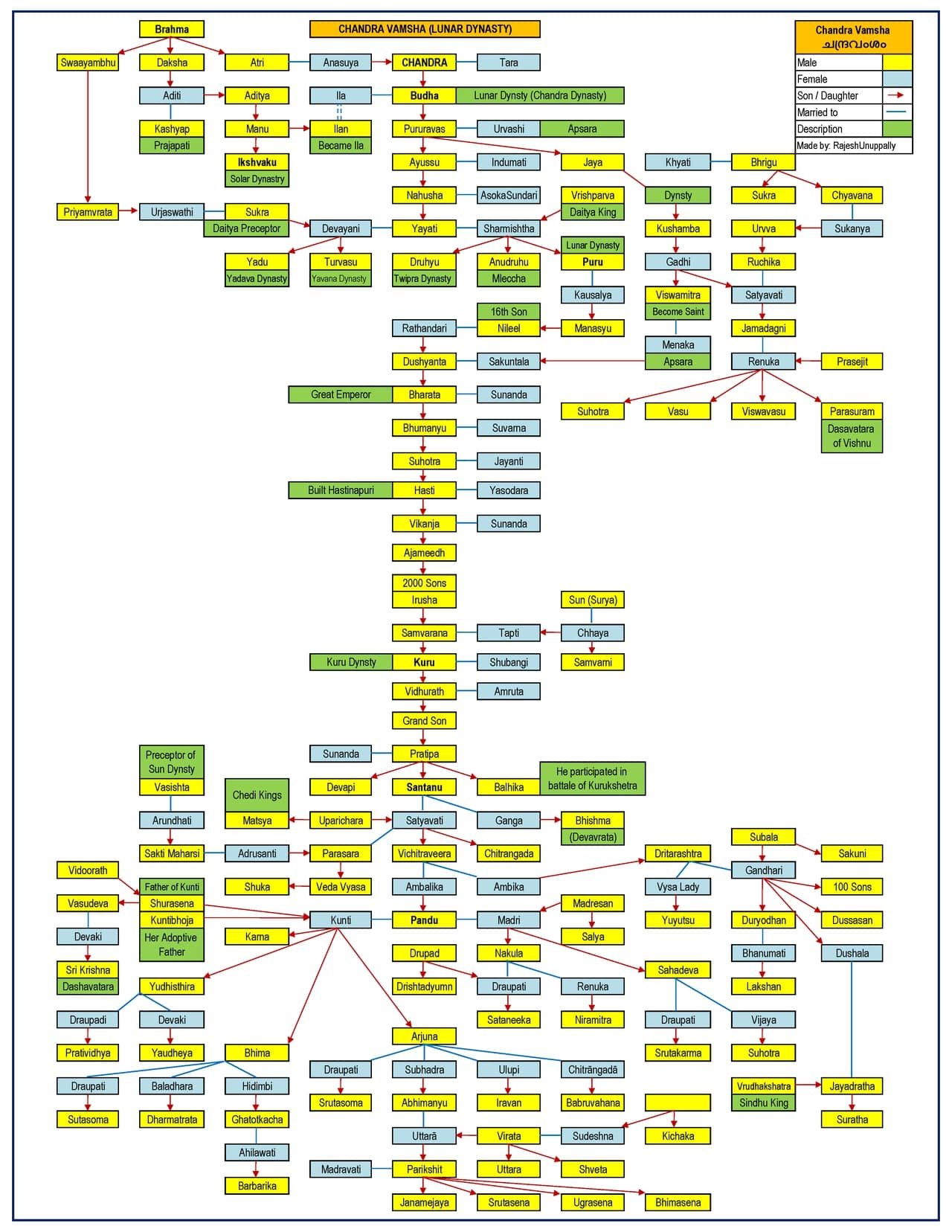
    There is confusion regarding the marriage of Arjuna and Chitrangadha. During Arjuna pilgrimage to South, Arjuna met with Chitrangadha, a Pandyan Princess and married her. She was a Pandyan princess and her father was Pandyan Mudatth Thirumaran. He ruled from Manalur, Tamil Nadu. By marrying her, Arjuna cleared the curse of Vasus.I am providing the details of The curse of Vasu towards the close of the article.

    Popular version is that Chitrangadha was from Manipur, Northeast of India. However, Copperplate evidence from Chinnamanur plates place Chitrangadha as the daughter of Pandya King.

    In the Hindu epic MahabharataBabruvahana (Sanskrit: बब्रुवाहन) was the son of Arjuna, a Pandava prince, and Chitrangada, the princess of Manipur. Babruvahana was adopted as the heir of Manipur by his maternal grandfather and later reigned at the kingdom.https://en.m.wikipedia.org/wiki/Babruvahana

    https://en.m.wikipedia.org/wiki/Babruvahana

    The Copperplate Writing from Chinnamanur, Tamil Nadu about Pandyan King Rajasimha (907-931 AD) , while tracing the King’s lineage of Pandya’s states that Arjuna married Chitrangadha, daughter of Pandyan Chitrangadha who ruled from Manalur, Tamil Nadu. (Chitrangadha female form is written as Chitrangadha and Male, her father is spelled as Chitrangadha in Tamil.)It also adds that the Pandya king was a scholar in Sanskrit and Tamil.

    The writing adds that by this marriage, the Curse of Vasus on Arjuna was resolved,by Arjuna’s Son by Chitrangadha Babruvahana killing Arjuna.

    As to the date of this event, Pandyan princess and her father, according to my research is Fifth century BC. Another study places around 3 BC. Both need further research to fix correct date which I think would have to be pushed back. Mahabharat is dated earlier.

    Now taking into account the period of each Tamil Sangam, I have reworked their dates from Agasthya’s date.

    The first conclave of Tamil poets took place during the Tamil Sangam which lasted 4400 years, and had 549 members,

    The second conclave lasted for 3700 years and had 59 members, with 3700 poets participating.

    The third Sangam lasted for 1850 years.

    Agastya 5000 BC

    First Sangam-5000 -4400= 600 BC

    Second Sangam-600-3700=3100 AD.

    * For a language to develop and to attain highly complex Grammar and Classical Literature the language should have evolved at least 1000 years earlier.

    ** These dates agree with the dates of Ramayana.

    So Tamil language should have been used at least by 4000BC

    Date of the Tsunamis, Kadalkol

    The First.

    Around 5000 BC

    The second Tsunami,

    Around 5 BC.https://www.google.com/amp/s/ramanisblog.in/2014/12/03/indian-tsunami-tamil-sangam-dates-astronomy-verified/amp/

    பாண்டியன் இராஜ சிம்மனின் (907-931)சின்னமனூர் பெரிய செப்பேட்டுப் பகுதி

    // ஒண் தமிழும் வடமொழியும்
    பழுதறத்தான் ஆராய்ந்து பண்டிதரில் மேந்தோன்றியும்
    மாரதர் மலை களத்தவியப் பாரதத்திற் படகோட்டியும்//(1)👇 https://t.co/Qn8IzO2TCq

    // விசயனை வசுசாபம் நீக்கியும் வேந்தழிச்சுரம் போக்கியும்

    மகாபாரதம் தமிழ்படுத்தும் மதுராபுரிச் சங்கம் வைத்தும்//

    இதில் தெளிவாக தமிழும்,சம்ஸ்கிருதமும் பழுதில்லாமல் ஆராய்ந்த பண்டிதர்களை விட மேலான அறிவை உடையவன் பாண்டியன் என்று மெய்க்கீர்த்தி சொல்கிறது.அதை தாண்டிய செய்தியும்👇(2)

    சித்திராங்கதன் என்ற மணலூர் பாண்டியனின் மகள் சித்திராங்கதை அவளைத்தான் அர்ஜுனன் மணந்தான்.இவர்களது மகன்தான் பாப்புருவாகனன் இவனால்தான் அர்ஜுனனின் வசுசாபம் தீர்ந்தது.இப்படி ஒரு செய்தியைத்தான் பாண்டியர் மெய்கீர்த்தி,’விசயனை வசுசாபம் நீக்கியும்’ என்று சொல்கிறது.(11)

    https://twitter.com/sundarrajachola/status/1251418535772872705?s=19

    முடத்திருமாறன் என்னும் முற்காலப் பாண்டியன் இரண்டாம் கடற்கோளுக்குப் முன் வாழ்ந்தவன். இவன் கபாடபுரத்தைத் தலைநகராகக் கொண்டு ஆண்டவன். கடற்கோளுக்குப் பின் தமிழகத்தின் வடக்கே சென்று மணலூர் என்னும் இடத்தில் தங்கி பின்னர் மதுரையைத் தலைநகராகக் கொண்டு ஆண்டவன். இம்மன்னனனின் தமிழ்ப்பாடல்கள் இரண்டு சங்க இலக்கியமாகிய நற்றிணையில் உள்ளன. ஆட்சியாண்டுகள் துல்லியமாய்த் தெரியவில்லை, வேறு உறுதிக்கோள்களும் செய்திகளும் கிடைக்கவில்லை.

    https://ta.m.wikipedia.org/wiki/%E0%AE%AE%E0%AF%81%E0%AE%9F%E0%AE%A4%E0%AF%8D%E0%AE%A4%E0%AE%BF%E0%AE%B0%E0%AF%81%E0%AE%AE%E0%AE%BE%E0%AE%B1%E0%AE%A9%E0%AF%8D

    முடத்திருமாறன்

    பாண்டிய மன்னன் முடத்திருமாறன் கடைச்சங்க கால பாண்டிய மன்னர்களில் ஒருவன். இரண்டாம் கடற்கோளுக்கு முன்னர் கபாடபுரத்தைத் தலைநகராகக் கொண்டு ஆட்சி செய்தவன். இரண்டாம் கடற்கோளுக்குப் பின்னர் தமிழகத்தின் வடக்கே மணலூர் என்னும் இடத்தில் தங்கி பின்னர் மதுரையைத் தலைநகராகக் கொண்டு ஆண்டான். சங்க இலக்கிய நூலான  நற்றிணையில் இவனைப்பற்றிய  இரண்டு பாடல்கள் உள்ளன.https://www.google.com/amp/s/tamizharulagam.in/2019/11/15/kadaisangapandiya/%3famp

    https://ta.m.wikipedia.org/wiki/%E0%AE%AA%E0%AE%BE%E0%AE%A3%E0%AF%8D%E0%AE%9F%E0%AE%BF%E0%AE%AF%E0%AE%B0%E0%AF%8D

    In the First Tamil Sangam, according to Nakkirar’s Commentary on Iraiyanar Ahapporul, a galaxy of poets existed at Then Madurai perhaps in the Lost Lemuria. After the first deluge, the Sangam and its capital were shifted to Kapadapuram which finds mention in Ramayana and Arthasastra. A second deluge submerged Kapadapuram also and thereafter the Sangam was moved to Manalur. A third deluge submerged Manalur also and thereafter the Pandyan king shifted his capital to the present Madurai, which became the seat of the Third Sangam. The poets of the Third Sangam collected the poems that escaped destruction, along with those sung during their period and delivered them to the world in the form of the present Sangam literature, which depicts the Tamil Culture of the Third Sangam (3rd century B.C. to 3rd centuray A.D.)(1) .

    https://www.johnfoundation.com/journals/sparkling/sijmrsv1i1-2018/s-02/
  • Madurai 155 Trillion Years Old? Puzzling Evidence.

    Madurai 155 Trillion Years Old? Puzzling Evidence.

    When one delves deep into Purana, Ithihasa and ancient texts of India, including regional language texts, one finds one Corroborates the other. Events,Persons mentioned in one is corroborated by the other. While the Purana is in Sanskrit, others are in ancient languages like Pali , Prakrit. Some languages like these may belong to Dialects. However, Tamil, an ancient language of India with which I am familiar, is rich in literature and grammar and it goes back to thousands of years along with Sanskrit. The archeological finds at Poompuhar, Tamil Nadu pushes the date of Tamil, at least, to 20,000 years. An Advanced Tamil civilization site near Chennai,reveals it to be a Million year old! . Thiruvannamalai,Tamilnadu is about 3.94 billion years old, Tirupati 2200 million years old, Jwalapuram Cuddapah, Andhara Is 74,000 years old Guruvayur, Kerala is over 25,000 years!

    Lemuris 230 Million years old My Tedtalk

    Ancient Bharathavarsha, in South, had Dravida Desa, Southern Countries. This landmass was ruled by three dynasties, Chera, Chola and Pandyas. The Kings of these dynasties trace their lineage to either Surya Vamsa , Ikshvaku Dynasty founded by Ikshvaku, son of the first human being Manu(Manu was the ancestor of Sri Rama) ;or to Chandra Vamsa, Lunar dynasty of Ila, Daughter of Manu.

    Manu, aka Satyavrata Manu or Vaivaswatha Manu was a Dradiva Emperor. This is recorded in the Bhagavadha Purana. I had written an article on this.

    While Satyavrata Manu was offering oblations to ancestors, a 🐠🐋🐟 Matsya appeared.

    There is a river by name “Krita-Maala”, today famously known as River Vaigai. On the banks of this River Krita-Maala, there was this “Shraadha-Manu”, who had the name “Satyavrata”. As this Satyavrata is living his life at this place, one day he goes to the river bank to do his regular “Tharpana” (Spiritual Practice) in the evening. As he was performing the “Tharpana”, there was a small little fish that got into his hands.

    “Tasyaa dheenataram vaakyam ashrutya sa maheepathihi!

    Kalasaapshu nihiteneyam dayaalu ninya aashramam!!”

    As the little fish enters into Satyavrata’s hands, it suddenly started to talk! Upon hearing a fish talk in human language, Satyavrata was surprised! The little fish talks to Satyavrata thus, “Oh Satyavrata! As you see, I’m such a small little fish, just taken birth! Please do not leave me again into this mighty river amidst the fast-flowing water. There are bigger fishes here, which would eat me off. Therefore, please help me out!” Upon hearing this, Satyavrata was moved! He asks the fish thus, “Oh little one! I don’t have any problem in helping you and ensuring your safety. Please tell me what should I do!” The fish replies back, “Oh Satyavrata! Why don’t you put me into your ‘Kamandala’ vessel and take me to your home? You can put me into a small tank at your place, where I would be safe and secure!”

    Accordingly, Satyavrata takes the little fish into his vessel, takes it to his home and tries to put it into a nicely made tank, exclusively for that fish alone. But as Satyavrata tries to transfer the little fish into the tank, he is in for another surprise! Within the time that he walked back to his home, the fish has grown in size! It is not able to come out of the ‘Kamandala’ vessel. Now the fish replies thus, “Oh Satyavrata! I think this vessel nor this tank would be of sufficient size to house me. Perhaps you should put me into the well in your house. Accordingly thus, Satyavrata takes the fish to the well and drops it inside! Again, Satyavrata is in for a surprise! As he drops the fish into the well, it again grows quickly to a bigger size, which renders the well to be useless to hold it anymore. Again, Satyavrata puts the fish into another big tank, but in vain! Again the fish grows into a mammoth size, engulfing the whole tank!

    Upon seeing this, Satyavrata couldn’t understand what is going on here! Hence, he takes the fish and puts it into the river again! Now, the fish grows into a huge whale-like size and engulfs the whole river too! This leaves Satyavrata stunned beyond words! He is clearly running out of options and doesn’t know what is going on around him. This is surely some message from someone who is all-pervasive and all-powerful. At one point, Satyavrata starts to doubt whether this is really a fish or something or someone else!

    As Satyavrata looks on with awe and shock, the fish tells him thus, “Oh Satyavrata! Looks like even this river is not capable of holding my mammoth size. I think it’s best that you take me to the ocean and leave me there!” Now Satyavrata is clearly perplexed here! He doesn’t know whether to really honour these words of the fish. With all his past experiences with the fish, he was damn sure that even if he is going to leave it in the ocean, it is going to say that this ocean is also insufficient! What would he do then? Mustering up his courage thus, Satyavrata asks the fish thus, “I do not think that you are an ordinary little fish! You are somebody else! Please tell me who are you and what do you want from me! Why are you playing this game with me?” Skanda 8,Srimad Bhagavadham. https://www.google.com/amp/s/theindiandharma.org/2020/05/05/episode-242-the-matsya-avatara-satyavratas-encounter-with-a-fish/amp/

    Now, the purport of this article is not about Manu and the evolution of World as described in the Srimad Bhagavadham. We focus on where Satyavrata Manu was offering Tharpana, Oblations.

    It was in River Kritamala. Kritamala is the name of River Vaigai, at Madurai Tamil Nadu India. So, it is reasonable to postulate that Vaigai, and consequently Madurai is as old as Manu!

    https://www.google.com/amp/s/ramanisblog.in/2017/05/20/lemuria-the-home-of-tamils-my-tedtalk-at-coimbatore/amp/Based on Tectonic shift, Archeology and related evidence Ihad ,earlier,arrived at a figure of 230 million years for Lemuria of which Madurai was a part. It was Then Madurai then. Because of tectonic shift, it had moved to it’s present location. The present information in this article is Mind blogging. It is easy to dispose it off as Non sense. But evidence presented and the recent confirmation about the nature of Time as Non linear by Quantum would make one ponder.

    More to follow.

    This yuga cycle is called maha (in english, it means great/big) or divya (divine) yuga. One thousand such cycles forms one day of Brahma (a demigod in hindu religion which governs the universe). So one day of Brahma is 4.32 million * 1000 = 4.32 billion human years. Each such day of Brahma is called a “kalpa”. His night also constitutes 4.32 billion human years. During his day, life exists in universe. In nighttime, no form of life exists. So one complete day and night has 8.64 billion human years.

    -> Age of Brahma is 100 years. Each year of Brahma has 360 days and same number of nights. Thus, total age of Brahma is 360 * 100 * 8.64 billion = 311,040 billion human years. i.e. 311.04 trillion years. This period is called “maha kalpa”.
    -> The life span of the universe is one “maha kalpa”. i.e. 311.04 trillion human years. This time span is also the duration of one breath of “Vishnu” (the ultimate god in hindu religion). When he exhales, thousands of universes emerges and one “Brahma” is born in each universe. When “Vishnu” inhales, all universes get sucked and Brahma dies.
    -> This cycle is non-ending and eternal. Thats why “Vishnu” is considered eternal in Vedic Science (or religion).
    How much old is our universe:
    -> Note that the period of Satya Yuga is 0.4x, Treta Yuga is 0.3x, Dwapara Yuga is 0.2x and Kali Yuga is 0.1x where x is the time-span of one maha-yuga cycle. I will use ‘x’ as 1 maha-yuga cycle subsequently.
    -> In 1 day of Brahma, there are 14 “manvantara”. Each “manvantara” is divided into 71 “maha-yuga” cycles. So total make 14*71 = 994x (mahayuga cycles).
    -> Remaining cycles (1 day of Brahma contains 1000 maha-yuga cycles) are used to fill gaps between manvantara. Before and after each manvantara (called as “sandhya” and “sandhyamsa” respectively), there is a junction of 1.728 million (age of Satya Yuga, or 0.4x) human years. Total number of junctions are 15 (since there are 14 manvantaras). So total gap period is = 0.4 * 15 = 6x. Hence total makes 1000 maha-yuga cycles or 1 brahma day.
    -> According to the Vedic texts, current age of Brahma is 50 Brahma years and 1 brahma day (we are in the 1st day of 2nd half of brahma)and we are in the seventh “manvantara”, in the 28th turnover of its 71 yuga cycles. In this cycle, we are in the start Kali Yuga. Age of kali yuga is not known perfectly but it is around 5000-10000 years. For calculation, lets assume 8000 human years.
    -> So current age of our universe (in terms of maha-yuga cycles) =
    (50 * 720 * 1000) — 50 years * (360 days + 360 nights) * total no. of cycles in one day/night
    + (6 * 71) — 6 manvantara each of 71 maha-yuga cycle
    + (7 * 0.4) — 7 junctions or gaps for 6 manvantara
    + (27 * 1) — we are in 28th cycle of 71
    + (0.4+0.3+0.2) — In this cycle, we are in Kali Yuga. Satya Yuga, Treat Yuga and Dwapara yuga are 0.4x, 0.3x and 0.2x respectively.
    + around 8000 human years — very small, so ignoring it.

    Thus total age = (36,000,000 + 456.7)x = 36,000,456.7 * 4.32 million = 155,521,972.944 million years = 155.521972944 trillion human years. Now add the age of kaliyuga. i.e. around 8000 human years. One we calculate the exact age of kaliyuga, we can know the exact age of universe.https://www.cs.ubc.ca/~goyal/age_of_universe.php

  • Madurai Meenakshi’s Father Sarangadwaja Killed By Aswathama Mahabharata

    Madurai Meenakshi’s Father Sarangadwaja Killed By Aswathama Mahabharata

    The relationship that existed between the Kings of North and South was quite ancient and was determined by the exigencies of the Times. During the Mahabharata period, Tamil Kings, Chera, Chola and Pandyas took part in Draupadi’ Swayamwar, Attended Yudhishtra’s Rajasuya Yaga,Arjuna and Krishna married Princesses from Dravida Desa, Arjuna, Balarama, Sahadeva, Bhima went on Pilgrimage to South, Krishna married a Pandya princess, had a daughter called Pandyah, Megasthenes refers to this, Krishna killed Kulasekara Pandya, Krishna spent sometime in Yaanai malai near Madurai..and the references are too many..

    Kulasekara Pandya was Madurai Meenakshi’s Grandfather. He was killed by Sri Krishna in a battle and his son Sarangadwaja was advised by his well wishers not to try to seek vengeance as it would be counter productive.

    Sarangadwaja , later, took part in the Mahabharata War on the side of Pandavas against Kauravas. He fought valiantly against Drona, Aswathama. Sarangadwaja was killed by Aswathama Mahabharata records this.

    Pandya king Sarangadhwaja sided with the Pandavas in the great Kurukshetra War. His main opponent was Ashwathama.

    As per Bhishma’s ratings, Pandya king was rated as a great Ratha (a grade for chariot-warriors) (5,172).

    Pandya, who dwelt on the coast-land near the sea, came accompanied by troops of various kinds to Yudhishthira, the king of kings (5:19). There hath come Pandya. Remarkably heroic and endued with prowess and energy that have no parallel, he is devoted to the Pandava cause. (5:22).

    Dhrishtadyumna and Shikhandi and the five sons of Draupadi and the Prabhadrakas, and Satyaki and Chekitana with the Dravida forces, and the Pandyas, the Cholas, and the Cheras, surrounded by a mighty array – were mentioned as part of the Pandava army (8:12).

    Pandya, that foremost of warriors skilled in shafts and weapons, was destroying crowds of foes by means of diverse kinds of shafts. Piercing the bodies of the elephants and steeds and men with sharp shafts, that foremost of smiters overthrew and deprived them of life. Cutting off with his own shafts the diverse weapons hurled at him by many foremost of foes, Pandya slew his enemies (8:19). He was slain by the Kaurava hero Ashwatthama (8:20,46) His name was mentioned as Sarangadhwaja.

    https://en.m.wikipedia.org/wiki/Pandya_kingdom_(Mahabharata)

    Sarangadwaja was also called as Malayathdwaja and his daughter was Meenakshi who ruled Pandya Kingdom later from Madurai and Meenakshi temple st Madurai is named after her.

  • Krishna Killed Meenakshi’s Grandfather Kulasekara Pandya 3200 BC

    Krishna Killed Meenakshi’s Grandfather Kulasekara Pandya 3200 BC

    There are a lot of gaps to be filled in Indian history. Indian history is recorded in Purana and Ithihasas, Ramayan and Mahabharata. This information is complimented, corroborated and supplemented in the Regional languages of India. As, among Regional languages of India, I am familiar with Tamil and it’s early literature, I am quoting from Tamil references. Tamil is dated 20,000 years, at the very least. This date is based on the underwater findings of the remains of Poompuhar.

    Tamil land was ruled by Three Dynasties, Chera, Chola and Pandya from ancient times. Cholas trace their ancestry to Solar Dynasty, the Surya Vamsa of Ikshvaku and Sri Rama . First human Manu was from the South of Vindhya mountain, Dravida and he meditated near Madagascar, as evidenced in the Srimad Bhagavadham.

    One of the three Dynasties, Pandyas ruled from Madurai, now in Tamil Nadu. One of their earlier rulers was Kulasekara Pandya.

    Sri Krishna invaded the Pandya Kingdom and in the battle he killed Kulasekara Pandya.

    Radha and Krishna.


    Initial capital of Pandyans was Manavur, from where a king named Kulasekhara Pandyan ruled. Sangam literature started developing during this regime.

    He was contemporary to Magadha king Jarasandha.This king Kulasekhara Pandyan was killed by Krishna. This incident is described in Mahabharata.

    Lord Krishna broke open the gates of a Pandyan King Kulasekhara and killed him in a battle.( Mahabharata VII.11.398) and VIII.23.1016)

    Kulasekhara is said to be as strong as a bull. He is apparently killed by Lord Krishna, but although his son wants to avenge his father’s death, he is dissuaded from doing so by his well wishers. Krishna also defeated Chola King.(Mahabharata VII.11.321).

    Krishna slew king Kulasekhara Pandya by striking his breast against his, and moved down the Kalingas in battle (5:48).

    The Cholas and the Pandyas were mentioned as vanquished by Krishna at (7:11).

    Krishna Date 3200- 3100

    The date of the war between Kulasekara Pandya and Krishna war, therefore, is between 3200 and 3100 BC.

    Kulasekhara was succeeded by his son Malayadhwaja Pandyan.

    Malayadhwaja was also called as Saragadhwaja as Pandyan flag had symbol of a Bow. Saranga (Bow) + Dhwaja (flag).

    An inscription records that a Pandya king led the elephant force in the Mahabharata War on behalf of the Pandavas, and that early Pandyas translated the epic into Tamil.

    Malayadhwaja fought from Pandavas side in Kurukshetra war.

    Kulashekharan is said to be as strong as a bull. He is apparently killed by Lord Krishna, but although his son wants to avenge his father’s death, he is dissuaded from doing so by his well wishers.

    One of the contemporaries of Jarasandha of the Brhadratha dynasty of Magadha is Jayatsena of Magadha. He takes part in the Kurukshetra War in the Mahabharata as one of the leaders on the side of Kauravas, along with Srutayus of Kalinga, Paundraka Vasudeva of Pundra, Karna of Anga, and Malayadwaja of the Pandyas. Bhagadatta of the Naraka kings is also involved in the war.

    During the battle, Malayadwaja apparently wounds the mighty Dronacharya, the teacher of both the Pandavas and the Kauravas, and who fights on the side of the Kauravas. Malayadwaja goes further and takes on Drona’s son, Ashwathama, in a duel. https://www.historyfiles.co.uk/KingListsFarEast/IndiaPandyas.htm

    Malayadwaja’s daughter is Meenakshi, after whom the famous temple of Meenakshi Amman is built in Madurai. The city of Madurai is built around this temple. After this, the Pandyas fall back into obscurity for seven centuries.

    Reference And citation. http://ancientvoice.wikidot.com/pandya