Category: Tamils

  • Cholas From Surya Vamsa Rama’s Dynasty Copperplate Evidence

    Cholas From Surya Vamsa Rama’s Dynasty Copperplate Evidence

    There were two dynasties that ruled ancient India. Both trace their origins to Vaivaswatha Manu, the First Man,after whom the word ‘Man’ was coined.

    He hailed from the Dravida Desa, Dravida in Sanskrit meaning South.

    Bhagavatha Sloka mentions that Manu was a Dravida. I am providing a Link on this and on the fact that Manu meditated near Madagascar.

    Manu,apart from sons had a daughter,Ila or Ela.From Ela sprang the Aila dynasty.This is the Chandra Vam!sa or Lunar Dynasty.From the Male offspring of Manu came the Surya Vamsa or Solar Dynasty. I shall be writing on the other sons of Manu and what happened to them. While people talk of Vedic kingdoms,they tend to overlook or notice the kingdoms of Dravida Desa.They were respected by the kings of Aryavartha.(I shall write on what Aryavartha means and its boundaries.The people of Aryavartha and Dravida Desa intermarried.So did the Kings.

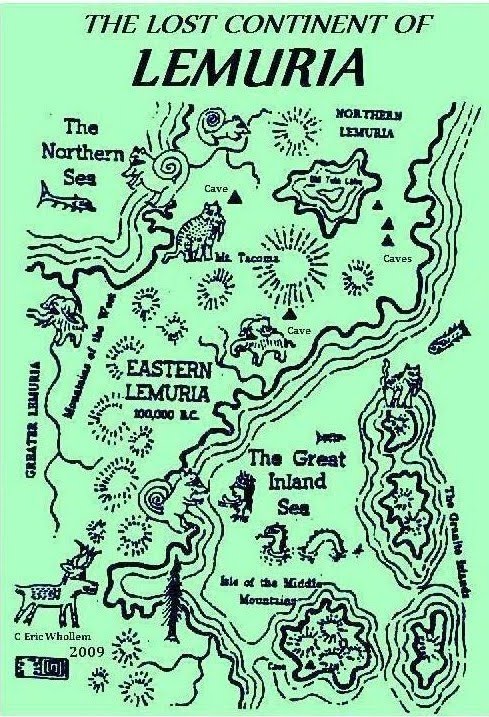
    People of Dravida Desa were ruled by the great Kings,Chera,Chola and Pandyas.They ruled the South.And the early kings ruled from the landmass Lemuria.These kings trace their ancestry to Surya Vamsa.Lord Rama belonged to this Dynasty. One of his ancestors,Sibi,had a second capital near North West Frontier Province,now in Pakistan.Much earlier to him was Muchukunda ,who killed a Yavana King,Yavana means Greek.

    Thiruvaalangadu Copper Plates

    The Cholas called themselves as Descendants of Surya Vamsa.They also had ceremonial titles,one of them being Parakesari,the name of a King belonging to Surya Vamsa,Solar Dynasty.Cholas also called themselves as belonging to Kasyapa Gotra.Am providing Link towards the closing of the art.That the Cholas belonged to Solar Dynasty is known from Literary sources,Epigraphs and Copper Plates.I am mentioning one copper plate called ‘Thiruvaalankaadu Cheppedugal,Copper Plates of Thiruvaalangadu,Thiruvaalangadu being the name of a town near Chennai,Tamil Nadu,India.These copper plates were found in the famous Siva temple there.The other copper plate is from Kanyakumari,Tamil Nadu.

    Copper plate inscriptions are made in individual copper plates,strung together with Royal Seal.These generally contain two parts.One part will list out the genealogy of the king in whose period it was prepared and the other part details the grants given to Temples,Villages,and persons. It also lists work to be carried about by the individual officers of the local adminstration and also by those to whom the grants had been provided.

    In the Thiruvaalangadu Cheppedu,31 plates are found;ten are in Sanskrit and twenty in Tamil.The thirty copper plates are in the form of flower petals and are joined together by Chola Royal Seal.It also has Chera,Pandya and Rashtrakoodas,signifying that The Cholas have conquered them all.The plates are in praise of Rajendra Chola. His father was Rajaraja Cholan,who built the Thanjavur Big Temple.Rajaraja Cholan was also called as Arulmozhi Varman. These plates were put in place during the sixth year for his reign,that is around 1004 to 1044 AD. https://en.m.wikipedia.org/wiki/Rajendra_Chola_I

    The plates list the genealogy of the Cholas,beginning with Chola,who was born of Bharata,after whom India is named as Bharatavarsha.

    The list in the copperplates tally with the Kings List found in the Puranas. I am providing Bharat’s family tree as the featured image. You may find the common names.

    As to differences between these two,it is because of the incomplete information regarding the Dynasties of India,that is by considering only the Surya and Chandra Vamsa,without information about the other descendants of Many and more importantly the Vamsas of the Saptha Rishis,whose progeny includes Manu and Ikshvaku Dynasty,Ela and her dynasty,Chandra vamsa.I shall write in detail do that we may understand the dynasties.

    ‘People) say that Dushyanta was an ornament of the race of this (king).  His son was Daushyanti (i.e., born of Dushyanta) Bharata.To him was born a son named Chola after whom the Solar race on this earth became illustrious.

    On the basis of this,one may observe that Cholas descended from Many and are from Solar Dynasty,Surya Vamsa.

    Please note that the people were aware that some of the ancient kings belonged to Treta Yuga,about a million year old and the new Chola dynasty began with Perunarkilli in Dealers Yuga.I had written on Cheers and Pandya Kings participating in Mahabharata war and Krishna and Arjuna’s marriage with Pandyan Princesses.

    (V. 29.) Him (i.e., the king Chola), learned men described as the generous lord of gods (i.e., Indra) who incarnated on earth (on seeing that) the glory of his own (i.e., Amaravati) was humbled by the varied and lustrous riches of the Chola country.

    (V. 30.) Cholavarman’s son was Rajakesarivarman (‘the lion among kings’) who split asunder with (his) nails (viz., crooked knives) the elephants (viz., crooked knives) the elephants (viz., his enemies) and (was) the cage (wherein resided the goddess) of prosperity.

    (V. 31.) Rajakesarin’s son was king Parakesarin by whose fire-like anger the enemies’ forces were consumed.

    (V. 32.)  Thenceforward these two names indicative of (their) suzerainty were alternately borne by the Chola (kings) in the order of their coronation.

    (V. 33.) Parakesarin’s son was king Chitraratha ; his son (was) Chitrasva ; to him (was born) king Chitradhanvan.

    (V. 35.) Having come to know that king Bhagiratha engrossed in penance brought down (from heaven) the river of gods (i.e., Ganga) (to earth), this king (also) desirous to fame brought her (i.e., Ganga) to his dominions under the name Kaverakanyaka (i.e., Kaveri).

    (V. 36.) In that family was (born) Suraguru who was the hereditary abode of the maiden, the Lakshmi of victory.  This king having conquered by his glory the god of Death in his own territory acquired the name Mrityujit.

    (V. 37.) In his race was born king Chitrartha called Vyaghraketu from his banner-cloth bearing (the figure of) a tiger, who was a store of great heroism and who wore as an ornament on his head the flowers of the dhataki (Grislea Tomentosa).

    (V. 38.) The Treta-age having come to a close, a son of this king known as Narendrapati became the ruler.  The diadems of (subordinate) kings dropped down their gems ; (because their) fastenings had become loosened by the constant rolling at his footstool.

    (V. 39.) From him was produced the head-jewel of the powerful Solar race, (king) Vasu, who was the cause of the destruction of the demons (and) who (known) by the significant surname of Uparichara moved in any direction he liked in a celestial car which was presented (to him) by the lord of gods (i.e., Indra).

    (V. 40.) At the end of the Dvapara (-age) was born in the family of this head-jewel of kings a conqueror of all hostile kings named Visvajit.

    (V. 41.) In his race was born Perunatkilli who was the receptacle of all sciences, the abode of (the goddess of) Prosperity, who was worshipped by the diadems of all the rulers of the earth which were set with rows of precious gems.

    Reference,source. Thiruvalankaadu Plates

    செப்பேட்டின் பெயர்-திருவாலங்காட்டுச் செப்பேடுகள்செப்பேடு கிடைக்கப் பெற்ற இடம்-திருவாலங்காடுஊர்-எழும்பூர்வட்டம்-அமைந்தகரைமாவட்டம்-சென்னைமொழியும் எழுத்தும்-தமிழ், வடமொழி – தமிழ், கிரந்தம்அரசு / ஆட்சியாளர்-சோழர் / முதலாம் இராஜேந்திரசோழன்ஆட்சி ஆண்டு-6வரலாற்று ஆண்டு-கி.பி.11-ஆம் நூற்றாண்டுவிளக்கம்-

              தொண்டை நாட்டுப் பாடல் பெற்ற தலங்களுள் காளியோடாடும் இரத்தினசபையான திருவாலங்காடு காரைக்கால் அம்மையார் முத்திப்பெற்ற திருத்தலமாகும். சோழர்கள் ஆட்சிக்காலத்தில் திருவாலங்காடு மிகுந்த சிறப்பினைப் பெற்றிருந்தது என்பதனை இக்கோயில் இறைவர்க்கு அரசர்கள் அளித்த கொடைக்கல்வெட்டுகள் மூலம் அறிய முடிகின்றது.

              முதலாம் இராஜேந்திர சோழன் வழங்கிய இவ்வூருக்கான நிலதானம் பற்றிய ஆணையை திருவாலங்காடு செப்பேடு தெரிவிக்கின்றது. 1903-இல் இக்கோயில் திருப்பணியின் போது சில ஐம்பொன் சிலைகளுடன் 31 ஏடுகளைக் கொண்டு இச்செப்பேட்டுத் தொகுதி கண்டறியப்பட்டது.

              திருவாலங்காட்டுச் செப்பேட்டுத் தொகுதியில் 31 ஏடுகள் பெரிய வளையத்துடன் உள்ளன. இணைப்பு வளையத்தில் சோழ அரசின் இலச்சினை காட்டப்பட்டுள்ளது. இலச்சினையின் மேல்பகுதியில் குடையும் அதன் இருபுறமும் சாமரங்களும் உள்ளன. அதன்கீழ் இரட்டைக் கயல்களும், புலியும் பொறிக்கப்பட்டுள்ளன. அவற்றிற்கு இருபுறமும் இருவிளக்குத் தாங்கிகளும், இவற்றிற்குக் கீழே வில்லும் இடம் பெறுகின்றன. பாண்டியர் மற்றும் சேரரை வென்ற சோழப்பேரரசின் புலிச் சின்னத்தோடு, அவ்விரு அரசர்களின் சின்னங்களும் பொறிக்கப்பட்டிருப்பது சோழப்பேரரசின் கீழ் பாண்டிய, சேர நாட்டுப்பகுதிகள் இணைக்கப்பட்டிருந்ததைக் காட்டி நிற்கின்றன. மொத்தம் 31 ஏடுகளில் 10 வடமொழி ஏடுகள் ஆகும். கிரந்த எழுத்துக்களில் வடமொழிப்பகுதி பொறிக்கப்பட்டுள்ளது. மற்ற 21 ஏடுகள் தமிழ் எழுத்தில் காணப்படுகின்றன. வடமொழிப்பகுதி சுலோகமாகவும், தமிழ்ப்பகுதி உரைநடையாகவும் உள்ளன.

              முதலாம் இராஜேந்திர சோழனின் ஆறாவது ஆட்சியாண்டைக் குறிப்பிடும் திருவாலங்காட்டுச் செப்பேடுகள் அக்கோயில் இறைவர்க்கு இறையிலியாக அளிக்கப்பட்ட நிலக்கொடையைப் பற்றியும், வழங்கப்பட்ட நிலத்தின் எல்லைகள் பற்றி விரிவாகவும் இச்செப்பேட்டில் குறிக்கப்பட்டுள்ளன. மேலும் இங்குள்ள அம்மை நாச்சியாருக்கு வழங்கப்பட்ட கொடைபற்றியும் கூறப்பட்டுள்ளன.ஒளிப்படம் எடுத்தவர்-முனைவர் கோ.சசிகலாஒளிப்படம் வழங்கிய நிறுவனம் / நபர்-தமிழ் இணையக் கல்விக்கழகம்சுருக்கம்-

    தமிழகத்தின் வரலாற்றின் முக்கியமான பகுதியை வெளிப்படுத்திய செப்பேடுகள் திருவாலங்காட்டில் கிடைத்தன. ஒரு பெரிய வளையத்தில் சேர்த்து சோழ முத்திரையுடன் தமிழிலும், வடமொழியிலும் பொறிக்கப்பட்ட சாசனங்களுடன் கிடைத்த அந்த 22 செப்பேடுகள் சோழர்களின் வரலாற்றை நன்கு புலப்குறிப்புதவிகள்-

    1. தென்னிந்திய கல்வெட்டுகள் தொகுதி 3, தொல்லியல் துறை, மைசூர். 2. சு.Source .https://www.tamildigitallibrary.in/copper-plate-details.php?id=jZY9lup2kZl6TuXGlZQdjZpy#lg=1&slide=27

    Related
    Manu ,Dravida

  • Home Where Kannagi Kovalan Lived Madurai Kadaichanendal

    I have been exploring the history of India,with the help of Archeology, Astronomy, Linguistics, Etymology, Sanskriti and Tamil literature (because I am familiar with these languages),Temple history,Rock writings, Cultures,local legends and folklore.

    There are also researched material from abroad from historians of Greece,Modern researches.

    I have been at this for the past ten years and I am convinced that Sanatana Dharma and Tamil culture are quite ancient and that they are interwoven.

    In our efforts to follow British education,we normaly fail to take into account History as found in our literature,both in Sanskrit and regional languages.

    The reason is that we are taught that indians do not record history and every thing is a story.

    Far from it.

    Our texts are a mine of information and one can find historical facts which can be verified by modern findings.

    We also,thanks to now discredited Aryan invasion theory,tend to dismiss Tamil culture and it’s antiquity .

    This is incorrect.

    There are over 239 sites in the Vaigai River that speaks volumes of ancient Tamil culture and Sanatana Dharma.

    Dating of these artifacts recovered from the sites is a challenge to C14,Carbon Dating, as C 14 is useleless in dating beyond 50,000 years.

    This,coupled with the systematic misinformation about Indian history by the Agenda filled western scholars(?) Straight from Max Mueller to present day pseudo researchers from the West,the self styled Secularists and Anglophiles,who try to muddle history of India and our general reluctance to study our regional and Sanskrit texts and our labelling them as myth ,without bothering to read them, has to led us to be unaware of our history.’

    239 Sangam sites, Vaigai River, Madurai

    One of the five great Tamil epics ,Silappadikaram,narrates the story of Kovalam,Kannagi and Chera,Pandya kings.

    The Pandyan king unjustly had Kovalan killed by hanging.

    This is because he erroneously concluded the Anklet which Kovalan sold was that of Pandya Queen’s.

    (And his wife Kannagi burnt Madurai as a revenge.)

    Before going out to sell the Anklet,Kovalan was seen off by his wife Kannagi from their home in Madurai.

    The description of the place is found in Silappadikaram by Ilango Adigal.

    The name given to the place is Kadaichanendal, Madurai.

    The home where they lived is found here alone with the hermitage of the Buddhist monk,a lady named Kavundhi Adigal,who guided the pair of Kovalan and Kannagi.

    The original name of the place was Kadai+Chilambu+Endhal, meaning ‘the place where the Anklet was held in Hands for the last time’

    I am unable to find the photo of the house.

    People from Madurai may contribute.

    I have provided the map of the town and the referral Facebook post.

    Kadaichanendal.
    Village Name : Kadachanendhal ( கடச்சனேந்தல் )
    City Name : Madurai West
    District : Madurai
    State : Tamil Nadu
    Language : Tamil and Telegu, Sourashtra, English, Hindi

    PIN 625107

    http://www.onefivenine.com/india/villages/Madurai/Madurai-West/Kadachanendhal

    கண்ணகி வாழ்ந்த வீடு
    “”””””””””””””””””””””””””””””””””””””””””””

    Kadachanendhal
    Tamil Nadu
    https://maps.app.goo.gl/abkwaCF5cdwjbSYP7

    மதுரைக்கு மிக அருகில் உள்ள கிராமம் கடச்சனேந்தல். இங்கு விவசாயிகளை அமைப்பாகத் திரட்டும் ஒரு முயற்சிக்காக நான் சென்றிருந்தேன். அந்த ஊரைச் சேர்ந்த விவசாயச் சங்கத்தினர் உடன் இருந்தனர். அந்தச் சின்னஞ்சிறிய கிராமத்தின் குறுகிய வீதிகளின் வழியே, வயல் வேலைகள் முடித்துத் திரும்பும் விவசாயிகளைப் பார்த்துப் பேசிக்கொண்டிருந்தோம்.

    சடசடவென மழை பெய்ய ஆரம்பித்தது.
    எங்கு ஒதுங்குவது எனச் சுற்றும்முற்றும் பார்த்து, மூலையில் இருக்கும் ஒரு தாவாரத்தில் ஒதுங்கினோம். காற்றும் மழையுமாகக் கொட்டித் தீர்த்தது. ஒதுங்கி நிற்கிறோம் என்பதற்கான எந்த அடையாளத்தையும் மழை விட்டுவைக்கவில்லை. மேலெல்லாம் நனைந்து சற்றே நடுக்கம் எடுக்கத் தொடங்கியது. நான் எதையோ யோசித்தபடி அங்கு சிறு பலகை ஒன்றில் எழுதியிருந்ததைப் பார்த்தேன். ‘கவுந்தியடிகள் ஆசிரமம்’ என எழுதியிருந்தது. என் கண்களையே நம்பாமல், ஆச்சர்யத்தோடு மீண்டும் ஒருமுறை படித்து உறுதிப்படுத்தினேன்.
    கோவலனும் கண்ணகியும் மதுரைக்கு வருவதற்கு, உறுதுணையாக இருந்து ஆற்றுப்படுத்திய சமணத் துறவி கவுந்தியடிகளுக்கு இங்கு எதற்கு ஆசிரமம் என யோசித்தபடி நின்றேன்.
    மழை குறையத் தொடங்கியது.

    தாவாரத்துக்கு அடுத்து இருந்தவரிடம், ‘கவுந்தியடிகள் ஆசிரமம் என்ற பெயர் எதற்காக வைத்திருக்கிறீர்கள்?’ எனக் கேட்டேன். அவர் சொன்னார், ‘இந்த அம்மாதானே கோவலன் – கண்ணகியை எங்க ஊருக்குக் கூட்டிவந்துச்சு’ என்றார்.
    அவரின் பதில், மேலும் ஆச்சர்யத்தை ஊட்டியது. ‘கோவலன் – கண்ணகி மதுரைக்குத்தானே வந்தார்கள்? உங்கள் ஊருக்கு எங்கு வந்தார்கள்?’ எனக் கேட்டேன். ‘என்ன தம்பி… மதுரைக்குள்ள போறதுக்கு மொத நாளு அவங்க ரெண்டு பேரையும், எங்க ஊர்லதான அந்த அம்மா தங்கவெச்சுச்சு’ என்றார். எனக்கு என்ன சொல்வது எனப் புரியவில்லை. ஆனால், அவருக்கு என்னிடம் சொல்ல நிறைய விஷயங்கள் இருக்கின்றன என்பது மட்டும் புரிந்தது.

    நான் பேச்சைத் தொடர்ந்தேன். அவர் மேலும், ‘கோவலன் – கண்ணகி தங்கி இருந்த வீடு அருகில்தான் இருக்கிறது’ என்றார். நான் ஏறக்குறைய உறைந்துபோய் நின்றேன். அதற்கு மழை மட்டும் காரணம் அல்ல! தொடர்ந்து, ‘கண்ணகி வீடுதானே… அது எனக்குத் தெரியும். நான் கூட்டிப்போய் காட்டுறேன்’ என உடன் இருந்தவர் பதில் சொன்னார்.

    சிலப்பதிகாரத்தை வெளியில் இருந்து படித்த நான், முதன்முறையாக அதற்குள்ளே இருக்கும் மனிதர்களைச் சந்தித்தேன். அவர், ‘வாருங்கள் போகலாம்’ எனச் சொல்லி என்னை அழைத்துப்போனார். மழை நின்ற அந்த இரவில் நான் காலத்துக்குள் நடந்துபோய்க்கொண்டிருந்தேன்.
    இரண்டு தெரு தள்ளி ஓர் இடத்தைக் காட்டினார். ‘இந்த இடத்தில்தான் கண்ணகியின் வீடு இருந்தது’ என்றார். நான் விழித்த கண் இமைக்காமல் பார்த்துக்கொண்டிருந்தேன். அந்த இடம் எதுவும் இல்லாத வெளியா… அல்லது காலவெளியா என்பது புரியாத திகைப்பில் நின்றிருந்தேன்.
    வயதான ஒரு மூதாட்டி, ‘என்னப்பா, இந்த ராத்திரியில வந்து கண்ணகி வீட்டைப் பார்த்துக்கிட்டிருக்கீங்க?’ எனக் கேட்டபடி எங்களைக் கடந்துபோனாள். இப்போதுதான் கண்ணகியை வீட்டில் விட்டுவிட்டுப் போகும் கவுந்தியடிகளைப்போல இருந்தது அவளது வார்த்தைக்குள் இருந்த உரிமை.

    என்னை அழைத்துப்போனவர் தொடர்ந்து சொன்னார்… ‘கண்ணகி – கோவலன் கடைசியா இருந்தது இந்த வீட்டில்தான். இங்கிருந்துதான் சிலம்பை விற்க கோவலன் மதுரைக்குப் புறப்பட்டுப் போனான். புதுவாழ்வு தொடங்க ஆசையோடு காத்திருந்த கண்ணகிக்கு, போனவன் கொலையுண்ட செய்திதான் வந்து சேர்ந்தது. செய்தி கேள்விப்பட்டதும் ஆத்திரம் பொங்க தனது காலில் இருந்த இன்னொரு சிலம்பை கையில் ஏந்தியபடி இங்கிருந்துதான் புறப்பட்டாள். அதனால்தான் எங்கள் ஊருக்கு ‘கடை சிலம்பு ஏந்தல்’ எனப் பெயர்.

    20 வருடங்களுக்கு முன்புவரைகூட ஊரின் பெயர்ப்பலகை எல்லாமே ‘கடை சிலம்பு ஏந்தல்’ என்றுதான் இருந்தது. அதன் பிறகுதான் பேச்சுவழக்கில் எல்லோரும் ‘கடச்சனேந்தல்’ என்றே அழைக்க ஆரம்பித்துவிட்டனர்’ என்றார்.
    நான் மறுபடியும் ஊரின் பெயரில் இருந்து எல்லாவற்றையும் யோசிக்க ஆரம்பித்தேன். அவர் பேச்சைத் தொடர்ந்தார். ‘கோவலன் – கண்ணகியை அவமதித்துப் பேசிய இருவரை, கவுந்தியடிகள் நரியாகப் போகுமாறு சபித்துவிட்டார் இல்லையா?’ எனக் கேட்டார், சிலப்பதிகாரத்தின் காட்சியை நினைவுபடுத்தி. ‘ஆம்… ஓராண்டு காலம் நரியாகப் போகுமாறு சபித்தார்’ என்றேன். ‘அதுதான் அந்த நரி’ என்றார்.
    அவர் கைகாட்டும் திசையை மிரட்சியோடு பார்த்தேன். கும்மிருட்டாக இருந்த அந்தத் திசையில் இருந்து அடுத்து வெளிவரப்போவது என்னவோ என்ற திகைப்பு குறையாமல் அவரை நோக்கித் திரும்பினேன். அவர் சொன்னார், ‘கவுந்தியடிகளால் சபிக்கப்பட்ட அந்த நரிகள் இரண்டும் ஓராண்டு காலமும் அந்தப் பக்கம் உள்ள காட்டில்தான் இருந்ததாம். அதனால்தான் அந்த இடத்துக்கு ‘அந்தநேரி’ எனப் பெயர்’ என்றார். அடுத்து இருக்கும் ஊரின் பெயர் ‘அந்தநேரி’ என்பது அப்புறம்தான் நினைவுக்கு வந்தது (அதுவே ‘அந்தனேரி’ ஆகிவிட்டது).

    நிகழ்காலத்துக்கும் கடந்தகாலத்துக்கும் இடையில் இடைவெளியற்ற ஒரு நிலத்தில், நின்றுகொண்டிருப்பதுபோல் உணர்ந்தேன். ஒருவகையில் மதுரையே இப்படி ஒரு நிலம்தான். காலத்தின் எந்தப் புள்ளியில் நாம் நின்றுகொண்டிருக்கிறோம் என்பது பல நேரங்களில் ஒரு புகைமூட்டமாகத்தான் தென்படும்.

    அந்த வீடுதான் சிலப்பதிகாரத்தில் கொந்தளிக்கும் உணர்ச்சிகள் மையம் இட்டிருந்த இடம். கோவலன் – கண்ணகி இருவரும் இங்குதான் ஒரு புது வாழ்வைத் தொடங்கினர். கண்ணகியின் களங்கம் இல்லாத அன்பின் முன்பாக கோவலன் ஒரு தூசுபோல கிடந்தான். ஆண் எனும் அகங்காரம் முற்றிலும் அழிந்து, கண்ணகியின் கால் பற்றி நின்றான். 12 ஆண்டுகள் நெஞ்சம் முழுவதும் பெருகிக்கிடந்த துயரக் கடலை அன்பு எனும் மிதவைகொண்டு எளிதாகக் கடந்தாள் கண்ணகி. கால் சிலம்பைக் கழட்டிக் கொடுத்து புதுவாழ்வின் வாசல் நோக்கி அனுப்பினாள். நற்செய்தியோடு வருவான் என எதிர்பார்த்திருந்த கண்ணகிக்கு, அவன் கொலையுண்ட செய்தியே வந்து சேர்கிறது. அவள் வெகுண்டெழுந்தாள்.
    சிலப்பதிகாரத்தில் உணர்ச்சிகளினால் உச்சம் பெற்ற காட்சி இங்குதான் அரங்கேறியது. பெருக்கெடுத்த அன்பும், புதுவாழ்வின் கனவும், கொடுங்கொலையும் வந்துசேர்ந்த இடமாக, இந்தச் சிறு குடிலே இருக்கிறது. கோவலனின் மனைவியாக மட்டுமே இருந்த ஓர் அபலைப் பெண், கண்ணகியாக உருமாற்றம்கொள்வது இந்த இடத்தில் இருந்துதான். ஒரு காப்பியத்தில் எந்த இடத்தை சமூகம் பற்றி நிற்கவேண்டுமோ, அந்த இடத்தை இறுகப் பற்றி நிற்கிறது இந்த ஊர்.
    கதைகளின் பலம், பெருந்துக்கத்தை மறந்துவிடாமல் மீண்டும் மீண்டும் நினைவூட்டிக் கொண்டே இருப்பதுதான். ‘எங்கள் ஊருக்கு வந்த பெண்ணுக்கு இப்படி ஆகிவிட்டதே’ என்ற துக்கம், இத்தனை ஆயிரம் ஆண்டுகளுக்குப் பிறகும் அந்தக் கதையைச் சொல்பவரின் தொண்டைக் குழியில் தேங்கி நிற்கிறது. அந்தத் துக்கம் மறக்காமல் இருந்தால்தான் மனிதன் அறம்சார்ந்த வாழ்வை வாழத் தொடர்ந்து தூண்டப்பட்டுக் கொண்டிருப்பான். மனிதனை நியாயவானாக மாற்றவேண்டிய செயல், மனிதன் இருக்கும் வரை நடத்தப்பட்டுக்கொண்டே இருக்க வேண்டிய செயல்.

    அதற்கான கருவியை தனது அனைத்து அங்கங்களிலும் வைத்திருக்கும் பண்பாட்டையே சிறந்த பண்பாடாக நாம் கருதுகிறோம். அத்தகைய பண்பாட்டு விழுமியங்கள் செழிப்புற்று இருப்பதே நாகரிகச் சமூகத்துக்கான சான்று. கண்ணகியின் கண்ணீர்த் துளியைக் கைகளில் ஏந்தி, கவுந்திக்கு மரியாதை செய்துகொண்டிருக்கும் இந்தச் செயல்கூட அத்தகைய நாகரிகத்தின் அடையாளமே.

    தார்ச்சாலையின் ஓரத்தில் இருக்கும் பெயர்ப்பலகையில் எனாமல் பெயின்டால் எழுதப்பட்ட எழுத்துக்குப் பின்னால் இவ்வளவு நெடிய கதையும் காலமும் மறைந்திருக்குமானால்… பல்லாயிரம் ஆண்டுகளுக்கு முன்னால் எழுதப்பட்ட எழுத்துக்களுக்குப் பின்னால் மறைந்திருக்கும் கதைகளை யார் அறிவார்?

    அப்படிப்பட்ட எழுத்தைத் தாங்கிநிற்கும் கருங்கல் ஒன்று, வைகையின் தென்கரை கிராமம் ஒன்றில் நிமிர்ந்து நிற்கிறது. சுமார் 2,400 ஆண்டுகளாக…

    (நன்றி- எழுத்தாளர் திரு.சு.வெங்கடேசன்)’

    Source. Thinaiyagam Facebook.

  • First Thirukkural Malayalam Manuscript 1595  Before Tamil

    First Thirukkural Malayalam Manuscript 1595 Before Tamil

    The poison of Linguistic chauvinism, bane of India, was started by the British and scrupulously followed by the Secularists of India.

    One finds zealots who have been brainwashed thus incite passions based on Language and divide Bharatavarsha.

    People do not realize that though there were fifty six major kingdoms in India since ancient times and Sanskrit enjoyed popularity and there were many languages in different parts of these kingdoms, no language or region was ridiculed or tgete was no religious chauvinism, though there are exceptions.

    And the curious fact is that there was no National language or an official link language.

    Parkrit was used in all the kingdoms and was de facto Link language.

    People respected,enjoyed, promoted good literature.

    Take the case of Thirukkural, the Great Tamil Ethical work by Thiruvalluvar, which has been translated into almost all world languages.

    I personally value Thirukkural on par with Srimad Bhagavad Gita with a remark that Thirukkural contains Kama aspect of Human life as well, and makes it wholesome.

    Now the curious fact is that Thirukkural was published ,as a manuscript, in Malayalam in 1595 much before Thirukkural’s publication in Tamil in 1812!

    That is Bharatavarsha.

    ‘ Malayalam has seen the most number of Tirukkural translations than that of any other language in India. As of 2007, there are at least 21 translations of the Kural textavailable in Malayalam.

    Malayalam also has the distinction of producing the first ever translation of the Kural text among the languages in India and the world at large. The Annual Report of the Cochin Archeological Department for the year 1933–34 reported an unpublished manuscript of a Malayalam translation of the Tirukkural made in 1595.

    When was Thirukkural published in Tamil?

    Save for the highly educated circle of scholars and elites outside the Tamil land, the Kural remained largely unknown to the outside world for close to one-and-a-half millennia. It had been passed on as word of mouth from parents to their children and from preceptors to their students for generations within the Tamil-speaking regions of South India.

    It was not until 1595 when the first translation of the work appeared in

    Malayalam that the work became known to the wider circle outside the Tamil-speaking communities. The work first came to print in 1812, with the Kural text getting published in Tamil, chiefly by the efforts of the then Collector of MadrasFrancis Whyte Ellis, who established the “Chennai Kalvi Sangam.”

    Reference and citation.

    https://en.m.wikipedia.org/wiki/Tirukkuṛaḷ

    https://en.m.wikipedia.org/wiki/Tirukkural_translations_into_Malayalam

  • How Sound Is Born From Eight Organs Tholkappiyam Tamil Explains

    Tamil,an ancient language of India explains how sound,the origin of Language is born.

    This is explained in detail in the oldest Tamil Grammar text available, Tholkappiyam.

    The Tolkāppiyam consists of three books each of which is divided into 9 chapters. The books are called athikaarams. The three books are

    I. Ezhuththathigaaram – Formation of words and combination of words. II. Sollathigaaram – Syntax. III. Porulathigaaram – Conveying thoughts.

    Each of these have further classifications.

    The purpose of this article is to explain the scientific basis on which Indian culture, languages evolved.

    Tamil,as I wrote earlier,backed by evidence,dates back to between 30,000 to 100,000 years!

    Runs parallel to Sanskrit.

    To know more of this kindly Google Tamil+ramanan50, Sanskrit ramanan50, Tamil Sanskrit ramanan50.

    Sound,the basis for language is born of Eight human organs/parts.

    In Sanskrit,it is stated the basic sounds are three and they rise from three places.

    Pit of the stomach, Ma

    Throat, U and

    Mouth,A.

    These three sounds form the sacred sound OM.

    Tholkappiyam delves further and goes deep.

    It lists seven places from where sound is born.

    Air arises,

    1. Pit of the stomach,
    • Diaphragm
    • Larynx and pharynx
    • Teeth,
    • Lips,
    • Tongue,

    7.Nose, and

    8.Palate.

    வளி என்பது உலகைச் சூழ்ந்துள்ள காற்று. நாம் பேசும்போது வளி உந்தியிலிருந்து தோன்றும்.

    உந்தியில் தோன்றும் வளி தலையிலும், மிடற்றிலும், நிலைகொள்ளும்.

    அங்கிருந்து பாய்ந்து பல், இதழ், நாக்கு, மூக்கு, அண்ணம் ஆகியவற்றில் ஒலியைத் தோற்றுவிக்கும்.
    ஆக நிலைகொண்டு பாயும் ஒலியுறுப்புகள் 8.

    ‘உந்தி முதலா முந்து வளி தோன்றி
    :தலையினும் மிடற்றினும் நெஞ்சினும் நிலைஇ
    :பல்லும் இதழும் நாவும் மூக்கும்
    :அண்ணமும் உளப்பட எண் முறை நிலையான்
    :உறுப்பு உற்று அமைய நெறிப்பட நாடி
    :எல்லா எழுத்தும் சொல்லும் காலை
    :பிறப்பின் ஆக்கம் வேறு வேறு இயல
    :திறப்படத் தெரியும் காட்சியான. 1

    :அவ் வழி,
    :பன்னீர் உயிரும் தம் நிலை திரியா
    :மிடற்றுப் பிறந்த வளியின் இசைக்கும். 2

    The raising air-stream originating at the lungs, inflated by the action of diaphragm abides and reinforced at the chest, larynx and pharynx and touches the teeth, lips, tongue, nose and palate, at different places, in distinct ways and by various manner produces sound, with the eight organs, as we know. 83/1’

    Reference and citation.

    https://ta.m.wikisource.org/wiki/தொல்காப்பியம்/எழுத்ததிகாரம்/பிறப்பியல்

  • Basis Of Tamil Sounds In Vedas Sanskrit Tholkappiyam

    I received a question from Quora recently if Tamil is as old as Sanskrit,could someone post a Tamil version of Shiva Tandava Stores.

    This is Pasupathi seal discovered in Mohenjo-daro archaeological site of Indus Valley Civilization.

    It has been dated to be 4050 – 4400 years old and considered to be the earliest known depiction of Sivan.

    பசு=உயிரினங்கள் + பதி=தலைவன் = பசுபதி(Pasupathi)…உலகிலுள்ள எல்லா உயிரினங்களுக்கும் தலைவன் என்று பொருள்.

    (another name for lord shiva, means the lord of all animals of the universe).

    I think Sanskrit songs were praising the Tamizh Lord :p’

    The question seems to have risen from the information that Sanskrit and Tamil were born from Lord Shiva.

    Shiva as Cosmological Being.image.

    Shiva as Cosmological Being

    So the antiquity of Tamil and Sanskrit go back to vast stretches of Time.

    So I gave up trying to find out which is older, Tamil or Sanskrit, with the conviction that both go back to very vast stretches of Time, both quote each other.

    Period.

    As to the origin of Sanskrit, it is from Shiva’s Damaru, a musical instrument, adorned by Shiva.

    The sound of Damaru created Sanskrit and it was compiled as Maheswara Suktha.

    This was revealed to Panini and Agastya.

    IT may be noted that Agastya is the father of Tamil, along with Shiva.

    Panini gave Sanskrit.

    As Tamil and Sanskrit seem to go way back, seem to be coexistent, the Tamil Grantha Lipi seems to be common to Sanskrit, Tamil could have been revealed by Shiva simultaneously at the time of revealing Sanskrit in the form of Maheswara Sutra.

    The Tamil and Sanskrit Grammar are said to have been revealed simultaneously to Agasthya and Panini by Lord Shiva! Though the literary proof for this claim can be had only in the post 15th century AD period, it cannot be denied that both Tamil and Sanskrit grammar have commonality in many ways.

    https://ramanisblog.in/2018/01/30/tamil-sanskrit-from-shivas-damaru-simultaneously/

    Tamil and Sanskrit date a long way back and they quote each other.

    They are intricately connected.

    Yet they are different in Grammar.

    Both are rich in literature.

    As a matter of record, it may be noted that the First Tamil Grammar was by Sage Agastya ,who ,along with Siva and Murugan are the custodians of Tamil .

    The first Tamil Grammar Agathiyam by Agastya is lost.

    The second Grammar work Tholkappiyam is by Tholkappiyar and it is the oldest available text in Tamil.

    Tholkappiyar was a Vedic Brahmin.

    He composed Tamil Grammar.

    And he states,while describing the origin of words,in Tholkappiyam,that words(sounds)rise from seven places in the body and that he is not explaining this in Tholkappiyam and this information can be found in The Vedas.

    (This is translated by me. Tholkappiyar mentions seven places, while Wikipedia mentions as From five places. The learned may contribute))

    The tonal inflection is indicated here.

    It may be of interest to note that Swara,the Tone is important in Vedic Intonation.

    It also stands to reason to surmise that Tholkappiyar indicates the seven noted, Saptha Swara,as the basis.

    And the word for movement,which produces Sound,is Called ‘Isai’ in Tamil.

    Isai indicates Music,Sound,in agreement with.

    ‘எல்லா எழுத்தும் வெளிப்படக் கிளந்து
    சொல்லிய பள்ளி எழுதரு வளியின்
    பிறப்பொடு விடுவழி உறழ்ச்சி வாரத்து
    அகத்து எழு வளி இசை அரில் தப நாடி
    அளபின் கோடல் அந்தணர் மறைத்தே. 20 Tholkappiyam தொல்காப்பியம் 20

    https://ta.m.wikisource.org/wiki/தொல்காப்பியம்/எழுத்ததிகாரம்/பிறப்பியல்
    பள்ளிகளில் வளி எழும். சொல்லிய 5 இடங்களில் எழுத்தாகப் பிறந்து வளி விடுபடும். எழுத்தானது பிறந்து, எழுந்து, விடுபடும் அளபு அந்தணர் மறையில் உள்ளது. அகத்தே தோன்றும் அதனை இங்குச் சொல்லாமல், புறத்தே வெளிப்படும் பாங்கை மட்டும் கூறியுள்ளேன்” என்று தொலகாப்பியர் குறிப்பிடுகிறார்..

    Related.

    https://ramanan50-wordpress-com.cdn.ampproject.org/v/s/ramanan50.wordpress.com/2017/04/17/tamil-grammar-tholkappiyam-refined-improved-sanskrit-grammar/amp/?amp_js_v=a2&_gsa=1&usqp=mq331AQECAFYAQ%3D%3D#referrer=https%3A%2F%2Fwww.google.com&_tf=From%20%251%24s&ampshare=https%3A%2F%2Framanan50.wordpress.com%2F2017%2F04%2F17%2Ftamil-grammar-tholkappiyam-refined-improved-sanskrit-grammar%2F

    https://ramanan50-wordpress-com.cdn.ampproject.org/v/s/ramanan50.wordpress.com/2015/02/12/i-am-a-brahmin-sanskrit-scholar-tolkappiar-tamil/amp/?amp_js_v=a2&_gsa=1&usqp=mq331AQECAFYAQ%3D%3D#referrer=https%3A%2F%2Fwww.google.com&_tf=From%20%251%24s&ampshare=https%3A%2F%2Framanan50.wordpress.com%2F2015%2F02%2F12%2Fi-am-a-brahmin-sanskrit-scholar-tolkappiar-tamil%2Famp%2F%23referrer%3Dhttps%253A%252F%252Fwww.google.com%26amp_tf%3DFrom%2520%25251%2524s