Category: Tamils

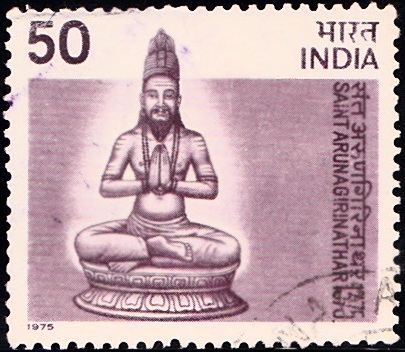
  • Single Letter Poem Kandhar Andhadhi Thithithathai Arunagirinathar

    Single Letter Poem Kandhar Andhadhi Thithithathai Arunagirinathar

    If one researches Tamil and Sanskrit,one would be amazed at the richness of the antiquity of these languages.

    I have been trying to trace their antiquity for the past nine years ,but in vain.

    For sure,

    Both are

    Quite ancient,

    Each quote the other,

    Tamil Brahmi is dated 500 BC ,based on Samanamalai, Adichanallur inscription.

    But my view is Tamil is at least over 11,000 Years old.

    This is based on the excavated site Poompuhar Port of Chera Kings.

    This town is now near Mayiladuthurai,Tamil Nadu.

    There is an advanced Tamil site near Chennai,a million year old.

    Among some unique features of Tamil language is that,

    Tamil’s standard metalinguisticterminology and scholarly vocabulary is itself Tamil, as opposed to the Sanskrit that is standard for most Aryan languages

    Will be writing more on these lines.

    Such an ancient language quotes Sanskrit and it refers to Tamil/Tamils.

    There are literary gems in all languages found in India.

    Most of the Indian languages date back to over five thousand years.

    There are unique literary compositions in all Indian languages.

    I have written on some masterpieces in Sanskrit, including the one which forms a circle.

    A sloka in praise of Krishna is a code for the value of Pi.

    There are compositions in some Indian languages which use consonants only for Ramayana.

    I am now quoting a Tamil gem.

    This was composed by Saint Arunagirinathar while he was engaged in a literary duel with Villiputooraar,a great scholar,who wrote Mahabharata in Tamil

    The following poem uses only one letter!

    The consonant ‘Tha’

    The poem belongs to Adhadi genre,where the last word or letter forms the first letter of the succeeding word.

    திதத்தத்தத் தித்தத் திதிதாதை தாததுத் தித்தத்திதா
    திதத்தத்தத் தித்த திதித்தித்த தேதுத்து தித்திதத்தா
    திதத்தத்தத் தித்தத்தை தாததி தேதுதை தாததத்து
    திதத்தத்தத் தித்தித்தி தீதீ திதிதுதி தீதொத்ததே”

    Kandhar Andhadhi,54 Poem.

    Text in English.

    Thithatthathath Thithath Thithithathai

    Thaathuthuth Thithithathai

    Thithatthathath Thithath Thithithathai
    Thethuth Thithi Thattha
    Thithatthathath Thithatathai Thaathathi

    Thethuthai Thaathathi
    Thithaththuthath Thithithi Theethithithuthi Theethothathe’

    Meaning.

    திதி – திருநடனத்தால் காக்கின்ற
    தாதை – பரமசிவனும்

    Thithi-Lord Shiva who dances eternally,The Father
    தாத – பிரமனும்

    Thaatha-Brahma
    துத்தி – படப்பொறியினையுடையதத்தி – பாம்பினுடைய

    Thuththi,- King Cobra,which has Mark in its hood
    தா – இடத்தையும்

    Thaa-resting place
    தித – நிலைபெற்று

    Thitha-The permanent,
    தத்து – ததும்புகின்ற,

    Thathu-Brimming,
    அத்தி – சமுத்திரத்தையும்

    Athi-Ocean
    பாயலாகக்கொண்டு
    ததி – தயிரானது

    Thathi-curd
    தித்தித்ததே – தித்திக்கின்றதென்று

    Thithithathe Sweet
    து – உண்ட கண்ணனும்

    Thu,- the one who partook
    துதித்து – துதி செய்து

    வணங்குகின்ற

    Thuthithu-praying
    இதத்து – பேரின்ப சொரூபியான

    Ithathu-One who is the embodiment of Bliss
    ஆதி – முதல்வனே!

    Aadhi-The One who is the first cause,
    தத்தத்து – தந்தத்தையுடைய

    Thathathu,- with Tusks
    அத்தி – அயிராவதம் என்னும்

    யானையால் வளர்க்கப்பட்ட

    Athi-Brought up by Airawatha,the elephant of Indra,
    தத்தை – கிளி போன்ற

    Thathai-like a parrot Deivayanai’s consort of Murugan, daughter of Indra,

    தெய்வயானைக்கு
    தாத – தொண்டனே!

    Thaatha-Servant,
    தீதே – தீமையே

    Theethe-inauspicious
    துதை – நெருங்கிய

    Thuthai-nearing
    தாது – சப்த தாதுக்களால்

    நிறைந்ததும்

    Thaathu- made of Elements
    அதத்து – மரணத்தோடும்

    Athathu- against death
    உதி – ஜனனத்தோடும்

    Udhi-Birth
    தத்தும் – பல தத்துக்களோடும்

    Thathum-with minerals
    அத்து – இசைவுற்றதுமான

    Athu-that does not move
    அத்தி – எலும்புகளை மூடிய

    Athu-that which covers Bones,
    தித்தி – பையாகிய இவ்வுடல்

    Thithi-this body,
    தீ – அக்கினியினால்

    Theee- (by ) Fire
    தீ – தகிக்கப்படுகின்ற

    Thee- That fire
    திதி – அந்நாளிலே

    Thithi- on the day
    துதி – உன்னைத் துதிக்கும்

    Thuthi-praying you
    தீ – புத்தி

    Thee- my discrimination
    தொத்தது – உனக்கே

    அடிமையாகவேண்டும்

    Thothathu- Should be your slave,your Devotee..

    When my body,which is an empty bag filled with air;bones of which are covered by minerals,

    Is being consigned to Flame,

    My Thoughts should be with you,Muruga,

    Whose,

    Father,who sustains the world by His dance(Siva)

    Brahma, the Manifestor,

    Vishnu,who lies in the ocean,with the Ananta,, The serpent,The sustainer,

    Uncle Krishna,who loves Butter,curds,

    Your wife Devayani, daughter of Indra and brought up by Airawatha,Indra’s 🐘

    All these worship you.

    May mind rest in Thee at the time of my death.

    Thanks to,

    திரு.வாஞ்சீஸ்வரன் கோபால் (ponniyinselvan@yahoogroups.com

    Image credit.
    http://www.istampgallery.com/saint-arunagirinathar/

  • Tamil As Personification of Subrahmanya, Murugan,Skanda

    Tamil As Personification of Subrahmanya, Murugan,Skanda

    I have written on Subrahmanya,called Murugan in Tamil.

    He, along with his father Shiva is credited with fiunding The Tamil Language.

    He is described as the Tamil God.

    The Tamil word for Subrahmanya is Murugan.

    Murugu in Tamil means ‘exceptionally beautiful’

    Sanskrit and Tamil literature descr Subrahmanya as personification of Beauty.

    Tamil is represented as the personification of Subrahmanya,Murugan,Skanda.

    Subrahmanya appears with two of His two consorts,Valli and Devasena,- 3

    Tamil has these broad divisions -3.

    Iyal,Prose,

    Isai,Music and

    Natakam,Drama.

    Each of these has a different Form and Grammar.

    Tamil letters are divided into three groups,Vallinam,Idayinam and Mellinam and these determine the pronunciation in Tamil. Three.

    க ச ட த ப ற -வல்லினம்.Hard sound

    ங ஞ ண ந ம ன-இடையினம்.Medium

    ய ர ல வ ழ ள-மெல்லினம்.Soft.

    Tamil has Uyir Ezhuthukkal,Base Alphabets-12.

    Subrahmanya has twelve hands((12).

    Tamil letters are divided into three groups,Vallinam,Idayinam and Mellinam and these determine the pronunciation in Tamil.

    These together is 18.

    Subrahmanya has Six faces and Twelve hands.

    Tamil base letters represent His hands (12)and the Tonal difference of Groups of Tamil letters is 18.

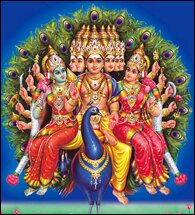
    His image with Valli and Devasena,with his mount Peacock,form the Tamil Pranava.

  • Satavahana Dynasty Gautamiputra Satakarni Satavahavana Dynasty 9600 BC

    Satavahana Dynasty Gautamiputra Satakarni Satavahavana Dynasty 9600 BC

    I have come across the curious reticence of Historians when they write on Indian history.

    They are prepared to take as authentic texts/books by Authors from the West,from Plato, Thucydides,Xenophon,Ptolomey, Strabo,Megasthanes,Huan -tsuang,The Bible,Iliad,Odessey,Koran ,they brush aside Indian texts as myths,legends and the works of ancient Indian writers as figment of overworked imagination!

    But facts of Indian history are being confirmed by Archeology, Etymology, Cultural cross references,asro dating,Archeoastronomy,Carbon dating,Sea floor movements,Glacial movements,Strata verification , Plate Tectonics ,Cave paintings,and Epigraphs.

    Western history,as revealed by these tools,are quite nascent when compared to the Timeline of India.

    The earlier western texts can not quote the much more ancient Indian texts because they had no access or even if they had,their knowledge was limited because of their poor understanding of Sanskrit ,Brahmi of various hues and the Ethos of Indian culture.

    And nearly all of them miss out sources other than those in Sanskrit.

    There was and is Tamil,Kannada,Telugu, Bengali.

    These languages are also ancient and they have vast literature.

    References found in these sync with what is found in Sanskrit.

    Sanskrit and these languages quote each other on historical events.

    Thus we find that,

    Kannada and Tamil kings took part in the Mahabharata war,

    Bengal was over twenty-five Thousand years old,

    Varanasi is the oldest continuously inhabited city of the world,

    ……..

    So ,when foreign authors write on Indian history,they record what they have seen and not on what happened earlier in India.

    Yet some of them like Strabo,Megasthanes,Huan-tsusang,Fa-hien refer to the antiquity of India.

    Strabo and Megasthanes refer to Tamil and Lanka in detail.

    The assignment of dates in Indian history now is based nearly wholly on these western sources,and not much on Indian sources.

    If one were to devote time to study Indian texts and cross reference them among Sanskrit,Pali,Tamil,Kannada texts and further check with Epigraphs found in Indian temples,real Indian history would emerge.

    It stands to reason to trust these multiple sources as they were independent of each other , region wise language wise and the kings of these countries were at war with others at many a times.

    The problem arises when the current date assigned to an event in Indian history is way Off the mark by as much as 10,000 years!

    Yet, the evidence is compelling.

    One such is the the dating of Tamil Chera kings and the Satavahavana dynasties.

    Satavahavana dynasty ruled initially from Prathistana,Amravathi and their kingdom encompassed Central India,Andhra, Maharashtra, Karnataka.

    They succeeded the Kanva dynasty.

    The first king is Simuka.

    One of the greatest kings was Gautamiputra Satakarni.

    He assisted the Chera King Cheran Senguttuvan.

    As Senguttuvan is dated around 9600 BC,Gautamiputra Satakarni and the Satavahavana dynasty may be dated from the present First Century BC to 9600-9500 BC.

    Gautamiputra Satakarni coin.image.
    Gautamiputra Satakarni coin, Satavahavana.

    This declaration by this king happened in the first century CE. This is known from the fact that this king was a friend of Gautamiputra Satakarniwhose time period has been documented. The name Satakarni is “Nootruvar kannar” in Tamil. He provided boats to enable Cheran’s army to cross the Ganges. From there onwards, till their destination in the Himalayas, they had met with some resistance. Silappadhikaram makes a mention that this Cheran king won over the “ill-mouthed Yavanas” before reaching the Himalayas (from where he procured the stone for making the image of Kannagi)..

    A cross reference comes from the Nashik inscription on the mother of Gautamiputra Satakarni that her son (Satakarni) subdued Yavanas too besides Shakas and Pahlavas. There is no other reference to when and how he made this happen. But just 2 lines from Silappadhikaram on the Cheran king’s victory over Yavanas give a complete picture of what happened.
    In Mahabharata, the Yavanas, Shakas and Pahlavas are grouped together as having kinship among themselves. Their location was in North West India at the base of Himalayas which is in today’s Pakistan or Afghanistan. It is obvious that the stone for making the deity was collected from that part of the Himalayas for which the Cheran army and Satakarni army had gone together. They had faced resistance from the Yavanas and others but successfully overpowered them.
    The exact cause for the war with them can be guessed from the Tamil text. It refers to the Yavanas as “ill-mouthed” (van sol). The Yavanas must have hurled abuses at the Cheran king and Satakani which was promptly paid back by them.
    This victory has found a mention in the Nashik inscription while it finds a fleeting mention in Silappadhikaram. The absence of reference to Pahlavas and Shakas is due to the fact all Mlecchas were referred to as Yavanas in Tamil texts.

    Source.

    Jayasreesaranathan

    The Satavahana power was revived by Gautamiputra Satakarni, who is considered the greatest of the Satavahana rulers.Charles Higham dates his reign  103 – c. 127 CE. S. Nagaraju dates it 106–130 CE. The king defeated by him appears to have been the Western Kshatrapa ruler Nahapana, as suggested by Nahapana’s coins overstuck with names and titles of Gautamiputra. The Nashik prashasti inscription of Gautamiputra’s mother Gautami Balashri, dated to the 20th year after his death, records his achievements. The most liberal interpretation of the inscription suggests that his kingdom extended from the present-day Rajasthan in the north to Krishna river in the south, and from Saurashtra in the west to Kalinga in the east. He assumed the titles Raja-Raja (King of Kings) and Maharaja (Great King), and was described as the Lord of Vindhya.

    During the last years of his reign, his administration was apparently handled by his mother, which could have been a result of an illness or military preoccupation.According to the Nasik inscription made by his mother Gautami Balashri, he was the one …

    … who crushed down the pride and conceit of the Kshatriya; who destroyed the Sakas (Western Satraps), Yavanas (Indo-Greeks) and Pahlavas (Indo-Parthians),… who rooted out the Khakharata family (the Kshaharata family of Nahapana); who restored the glory of the Satavahana race.

     Inscription of Queen Mother Gautami Balashri at Cave No.3 of the Pandavleni Caves in Nashik.

    Source.

    https://en.m.wikipedia.org/wiki/Satavahana_dynasty

  • Second Great Tamil Tsunami 13000 BC Chera Dynasty Silappadikaaram 9600 BC?

    Second Great Tamil Tsunami 13000 BC Chera Dynasty Silappadikaaram 9600 BC?

    I had written on Human migration stating that History of India stretches back to 1.5Million years in the light of archeological finds .

    The site at Attirampakkam,Chennai,Tamil Nadu us dated at 1.5 million years.

    Bhimbedka in North India,Edakkal cave paintings are dated 75000 years and about 100,000 years respectively.

    Then Thiruvannamalai,India is dated around 3.94 Bikkion years.

    Jwalapuram,near Cuddapah in Andhra,India is dated around 74,000 years.

    There are many more ancient sites than Ramayana and Mahabharata.

    (I have written on these sites.)

    Acheulian stone tools which is about 1.51 million years old, have been discovered in Chennai near Attirampakkam. These stones were found by researchers from the Chennai-based Sharma Centre for Heritage Education.

    The discovery indicates that early humans (hominins), used these tools. The tools are much older than those found in Europe. These tools are also found in several countries in South Asia, including India, Nepal, and Pakistan.

    More than hundreds of different tools have been discovered from the Attirampakkam site. The most common ones are hand-axes, cleavers and small flakes. The stone axes are elongated teardrop or ovate-shaped with bifacial symmetry.

    Unlike the hand-axes, the cleavers have broad cutting edges.

    https://www.newsreporter.in/million-years-old-acheulian-tools-were-found-in-chennai

    The fact that Lemuria existed and migration took place from the south of present India gets strengthened.

    • . 60,000 BCE – 32,768 BCE
      Human habitation of India.
    • 5,500 BCE
      Cotton cultivation begins in India.
    • c. 5,000 BCE – c. 1,500 BCE
      The Indus Valley (or Harappan) Civilization.
    • c. 5,000 BCE
      Evidence of religious practices in the Indus Valley.

    https://ramanisblog.in/2018/04/05/india-1-5-million-years-old-first-human-migration-from-southern-coast-india/

    Poompuhar,the famous port of Chola kings has been found and it is dated around 11,500 ago.

    Taking into consideration the advanced construction of the remains found in Poompuhar and the richness of the Tamil language as revealed and found in Silappadikaaram,one of the Five Epics of Tamil indicate that the Tamil language should have been in existence at least five thousand years earlier.

    This is a conservative estimate.

    References to Tamil,Tamil kings are found in Sanskrit texts including Ramayana and Mahabharata.

    Poompuhar evidence.

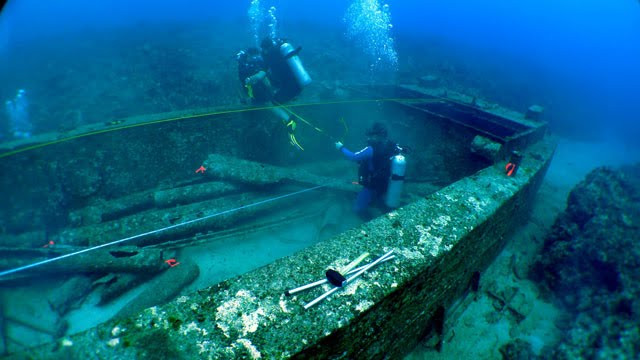
    Most notably these other discoveries include a second completely separate group of structures fully three miles from the Poompuhar shore in water that is more than 70 feet (23 metres) deep. The lack of interest is surprising because to anyone with even minimal knowledge of post-glacial sea-level rise their depth of submergence is – or should be – highly anomalous. Indeed according to Glenn Milne’s sea-level data the land on which these structures were built last stood above water at the end of the Ice Age more than 11,000 years ago.

    Is it a coincidence that there are ancient Tamil flood myths that speak of a great kingdom that once existed in this area called Kumari Kandam that was swallowed up by the sea? Amazingly the myths put a date of 11,600 years ago on these events — the same timeframe given by Plato for the end of Atlantis in another ocean.

    https://ramanisblog.in/2015/03/02/poompuhar-find-sets-tamilhinduism-by-atleast-20000-years/

    Ilango Adigal who wrote Silappadikaram was the younger brother of the Chera king Cheran Senguttuvan.

    The happenings in Silappadikaaram took place during the lifetime of these two.

    Therefore,both Ilango Adigal,Cheran Senguttavan may be anti- dated from the present Third century BC, to 11600 CE.

    And the Tsunami of Sangam priod,the Second one,which Silappadikaaram mentions must be earlier to 15,000 years ago.

    Will be writing on the First Tsunami and the second in detail.

    And the Chera dynasty to around 11,600 years ago.

    I had written earlier with the available evidence then about the Kings List of Tamil Nadu.

    This now stands revised.

    Chera Kings List.

    Udiyancheralatan
    Antuvancheral
    Imayavaramban Nedun-Cheralatan (56–115 AD)
    Cheran Chenkutuvan (from 115)
    Palyanai Sel-Kelu Kuttuvan (115–130)
    Poraiyan Kadungo (from 115)
    Kalankai-Kanni Narmudi Cheral (115–140)
    Vel-Kelu Kuttuvan (130–185)
    Selvak-Kadungo (131–155)
    Adukotpattu Cheralatan (140–178)
    Kuttuvan Irumporai (178–185)
    Tagadur Erinda Perumcheral (185–201)
    Yanaikat-sey Mantaran Cheral (201–241)
    Ilamcheral Irumporai (241–257)
    Perumkadungo (257–287)
    Ilamkadungo (287–317)

    Kanaikkal Irumborai(367-397).

    That there were two Tsunamis mentioned in Tamil literature.The first Tsunami devoured the Thenmadurai ,in Lemuria.

    The second one consumed Kapadapuram.

    This is mentioned in Silappadikaaram thus.

    வடிவே லெறிந்த வான்பகை பொறாது

    பஃறுளி யாற்றுடன் பன்மலை யடுக்கத்துக்

    குமரிக் கோடுங் கொடுங்கடல் கொள்ள

    – நாடு காண் காதை.

    The Tsunam devoured The river Pahruli and Kanyakumari,which was near the montain range.

    Ilango Adigal’s Grandfather was Udiyan Cheralaathan and he was the first known king of Chera dynasty.(with available evidence now)

    So we can date Silappadikaram,Ilango Adigal around to 9600 BC and Tsunami around 13,000 BC.

  • Yagnya Vedic Symbols In Tamil Coins 11000 Years Palyagasalai Mudukutumi Peruvazhuthi

    Yagnya Vedic Symbols In Tamil Coins 11000 Years Palyagasalai Mudukutumi Peruvazhuthi

    Thanks to internet,one is able to collate information from various sources, especially from foreign authors,ehile researching the History of India.

    Hitherto,Indian history has been dated to 5114,this date being assigned to the Rig Veda.

    Researches and archeological studies have enabled one to push this date and othet dates pertaining to India.

    Arikkamedu,Adhichanallur,Mangulam, Poompuhar,Thirukkoilur and a host of other sites including the one near Chennai,which is dated about a Million years ago,prove the antiquity of Tamils and Hinduism.

    As these facts emerge,what has hitherto been assumed to be legends and stories are now being accepted as historical facts.

    For instance,Silappadikaaram,one of the Five Epics in Tamil,an ancient language of India,was dated around 300 BC.

    But recent excavation of Poompuhar off the coast of Tamil Nadu has been dated now around 11,500 years ago.

    The reference to Tamil kings found in Silappadikaaram has to be,therfore needs revision.

    The Pandya kings’dates need revision.

    1. The Sanskrit texts and Sangam literature mention that the Chera king Udiyan Chearalaathan fed both Pandava and Kaurava armies during the Mahabharata battle.
    2. Sarangadwaja,also called Makarathwaja,A Pandyan king,fathet of Madurai Meenakshi fought on the side of Pandavas in Mahabharata.
    3. And another Chera kind Palyagasalai Mudukudumi Perivazhuthi’s date need revision.
    4. His grandfather,Nedunchezhiyan is the Pandya king mentioned in Silappadikaaram.

    If the city where the action in Silappadikaaram took place,as found in Poompuhar,is now dated around 11,000 years,how can one assign 300 BC to the Grandson of the king in Silappadikaaram,as 300BC?

    And Silappadikaaram st 600 BC?

    His date ,now assigned at 300 BC may be assigned around 11,000 years ago.

    And Sangam literature dates may also be pushed back to the same period.

    And,in the process,the lie that Tamils were against Sanatana Dharma is nailed for Peruvazhuthi issued coins with Vedic Symbols.

    The name Palyagasalai Mudukudumi Peruvazhuthi means the ‘King who performed Many Yagnyas and had sported a Tuft:

    Another series of coins, all made of copper and found near Madurai, have the fish symbol on the reverse and among other symbols on the obverse, have the legend Peruvaluthi written in the Tamil-Brahmi script. They have been assigned a date of around 200 BCE and are considered to have been issued by the Pandyan king Peruvaluthi. These coins are represent some of the few instances where the names of Sangam kings appear in non-literary sources.

    Sangam literature mentions the importance attached to Vedic sacrifices by Tamil kings including the Pandyan Mudukudumi Peruvaludhi.

    This fact is also corroborated by the discovery of several Pandyan coins that are referred to as the Vedic sacrifice series. These coins have symbols on their obverse that depict the sacrifices, such as a horse tied to the yuba-stambha, a yagna kunta and a nandhipada’

    Source.

    https://en.m.wikipedia.org/wiki/Sources_of_ancient_Tamil_history