Category: Tamils

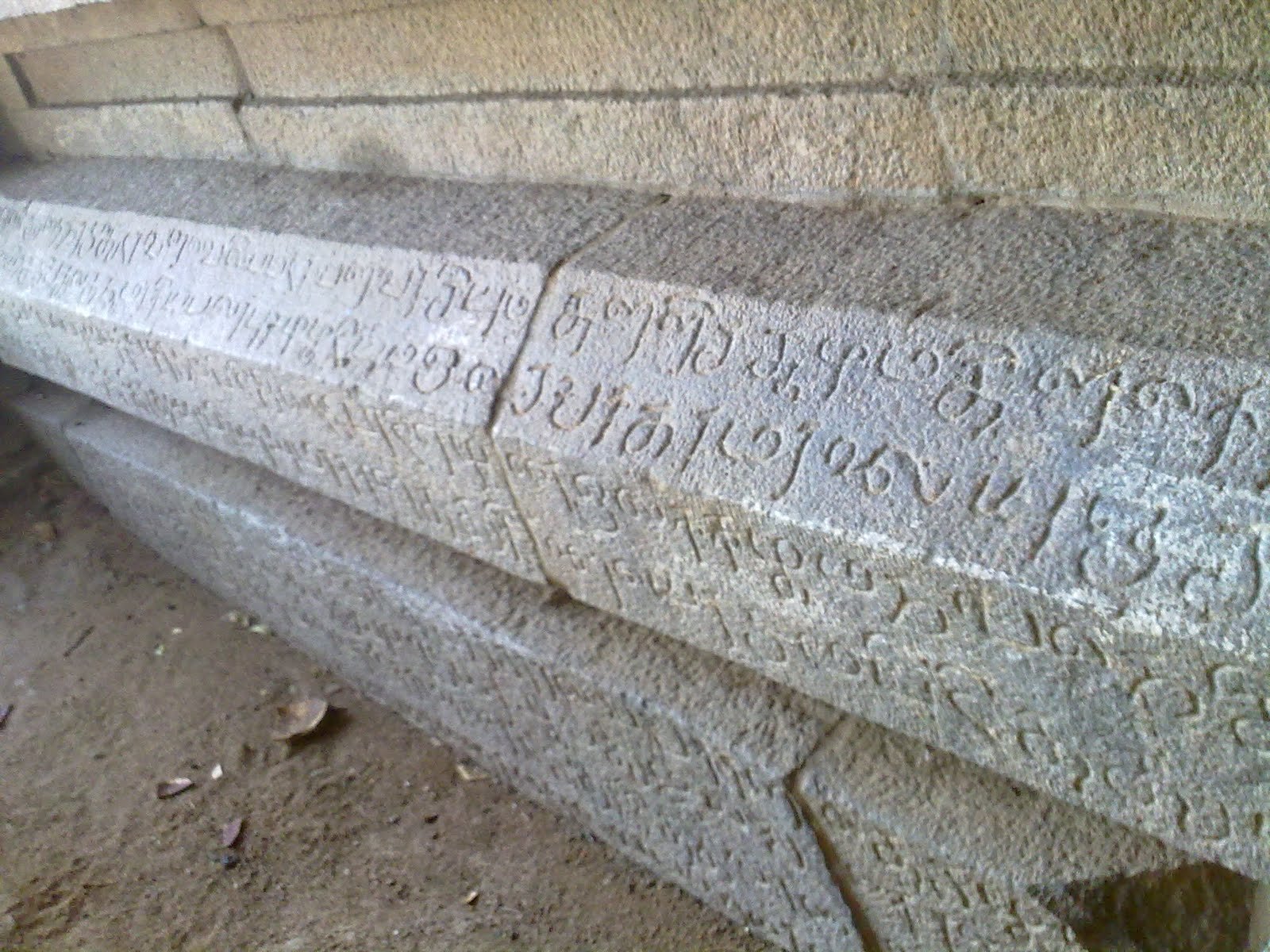
  • Chola Tamil Kings Enforced Laws of Manu Thiruvaarur Thyagaraja Temple Epigraph.

    Chola Tamil Kings Enforced Laws of Manu Thiruvaarur Thyagaraja Temple Epigraph.

    Indian history as described in Sanskrit texts and Tamil texts of yore  are in line with  the Dynasties of Kings, especially of the Tamil Kings.

    It is a pity that Tamil is being portrayed as anti Vedic and Sanatana Dharma.

    The Laws of Manu are being quoted as an evidence of Aryan, North Indian domination of Dravidas and Tamils.

    Facts speak otherwise.

    Here we shall see how the Tamil kings enforced and followed the Laws of Manu.

    As an aside,I have written on Manu being a Dravida king and Lord Rama belonged to Chola Dynasty because Manu was a Chola king.

    Manu’s son Ikshvaku founded the Surya vamsa,the Solar dynasty.

    In this sense Lord Rama belonged to Chola Dynasty and not the other way around.

    The Tamil kings followed The Laws of Manu.

    One Chera king,Cheras being one of the three dynasties that ruled the south,Perunchotru Udiyan Cheralaathan,provided food for both the Kaurava and Pandava Armies during the Mahabharata War.

    He also allotted lands, villages to Brahmins and Sangam literature records this and the fact that he would see if the Smoke of Yagnya fire rises in the morning from these villages allotted to Brahmins.

    Another King,Malayadhdwaja ,a Pandyan King,the third dynasty of the south,took part in the Mahabharata War on the side of the Pandavas and gave a stiff fight to Aswathama.

    Tamil and Sanskrit literature record many more instances.

    The earliest temple inscription indicating that the Laws of Manu were followed is found in the Thiruvaarur Thyagaraja temple.

    It is found in the North wall of the second Prakaara.

    The epigraph is about Vikrama Chola.

    It may be noted that the Chola Kings used the epithet,’one who followed the Laws of Manu’.

    This title is called Meykkeerthi,meaning the Adjective to be used while using the King’s Name,a Honorary title.

    Information on the Tamil kings having followed the Laws of Manu are confirmed by the epigraphs of Sundara Pandya and the epigraphs at Puthur and Mappedu in Chengalpet District,Tamil Nadu.

    This information is also found in many chola temples.

    திருவாரூர் தியாகராயர் கோவிலின் இரண்டாம் பிரகாரத்தில் வடக்குச் சுவரில் உள்ள விக்கிரமச் சோழன் கல்வெட்டில் (தெ.இ.க. 5; 456) மனுநீதிச் சோழன் பற்றிய குறிப்புக்கள் இடம் பெற்றுள்ளன. இக் கல்வெட்டில் மனுநீதிச் சோழனின் அமைச்சனது பெயர், இங்கணாட்டு பாலையூருடையான் உபயகுலாமவன் என்று குறிப்பிடப்பட்டுள்ளது. இதன் வாயிலாக மனுநீதிச் சோழனின்அமைச்சனுக்கு ஒரு தெளிவான அடையாளம் வழங்கப்பட்டுள்ளது. சேக்கிழார் காலத்துக்குப் பிந்தைய கல்வெட்டு இது.
    சோழர் ஆட்சிக்காலத்தி;ல் அரசநீதியாக மனுநீதி விளங்கியது. இதை சோழர்கால மெய்கீர்த்திகள் வாயிலாக அறியலாம். ‘மனுவாறு விளங்க’, ‘மனுநெறி’, ‘மனுவொழுக்கம்’ என்ற சொல்லாட்சி சோழர்கால மெய்கீர்த்திகளில் பரவலாக இடம்பெற்றுள்ளது.
    மூன்றாம் குலோத்துங்கச் சோழனின் பதினொன்றாம் ஆட்சியாண்டுக் கல்வெட்டில் (தெ.இ.க III பகுதி 1, 2; 86, 87) மெய்கீர்த்தியாக மனு நீதி முறை வளர மனு நீதி தழைத்தோங்க என்ற தொடர்கள் இடம்பெற்றுள்ளன.
    செஙகல்பட்டு மாவட்டம் மப்பேடு கிராமத்து சிவன் கோவிலிலும், தஞ்சை மாவட்ட கடம்பவனேசுவரர் கோவிலிலும் மனுநீதிச் சோழன் தொடர்பான சிற்பங்கள் உள்ளன (தகவல்: முனைவர் வெ. வேதாச்சலம், கல்வெட்டாய்வாளர்).
    பெரிய புராணத்தை அதன் மூலத்திலிருந்து விலகாது உரைநடையில் எழுதிய தி. பட்டுசாமி ஓதுவார் (2005; XIII) மனுநீதிச் சோழன் என்ற தலைப்பில் “இவன், ஏழரான் (ஏழ் 10 ஆரன்ளூ ஏழு மாலைகளை அணிந்தவன் அல்லது ஏழு அரசரை வென்று சூடிய ஏழு மாலைகளையுடையவன்) என்னும் பெயர் உடையவன் கி.மு. 2 ஆம் நூற்றாண்டின் இடைப்பகுதியில் இலங்கை மீது படையெடுத்து அசேலன் என்பவனை வெற்றி பெற்றவன்.” என்ற குறிப்பை எழுதியுள்ளார்.

    Source.

    https://mukkulamannargal.weebly.com/16-297030153006299629923021-299729922994300629933009–299030092993302129653006299429903021-2951297530162965302129653006299429903021-298630072993302.html

  • Essence Of Devotion Bhakti Twelve Azhwars of Tamil Overview

    Essence Of Devotion Bhakti Twelve Azhwars of Tamil Overview

    I have been blessed with friendships with some great personalities in the field Arts, Literature and Philosophy.

    In the field of Arts I had the fortune of gaining the friendships of Poet Laureate,Kavignar Kannadasan ,who was a great Film Lyricist and a Classical Tamil poet.

    And Ranganathan,called Vaali,Film Lyricist and a Tamil poet of great learning.

    If Kannadasan’s lyrics ,poems drew from life,experience ,touched one’s heart,Vaali,touched you with imagery and the handling of Tamil language.

    Once I asked Vaali as to how he could write such exquisite Lyrics,using slightly modified Classical Tamil and why he professes the Name of Subrahmanya,Murugan at all times,sports Kumkum on the forehead,despite him being Vaishnava.

    To the second question he replied that Tamil was his passion and Murugan being identified with Tamil, he was fond of Murugan.

    He also added that his song on Murugan’Karpanai Enraalum Karchilai enraalum Kandahar Unai Maraven,made him popular.

    (Be it be said you are a figment of imagination,or be a Stone, Never will I forget you).

    As to his mastery over Tamil he said that if one were to read the poems of Azhwars,Naalayira Divya Prabhandham,it is more than enough,though reading all Azhwars may take A Lifetime.

    True.

    If one were to look for Absolute Surrender to God,get immersed in Bhakti and could express the exquisite experience, it was Azhwars.

    Nayanmars,the Devotees of Shiva also belong to this class.

    What is this experience like?

    Abhirami Bhattar ,in His Abhirami Andhadhi Describes thus,

    விரும்பித் தொழும் அடியார்விழி நீர்மல்கி,

    மெய்புளகம் அரும்பித் ததும்பிய ஆனந்தமாகி, அறிவிழந்து,

    கரும்பிற் களித்து, மொழிதடு மாறி முன் சொன்ன எல்லாம்

    தரும் பித்தர் ஆவரென்றால் அபிராமி சமயம் நன்றே.-94
    Read More at: bhakthiplanet.com/2012/06/abirami-andhadhi-lyrics/ © BHAKTHIPLANET.COM

    Goosebumps all over,Flowing Tears from the eyes,

    Overflowing Bliss makes one lose one’s mind,

    Failed words, all these make one lose balance,

    If these be the Divinity of Abhirami Experience,may it be the Best’

    Azhwars have also explained on similar forceful lines of Divine Experience.

    Will be writing on them individually.

    Azhwars represent total surrender,Saranagathi,echoing the Karna Mantra in The Bhagavad-Gita,

    Sarvakarmmaan parithyasja,maameva Charanam vraja,

    Aham thva sarvapaapebyo Mokkshamichaami ,Ma Sucha.

    Azhwar surrenders thus,

    ஊரிலேன் காணியில்லை உறவு மற்றொருவர் இல்லை

    பாரில் நின் பாதமூலம் பற்றிலேன் பரம மூர்த்தி

    காரொளி வண்ணனே என் கண்ணனே கதறுகின்றேன்

    ஆருளர்க் களைகண் அம்மா அரங்க மாநகருளானே.

    No place to Dwell,No Property to Own,

    Nor do I have anyone,

    Neither have I clung to Your Feet,

    Krishna,hear my cries of Anguish,

    Relieve me ,The One,who is at Srirangam.

    And one Azhwar Even Blesses God Vishnu!

    பல்லாண்டு பல்லாண்டு பல்லாயிரத்தாண்டு

    பலகோடி நூறாயிரம்

    மல்லாண்ட திண்தோள் மணிவண்ணா! உன்

    சேவடி செவ்வித்திருக்காப்பு

    May You Live for Over Thousands of Years,

    Over many more,

    One who with strong shoulders hardened over many a battle,

    May I proceed by Praying your Feet

    This item by Periyazhwar,father of Andal,who is also an Azhwar.

    Lord Ranganatha married Andal,the adopted daughter of Periyazhwar.

    So Vishnu is Azhwars Son in law.

    It is traditional in Hinduism forefather in law to Bless thereon in law.

    And Azhwar does that.

    When?

    As was and is the custom in Hinduism,the Bride and the Bridegroom, went around the town after marriage.

    Now it has become the case of Reception before marriage!

    The Bride was Andal and the Bridegroom,Lord Vishnu.

    Place, Madurai.

    So handsome were the couple that Father-in-law,Periyazhwar felt Evil Eye might be cast on Vishnu.

    Hence this poem to Bless Vishnu?

    Which Religion can relate to God at this Personal level?

    Or that of a lover,Andal addressing Vishnu thus,

    ‘This Poem is recited twice when reciting Thiruppavai (Vagak kadla Kadaintha is also recited twice?

    The meaning of the words/sentence in Italics convey more than what has been translated.

    I am sure my readers can understand.

    Tell me, which religion, or Devotee has the courage and conviction to address as Such?

    By the way this is yet another Proof that Lord Krishna married the Pandyan Princess Nappinnai.’

    There are twelve Azhwars.

    The Term Azhwar means’ One who is immersed in’

    The word azhwar has traditionally been etymologized as from Tamil. ‘Azh’ (ஆழ்), ‘to immerse oneself’ as ‘one who dives deep into the ocean of the countless attributes of god’ .However recently Indologist S.Palaniappan has shown that what was originally Āļvār (ஆள்வார்) meaning ‘One who rules’, or ‘(Spiritual) Master’ got changed through hypercorrection and folk etymology to Āzhvār (ஆழ்வார்) meaning ‘One who is immersed’.

    There is another interpretation.

    The term Azhwar can be written and spelled as ஆள்வார்.

    This is is written as Alwar in English.

    One who rules’ is the meaning.

    This could be because the Alwars ruled Tamil Language or to mean ‘those who are immersed in Vishnu would Rule over Mokkshamichaami or Destiny.

    Itlaics is my interpretation.

    Palaniappan cites inscriptional evidence and even literary evidence from Vaisnhavaite tradition itself for a gradual sound change from āļvār to āzhvār over a period of two centuries from the 9th to the 11th century involving references to religious leaders in Vaishnavism, Shaivism and even Jainism and to political personalities. He states: “āzhvār is but a corrupt form of āļvār which has been used interchangeably with nāyanār in secular and religious contexts in the Tamil land” and “… Notwithstanding the Vaishnava claim of unbroken teacher-student tradition, the fact that Nathamuni has used the form āļvār but Piļļān [A disciple and younger cousin of Rāmānuja] ended up using the form āzhvār suggests that there has been an error in transmission somewhere along the teacher-student chain between the two teachers. This error was obviously due to the influence of the sound variation that has occurred in the Srirangam area and elsewhere”.

    The original word ஆள்வார் compares with the epithet ‘Āṇḍãḷ’ ((ஆண்டாள்) for the female canonized Vaishnava saint Gōdai ((கோதை) and they share the same verb Tamil. āḷ ((ஆள்), the former being the honorific non-past (or present-future) form and the latter the feminine past form of that same verb.’

    Dates of Alwars are,as usual in Indian History,are disputed,ranging from 4000 CE to 8 Century AD.

    The twelve Azhwars List.

    These Alwars were born in various parts of our country but they were all united in a common subject, ie dedicating their lives and praising the Lord.

    Poigai Alwar, Bhoodath Alwar and Pei Alwar are collectively called as “Mudhal Alwars” were found in the same period of time.

    Thirumazhisai Alwar, who thought the Perumal as his friend and has sung Mangalasasanam on Perumal.

    Thirumangai Alwar, who was a great king in his starting of life but later, changed his life to work for the Perumal and for his bhaktaas.

    Thondaradippodi Alwar, who is also named as “Vipra Narayanar” led his life as the slave to the Perumal and worked for the Perumal by dedicating him with Garlands.

    Thiruppaan Alwar, who belonged to the Paanar family, praised the Perumal through his beautiful songs and Paasurams.

    Periyalwar, is considered as the Mother, Father for Sri Andal and Father-in-Law to Perumal has sung Mangalasasanam on Perumal.

    Sri Andal, who is also called as “Soodikkodutha Sudar Kodi” is said to be the daughter (brought up) of Periyalwar has created “Thiruppavai” in which she considers Sriman Naryanan as her husband. She is the only lady alwar.

    Nammalwar, who sat below the Tamarind tree without having any food and sleep got Gnana and has sung Mangalasasanam on Perumal and he has worked hard to spread Sri Vaishnavam.

    Madhurakavi Alwar, who is said to be the Sishyan (Student) of Nammalwar is also one among 12 Alwars.

    Kulasekara Alwar, have a great bhakti towards Sri Ramar have also done Mangalasasanam on the Perumal particularly in Malayala Naatu thriuppathigal.

    Will be writing more on Azhwars ,their dates,works.

    Reference and citation.

    http://www.divyadesam.com/alwars.shtml

    https://en.m.wikipedia.org/wiki/Alvars

  • கடவுள் பெயரை மறைத்து வெளியிட்ட தமிழ்த் தாய் வாழ்த்து நீராரும் கடலுடுத்த

    கடவுள் பெயரை மறைத்து வெளியிட்ட தமிழ்த் தாய் வாழ்த்து நீராரும் கடலுடுத்த

    தமிழ்த்தாயின் வாழ்த்து என்ற பெயரில், பாடலின் அனைத்து வரிகளையும் வெளியிடாமல், கடவுளைப் பற்றி புகழ்ந்து உள்ள வரிகளை நீக்கி விட்டு, தமிழ்த் தாய் வாழ்த்து என்ற பெயரில், வெளியிட்ட வர்கள், தமிழ் க் காவலர்!

    தமிழை மற்றும் சுந்தரம் பிள்ளையையும் ஏமாற்றுவது அல்லவா!

    நான் தமிழை மறைத்த கூட்டம் என ஆங்கிலத்தில் எழுதி ய பதிவு இதோ.

    Group in Tamil Nadu has been systematically suppressing a portion of History of the Tamizh which speak about the Vedas and The Purans.


    This group,boot-lickers of the British Raj,fueled by the false and dis-proven Theory of Aryan Invasion , mainly promoted by the Justice party,


    purported to look after the welfare of the Tamils(interestingly


    the Leaders of the Party were not Tamils, but Telugu Theagaraya Chettiar and a Malayali!)


    suppressed the truth.


    The self-styled rationalist Periyar, EVR, Leader of the Tamils(again self-proclaimed)Karunanidhi and his minions were abetting this fraud.


    Their intention was to hide the fact that the Tamils had strong roots with The Sanatana Dharma.


    What they forgot(Really?)  is that in the process the Richness and the cultural Heritage, even the Date of the Tamil Sangam Literature was made to look recent!


    Let me quote.

    It is a fact that archaeology in the South has so far unearthed little that can compare to findings in the North in terms of ancientness, massiveness or sophistication�: the emergence of urban civilization in Tamil Nadu is now fixed at the second or third century BC, about two and a half millennia after the appearance of Indus cities. Moreover, we do not have any fully or largely excavated city or even medium-sized town�: Madurai, the ancient capital of the Pandya kingdom, has hardly been explored at all�; Uraiyur, that of the early Cholas, saw a dozen trenches�;[5] Kanchipuram, the Pallavas� capital, had seventeen, and Karur, that of the Cheras, hardly more�; Kaveripattinam,[6] part of the famous ancient city of Puhar (the first setting of the Shilappadikaram epic), saw more widespread excavations, yet limited with regard to the potential the site offers. The same may be said of Arikamedu (just south of Pondicherry), despite excavations by Jouveau-Dubreuil, Wheeler, and several other teams right up to the 1990s.[7]

    https://ramanisblog.in/2014/05/29/tamil-group-hid-tamil-history-veda-references/

    முழுமையான தமிழ்த் தாய் வாழ்த்து.

    நீ ராரும் கடலுடுத்த நிலமடந்தைக் கெழிலொழுகும்
    சீராரும் வதனமெனத் திகழ்பரதக் கண்டமிதில்
    தெக்கணமும் அதிற்சிறந்த திராவிடநல் திருநாடும்
    தக்கசிறு பிறைநுதலும் தரித்தநறும் திலகமுமே!
    அத்திலக வாசனைபோல் அனைத்துலகும் இன்பமுற
    எத்திசையும் புகழ்மணக்க இருந்தபெரும் தமிழணங்கே!

    *பல்லுயிரும் பலவுலகும் படைத்தளித்துத் துடைக்கினுமோர்
    எல்லையறு பரம்பொருள்முன் இருந்தபடி இருப்பதுபோல்
    கன்னடமுங் களிதெலுங்கும் கவின்மலையாளமும் துளுவும்
    உன்னுதரத் தேயுதித்தே ஒன்றுபல வாகிடினும்
    ஆரியம்போல் உலகவழக்கழிந்தொழிந்து சிதையாவுன்
    சீரிளமைத் திறம்வியந்து செயன்மறந்து வாழ்த்துதுமே!”
    – மனோன்மணியம் சுந்தரனார்

    *இப்பகுதி அரசின் தமிழ்த் தாய் வாழ்த்தி ல் இடம் பெறவில்லை.


    திருத்தப்பட்ட தமிழக அரசு அறிவித்த தமிழ்த் தாய் வாழ்த்து இதோ.

    நீராருங் கடலுடுத்த நிலமடந்தைக் கெழிலொழுகும்

    சீராரும் வதனமெனத் திகழ் பரதக் கண்டமிதில்
    தெக்கணமும் அதிற்சிறந்த திராவிடநல் திருநாடும்
    தக்கசிறு பிறைநுதலும் தரித்தநறுந் திலகமுமே
    அத்திலக வாசனைபோல் அனைத்துலகும் இன்பமுற
    எத்திசையும் புகழ்மணக்க இருந்தபெருந் தமிழணங்கே!
    தமிழணங்கே!

    உன் சீரிளமைத் திறம்வியந்து
    செயல்மறந்து வாழ்த்துதுமே!
    வாழ்த்துதுமே!!
    வாழ்த்துதுமே!!!”

    மனோன்மணீயத்தில் இடம்பெற்ற தமிழ்த் தாய் வணக்கப் பாடலான நீராருங் கடலுடுத்த நிலமடந்தைக் கெழிலொழுகும்என்ற பாடல் தமிழ் நாடு அரசினரால் தமிழ்த்தாய் வாழ்த்துப்பாடலாக ஜூன் 1970 இல் அறிவிக்கப்பட்டது.

    Source.

    https://ta.m.wikipedia.org/wiki/%E0%AE%AA%E0%AF%86._%E0%AE%9A%E0%AF%81%E0%AE%A8%E0%AF%8D%E0%AE%A4%E0%AE%B0%E0%AE%AE%E0%AF%8D_%E0%AE%AA%E0%AE%BF%E0%AE%B3%E0%AF%8D%E0%AE%B3%E0%AF%88#%E0%AE%A4%E0%AE%AE%E0%AE%BF%E0%AE%B4%E0%AF%8D%E0%AE%A4%E0%AF%8D%E0%AE%A4%E0%AE%BE%E0%AE%AF%E0%AF%8D_%E0%AE%B5%E0%AE%BE%E0%AE%B4%E0%AF%8D%E0%AE%A4%E0%AF%8D%E0%AE%A4%E0%AF%81%E0%AE%AA%E0%AF%8D_%E0%AE%AA%E0%AE%BE%E0%AE%9F%E0%AE%B2%E0%AF%8D

  • Pallava Dynasty Descended From Aswathama?

    The origin of the Tamil dynasties is quiet old and Tamil /Tamils are referred to in the Ramayana, Mahabharatha, Vishnu Purana, Sanskrit literature, for example in Kalidasa’s Raghuvamsa.

    The Pandyas trace their ancestry to Lord Shiva whom they considered to be their Family Elder.

    Cholas trace themselves to Suryavamsa, Solar Dynasty to which Rama belonged and some records indicate they trace themselves to Sage Kasyapa.

    Chera dynasty seems to lie with Ila,the term Elam seems to be from this word(daughter of Vaiwastha Manu, the ancestor of Lord Rama, the First Human, who migrated to Ayodhya due to a Tsunami in South India.

    Manus son Ikshvaku founded the Suryavamsa , the Solar dynasty from Ayodhya.

    The Cheras seem to belong the female lineage of Manu.

    Now, there is another dynasty which was powerful.

    IT was the Pallava Dynasty which ruled from Kanchipuram,Tamil Nadu.

    The Mahabalipuram shore temples are the handiwork of Mahendra and his son Narasimhavarma Pallava.

    Simha vishnu was the father of Mahendra Varma Pallava.

    The inscription in Amaravathi Andhra refers that Simhavishnu was from the lineage of Aswathama.

    But interestingly, the Pallava kings of Kanchi, had this legend about their genealogy, described in an inscription found near Amaravathi, Andhra, from the reign of Simhavarma Pallava,

    According to which, a child was born to Aswattama and an celestial dame (apsara?) in the woods and was abandoned in a bed of creepers. And that child eventually started the dynasty.

    The words for “creepers” is Pallavam, Pouthram in Sanskrit and in Tamizh, “thulir, thondai”. Hence the Pallavas aka Botharasas aka Thondaimaans.

    Reference. https://www.quora.com/Did-Ashwathama-from-the-Mahabharatha-marry

    There is another reference to the Pallava Dynasty in the old Tamil Epic Manimekalai , which is one of the Five Epics of Tamil, which states that the Thondamans were the descendants of Aswathama.

    Cholas are also traced this way.

    The earliest documentation on the Pallavas is the three copper-plate grants, now referred to as the Mayidavolu, Hirahadagalli and the British Museum plates (Durga Prasad, 1988) belonging to Skandavarman I and written in Prakrit. Skandavarman appears to have been the first great ruler of the early Pallavas, though there are references to other early Pallavas who were probably predecessors of Skandavarman.Skandavarman extended his dominions from the Krishna in the north to the Pennar in the south and to the Bellary district in the West. He performed the Aswamedhaand other Vedic sacrifices and bore the title of “Supreme King of Kings devoted to dharma”

    In the reign of Simhavarman IV, who ascended the throne in 436, the territories lost to the Vishnukundins in the north up to the mouth of the Krishna were recovered.The early Pallava history from this period onwards is furnished by a dozen or so copper-plate grants in Sanskrit. They are all dated in the regnal years of the kings.

    ..

    attributes the origin of the first Pallava King from a liaison between the daughter of a Naga king of Manipallava named Pilli Valai (Pilivalai) with a Chola king, Killivalavan, out of which union was born a prince, who was lost in ship wreck and found with a twig (pallava) of Cephalandra Indica (Tondai) around his ankle and hence named Tondai-man. Another version states that “Pallava” was born from the union of the Brahmin Ashvatthama with a Naga Princess also supposedly supported in the sixth verse of the Bahur plates which states “From Ashvatthama was born the king named Pallava”. The Pallavas themselves claimed to descend from Brahma and Ashwathama.

    Though Manimekalai posits Ilam Tiriyan as a Chola, not a Pallava, the Velurpalaiyam plates dated to 852, do not mention the Cholas. Instead, they credit the Naga liaison episode, and creation of the Pallava line, to a different Pallava king named Virakurcha, while preserving its legitimising significance:

    …from him (Aśvatthāman) in order (came) Pallava, the lord of the whole earth, whose fame was bewildering. Thence, came into existence the race of Pallavas… [including the son of Chūtapallava] Vīrakūrcha, of celebrated name, who simultaneously with (the hand of) the daughter of the chief of serpents grasped also the complete insignia of royalty and became famous.

    Historically, early relations between Nagas and Pallavas became well-established before the myth of Pallava’s birth to Ashvatthama took root

  • தமிழ் வரலாறு பதினைந்து லக்ஷம் வருடங்களுக்கு முற்பட்டது சென்னையில் அகழாய்வு

    தமிழின் நீண்ட வரலாறு பற்றியும் தமிழரின் பண்டைய கலாச்சாரம் பற்றியும் விரிவாக பல பதிவுகளை பிரசுரித்து இருக்கிறேன்.

    இது வரை தமிழின் வரலாறு சுமார் 2000 அ‌ல்லது 5000 வருடங்களுக்கு முற்பட்டது என்று ஆராய்ச்சியாளர்கள் தெரிவித்திருந்தனர்.

    ஆனால், தமிழர்கள் சுமார் 74,000 ஆண்டுகளுக்கு முன்பே வாழ்ந்துள்ளனர் என்றும்,பூம்புகார் 30 000 ஆண்டுகளுக்கு முற்பட்டது என்றும்,அவற்றை அகழாய்வு சான்றுகளுடன் எழுதி உள்ளேன்
    இக்கட்டுரைகள் எனது ஆங்கில வலைத் தளத்தில் உள்ளன (www.ramanan50.wordpress.com )

    1863 ஆம் ஆண்டு சென்னையில் உள்ள பல்லாவரம் parade ground இல் ராபர்ட் புரூஸ் என்பவர் ஒரு கல்லைக் கண்டு எடுத்தார்.

    அதனை ஆராய்ச்சிக்கு உட்படுத்திய பின் அது மிகப்

    பழைமை வாய்ந்தது எனத் தெரிய வந்ததது.

    இருபதாம் நூற்றாண்டில் பன்னிரண்டு வருட ஆய்வுக்குப் பின் அக்கல் கற்காலத்தில் பயன் படுத்தப் பட்டது என அறுதி செய்யப்பட்டது.

    இது Paleolithic or Acheulian எனப்படும் கைகளால் செய்யப்பட்ட கல் கருவிகள் காலம்.

    இது, இது வரை ஆப்பிரிக்கா கண்டத்தில் கையாளப்பட்டு வந்தது என்றும், இக்காலம் பதினாறு லக்ஷம் வருடத்திற்கு முற்பட்டது எ‌ன்று‌ம், எனவே மனித குலம் ஆப்பிரிக்காவில் இருந்து பரவியது என்றும் கூறப் பட்டு வந்தது.

    ஆனால் தற்போது மேற்கூறிய ஆய்வின் மூலமாக, சென்னை அடுத்த Athirampakkam கள ஆய்வில் ராபர்ட் புரூஸ் கண்டு எடுத்த கல் கருவிகள் சுமார் பதினைந்து லக்ஷம் வருடங்களுக்கு முற்பட்டது என்பது தெரிய வந்துள்ளது.

    ஆராய்ச்சி விவரங்களுக்கு கீழ்க் கண்ட பதிவைப் பார்க்கவும்.

    https://ramanisblog.in/2015/06/01/million-year-tamil-site-pallavaram-chennai-dated-report/

    சயின்ஸ் ஆராய்ச்சி தள இணைப்பு.

    Abstract
    South Asia is rich in Lower Paleolithic Acheulian sites. These have been attributed to the Middle Pleistocene on the basis of a small number of dates, with a few older but disputed age estimates. Here, we report new ages from the excavated site of Attirampakkam, where paleomagnetic measurements and direct 26Al/10Be burial dating of stone artifacts now position the earliest Acheulian levels as no younger than 1.07 million years ago (Ma), with a pooled average age of 1.51 ± 0.07 Ma. These results reveal that, during the Early Pleistocene, India was already occupied by hominins fully conversant with an Acheulian technology including handaxes and cleavers among other artifacts. This implies that a spread of bifacial technologies across Asia occurred earlier than previously accepted.

    http://science.sciencemag.org/content/331/6024/1596