Category: Tamils

  • Chola Kings List Treta Yuga Ikshvaku Tamil Copper Plates Evidence

    Chola Kings List Treta Yuga Ikshvaku Tamil Copper Plates Evidence

    The effort to divide North and South continues even today. Though evidence from Sanskrit Ithihasas,Ramayana Mahabharata,Eighteen Puranas present a country called Bharatvarsha,though the Kings as is their wont were fighting against each others.

    I have provided evidence from Sanskrit and Tamil literature to prove that Tamil and Sanatan Dharma were intricately connected,Tamil kings participated in Damayanthi,Sita, Draupadi Swayamvara;Vedas mention spices ,Elephant tusk, honey and kings from the South;Krishna married a Pandyan princess,had a daughter; Balarama visited South to have darshan of Lord Muruga, Madurai Meenakshi’s father took part in Mahabharata war;Perunchotru Udiyan Cheralaathan,A Chera King fed the Armies that took part in Mahabharata battle…

    Cholas claim they are the descendants from Suryavansha.King Sibi, Ancestor of Rama ruled from his second capital from what is now in Northwest Pakistan.Cholas declare they belong to Kasyapa gotra.

    I have written extensively on this.

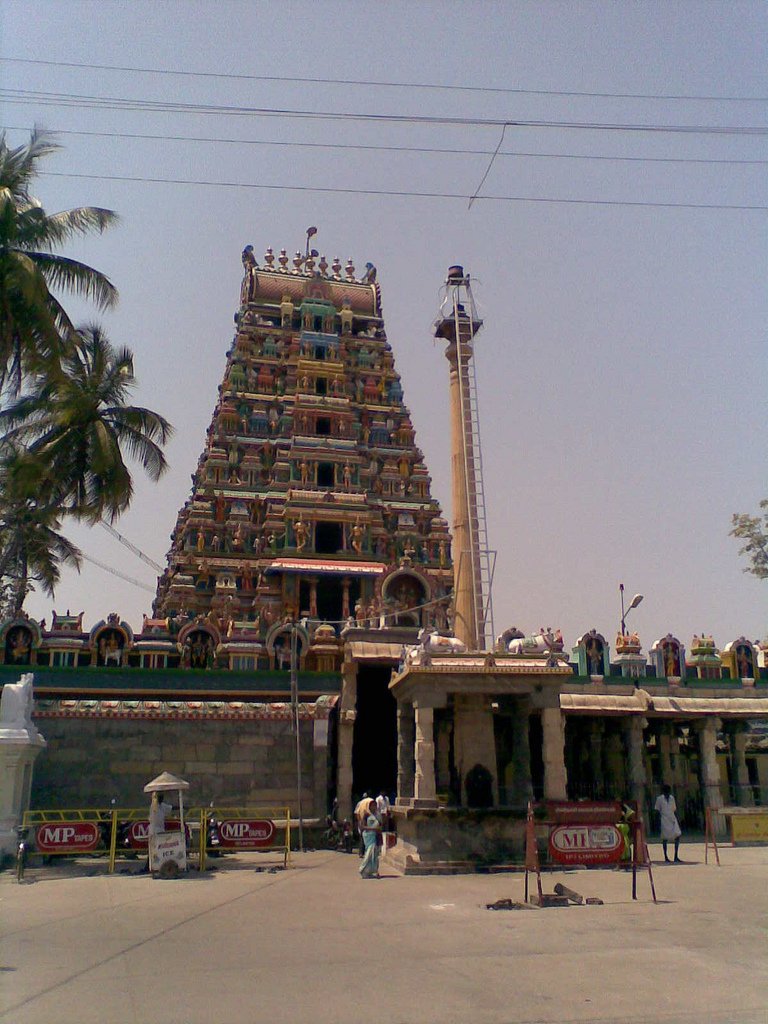
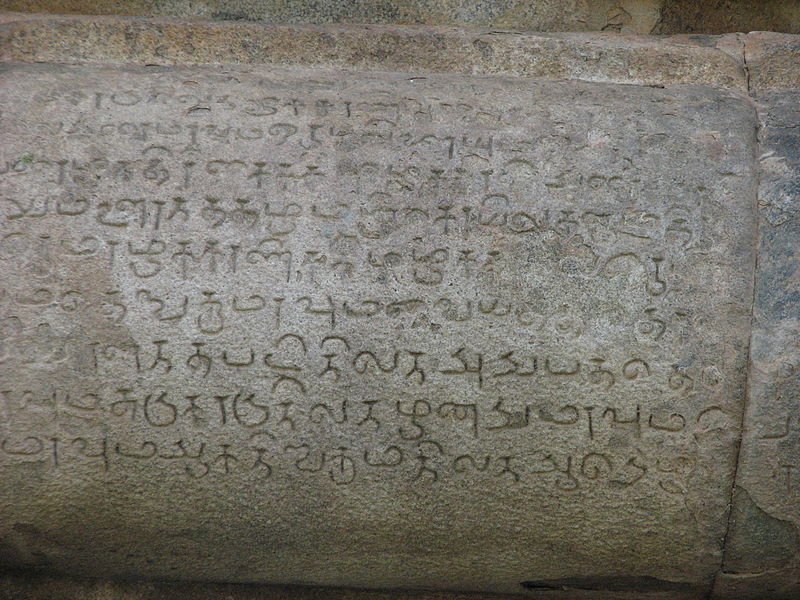
    In this article I am providing information from Thiruvalangadu Copper plates Inscription where. Cholas provide their lineage from Ikshvaku Dynasty.

    These Copper plates belong to the reign of Rajendra Chola,son of Rajaraja Chola who built the Thanjavur Big Temple.

    Rajendra chola was a great king,had a large powerful Navy and conquered Malaysia and Far East He also built the temple in Gangaikonda cholapuram.

    I am providing excerpts from Thiruvalangadu Copper plates .

    ‘The Sanskrit and Tamil portions of the Tiruvalangadu grant were written at different periods, as has been already pointed out by Mr. Venkayya,— the latter at the time to which the inscription refers itself and the former about at least a decade later.  A detached inscription written in continuation of the Sanskrit portion on sheet Xa and continued on Xb, is stated by Mr. Venkayya to be a later addition.[5]  It registers a grant made to the shrine of the goddess at Tiruvalangadu, perhaps contemporaneously with the grant of Palaiyanur to the temple of Mahadeva (Siva) of that place, but put into writing long  after.  The characters of the detached record are paleographically at least one or even two centuries later than the characters of the Palaiynaur grant and it is difficult to explain why a gift made to the shrine of the goddess in the 6th year of Rajendra-Chola I. must have been kept without being reduced to writing for such a long period.  In this connexion it deserves to be noted that separate shrines of goddesses in Siva temples are, generally, of much later origin than the original Siva temples themselves and that in the stone inscriptions registered on the walls of the Tiruvalangadu temple the shrine of the goddess is referred to for the first time only in a record of the 10th year of Tribhuvana-chakravartin Rajadhiraja II., i.e., in A.D. 1173 – clearly 155 years after the date of the subjoined copper-plate grant

    The tradition of the place Tiruvalangadu intimately connects it with Ammai or Karaikkal-Ammai, a great devotee of Siva who, under the orders of that god, put on a dreary emaciated appearance and worshipped his dancing form at Tiruvalangadu.  The name Ammai-Nachchiyar which occurs in the detached inscription on plate XVI as a name of the goddess of the temple does not so appear in the stone records of Tiruvalangadu.  No. 469 of the Madras Epigraphical Collection for 1905 calls her Periya-Nachchiyar; in another record her name occurs as Vandarkulal Nachchiyar (No. 497 of 1905), which is still current in its Sanskrit form Bhramaralakamba.  The god himself is named Ammaiyappa in v. 129.  He was perhaps so named on account of his being kind as a father to his devotee Ammai or Karaikkal-Ammai.  Both the names Palaiyanur (or Palanai) and Tiruvalangadu occur in the Devaram  hymns.  In the hymn sung by Sundaramurti-Nayanar the goddess is referred to as Vandarkulali-Umainangai and the god himself as Palaiyanur-Amma.  It is not  impossible that in the names Ammaiyappan and Ammai-Nachchiyar, Amma is synonymous with the god Tiruvalangadu.  The story of Karaikkal-Ammai is not referred to in the Devaram so called.  But the eleventh Tirumurai of the sacred collection which describes the god, at Tiruvalangadu was the composition of Karaikkal-Ammai herself and the place of honour is given to it as muthathirupathigam.

    The prasasti of the Chola family conveyed by the Sanskrit portion of the grant (vv. 1 to 137) consists of 271 lines and is mostly Puranic[6].  In verse 4 are introduced the sun and Manu, the latter of whom was produced from the Sun by concentration of mind.  His son was Ikshvaku (v. 5) ; his son Vikukshi (v. 6) ; his son Puranjaya (v. 7) surnamed Kakutstha (v. 8) ; his son Kakshivat (v. 9) and his son Aryaman (v. 10).  In this family was born Analapratapa (v. 11); in his family was born Vena; and his son born from the right arm was Prithu (vv. 12 and 13).  In his familywas born Dhundhumara, so called on account of his having killed the demon Dhundhu (v. 14).  In (his) family was born Yuvanasva (v. 15) ; his son was Mandhatri who ruled the earth as far as the Lokaloka mountain (v. 16) ; his son was muchukunda who, by killing the demon Kalayavana, pleased the god Mukunda, i.e., Vishnu (v. 17).  In (his) family was born king Valabha[7] who founded the city of Valabhi (v. 18) ; his son was Prithulaksha who set the mountain Mandara whirling in the ocean for securing nectar (v. 19) ; his son was Parthivachudamani (v. 20). In (his) family was born Dirghabahu (v. 21) and then came Chandrajit[8] (v. 22); his son was Sankriti who became the emperior at the close of the Krita age (v. 23).  In that family was born Panchapa (v. 24)[9] ; in his family was born Satyavrata who conquered Kasiraja, the king of Varanasi (i.e., Benares) (v. 25) and acquired the title Rudrajit (v. 26) by conquering Rudra in battle.  In that family was born Sibi; an ornament of his family was king Marutta[10] who was an immediate predecessor of the Pandavas (vv. 27 and 28).  In his family was born Dushyanta; his son was Bharata and his son was Chola after whose name the Solar race on this earth became known as Chola (v. 29) and who ruled the Chola country which was abundantly rich (v. 30).  Cholavarman’s son was Rajakesarivarman and Rajakesarin’s son was Parakesarin (vv. 30 and 31).  These two names were used as titles alternately by the Chola kings in the order of their coronation (v. 32).  Parakesarin’s son was Chitraratha; his son was Chitrasva and his son, Chitradhanvan (v. 33).  It is stated that this last king Chitradhanvan brought into his dominions the river Kaverakanyaka, i.e., Kaveri, just as Bhagiratha brought into the earth Ganga, the river of the gods (v. 35).  In that family was born Suraguru entitled Mrityujit (v. 36).  In his family was born Chitraratha who bore the title Vyaghraketu after his banner on which was the figure of a tiger.  He also bore as an ornament on his head the flowers of the dhataki (v. 37).[11] His son was Narendrapati who became king at the end of the Treta age.  His son was king Vasu entitled Uparichara on account of his having received a celestial car from Indra by which he moved about in all directions (v. 39).  In his family was born Visvajit at the close of the dvapara age (v. 40).  Thus verses 4 to 40 supply names of kings who ruled in the Krita, Treta and the Dvapara ages and as such can hardly be of any interest to the student of history, excepting perhaps the euponymous name Chola and the titles Rajakesarivarman and Parakesarin of the Treta age.

    Coming to the rulers of the Kali age, the first king mentioned is Perunatkilli who was born in this same family and was highly learned (v. 41).  In his race[12] was born Kalikala who renovated the town Kanchi with gold and established his fame by constructing flood-embankments for the river Kaveri.  The poet explains the name Kalikala as ‘the god of Death (Kala)’ either to the Kali age or to the elephants (kari) of his enemies (v. 42).  Evidently here, the tradition recorded in Tamil literature that the name Karikala ‘the burnt-leg’ was derived from an accident which happened to the king while yet he was a boy, was either not known or was purposely ignored by the eulogist.   In that family was born Kochchengannan whose former birth as a spider and deep devotion to Siva are described in verse 43.  The story of Kochchengannan is found in the Periyapuranam under the name Kochchengatchola-Nayanar.  He is there stated to have been the son of Subhadeva and Kamalavati and to have constructed many Siva temples in the Chola country.  The classic Tamil poem Kalavali, which is devoted to the history of his life, describes his defeat of the Chera king at Kalumalam.

      In the family of Kochchengannan was born Vijayalaya who took possession of Tanchapuri (i.e., Tanjore) and there consecrated the goddess Nisumbhasudani (vv. 44 – 46).  With Vijayalaya commences a regular genealogy of the Cholas whose capital was Tanjore.  The earlier Cholas of literature whose traditional capital was Uraiyur and who preceded Vijayalaya must have been in a decadent condition serving in some subordinate capacity under the powerful Pallavas.  A Telugu branch of them ruling perhaps independently over a small tract of country.  His son Adityavarman conquered the Pallava king Aparajita in battle and took possession of his country (vv. 47 – 49).  This was the Tondaimandalam which Aditya is known to have subdued.[13]  His son Parantaka was a devotee of Siva.  He drove the Pandya king into the sea and carried his conquests even into Simhala (Ceylon) (vv. 50-52).  This explains the titles Madirai-konda and Maduraiyum-Ilamum-konda often found added to the name of Parantaka in inscriptions.  This Parantaka is further stated to have built the golden hall called dabhrasabha (at Chidambaram) and thereby excelled Kubera, thefriend of Siva (v. 53).  The larger Leyden plates, on the other hand, state that he only covered it with gold.  His son Rajaditya defeated king Krishnaraja in battle and went to heaven (v. 54).  The reference here is evidently to the battle of Takkolam[14] in which the Rashtrakuta king Krishna III. and his Ganga feudatory Butuga jointly defeated and killed Rajaditya who was fighting from the back of an elephant as stated in the Leyden grant.  The summary way in which Rajaditya has been disposed of by the author of the Tiruvalangadu plates shows that probably he did not succeed to the throne, although the Leyden plates explicitly state that after the death of Parantaka, Rajaditya “ruled” the kingdom.[15]  Rajaditya’s brother, Gandaraditya next became king (v. 54).  The Leyden plates say of him that he produced a son called Madhurantaka and founded a town after his own name on the northern bank of the river Kaveri.[16]  The next king mentioned is Arindama (v. 55) whose exact relationship to Gandaraditya is not specified.  But it is known from the Leyden plates and from other inscriptions that Arindama (Arinjaya, Arinjiga or Arikulakesari) was the third son of Parantaka.  His rule was evidently neither famous nor long.  From the Melpadi inscription published at page 26f of this volume, we learn that Rajaraja I. erected the Siva temple called Arinjisvara (the modern Cholesvara) as a pallippadai (tomb-shrine) to his grandfather Arinjaya who was also known as Arrur-tunjinadeva.  Arrur where Arinjaya appears to have died must be distinct from Tondaiman-Arrur where Aditya I. is stated to have died (Madras Epigraphical Report  for 1907, page 71, paragraphs 29 and 30).  Then came Sundara-Chola or Sundara-Chola Parantaka (II.) who was very famous.  Five verses (56 to 60) are devoted to his praise.  Of Sundara-Chola the Leyden plates state that at a place called Chevura he fought a great battle and caused rivers of blood to flow.  This Sundara-Chola’s son was Arunmolivarma (vv. 61-63).  After the death of Sundara-Chola (v. 64) his wife Vanavan-Mahadevi is stated to have abandoned her people and followed her husband to heaven (vv. 65 and 66).  His son Aditya next ruled the earth, killed the Pandya king in battle and placed his head high up as a pillar of victory in his capital (vv. 67 and 68).  This Pandya king is stated in the Leyden plates to be Vira-Pandya.  We also learn from the same plates that Aditya II. had the other name Karikala.  Immediately after the death of Aditya, Arunmolivarman (called Rajaraja in the Leyden grant) was requested by his subjects to succeed to the throne but he desired it not while his paternal uncle still coveted his dominions (v. 69).  This statement which indicates a probable dispute about the succession to the throne immediately after Aditya-Karikala (II.) is not referred to in the Leyden plates.  These latter state that Madhurantaka, the son of Gandaraditya, succeeded straightway after the death of Aditya.  Perhaps we have to give credence to the information furnished in the Tiruvalangadu plates and accept that while by right the succession was Rajaraja’s, he voluntarily permitted his uncle Madhurantaka to rule the kingdom, on the understanding that he would himself he chosen for the office of the heir-apparent (v. 70).  Madhurantaka ruled the kingdom virtuously as a pious devotee of Siva (v. 71).  After Madurantaka, Arunmolivarman was installed in the administration of the kingdom amidst the rejoicings of his people (v. 72).  His digvijaya or the conquest of the quarters and the tulabhara i.e., ‘weighing oneself against gold’ are mentioned in verses 74 and 75.  The conquest of the quarters began with the south (v. 76).  Rajaraja conquered first the Pandya (king) Amarabhujangawhile his commandant (dandanatha) captured the impregnable fortress of Vilinda whose moat was the sea (vv. 78 and 79) The latter officer also crossed the ocean by ships and destroyed the lord of Lanka (Ceylon) (v. 80).  Arunmolivarman’s ocean-like army next defeated Satyasrya who fled away to avoid misery.  “Being produced to Tail (oil) this (slipping away) was but natural in him” (v. 81) saysthe poet , thereby indicating that Satyasraya who was defeated by Rajaraja was the son of Tail II.  He also killed the faultless Andhra king Bhima for the mere reasons that the latter had killed by a powerful club a certain Rajaraja, his namesakeke, who was an expert in war (v. 82).  This statement makes it clear that Rajaraja unnecessarily interfered in the politics of the Andhra country, by killing a king called Bhima.  This Bhima and the Rajaraja killed by him have not been identified.  Rajaraja next conquered the [Kerala] country which was the creation of Rama (i.e., Parasurama) and also subdued in battle successively the Ganga, Kalinga, Vanga, Magadha, Aratta, Odda, Saurashtraka, Chalukya, and other kings (v. 81).  This list of Rajaraja’s conquests, though by no means impossible, is yet exaggerated when it includes names like those of Magadha and Saurashtraka.  According to the Leyden plates Rajaraja I was known by the title Rajasraya.  Rajaraja’s son was Madhurantaka (v. 85) who backed up by a powerful army turned his attention to the conquest of the quarters (digvijaya) (v. 89).  This king called Uttama-Chola (II.) started to the south as usual[17] with a desire to conquer the Pandya king (v. 90).  The commander of his forces (dandanatha) so struck the Pandya that the latter ran away from the land of Agastya and sought refuge in the Malaya hill (v. 91).  After taking possession of many a pure lustrous pearl of the Pandya king (v. 92), Madhurantaka placed there his own son Chola-Pandya for the protection of the Pandya country and started westward (v. 93).  For the first time in its history, Kerala, which was impregnable and unconquered, was entirely annihilated (vv. 94 to 97).  The king after this returned to his capital and started afresh for the conquest of the north (v. 98), having again appointed his son Chola-Pandya[18] to protect the western country (v. 99).  Rajendra-Chola entered Kanchi (i.e., Conjeeveram) in his march against Jayasimha of the Tail family, the lord of the Chalukyas[19] (vv. 99-100).  He thoroughly routed  him and his forces, thereby causing the ladies of the Ratta kingdom to shed tears[20] (vv. 101-107).  Rajendra-Chola returned again to his capital (v. 108).  With the idea of bringing the river Ganga into his own country through the strength of his arm he ordered his commander[21] to subdue the kings occupying the banks of that river (vv. 109-110).  From v. 113 it is inferred that Rajendra-Chola also held the title Vikrama-Chola.  The first king conquered was Indraratha of the Lunar race (v. 114); next, Ranasura was robbed of his prosperity and then Dharmapala.  The commander of the Chola army reached the Ganga and got the most sacred water of that river carried to his master Madhurantaka (vv. 116-117).  Meantime Rajendra Chola himself reached the river Godavari to meet his able General who had just brought the water of the Ganges, after having defeated Mahipala on the way (vv. 118-119).  Here, Rajendra-Chola is stated to have killed the wicked king of Odda and to have accepted as tribute from the surviving claimant, many rutting elephants[22] (v. 120).  His next campaign was against Kataha (v. 123).  He then constructed in his capital the tank called Cholagangam which was composed of the waters of the Ganga river, and established it there as a memorial pillar of his victory (v. 124).  The conquests of Rajendra-Chola are mostly recorded in the historical introductions to his Tamil inscriptions dated from and after the 13th year of his reign.[23]  It may here be noted that the Tamil introduction given in lines 131 to 142 below is naturally the shorter one, since it belongs to the 6th year of the king’s reign ; and since it does not include a list of all conquests mentioned above, it has been suggested that the Sanskrit portion of the grant which includes the conquests of the later years must be a subsequent addition.https://googleads.g.doubleclick.net/pagead/ads?client=ca-pub-2137364728838345&output=html&h=250&slotname=6325448717&adk=3007479896&adf=2600224992&w=300&lmt=1506580324&psa=0&guci=2.2.0.0.2.2.0.0&format=300×250&url=https%3A%2F%2Fwww.whatisindia.com%2Finscriptions%2Fsouth_indian_inscriptions%2Fvolume_3%2Fno_205_aditya_ii_karikala.html&flash=0&wgl=1&adsid=ChAI8NSu-QUQsO-A1JmQnLMFEjsAndZOYA_9oqlvxFUxRA7cqQ_JTAgegP2QAo85US6p–swMq3bOrafAvM3Dq3TLD0ve8aIvXgOhxP_rA&dt=1596777723454&bpp=7&bdt=685&idt=172&shv=r20200803&cbv=r20190131&ptt=9&saldr=aa&abxe=1&cookie=ID%3Dcbbe4a7b732d7dbf%3AT%3D1596776454%3AS%3DALNI_MZiYFGbzM4uc1J7Xmn2ePgskSeUyQ&prev_fmts=728×90&correlator=1165038271063&frm=20&pv=1&ga_vid=1596251553.1596776457&ga_sid=1596777724&ga_hid=257832054&ga_fc=0&iag=0&icsg=2239146&dssz=18&mdo=0&mso=0&u_tz=330&u_his=3&u_java=0&u_h=813&u_w=375&u_ah=813&u_aw=375&u_cd=24&u_nplug=0&u_nmime=0&adx=668&ady=3374&biw=980&bih=1782&scr_x=0&scr_y=708&eid=42530558%2C42530560%2C21066125%2C21066819%2C21066973&oid=3&pvsid=373936515875853&pem=13&ref=https%3A%2F%2Fwww.google.com%2F&rx=0&eae=0&fc=896&brdim=0%2C0%2C0%2C0%2C375%2C0%2C375%2C682%2C979%2C1782&vis=1&rsz=d%7Cd%7CEebr%7Cn&abl=XS&pfx=0&fu=8192&bc=31&jar=2020-08-07-02&ifi=2&uci=a!2&btvi=1&fsb=1&xpc=mEIJOnzsbP&p=https%3A//www.whatisindia.com&dtd=184

    Being encamped at Mudigondasolapuram, king Madurantaka deputed his minister Janatha, the son of rama, in the 6th year of his reign, to grant the village of Palaiyura to the temple of Siva [at Tiruvalangadu] (v. 125).  This Jananatha is stated to have been a minister of Madhurantaka and a crest jewel of the Chalukyas (v. 127).  The village Puranagrama, (i.e., Palaiyura quoted above), which was granted to the god Siva named Ammaiyappa, was the ornament of the province of Jayangonda-Chola-mandalam and was situated in the district Paschatyagiri[24] (vv. 128-129).  It was also called Tiruvalangadu and was bounded on three sides by Simhalantaka-chaturvedimangalama and on the fourth by Nityavinoda-chaturvedimangalam (vv. 130-131).  The srimukha or the royal order conveying the grant was written by Uttamasola-Tamiladaraiyan.  Tirukkalatti Pichchan made the request (vijnapti) on behalf of the temple and Araneri, son of Mayana, a native of Mangalavayil and of the fourth caste, did the business of taking round the female elephant (karinibhramana), etc., under orders of Jananatha (vv. 132-135).  The learned poet Narayana, son of Sankara and a devotee of Vishnu, composed the grant (v. 136).  Tirukkalatti Pichchan and Araneri, sons of Mayana, do not appear in the Tamil portion of the grant described below.  Jananatha of the Sanskrit portion is identical with Narakkan Marayan Janathan alias Rajendrasola-Brahmadhirajan who together with three other officers of the king issued the order to execute the grant of Palaiyanur to the Siva temple of Tiruvalangadu.  Uttamasola-Tamiladaraiyan is identical with Narayanan-karrali alias Uttamasola-Tamiladaraiyan mentioned in 1. 276 of the Tamil portion.    

    Source.

    https://www.whatisindia.com/inscriptions/south_indian_inscriptions/volume_3/no_205_aditya_ii_karikala.html

  • Skanda Tamil Reference 20,000 years ago

    Skanda Tamil Reference 20,000 years ago

    There was a comment to my article on Siva Worship in Tamil asking me to write an article on the worship of Skanda in Vedic literature and in Tamil.

    This seems to be a reaction to Self styled Rationalists/Tamil scholars, who have taken a vow to denigrate Hinduism/ Sanatana Dharm , divide India as North and South and insult Hindu Gods in filthy language. It is worth noting that these persons are not even Hindus!

    It is an irony that the kings who had built massive temples for Hindu gods are insulted thus.And the funniest point that these persons do not know either Tamil or Sanskrit,much less about Culture in general and Indian culture specifically.

    I shall write in detail about Skanda Worship in Vedas in another article.Here I answer those who claim that Murugan is different from Skanda and that Brahmins have converted Murugan into Subramanya!

    The practice of Kavadi for Lord Murugan is essentially a Tamil custom.Kavadi is found in Harappa.

    I have provided the meaning of the term Skanda,from Brittanica as many anglophiles look down on Indian sources!

    The earliest reference is in Chandogya Upanishad about Skanda.

    In Tamil literature Skanda reference is in Thirumurukatruppadai by Nakkerar.The poem belongs to Sangam Period which is dated around three thousand years ago. But my researches prove that Silappadikaram,one of the Five Great Epics in Tamil can be dated back to 16,000 years ago based on the Archeological Find in Poompuhar Tamil Nadu.Based on this Sangam literature can be dated to 20,000 years ago.

    So the reference to Skanda is 20000 years old.

    Encyclopedia Britannica small logo

    It is worth noting that Tholkappiyam marks Murugan as the God of Hilly terrain,Kurinji.And Muruga is described vas Red in color, which is the same description found in Sanskrit.Again Skanda means to leap ,to fight

    He is described as the senapati or The General of Devas in both Tamil and Sanskrit.Much impressed by His valour Indra,Chief of Devas ,gave his daughter Devasena to Murugan. This is found in Tamil literature and One of the six special abodes of Muruga,Arupadai veedu,is Thirupparankundram,near Madurai,where Murugan is found with His consorts Valli and Devasena.

    And Tamil literature worships Indira as God of rain and Indra vizha was celebrated in His honour by the Tamils.

    And Arunagirinathar in Kandhar Alankaaram calls Skanda as Kaadhip poru padaik kandhan..காதிப் பொரு படைக் கந்தன்.

    And you have Kandhar Kortam temple in Chennai which is quite ancient.

    Skanda

    Hindu deityWRITTEN BYThe Editors of Encyclopaedia BritannicaEncyclopaedia Britannica’s editors oversee subject areas in which they have extensive knowledge, whether from years of experience gained by working on that content or via study for an advanced degree….See Article HistoryAlternative Titles: Kārttikeya, Kumāra, Subrahmaṇya

    Skanda(Sanskrit: “Leaper” or “Attacker”)also called Karttikeya, Kumara, or Subrahmanya, Hindu god of war who was the firstborn son of Shiva. The many legends giving the circumstances of his birth are often at variance with one another. https://www.britannica.com/topic/Skanda

    வந்த வினையும் வருகின்ற வல்வினையும்
    கந்தன் என்ற சொல்லக் கலங்கிடுமே
    செந்தில் நகர் சேவகா என்று திருநீறு அணிவார்க்கு
    மேவ வராதே வினை.
    (நக்கீரர் பாடிய திருமுருகாற்றுப்படை வெண்பா) https://www.dinamalar.com/aanmeegamnews_detail.asp?news_id=12485

    https://securepubads.g.doubleclick.net/gampad/ads?iu=%2F1028307%2FDinamalar_MobileSite_ROS_ATF_Top_300x250&adk=138680509&sz=300×250&output=html&impl=ifr&ifi=2&msz=374x-1&psz=374x-1&fws=4&adf=190587403&nhd=1&adx=37&ady=90&oid=2&gdfp_req=1&sfv=1-0-37&u_sd=2.8812501430511475&artc=807&ati=2&ard=prebidappnexus&is_amp=3&amp_v=2007242032001&d_imp=1&c=337703005549&ga_cid=5auhIM4hmTNRSLgf26BlY9Uy7f3H3UFY_XzBOls3M7Mkzx7VNbDLfhHBpoS03epG&ga_hid=5549&dt=1596681928534&biw=375&bih=630&u_aw=375&u_ah=813&u_cd=24&u_w=375&u_h=813&u_tz=330&u_his=7&isw=375&ish=630&vis=1&scr_x=0&scr_y=0&bc=7&url=https%3A%2F%2Ftemple.dinamalar.com%2Fnews_detail.php%3Fid%3D13485&top=www.google.com&loc=https%3A%2F%2Fm-dinamalar-com.cdn.ampproject.org%2Fv%2Fs%2Fm.dinamalar.com%2Ftemple_detail.php%3Fid%3D13485%26amp_js_v%3D0.1%26usqp%3Dmq331AQFKAGwASA%3D%23origin%3Dhttps%253A%252F%252Fwww.google.com%26prerenderSize%3D1%26visibilityState%3Dprerender%26paddingTop%3D32%26p2r%3D0%26csi%3D1%26aoh%3D15966819017740%26viewerUrl%3Dhttps%253A%252F%252Fwww.google.com%252Famp%252Fs%252Ftemple.dinamalar.com%252Fnews_detail.php%25253fid%253D13485%26history%3D1%26storage%3D1%26cid%3D1%26cap%3DnavigateTo%252Ccid%252CfullReplaceHistory%252Cfragment%252CreplaceUrl%252CiframeScroll&ref=https%3A%2F%2Fwww.google.com%2F&bdt=109&dtd=847&aet=n&__amp_source_origin=https%3A%2F%2Fm.dinamalar.com

    திருமுருகாற்றுப்படை

    பதிவு செய்த நாள்: செப் 26,2012 15:27

    Dinamalar tamil news


    1. திருப்பரங்குன்றம் உலகம் உவப்ப வலன்ஏர்பு திரிதரு
    பலர்புகழ் ஞாயிறு கடற்கண் டாஅங்கு
    ஓவற இமைக்கும் சேண்விளங்கு அவிரொளி
    உறுநர்த் தாங்கிய மதனுடை நோன்றாள்
    செறுநர்த் தேய்த்த செல்லுறழ் தடக்கை . 5 மறுவில் கற்பின் வாணுதற் கணவன் 
    கார்கோள் முகந்த கமஞ்சூல் மாமழை
    வாள்போழ் விசும்பில் வள்ளுறை சிதறித்
    தலைப்பெயல் தலை இய தண்ணறுங் கானத்து
    இருள்படப் பொதுளிய பராரை மராஅத்து 10 உருள்பூந் தண்டார் புரளும் மார்பினன் 
    மால்வரை நிவந்த சேணுயர் வெற்பிற்
    கிண்கிணி கவைஇய ஒண்செஞ் சீறடி,
    கணைக்கால் வாங்கிய நுசுப்பின், பணைத்தோள்,
    கோபத் தன்ன தோயாப் பூந்துகில், 15 பல்காசு நிரைத்த சில்காழ் அல்குல்,
    கைபுனைந்து இயற்றாக் கவின்பெறு வனப்பின்,
    நாவலொடு பெயரிய பொலம்புனை அவிரிழை,
    சேணிகந்து விளங்கும் செயிர்தீர் மேனி,
    துணையோர் ஆய்ந்த இணையீர் ஓதிச் 20 செங்கால் வெட்சிச் சீறிதழ் இடையிடுபு
    பைந்தாட் குவளைத் தூவிதழ் கிள்ளித்
    தெய்வ வுத்தியொடு வலம்புரி வயின்வைத்துத்
    திலகம் தைஇய தேங்கமழ் திருநுதல்
    மகரப் பகுவாய் தாழமண் ணுறுத்துத் 25 துவர முடித்த துகளறு முச்சிப்
    பெருந்தண் சண்பகஞ் செரீஇக் கருந்தகட்டு
    உளைப்பூ மருதின் ஒள்ளிணர் அட்டிக்
    கிளைக்கவின்று எழுதரு கீழ்நீர்ச் செவ்வரும்பு 
    இணைப்புறு பிணையல் வளைஇத் துணைத்தக 30 வண்காது நிறைந்த பிண்டி ஒண்டளிர்
    நுண்பூண் ஆகம் திளைப்பத் திண்காழ்
    நறுங்குறடு உரிஞ்சிய பூங்கேழ்த் தேய்வை
    தேங்கமழ் மருதிணர் கடுப்பக் கோங்கின்
    குவிமுகிழ் இளமுலைக் கொட்டி விரிமலர் 35 வேங்கை நுண்டாது அப்பிக் காண்வர
    வெள்ளிற் குறுமுறி கிள்ளுபு தெறியாக்
    கோழி ஓங்கிய வென்றடு விறற்கொடி
    வாழிய பெரிöதன்று ஏத்திப் பலருடன்
    சீர்திகழ் சிலம்பகம் சிலம்பப் பாடி 40 சூரர மகளிர் ஆடும் சோலை 
    மந்தியும் அறியா மரன்பயில் அடுக்கத்துச்
    சுரும்பும் மூசாச் சுடர்ப்பூங் காந்தட்
    பெருந்தண் கண்ணி மிலைந்த சென்னியன் 
    பார்முதிர் பனிக்கடல் கலங்கவுள் புக்குச் 45 சூர்முதல் தடிந்த சுடரிலை நெடுவேல் 
    உலறிய கதுப்பின் பிறழ்பற் பேழ்வாய்ச்
    சுழல்விழிப் பசுங்கண் சூர்த்த நோக்கின்
    கழல்கட் கூகையொடு கடும்பாம்பு தூங்கப்
    பெருமுலை அலைக்கும் காதின் பிணர்மோட்டு 50 உருகெழு செலவின் அஞ்சுவரு பேய்மகள்
    குருதி ஆடிய கூருகிர்க் கொடுவிரற்
    கண்தொட் டுண்ட கழிமுடைக் கருந்தலை
    ஒண்டொடித் தடக்கையின் ஏந்தி வெருவர
    வென்றடு விறற்களம் பாடித்தோள் பெயரா 55 நிணம்தின் வாயள் துணங்கை தூங்க 
    இருபே ருருவின் ஒருபே ரியாக்கை
    அறுவேறு வகையின் அஞ்சுவர மண்டி
    அவுணர் நல்வலம் அடங்கக் கவிழிணர்
    மாமுதல் தடிந்த மறுவில் கொற்றத்து 60 எய்யா நல்லிசைச் செவ்வேற் சேஎய் 
    சேவடி படரும் செம்மல் உள்ளமொடு
    நலம்புரி கொள்கைப் புலம்புரிந் துறையும்
    செலவுநீ நயந்தனை யாயின், பலவுடன்
    நன்னர் நெஞ்சத்து இன்னசை வாய்ப்ப 65 இன்னே பெறுதிநீ முன்னிய வினையே 
    செருப்புகன்று எடுத்த சேணுயர் நெடுங்கொடி
    வரிப்புனை பந்தொடு பாவை தூங்கப்
    பொருநர்த் தேய்த்த போரரு வாயில்
    திருவீற் றிருந்த தீதுதீர் நியமத்து 70 மாடமலி மறுகின் கூடற் குடவயின் இருஞ்சேற்று
    அகல்வயல் விரிந்துவாய் அவிழ்ந்த முட்டாள்
    தாமரைத் துஞ்சி வைகறைக்
    கட்கமழ் நெய்தல் ஊதி எற்படக்
    கண்போல் மலர்ந்த காமர் சுனைமலர் 75 அஞ்சிறை வண்டின் அரிக்கணம் ஒலிக்கும்
    குன்றமர்ந்து உறைதலும் உரியன். அதாஅன்று 
    வைந்நுதி பொருத வடுவாழ் வரிநுதல்
    வாடா மாலை ஓடையொடு துயல்வரப்
    படுமணி இரட்டும் மருங்கின் கடுநடைக். 80 கூற்றத்து அன்ன மாற்றரு மொய்ம்பின்
    கால்கிளர்ந் தன்ன வேழ மேல்கொண்டு 
    ஐவேறு உருவின் செய்வினை முற்றிய
    முடியொடு விளங்கிய முரண்மிகு திருமணி
    மின்உறழ் இமைப்பின் சென்னிப் பொற்ப 85 நகைதாழ்பு துயல்வரூஉம் வகையமை பொலங்குழை
    சேண்விளங்கு இயற்கை வாண்மதி கவைஇ
    அகலா மீனின் அவிர்வன இமைப்பத்
    தாவில் கொள்கைத் தந்தொழில் முடிமார்
    மனனேர்பு எழுதரு வாள்நிற முகனே. 90 மாயிருள் ஞாலம் மறுவின்றி விளங்கப்
    பல்கதிர் விரிந்தன்று ஒருமுகம்;ஒருமுகம்,
    ஆர்வலர் ஏத்த அமர்ந்தினி தொழுகிக்
    காதலின் உவந்து வரங்கொடுத் தன்றே ஒருமுகம்,
    மந்திர விதியின் மரபுளி வழாஅ 95 அந்தணர் வேள்விஓர்க் கும்மே;ஒருமுகம்,
    எஞ்சிய பொருள்களை ஏமுற நாடித்
    திங்கள் போலத் திசைவிளக் கும்மே ஒருமுகம்,
    செறுநர்த் தேய்த்துச் செல்சமம் முருக்கிக்
    கறுவுகொள் நெஞ்சமொடு களம்வேட் டன்றே ஒருமுகம். 100 குறவர் மடமகள் கொடிபோல் நுசுப்பின்
    மடவரல் வள்ளியொடு நகையமர்ந் தன்றே.
    ஆங்குஅம் மூவிருமுகனும் முறைநவின்று ஒழுகலின் 
    ஆரம் தாழ்ந்த அம்பகட்டு மார்பின்
    செம்பொறி வாங்கிய மொய்ம்பின் சுடர்விடுபு 105 வண்புகழ் நிறைந்து வசிந்துவாங்கு நிமிர்தோள்
    விண்செலல் மரபின் ஐயர்க்கு ஏந்தியது
    ஒருகை; உக்கம் சேர்த்தியது ஒருகை;
    நலம்பெறு கலிங்கத்துக் குறங்கின்மிசை அசைஇயதொருகை;
    அங்குசங் கடாவ ஒருகை,இருகை 110 ஐயிரு வட்டமொடு எஃகுவலந் திரிப்ப,
    ஒருகை மார்பொடு விளங்க ஒருகை
    ஒருகை தாரொடு பொலிய, ஒருகை
    கீழ்வீழ் தொடியொடு மீமிசைக்கொட்ப, ஒருகை
    பாடின் படுமணி இரட்ட, ஒருகை 115 நீனிற விசும்பின் மலிதுளி பொழிய, ஒருகை
    வானர மகளிர்க்கு வதுவை சூட்ட,
    ஆங்குஅப் பன்னிரு கையும் பாற்படஇயற்ற 
    அந்தரப் பல்லியம் கறங்கத் திண்காழ்
    வயிர்எழுந் திசைப்ப, வால்வளை ஞரல 120 உரந்தலைக் கொண்ட உருமிடி முரசமொடு
    பல்பொறி மஞ்ஞை வெல்கொடி அகவ,
    விசும்பஆ றாக விரைசெலல் முன்னி,
    உலகம் புகழ்ந்த ஓங்குயர் விழுச்சீர்
    அலைவாய்ச் சேறலும் நிலைஇய பண்பேஅதான்று 125 சீரை தைஇய உடுக்கையர் சீரொடு
    வலம்புரி புரையும் வால்நரை முடியினர்
    மாசுஅற இமைக்கும் உருவினர் மானின்
    உரிவை தைஇய ஊன்கெடு மார்பின்
    என்புஎழுந்து இயங்கும் யாக்கையர் நன்பகல். 130 பலவுடன் கழிந்த உண்டியர் இகலொடு
    செற்றம் நீக்கிய மனத்தினர் யாவதும்
    கற்றோர் அறியா அறிவினர் கற்றோர்க்குத்
    தாம்வரம்பு ஆகிய தலைமையர் காமமொடு
    கடுஞ்சினம் கடிந்த காட்சியர் இடும்பை 135 யாவதும் அறியா இயல்பினர் மேவரத்
    துனியில் காட்சி முனிவர் முற்புக 
    புகைமுகந் தன்ன மாசில் தூவுடை
    முகைவாய் அவிழ்ந்த தகைசூழ் ஆகத்துச்
    செவிநேர்பு வைத்த செய்வுறு திவவின். 140 நல்லியாழ் நவின்ற நயனுடை நெஞ்சின்
    மென்மொழி மேவலர் இன்னரம்பு உளர 
    நோயின்று இயன்ற யாக்கையர் மாவின்
    அவிர்தளிர் புரையும் மேனியர் அவிர்தொறும்
    பொன்னுரை கடுக்கும் திதலையர் இன்னகைப் 145 பருமம் தாங்கிய பணிந்தேந்து அல்குல்
    மாசில் மகளிரொடு மறுவின்றி விளங்க 
    கடுவொடு ஒடுங்கிய தூம்படை வால்எயிற்று
    அழலென உயிர்க்கும் அஞ்சுவரு கடுந்திறல்
    பாம்புபடப் புடைக்கும் பல்வரிக் கொடுஞ்சிறைப் 150 புள்ளணி நீள்கொடிச் செல்வனும், வெள்ளேறு
    வலைவயின் உயரிய பலர்புகழ் திணிதோள்
    உமையமர்ந்து விளங்கும் இமையா முக்கண்
    மூவெயில் முருக்கிய முரண்மிகு செல்வனும்,
    நூற்றுப்பத்துஅடுக்கியநாட்டத்துநூறுபல் 155 வேள்வி முற்றிய வென்றடு கொற்றத்து
    ஈரிரண்டு ஏந்திய மருப்பின் எழில்நடைத்
    தாழ்பெருந் தடக்கை உயர்த்த யானை
    எருத்தம் ஏறிய திருக்கிளர் செல்வனும், 
    நாற்பெருந் தெய்வத்து நன்னகர் நிலைஇய 160 உலகம் காக்கும் ஒன்றுபுரி கொள்கைப்
    பலர்புகழ் மூவரும் தலைவ ராக
    ஏமுறு ஞாலந் தன்னில் தோன்றித்
    தாமரை பயந்த தாவில் ஊழி
    நான்முக ஒருவற் சுட்டிக் காண்வர 165 பகலிற் றோன்றும் இகலில் காட்சி
    நால்வேறு இயற்கைப் பதினொரு மூவரொடு
    ஒன்பதிற்று இரட்டி உயர்நிலை பெறீஇயர் 
    மீன்பூத் தன்ன தோன்றலர் மீன்சேர்பு
    வளிகிளர்ந் தன்ன செலவினர் வளியிடைத் 170 தீயெழுந் தன்ன திறலினர் தீப்பட
    உரும்இடித் தன்ன குரலினர் விழுமிய
    உறுகுறை மருங்கிந்தம் பெறுமுறை கொண்மார்
    அந்தரக் கொட்பினர் வந்துடன் காணத் 
    தாவில் கொள்கை மடந்தையொடு சின்னாள் 175 ஆவினன்குடி அசைதலும் உரியன்: அதான்று, 
    இருமூன்று எய்திய இயல்பினின் வழாஅது
    இருவர்ச் சுட்டிய பல்வேறு தொல்குடி
    அறுநான்கு இரட்டி இளமை நல்லியாண்டு
    ஆறினிற் கழிப்பிய அறன்நவில் கொள்கை 180 மூன்றுவகைக் குறித்த முத்தீச் செல்வத்து
    இருபிறப் பாளர் பொழுதறிந்து நுவல, 
    ஒன்பது கொண்ட மூன்றுபுரி நுண்ஞாண்
    புலராக் காழகம் புலர உடீஇ,
    உச்சிக் கூப்பிய கையினர் தற்புகழ்ந்து 185 ஆறெழுத்து அடக்கிய அருமறைக் கேள்வி
    நாஇயல் மருங்கில் நவிலப் பாடி
    விரையுறு நறுமலர் ஏந்திப் பெரிந்துஉவந்து
    ஏரகத்து உறைதலும் உரியன்: அதான்று, 
    பைங்கொடி நறைக்காய் இடையிடுபு வேலன் 190 அம்பொதிப் புட்டில் விரைஇக் குளவியொடு
    வெண்கூ தாளம் தொடுத்த கண்ணியன்
    நறுஞ்சாந்து அணிந்த கேழ்கிளர் மார்பின்
    கொடுந்தொழில் வல்விற் கொலைஇய கானவர்
    நீடமை விளைந்த தேக்கள் தேறல் 195 குன்றகச் சிறுகுடிக் கிளையுடன் மகிழ்ந்து
    தொண்டகச் சிறுபறைக் குரவை அயர 
    விரலுளர்ப்பு அவிழ்ந்த வேறுபடு நறுங்கால்
    குண்டுசுனை பூத்த வண்டுபடு கண்ணி
    இணைத்த கோதை அணைத்த கூந்தல் 200 முடித்த குல்லை இலையுடை நறும்பூச்
    செங்கால் மராஅத்த வாலிணர் இடையிடுபு
    சுரும்புணத் தொடுத்த பெருந்தண் மாத்தழை
    திருந்துகாழ் அல்குல் திளைப்ப உடீஇ
    மயில்கண் டன்ன மடநடை மகளிரொடு 205 செய்யன் சிவந்த ஆடையன் செவ்வரைச்
    செயலைத் தண்டளிர் துயல்வருங் காதினன்
    கச்சினன் கழலினன் செச்சைக் கண்ணியன்
    குழலன் கோட்டன் குறும்பல் லியத்தன்
    தகரன் மஞ்ஞையன் புகரில் சேவலங் 210 கொடியன் நெடியன் தொடியணி தோளன்
    நரம்பார்த் தன்ன இன்குரல் தொகுதியொடு
    குறும்பொறிக் கொண்ட நறுந்தண் சாயல்
    மருங்கிற் கட்டிய நிலன்நேர்பு துகிலினன்
    முழவுறழ் தடக்கையின் இயல ஏந்தி 215

    மென்றோட் பல்பிணை தழீஇத் தலைத்தந்து
    குன்றுதொ றாடலும் நின்றதன்பண்பே; அதான்று, 
    சிறுதினை மலரொடு விரைஇ மறியறுத்து
    வாரணக் கொடியொடு வயிற்பட நிறீஇ
    ஊரூர் கொண்ட சீர்கெழு விழவினும், 220 ஆர்வலர் ஏத்த மேவரும் நிலையினும்,
    வேலன் தைஇய வெறியயர் களனும்,
    காடும் காவும் கவின்பெறு துருத்தியும்,
    யாறும் குளனும் வேறுபல் வைப்பும்,
    சதுக்கமும் சந்தியும் புதுப்பூங் கடம்பும், 225 மன்றமும் பொதியிலும் கந்துடை நிலையினும் 
    மாண்டலைக் கொடியொடு மண்ணி அமைவர
    நெய்யொடு ஐயவி அப்பி ஐதுரைத்துக்
    குடந்தம் பட்டுக் கொழுமலர் சிதறி
    முரண்கொள் உருவின் இரண்டுடன் உடீஇச். 230 செந்நூல் யாத்து வெண்பொரி சிதறி
    மதவலி நிலைஇய மாத்தாட் கொழுவிடைக்
    குருதியொடு விரைஇய தூவெள் ளரிசி
    சில்பலிச் செய்து பல்பிரப்பு இரீஇச்
    சிறுபசு மஞ்சளொடு நறுவிரை தெளித்துப் 235 பெருந்தண் கணவீர நறுந்தண் மாலை
    துணையற அறுத்துத் தூங்க நாற்றி
    நளிமலைச் சிலம்பின் நன்னகர் வாழ்த்தி
    நறும்புகை எடுத்துக் குறிஞ்சி பாடி
    இமிழிசை அருவியொடு இன்னியம் கறங்க. 240 உருவப் பல்பூதத் தூஉய் வெருவரக்
    குருதிச் செந்தினை பரப்பிக் குறமகள்
    முருகியம் நிறுத்து முரணினர் உட்க
    முருகாற்றுப் படுத்த உருகெழு வியல்நகர் 
    ஆடுகளம் சிலம்பப் பாடிப் பலவுடன் 245 கோடுவாய் வைத்துக் கொடுமணி இயக்கி
    ஓடாப் பூட்கைப் பிணிமுகம் வாழ்த்தி
    வேண்டுநர் வேண்டியாங்கு எய்தனர் வழிபட
    ஆண்டாண்டு உறைதலும் அறிந்த வாறே 
    ஆண்டாண்டு ஆயினும் ஆக; காண்தக. 250 முந்துநீ கண்டுழி முகனமர்ந்து ஏத்திக்
    கைதொழூஉப் பரவிக் காலுற வணங்கி,
    நெடும்பெருஞ் சிமையத்து நீலப் பைஞ்சுனை
    ஐவருள் ஒருவன் அங்கை ஏற்ப
    அறுவர் பயந்த ஆறமர் செல்வ! 255 ஆல்கெழு கடவுட் புதல்வ! மால்வரை
    மலைமகள் மகனே! மாற்றோர் கூற்றே!
    வெற்றி வெல்போர்க் கொற்றவை சிறுவ!
    இழையணி சிறப்பின் பழையோள் குழவி!
    வானோர் வணங்குவில் தானைத் தலைவ! 260 மாலை மார்ப! நூலறி புலவி!
    செருவில் ஒருவ! பொருவிறல் மள்ள!
    அந்தணர் வெறுக்கை! அறிந்தோர் சொல்மலை!
    மங்கையர் கணவ! மைந்தர் ஏறே!
    வேல்கெழு தடக்கைச் சால்பெருஞ் செல்வ! 265 குன்றம் கொன்ற குன்றாக் கொற்றத்து
    விண்பொரு நெடுவரைக் குறிஞ்சிக் கிழவ!
    பலர்புகழ் நன்மொழிப் புலவர் ஏறே!
    அரும்பெறல் மரபின் பெரும்பெயர் முருக!
    நசையுநர்க்கு ஆர்த்தும் இசைபே ராள! 270 அலந்தோர்க்கு அளிக்கும் பொலம்பூண் சேஎய்!
    மண்டமர் கடந்தநின் வென்றாடு அகலத்துப்
    பரிசிலர்த் தாங்கும் உருகெழு நெடுவேஎள்!
    பெரியோர் ஏத்தும் பெரும்பெயர் இயவுள்! https://www.google.com/amp/s/temple.dinamalar.com/news_detail.php%3fid=13485

    ‘கந்தன் – சிவபெருமாளின் நெற்றிகண்ணீல் இருந்து வெளிபட்ட தீ பொறி பொற்றாமரை குளத்தில் உள்ள தாமரை மலரின் நடுவே உள்ள கந்தகத்தில் பட்டு முருகன் குழந்தையாக தொன்றியதால் கந்தகமூலவன் அல்லது கந்தன் என்று பெயர். https://ta.m.wikipedia.org/wiki/%E0%AE%AE%E0%AF%81%E0%AE%B0%E0%AF%81%E0%AE%95%E0%AE%A9%E0%AF%8D

  • Thirukkural ‘Excreta ‘ EVR

    Thirukkural ‘Excreta ‘ EVR

    The self styled Social Reformer, Guardian of the Dalits,Protector of the Downtrodden and the forerunner of Feminism,EVR,Thanthai Periyar,Literal translation from Tamil is Father Elder(?) Is a consummate demogaogue and a shrewd Political Operator .

    He could change his views with such alacrity one would be confused as what his ideology is.

    He abused Tamil language and he is regarded as a Cult figure in Tamil Nadu;

    He ridiculed Tamils,yet he is regarded as a father figure for Tamils.

    He boasted that he was a man who promoted Feminism,married his foster daughter; he asked his friends to tease his first wife while she was going to temple!( A post on this follows);he was in Congress then came out and attacked it; the list is endless.

    How come he is so popular and he is card Dravidian parties use to win elections.

    Answer, DK and DMK are masters in PR and adept in Disinformation.They have built an aura around EVR as though he is a demigod and Protector of Tamils.

    We will examine the lies that were repeated and how they found themselves into Tamil Text Books in Tamilnadu.

    Now to his views on Thirukkural, one of the greatest literary works in Tamil which has universal appeal.

    EVR from 1929 to 1947 was in praise of Thirukkural ,though reluctantly.

    But in 1949 and Fifty he called Thirukkural as Excreta.

    Sources for this article is DK party newspaper and DK leadership books,quotes.

    ‘EVR at one time (1948) praised Thirukkural, like every Dravidianist did, saying it was all rational and anti-Hindu. However, by 1950, he wrote that he also used to condemn Thirukkural as having thoughts contrary to rationalism. And people asked him if the Tamil text too would be gone, what book they would have left. “And I answered them thus: ‘I am saying remove the excreta emanating bad smell from the room. And you are asking me if we remove this excreta what should we place in its place?’” (Viduthalai, 1 June 1950)

    https://swarajyamag-com.cdn.ampproject.org/v/s/swarajyamag.com/amp/story/politics%2Ften-things-about-periyar-dravidian-parties-dont-want-you-to-know?amp_js_v=a3&amp_gsa=1&usqp=mq331AQFKAGwASA%3D#aoh=15956785293575&referrer=https%3A%2F%2Fwww.google.com&amp_tf=From%20%251%24s&ampshare=https%3A%2F%2Fswarajyamag.com%2Fpolitics%2Ften-things-about-periyar-dravidian-parties-dont-want-you-to-know

    ‘14.3.1948 மயிலாப்பூர் திருவள்ளுவர் கழகம் சார்பில் நடைபெற்ற
    திருவள்ளுவர் மாநாட்டில், “திருக்குறளில் எத்தகைய பகுத்தறிவுக்கு
    புறம்பான ஆபாசக் கருத்துகளுக்கும் அதில் இடமில்லை என்று கூறியதோடு,
    திருக்குறள் ஆரிய தர்மத்தை மனு தர்மத்தை அடியோடு கண்டிப்பதற்காகவே
    ஏற்பட்ட நூல் என்பதை நீங்கள் உணர வேண்டும்”
    ஈரோட்டில் 23,24.10.1948இல் நடைபெற்ற திராவிடர் கழக 19வது மாநாட்டில்,
    “குறள் ஹிந்து மதக் கண்டன புத்தகம் என்பதையும், அது சர்வ மதத்திலுள்ள
    சத்துக்களை எல்லாம் சேர்த்து எழுதப்பட்டுள்ள மனித தர்ம நூல் என்பதையும்
    எல்லோரும் உணர வேண்டும்” என்றும் கூறுகிறார்.
    15.1.1949 சென்னையில் திராவிடர் கழகம் சார்பில் திருக்குறள் மாநாடு
    நடத்தப்பட்டது. அதில், “குறள் ஆரியத்தை ஒழிக்க ஒப்பற்ற நல்லாயுதம்”
    என்றும் பேசினார்.
    விவேகானந்தன், இனியன் சம்பத், கல்பனா தாசன் ஆகிய மூன்று பேர் இணைந்து
    எழுதிய நூலான “ஈ.வெ.கி.சம்பத்தும் திராவிட இயக்கமும்” நூலில் பின்வருமாறு
    தெரிலிக்கப்பட்டுள்ளது.
    “1949 பொங்கல் திருநாளையொட்டி சென்னையில் திருக்குறள் மாநாட்டைப்
    பெரியார் நடத்தினார். இதற்கு முன்பெல்லாம் அவர் மொத்தத்தில் புலவர்களே
    மோசம், தமிழ் இலக்கியமே குப்பை, தமிழே காட்டுமிராண்டி மொழி என்றெல்லாம்
    கருத்துக் கூறியதால் தமிழ்ப்புலவர்கள் மத்தியில் கடும் கோபமும்
    எதிர்ப்பும் ஏற்பட்டன.
    அண்ணா, சம்பத், நெடுஞ்செழியன் போன்றவர்கள் பெரியாரிடம் “புராணங்களை
    எதிர்க்கிற வேகத்தில் திருக்குறள், சிலப்பதிகாரம் போன்றவற்றையும்
    சேர்த்துத் தாக்கிடுவது முறையல்ல. தமிழுக்கும் தமிழ் இலக்கியங்களுக்கும்
    நாமே பாதுகாப்பு. குறள் உலகப் பொதுமறை என்பதை நாம் உணர்த்த வேண்டும்”
    என்றெல்லாம் சில ஆண்டுகளுக்கு முன்பே ஒதிய பிறகு தாமதித்தேனும் பலன்
    ஏற்பட்டது. இப்போதூ பெரியார் தமிழ் இலக்கியங்களையும், புலவர்களையும்
    தாக்குவதை நிறுத்திக் கொண்டார்.”
    (பக். 169)
    மேற்கண்ட செய்தியின் படி திருக்குறள் மாநாடு அண்ணா, ஈ.வெ.கி.சம்பத்,
    நெடுஞ்செழியன் ஆகியோரின் நிர்பந்தத்தின்படி நடத்தப்பட்டுள்ளது.
    திருக்குறளுக்கு எதிரான பெரியாரிடமே சில ஆண்டுகளாக அதுபற்றி நல்லவிதமாக
    ஓதி வந்தபடியால் வேறு வழியின்றி திருக்குறள் மாநாடு நடத்த பெரியாரும்
    ஒப்புக் கொண்டார் என்பதும் விளங்கும்.
    1950இல் மீண்டும் பெரியார் என்ற வேதாளம் முருங்கை மரம் ஏறியது. அவர்
    கூறுகிறார்: “வள்ளுவர் குறளையும் அந்தப்படியே அப்போது பகுத்தறிவுக்கு
    ஏற்றதல்ல என்று கண்டித்து வந்தேன். எல்லாவற்றையும் குறை சொல்லும் போது
    பலர் என்னிடம் எல்லாம் போய் விட்டால் நமக்கு எது தான் நூல் என்று
    கேட்டார்கள். நான் இங்கே இருக்கிற மலத்தினால் கெட்ட நாற்றம் வீசுகிறது.
    அதை எடுத்து விடு என்று கூறினால் அந்த இடத்தில் என்ன வைப்பது என்றா
    கேட்பது என்று பதில் கூறினேன். (விடுதலை 1.6.1950)
    பெரியாருக்கு சாவதற்கு ஒரு வருடத்திற்கு முன்பு வரையிலும் திருக்குறளின்
    மேல் நல்லெண்ணம் பிறக்க வில்லை.
    27.12.1972இல் ‘கலைமகள்’ இதழுக்கு அளித்த பேட்டியில் கூறுகிறார்:
    “குறளை எடுத்துக்குங்க. நான் மட்டும் தான் குறளை கண்டிக்கிறேன்…. நான்
    குறள் மாநாடு நடத்தியதாலே சிலபேர் என்னைக் கண்டிச்சாங்க. கலைஞர் கூட அதை
    ஒண்ணையாவது விட்டுவிடக் கூடாதான்னு கேட்டாரு. குன்றக்குடி அடிகளாரும்
    கேட்டுக்கிட்டாரு. இரண்டாயிரம் வருடத்துக்கு முந்தியது குறள். அதை
    அப்படியே இப்பவும் நாம் ஏத்துக்கணும்னா?”

    http://fbtamildata.blogspot.com/2017/03/blog-post_350.html?m=1

  • EVR Brought Widows Remarriage Act Lie Documents

    EVR Brought Widows Remarriage Act Lie Documents

    EVR , popularly known as Periyar,which Tamil means the Elder, is being credited with many Reforms like bringing in, Widows’ Remarriage Act, Abolition of Caste, Forerunner of Feminism,Who fought for Tamils Rights and one who fought for the Rights of the downtrodden.

    EVR

    I have in my last article how EVR wrote to Mohammad Ali Jinnah that Pakistan is not Possible without Dravidasthan and that he was worried that the effort by Rajaji to bring about a solution to Hindu Muslim issue.

    He also stated in the letter to Jinnah,which I have published in my last article that the Aryans would block the move to bring amity between Hindu and Muslims.

    Now the offshoot of DK of EVR,DMK and a host of others have been propagating the issues mentioned above have been resolved to a great extent by EVR extent and the self styled Dravidian parties are using this to garner votes and they have been in power in Tamilnadu for the past fifty to sixty years. I also refer to AIADMK as well despite Jayalalitha having been at the helm of the party for quite long.

    One of the achievements of EVR, according to EVR followers is that he fought for Widows Remarriage and he bri the Widows Remarriage Act!😃

    The Widows Remarriage Act was passed in 1856 ,thanks to the efforts of Easwar Chandra Vidyasagar from Bengal.

    Bengalis, advise your leaders to be aware of this fact before they heap Praise on EVR DMK and Karunanidhi.

    ‘The Hindu Widows’ Remarriage Act, 1856, also Act XV, 1856, enacted on 26 July 1856, legalised the remarriage of Hindu widows in all jurisdictions of India under East India Company rule. It was drafted by Lord Dalhousie and passed by Lord Canning before the Indian Rebellion of 1857. It was the first major social reform legislation after the abolition of Sati by Lord William Bentinck.: https://en.m.wikipedia.org/wiki/Hindu_Widows’_Remarriage_Act,_1856

    Iswar Chandra Vidyasagar was the most prominent campaigner. He petitioned the Legislative council,but there was a counter petition against the proposal with nearly four times more signatures by Radhakanta Deb and the Dharma Sabha.But Lord Dalhousie personally finalised the bill despite the opposition and it being considered a flagrant breach of Hindu customs as prevalent..

    ‘He was the most prominent campaigner for Hindu widow remarriage and petitioned Legislative council despite severe opposition and a counter petition against the proposal with nearly four times more signatures by Radhakanta Deb and the Dharma Sabha. But Lord Dalhousie personally finalised the bill despite the opposition and it being considered a flagrant breach of Hindu customs as prevalent then and the Hindu Widows’ Remarriage Act, 1856 was passed.’

    And the irony is that Ishwar Chandra Vidyasagar was a Brahmin ,the community which EVR vilified as having been the cause for all the social issues including Widows plight.

    https://en.m.wikipedia.org/wiki/Ishwar_Chandra_Vidyasagar

    EVR was not even Born then!

    Erode Venkatappa Ramasamy[1] (17 September 1879 – 24 December 1973), commonly known as Periyar, also referred to as Thanthai Periyar, was an Indian social activist and politician who started the Self-Respect Movement and Dravidar Kazhagam. He is known as the ‘Father of the Dravidian Movement’. He did notable work against Brahminical dominance and gender and caste inequality in Tamil Nadu

    https://en.m.wikipedia.org/wiki/Periyar_E._V._Ramasamy

  • No Pakistan without Dravidasthan EVR to Jinnah .The EVR Conspiracy

    No Pakistan without Dravidasthan EVR to Jinnah .The EVR Conspiracy

    I have stopped writing on Political issues some years back,though I was covering it, because I wanted to concentrate on research on Sanatana Dharm and share my finds to people so that people know how misinformation is history in India and that such misinformation was by secularists.

    However some events in India,of late,at the National level,with a national party worker,the party might disown him any time has filed a case against Bhoomi Pujan at Ayodhya for construction of Lord Rama’s Temple,and in South a conspiracy at the Media level to denigrate Hinduism and by the DMK with AIADMK as mute spectator.

    Very obscene insults were hurled at Karthikeya Mantra and it became a serious issue.I shall write in detail later.

    What I have found,though suspected, is a deep rooted conspiracy to to spread hatred against Hinduism and the rest of India , especially North India.

    This goes back to pre independence days.

    A group calling themselves Dravidian sprang up and started to thrive on the now disputed Aryan Invasion Theory ,to divide India by creating A Dravidasthan.

    This initiative ,in the beginning included the Southern states of Tamil Nadu, Andhra Pradeshj, Telengana,, Pondicherry, Karnataka and Kerala.

    This was the handiwork of paid ( indirectly),Agents of the British to weaken the National struggle for Independence.

    Luckily except Tamil Nadu, other states did not fall into the trap.

    The chief architect of this is one E.V.Ramasamy Naicker from Erode.

    He was in Congress and later came out of it and formed DK.He positioned himself as a Rationalist , Atheist and attacked Hinduism, Sanatan Dharm ,Vedas and Brahmins vehemently. He sowed the seed of Brahmin hatred in Tamilnadu.Brahmins were assaulted,their Upaveedha)Jaanu torn,Tufts of Brahmins shaved in Public,Ganesa idols broken everywhere.

    He never uttered a single word against Christianity or Islam.

    He denigrated Tamil. His mother tongue was Kannada.He ,at the same time projected himself as the Saviour of Tamil.

    Difficult to believe?

    He is venerated even today in Tamilnadu as Periyar,meaning Elder.

    You would find statutes ,streets,roadsbus stations named after him in every town in Tamil Nadu.

    He was a man who declared women need not marry,he married his foster daughter, called Rama ,Sita,Krishna in the most filthy language. He through a resolution in his party DK read out by CN Annadurai,who later became the CM of Tamilnadu.

    The resolution requested King George VI not to grant freedom to India and even if he decides, he could grant to other regions in India except Madras Presidency and Madras Presidency would serve under the British Empire!

    I have decided to expose these anti Indian group ,whose cadres are still ruling Tamil Nadu though they have changed the name. The opposition’s party in Tamil Nadu is also the Chelas of EVR.

    The leaders from North right from PM down to any celebrity pay obesiance to EVR and other anti nationals even Today thus granting legitimacy to this group.

    Time people of North knew of these insidious people.

    I shall expose with documents who these are and what their agenda is.

    First I am providing the photocopy of a letter from EVR to Mohammad Ali Jinnah and his reply.

    EVR letter To JinnaEVR letter.
    EVR Mohammad Ali Jinnah correspondence.

    Note what EVR says.

    No Pakistan is possible without Dravidasthan.

    He adds that he was apprehensive that Hindu Muslim issue will be resolved.

    Lease zoom in the image to read the letter.

    Of course,Jinnah, understanding the true nature of the man, refused to oblige EVR.

    To note that EVR is worshipped in Tamilnadu?

    Will write more on this.

    Source of the present article letter can be found at the bottom of the image in this post.