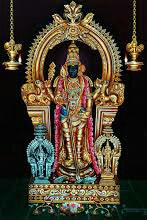
Tag: Murugan

  • Skanda Tamil Reference 20,000 years ago

    Skanda Tamil Reference 20,000 years ago

    There was a comment to my article on Siva Worship in Tamil asking me to write an article on the worship of Skanda in Vedic literature and in Tamil.

    This seems to be a reaction to Self styled Rationalists/Tamil scholars, who have taken a vow to denigrate Hinduism/ Sanatana Dharm , divide India as North and South and insult Hindu Gods in filthy language. It is worth noting that these persons are not even Hindus!

    It is an irony that the kings who had built massive temples for Hindu gods are insulted thus.And the funniest point that these persons do not know either Tamil or Sanskrit,much less about Culture in general and Indian culture specifically.

    I shall write in detail about Skanda Worship in Vedas in another article.Here I answer those who claim that Murugan is different from Skanda and that Brahmins have converted Murugan into Subramanya!

    The practice of Kavadi for Lord Murugan is essentially a Tamil custom.Kavadi is found in Harappa.

    I have provided the meaning of the term Skanda,from Brittanica as many anglophiles look down on Indian sources!

    The earliest reference is in Chandogya Upanishad about Skanda.

    In Tamil literature Skanda reference is in Thirumurukatruppadai by Nakkerar.The poem belongs to Sangam Period which is dated around three thousand years ago. But my researches prove that Silappadikaram,one of the Five Great Epics in Tamil can be dated back to 16,000 years ago based on the Archeological Find in Poompuhar Tamil Nadu.Based on this Sangam literature can be dated to 20,000 years ago.

    So the reference to Skanda is 20000 years old.

    Encyclopedia Britannica small logo

    It is worth noting that Tholkappiyam marks Murugan as the God of Hilly terrain,Kurinji.And Muruga is described vas Red in color, which is the same description found in Sanskrit.Again Skanda means to leap ,to fight

    He is described as the senapati or The General of Devas in both Tamil and Sanskrit.Much impressed by His valour Indra,Chief of Devas ,gave his daughter Devasena to Murugan. This is found in Tamil literature and One of the six special abodes of Muruga,Arupadai veedu,is Thirupparankundram,near Madurai,where Murugan is found with His consorts Valli and Devasena.

    And Tamil literature worships Indira as God of rain and Indra vizha was celebrated in His honour by the Tamils.

    And Arunagirinathar in Kandhar Alankaaram calls Skanda as Kaadhip poru padaik kandhan..காதிப் பொரு படைக் கந்தன்.

    And you have Kandhar Kortam temple in Chennai which is quite ancient.

    Skanda

    Hindu deityWRITTEN BYThe Editors of Encyclopaedia BritannicaEncyclopaedia Britannica’s editors oversee subject areas in which they have extensive knowledge, whether from years of experience gained by working on that content or via study for an advanced degree….See Article HistoryAlternative Titles: Kārttikeya, Kumāra, Subrahmaṇya

    Skanda(Sanskrit: “Leaper” or “Attacker”)also called Karttikeya, Kumara, or Subrahmanya, Hindu god of war who was the firstborn son of Shiva. The many legends giving the circumstances of his birth are often at variance with one another. https://www.britannica.com/topic/Skanda

    வந்த வினையும் வருகின்ற வல்வினையும்
    கந்தன் என்ற சொல்லக் கலங்கிடுமே
    செந்தில் நகர் சேவகா என்று திருநீறு அணிவார்க்கு
    மேவ வராதே வினை.
    (நக்கீரர் பாடிய திருமுருகாற்றுப்படை வெண்பா) https://www.dinamalar.com/aanmeegamnews_detail.asp?news_id=12485

    https://securepubads.g.doubleclick.net/gampad/ads?iu=%2F1028307%2FDinamalar_MobileSite_ROS_ATF_Top_300x250&adk=138680509&sz=300×250&output=html&impl=ifr&ifi=2&msz=374x-1&psz=374x-1&fws=4&adf=190587403&nhd=1&adx=37&ady=90&oid=2&gdfp_req=1&sfv=1-0-37&u_sd=2.8812501430511475&artc=807&ati=2&ard=prebidappnexus&is_amp=3&amp_v=2007242032001&d_imp=1&c=337703005549&ga_cid=5auhIM4hmTNRSLgf26BlY9Uy7f3H3UFY_XzBOls3M7Mkzx7VNbDLfhHBpoS03epG&ga_hid=5549&dt=1596681928534&biw=375&bih=630&u_aw=375&u_ah=813&u_cd=24&u_w=375&u_h=813&u_tz=330&u_his=7&isw=375&ish=630&vis=1&scr_x=0&scr_y=0&bc=7&url=https%3A%2F%2Ftemple.dinamalar.com%2Fnews_detail.php%3Fid%3D13485&top=www.google.com&loc=https%3A%2F%2Fm-dinamalar-com.cdn.ampproject.org%2Fv%2Fs%2Fm.dinamalar.com%2Ftemple_detail.php%3Fid%3D13485%26amp_js_v%3D0.1%26usqp%3Dmq331AQFKAGwASA%3D%23origin%3Dhttps%253A%252F%252Fwww.google.com%26prerenderSize%3D1%26visibilityState%3Dprerender%26paddingTop%3D32%26p2r%3D0%26csi%3D1%26aoh%3D15966819017740%26viewerUrl%3Dhttps%253A%252F%252Fwww.google.com%252Famp%252Fs%252Ftemple.dinamalar.com%252Fnews_detail.php%25253fid%253D13485%26history%3D1%26storage%3D1%26cid%3D1%26cap%3DnavigateTo%252Ccid%252CfullReplaceHistory%252Cfragment%252CreplaceUrl%252CiframeScroll&ref=https%3A%2F%2Fwww.google.com%2F&bdt=109&dtd=847&aet=n&__amp_source_origin=https%3A%2F%2Fm.dinamalar.com

    திருமுருகாற்றுப்படை

    பதிவு செய்த நாள்: செப் 26,2012 15:27

    Dinamalar tamil news


    1. திருப்பரங்குன்றம் உலகம் உவப்ப வலன்ஏர்பு திரிதரு
    பலர்புகழ் ஞாயிறு கடற்கண் டாஅங்கு
    ஓவற இமைக்கும் சேண்விளங்கு அவிரொளி
    உறுநர்த் தாங்கிய மதனுடை நோன்றாள்
    செறுநர்த் தேய்த்த செல்லுறழ் தடக்கை . 5 மறுவில் கற்பின் வாணுதற் கணவன் 
    கார்கோள் முகந்த கமஞ்சூல் மாமழை
    வாள்போழ் விசும்பில் வள்ளுறை சிதறித்
    தலைப்பெயல் தலை இய தண்ணறுங் கானத்து
    இருள்படப் பொதுளிய பராரை மராஅத்து 10 உருள்பூந் தண்டார் புரளும் மார்பினன் 
    மால்வரை நிவந்த சேணுயர் வெற்பிற்
    கிண்கிணி கவைஇய ஒண்செஞ் சீறடி,
    கணைக்கால் வாங்கிய நுசுப்பின், பணைத்தோள்,
    கோபத் தன்ன தோயாப் பூந்துகில், 15 பல்காசு நிரைத்த சில்காழ் அல்குல்,
    கைபுனைந்து இயற்றாக் கவின்பெறு வனப்பின்,
    நாவலொடு பெயரிய பொலம்புனை அவிரிழை,
    சேணிகந்து விளங்கும் செயிர்தீர் மேனி,
    துணையோர் ஆய்ந்த இணையீர் ஓதிச் 20 செங்கால் வெட்சிச் சீறிதழ் இடையிடுபு
    பைந்தாட் குவளைத் தூவிதழ் கிள்ளித்
    தெய்வ வுத்தியொடு வலம்புரி வயின்வைத்துத்
    திலகம் தைஇய தேங்கமழ் திருநுதல்
    மகரப் பகுவாய் தாழமண் ணுறுத்துத் 25 துவர முடித்த துகளறு முச்சிப்
    பெருந்தண் சண்பகஞ் செரீஇக் கருந்தகட்டு
    உளைப்பூ மருதின் ஒள்ளிணர் அட்டிக்
    கிளைக்கவின்று எழுதரு கீழ்நீர்ச் செவ்வரும்பு 
    இணைப்புறு பிணையல் வளைஇத் துணைத்தக 30 வண்காது நிறைந்த பிண்டி ஒண்டளிர்
    நுண்பூண் ஆகம் திளைப்பத் திண்காழ்
    நறுங்குறடு உரிஞ்சிய பூங்கேழ்த் தேய்வை
    தேங்கமழ் மருதிணர் கடுப்பக் கோங்கின்
    குவிமுகிழ் இளமுலைக் கொட்டி விரிமலர் 35 வேங்கை நுண்டாது அப்பிக் காண்வர
    வெள்ளிற் குறுமுறி கிள்ளுபு தெறியாக்
    கோழி ஓங்கிய வென்றடு விறற்கொடி
    வாழிய பெரிöதன்று ஏத்திப் பலருடன்
    சீர்திகழ் சிலம்பகம் சிலம்பப் பாடி 40 சூரர மகளிர் ஆடும் சோலை 
    மந்தியும் அறியா மரன்பயில் அடுக்கத்துச்
    சுரும்பும் மூசாச் சுடர்ப்பூங் காந்தட்
    பெருந்தண் கண்ணி மிலைந்த சென்னியன் 
    பார்முதிர் பனிக்கடல் கலங்கவுள் புக்குச் 45 சூர்முதல் தடிந்த சுடரிலை நெடுவேல் 
    உலறிய கதுப்பின் பிறழ்பற் பேழ்வாய்ச்
    சுழல்விழிப் பசுங்கண் சூர்த்த நோக்கின்
    கழல்கட் கூகையொடு கடும்பாம்பு தூங்கப்
    பெருமுலை அலைக்கும் காதின் பிணர்மோட்டு 50 உருகெழு செலவின் அஞ்சுவரு பேய்மகள்
    குருதி ஆடிய கூருகிர்க் கொடுவிரற்
    கண்தொட் டுண்ட கழிமுடைக் கருந்தலை
    ஒண்டொடித் தடக்கையின் ஏந்தி வெருவர
    வென்றடு விறற்களம் பாடித்தோள் பெயரா 55 நிணம்தின் வாயள் துணங்கை தூங்க 
    இருபே ருருவின் ஒருபே ரியாக்கை
    அறுவேறு வகையின் அஞ்சுவர மண்டி
    அவுணர் நல்வலம் அடங்கக் கவிழிணர்
    மாமுதல் தடிந்த மறுவில் கொற்றத்து 60 எய்யா நல்லிசைச் செவ்வேற் சேஎய் 
    சேவடி படரும் செம்மல் உள்ளமொடு
    நலம்புரி கொள்கைப் புலம்புரிந் துறையும்
    செலவுநீ நயந்தனை யாயின், பலவுடன்
    நன்னர் நெஞ்சத்து இன்னசை வாய்ப்ப 65 இன்னே பெறுதிநீ முன்னிய வினையே 
    செருப்புகன்று எடுத்த சேணுயர் நெடுங்கொடி
    வரிப்புனை பந்தொடு பாவை தூங்கப்
    பொருநர்த் தேய்த்த போரரு வாயில்
    திருவீற் றிருந்த தீதுதீர் நியமத்து 70 மாடமலி மறுகின் கூடற் குடவயின் இருஞ்சேற்று
    அகல்வயல் விரிந்துவாய் அவிழ்ந்த முட்டாள்
    தாமரைத் துஞ்சி வைகறைக்
    கட்கமழ் நெய்தல் ஊதி எற்படக்
    கண்போல் மலர்ந்த காமர் சுனைமலர் 75 அஞ்சிறை வண்டின் அரிக்கணம் ஒலிக்கும்
    குன்றமர்ந்து உறைதலும் உரியன். அதாஅன்று 
    வைந்நுதி பொருத வடுவாழ் வரிநுதல்
    வாடா மாலை ஓடையொடு துயல்வரப்
    படுமணி இரட்டும் மருங்கின் கடுநடைக். 80 கூற்றத்து அன்ன மாற்றரு மொய்ம்பின்
    கால்கிளர்ந் தன்ன வேழ மேல்கொண்டு 
    ஐவேறு உருவின் செய்வினை முற்றிய
    முடியொடு விளங்கிய முரண்மிகு திருமணி
    மின்உறழ் இமைப்பின் சென்னிப் பொற்ப 85 நகைதாழ்பு துயல்வரூஉம் வகையமை பொலங்குழை
    சேண்விளங்கு இயற்கை வாண்மதி கவைஇ
    அகலா மீனின் அவிர்வன இமைப்பத்
    தாவில் கொள்கைத் தந்தொழில் முடிமார்
    மனனேர்பு எழுதரு வாள்நிற முகனே. 90 மாயிருள் ஞாலம் மறுவின்றி விளங்கப்
    பல்கதிர் விரிந்தன்று ஒருமுகம்;ஒருமுகம்,
    ஆர்வலர் ஏத்த அமர்ந்தினி தொழுகிக்
    காதலின் உவந்து வரங்கொடுத் தன்றே ஒருமுகம்,
    மந்திர விதியின் மரபுளி வழாஅ 95 அந்தணர் வேள்விஓர்க் கும்மே;ஒருமுகம்,
    எஞ்சிய பொருள்களை ஏமுற நாடித்
    திங்கள் போலத் திசைவிளக் கும்மே ஒருமுகம்,
    செறுநர்த் தேய்த்துச் செல்சமம் முருக்கிக்
    கறுவுகொள் நெஞ்சமொடு களம்வேட் டன்றே ஒருமுகம். 100 குறவர் மடமகள் கொடிபோல் நுசுப்பின்
    மடவரல் வள்ளியொடு நகையமர்ந் தன்றே.
    ஆங்குஅம் மூவிருமுகனும் முறைநவின்று ஒழுகலின் 
    ஆரம் தாழ்ந்த அம்பகட்டு மார்பின்
    செம்பொறி வாங்கிய மொய்ம்பின் சுடர்விடுபு 105 வண்புகழ் நிறைந்து வசிந்துவாங்கு நிமிர்தோள்
    விண்செலல் மரபின் ஐயர்க்கு ஏந்தியது
    ஒருகை; உக்கம் சேர்த்தியது ஒருகை;
    நலம்பெறு கலிங்கத்துக் குறங்கின்மிசை அசைஇயதொருகை;
    அங்குசங் கடாவ ஒருகை,இருகை 110 ஐயிரு வட்டமொடு எஃகுவலந் திரிப்ப,
    ஒருகை மார்பொடு விளங்க ஒருகை
    ஒருகை தாரொடு பொலிய, ஒருகை
    கீழ்வீழ் தொடியொடு மீமிசைக்கொட்ப, ஒருகை
    பாடின் படுமணி இரட்ட, ஒருகை 115 நீனிற விசும்பின் மலிதுளி பொழிய, ஒருகை
    வானர மகளிர்க்கு வதுவை சூட்ட,
    ஆங்குஅப் பன்னிரு கையும் பாற்படஇயற்ற 
    அந்தரப் பல்லியம் கறங்கத் திண்காழ்
    வயிர்எழுந் திசைப்ப, வால்வளை ஞரல 120 உரந்தலைக் கொண்ட உருமிடி முரசமொடு
    பல்பொறி மஞ்ஞை வெல்கொடி அகவ,
    விசும்பஆ றாக விரைசெலல் முன்னி,
    உலகம் புகழ்ந்த ஓங்குயர் விழுச்சீர்
    அலைவாய்ச் சேறலும் நிலைஇய பண்பேஅதான்று 125 சீரை தைஇய உடுக்கையர் சீரொடு
    வலம்புரி புரையும் வால்நரை முடியினர்
    மாசுஅற இமைக்கும் உருவினர் மானின்
    உரிவை தைஇய ஊன்கெடு மார்பின்
    என்புஎழுந்து இயங்கும் யாக்கையர் நன்பகல். 130 பலவுடன் கழிந்த உண்டியர் இகலொடு
    செற்றம் நீக்கிய மனத்தினர் யாவதும்
    கற்றோர் அறியா அறிவினர் கற்றோர்க்குத்
    தாம்வரம்பு ஆகிய தலைமையர் காமமொடு
    கடுஞ்சினம் கடிந்த காட்சியர் இடும்பை 135 யாவதும் அறியா இயல்பினர் மேவரத்
    துனியில் காட்சி முனிவர் முற்புக 
    புகைமுகந் தன்ன மாசில் தூவுடை
    முகைவாய் அவிழ்ந்த தகைசூழ் ஆகத்துச்
    செவிநேர்பு வைத்த செய்வுறு திவவின். 140 நல்லியாழ் நவின்ற நயனுடை நெஞ்சின்
    மென்மொழி மேவலர் இன்னரம்பு உளர 
    நோயின்று இயன்ற யாக்கையர் மாவின்
    அவிர்தளிர் புரையும் மேனியர் அவிர்தொறும்
    பொன்னுரை கடுக்கும் திதலையர் இன்னகைப் 145 பருமம் தாங்கிய பணிந்தேந்து அல்குல்
    மாசில் மகளிரொடு மறுவின்றி விளங்க 
    கடுவொடு ஒடுங்கிய தூம்படை வால்எயிற்று
    அழலென உயிர்க்கும் அஞ்சுவரு கடுந்திறல்
    பாம்புபடப் புடைக்கும் பல்வரிக் கொடுஞ்சிறைப் 150 புள்ளணி நீள்கொடிச் செல்வனும், வெள்ளேறு
    வலைவயின் உயரிய பலர்புகழ் திணிதோள்
    உமையமர்ந்து விளங்கும் இமையா முக்கண்
    மூவெயில் முருக்கிய முரண்மிகு செல்வனும்,
    நூற்றுப்பத்துஅடுக்கியநாட்டத்துநூறுபல் 155 வேள்வி முற்றிய வென்றடு கொற்றத்து
    ஈரிரண்டு ஏந்திய மருப்பின் எழில்நடைத்
    தாழ்பெருந் தடக்கை உயர்த்த யானை
    எருத்தம் ஏறிய திருக்கிளர் செல்வனும், 
    நாற்பெருந் தெய்வத்து நன்னகர் நிலைஇய 160 உலகம் காக்கும் ஒன்றுபுரி கொள்கைப்
    பலர்புகழ் மூவரும் தலைவ ராக
    ஏமுறு ஞாலந் தன்னில் தோன்றித்
    தாமரை பயந்த தாவில் ஊழி
    நான்முக ஒருவற் சுட்டிக் காண்வர 165 பகலிற் றோன்றும் இகலில் காட்சி
    நால்வேறு இயற்கைப் பதினொரு மூவரொடு
    ஒன்பதிற்று இரட்டி உயர்நிலை பெறீஇயர் 
    மீன்பூத் தன்ன தோன்றலர் மீன்சேர்பு
    வளிகிளர்ந் தன்ன செலவினர் வளியிடைத் 170 தீயெழுந் தன்ன திறலினர் தீப்பட
    உரும்இடித் தன்ன குரலினர் விழுமிய
    உறுகுறை மருங்கிந்தம் பெறுமுறை கொண்மார்
    அந்தரக் கொட்பினர் வந்துடன் காணத் 
    தாவில் கொள்கை மடந்தையொடு சின்னாள் 175 ஆவினன்குடி அசைதலும் உரியன்: அதான்று, 
    இருமூன்று எய்திய இயல்பினின் வழாஅது
    இருவர்ச் சுட்டிய பல்வேறு தொல்குடி
    அறுநான்கு இரட்டி இளமை நல்லியாண்டு
    ஆறினிற் கழிப்பிய அறன்நவில் கொள்கை 180 மூன்றுவகைக் குறித்த முத்தீச் செல்வத்து
    இருபிறப் பாளர் பொழுதறிந்து நுவல, 
    ஒன்பது கொண்ட மூன்றுபுரி நுண்ஞாண்
    புலராக் காழகம் புலர உடீஇ,
    உச்சிக் கூப்பிய கையினர் தற்புகழ்ந்து 185 ஆறெழுத்து அடக்கிய அருமறைக் கேள்வி
    நாஇயல் மருங்கில் நவிலப் பாடி
    விரையுறு நறுமலர் ஏந்திப் பெரிந்துஉவந்து
    ஏரகத்து உறைதலும் உரியன்: அதான்று, 
    பைங்கொடி நறைக்காய் இடையிடுபு வேலன் 190 அம்பொதிப் புட்டில் விரைஇக் குளவியொடு
    வெண்கூ தாளம் தொடுத்த கண்ணியன்
    நறுஞ்சாந்து அணிந்த கேழ்கிளர் மார்பின்
    கொடுந்தொழில் வல்விற் கொலைஇய கானவர்
    நீடமை விளைந்த தேக்கள் தேறல் 195 குன்றகச் சிறுகுடிக் கிளையுடன் மகிழ்ந்து
    தொண்டகச் சிறுபறைக் குரவை அயர 
    விரலுளர்ப்பு அவிழ்ந்த வேறுபடு நறுங்கால்
    குண்டுசுனை பூத்த வண்டுபடு கண்ணி
    இணைத்த கோதை அணைத்த கூந்தல் 200 முடித்த குல்லை இலையுடை நறும்பூச்
    செங்கால் மராஅத்த வாலிணர் இடையிடுபு
    சுரும்புணத் தொடுத்த பெருந்தண் மாத்தழை
    திருந்துகாழ் அல்குல் திளைப்ப உடீஇ
    மயில்கண் டன்ன மடநடை மகளிரொடு 205 செய்யன் சிவந்த ஆடையன் செவ்வரைச்
    செயலைத் தண்டளிர் துயல்வருங் காதினன்
    கச்சினன் கழலினன் செச்சைக் கண்ணியன்
    குழலன் கோட்டன் குறும்பல் லியத்தன்
    தகரன் மஞ்ஞையன் புகரில் சேவலங் 210 கொடியன் நெடியன் தொடியணி தோளன்
    நரம்பார்த் தன்ன இன்குரல் தொகுதியொடு
    குறும்பொறிக் கொண்ட நறுந்தண் சாயல்
    மருங்கிற் கட்டிய நிலன்நேர்பு துகிலினன்
    முழவுறழ் தடக்கையின் இயல ஏந்தி 215

    மென்றோட் பல்பிணை தழீஇத் தலைத்தந்து
    குன்றுதொ றாடலும் நின்றதன்பண்பே; அதான்று, 
    சிறுதினை மலரொடு விரைஇ மறியறுத்து
    வாரணக் கொடியொடு வயிற்பட நிறீஇ
    ஊரூர் கொண்ட சீர்கெழு விழவினும், 220 ஆர்வலர் ஏத்த மேவரும் நிலையினும்,
    வேலன் தைஇய வெறியயர் களனும்,
    காடும் காவும் கவின்பெறு துருத்தியும்,
    யாறும் குளனும் வேறுபல் வைப்பும்,
    சதுக்கமும் சந்தியும் புதுப்பூங் கடம்பும், 225 மன்றமும் பொதியிலும் கந்துடை நிலையினும் 
    மாண்டலைக் கொடியொடு மண்ணி அமைவர
    நெய்யொடு ஐயவி அப்பி ஐதுரைத்துக்
    குடந்தம் பட்டுக் கொழுமலர் சிதறி
    முரண்கொள் உருவின் இரண்டுடன் உடீஇச். 230 செந்நூல் யாத்து வெண்பொரி சிதறி
    மதவலி நிலைஇய மாத்தாட் கொழுவிடைக்
    குருதியொடு விரைஇய தூவெள் ளரிசி
    சில்பலிச் செய்து பல்பிரப்பு இரீஇச்
    சிறுபசு மஞ்சளொடு நறுவிரை தெளித்துப் 235 பெருந்தண் கணவீர நறுந்தண் மாலை
    துணையற அறுத்துத் தூங்க நாற்றி
    நளிமலைச் சிலம்பின் நன்னகர் வாழ்த்தி
    நறும்புகை எடுத்துக் குறிஞ்சி பாடி
    இமிழிசை அருவியொடு இன்னியம் கறங்க. 240 உருவப் பல்பூதத் தூஉய் வெருவரக்
    குருதிச் செந்தினை பரப்பிக் குறமகள்
    முருகியம் நிறுத்து முரணினர் உட்க
    முருகாற்றுப் படுத்த உருகெழு வியல்நகர் 
    ஆடுகளம் சிலம்பப் பாடிப் பலவுடன் 245 கோடுவாய் வைத்துக் கொடுமணி இயக்கி
    ஓடாப் பூட்கைப் பிணிமுகம் வாழ்த்தி
    வேண்டுநர் வேண்டியாங்கு எய்தனர் வழிபட
    ஆண்டாண்டு உறைதலும் அறிந்த வாறே 
    ஆண்டாண்டு ஆயினும் ஆக; காண்தக. 250 முந்துநீ கண்டுழி முகனமர்ந்து ஏத்திக்
    கைதொழூஉப் பரவிக் காலுற வணங்கி,
    நெடும்பெருஞ் சிமையத்து நீலப் பைஞ்சுனை
    ஐவருள் ஒருவன் அங்கை ஏற்ப
    அறுவர் பயந்த ஆறமர் செல்வ! 255 ஆல்கெழு கடவுட் புதல்வ! மால்வரை
    மலைமகள் மகனே! மாற்றோர் கூற்றே!
    வெற்றி வெல்போர்க் கொற்றவை சிறுவ!
    இழையணி சிறப்பின் பழையோள் குழவி!
    வானோர் வணங்குவில் தானைத் தலைவ! 260 மாலை மார்ப! நூலறி புலவி!
    செருவில் ஒருவ! பொருவிறல் மள்ள!
    அந்தணர் வெறுக்கை! அறிந்தோர் சொல்மலை!
    மங்கையர் கணவ! மைந்தர் ஏறே!
    வேல்கெழு தடக்கைச் சால்பெருஞ் செல்வ! 265 குன்றம் கொன்ற குன்றாக் கொற்றத்து
    விண்பொரு நெடுவரைக் குறிஞ்சிக் கிழவ!
    பலர்புகழ் நன்மொழிப் புலவர் ஏறே!
    அரும்பெறல் மரபின் பெரும்பெயர் முருக!
    நசையுநர்க்கு ஆர்த்தும் இசைபே ராள! 270 அலந்தோர்க்கு அளிக்கும் பொலம்பூண் சேஎய்!
    மண்டமர் கடந்தநின் வென்றாடு அகலத்துப்
    பரிசிலர்த் தாங்கும் உருகெழு நெடுவேஎள்!
    பெரியோர் ஏத்தும் பெரும்பெயர் இயவுள்! https://www.google.com/amp/s/temple.dinamalar.com/news_detail.php%3fid=13485

    ‘கந்தன் – சிவபெருமாளின் நெற்றிகண்ணீல் இருந்து வெளிபட்ட தீ பொறி பொற்றாமரை குளத்தில் உள்ள தாமரை மலரின் நடுவே உள்ள கந்தகத்தில் பட்டு முருகன் குழந்தையாக தொன்றியதால் கந்தகமூலவன் அல்லது கந்தன் என்று பெயர். https://ta.m.wikipedia.org/wiki/%E0%AE%AE%E0%AF%81%E0%AE%B0%E0%AF%81%E0%AE%95%E0%AE%A9%E0%AF%8D

  • Maternal 🏠 Home Of Subrahmanya Kurukuthurai

    Unlike some Religions, Hinduism is a personal one,and not institutionalised.

    It is a question of individual choice.

    It accepts non believers as well as a part of it,as in the case of Carvakas.

    Lord Rama engaged in conversation with Jaabaali,who was a Carvaka,the system that believes that Universe has no case and denies God.

    Kurukuthurai Murugan temple.image.

    Kurukuthurai Murugan temple .

    And the way one realizes God or Self is left to him/her.

    The Sruthi, Smriti,both provide guidelines and show the path chosen by those who followed certain procedures and been successful.

    It is left to you take it or leave it.

    Hinduism is a way of life,not merely a view.

    The way one relates to God is left to him/her.

    Some can not conceive of Abstract Reality.

    So,we have Gods with Name,Form and Attributes.

    One relates to God in a way he is comfortable with.

    We have people relating to God as,

    Father,like Gnanasambhandar,

    Mother,as Devi Devotees do,

    Child,as Anasuya did,

    Friend,as Sundara Murthy Nayanar,

    Lover like Meera..

    It is also the practice of Hindus to deck up God as they like,

    To endow God,the Reality without name and form,with Human attributes,

    Quarrel with Him as one would with a fellow human being.

    This is what makes Hinduism close to 💓 and it becomes a part of one’s Lifestyle.

    In this vein,Lord Subrahmanya is treated as a child.

    Subrahmanya is the only God with the Sanskrit ‘su’ to His name, meaning the best.

    The word Subrahmanya means Best among Brahmins.

    Su+Brahmana.

    He is the Guru of His Father Shiva.

    Yet He is loved as a child.

    He is endowed with Human attributes.

    Look at the way He is considered as Human being,just as Shiva is considered as the Family elder by Tamil Kings.

    Subrahmanya has six important temples,called Arupadai veedu.

    One of them is Thiruchendur,where he resides after Sura Samhara and marrying Devasena, daughter of Indra,chief of Devas.

    So Thiruchendur is Murugan’s In laws Home.

    What about His Maternal Home?

    Krukkuththirai, Thirunelveli,Tamil Nadu.

    Murugan, Kurukuthurai. Image.
    Lord Subrahmanya, Kurukuthurai.

    In Kurukuthurai, there are two Murugan temples, one at the bank of the Tamirabarani and another just above it, commonly called “Mela Koil”.
    The rocks at Kurukuthurai are called “Thiruvuruvamalai”, and are considered to be ideal for sculpting deities, which is why the Thiruchendur Senthilandavar deity was sculpted here. The sculptor who conceived Senthilandavar sculpted two identical forms, out of which one is consecrated to the Thiruchendur Temple and the other to Kurukuthurai Mela Koil.
    So, it’s because the deity was sculpted out of the Kurukuthurai rock that this place is called the Thiruchendur Murugan’s maternal house.
    When the Utsav deity (a deity used for processions) was stolen by Dutch thieves, a new one was immediately created by VadaMalaiappa pillai.
    In the meantime, the stolen idol was salvaged, and so the newly-made one was erected in Kurukuthurai’

    Reference and citation.

    Ramasubramanian in Quora.

    How to reach.
    Kurukkuthurai Murugan Temple is located at about 9 Kms from Thirunelveli, 160 Kms from Thiruvananthapuram and 170 Kms from Madurai. Nearest Railway Station is located at Thirunelveli. Nearest Airport is located at Thiruvananthapuram and Madurai..

    About Kurukuthurai temple design.

    Even when the Tamirabharani carried over two lakh cusecs of water during the 1992 floods, the temple and the idol withstood its fury majestically while only a few tiles on the terrace alone got damaged.

    “This is due to the quality of construction and thoughtfully designed structure by our ancestors. Since the ancient architects had fully understood the nature of the Tamirabharani, especially during floods, the western side wall of the temple has been designed like the front portion of a ship. Hence, even a furious flood does not affect the sturdiness of the structure,” says Yagna Narayanan, Executive Officer of Swamy Nellaiyappar Temple. The entire Tamirabharani – from Papanasam to Punnaikaayal — is dotted with a number of ‘mandapams’ with granite pillars.

    Reference and citation.

    https://www-thehindu-com.cdn.ampproject.org/v/s/www.thehindu.com/news/national/tamil-nadu/kurukkuthurai-temple-withstands-rivers-fury-for-over-300-years/article7998458.ece/amp/?amp_js_v=a2&amp_gsa=1&usqp=mq331AQHCAFYAYABAQ%3D%3D#referrer=https%3A%2F%2Fwww.google.com&amp_tf=From%20%251%24s&ampshare=https%3A%2F%2Fwww.thehindu.com%2Fnews%2Fnational%2Ftamil-nadu%2Fkurukkuthurai-temple-withstands-rivers-fury-for-over-300-years%2Farticle7998458.ece

  • Tamil As Personification of Subrahmanya, Murugan,Skanda

    Tamil As Personification of Subrahmanya, Murugan,Skanda

    I have written on Subrahmanya,called Murugan in Tamil.

    He, along with his father Shiva is credited with fiunding The Tamil Language.

    He is described as the Tamil God.

    The Tamil word for Subrahmanya is Murugan.

    Murugu in Tamil means ‘exceptionally beautiful’

    Sanskrit and Tamil literature descr Subrahmanya as personification of Beauty.

    Tamil is represented as the personification of Subrahmanya,Murugan,Skanda.

    Subrahmanya appears with two of His two consorts,Valli and Devasena,- 3

    Tamil has these broad divisions -3.

    Iyal,Prose,

    Isai,Music and

    Natakam,Drama.

    Each of these has a different Form and Grammar.

    Tamil letters are divided into three groups,Vallinam,Idayinam and Mellinam and these determine the pronunciation in Tamil. Three.

    க ச ட த ப ற -வல்லினம்.Hard sound

    ங ஞ ண ந ம ன-இடையினம்.Medium

    ய ர ல வ ழ ள-மெல்லினம்.Soft.

    Tamil has Uyir Ezhuthukkal,Base Alphabets-12.

    Subrahmanya has twelve hands((12).

    Tamil letters are divided into three groups,Vallinam,Idayinam and Mellinam and these determine the pronunciation in Tamil.

    These together is 18.

    Subrahmanya has Six faces and Twelve hands.

    Tamil base letters represent His hands (12)and the Tonal difference of Groups of Tamil letters is 18.

    His image with Valli and Devasena,with his mount Peacock,form the Tamil Pranava.

  • Bhagavatha Skanda Purana Identify Kumari Kandam

    When one goes through the History of ancient India in detail by checking up various texts in  all the languages o India, especially the  ancient ones like Sanskrit and Tamil one finds that they corroborate each other.

    Tamils, an ancient people of India, though followers of Hinduism have  a distinct identity o their own and have influenced the practices of Sanatana Dharma to such an extent that some Vedic practices have been modified  by the Rishis  and these practices are being followed by the  people from the South  of Vindhyas.

    2d606-kumarikandam1
    Kumari Kandam ,The Sunken Continent

    The Rishi was Apasthamba and the wearing of Mangal Sutra was introduced from the Tamil Culture to Vedic Marriages.

    Through the canards of  Aryan Invasion and the myth that Tamils were against Sanskrit and Sanatana Dharma, facts point to the act that each support and corroborate the other.

    Please read my articles on these subjects.

    While the reference to Lord Subrahmanya as Skanda in Vedas is sketchy the Tamils worship Murugan, name meaning unsurpassed Beauty, was carried to such heights that he is credited with Lord Shiva and Sage Agastya as the founder of the  Tamil Language.

    Lord Murugan has temples all over Tamil Nadu and one o the earliest temples in Pondicherry Saluvarkuppam is dated around 300 BC!

    His six special temples called Arupadai Veedu, Six houses wich show the correct Path are in Tamil Nadu.

    One of these is in Tiruchendur in Tamil Nadu on the eastern coast.

    He is reported to have won Sura Padma and killed him from here.


    Note that Kumarikandam lies in that area.

    ‘In the 19th century, a section of the European and American scholars speculated the existence of a submerged continent calledLemuria, to explain geological and other similarities between Africa, India and Madagascar. A section of Tamil revivalists adapted this theory, connecting it to the Pandyan legends of lands lost to the ocean, as described in ancient Tamil and Sanskrit literature. According to these writers, an ancient Tamil civilization existed on Lemuria, before it was lost to the sea in a catastrophe. In the 20th century, the Tamil writers started using the name “Kumari Kandam” to describe this submerged continent. Although the Lemuria theory was later rendered obsolete by the continental drift (plate tectonics) theory, the concept remained popular among the Tamil revivalists of the 20th century. According to them, Kumari Kandam was the place where the first two Tamil literary academies (sangams) were organized during the Pandyan reign. They claimed Kumari Kandam as the cradle of civilization to prove the antiquity of Tamil language and culture.”

    Kumari Kandam is detailed in ancient Tamil Literature in detail, including the Cilappadikaram and Manimekalai.

    They record that, as the Sangam Literature does, that the Kumarikandam was destroyed by a Tsunami.

    Kumarikandam is proved.

    Please check my articles on this.

    Skanda Purana deals with Lord Subrahmanya’s birth and exploits.

    This also mentions Kumrikandam thus.

    ‘”Within Bhārata-varṣa, there are nine khaṇḍas. They are known as (1) Aindra, (2) Kaśeru, (3) Tāmraparṇa, (4) Gabhastimat, (5) Kumārikā, (6) Nāga, (7) Saumya, (8) Vāruṇa and (9) Gāndharva.”


    CC Antya 2.10, Translation and Purport:

    People from all over the universe, including the seven islands, the nine khaṇḍas, the planets of the demigods, Gandharvaloka and Kinnaraloka, would go there in the forms of human beings.

    For an explanation of sapta-dvīpa, see Madhya-līlā, Chapter Twenty, verse 218, and Śrīmad-Bhāgavatam, Fifth Canto, Chapters Sixteen and Twenty. In the Siddhānta-śiromaṇi, Chapter One (Golādhyāya), in the Bhuvana-kośa section, the nine khaṇḍas are mentioned as follows:

    aindraṁ kaśeru sakalaṁ kila tāmraparṇam
    anyad gabhastimad ataś ca kumārikākhyam
    nāgaṁ ca saumyam iha vāruṇam antya-khaṇḍaṁ
    gāndharva-saṁjñam iti bhārata-varṣa-madhye,’

    ‘Kumari Kandam is described as the kingdom of the Earth in theAndakosappadalam section of Kanda Puranam.’

    Aindram a Grammatical work of the early Tamils was destroyed.

    This might be from the land mass Aindra.

    Tamraparnam might mean the early Tamisl 47 Kingdoms.

    River Tamraparni still flows in Thirunelveli district, Tamil Nadu.

    This river lowed, in earlier times to further south  and joined the sea in Kumarikndam as the now defunct  ancient River Pahruli.

    References and citation.

    http://vaniquotes.org/wiki/Within_Bharata-varsa,_there_are_nine_khandas._They_are_known_as_(1)_Aindra,_(2)_Kaseru,_(3)_Tamraparna,_(4)_Gabhastimat,_(5)_Kumarika,_(6)_Naga,_(7)_Saumya,_(8)_Varuna_and_(9)_Gandharva


    https://ramanisblog.in/2015/03/03/lemuria-kumari-kandam-verified-different-landmass/

    https://en.wikipedia.org/wiki/Kumari_Kandam


  • Murugan Teaches Shiva Pranava Veda Swamymalai

    It is traditional to recognize Four Vedas , the Scripture of the Hindus.

    There are references in the Vedas and Tamil literature that that there is a Fifth Veda.

    The Vedas are the uswaasa and Viswaasa of Brahma , the Creator.

    Murugan Teaching Shiva Samymalai
    Murugan Teaching Shiva

    That is from the Inhalation and Exhalation of the  Breath of Brahma.

    Vedas came from the Five Heads of Brahma.

    Brahma , Puranas assert, had Five Heads and one was removed by Lord Shiva because of Brahma’s arrogance , His effort to Create , and assume that He is the Supreme Lord.

    This happened after Brahma’s evolution from the Naabhi, Belly Button of Lord Vishnu.

    On His emergence Brahma was commanded by Vishnu to meditate and begin Creation.

    When Brahma started meditating on Brahman , the Reality, His breath came out as The Vedas.

    As He had five heads then, Five Vedas came into Being.

    After the censure by Shiva the Fifth Veda was lost as Brahma’s head was removed by Shiva.

    This Veda is the Pranava Veda.

    The Chandogya Upanishad.


    It states that there is another Veda, the Fifth veda.


    ‘itihāsapurāṇaṃ pañcamaṃ vedānāṃ’

    -Chandogya Upanishad (7.1.2)


    It is one thing for an Ithihasa or agreat literary work to be called a Veda, as a  tribute; but a Upanishad, a part of Veda, declaring that there is another Veda, is intriguing.

    ‘the Mahabharata declares itself a new Veda for a new era, intended for all people, and which is the equal of, and in some ways superior to, the four canonical Vedas.The other major Hindu epic, the Ramayana, also makes a claim to be the fifth Veda’

    The Bhagavata Purana elaborates on the Chandogya Upanishad’s statement concerning the fifth, by stating that after the four Vedas emerged from each of Brahma’s four mouths, the fifth Veda – itihasapurana – emerged from his fifth mouth[1] or all his mouths.[6] It then declares itself supreme over all other puranas, on the grounds that it was Vyasa’s crowning achievement.[5] Similarly, the Skandapurana, too, suggests that the puranas are the Fifth Veda, thus giving itself scriptural authority


    There is another view that this fifth Veda is called the Pranava Veda and it was from the Pranava ‘OM’


    Eighty-four year old V. Ganapati Sthapati, is a renowned architect and sculptor.
    Ganapati Sthapati’s range of accomplishments is extraordinary. He has designed and built more than 600 temples in India and the U.S., the U.K., Australia, Singapore, Malaysia, Fiji, Sri Lanka and Kenya. He was the architect of Swaminatha Swami Murugan temple, popularly called Malai Mandir, situated on a hillock at Ramakrishnapuram, New Delhi.’He asserts that the controversy over which language is older – Sanskrit or Tamil – is needless. He calls Sanskrit “the classical language of sculptors.” He will build a Veda Mandapam in the University to teach not only the Rig, Yajur, Sama and Atharva Vedas but also the Pranava Veda in Tamil. He estimates that the Pranava Veda is older than the other four Vedas. Ganapati Sthapati has already recorded on audio-tape the 50,000 stanzas of the Prananva Veda. He is keen that the Tamil Nadu Government should publish it and spread it.’

    “The Pranava Veda is the first Veda and the “source Veda.” Dr. V. Ganapati Sthapati explains, “A good deal of evidences is available both in Tamil as well as in Sanskrit works, particularly in Srimat Bhagavatam and Skandam about the remote existence of Pranava Veda. This Veda was later on called the science of Vastu (energy) and Vaastu (embodied energy), which is gaining much popularity today across the globe.”

    Dr. V. Ganapati Sthapati goes on to say that Veda Vyasa himself said in the Bhagavatam:

    “eka eva pura vedo pranavha sarva vangmayha”
    (9th skandha, 14th chapter, sloka 48 of Bhagavatam)

    This phrase by Veda Vyasa, the compiler of the present day Vedas, means that there was only one Veda in the remote past and that Veda is called Pranava Veda – the Veda of the shilpis of India. Artharva Sheershopanishad makes mention of the term “Pranava” as being “ongara” – the all-pervasive substance.

    The Fifth Veda Pranava Veda Ramni’s blog

    Now there are references in the Purnas, especially the Skanda purana about Lord Subrahmanya teaching Lord Shiva, His Father the meaning of Vedas.

    And the place where He is reported to have done the Upadesa is Swamymalai, near Kumbakonam,Tamil Nadu.

    Swamynathan, Lord Subrahmanya
    Swamynathan, Lord Subrahmanya at Swamy malai

    This is one of the famous six temples dedicated to Lord Subrahmanya.,Arupadai Veedu in Tamil which means one of the six places which leads to Moksha, Self Realization, padai means regualating in ancient Tamil, refer Thirumurugatrupadai by Nakkeeran of Sangam Period.

    Because Kaarthikeya, called Murugan in Tamil,taught the precept of the Veda to Shiva, Guru of Gurus, a realized souls Brahmin, Murugan, meaning most beautiful, came to be known as Subrahmanya, The best among Brahmins, those who realized brahman, the Reality.

    He is also called Swamynathan, the Leader of leaders,

    Traditional accounts brush aside this stating that Subrahmanya explained the meaning of Pranava the letters A, U and M.

    To me this seems too simple an explanation for the Four Vedas contain detailed of Pranava in the Upanishads.

    Then what did Subrahmanya impart to Shiva , His Father ?

    It should have been the the Fifth Veda, the Pranava Veda, which was  lost when Brahma’s head as removed y Shiva.

    Pranava Veda went out of circulation  and Subrahmanya must have remind Shiva of this at Swamymalai..

    Please read my articles on Shiva a Man, Pre Sanatana Worship of Shiva.

    Will be writing more on this.

    Pranava Veda Text Ganapathi Sthpathai

    Swamymalai.

    How to reach.

    https://www.ixigo.com/how-to-reach-swamimalai-murugan-temple-swamimalai-india-ne-1293022

    Airport. Tiruchirapalli.

    Railway Station. Swamymalai. neaer by stations kumbakonam, Mayuram.

    Bus Station. Kumbakonam, Tiruchi, Mayuram.

    Worship Time :

    Period Timing
    Morning Open 05:00 A.M
    Morning Close 12:00 Noon
    Evening Open 04:00 P.M
    Evening Close 10:00 P.M


    Pooja Time :

    Pooja Timing
    Usha Kalam 06:00 A.M
    Kalasandhi 09:00 A.M
    Uchikala Poojas 12:00 Noon
    Sayaratchai 05:30 P.M
    Rendam kalam 08:00 P.M
    Arthajama pooja 10:00 P.M

    Image credit.

    http://3.bp.blogspot.com/

    Temple information credit.

    http://www.swaminathaswamytemple.tnhrce.in/