Tag: Mexico
-

Shiva Temple Swasthika Game Pachisi In Mexico
This sloka by Markandeya is the most powerful mantra for the Removal of fear of death and fear. it grants gnana and wealth.ஶ்ரீக³ணேஶாய நம: ।ஓம் அஸ்ய ஶ்ரீமஹாம்ருத்யுஞ்ஜயஸ்தோத்ரமந்த்ரஸ்ய ஶ்ரீ மார்கண்டே³ய ருஷி:,அனுஷ்டுப்ச²ந்த:³, ஶ்ரீம்ருத்யுஞ்ஜயோ தே³வதா, கௌ³ரீ ஶக்தி:,மம ஸர்வாரிஷ்டஸமஸ்தம்ருத்யுஶாந்த்யர்த²ம் ஸகலைஶ்வர்யப்ராப்த்யர்த²ம்ஜபே வினோயோக:³ ।த்⁴யானம்சந்த்³ரார்காக்³னிவிலோசனம் ஸ்மிதமுக²ம் பத்³மத்³வயாந்தஸ்தி²தம்முத்³ராபாஶம்ருகா³க்ஷஸத்ரவிலஸத்பாணிம் ஹிமாம்ஶுப்ரப⁴ம் ।கோடீந்து³ப்ரக³லத்ஸுதா⁴ப்லுததமும் ஹாராதி³பூ⁴ஷோஜ்ஜ்வலம்காந்தம் விஶ்வவிமோஹனம் பஶுபதிம் ம்ருத்யுஞ்ஜயம் பா⁴வயேத் ॥ருத்³ரம் பஶுபதிம் ஸ்தா²ணும் நீலகண்ட²முமாபதிம் ।நமாமி ஶிரஸா தே³வம் கிம் நோ ம்ருத்யு: கரிஷ்யதி ॥ 1॥நீலகண்ட²ம் காலமூர்த்திம் காலஜ்ஞம் காலனாஶனம் ।நமாமி ஶிரஸா தே³வம் கிம் நோ ம்ருத்யு: கரிஷ்யதி ॥ 2॥நீலகண்ட²ம் விரூபாக்ஷம் நிர்மலம் நிலயப்ரத³ம் ।நமாமி ஶிரஸா தே³வம் கிம் நோ ம்ருத்யு: கரிஷ்யதி ॥ 3॥வாமதே³வம் மஹாதே³வம் லோகனாத²ம் ஜக³த்³கு³ரும் ।நமாமி ஶிரஸா தே³வம் கிம் நோ ம்ருத்யு: கரிஷ்யதி ॥ 4॥தே³வதே³வம் ஜக³ன்னாத²ம் தே³வேஶம் வ்ருஷப⁴த்⁴வஜம் ।நமாமி ஶிரஸா தே³வம் கிம் நோ ம்ருத்யு: கரிஷ்யதி ॥ 5॥த்ர்யக்ஷம் சதுர்பு⁴ஜம் ஶாந்தம் ஜடாமகுடதா⁴ரிணம் ।நமாமி ஶிரஸா தே³வம் கிம் நோ ம்ருத்யு: கரிஷ்யதி ॥ 6॥ப⁴ஸ்மோத்³தூ⁴லிதஸர்வாங்க³ம் நாகா³ப⁴ரணபூ⁴ஷிதம் ।நமாமி ஶிரஸா தே³வம் கிம் நோ ம்ருத்யு: கரிஷ்யதி ॥ 7॥அனந்தமவ்யயம் ஶாந்தம் அக்ஷமாலாத⁴ரம் ஹரம் ।நமாமி ஶிரஸா தே³வம் கிம் நோ ம்ருத்யு: கரிஷ்யதி ॥ 8॥ஆனந்த³ம் பரமம் நித்யம் கைவல்யபத³தா³யினம் ।நமாமி ஶிரஸா தே³வம் கிம் நோ ம்ருத்யு: கரிஷ்யதி ॥ 9॥அர்த்³த⁴னாரீஶ்வரம் தே³வம் பார்வதீப்ராணனாயகம் ।நமாமி ஶிரஸா தே³வம் கிம் நோ ம்ருத்யு: கரிஷ்யதி ॥ 1௦॥ப்ரலயஸ்தி²திகர்த்தாரமாதி³கர்த்தாரமீஶ்வரம் ।நமாமி ஶிரஸா தே³வம் கிம் நோ ம்ருத்யு: கரிஷ்யதி ॥ 11॥வ்யோமகேஶம் விரூபாக்ஷம் சந்த்³ரார்த்³த⁴க்ருதஶேக²ரம் ।நமாமி ஶிரஸா தே³வம் கிம் நோ ம்ருத்யு: கரிஷ்யதி ॥ 12॥க³ங்கா³த⁴ரம் ஶஶித⁴ரம் ஶங்கரம் ஶூலபாணினம் ।(பாட²பே⁴த:³) க³ங்கா³த⁴ரம் மஹாதே³வம் ஸர்வாப⁴ரணபூ⁴ஷிதம் ।நமாமி ஶிரஸா தே³வம் கிம் நோ ம்ருத்யு: கரிஷ்யதி ॥ 13॥அனாத:² பரமானந்தம் கைவல்யபத³கா³மினி ।நமாமி ஶிரஸா தே³வம் கிம் நோ ம்ருத்யு: கரிஷ்யதி ॥ 14॥ஸ்வர்கா³பவர்க³தா³தாரம் ஸ்ருஷ்டிஸ்தி²த்யந்தகாரணம் ।நமாமி ஶிரஸா தே³வம் கிம் நோ ம்ருத்யு: கரிஷ்யதி ॥ 15॥கல்பாயுர்த்³தே³ஹி மே புண்யம் யாவதா³யுரரோக³தாம் ।நமாமி ஶிரஸா தே³வம் கிம் நோ ம்ருத்யு: கரிஷ்யதி ॥ 16॥ஶிவேஶானாம் மஹாதே³வம் வாமதே³வம் ஸதா³ஶிவம் ।நமாமி ஶிரஸா தே³வம் கிம் நோ ம்ருத்யு: கரிஷ்யதி ॥ 17॥உத்பத்திஸ்தி²திஸம்ஹாரகர்தாரமீஶ்வரம் கு³ரும் ।நமாமி ஶிரஸா தே³வம் கிம் நோ ம்ருத்யு: கரிஷ்யதி ॥ 18॥ப²லஶ்ருதிமார்கண்டே³யக்ருதம் ஸ்தோத்ரம் ய: படே²ச்சி²வஸன்னிதௌ⁴ ।தஸ்ய ம்ருத்யுப⁴யம் நாஸ்தி நாக்³னிசௌரப⁴யம் க்வசித் ॥ 19॥ஶதாவர்த்தம் ப்ரகர்தவ்யம் ஸங்கடே கஷ்டனாஶனம் ।ஶுசிர்பூ⁴த்வா பதே²த்ஸ்தோத்ரம் ஸர்வஸித்³தி⁴ப்ரதா³யகம் ॥ 2௦॥ம்ருத்யுஞ்ஜய மஹாதே³வ த்ராஹி மாம் ஶரணாக³தம் ।ஜன்மம்ருத்யுஜராரோகை³: பீடி³தம் கர்மப³ந்த⁴னை: ॥ 21॥தாவகஸ்த்வத்³க³த: ப்ராணஸ்த்வச்சித்தோஹம் ஸதா³ ம்ருட³ ।இதி விஜ்ஞாப்ய தே³வேஶம் த்ர்யம்ப³காக்²யமனும் ஜபேத் ॥ 23॥நம: ஶிவாய ஸாம்பா³ய ஹரயே பரமாத்மனே ।ப்ரணதக்லேஶனாஶாய யோகி³னாம் பதயே நம: ॥ 24॥ஶதாங்கா³யுர்மந்த்ர: ।ஓம் ஹ்ரீம் ஶ்ரீம் ஹ்ரீம் ஹ்ரைம் ஹ்ர:ஹன ஹன த³ஹ த³ஹ பச பச க்³ருஹாண க்³ருஹாணமாரய மாரய மர்த³ய மர்த³ய மஹாமஹாபை⁴ரவ பை⁴ரவரூபேணது⁴னய து⁴னய கம்பய கம்பய விக்⁴னய விக்⁴னய விஶ்வேஶ்வரக்ஷோப⁴ய க்ஷோப⁴ய கடுகடு மோஹய மோஹய ஹும் ப²ட்ஸ்வாஹா இதி மந்த்ரமாத்ரேண ஸமாபீ⁴ஷ்டோ ப⁴வதி ॥॥ இதி ஶ்ரீமார்கண்டே³யபுராணே மார்கண்டே³யக்ருத மஹாம்ருத்யுஞ்ஜயஸ்தோத்ரம்ஸம்பூர்ணம் ॥– மஹாம்ருத்யுஞ்ஜய ஸ்தோத்ரம் (ருத்³ரம் பஶுபதிம்)Read full text in Vignanam App:https://dl.vignanam.guru/tamil/maha-mrutyunjaya-stotram-rudram-pasupatim.html -
Mexico Aztecs Followed Hinduism Caste System Upanayana
I had written on Aztecs , Mexico and in Central America.
I mentioned that the term Aztec ,
‘AZTEC OF MEXICO is derived from “worshipper of Ashtabhuja or Ashtak ( 8 armed ) ” , the eight armed God- found in Mexican temples.’
Hindu Trinity – Brahma- Vishnu- Shiva and the Mexican Trinity are Ho- Huitzilopochtli- Tlaloc …
The idols were represented with serpents round their heads, as for Lord Shiva.-basically raised Kundalini.
The Swastika sign of this area , seen on a “huaco” pot had with four dots inside, a Vedic sign .
The ancient American’s dresses (male and female) were simple and similar to those of Hindu dresses.
Ayar Inoa King used to wear a turban, earring and a trishul type trident in his hand…
A festival called Sita-Ram (Situa – Raimi) was celebrated in Mexico during Nav-Ratri or Dussehra period which has been described on page 5867 in the book ‘Hamsworth History of the World’. ( read my post0
Both in Central and South America, there are found Sati cremation, priesthood, gurukul system, yajna, birth, marriage and death ceremonies to some extent similar to the Hindus. When Pizarro killed Peruvian King Atahualpa his 4 wives committed Sati—or self sacrifice..
Caste system among Aztecs, AS in Hinduism,
“From child-birth to cremation and Sati the Astecs observed almost all Hindu rituals including the Gurukula system of education followed in India. The Incas of Peru with Ayar Brahman ancestry observed the sacred thread ceremony, the ear-piercing ceremony all other Hindu rituals and rigidly observed the caste systems of India. It is not without reason that the Spanish author Lopez says in his book Le Races Aryans de Peru : “”Every page of peruvian poetry bears the imprint of Ramayana and Mahabharata.’..
People in Aztec society had clearly defined roles. These roles, along with social class, determined how Aztec men and women lived. Aztec society was organized into groups called calpullis (kahl-POOH-yees). A calpulli was a community of families that shared land, schools, and a temple. Each calpulli elected a leader who took orders from the king.
The Upper Class
Kings and Nobles
The king was the most important person in Aztec society. He lived in a great palace that had gardens, a zoo, and an aviary full of beautiful birds. Some 3,000 servants attended to his every need. Of these servants, 300 did nothing but tend to the animals in the zoo, and 300 more tended to the birds in the aviary! Other servants fed and entertained the emperor.
The king was in charge of law, trade and tribute, and warfare. These were huge responsibilities, and the king couldn’t have managed them without people to help. These people, including tax collectors and judges, were Aztec nobles. Noble positions were passed down from fathers to their sons. As a result, young nobles went to special schools to learn the responsibilities they would face as government officials, military leaders, or priests.
Priests and Warriors
Just below the king and his nobles were priests and warriors. Priests in particular had a great influence over Aztecs’ lives. They had many duties in society, including:
- keeping calendars and deciding when to plant crops or perform ceremonies,
- passing down Aztec history and stories to keep their tradition alive,
- performing various religious ceremonies, including human sacrifice.
Aztec warriors also had many duties. They fought fiercely to capture victims for religious sacrifices. Partly because they played this role in religious life, warriors had many privileges and were highly respected. Warriors were also respected for the wealth they brought to the empire. They fought to conquer new lands and people, bringing more tribute and trade goods to enrich the Aztec civilization.
The Middle Class
Not really members of the upper class, merchants and artisans fell just below priests and warriors in Aztec society. Merchants gathered goods from all over Mesoamerica and sold them in the main market. By controlling trade in the empire, they became very rich. Many used their wealth to build large, impressive houses and to send their sons to special schools.
Like merchants, most artisans were also rich and important. They made goods like beautiful feather headdresseMachu pichuMachs and gold jewelry that they could sell at high prices. Many of the richest artisans lived in Tenochtitlan. Other artisans, who lived outside the capital and made items for everyday use, lived more like the lower class. Artisans from other tribes often sent crafts to the Aztecs as tribute.
The Lower Class
Farmers and slaves were in the lower class of Aztec society. However, some people could improve their lives and positions by becoming warriors in the army or studying at special schools.
Most of the empire’s people were farmers who grew maize, beans, and a few other crops. Farmers did not own their land, and they were very poor. They had to pay so much in tribute that they often found it tough to survive. Farmers lived outside Tenochtitlán in huts made of sticks and mud and wore rough capes.
No one in the Aztec Empire suffered as much as slaves did. Most of the slaves had been captured in battle or couldn’t pay their debts. Slaves had little to look forward to. Most were sold as laborers to nobles or merchants. Slaves who disobeyed orders were sacrificed to the gods.
Hinduism Aztecs
Brahmins Priests
Kshatriya Kings/Warriors/Nobles( In Hindusim all the three are included in Kshatriya)
Vaisya Merchants, Artisans,Farmers( Vaisya includes these sub groups)
Sudra Slaves( Sudras were not treated as Slaves in Hinduism)
Citations.
https://mrgrayhistory.wikispaces.com/UNIT+9+-+AZTECS+%26+INCAS
http://vedicempire.com/index.php?option=com_content&task=view&id=25&Itemid=9
https://ramanisblog.in/2015/03/31/asthabuhjaeight-armed-devi-worshiped-in-mexico/
‘
-

Madurai Temple Design 1000 Pillars Tikal Guatemala Chichen Itza
I have written quite a few articles on the Indian, specifically Tamil connection to Incas, Mayas and Aztecs.
That the idols of Shiva, Ganesha and Devi are found there as ruins.
Th Incas celebrated Makara Sankaranthi Tamil style.
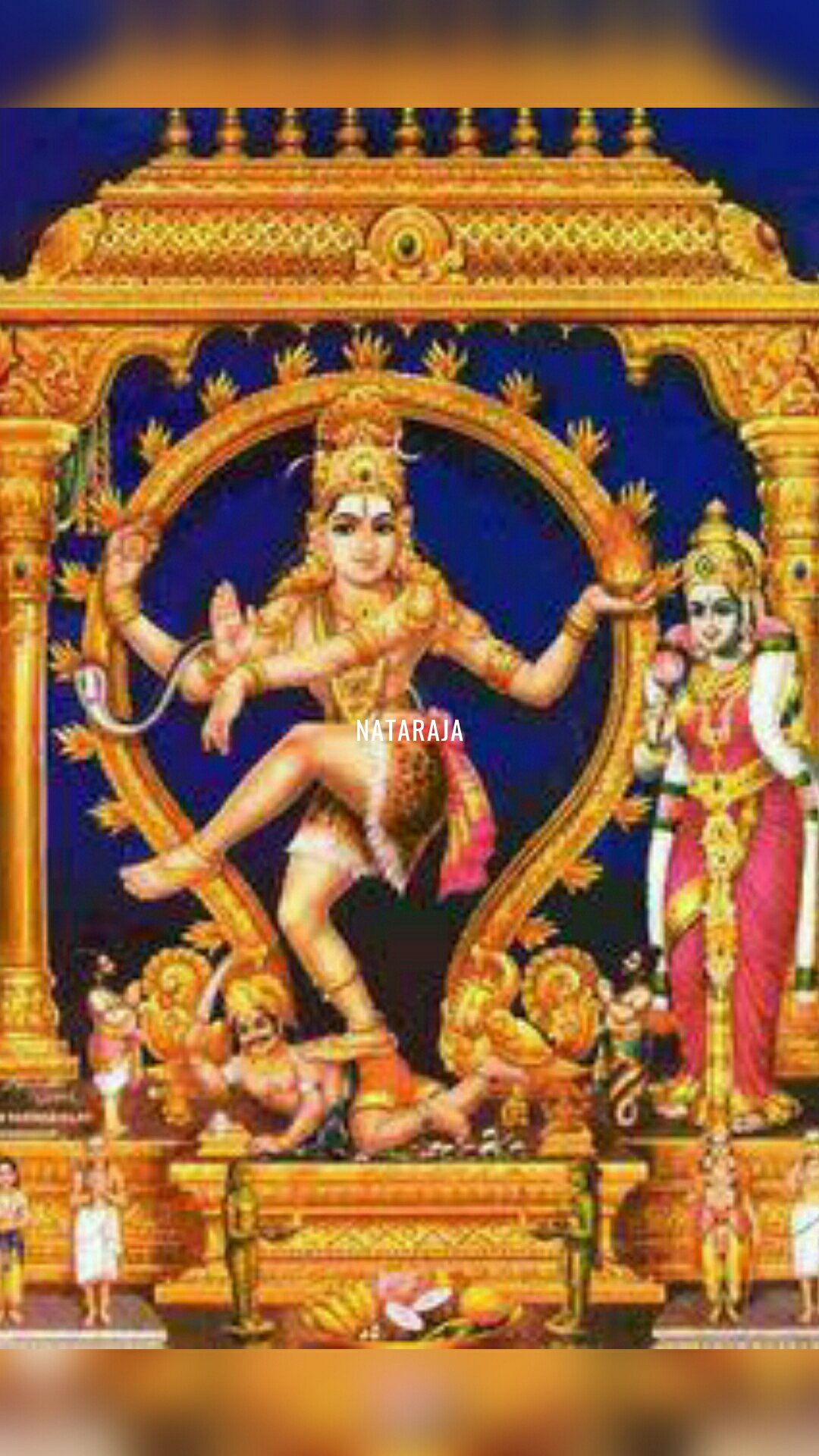
The Sanctum of Chichen Itza Pyramid and the Sanctum of Chidambaram Natarja temple are identical.
As this blog journeys through the world to find Sanatana Dharma traces ,I have come across some information,( which I should have anticipated,in the light of the Tamils being the ancestors of the Meso American cultures, Chidambaram being replicated in Chichen Itza),worth sharing.
That is the design of the Tikal Temple in Complex bears a striking resemblance to Madurai Meenakshi Temple.
Tikal Temple Ruins, Guatemela. Image Credit. “Tikal Temple1 2006 08 11” by Raymond Ostertag – Self-photographed. Licensed under CC BY-SA 2.5 via Wikimedia Commons – https://commons.wikimedia.org/wiki/File:Tikal_Temple1_2006_08_11.JPG#/media/File:Tikal_Temple1_2006_08_11.JPG
Madurai Meenakshi Amman Temple, Black and White.Not only this.
One finds the ruins of a Thousand Pillars ,Aayirangal Mantapam, in chichen Itza , called warriors Tomb as the one in Madurai.
Devadasis performed there!
The Concept of Devadasis(Servant Maids of God) is a unique concept of the Tamils/Sanatna Dharma.
I may add that many South Indian Temples have the 1000 pillars, e.g.Chidambaram.Warangal
Considering that Meenakshi was a Queen and her husband was Shiva, who is a pre Sanatana Dharma Deity, I should have looked deeper in the Americas about the Tamil presence.
I had written that Satyavrata Manu, ancestor of Lord Rama migrated to Ayodhya and his son Ikshvaku founded the Ikshvaku Dynasty.
This was due to a great Tsunami in the South of India.
Tamil classical literature speaks of this event in great detail.
Around the same time, Shiva , with his son Ganesha left westwards of India, leaving Murugan(Subrahmanya ) behind.
He seems to have moved eastwards of India.
More to follow on this later.
Ganesha and Shiva left their legacy in the west of India before reaching the Arctic where the Rig Veda was composed.
Then they returned to India through Russia through the Khyber Pass, which was manipulated to show that Aryans invaded India.
The remains of Tamil culture in the Mesoamerican and many Nations of the west would support my theory as also the remains and in many cases thriving Sanatana Dharma in South East Asia.
“The largest temple in Mexico City was the temple of Lord Shiva, the War God of the Mexican whom the Spanish invaders found entwined by golden snakes. This temple was built in the 15th century and had 3000 Deva-Dasis to perform religious ceremonials. The Mexican temple had the Gopuram style. Here you see a reconstruction of the same after it was destroyed by the Spaniards. The temples at Tikal in Mexico also bore the imprint of our famous temple at Madura. No wonder E. G. Squire in his American archaeological researches in 1851 wrote:
“It is believed a proper examination of these monuments would disclose the fact that in their interior structure as well as in their exterior form and obvious purposes these buildings correspond with great exactness to those of Hindustan and the Indian Archipelago.’
Group of a Thousand Columns at the Chichen Itza World Heritage Site. Image Credit. “Chichen-Itza-1000-Warriors-Columns” by Uspn – Own work. Licensed under CC BY-SA 3.0 via Wikimedia Commons – https://commons.wikimedia.org/wiki/File:Chichen-Itza-1000-Warriors-Columns.jpg#/media/File:Chichen-Itza-1000-Warriors-Columns.jpgThe layout of Chichen Itza site core developed during its earlier phase of occupation, between 750 and 900 AD. Its final layout was developed after 900 AD, and the 10th century saw the rise of the city as a regional capital controlling the area from central Yucatán to the north coast, with its power extending down the east and west coasts of the peninsula.The earliest hieroglyphic date discovered at Chichen Itza is equivalent to 832 AD, while the last known date was recorded in the Osario temple in 998….
..Tikal.
The closest large modern settlements are Flores and Santa Elena, approximately 64 kilometres (40 mi) by road to the southwest.[12] Tikal is approximately 303 kilometres (188 mi) north of Guatemala City. It is 19 kilometres (12 mi) south of the contemporary Maya city of Uaxactun and 30 kilometres (19 mi) northwest of Yaxha. The city was located 100 kilometres (62 mi) southeast of its great Classic Period rival, Calakmul, and 85 kilometres (53 mi) northwest of Calakmul’s ally Caracol, now in Belize.
..
Chichen Itza is located in the eastern portion of Yucatán state in Mexico.The northern Yucatán Peninsula is arid, and the rivers in the interior all run underground. There are two large, natural sink holes, called cenotes, that could have provided plentiful water year round at Chichen, making it attractive for settlement. Of the two cenotes, the “Cenote Sagrado” or Sacred Cenote (also variously known as the Sacred Well or Well of Sacrifice), is the most famous.
According to post-Conquest sources (Maya and Spanish), pre-Columbian Maya sacrificed objects and human beings into the cenote as a form of worship to the Maya rain god Chaac. Edward Herbert Thompson dredged the Cenote Sagrado from 1904 to 1910, and recovered artifacts of gold, jade, pottery and incense, as well as human remains. A study of human remains taken from the Cenote Sagrado found that they had wounds consistent with human sacrifice.
Citations.
https://en.wikipedia.org/wiki/Chichen_Itza
https://en.wikipedia.org/wiki/Tikal#Location
http://vedicempire.com/index.php?option=com_content&task=view&id=25&Itemid=9
Related articles
-

Ancestors Of Africans Olmechs Tamils Komati From Godavari?
During the course of research about the spread of Sanatana Dharma throughout the world, I have come across some curious facts.
Sanatana Dharma was in place in the South of the Vindhyas, even before Sarasvati Valley ,Harappan civilization.
While the Rig veda is dated around 5000 BC, there is a site with artifacts of advanced Tamil Culture, near Chennai and it is dated to be around a Million Years!
The Thiruvannamalai temple ,also in South is dated around a Billion years.

This Olmec king with Africoid facial features, rediscovered in 1858 at the Tres Zapotes archeological site in the Mexican state of Veracruz, is convincing evidence of the 3,000-year presence of Africans in Mexico but was omitted from the Oakland Museum of California exhibit 
Olmech King with Tuft? The Olmec king’s Africoid hairstyle with braided hair is further evidence that Africans came to Mexico at least 3,000 years ago. Tirupati arch is dated to be 2100 Million years old.
Agastya’s crossing to South India is dated with the help of Astronomy around 5000 BC.
The ancestor of Lord Rama, Satyavrata Manu migrated from the South to Ayodhya, where his son Ikshvaku founded the Ikshvaku Dynasty.
Lord Rama performed Pooja to Lord Shiva at Rameswaram after he killed Ravana.
The Tamil origins have been observed in the case of,
Sumerians.
Babylonians,
Minoans,
Mayans,
Aztecs.
Incas,
Polynesians and
Chinese.
But as things stand now, two ancient Histories seem to have been erased memory.
One is Arabia, where one does not have much to know, by being informed that before the arrival of Prophet, the Arabs were savages!
I have posted articles to disprove this by providing information about the connection between Tamils, Tamil God Idol excavation in Oman,Tamil practices and the existence of Shiva Temple in Mecca,
But the African connection is mired in obscurity.
I have few posts on African connection to Sanatana Dharma.
Now I have come across information that the The African ancestors, Olmecs,who later moved on to America,incidentally these Americans, were also from Tamils, were Tamils.
Features, Language origins point to this.
Ancient Tamil Texts, Tholkaappiyam onwards mention Kumari Kandam, a land mass , since gobbled by a Tsunami, had Africa a part of India as we have it now.
O it could be the other way around.
Though some migration from India, then called Bharatavarsha was through the Northern parts of India, through Afghanistan, Iraq, there was also Migration from the South.
The migration of Hindus to Greece, Africa is from the south , considering th remains found in these areas are mostly that of Gods more venerated in the South, Shiva, Ganesha and Murugan(Subrahmanya)
Now Read On.
‘
During the 17th century, the famous orientalist Edward Pococke noticed a disturbing similarity between classical Greek and Sanskrit. In his book,India in Greece, he showed that nearly all the place and tribal names of the Greeks had their similar correspondences in Northern India, especially in Afghanistan. The 18th century English scholar, William Jones, discovered the similarity of Sanskrit with many European languages, including Greek and Latin. Godfrey Higgins also supported their views in his two volume work,Anacalypsis. They and other distinguished linguists of the time concluded that non-Africanoid mankind probably originated in India, the Near East, and Siberia. These 17th and 18th century scholars were able to show that place, tribal, and religious names tended to stay the same, no matter how far certain ancient tribes dispersed themselves in different parts of the earth.
In the 1900s, Mexican scholars noted that the Nahuatl language is derived from Sanskrit. Even the word Nahua derives from the Sanskrit word for "sailor:" Nava or Navaja. Like their brother Allemans in Germany, the Olmecs could pronounce "V" only as "W."
..
In ancient Northern India, a religio-political savant was known as Ma-gul, Mo-gul or Ul-mag, which meant "The Great God Ul." The syllables were interchangeable.
They were also called Eu-lama or Eu-rama (Aram), according to the different tribes' ability to pronounce "R" and "L." Eu = "Great." Rama/Lama = "Priest." Even today, among the Moslems, an Ulama or Ulema is a religious scholar and leader. There was even an ancient Near Eastern nation named Elam.
These distinguished priest scholars were additionally called Ul-man, Olman, or Ul-manu. meaning "Deified Sovereigns of the Earth."
When the non-Africanoid races of mankind left India for other parts of the world, the Ul-mags continued to call themselves Alleman (Germans), Aramean or Aramaic, and Olman, Ulmak or Olmek, in ancient Mexico. It is significant to note that the Phoenician sailor-traders had many names, one of which was Aram (Aramean). The Huichol Indians of Nayarit, Mexico call the port of San Blas Aramara, named after the India-Indian port they left on their voyage to America. Could this account for the name of the Nahuas?
The bible mentions that Solomon imported Almug trees from Sophir which was part of the northwestern coast of India: Sauvira. Scholars tell us that the Almug was really the Sandalwood tree. I'm not disputing that, but I am wondering why the Olmecs called the rubber tree Ulama(k). Just as the India-Indian Almug tree was held to be extremely sacred among the ancient Hindus, so also did the Olmecs revere the sacredness of the Ulama(k) tree.
A Sanskrit name for a particularly viscous sap is Urj. The Olmecs called the sap of their Ulama(k) tree Olli/Ulli. Olli was regarded as a sacred substance of life, like blood. Often, Olli sounded like Ollin because the Nahua-speaking people tended to nasalize the last syllable.
As I have stated, the Olmecs probably could pronounce "R" only as "L." The double "LL" in Spanish is regarded as a separate letter, sounding like Elye or Eljeh, according to the dialect being spoken. For instance, the Argentinians pronounce "Y" plus a vowel, as "J." For that reason, what the ancient Ul-mags or Mo-guls of Afghanistan called Urj, the Olmecs pronounced as Olji/Ulji.
Ulama - the ball game of life and death
The Olmecs played a type of sacred ball game, the name of which was the same as their sacred tree: Ulama. This holy ball game was played by all the Indians of the American Southwest, as far as the northern borders of South America itself...
The term Dravidian comes from the Sanskrit term Dravida, historically referring to Tamil Indians. There are three subgroups within the Dravidian language family: South, Central and North Dravidian which correspond to these regions of the Indian subcontinent.
The story goes back even further than this. As a leading proponent of the popular “alternative history” theory, Dr Hromnik contends that Mpumalanga was settled by ancient sea-faring Hindus some 40,000 years ago. They came for the ivory, the gold and the iron and erected temples and astronomical observatories on mountain tops. They built strong stonewalled cities from which they hunted, mined and traded throughout Southern Africa.
Dr. Hromnik believes that these people, who were mainly speakers of Dravidian languages and early Shivites by religion, were responsible for the ancient gold mines found in South Africa, Mozambique and Zimbabwe…
..
The legacy of the Hindu empire is still reflected in local place names. Based on 15 years of research and his knowledge of Dravidian history, Dr. Hromnik believes that before the time of Christ, Indian traders named Komates, crossed the Indian Ocean in sailing boats manned by their Indonesian slaves. Like the Dutch East India Company who came later, they were driven by Monsoon trade winds blowing towards Africa and would return on reverse trade winds to India with their gold and ivory. This is supported by Biblical records which tell of the existence of gold and of the ancient gold trade in Africa.
The Komates settled with their Indonesian slaves in these regions, and then gradually moved further inland from the river mouths, seeking gold, and building their temples known as litaku. They mixed with the local !Kung (Bushmen), “the real people,” who are also called the !Kung-San. This gave rise to the Ottentotu (Hottentot).
The legacy of this Hindu empire is still reflected in many local place names. Between Natal, and Mpumalanga, South Africa, near the Swaziland border with South Africa, one finds the name Komati everywhere. This is also the region where Shebe, the richest gold mine in the world, is situated. Komati Gorge, Komati River, Lomati River, Komatiland and Komatipoort. It’s not much of a stretch to see that Komati is a contraction of the name Komates.
It is estimated that there are over 20,000 ancient stone ruins scattered throughout the mountains of southern Africa……
..
The Komatis are said to have originally lived in large numbers along the Godavari River, which the locals called Gomati or Gomti. TheSanskrit Gomati was rendered into Telugu as Komati.
Hanumantha Rao noted that the merchant classes preferred Jainism for gaining social status and respectability, and the erstwhile Baniasbecame Gomati or followers of the Gomata cult in medieval times. The story of Vasavi, the caste goddess of the Vaishyas narrated in the Vaishya Purana is said to have definite Jain overtones.
According to Rao, there is an alternative etymology for the word Komti, as the “derivation of the word from gomata, the great Jaina saint, which implies that they were followers of Gomata cult or were originally Jains”.
Dwarakanath Gupta says that “These tradesmen (Beharulu) who hailed from Gouda Desa took to Jainism and adopted the ‘Gomata’ cult. The word Gomata got distorted slowly as Gomatlu, Kommathulu, Komattulu. In the Tamil and Malayalam languages the word ‘Komati’ is in use. These Jain Vysyas slowly gave up Jainism and embraced the Vedic religion during its revival.
http://johnlbradfield.com/history/gold-in-south-africa-and-the-ancient-indian-connection/
http://www.viewzone.com/gene.olmec.html
https://en.wikipedia.org/wiki/Arya_Vaishya
Related articles
-
Asthabuhja,Eight Armed Devi Worshiped in Mexico
The Vedic Influence in the Americas is very high.
The Mayans, Incas and Aztecs have their roots in Vedic Dharma and Tamil
Please read y posts filed under Hinduism.
The rituals, calendar, Deities worshiped have a close resemblance to Hinduism.
Hindu Trinity – Brahma- Vishnu- Shiva and the Mexican Trinity are Ho- Huitzilopochtli- Tlaloc .
The idols were represented with serpents round their heads, as for Lord Shiva.-basically raised Kundalini.
The Swastika sign of this area , seen on a “huaco” pot had with four dots inside, a Vedic sign .
The ancient American’s dresses (male and female) were simple and similar to those of Hindu dresses.
Ayar Inoa King used to wear a turban, earring and a trishul type trident in his hand.
Archaeologists found many Hindu deities like Shiva, black meteorite Shiva linga, Lord Ganesha, Goddess Kali, Sun god Surya , Buddha etc. (in similar or slightly different forms) which were worshiped in ancient America.
Images of Ganesha have been excavated in plenty in Mexico. This god with the elephant’s trunk is frequently depicted in Mexican manuscripts . Lord Ganesha ‘Ekadant Ganesh’ was found in the temple at Kopan .
The image of Hanuman called by the name ‘Wilka Huemana’ and measuring 50 feet in height and 12 feet in breadth was found in Guatemala. Similar one was found during an excavation of an Aztec temple in Mexico City and was known as ‘Euhectal’, a wind God, a monkey God.
In the jungles of Honduras idols sit in Hindu mudra meditation pose .
The Hindu doctrine of the ages is found on a massive stone monolith popularly known as the Aztec calendar. This amazing piece of stone disc is 12 feet in diameter and weights more than 20 tons.
A festival called Sita-Ram (Situa – Raimi) was celebrated in Mexico during Nav-Ratri or Dussehra period which has been described on page 5867 in the book ‘Hamsworth History of the World’. ( read my post0
Both in Central and South America, there are found Sati cremation, priesthood, gurukul system, yajna, birth, marriage and death ceremonies to some extent similar to the Hindus. When Pizarro killed Peruvian King Atahualpa his 4 wives committed Sati—or self sacrifice.
Same with Hindu concepts of cataclysm, rebirth, four yugas and the concept of two planets like Rahu and Ketu causing solar eclipse
AZTEC OF MEXICO is derived from “worshipper of Ashtabhuja or Ashtak ( 8 armed ) ” , the eight armed God- found in Mexican temples.
Citation.
http://ajitvadakayil.blogspot.in/2012/07/maya-inca-aztec-civilizations-decoded.html
The above Link is an excellent source that can guide one to research further.


You must be logged in to post a comment.