Tag: Siva
-

How To Integrate Siva And Vaasi Yoga
Vaasi Yoga is an esoteric Science and an experience to be felt and one has to practice it to know.It is difficult to express in words things that can not be expressed , communicated verbally.Mantras,Sukthas as found in Vedas and other ancient texts of India from Buddhism,Jainism.One also finds such verses in Tamil, one of the oldest languages of the world that has close relation with Sanskrit and Sanatana Dharma.Corresponding to Yogis, one finds Siddhas in Tamil Literature some of them dating back to 20,000 years.
Siddha is one who has Realized the Self in the Form of Siva.They are Ageless, beyond Time. Though there are innumerable Siddhas, Eighteen are considered to be the earliest of the early. This includes Siva as Adi Yogi. Please read my articles on Siddhas. Sage Agastya and Bhogar are Siva’s Direct disciples along with Patanjali.
Siva, as I had written In an earlier part is a Process and a Person. The term Siva is the process of Vaasi.Pronounce Vaa Si few times with no gap in between , you shall get Si VA.He is the first one to practice Vaasi and transferred it to Agastya and Bhogar.Though Agastya also has spoken on Vaasi, Bhogar’s exposition is equally eloquent.I am quoting Bhogar in this article As an aside, Bhogar had installed the Pazhani Dhandayudhapani Vigraha with Nine rare metals or ingredients of which Science has no clue. I have posted can article on the Atomic structure of the Idol
வெளியான வாசியைத்தான் வரவழைத்து வீட்டுக்குள் அங்கங்கே வைத்திட்டுத்தான் தனியாக வைத்திட்டுச் சாதித்தாக்கால் சந்தித்து வாசியும் ஈசனும் ஒன்றாகும் வளியாக வாசியைப்போல் சித்தொன்றில்லை மாசித்துச் சிவனவனாம் வாசியொன்றில் ஒளியாக வாசியது உயிரைமீட்கும் உறுதியாம் சிவயோகத் துண்மைதானே
If you Bring in/Welcome, Vaasi from outside to Home, yet keep them separately in their Place Perform and achieve Vaasi,then No difference Exists between Vaasi and Siva.There is nothing that equals Vaasi as Universal Breath.On achievement of Vaasi as Siva Manifests as Splendorous Light In Vaasi.
Reality is Immanent in the Universe.It is within Us too.What is in the Macrocosm is in the Microcosm.The Reality appears to be different from us, away from us, is because of our ignorance, Avidya at the individual level and Maya at the Universal Level.Once this ignorance is removed, Reality ,Brahman shines forth just as our image becomes brighter in a Mirror which was dusty earlier.Bhogar says that though you may be aware that the Reality,Universal Soul, Brahman and You as Individual Souls are not different, he tells us to forget that for the time being, think that they are different and concentrate on the Process of Vaasi ,On Consciousness.When the Process of Vaasi is complete, Brahman,Reality shines forth as Splendorous Light in You and as Brahman,As One, as Siva .
This exposition is Pure Advaita as expressed in Aham Brahmasmi,Tat Tvam Asi,Soham Asmi and Pragyanam Brahma, The Mahavakyas, Great statements of Vedas. There is Pun on the Tamil word ‘Veedu .’.Veedu In Tamil means Moksha/Realisation as well.
-

Sivamurtham 2
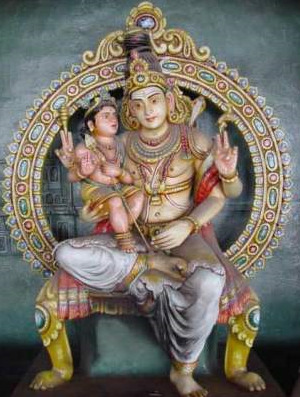
Dhyana Slokas of these Five Siva Murthams.
cha.ndra shekharar
abhaya varada hastam.h saumya shR ^ i.ngAra bhAvam.h vipula vadana netram.h chandra biMbA.nga mauLim.h | R ^ ijutanu samapAdasthAnakam.h vidrumApam.h hariNa parashu pANim.h padmapIThoparistham.h ||
umA maheshvarar
dhavaLApa sukhAsana sannihitam.h mR ^ iga DiMbaka Ta.nka varAbhayadam.h | sumukham.h paramutpaladhR ^ ik.h varadam.h umayA sahitam.h praNamAmi bhavam.h ||
naTarAjar
ekAsyantu chaturbhujam.h trinayanam.h vAmetu dhurdhUrakam.h chandram.h patra shikhi prasArita karam.h chordhvam.h padam.h kuJNchitam.h | savye svastika kuNDalam.h damarukam.h ga.ngAbhayepipradam.h vande kIrNajaTam.h naTeshamanisham.h hyapasmAra dehesthitam.h ||
tripurAri
raktApam.h paripUrNa chandravadanam.h kR ^ ishhNam.h mR ^ igam.h kArmukam.h vAme savyakare sharaJNcha tathatam.h Ta.nkaJNcha devyAyutam.h | ga.ngAchandra kalAdharam.h hariviriJNchAdyaissadA sevitam.h hAsairdagdha puratrayam.h tribhuvanAdhIsham.h purArim.h bhaje ||
jalandarAri
raktApam.h ugra gamanam.h trivilochanAbhayam.h Ta.nkAsi kR ^ ishhNa mR ^ iga chApa sushobhi hastam.h | bhUmistha chakra dharaNodga jalandharasya kaNThagna mAbhaja jalandhara harasvarUpam.h ||
https://shaivam.org/scripture/English-Script/152/maheshvara-murtham-dhyana-shlokas
-

Siva In Tamil Sangam Literature
The secularists have one to believe that Dravidian Couture was totally alien to Sanatana Dharma and was inimical to it:Tamils were a a barbaric race;Aryans were superior:there was Aryan Invasion.All these theories are debunked now.
I have written extensively that Tamils were a part of Sanatan Dharma and vice versa;Tamil Kings admired Kings beyond Vindhyas and it was reciprocated.
Krishna,Arjun married Pandyan Princesses.Krishna took part in Tamil Poets: Conclave at Madurai.
To nail the nonsense that Sanatana Dharm and Tamil were enemies, I here below quote from Ancient Tamil Sangam Literature.
It is worthy of note that Lord Siva referred to more in Ancient Tamil literature,Sangam literature and later works,though Siva is not directly referred to Vedas. His name is referred to in Sri Rudram and Chamaka,where Siva’s aspect Rudra is addressed.
Siva means auspiciousness, Mangalam.
Prominent reference comes in the Sri Rudra as ‘,Nama Shivaya cha,Sivadharaaya cha, and it is kept as a secret,Guhyam.
Similarly in Tamil literature, especially Sangam Literature,Siva is referred to only through his Attributes,never directly.
He is referred to as one who rides the Bull,Nandi,one whose Neck is blue,One who is red-hot….
However the earlier Tamil grammar work does not seem to refer to Siva.
This, despite the fact that Tamil is reported to have sprung from Lord Siva,along with Sanskrit.
And another earlier work Agathiyam ,which is lost to us,was by Sage Agastya,who was a co-founder of Tamil.
And the First Tamil Grammar book,which is lost,Irayanaar Agapporul was reported to have been by Lord Siva Himself!
These curious facts make me wonder about the reasons as to why Siva is missing in Tholkappiyam.
And another interesting fact is that Tamils have assigned one God each to one geographical landmass.
These landmasses were five.
Kurinji,Hill and surrounding areas- God-Cheyon, Murugan.
Here Cheyon indicates Son,that is son of Siva.
Mullai, Forest and adjoining areas,God-Mayon,Vishnu.
Marutham,Arable land and adjoining Areas.God Indra.
Neydhal,Ocean and adjoining areas,God Varuna.
Paalai,Desert,God Kotravai.
So the intriguing aspect is that despite calling Siva as Adi Yogi, meaning that he was the first one to practice and realize Brahman through Vaasi Yoga:Thirumandiram by Thirumoolar which is atleast three thousands year old refers to Siva;Vaasi Yoga was by Siva and Patanjali wrote his Yogasutras based on Vaasi Yoga.
And Tamil mentions Siva as ‘பிறவா யாக்கைப் பெரியோன்’ The eldest,who is never born’
‘
கலித்தொகை
இமையவில் வாங்கிய ஈர்ஞ்சடை யந்தணன்
உமை யமர்ந் துயர்மலை இருந்தனனாக
ஐயிரு தலையின் அரக்கர் கோமான்
தொடிப்பொலி தடக்கையிற் கீழ்புகுத் தம்மலை
எடுக்கல் செல்லாது உழப்பவன் போல……..
(கலித்தொகை, 38) Kaliththogai 38
(ஈர்ஞ்சடை = ஈரத்தை உடைய சடையினை உடைய, அந்தணன் = இங்குச் சிவன், அரக்கர் கோமான் = இராவணன், தொடி = ஓர் அணிகலன், பொலி = விளங்குகின்ற, உழப்பவன் = வருந்துபவன்).Siva is referred as the one who with his wet hair,along with Devi Uma pressed down Kailasa to crush Ravana when he tried lifting it.
இமயமலையிடத்துப் பிறந்த மூங்கிலாகிய வில்லை வளைத்தவனும் ஆகிய ஈரத்தை உடைத்தாகிய சடையினை உடையவனும் ஆகிய இறைவன் இறைவியோடு பொருந்தி, உயர்ந்த கயிலைமலையில் இருந்தனன். அரக்கர்க்கு அரசனாகிய பத்துத் தலையை உடைய இராவணன் மலையை எடுப்பதற்குக் கையைக் கீழே செருகித் தொடிப்பொலிவு பெற்ற அத்தடக்கையினாலே அம்மலையை எடுக்க இயலாது வருந்திய நிலைபோல…..
இங்குச் சிவனைப் பற்றிய குறிப்பும் இராவணன் கயிலாய மலையைத் தூக்க முயன்று முடியாமற் போனதும் இடம்பெற்றுள்ளன. (குறிஞ்சிக்கலி – 38)
கலித்தொகையில் வேறொரு பாடலிலும் சிவனைக் குறிக்கும் முக்கண்ணான் என்ற சொல் இடம் பெற்றுள்ளது. அச்சொல் இடம்பெறும் பாடலைக் கீழே பார்க்கலாமா?
தொடங்கற்கட் டோன்றிய முதியவன் முதலா
அடங்காதார் மிடல்சாய அமரர் வந்திரத்தலின்
மடங்கல்போற் சினைஇ மாயஞ்செய் அவுணரைக்
கடந்தடு முன்பொடு முக்கண்ணான் மூவெயிலும்
உடன்றக்கால் முகம்போல ஒண்கதிர் தெறுதலின்
(கலித்தொகை, 2) Kaliththogai 2
(தொடங்கற்கண் = உலகங்களைப் படைக்கக் கருதியபோது, முதியவன் = அயன், பிரம்மா; அடங்காதார் = அரக்கர், மிடல்சாய = வலிமை கெட, மடங்கல் = சிங்கம், சினை = கோபித்து, மூவெயில் = திரிபுரங்கள், மூன்று கோட்டைகள்)
இதில் முக்கண்ணான் என்ற தொடர் இடம் பெறுகிறது. தேவர்களுக்காக அவுணர்களை அடக்க மூன்று புரங்களை எரித்த சிவனின் செயல்பாடு விரிவாகக் குறிக்கப்படுகிறது.Siva is referred to as the one with three Eyes who burnt three citites.
• புறநானூறு(Puranaanuru 91)
உண்டவரை நீண்ட நாள் வாழ்விக்கும் அரிய நெல்லிக்கனியை அதியமானிடமிருந்து பெற்ற ஒளவை அவனை வாழ்த்தும்போது,
பால்புரை பிறைநுதல் பொலிந்த சென்னி
நீலமணிமிடற் றொருவன் போல
மன்னுக பெரும நீயே…..
(புறம் :91)(மிடறு – கழுத்து)
என்கிறார்.
பால்போலும் பிறை நெற்றியில் பொருந்திப் பொலிந்த திருமுடியினையும் நீலமணி போலும் கரிய திருமிடற்றினையும் உடைய ஒருவனைப்போல (சிவனைப்போல) நிலைபெறுவாயாக என வாழ்த்துகிறார்.
இங்கு, சிவன் அணிந்திருக்கும் பிறையும் அவனுடைய நீலமணிமிடறும் குறிப்பிடப்படுகின்றன.Siva is referred to as One with Blue Throat,and one with Crescent Moon.
மற்றொரு புறப்பாட்டில் முழுமுதற் கடவுள் என்று பொருள்படும் முதுமுதல்வன் என்ற தொடர் கீழ்வரும் அடிகளில் இடம்பெறுகிறது.
நன்றாய்ந்த நீணிமிர்சடை
முது முதல்வன்.Here Siva is called as the First Cause with Straight Hairlocks.(Puranaanuru)

(புறம் :166) (Puranaanuru 166)
புறநானூறு கடவுள் வாழ்த்துப்பாடலில் கொன்றைப்பூ அணிந்த திருமார்பும், ஆனேறு (நந்தி) ஏறப்படும் வாகனமாகவும், கொடியாகவும் குறிக்கப்படுகின்றன. நஞ்சினது கறுப்பு, திருமிடற்றை அழகு செய்தது… ஒரு பக்கம் பெண்வடிவு ஆயிற்று என்று சிவனின் அடையாளங்களை விரிவாகப் பேசுகிறது. (புறம்: கடவுள் வாழ்த்து)ஏற்றுவலன் உரிய எரிமருள் அவிர்சடை
மாற்றருங் கணிச்சி மணிமிடற்றோனும்என்று மற்றொரு புறநானூற்றுப்பாடல் (56) குறிக்கிறது.
(எரிமரு = அழல்போலும், கணிச்சி = மழுப்படை, மணி = இங்கு நீலமணி, மிடறு = கழுத்து)
அதாவது ஆனேற்றை வெற்றியாக உயர்த்த அழல்போலும் விளங்கிய சடையினையும் விலக்குதற்கு அரிய நீலமணிபோலும் திருமிடற்றை உடையோனும் என்று பொருள்படுகிறது.
சிவனுடைய சடையும், அவன் கையில் தாங்கியிருக்கும் மழுப்படையும் நீலமணிமிடறும் இங்கு விளக்கம் பெறுகின்றன. கலித்தொகை (103) வாள் ஏந்தியவன் என்னும் பொருள்தரும் கணிச்சியோன் என்று குறிப்பிடுகிறது.
ஐங்குறுநூறு கடவுள் வாழ்த்துப் பாடலில் ‘நீலமணி வாலிழை பாகத்து ஒருவன்’ என்று சிவனைக் குறிப்பிடுகிறது.
இந்தக் கூற்றுகள் குறிப்பிடத்தக்கவை. காத்தல் கடவுளாகிய சிவபெருமானே எல்லாவற்றையும் அழிக்கிறான் (எல்லாவுயிர்க்கும் ஏமமாகிய – புறநானூறு, கடவுள் வாழ்த்து) அழித்தபிறகு கொடு கொட்டி என்னும் கூத்தினை ஆடுகிறான் (கொடுகொட்டி ஆடுங்கால் ….. நுசுப்பினாள் கொண்ட சீர் தருவாளோ- கலித்தொகை, கடவுள் வாழ்த்து) (நுசுப்பினாள் = இடையை உடையவள், சீர் = தாளவகை) என்ற இந்தக் குறிப்புகள் – குறிப்பாக, காத்தலும் அழித்தலும் சிவபெருமானாலேயே நடைபெறுகின்றன என்னும் கருத்து – சிவபெருமான் படைத்தல், காத்தல், அழித்தல், மறைத்தல், அருளல் என்னும் ஐந்தொழில்களைச் செய்கிறான் என்ற சைவசித்தாந்தக் கருத்தைக் குறிப்பால் உணர்த்தும்.
1.2.3 பத்துப்பாட்டு (Pathuppaattu 1,2,3)
சங்க இலக்கியத்தின் மற்றொரு தொகுதி பத்துப்பாட்டு ஆகும். ஆற்றுப்படை நூல்கள் ஐந்தும் இதில் அடங்கும். காவிரிப்பூம்பட்டினத்தைச் சிறப்பிக்கும் பட்டினப்பாலையும் தமிழகத்துப் பூக்களைப் பற்றிக் கூறும் குறிஞ்சிப்பாட்டும், நிலையாமையைக் கூறும் மதுரைக்காஞ்சியும் பத்துப்பாட்டில் இடம் பெறுகின்றன. அகப்பொருள் நூலோ என்று கருதும் அளவுக்குச் சிறப்பாக உள்ள நெடுநல்வாடையும், தலைவி தலைவன் வருகைக்காகக் காத்திருக்கும் செய்தியைக் கூறும் முல்லைப்பாட்டும் இத்தொகுதியைச் சேர்ந்தவை. மக்கள் வாழ்க்கையை விரிவாகக் கூறும் இந்த நூல்களில் சிவனைப் பற்றிய குறிப்புகளும் இடம் பெறுகின்றன.
நீலநாகம் நல்கிய கலிங்கம்
ஆலமர் செல்வற் கமர்ந்தனன் கொடுத்த ….ஆய்
(சிறுபாணாற்றுப்படை, 96-97) Sirupaanaatruppadai 96 and 97)(கலிங்கம் = ஆடை, ஆலமர் செல்வன் = சிவன், ஆய் = கடையெழு வள்ளல்களுள் ஒருவன்)
இது, பாம்பு ஈன்று கொடுத்த ஒளிவிளங்கும் நீலநிறத்தை உடைய உடையினை, ஆலின் கீழிருந்த அமரர் இறைவனுக்கு நெஞ்சு பொருந்தி (மனம் விரும்பி) கொடுத்த ஆய் எனப் பொருள்படும்.
மதுரைக் காஞ்சியில் சிவனின் பல சிறப்புகள் கூறப்படுகின்றன. ஆனால் சிவன் என்ற பெயர் காணப்படவில்லை.
நீரு நிலனுந் தீயும் வளியு
மாக விசும்போ டைந்துடனியற்றிய
மழுவாள் நெடியோன் தலைவனாக
(453-455)One who has created the Five elements with his Mazhu,Ax (Maduraik kaanchi 453-455)
(வளி = காற்று, விசும்பு = ஆகாயம்)
என்ற குறிப்பு வருகிறது.
இதன் பொருள்: திக்குகளை உடைய ஆகாயத்துடனே நீரும் நிலனுமாகிய ஐந்தினையும் சேரப்படைத்த மழுவாகிய வாளை உடைய பெரியோனை ஏனையோரின் முதல்வனாகக் கொண்டு …. என்று கொள்ளலாம்.
இவ்வாறெல்லாம் பத்துப்பாட்டில் சிவனைப் பற்றிய அடையாளங்களுக்கான குறிப்புகள் காணப்படுகின்றன.
Reference and Citation http://www.tamilvu.org/courses/degree/p202/p2021/html/p202112.htm
-

I Perform Sata Rudreeyam Daily Lord Krishna in Mahabharata
Let me narrate a legend involving Adi Shankaracharya and Devi before proceeding to the topic.
After Adi Shankaracharya was accepted as his disciple by Gaudapada(who is considered to be an Avatar of Vyasa,who in turn is an Avtar of Vishnu),Shankaracharya wanted to write a commentary,Bhashyam.
(*Adi Shankara’s Guru was Govinda Bhagavadpada and both Govinda Bhagavadpada and Shankara studied under Gaudapada.
Hence Shankara calls him Parama Guru.)He wanted his first work to be on Devi.
So he fixed Devi in his mind ,meditated and asked his disciple to get the manuscript from the repository.
When It was brought,it was found to be the manuscript of Vishnu Sahasranama.
Shankaracharya was annoyed and asked the disciple to bring the manuscript on Devi.
What was brought to him,not only for the second time but the third time as well was,
Vishnusahasranama.
Shankaracharya meditated on Devi and She told him,
‘Before beginning your work on Me,complete thee work on my elder Brother Vishnu first’
Thus was born the Shankara Bhashya of Vishnu.
It can be identified as Shankara Bhashya when the phrase ‘Om Namo Bhagavathe
Vasudevaayav’Vishnu’s Mahamantra,The Dwadasa Nama, in the Dhyana sloka before
‘ Santhakaaram Bhujaka Sayanam,’and this can not be found in any other work.
Such is the unity of Hindu thought and we have Krishna Sthuthi by
Shiva,Mantrarajapadam by Shiva on Narasimha and Siva Stuthi by Krishna.
Now there is something more.

Lord Krishna says He performs Satha Rudreeya daily.
Satha Rudreeyam is on Rudra,an aspect of Shiva as Destroyer.
Lord Krishna on Satha Rudreeyam.
‘Krishna confesses that he recites the Sata-Rudriya every morning, and explains how it is the best way to please Shiva (Anushasana Parva).
“Vasudeva said, ‘I shall recite to thee the good that I have acquired and the fame that I
have won through the Grace of That High-Souled One. Verily, I shall discourse to thee
on the topic, after having bowed unto Kapardin.Oh king, listen to me as I recite to thee
that Sata-Rudriya which I repeat; with restrained senses, every morning after rising
from bed…O sire, It is Sankara who Created All the creatures in the Universe, mobile
and immobile.There is no being that is higher, O monarch, than Mahadeva. Verily, He is
the Highest of All beings in the three worlds…Formerly, when Sankara became angry, the
deities trembled with fear and bent their heads to Him. Without being appeased, Rudra
placed on His bow-string a sharp and blazing arrow. Beholding His Prowess, the deities
and the Rishis became all alarmed. Those foremost of gods began to pacify Him! Joining
their hands in reverence, they began to recite the Sata-Rudriya Mantras. At last,
Maheswara, thus praised by the deities, became gratified.’”
vAsudeva uvAcha||
hanta te kathayiShyAmi namaskRRitvA kapardine |
yadavAptaM mahArAja shreyo yachchArjitaM yashaH ||
prayataH prAtarutthAya yadadhIye vishAM pate |
prA~njaliH shatarudrIyaM tanme nigadataH shRRiNu ||
…
sha~NkarastvasRRijattAta prajAH sthAvaraja~NgamAH ||
nAsti ki~nchitparaM bhUtaM mahAdevAdvishAM pate |
iha triShvapi lokeShu bhUtAnAM prabhavo hi saH ||
…
tataH praNemurdevAste vepamAnAH sma sha~Nkaram |
punashcha sa.ndadhe rudro dIptaM sunishitaM sharam ||
rudrasya vikramaM dRRiShTvA bhItA devAH saharShibhiH |
tataH prasAdayAmAsuH sharvaM te vibudhottamAH ||
jepushcha shatarudrIyaM devAH kRRitvA~njaliM tataH |
sa.nstUyamAnastridashaiH prasasAda maheshvaraH ||’Five Methods of Chanting Rudra
There are five methods of chanting Rudra viz.,
- Ordinary method where first Rudram is read and then Chamakam.
- Rudra ekadasini where after chanting Rudram, the first anuvaka of Chamakam is chanted, again after chanting Rudram the second anuvaka of Chamakam is chanted and so on till the eleventh chanting of Rudram followed by eleventh anuvaka of Chamakam.
- Eleven such Rudra ekadasinis makes one Laghu Rudram
- Eleven such Laghu Rudrams makes one Maha Rudram and
- Eleven such Maha Rudrams make one Athi rudram.
Source. P.R.Ramchander


You must be logged in to post a comment.