Tag: Ila

  • Why Tamil Kings Are From Solar Lunar Dynasty Second Capital in Pakistan

    Why Tamil Kings Are From Solar Lunar Dynasty Second Capital in Pakistan

    I visited Thiruvellarai,about fifteen kilometres from Srirangam,Tamil Nadu.

    Srirangam is the second Divya Kshetram,Sacred Dwelling Place of Lord Vishnu,the first being Vaikuntam,the Celestial Abode of Vishnu.

    I was informed by the Archaka of Srirangam that there is a older temple of Vishnu at Thiruvellarai.

    On visiting the temple I found three unique features.

    I wrote an article on this and on Indhumathi, Lord Rama’s grandmother,a Pandyan Princess.

    This temple is reported to have been built by Chola King Sibi.

    Sibi is the ancestor of Lord Rama.

    He built this temple after vanquishing Asuras,meaning powerful(Asuras are different from Rakshasas)in Dravida Desa.

    Sibi ruled from the what is now the North West Province of Pakistan.

    The founder of Ikshvaku Dynasty,Ikshvaku,to which Sibi and Rama beling belongs to Dravida Desa,that is South of Vindhya Mountains in India.

    Manu,after whom the term ,’Man’ is coined is the first Human and he was from the Dravida Desa.

    After a Tsunami,Ikshvaku left for Ayodhya in North India,founded Ikshvaku Dynasty from Ayodhya.

    The Kings of South India,Chera,Chola belong to Surya Vamsa,the Solar Dynasty of Ikshvaku.

    Some of these Kings belong to Lunar Dynasty,Chandra Vamsa.

    Now,after visiting Thiruvellarai, I had some questions.

    1.If Ikshvaku founded the Dynasty from Ayodhya,

    how is it that Tamil Kings declare that they are from Solar Dynasty?

    2.If these Kings ruled from South ,how come that Sibi ruled from the North of India,where his second capital was?

    Answer lies with Ila, daughter of Manu and sister of Ikshvaku.

    Ila,after whom the term Ezham,the Tamil word denoting Tamil land is derived from,is the founder of the Lunar dynasty.

    She was married to Budha,son of Chandra.

    Hence her offsprings belong to Lunar Dynasty.

    The Ailas of the world descended from Ila.

    Ila was given a portion of Dravida Desa,Lanka.

    Lanka is from Ila.

    There is controversy over the fact whether the present Lanka is the Lanka mentioned in the Ramayana.

    Please refer my post on Lanka is not Ramayana Lanka.

    Ila was birn a woman,became a Man,then again woman to be finally Man for a month and woman the next month.

    Those who question this transformation may note people today change genders after Surgical Procedure.

    During the period when Ila was a Man,he married and had children.

    Children through this lineage belong to Lunar Dynasty and they ruled the Matsya Kingdom from North India.

    Matsya in Sanskrit means Fish.

    Manu the first Man was advised by A Fish of the impending Tsunami.

    Hence Manu moved out , meditated in Madagascar, while his son Ikshvaku moved to Ayodhya.

    His daughter Ila moved to South after the Tsunami

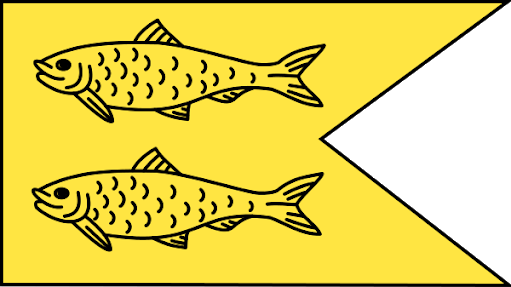
    It is curious to note that the Pandya Kings’ Emblem is Fish.

    Another reference to Manu and Matsya.

    Either the offspring of Ila moved to Matsya desa at the same time when Ikshvaku moved to North,while Ila moved to South or

    Ila’s children moved to north later,but before Lird Rama.

    This cound account for Sibi having had a second capital in North India.

    Matsya Kingdom.

    Matsya Kingdom was probably founded by fishermen community who later attained kingship. The Sanskrit word Matsya means fish. Satyavati, the wife of Kuru king Santanu was from this community. King Virata, a Matsya king, founded the kingdom of Virata. He was the father-in-law of Abhimanyu the son of Arjuna. The epic Mahabharata relates the founder of Matsya kingdom to the ruler of Chedi, viz Uparichara Vasu.An interesting fact is that fishing was the main occupation of the people who lived near river Saraswati. After the Saraswati River dried up, they migrated to river Charmanwati now known as Chambal meaning fish in Dravidian languages. Krishna Dwaipayana Vyasa, was son of Satyavati who belogned to this fishermen community and yet was a Vedic scholar, thus attesting the origin of Vedas from the Saraswati basin.

    Other than the Matsya kingdom to the south of Kuru Kingdom, which falls in the Alwar, Bharatpur districts of Rajasthan, the epic refers to many other (as many as, six other) Matsya kingdoms. The Pandya Kingdom in the extreme south, also bears the icon of a fish on its official banner showing some connection with the Matsya kings. The main Matsyas under Virata had its capital named Viratanagari which is now known as Bairat in Jaipurdistrict of Rajasthan. Upaplavya was another famous city in this kingdom.

    References in Mahabharata

    Matsya is mentioned in the list of kingdoms of Bharata Varsha (ancient India) at (6,9).

    Origin of Matsya Kings

    The first Matsya king was mentioned to be the son of a Chediking named Uparichara Vasu. He was a Paurava, meaning a king beloning to the Puru dynasty (1,63). Apart from the five royal sons of this king, he had a son and a daughter born of a women of fisherman community. The male child, in due cource established the Matsya Kingdom and founded the royal dynasty called Matsya Dynasti. The female child lived as a member of fishermen community. Her descendants established as fishermen on the banks of river Yamuna, in the kingdom of Kurus. The famous Kuru king Santanu’s wife Satyavati was from this fishermen community. The author of Mahabharata, vis Krishna Dwaipayana Vyasa and the Kuru kings viz Chitrangada and Vichitravirya were the sons of Satyavati. Pandavas and Kauravaswhere the grandsons of Vichitravirya.(1,63).A king named Sahaja ruled the united Chedis and Matsyas. As per Bhima he became cause for the destruction of his own race (5,74).

    Source.

    http://ancientvoice.wikidot.com/matsya

    Ila ,Sudhyumna.

    While many versions of the tale exist, Ila is usually described as a daughter or son of Vaivasvata Manu and thus the sibling of Ikshvaku, the founder of the Solar Dynasty. In versions in which Ila is born female, she changes into a male form by divine grace soon after her birth. After mistakenly entering a sacred grove as an adult, Ila is either cursed to change his/her gender every month or cursed to become a woman. As a woman, Ilā married Budha, the god of the planet Mercury and the son of the lunar deity Chandra (Soma), and bore him a son called Pururavas, the father of the Lunar dynasty. After the birth of Pururavas, Ilā is transformed into a man again and fathered three sons.

    In the Vedas, Ilā is praised as Idā (Sanskrit: इडा), goddess of speech, and described as mother of Pururavas.

    The tale of Ila’s transformations is told in the Puranas as well as the Indian epic poems, the Ramayana and the Mahabharata.

    Source.

    https://en.m.wikipedia.org/wiki/Ila_(Hinduism)

    Ilā married Budha and spent an entire month with him and consummated the marriage. However, Ilā woke one morning as Sudyumna and remembered nothing about the past month. Budha told Ila that his retinue had been killed in a rain of stones and convinced Ila to stay with him for a year. During each month she spent as a woman, Ilā had good time with Budha. During each month as a man, Ila turned to pious ways and performed austerities under the guidance of Budha. In the ninth month, Ilā gave birth to Pururavas, who grew to become the first king of the Lunar dynasty. Then, as per the advice of Budha and Ila’s father Kardama, Ila pleased Shiva with a horse sacrifice and Shiva restored Ila’s masculinity permanently.

    Another legend from the Vishnu Purana credits Vishnu of restoring Ilā’s manhood as Sudyumma.The Bhagavata Purana et al. texts tell that after Pururavas’s birth, the nine brothers of Ila – by horse sacrifice – or the sage Vasistha – the family priest of Ila – pleased Shiva to compel him to give the boon of alternate month manhood to Ila, turning him into a Kimpurusha. The Linga Purana and the Mahabharatarecord the birth of Pururavas, but do not narrate the end of Ila’s alternating gender condition. In fact, the Mahabharata describes Ilā to be the mother as well as the father of Pururavas.According to another account found in the Vayu Purana and the Brahmanda Purana, Ilā was born female, married Budha, then was transformed into a male called Sudyumna. Sudyumna was then cursed by Parvati and transformed once again into a female, but became a man once again through Shiva’s boon.

    Source.

    https://en.m.wikipedia.org/wiki/Ila_(Hinduism)

  • Sagara Ramas Ancestor Married Dravidian Princess

    History of ancient India is complex,yet very interesting.

    Seemingly disconnected facts,events acquire  significance when they are analysed .

    One such is the intimacy between the Dravida Desa and Sanatana Dharma.

    Both have an intricate,complex relationship .

    Both quote each other.

    The Kings of the Northern India had a close relationship with their counterparts from the south,right from the days of the First Human Being,Manu.

    Manu was a king of Dravida Desa.

    He meditated in Madagascar,which was a part of his kingdom.

    He had a daughter who was married in the south.

    She was Ila.

    And King Sagara,of Ikshvaku Dynasty whose son. Bhagiratha brought River Ganga to earth,India was married to a south Indian,Dravida Princess.

    She belonged to Sibi,aka Sivi dynasty.

    She founded the Lunar Culture

    Sagara) is a prominent king of the Suryavansha dynasty in Satya Yuga. He has two wives, one a princess of the Vidarbha, and the other from royal lineage of Sivi,’

    Source. https://en.m.wikipedia.org/wiki/King_Sagara

    SIBI.

    Sibi,Emperor.image.jpg
    King Sibi.

    ‘The story of Sibi Chakravarthy is so famous that it was sculpted in the Barhut, Nagarjunakonda ,Amaravati bas-reliefs and  Borobudur in Java,Indonesia (see Boropudur sculpture above).

    Tamil epics Silappadikaram and Manimekalai gave more details about this link. Since the oldest part of Sangam Tamil literature mentions it no one can reject it. The link is confirmed with other stories as well.

    Sibi ruled from the north west of India. There was a Sibi puram on the banks of river Chenab in Punjab. Sibi clan is mentioned in Rig Veda and Brahmanas. Panini referred one Sivapuram may be the same Sibipuram’

    Sibi is in Nort west of India, currently in Pakistan.

    There are views that Sibi ruled from there and that the Tamils were from North India.

    Considering the differences between the Tamil Culture and Sanatana Dharma, thought Tamils were a part of Sanatana Dharma and the archeological evidence,Literature, the structural difference between Sanskrit , I am of the opinion that it is not so.

    In the case of Sibi. it is probable that Sibi had the city of Sibi as a second capital.


  • Dravida Lunar Culture Founded By Ila Manu Daughter Ikshvaku Dynasty

    Though Sanatana Dharma and the Tamils have mutual respect and lived together, there are some differences.

    1. The Worship of Shiva is more pronounced among the Tamils as compared to Vedas.Shiva is not mentioned directly in the Vedas but through Sri Rudram and the name of Shiva is kept in secret in Sri Rudram.There are no special Sukthas for Shiva in the Vedas whereas Shiva was /is considered as the Prime Deity among the Tamils.

    Shiva is called the Adi Siddha, the First Siddha and is reported to have founded the Vaasi Yoga, a special Technic of Yoga.

    The term Shiva is only a representation of the Vaasi Yoga.The word Vaasi when read  in the reverse or spoken fast becomes Siva.

    Shiva’s disciples on Yoga were, among others ,Agastya,Bhoga and Patanjali.

    This is from the Tamils.

    Kumarikandam
    Kumari Kandam ,The Sunken Continent

    Sanskrit mentions that Shiva means Auspiciousness and the Patanjali’s Yoga Sutra, though remains the same in essence, is different from Vaasi Yoga.

    While Shiva’s activities are limited to His Marriage with Uma and not much is heard of Him in the North Indian Texts, Tamil has a lot of references to Shiva’s Manifestations.

    His presence in Madurai is chronicled.

    His son Subrahmanya is explained in detail and He, along with Shiva and Sage Agastya are credited to have founded the Tamil Language.

    Sage Agastya and Subrahmanya are present in  South East Asian  Cultures the form  as far as New Zealand,Australia,.

    Tamil kings were present during the marriages of

    Nala and Damayanthi, which predates Ramayana,

    Rama Sita ,

    Draupadi Swayamvara, and also at

    Yudhistra’s Rajasuya Yaga,

    Tamil kings participated in the Kurukshetra , Mahabharata War,

    Krishna and Arjuna married Pandyan princesses and had children through them,

    Balarama visited south and worshiped Subrahmanya called as Murugan in the South…

    Lord Krishna attended Tamil Poets’ Conclave,Tamil Sangam…

    And Vaivaswatha Manu , ancestor of Lord Rama was a Dravida, meditated in Madagascar before migrating to Ayodhya where his son Ikshvaku founded the Ikshvaku Dynasty to which Lord Rama belongs.

    It is the Solar Dynasty of India, Suryavansh.

    Manu left for the North because of A Tsunami

    Tamil is an ancient language of India which runs parallel to Sanskrit.

    A Million year old site found near Chennai records an advanced Tamil civilization.

    The sunken harbor of Poonpuhar, Tamil Nadu, which is spoken of in detail in the Tamil Epic Cilappadikaram,is dated 20,000 years ago..

    Such an old culture refers to Sanskrit and Sanskrit in turn refers to Tamil.

    Then there is Sage Agastya who is present both in Tamil and Sanskrit.

    So is Sage Valmiki who is considered to be a Siddha and has written poems in Tamil.

    Such an intimacy between Sanatana Dharma and Tamuls yet there are differences though they present a unified picture!

    This has been a question I have been seeking  an answer to.

    The fact that Manu was from the South, Dravida.

    • One has to remember that the landmass in those ancient days was different and it has no relevance to what we call as North or South India now
    Jambudweepa,
    Jambudweepa, landmass of the Earth as explained in the Puranas. Note the change from present Landmass

    Lord Rama refused to fight against the Lemurians while he was fighting the Atlantis people saying that Lemurians were his ancestors,

    Ravana,s ancestors Malyavan and Kubera were also from the area we now call as Lemuria

    made me check.

    Vaivaswatha Manu had a daughter as well.

    She was called Ila.

    Ila was birth a Man and a woman and he/ she could change genders.

    To the skeptics , please check transgender surgeries being performed now

    While migrating to Ayodhya, Manu seems to have left his Daughter Ila in the South with a kingdom to rule.

    Ila married Budha , son of Moon.

    And The Lunar dynasty was born in India.

    Ila, daughter of Manu with her husband Budha
    Surendrapuri Temple’s Navagraha Temples, Budha with wife Ila.
    Chandra vansh
    Chandra vansh, Lunar Dynasty. Here one may find Budha, Ila is wife of Budha ) click to enlarge

    The Ikshvaku Dynasty to which Lord Rama belongs is the Solar dynasty.

    Tamil kings especially the Cholas call themselves as belonging to Solar Dynasty.

    So, while Ikshvaku Dynasty prospered in the North as Sanatana Dharma on the banks of Ganges,Sarasvathi and Sindhu, another dynasty founded by the daughter of Manu, Ila prospered in the South, Dravida Desa.

    This dynasty seems to have survived the Tsunami by staying at a higher plane near Madagascar which was a part of Lemuria.

    Saman was the brother of Ila.

    He stayed with his sister Ila in the south.

    And also in Mu civilization.

    This accounts for both the unity and diversity between Sanatana Dharma and Tamils.

    The term Elam, Tamil land seems to have originated from Ila and the descendants of Ila were ruling Elam.

    This Elam encompassed a Landmass called Kumarikandam.

    There seems to be a controversy a s to whether Lemuria and Kumarikandam are different.

    Lemuria and Kumarikandam Verified

    Ila (Sanskrit: इल) or Ilā (Sanskrit: इला) is an androgyne in Hindu mythology, known for their sex changes. As a man, he is known as Ila or Sudyumna and as a woman, is called Ilā. Ilā is considered the chief progenitor of the Lunar dynasty of Indian kings – also known as the Ailas (“descendants of Ilā”).

    While many versions of the tale exist, Ila is usually described as a daughter or son of Vaivasvata Manu and thus the sibling of Ikshvaku, the founder of the Solar Dynasty. In versions in which Ila is born female, she changes into a male form by divine grace soon after her birth. After mistakenly entering a sacred grove as an adult, Ila is either cursed to change his/her gender every month or cursed to become a woman. As a woman, Ilā married Budha, the god of the planet Mercury and the son of the lunar deity Chandra (Soma), and bore him a son called Pururavas, the father of the Lunar dynasty. After the birth of Pururavas, Ilā is transformed into a man again and fathered three sons.


    In the Vedas, Ilā is praised as Idā (Sanskrit: इडा), goddess of speech, and described as mother of Pururavas.’

    (ஈழம் என்று அழைக்கப்பட்ட  மனுவின் மகள் குமரி > ஈழம் என்னும் தமிழ் அரச குமாரி ஆண்டு வந்த. குமரி ஆட்சிசெய்த பகுதிகளை குமரிக்கண்டம் என்று அழைக்கப்பட்டு வந்தது)

    குமரிக்கண்டத்தில் இருந்த தென் இந்தியாவின் பழங்குடிகள் பழந்தமிழர்கள் என்பது கருதுகோள். சிலப்பதிகாரம் மற்றும் மணிமேகலை ஆகிய காப்பியங்களில் குமரிக்கண்டம் பின்னர் அழிவுக்குட்பட்தாக கூறப்படுகின்றது பத்தாயிரம் ஆண்டுகளுக்கு முன்பிருந்த [கி.மு.8000] பனி யுகத்தின் போது மாக்கடலில் கடல்நீர் மட்டம் குன்றிக் குமரிக் கண்டம் முழுவதும் புறத்தே தெரியும்படி மேலாக உயர்ந்திருந்தது. தமிழர் தாயக நிலப்பரப்புகளான தமிழ்நாடு, நாகதீவு>( தமிழீழம்) ஆகியவற்றில் வசித்த  தமிழனின் பிறந்தகம். ஆதித் தமிழன் வாழ்ந்த இடம் லெமுரியாக் கண்டம்.கடற்கோள் காரணமாக  லெமுரியாக் கண்டத்தின் பல பகுதிகள் கடலில் மூழ்கின.அதில் எஞ்சிய பன்னிராயிரம் தீவுகளில் ஒன்றே,>கடலில் மூழ்கிய குமரி நிலத்தின் எச்சமே இன்றைய தமிழனின் பிறந்தகம்.மேற்கூறிய சான்றுகளின்படி தற்போதைய இலங்கை தமிழகத்தின் ஒரு பகுதியே என்பதும் அங்கு வசித்தவர்கள் தமிழை தாய்மொழியாக கொண்டவர்கள் என்பதும் தெளிவாகக் புலப்படுகிறது. தமிழ் ஈழம் தமிழினத்தின் பிறப்புரிமை ! 50 ஆயிரம் ஆண்டுக்கால இலக்கிய வரலாறு கொண்ட தமிழே உலகின் முதன் மொழி! குமரிக் கண்டமே தமிழனின் பிறந்தகம். கடலில் மூழ்கிய குமரி நிலத்தின் எச்சமே இன்றைய தமிழீழம், தமிழ்ஈழம்  என்னும் நாகதீவை ஆண்ட மனுவின் மகள் ஈழம் என்னும் தமிழ் அரசகுமாரி ஆட்சி புரிந்த பகுதி> குமரிக் கண்டம் எனப்பட்டதுசிங்களவர்கள் இலங்கைத் தீவின் வந்தேறிகள்.என்பதும் கடலில் மூழ்கிய குமரி நிலத்தின் ஒரு பகுதியே இன்றைய தமிழீழம், என்பதும் தெளிவாகக் புலப்படுகிறது.

    மனுசக்கரவர்த்திக்கு ,>சமன்,என்னும் புத்திரனும்,>ஈழம், என்னும புத்திரியும்பிறந்தார்கள். மனுசக்கரவர்த்திக்கு பின் தமிழகம் இந்த இருவராலும் ஆட்சி செய்யப்பட்டு வந்தது. 

    தென்னகத்தை மகனாகிய சமனும், அவனது சந்ததியினரும், வடபாகத்தை மகளாகிய ஈழமும் அவளது சந்ததியினரும் ஆண்டு வந்தனர். மனுவின் மகளாகியஈழம் என்பவளுக்கு> குமரி என்று வேறு பெயரும் உண்டு.குமரி என்று அழைக்கப்பட்ட இந்தமனுசக்கரவர்த்தியின் மகள் ஆட்சி புரிந்த பகுதி> குமரிக் கண்டம் எனப்பட்டது. இந்தக் குமரிக் கண்டத்திலேயே  தமிழ்நாடு ,ஈழநாடு, பாண்டி நாடு, சேர நாடு, சோழ நாடு முதலிய நாடுகள் அடங்குகின்றன. ஈழம் என்னும் அரசி அட்சி புரி;ந்த பகுதியே அவளின் பெயரால் ஈழம்நாடு என்று அழைக்கப்பட்டுக் காலக்கிரமத்தில் ஈழநாடு ஆகியது. இந்த நான்கு மண்டலங்களும் ஒரு காலத்தில் ஒரே நிலப்பரப்பாகவே இருந்தன. இடையில் ஏற்பட்ட கடல்கோள்களே ஈழநாடு என்று அழைக்கப்பட்ட ஈழ மண்டலத்தை ஏனைய மூன்று மண்டலங்களிருந்து பிரித்து விட்;டன.எனினும் ஈழமண்டலமாகிய ஈழத்தில் தமிழரே வாழ்ந்து வந்தனர். பிற்காலத்தில்தான் தமிழலரல்லாதோர் இங்கு வந்து குடியேறினர் என்பதனை நாம் மறந்து விடக் கூடாது. வரலாற்றுக்காலத்துக்கு முன்பிருந்தே தமிழர்கள் ஈழத்தில் மிகவும் முன்னேற்றம் அடைந்தவர்களாகவும் நாகரீக வளர்ச்சி பெற்றவர்களுமான ஓர் இனமாக வாழ்ந்து வந்தனர்.

    தமிழர்கள் பாரம்பரியமாக வாழ்ந்துவந்த குமரிக் கண்டத்தில் உள்ள ஒரு நகரில் கன்னியாகிய குமரி (ஈழம்) ஆட்சி புரிந்தமையால் அந்நகரம் கன்னியாகுமரி என்று அழைக்கப்பட்டது. இக்கன்னியாகுமரி என்னும் பட்டினம் குமரிகண்டத்துக்குச் சிலகாலம் தலை நகராகி விளங்கியது. பிற்காலத்தில் குமரிக்கண்டத்தின் பெரும் பகுதி கடல் கொள்ளப்பட்டது. இக்கடல் கோல்களினால் நிலப்பரப்பு மாத்திரமன்றிப் பல தமிழ் சங்க மண்டபங்கள், அவைகளில் இருந்த இலக்கண இலக்கிய நூல்கள் எல்லாம் சமுத்திரத்துள் ஆழ்ந்து விட்டது, சமன் ஆண்ட பிரதேசமும் கடலுள் அமிழ்ந்தி விட்டது.மிகுதியான நிலப்பரப்பு பாரத கண்டம் பல தேசங்களாக பிரிந்தது.

    • Some gaps in the history remain.I am researching.People may contribute with authentic Links


    Reference and citations.

    http://m.ilavamcam.webnode.com/%E0%AE%88%E0%AE%B4%E0%AE%B5%E0%AE%AE%E0%AF%8D%E0%AE%9A%E0%AE%A4%E0%AF%8D%E0%AE%A4%E0%AE%BF%E0%AE%A9%E0%AE%B0%E0%AE%BF%E0%AE%A9%E0%AF%8D-%E0%AE%92%E0%AE%B0%E0%AF%81-%E0%AE%95%E0%AF%81%E0%AE%B2%E0%AE%B5%E0%AE%BF%E0%AE%B3%E0%AE%95%E0%AF%8D%E0%AE%954/


    https://en.wikipedia.org/wiki/Ila_(Hinduism)

    Budha with Ila Image credit.

    By SurendrapuriNavagraha.jpg: Arkrishnaderivative work: Redtigerxyz (talk) – SurendrapuriNavagraha.jpg, CC BY-SA 3.0, https://commons.wikimedia.org/w/index.php?curid=8306583

    https://ramanisblog.in/2014/12/26/lunar-dynasty-india-chandra-vamsa-of-mahabharata-list/