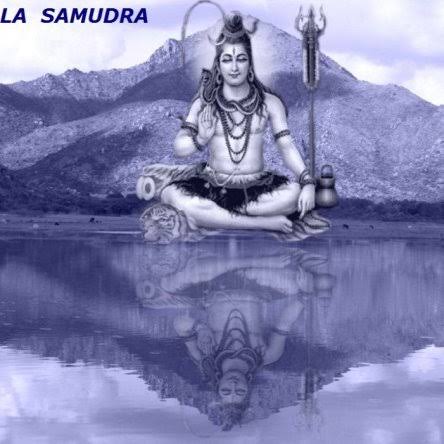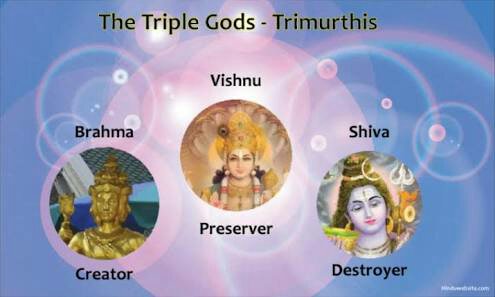
இந்த வலைப்பதிவின் வாசகர்களில் ஒருவரிடமிருந்து மும்மூர்த்திகள், பிரம்மா, விஷ்ணு மற்றும் சிவன் எந்த கோத்திரத்தைச் சேர்ந்தவர்கள் என்று ஒரு கேள்வி எழுந்தது.
மும்மூர்த்திகள் பிரம்மா, விஷ்ணு, ருத்ரர் ஆவர்.
ருத்ரன் சிவனின் ஒரு அம்சம், சிவன் அல்ல.
விஷ்ணு நாராயணனின் அம்சமாகும்.
விஷ்ணு என்ற சொல் ஜிஷ்ணு என்ற சமஸ்கிருத வேர்ச்சொல்லில் இருந்து வந்தது.
I published a Post on the Surnames of Brahmin Community.
I had in my mind to publish a complete list of Brahmin Gotras.
I promptly forgot about it.
Couple of Days ago when I received an alliance proposal for my brother’s Grandson, I was unable to check the Gotra, whether it belongs to the Brahmin Community.
Later I checked it out and it was a Gotra of Brahmin Community.
I am posting a list from the available resources and people may also contribute with authentication to make this List a Comprehensive one.
Each gotra takes the name of a famous Rishi or sage.
Gotra is a concept of patrilineal classification, which identifies the families of a caste.
The original rishis after whom the gotras were named were just Seven in number .
Gotras were further subdivided into ganas and sub ganas.
Another concept is that of Pravara of Rishis who were a few of the most learned and capable sages belonging to that gotra.
Each Brahmin was thus known by his gotra, pravar, sutra and shakha.
There are exceptions to the rule too. For example the descendents of Maharishis Bhrigu and Angirasa cannot marry, because of the same Pravara Rishis, which are common to the two individuals.
The weddings in India are fixed as per the Gotra of the bride and groom.
Gotra matching is one of the most important concerns in North indian Hindu matrimony.
Wedding in similar Gotra is strictly prohibited.
A Gotra has three Rishis.
This indicates the fact some of the Rishis had more than one wife, at different times , for example Parasara.
I that case the male offspring from each of the Wives are added and the third if there are any more differentiation.
Readers may contribute in this area.
Another instance is when a Rishi changes his Varna.
Viswamitra was a Kshatriya and his original name was Kausika.
Later he became a Brahmin after he reealized Brahma Gnana.
Then he was called a Barhmin and his Gotra was changed from Kausika to Viswamitra.
அப்படிப்பார்க்கையில் அனைவரும் சஹோதர சஹோதரிகளாகிறோம்..
அதே சமயம் மரபணு சார்ந்த உண்மைகளை ஒதுக்கவும் முடியாது.
விளக்கத்திற்கு
“Now we know even in modern Genetics that marriages between cousins will increase the risk of causing genetic disorders. That is because, say suppose there is a recessive dangerous gene in one person. What this means is that say a person is carrying a dangerous abnormality causing gene in one of his chromosome, but whose effect has been hidden in that person (or is not being expressed) because the corresponding gene in the pairing Chromosome is stronger and hence is preventing this abnormality causing gene from activating.
Now there are fair chances that his offsprings will be carriers of these genes throughout successive generations. As long as they keep marrying outside his genetic imprint, there is a fair chance that the defective gene will remain inactive since others outside this person’s lineage most probably do not have that defective gene. Now if after 5-10 generations down the line say one of his descendants marries some other descendant who may be really far away cousins. But then there is a possibility that both of them are still carrying the defective gene, and in that case their children will definitely have the defective gene express itself and cause the genetic abnormality in them as both the Chromosomes in the pair have the defective genes. Hence, the marriages between cousins always have a chance of causing an otherwise recessive, defective genes to express themselves resulting in children with genetic abnormalities.
So if the Vedic Rishis had allowed marriages within the same Gotras, then there were chances that the resulting male can be a victim of such defective gene expression, and any such gene expressions which took place in the 5% exposed area of the Y Chromosome would be fatal for the continuity of that Y Chromosome. Even after hundreds of generations there would still be chances of any defective genes being propagated within these successive generations, and marriage within the same Gotra would provide a golden opportunity for these genes to express themselves, there by causing the genetic abnormality in the offspring.
And hence the ancient Vedic Rishis created the Gotra system where they barred marriage between a boy and a girl belonging to the same Gotra no matter how deep the lineage tree was, in a bid to prevent inbreeding and completely eliminate all recessive defective genes from the human DNA.
Leave a Reply