Agama

Hindu temples Design. Image
Hinduism

Temple Construction Pdf Texts Not Veda Upa Veda Temple Construction 3

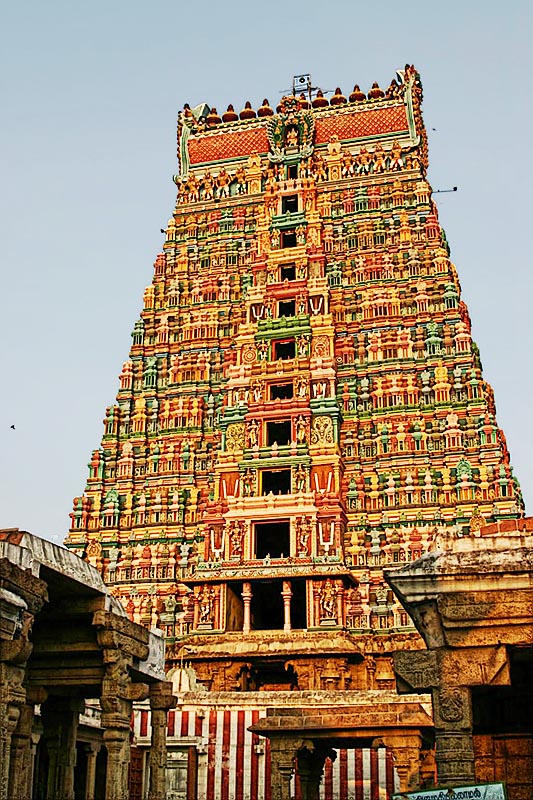
Andal Temple Gopuram Srivilliputhur.image
Hinduism

Oldest Temple Construction Dravida? History of Temple Construction 2

Meenakshi Temple, Madurai.image
Hinduism

History of Temple Construction,Agama Part 1

Hinduism

What Are Agamas Details

‘Agnimele Purohitham’

For the Bramins Agni and worship of Agni is special.

The Aupasna Fire(Ritual Fire0 )hat is kept at Home is carried for generations, being transferred from Father to Son and the Agnis is not to be put off.

Though there are many Gods are praised in the Vedas, Agni has priority.

But worship of other Gods, though mentioned in the Vedas and Suktas are in the Vedas n praise of them they take a second place.

But the term Sanatana Dharma is not to be confused with Vaidika.

Vaidika refers to the worship of a particular entity(Agni), Sanatana Dharma refers to the whole systems of Indian Thoughts which includes Fire worship.

When one reads the Vedas , he will find that the Vedas have Samhitas, Hymns for worship for Gods.

But the procedures are found, as we find them today.

Where do these procedures come from?

And from whom?

It is believed that the practices are from Smrtis,(Recollections) for Individual Discipline and Agamas, for Collective worship.

Two points are worth the mention.

Hinduism

Temple Buliding 11 Steps 13 Procedures

This is a later development as prescribed by The Agamas.

“The Hindu temple typically involves a multiple set of ideas.

…..
The temple is generally oriented to face East, the auspicious direction where the sun rises to dispel darkness…
The temple design includes the archetypal image of a Cosmic Person spread out yogi-like, symmetrically filling the gridded space of the floor plan, his

navel in the center, and it includes the archetype of the cosmic mountain, between earth and heaven, of fertility, planets, city of the gods, deities, etc.).

One encounters these simultaneous archetypal themes and meanings conveyed (and hidden) in the semi-abstract forms in many Hindu temples.

There are rules of shape and proportion in the authoritative texts of Hindu tradition, the Agamas.

Scroll to Top