Tag Pitrus

Pitru HOMA AND ŚRĀDDHA

Taittirīya tradition repeatedly emphasizes:
पितृभ्यः स्वधा
This formula forms the basis of all Śrāddha and Homa offerings.
II. WHO ARE THE PITṚS?
Vedic literature classifies Pitṛs into several groups.
Agniṣvāttas
Associated with knowledge and spiritual attainment.
Barhiṣads
Associated with ritual sacrifice.
Somapas
Drinkers of Soma.
Ājyapas
Receivers of clarified butter.
The immediate ancestors invoked during Śrāddha are:
Father
Grandfather
Great-grandfather
and
Mother
Grandmother
Great-grandmother
These are called:
Vasu – Rudra – Āditya forms
respectively.
III. PHILOSOPHY OF ŚRĀDDHA
The word Śrāddha derives from:
श्रद्धया दीयते इति श्राद्धम्
"That which is offered with faith."
Thus faith, not merely food, constitutes the essence of Śrāddha.
According to Smṛti:
श्रद्धामूलं श्राद्धम्
"Faith is the root of Śrāddha."
IV. PRELIMINARY REQUIREMENTS
Time
Most auspicious:
Annual Tithi
Amāvasyā
Mahālaya Pakṣa
Solar transitions
Direction
South-facing.
South belongs to:
यम
Lord Yama and the Pitṛs.
Materials
Darbha grass
Black sesame (tila)
Water
Ghee
Rice
Piṇḍa material
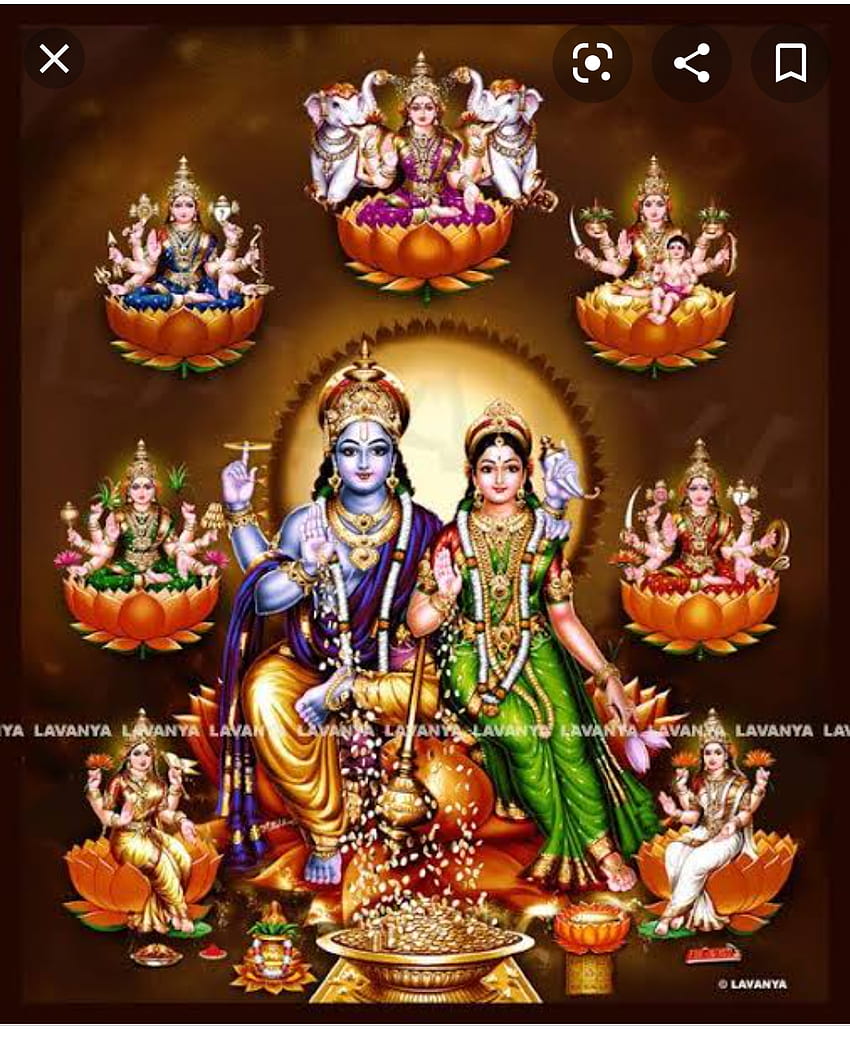
Metaphysical Aspects of Pitru Yagnas, Pitru Status Vedic Texts

The Vedic texts (elaborated later in the Matsya and Markandeya Puranas, but rooted in Vedic cosmology) explain that offerings are not delivered as physical food. Instead, the ritual converts the offering into a subtle energy format appropriate for whatever realm the soul currently inhabits.
The Cosmic Translators: The Vedas describe a class of deities—primarily Agni (Fire), Soma (the cooling, nourishing principle), and Yama (the cosmic governor of transit)—who act as custodians.
The Conversion Process: If an ancestor has reincarnated as a deva (celestial being), the offering reaches them as amrita (nectar). If they are in a human realm, it reaches them as sustenance and favorable circumstances. If they are in an animal realm, it manifests as grass or feed.
The Calling Card: The ancestral energy is identified and tracked through the recitation of the family lineage (Gotram and Pravaram) paired with the precise names of the departed.
2. The Separation of Powers: Svaha vs. Svadha
The Vedas maintain a strict linguistic and spatial boundary between rituals meant for cosmic forces (Devas) and those meant for ancestors (Pitrus). This prevents the mixing of distinct energetic frequencies.