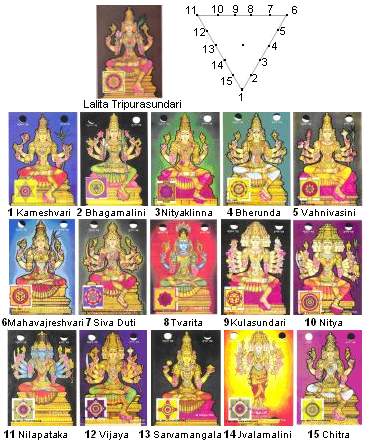
Exploring Nithya Devathas in Sri Vidya
Nithya Devathas in Sri Vidya Nithya Devathas, often revered within the Sri Vidya tradition, embody various divine forms that are […]
The audio content discusses Panchadashari from Sree Soundaryalahari, highlighting the Kaadhi Vidya Soundaryalahari 32, which consists of fifteen akṣaras divided into three kootas. Each koota has specific mantras related to energy and enlightenment. Additional references to Haadi Vidya and Durvaasa Vidya are also included.
Saguna means “with attributes.” Nirguna means “without attributes.” “Saguna Brahman” describes a God with (tangible) attributes. The term “Nirguna Brahman”
Anguished by the virulent vitriol spewed by EVR, Nehru shot off another letter to Kamaraj on 5 November 1957 in which he asked EVR to “be put in a lunatic asylum” and let his “perverted mind be treated there……Madras Legislative Councile Member A. Sreenivasan on 3 December 1957 had once again brought the attention of EVR’s genocide call to Nehru. Acknowledging his letter, he wrote back to him saying “I have seldom come across anything more primitive and barbarous in any country presuming to be civilized” adding that EVR and his group had to be dealt with an iron hand. common narratives about
The concept of “One Nation, One Election” is not new. In fact, as experts point out, it is as old as our Constitution.The concept of simultaneous elections for both the Parliament and the states in India dates back to the adoption of the Constitution in 1950. From 1951 to 1967, elections to the Lok Sabha (Parliament) and all state assemblies were held simultaneously every five years. This practice was followed during the elections in 1952, 1957, 1962, and 1967.
You must be logged in to post a comment.