Ravana‘s descendants’ and his wife Mandodari‘s home is in India.
It is referred to as Mandodari’s Ravana’s In Laws’ Home,Ravan Ki Sasural’.


It is Meerut, India.
The place where Ravana got married to Mandodari is Mandor, is a town located 9 km north of Jodhpur city, in the Indian state of Rajasthan.
This is also the place where Rama’s Father Dasaratha, killed a Rishi’s son, Shravana Jumar, thinking he was a Deer and was cursed by his parents that Dasaratha shall die of separation from His son.
There is an old Chandi Devi temple in the compound of Nauchandi ground. It is believed that Ravan’s wife Mandodari used to come here to worship Goddess Chandi and since then every year a fete (Nauchandi Mela) is held in sacred days of Navratri ( also called days of Goddess )
After the archaeological excavations at ‘Vidura-ka-tila’, a collection of several mounds named after Vidura, in 1950–52, a site 37 km (23 miles) north-east of Meerut, it was concluded to be remains of the ancient city of Hastinapur, the capital of Kauravasand Pandavas of Mahabharata, which was washed away by Ganges floods.
Meerut also contained a Harappan settlement known as Alamgirpur. It was also the easternmost settlement of the Indus valley civilisation. Meerut had been a centre ofBuddhism in the period of Mauryan Emperor Ashoka (r. 273 BC to 232 BC.), and remains of Buddhist structures were found near the Jama Masjid in the present day city.
The descendants of Ravana through his wife Mandodari , it is claimed, live in Jodhpur, India.
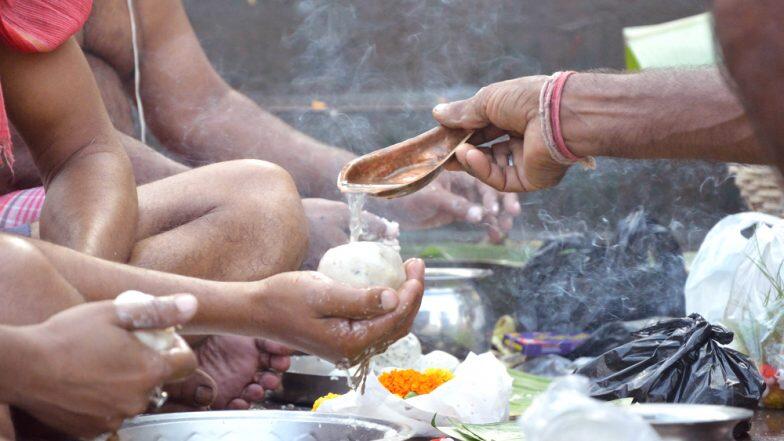
They offer Sraddha or rites to the depated, Ravana during Dusshera.
“While the people throughout the country celebrate Dussehra, an occasion marking the triumph of good over evil, a section of about 100 families believed to be descendants of Ravana, mourn the death of the demon king. These families of Dave, Godha and Srimal clans settled in different localities of the walled city do not celebrate the occasion, instead they mourn and observe post cremation rituals after burning the effigies of Ravana, kumbhkarna and Meghnaad. It is said that people migrated from Sri Lanka in Jodhpur, Phalodi and some places in Gujarat belong to the Ravana’s clans and his extended family. Till recently these community people used to observe mourning and related rituals collectively but of late they have started to observe the same at individual level. Families of these clans also perform the “Shraadh karma” (death anniversary) of the demon king on 10th day during the Pitra Paksha (first fortnight of Ashwin month of India Vikram Calendar), Akshya Jyotish Research Centre Head Kamlesh Dave said. “We do consider Ravana a learned pundit and a devotee of Lord Shiva. A Ravana Temple has been constructed in the Amarnath Temple premises in Chandpol locality here in which Ravana is shown worshipping Lord Shiva,” Mr Dave said.
Read more at: http://news.oneindia.in/2008/10/09/descendants-of-ravana-hold-mourning-on-dussehra-1223535753.html
http://news.oneindia.in/2008/10/09/descendants-of-ravana-hold-mourning-on-dussehra-1223535753.html
http://creative.sulekha.com/mandodari-mandor-ravan-jee-ki-chanwari_63468_blog