

While looking for the evidence proving the Ramayana, I was also looking from the angles of Ravana’s Legacy, Sri Lanka sites referred to by Valmiki in The Ramayana.
I have found historical sites in Sri Lanka corroborating the Ramayana, the places have Sinhalese Names with Ramayana background.
I have posted an article on the places where Sita was shifted by Ravana after being kidnapped by him.
In this article i have posted information on what food was offered to Sita,Ravana’s Pushpak Vimana Service Centre, the place Sita rearranged her hair and the secret Tunnel network of Ravana.
More information may be had at the link provided in the Post.


Gurulu Potha,Lankapura:
There was an aircraft repair center in the capital city. This place is known as Gurulupotha. In Valmiki’s depiction King Ravana‘s Vimana resembled a huge peacock. The Vimana in Sinhala language means Dhandu Monara which is known as ‘flying peacock’, and hence the name Gurulupotha, which means ‘parts of birds’.

Kondakalai.
Kondakalai like many other cities and villages in Sri Lanka also derives its name from the Ramayana, when King Ravana took Sitadevi in a chariot to Ashoka Vatika her hairs got deranged because of the speed of the chariot. Konda kalai in tamil means deranging of hair. Till date the villagers live with legacy of this event.
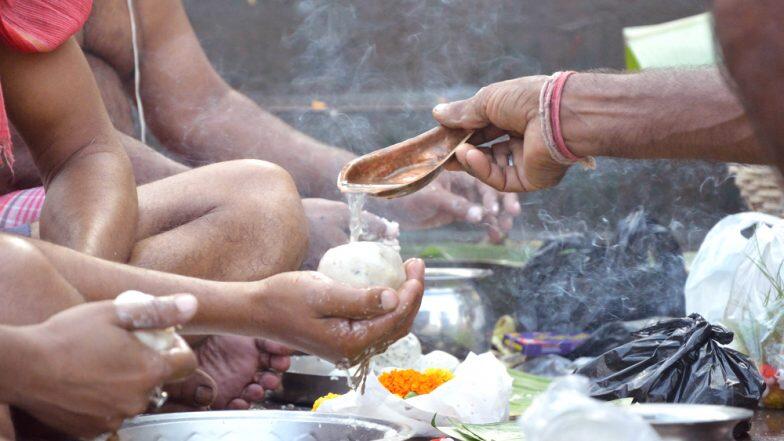
When King Ravana carried Sitadevi on his chariot to Ashoka Vatika, he provided her with vitaminised rice balls for refreshment. But Sitadevi who did not want to consume anything provided by King Ravana, scattered the rice balls all over the place during her journey, and they are found till date along the chariot track. The local people call these rice balls Sita Gooli and they prescribe them for their children as a cure for stomach disorders and headaches. The farmers too keep them in their cash boxes or grain pots for prosperity. It is claimed that carbon dated testing has been done in Tokyo and Delhi on these rice balls and ascertained to be more than five thousand years old.

Laggala.
The cartels behind the Dunuvila lake are called Laggala. Laggala is derived form the Sinhala term Elakke Gala, which when translated into English gives us the meaning Target Rock. Laggala served as a sentry point to the King Ravana’s army and it was from this rock the first Glimpse of Lord Rama’s army was sighted and informed to King Ravana. This hill is geographically the highest part of the northern region of King Ravana’s city and on a clear day the north east side that is Thiru Koneshwaran and north west side that is Talai mannar could be seen even today. King Ravana is believed to have done meditation on this rock and prayed Lord shiva at Thiru Koneshwaran from this point.
It is here that King Ravana was killed by Lord Rama’s Brahmaastharam. The top of Laggala is flat and is believed to have been hit by the Brahmaastharam.

Related articles


https://polldaddy.com/js/rating/rating.jsHello Ramanan, the images hosted on tours lanka were removed. If you have the pics by any chance, could you please re post them?
– Krishna
Shall check and corre