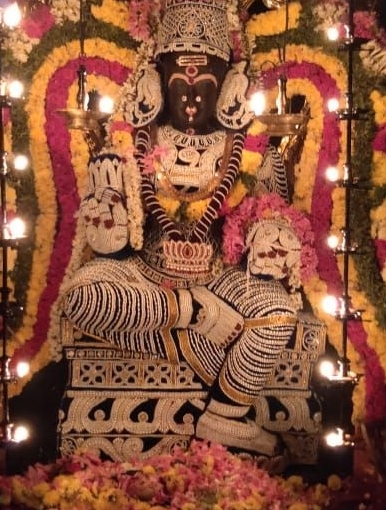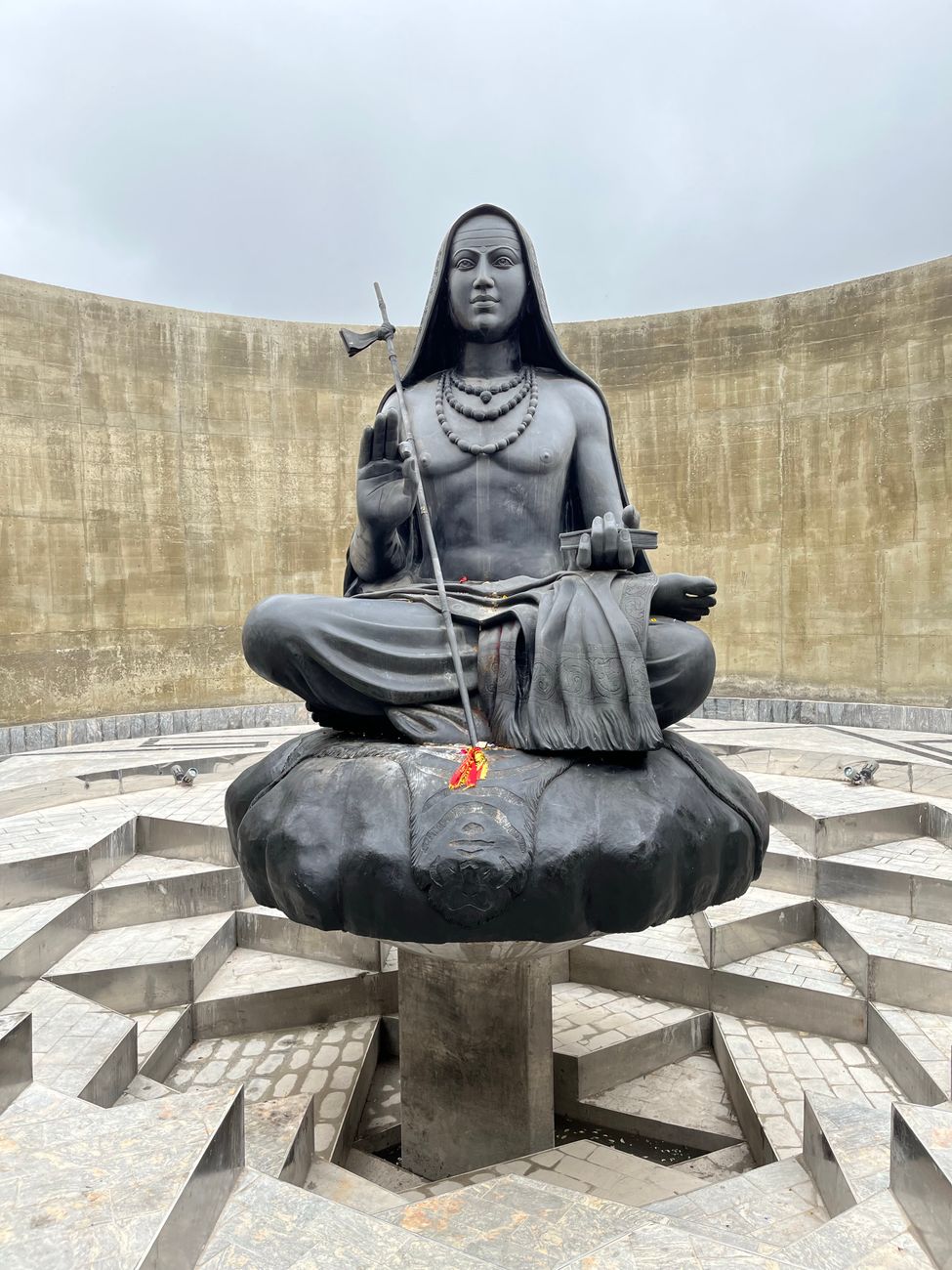

Sadhana panchakam by Shankaracharya with Slokas and word by word meaning.
Sādhana Pañcakam**Sādhana Pañcakam**—also called Upadeśa Pañcakam—is traditionally attributed to Ādi Śaṅkarācārya.
It consists of five verses containing forty concise instructions for Vedāntic discipline and liberation.
1 वेदो नित्यमधीयतां तदुदितं कर्म स्वनुष्ठीयतां > तेनेशस्य विधीयतामपचितिः काम्ये मतिस्त्यज्यताम् । > पापौघः परिधूयतां भवसुखे दोषोऽनुसन्धीयतां > आत्मेच्छा व्यवसीयतां निजगृहात्तूर्णं विनिर्गम्यताम् ॥ १
*वेदः / वेदो** — the Veda- **नित्यम्** — daily, regularly- **अधीयताम्** — let it be studied- **तत्-उदितम्** — taught or prescribed by that- **कर्म** — duties and actions- **सु-अनुष्ठीयताम्** — let them be properly performed- **तेन** — by that- **ईशस्य** — of the Lord- **अपचितिः** — worship, honour, reverence- **विधीयताम्** — let it be offered- **काम्ये** — in desire-motivated actions- **मतिः** — the mind or inclination- **त्यज्यताम्** — let it be abandoned- **पाप-ओघः** — mass or accumulation of sins- **परिधूयताम्** — let it be cleansed away- **भव-सुखे** — in worldly happiness- **दोषः** — defect, limitation- **अनुसन्धीयताम्** — let it be repeatedly contemplated- **आत्म-इच्छा** — desire for the Self- **व्यवसीयताम्** — let it be firmly resolved- **निज-गृहात्** — from one’s own home; symbolically, from attachment- **तूर्णम्** — quickly- **विनिर्गम्यताम्** — let one depart###
Study the Vedas every day. Perform properly the duties prescribed by them, and offer those actions as worship to the Lord. Abandon desire-driven action, cleanse away accumulated impurities, and contemplate the defects inherent in worldly pleasures. Establish a firm aspiration for Self-knowledge and quickly withdraw from attachment to domestic and worldly life.
2सङ्गः सत्सु विधीयतां भगवतो भक्तिर्दृढा धीयतां > शान्त्यादिः परिचीयतां दृढतरं कर्माशु सन्त्यज्यताम् । > सद्विद्वानुपसृप्यतां प्रतिदिनं तत्पादुका सेव्यतां > ब्रह्मैकाक्षरमर्थ्यतां श्रुतिशिरोवाक्यं समाकर्ण्यताम् ॥ २॥###
**सङ्गः** — association, companionship- **सत्सु** — with the virtuous and spiritually wise- **विधीयताम्** — let it be cultivated- **भगवतः** — of the Lord- **भक्तिः** — devotion- **दृढा** — firm, unwavering- **धीयताम्** — let it be established- **शान्ति-आदिः** — tranquillity and related virtues- **परिचीयताम्** — let them be cultivated and practised- **दृढतरम्** — firmly, decisively- **कर्म** — action; ritualistic and binding action- **आशु** — quickly- **सन्त्यज्यताम्** — let it be renounced- **सत्-विद्वान्** — a true teacher or knower- **उपसृप्यताम्** — let one approach- **प्रतिदिनम्** — every day- **तत्-पादुका** — his sandals or feet- **सेव्यताम्** — let them be served or revered- **ब्रह्म-एक-अक्षरम्** — the one-syllabled Brahman, Om- **अर्थ्यताम्** — let it be sought or inquired into- **श्रुति-शिरः-वाक्यम्** — the supreme declarations of the Upaniṣads- **समाकर्ण्यताम्** — let them be listened to attentively.
Meaning
Seek the company of the wise and establish firm devotion to the Lord. Cultivate tranquillity and the other disciplines of the mind, and decisively renounce binding action. Approach a competent teacher, serve and honour the teacher daily, inquire into Brahman symbolized by Om, and listen attentively to the great Upaniṣadic declarations.
3.वाक्यार्थश्च विचार्यतां श्रुतिशिरःपक्षः समाश्रीयतां > दुस्तर्कात्सुविरम्यतां श्रुतिमतस्तर्कोऽनुसन्धीयताम् । > ब्रह्मैवास्मि विभाव्यतामहरहर्गर्वः परित्यज्यतां > देहेऽहंमतिरुज्झ्यतां बुधजनैर्वादः परित्यज्यताम् ॥ ३॥###
**वाक्य-अर्थः** — the meaning of the sentence, especially the Mahāvākya- **च** — and- **विचार्यताम्** — let it be investigated- **श्रुति-शिरः** — the highest teaching of the Upaniṣads- **पक्षः** — position, teaching, standpoint- **समाश्रीयताम्** — let it be accepted as one’s foundation- **दुस्तर्कात्** — from faulty or sophistical reasoning- **सु-विरम्यताम्** — let one completely desist- **श्रुति-मतः** — approved by Scripture- **तर्कः** — reasoning- **अनुसन्धीयताम्** — let it be pursued- **ब्रह्म एव अस्मि** — I am Brahman alone- **विभाव्यताम्** — let this be deeply contemplated- **अहर्-अहम्** — day after day, constantly- **गर्वः** — pride, ego- **परित्यज्यताम्** — let it be abandoned- **देहे** — in the body- **अहम्-मतिः** — the notion “I am the body”- **उज्झ्यताम्** — let it be given up- **बुध-जनैः** — with wise people- **वादः** — argument, disputation- **परित्यज्यताम्** — let it be abandoned.
Inquire into the meaning of the Upaniṣadic great statements and take refuge in their teaching. Abandon destructive argument, but employ reasoning that agrees with the Upaniṣads. Contemplate constantly, “I am Brahman alone.” Give up pride, abandon identification with the body, and avoid argumentative disputes with wise people.
4.क्षुद्व्याधिश्च चिकित्स्यतां प्रतिदिनं भिक्षौषधं भुज्यतां > स्वाद्वन्नं न तु याच्यतां विधिवशात्प्राप्तेन सन्तुष्यताम् । > शीतोष्णादि विषह्यतां न तु वृथा वाक्यं समुच्चार्यतां > औदासीन्यमभीप्स्यतां जनकृपा नैष्ठुर्यमुत्सृज्यताम् ॥ ४॥### Word by word- **क्षुध्-व्याधिः** — the disease of hunger- **च** — and- **चिकित्स्यताम्** — let it be treated- **प्रतिदिनम्** — every day- **भिक्षा-औषधम्** — alms-food regarded as medicine- **भुज्यताम्** — let it be eaten- **स्वादु-अन्नम्** — tasty or luxurious food- **न तु** — but not- **याच्यताम्** — let it be requested or begged for- **विधि-वशात्** — according to destiny or providence- **प्राप्तेन** — by what is obtained- **सन्तुष्यताम्** — let one be content- **शीत-उष्ण-आदि** — cold, heat, and the like- **विषह्यताम्** — let them be endured- **न तु** — but not- **वृथा** — uselessly, fruitlessly- **वाक्यम्** — speech or words- **समुच्चार्यताम्** — let them be uttered- **औदासीन्यम्** — indifference, inner detachment- **अभीप्स्यताम्** — let it be desired- **जन-कृपा** — dependence on people’s favour- **नैष्ठुर्यम्** — harshness or cruelty- **उत्सृज्यताम्** — let both be abandoned.
Treat hunger as a disease by taking food merely as medicine. Do not seek delicious food; remain content with whatever comes through providence. Endure heat, cold, and other pairs of opposites. Avoid useless speech, cultivate inner detachment, and give up both dependence on people’s favour and harshness toward others.
5 एकान्ते सुखमास्यतां परतरे चेतः समाधीयतां > पूर्णात्मा सुसमीक्ष्यतां जगदिदं तद्बाधितं दृश्यताम् । > प्राक्कर्म प्रविलाप्यतां चितिबलान्नाप्युत्तरैः श्लिष्यतां > प्रारब्धं त्विह भुज्यतामथ परब्रह्मात्मना स्थीयताम् ॥ ५॥
एकान्ते** — in solitude- **सुखम्** — happily, peacefully- **आस्यताम्** — let one sit or abide- **परतरे** — in the Supreme Reality- **चेतः** — the mind- **समाधीयताम्** — let it be absorbed or concentrated- **पूर्ण-आत्मा** — the complete, limitless Self- **सु-समीक्ष्यताम्** — let it be clearly recognised- **जगत् इदम्** — this entire world- **तत्** — by That, the Self- **बाधितम्** — sublated, negated as independently real- **दृश्यताम्** — let it be seen- **प्राक्-कर्म** — past accumulated action, sañcita karma- **प्रविलाप्यताम्** — let it be destroyed or dissolved- **चित्-बलात्** — through the power of knowledge-consciousness- **न अपि** — not even- **उत्तरैः** — by subsequent actions- **श्लिष्यताम्** — let one become bound or tainted- **प्रारब्धम्** — prārabdha karma, already-fructifying karma- **तु** — however- **इह** — here- **भुज्यताम्** — let it be experienced- **अथ** — thereafter- **पर-ब्रह्म-आत्मना** — as the Self that is Supreme Brahman- **स्थीयताम्** — let one remain established.
Abide peacefully in solitude and absorb the mind in the Supreme Reality. Clearly recognise the limitless Self and see this world as dependent upon and sublated by That Reality. Let accumulated past karma be dissolved through knowledge; do not become bound by future actions. Allow prārabdha karma to be experienced here, and thereafter remain established as the Self, the Supreme Brahman. [4]## Central Vedāntic movement.
The five verses proceed from preparation to knowledge:1. Scriptural study and purification.
2.Devotion, discipline, and guidance from a teacher.
3. Śravaṇa, manana, and contemplation of “I am Brahman.
4. Simplicity, endurance, moderation, and detachment.**
5. **Abidance in the Self and freedom from bondage.**The instruction to “leave the house” is traditionally understood literally for a renunciate, but in a broader Vedāntic sense it means withdrawing from possessiveness and identification with worldly roles; it should not be interpreted as a command for every seeker to abandon family responsibilities.Citations:[1] Sadhana Panchakam of Adi Shankaracharya – Slokas, .https://www.shankaracharya.org/sadhana_panchakam.html%5B2%5D Sadhana-Panchakam-by-Adi-Shankaracharya. … https://vivekavani.com/wp-content/uploads/2021/08/Sadhana-Panchakam-by-Adi-Shankaracharya.pdf%5B3%5D Sadhan Panchakam with Sanskrit Lyrics and Hindi Translation | साधनपंचकम् | Adi Shankaracharya https://www.youtube.com/watch?v=dPDz2YIeLO8%5B4%5D साधन पञ्चकम् https://sanskritdocuments.org/doc_z_misc_shankara/saadhana-panchakam.html%5B5%5D Sadhana Panchakam Sankaracharya https://www.scribd.com/doc/153586011/Sadhana-Panchakam-Sankaracharya%5B6%5D Sadhana Panchakam https://hindupedia.com/en/Sadhana_Panchakam%5B7%5D SADHANA PANCHAKAM | 40 INSTRUCTIONS – SATYAVEDISM https://www.satyavedism.org/adi-shankaracharya/sadhana-panchakam-sadhana-for-realization-40-instructions-in-5-verses-2-translations%5B8%5D Sadhana Panchakam – vedabhASya – Vedic Studies https://www.vedabhasya.org/2020/09/sadhana-panchakam.html%5B9%5D ಸಾಧನ ಪಂಚಕಂ ಆದಿ ಶಂಕರಾಚಾರ್ಯ ಕೃತಂ साधन पञ्चकं sadhana … https://raocollectionsstotra.blogspot.com/2019/10/sadhana-panchakam-by-adi-shankaracharya.html%5B10%5D Sadhana Panchakam (English) Part 1 – Verse 1 | Adi Shankaracharya | Swami Ramana Swaroopananda https://www.youtube.com/watch?v=P0gcZL_RV3k