Tag: Sibi

  • Sixteen Emperors of India Mahabharata List Chola Among Them

    Sixteen Emperors of India Mahabharata List Chola Among Them

    History of ancient India is very interesting and it would need patience and perseverance to go through the volumes upon volumes left by our ancestors in the form of Puran, Ithihasa and Sthala Puran. Added to this are the texts in Regional languages of India,like Tamil, Telugu, Bengali.Then there are temple Epigraphs.Despite all this, people say India did not historical records!

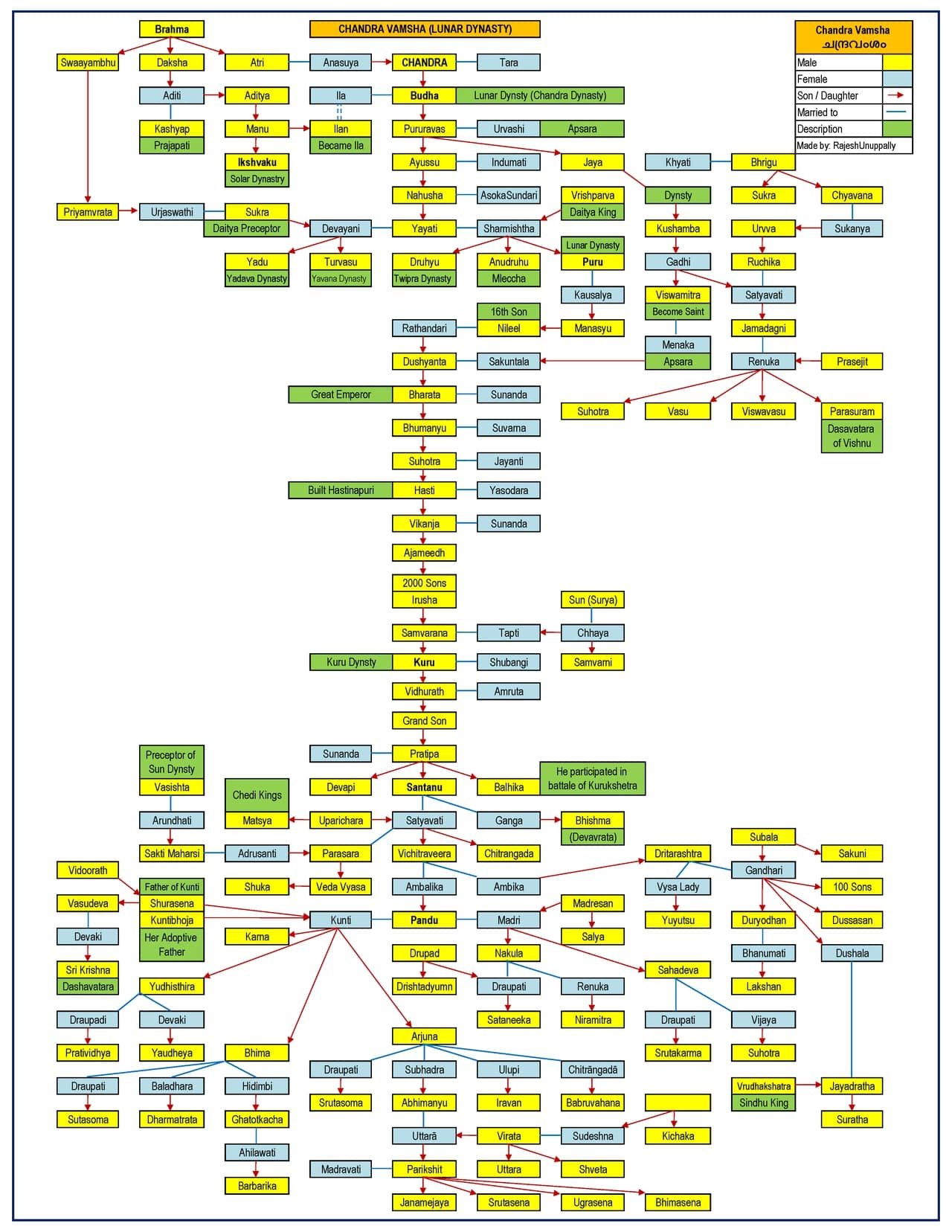
    Though many dynasties had been in India,two dynasties,Surya, Solar and Chandra,Lunar Dynasties are the ones from which all others have sprung .This includes Ancient Tamil Kings Chola,Andhra Kings.

    The Chola Emperor mentioned as one of the sixteen, Shodasa,is Sibi also called as Usunira Vasu.

    Screen shot of the Book Ancient Historical Traditions by Pargiter.

    The first major war was fought in India. ( Ref. https://en.m.wikipedia.org/wiki/Battle_of_the_Ten_Kings

    First Emperors were also from India. Mahabharat gives a list of sixteen( Shodasa) Chakravarthins.

    ‘When the Rajasuya Yagya was conducted by Yudhishthira, rishi Vaishampayana described to him a list of 16 Samrats who had lived before the Mahabharata era. The list occurs in Mbh (12.29) and is called Shodasha Rajika or a list of 16 kings.

    • Marutta Avikshita ( Suryavanshi and Vaishali kingdom)
    • Suhotra Atithina    ( Chandravanshi, Puru (Bharatvansh) and Kurujangala kingdom)
    • Brihadratha Anga  ( Chandravanshi and Anga kingdom)
    • Shivi Aushinara     ( Chandravanshi, Anu and Shivi kingdom)
    • Bharata Daushyanti ( Chandravanshi, Puru and Kurujangala kingdom)
    • Ram Dasharathi     ( Suryavanshi and Ayodhya or Kosala kingdom)
    • Bhagiratha Dileepa (Suryavanshi and Ayodhya or Kosala kingdom)
    • Dileepa Khatvanga ( Suryavanshi and Ayodhya or Kosala kingdom)
    • Mandhata Yauvanashva ( Suryavanshi and Ayodhya or Kosala kingdom)
    • Yayati Nahusha      ( Chandravanshi and ruled Puru+Anu+Yadava+Turvasu+Druhyu kingdom)
    • Ambarisha Nabhagi  ( Suryavanshi and Ayodhya or Kosala kingdom)
    • Shashabindu Chaitrarathi ( Chandravanshi, Yadava and Yadava kingdom)
    • Rantideva Sankruti  ( Chandravanshi and Charmanvati (Chambal) kingdom)
    • Prithu Vainya          ( Older than the formation of Suryavansha and Chandravansha)
    • Ancient Indian historical tradition

    http://historyindianized.blogspot.com/2013/01/chakravarti-samrat-of-ancient-india.html?m=1

  • Muchukunda Chozha Ruled From North  Western India with Mandhata

    Muchukunda Chozha Ruled From North Western India with Mandhata

    In my earlier articles I wrote about the Chozha Kings and their genealogy. The Chozhas declare themselves to be from Ikshvaku Dynasty and have recorded this in Thiruvalankadu Copperplates.

    When we check the genealogy of Ikshvaku Dynasty, we find that Muchukunda, though shown in the dynasty, did not become a king after his father Mandhata.

    Kings after Muchukunda Chozha.

    Mandhata
    Muchukunda
    Valabha
    Prithulaksha
    Parthivachudamani
    Dirghabahu
    Chandrajit
    Sankriti
    Panchapa
    Satyavrata
    Rudrajit
    Sibi
    Marutta
    Dushyanta
    Bharata
    Cholavarman
    Rajakesarivarman
    Parakesarin
    Chitraratha
    Chitrasva
    ChitradhanvanGenealogy from Chola Inscriptions

    When we compare the list ,that is as mentioned by Cholas and by Sanskrit texts as Ikshvaku Dynasty, we find that Muchukunda Chozha did not come to power after Mandhata. Mandhata is succeeded by his son Purukutsa I.The reason is that Mandhata married a Yadava princess and of her was born Muchukunda.

    (Yuvanashwa Father of Mandhata https://en.m.wikipedia.org/wiki/MandhatriSpouse-Bindumati Chaitrarathi-

    Children-Purukutsa, Ambarisha and Muchukunda)

    Mandhata married Bindumati Chaitrarathi, daughter of Yadava king Shashabindu and granddaughter of Chitraratha.

    As Muchukunda did not succeed Mandhata in the lineage as shown in Ikshvaku Dynasty list it is because Mandhata’s son Muchukunda was through the Yadava princess Chaitrarathi.

    Muchukunda , it may be theorised that he ruled the area ruled by Mandhata who is the first recorded Chakravarthi in Indian texts, Shodasha Rajika , Great Emperors ‘Mandhata on assuming power organized a strong army and led a series of expedition against his neighbouring kingdoms. The rulers of Kashi and Maithila and his uncle Tansu, the ruler of Prathisthan accepted his suzerainty. Other important rulers whom Mandhata vanquished were Janmejaya the king of Anavas, the Yadava king Sasabindu of Mahishamati and Marutta a king described as one of the five great emperors of ancient India and ruling over territory around North West India. The Asura kingdoms of Varshikha and Narmani were also subdued. Mandhata had a long war with the Druhyu king Angara who ruled over Punjab and finally killed him and conquered his kingdom. Angara’s son Gandhara accepted the suzerainty of Mandhata, moved towards North-West (Afghanistan) and gave his name to that region.https://ithihas.wordpress.com/2017/10/15/mandhata-the-first-samrat-of-ancient-india/

    His other brother Ambareesa was married to Yadav dynasty,which is a sub division of Puru Dynasty (aka Chandra vansh or Lunar Dynasty) .And Muchukunda Chozha Ruled along with his father Mandhata North and North Western Provinces of present India.

    • King Magadha founded Magadha Kingdom.
    • Sudhanva was the nephew of King Magadha
    • Sudhanu
    • Suhotra
    • Chyavana
    • Chavana
    • Krtri
    • Kriti
    • Krta
    • Krtyagya
    • Krtavirya
    • Krtasena
    • Krtaka
    • Uparichara Vasu (Devotee of Lord Vishnu and a friend of Devaraja Indra) conquered Chedi Kingdom. Puru and Yadava Dynasty

    (In his family was born Chitraratha who bore the title Vyaghraketu after his banner on which was the figure of a tiger.  He also bore as an ornament on his head the flowers of the dhataki (v. 37).[11] His son was Narendrapati who became king at the end of the Treta age.)  His son was king Vasu entitled Uparichara on account of his having received a celestial car from Indra by which he moved about in all directions South Indian inscriptions. Thiruvalankadu Copperplates

  • Sibi Chozha Surya,Chandra Yadu Vamsa? Research

    Sibi Chozha Surya,Chandra Yadu Vamsa? Research

    I had written an article on the fact that the ancestors of Rama, including Manu had intimate connections with Dravidas, people from the south of Vindhyas. They were called Dravidas because the land lay south of Vindhyas.They were a part and parcel of Bharatavarsha and Sanatana Dharma.

    I published a Video providing proof that the ancestor of Rama, father of Ikshvaaku, the founder of Solar/Surryavansh/Ikshvaaku dynasty, was from the South.Later while talking about another ancestor od Rama, I spoke about Sibi,the Chozha Emperor ruled from the SWAT region of what is now Pakistan. Video( In Tamil) Below on Sibi.

    For the video ( in Tamil)on Sibi, I received the following comment.

    ‘Respected Sir, Ancestry of rama nu genealogy search panni paathen, can’t find the name Sibi in the lineage given in any site, the first several names are there in the lineage but the name sibi seems to appear in one of branches of chandravamsa lineages, i got confused. And as per this thiruvelkadu cheppadu, Dhusyantha and bharatha are also mentioned ancesters of chola in that lineage, but it is obvious that both these kings are chandravamsi. It seems that later Chola kings (post sangam age who use sanskrit names instead of tamil names) lacked clarity of thier ancestry. Might be of mixed ancestry where sangam era cholas may belong to progenitor of surya vamsa and later chola may be descendants of chandra vamsa (just a guess), even if we take this assumption to be true, still cholas identify themselves as suryavamsi only not as chandra vamsi why?, i have no idea what scriptures and puranas to refer to solve this puzzle, so plz upload a video clarifying this confusion Sir. Thankyou..’

    The question is on the target.The intermarriage between Suryavansha and Chandravansh was frequet.The reason is that Manu had a Daughter,Ela.She married Budha, son of Chandra and had a son through him. He was called Purururavas.While many versions of the tale exist, Ila is usually described as a daughter or son of Vaivasvata Manu and thus the sibling of Ikshvaku, the founder of the Solar Dynasty. In versions in which Ila is born female, she changes into a male form by divine grace soon after her birth. After mistakenly entering a sacred grove as an adult, Ila is either cursed to change his/her gender every month or cursed to become a woman. As a woman, Ilā married Budha, the god of the planet Mercury and the son of the lunar deity Chandra (Soma), and bore him a son called Pururavas, the father of the Lunar dynasty. After the birth of Pururavas, Ilā is transformed into a man again and fathered three sons.

    So Ila being the sister of Ikshvaaku, the children of Ikshvaaku and Ila are related as Uncle and Aunt’s children and it is customary to intermarry among these relatives.

    In the following list, one would find the name of Sibi as a Yadava King, belonging to Krishna’s dynasty, which if Yadava.

    S142)SAUBAGASENA MAYURA – 205

    S143)SAUNAKA , SON OF SUNAKA – 950 BCE

    S144)SAUNAKA DEVAPI – 925

    S145)SAUNAKA INDROTA – 900

    S146)SAUNAKA DRTI – 875

    S147)SAUNAKA BUDHA SONA – 400

    S148)SENAJIT NIPA – 1325

    S149)SENAJIT OF MAGADHA – 858

    S150)SETU DRUHYU -1520

    S151)SIBI AUSINARA – 1345

    https://tamilandvedas.com/tag/king-list-17/

    The above site is authentic and please visit this site to now more about Tamil and Sanatana Dharma.

    https://ramanisblog.in/2015/08/08/tamil-chola-sibi-ruled-from-pakistan/

    the Indus riversAccording to Sivi Játaka, king Sivi (as Bodhisatta) had ruled Sivirattha with his capital at Aritthapura (Aristapura of Sanskrit) and is said to have donated his eyes to a blind Brahmana Chinese traveler Faxian records the scene of this story at So-ho-to (Swat), a country to the south of Oddiyana between the Kabol and

    https://youtu.be/1uI96-RNVuE .

    In some versions, Sivi appears as a personal name but in others it is the name of the country and its people. According to 7th-century Chinese monk and traveller Xuanzang, Sivika (Sibika) had cut his body to pieces to save a dove from a hawk. Xuanzang described Sivika as a personal name or an epithet. Chinese envoy Song Yun (518-20 AD) also refers to Sivika raja (Sivi king) and connects him to Oddiyana.Thus, the Chinese evidence connects king Sivi/Sivika and the Sivi people or country with the Oddiyana/Swat territory between the Kabol and Indus rivers, which forms part of modern Khyber Pakhtunkhwa province of Pakistan. Aritthapura of the Buddhist Sivi Jataka is same as the Orobatis of Alexander’s historians.[6] B. C. Law connects Jataka’s Aritthapura with Ptolemy‘s Aristobothro in the north of Punjab.

    It has been identified with Shahbazgarhi region, north of river Kabol. Dr S. B. Chaudhury also states that Aritthapura of the Sivi Jataka points to Swat valley as the ancient country of the Sivis. Matsya Purana says that Indus flowed through the Janapada of Sivapura (country of the Sivis)

    The Sivis, as described by Alexander’s historians, “were a shaved-headed people, worshipers of god Shiva, wore clothes made from animal skins, and were warlike people who fought with the clubs…most of these are also the salient characteristics of the ancient Kambojas”.

    Mahabharata refers to the Kambojas as Munda (“shaved-headed soldiery”). In the same Mahabharata text, Rudra Siva is also given the epithet of Munda. The Kambojas are also attested to have been ardent worshipers of Siva-cult (Munda-cult).

     S. Levi states that “the Kambhojas were a branch of the Bhojas and were not a part of the Aryans (i.e Indo Aryans)”.The name “Kambhojas” is etymologised as Kamblala + Bhojas (“the Bhojas with Kambalas or blankets”) as well as Kamniya + Bhojas (meaning “The handsome Bhojas or the desirable Bhojas”). Thus, Levi and others have connected the ancient Bhojas with the Kambhojas. Both Kambojas and the Bhojas are also referred to as north-western people in the 13th Rock Edict of king Asoka. Thus, the Kambojas appear to have either been anciently and inadvertently confused with the Bhojas who were a Yadavatribe, or, else, there was indeed some kind of link between the Bhojas and the ancient Kambhojas as S. Levi suggests. Writers like James F. K. Hewitt and others also connect the Sivis, Bhojas and the Drhuyus with the Kambhojas. The Chinese evidence on king Sivi as well as king Vessantara (Sudana, Saniraja or Pi-lo of the Chinese records), the rulers of Oddiyana (in pre-Buddhist times) also seems to lend a fair credence in this direction.

    https://en.m.wikipedia.org/wiki/Sivi_Kingdom

    ‘Kulya (Prince of Andhra and whose descendants were Pallavas and Tondai Kings), Chola (Founder of Chola Kingdom and Dynasty), Pandya (Founder of Pandya Kingdom and Dynasty), Kerala (Whose descendants were Cheras) – Because of these kings Dravida Country (Tamil and Sanskrit are the two eyes of this country) was developed. https://en.everybodywiki.com/Turvasu,_Druhyu_and_Anu_Dynasties

    Tamil Reference to Sibi. ‘

    1.  ‘கூர் உகிர்ப் பருந்தின் ஏறு குறித்து ஒரீஇத்,
      தன் அகம் புக்க குறுநடைப் புறவின்,
      தபுதி அஞ்சிச் சீரை புக்க,
      வரையா ஈகை உரவோன்’
      என்று சிபிச் சக்கரவர்த்திச் சோழனின் வரலாற்றை புலவர் தாமப்பல்கண்ணனார் குறிப்பிடுகிறார். புறநானூறு 43
    2.  புறவின் அல்லல் சொல்லிய, கறை அடி
    3. யானை வால் மருப்பு எறிந்த வெண் கடைக்
      கோல் நிறை துலாஅம் புக்கோன் மருக!
      ஈதல் நின் புகழும் அன்றே -புறநானூறு 39
    4.  புள் உறு புன்கண் தீர்த்த, வெள் வேல்,
      சினம் கெழு தானை, செம்பியன் மருக! -புறநானூறு 37
    5.  நீயே, புறவின் அல்லல் அன்றியும், பிறவும்
      இடுக்கண் பலவும் விடுத்தோன் மருகனை, – புறநானூறு 46
    6.  எள்ளறு சிறப்பின் இமையவர் வியப்பப்
      புள்ளுறு புன்கண் தீர்த்தோன் – சிலப்பதிகாரம், வழக்குரை காதை
    7. Tamil Sangam literatire Purananuru and Silappadikaaram Speak highly of Sibi and detail the story narrated in the Puranas,including Vishnu Purana and alos in Siva Jataka Tales.

    So, we have following information.

    1.Sibi was a Chozha King.

    2.Chozha Kings trace their origin to Ikshvaaku Dynasty and Solar and Lunar Dynasties intermarried.

    3.Tamal Language is found near NWFP and Afghanistan.

    4.Tamil kings had relations with Akkadians.

    5.Presence of Dasaratha, Rama and Bharatha in Kings List of Sumeria. So, the point is that because of these relations with Sumeria and Akkadians, Sibi could have had his second capital in the area around Pakistan, Kabul. Some historians place the area as west part of Rajasthan and some the western part of Punjab.

    6.Manu was a Dravida King.

    6.Rama belonged to Chozha dynasty, who claim that they belong to Ikshvaaku dynasty and were from Kasyapa Gotra.

    7.Ila was the sister of Manu and as such ancestor of Rama and by implication is related to Suryavansh, though she belongs to Lunar Dynasty, Chandravansh.

    8.Not only, Purans, but Tamil literature and Buddhist Jataka refer to the Sibi narration , without any change.

    So, it is safe to conclude that Sibi was indeed a Tamil King with Sanatana Dharm, Roots, who had a capital in North west of what it Pakistan now.

    And he could have belonged to Ikshavaaku, Chandravansh or Yadava Dynasty as the latter sprang from the Ikshvaaku Dynasty, Suryavansh/Solar Dynasty.

    Reason to identify is taking long is that his name in Sanskrit could have been different and am looking for it and update.

  • Sagara Ramas Ancestor Married Dravidian Princess

    History of ancient India is complex,yet very interesting.

    Seemingly disconnected facts,events acquire  significance when they are analysed .

    One such is the intimacy between the Dravida Desa and Sanatana Dharma.

    Both have an intricate,complex relationship .

    Both quote each other.

    The Kings of the Northern India had a close relationship with their counterparts from the south,right from the days of the First Human Being,Manu.

    Manu was a king of Dravida Desa.

    He meditated in Madagascar,which was a part of his kingdom.

    He had a daughter who was married in the south.

    She was Ila.

    And King Sagara,of Ikshvaku Dynasty whose son. Bhagiratha brought River Ganga to earth,India was married to a south Indian,Dravida Princess.

    She belonged to Sibi,aka Sivi dynasty.

    She founded the Lunar Culture

    Sagara) is a prominent king of the Suryavansha dynasty in Satya Yuga. He has two wives, one a princess of the Vidarbha, and the other from royal lineage of Sivi,’

    Source. https://en.m.wikipedia.org/wiki/King_Sagara

    SIBI.

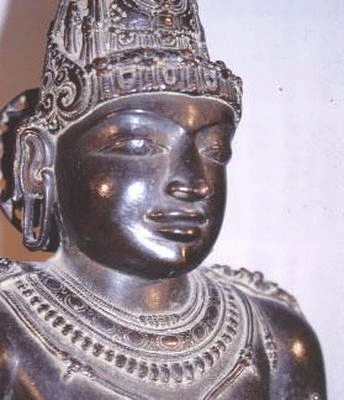
    Sibi,Emperor.image.jpg
    King Sibi.

    ‘The story of Sibi Chakravarthy is so famous that it was sculpted in the Barhut, Nagarjunakonda ,Amaravati bas-reliefs and  Borobudur in Java,Indonesia (see Boropudur sculpture above).

    Tamil epics Silappadikaram and Manimekalai gave more details about this link. Since the oldest part of Sangam Tamil literature mentions it no one can reject it. The link is confirmed with other stories as well.

    Sibi ruled from the north west of India. There was a Sibi puram on the banks of river Chenab in Punjab. Sibi clan is mentioned in Rig Veda and Brahmanas. Panini referred one Sivapuram may be the same Sibipuram’

    Sibi is in Nort west of India, currently in Pakistan.

    There are views that Sibi ruled from there and that the Tamils were from North India.

    Considering the differences between the Tamil Culture and Sanatana Dharma, thought Tamils were a part of Sanatana Dharma and the archeological evidence,Literature, the structural difference between Sanskrit , I am of the opinion that it is not so.

    In the case of Sibi. it is probable that Sibi had the city of Sibi as a second capital.


  • King Sibi Manu Neeedhi Chola Sanatana Dharma

    The more one reads Sanskrit Literature,Tamil ,Puranas , Ramayana and Mahabharata, one finds a connection between the Sanatana Dharma and their Dravidian roots.


    I have posted a few articles on this subject.

    Trincomalee Temple.jpg.
    Trincomalee Temple.


    Of Lord Rama’s ancestor having lived in the south and migrated to  Ayodhya to establish the Kingdom.


    Of a Chera King having participated in the Mahabharata  War,of his having performed Tharpana for  those killed in the Mahabharata war.


    Of Arjuna marrying a Pandya Princess.


    There is more,


    Of King Sibi and Manu Needhi Chola.


    King Sibi cut his own flesh to for a hawk to save a dove.


    Many Needhi Cholan ran his son over for  rendering Justice to a Cow.


    Cholas carry the name Chembian,  Tamil version of Sibi.


    Sibi is dated  between c 100 C.E. to c. 1250 C.E.


    Manu Needhi Cholan was also called Ellala’,one who ruled the Boundary’


    He is reported to have expanded the Koneswaram Temple in Sr Lanka.


    Developed from 205 BC, the original kovil combined key features to form its basic Dravidian temple plan, such as its thousand pillared hall – “Aayiram Kaal Mandapam” – and the Jagati expanded by King Elara Manu Needhi Cholan. Regarded as the greatest building of its age for its architecture, elaborate sculptural bas-relief ornamentation adorned a black granite megalith while its multiple gold plated gopuram towers were expanded in the medieval period.(wiki)


    Ellalan got the title Manu Needhi Cholan because he has executed his own son to provide justice to a Cow. Legend has it that the king hung a giant bell in front of his courtroom for anyone needing justice to ring. One day, he came out on hearing the ringing of the bell by a Cow. On enquiry he found that the Calf of that Cow was killed under the wheels of his chariot. In order to provide justice to the cow, he killed his own son Veedhividangan under the chariot as a punishment to himself i.e. make himself suffer as much as the cow.[5] Impressed by the justice of the king, Lord Shiva blessed him and brought back the calf and his son alive. He has been mentioned in theSilappatikaram and Periya Puranam.[6]His name has since then been used as a metaphor for fairness and justice in Tamil literature. His capital was Thiruvarur.

    Chronicles such as the Yalpana Vaipava Malai and stone inscriptions like Konesar Kalvettu recount that Kulakkottan, an early Chola king and descendant of Manu Needhi Cholan, was the restorer of the ruined Koneswaram temple and tank at Trincomalee in 438 A.D., theMunneswaram temple of the west coast, and as the royal who settled ancient Vanniyars in the east of the island Eelam(wiki)


    Manu Needhi ruled Sri Lanka as well.


    References may be found in the Mahavamsa.


    Buddha Jataka tales also refer to this