As the water level was low, he built a reservoir by holding down the water with his 1000 arms.
Unaware of this Ravana, who happened to be there a Lingam in the dried up area downstream and started praying .
As playtime was over, Karthaviryarjuna removed his hands of the water body and the dammed up water overflowed and sunk the Linga,
Furious Ravana picked up a fight with Karthaviryarjuna.
Ravana was defeated.
The mighty Sahasrarjuna with the 1000 arms pinned Ravana to the ground. Then he placed 10 lamps on his heads and one on his hand. After tying up Ravana, Sahasrarjuna dragged him home and tied him up to the cradle pole of his son. A humiliated Ravana stayed prisoner until his release was secured.
Even today, the Sahasrarjun temple at Maheshwar lights 11 lamps in memory of the event.
Festivals.
Maheshwar is full of festivals and celebrations, some are: Nag Panchami, Gudi Padava, Teez (New year celebrations according to the Hindu calendar), All Mondays of Shravan month, (DOLA of Kashivishwnath on last Monday, bhang is served as prasad of Shiva), Mahashivratri, Samoti Amavas, and all other Indian festivals. There are many visiting places like gold swing is also their and it is situated at Rajwada. Maheshwar also has the temple of Goddess Vindhyavasini Bhavani, one of the 24Shaktipeeths of Goddess Parvati.
Every year on the immediately preceding Sunday of Makar Sankranti (i.e. the Sunday just before the date when the Sun is about to enter the sign of Capricorn as per Indian Astrological / Sidereal calendar), Swaadhyaaya Bhavan Ashram (based at Mahalaxmi Nagar, Maheshwar) organizes Mahaamrityunjaya Rath Yaatraa in the town of Maheshwar. This Mahaamrityunjaya Rath Yaatraa was initiated by Shri Harvilas Aasopaa for the welfare of humanity, and is known to be the first of its kind in the world. The yaatraa intends to invoke blessings of Ayurved Murti Bhagwaan Sadaashiv Mahaamrityunjaya (who is regarded as the primordial and supreme doctor), and it starts from Swaadhyaaya Bhawan Ashram and culminates at the banks of the holy river Narmada.
By Air: The nearest airport is at Indore; located about 91 km from Maheshwar. The airport is well connected by flightsto cities like Mumbai, Delhi and Bhopal. From the airport, visitors can hire a taxi to reach Maheshwar.
By Rail: The nearest railhead is at Barwaha; located about 39 km from Maheshwar. Indore is the nearest major railhead. Trains from Mumbai, Delhi, Bhopal and many other Indian cities halt at the station. From the station, visitors can hire taxi for Maheshwar.
By Road: Maheswar can be reached easily by road. Several state-run buses do ply regularly from Indore, Bhopal, Khandwa, Dhar, Dhamnod and many other cities of Madhya Pradesh.
Subsequent to my articles on the so-called western scholars on misinterpreting Hinduism, I had a thought it was not right on my part to condemn them singularly without really checking up whether their vilification of Hinduism, under the garb of promoting it was intentional.
When I started searching to find out where Max Mueller learnt Sanskrit, I landed with an atrocious piece of disinformation, which deeply hurt me.
(I will be posting on Ma Mueller’s Sanskrit learning later.)
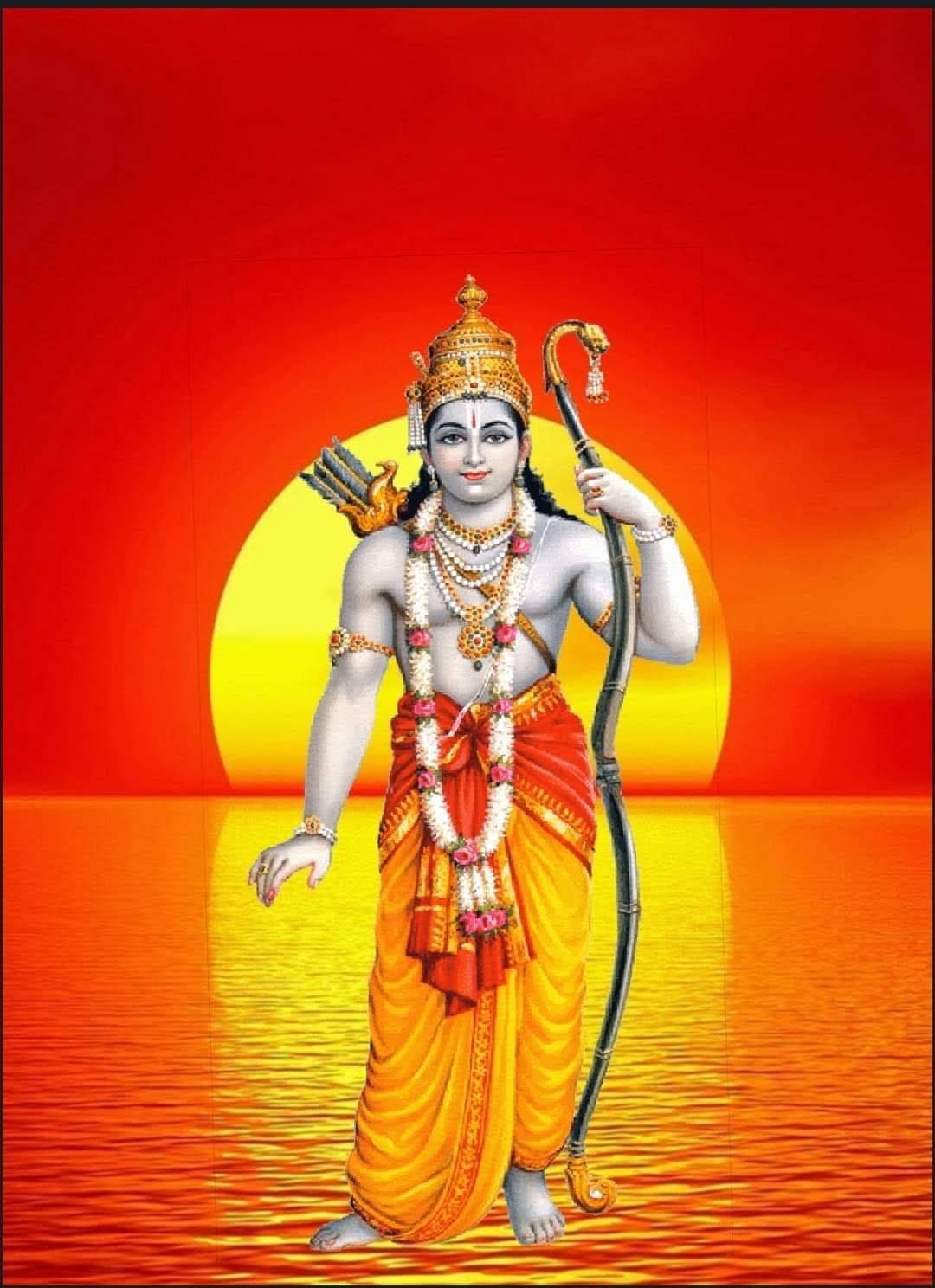
Lord Rama’s Mother had indulged in animal Sex during a Yaga!
This was found, quoting the Satapatha Brahmana,Ramayana.
I am quoting the rebuttal.
Those who know Sanskrit and the Sathapatha Brahmana may contribute on this issue.
This is the price Hindus have to pay for not studying their Scriptures, allowing others to insult them.
The solution lies in studying our scriptures in Sanskrit, our Father tongue. our mother tongues may vary, but Father is One.
The information.
“I. The sexual ritual of the asvamedha yajna quoted from the Vedas (Satapatha Brahmana). II. Lord Rama’s mom & co-moms participate in the queen-horse sexual ritual of the asvamedha in the Valmiki Ramayana. I. The sexual ritual of the asvamedha yajna quoted from the Vedas.
The priests supervising the asvamedha: the officiant (adhvaryu), overseer (brahman), cantor (udgatri) and the invoker (hotri).
The king’s wives which participate in the queen-horse copulation ceremony of the asvamedha: the chief wife (mahishi), favourite wife, rejected wife and the fourth wife.
The Satapatha Brahmana, quoted below, offers clear instructions on how the queen-horse copulation ritual of the asvamedha is to be conducted; the king’s chief wife (the mahishi) is to copulate with the carcass of the horse while the priests and all the participants curse each other in degenerate language:
“A cloth, an upper cloth, and gold is what they spread out for the horse, and on that they ‘quiet’ him.
When the sacrificial animals have been ‘quieted’, the (king’s) wives come up with water for washing the feet — four wives, and a maiden as the fifth, and four hundred women attendants.
When the water for washing the feet is ready, they make the chief queen (Mahishi) lie down next to the horse, and they cover the two of them up with the upper cloth as they say the verse, ‘Let the two of us cover ourselves in the world of heaven’, for the world of heaven is where they ‘quiet’ the sacrificial animal.
Then they draw out the penis of the horse and place it in the vagina of the chief queen, while she says, ‘May the vigorous virile male, the layer of seed, lay the seed’; this she says for sexual intercourse.
While they are lying there, the sacrificer insults the horse by saying, ‘Lift up her thighs and put it in her rectum.’ No one insults (the sacrificer) back, lest there should be someone to act as a rival against the sacrificer.
The officiant (Adhvaryu) then insults the maiden: ‘Hey, maiden, hey, maiden, the little female bird …’ and she insults him back: ‘Hey, officiant, hey, officiant, that little bird….’
And then the overseer (Brahman) insults the chief queen: ‘Hey, chief queen, hey, chief queen, your mother and father climb to the top of a tree….’ She has as her attendants a hundred daughters of kings; they insult the overseer in return: ‘Hey, overseer, hey, overseer, your mother and your father play in the top of a tree….’
Then the cantor (Udgatri) insults the king’s favourite wife: ‘Hey, favourite, hey, favourite wife, raise her up erect….’ She has as her attendants a hundred royal women; they insult the cantor in return: ‘Hey, cantor, hey, cantor, raise him up erect….’
Then the invoker (Hotri) insults the rejected wife: ‘Hey, rejected wife, hey, rejected wife, when inside her tight crack….’ She has as her attendants a hundred daughters of bards and village headmen; they insult the invoker in return: ‘Hey, invoker, hey, invoker, when the gods see that miserable penis….’ Then the carver (Kshatri) insults the fourth wife: ‘Hey, fourth wife, hey, fourth wife, when the deer eats the barley, (the farmer) does not hope to nourish the animal….
‘ She has as her attendants a hundred daughters of carvers and charioteers; they insult the carver in return
: ‘Hey, carver, hey, carver, when the deer eats the barley, (the farmer) does not hope to nourish the animal….’
These insulting speeches are for all kinds of attainment, for through the horse sacrifice all desires are achieved. Thinking, ‘With all kinds of speech we will achieve all kinds of desires’, they make the chief queen get up.
Then the women walk back the way they came, and the others utter at the end a sweet-smelling verse, the verse that begins, ‘I praise Dadhikravan.
‘ For the life-span and the gods go out of those who speak impure speech in the sacrifice. Thus they purify their speech to keep the gods from going out of the sacrifice.” – Satapatha Brahmana 13:5:2:1-10. [O’Flaherty, Wendy D. Textual Sources for the Study of Hinduism. Pub.: University of Chicago Press. ISBN 0-226-61847-1. pp.16-17]. II.
Lord Rama’s mom & co-moms participate in the queen-horse sexual ritual of the asvamedha in the Valmiki Ramayana. King Dasaratha: Lord Rama’s father. Kausalya:
Rama’s mom. Kaikeyi & Sumitra: Rama’s co-moms. To ensure the birth of sons, King Dasaratha conducted both the asvamedha and the putrakamesti yajnas.
The following quote from the Valmiki Ramayana details the first of the two sacrifices that King Dasaratha conducted — the asvamedha yajna, in particular the queen-horse sexual portion of the sacrifice.
Although all three of King Dasaratha’s wives were united with the carcass of the horse, Rama’s mom Kausalya was the one who had the honor of spending a whole night with the dead animal’s genitals plugged in her vagina:
“The prescribed victims — snakes, birds, the horse, and aquatic animals — were bound at the place of immolation; each was dedicated to a specific divinity as is set forth in the ritual texts.
The priests then bound them all to the posts in the manner set forth in the ritual texts.
Three hundred beasts in addition to Dasaratha’s jewel of a horse were bound there to the sacrificial posts.
Kausalya walked reverently all around the horse and then with the greatest joy cut it with three knives.
Her mind unwavering in her desire for righteousness,
Kausalya passed one night with the horse. The priests — the hotr, theadhvaryu, and the udgatr — saw to it that the second and the juniormost of the king’s wives, as well as his chief queen, were united with the horse.
Then the officiating priest, who was extremely adept and held his senses in check, removed the fat of the horse and cooked it in the manner prescribed in the ritual texts.
At the proper time and in accordance with the ritual prescriptions, the lord of men then sniffed the fragrance of the smoking fat, thereby freeing himself from sin.
Then, acting in unison, the sixteen brahman officiating priests threw the limbs of the horse into the fire, in accordance with the ritual injunctions. In other sacrifices, the oblation is offered upon branches of the plaksa tree, but in the Horse Sacrifice alone the apportionment of the victim is made on a bed of reeds.
The Horse Sacrifice is known as the Three-Day Rite; for both the kalpasutra and thebrahmanas refer to the Horse Sacrifice as a rite lasting for three days.” – Ramayana 1:13:24-33. [Goldman, Robert P. The Ramayana of Valmiki: an Epic of Ancient India. Balakanda (vol. 1). Pub.: Princeton University Press. ISBN 0-691-06561-6. pp.151-152]. The Rebuttal.
There are 13 verses in Rig Veda 1/163 that deal with Aswamedha Yajna. Before I deep dive,atleast those Hindus that may not know what yajna means need to know that the word means sacrifice. Sacrifice downot mean slaughter of horse or man,as many ignorant people assume but it is symbolic. No hors gets killed or nobody has sex with animals,as Steve portrayed it. Rig Veda 10/130 establishes the base of what a sacrifice is & Atharvana Veda 7/5 explains how this universe is the result of God’s sacrifice (tying back to Purusha Sukta). Where Aswamedha yajna is concerned,horse is a mere external symbol.The horse of the ashvamedha is homologized in a grandiose fashion with the sun and with a primordial cosmic horse that represents the entire universe. The hymns will have both metaphorical and factual allusions, metaphorical with reference to the sun (this horse is a primordial horse) and factual with reference to the actual sacrifice. The same idea and the conception of horse as the universe, is explained in detail in chapter 1 of Brihadaranyak Upanishad. The horse,in the Vedas is force of conciousness and cow is the light of conciousness. To refute Steve,let me first post the Rig Vedic verses and then deal with Ramayan and his charge that queens had sex with the horse. Here are the Rige vedic hymns on Aswamedha Yajna. I am curious where these verses talk aboy someone having sex with the horse. Rig Veda 1/163 1.How worthy of telling and how superb your birth, O Steed, when first you whinnied, on seeing the light, as you rose from the ocean of sea or of space with your eagle wings and limbs of swift gazelle. 2. This Steed, the gift of Death, Trita has harnessed, while Indra was the first of all to mount him, the Gandharva first to grasp in his hands the reins. From the substance of the Sun, O Gods, you fashioned this Steed. 3. You, O Steed, are Death, you the Sun; you by a secret decree are Trita; by only a little are you distinguished from Soma. You have, they say, three connections in heaven. 4. In heaven, they say, you have three connections, three in the waters and three within the ocean. You resemble, O Steed, the Lord of the Waters, for there, they say, is your highest birthplace. 5. Here, Racehorse, are your haunts for bathing; here are the traces of your champion hooves. Here I have seen the blessed reins that guide you, which those who guard Cosmic Order cherish. 6. Your innermost self I have perceived in spirit, a Bird from heaven who directs his course on high. I have seen you rearing your winged head and advancing by dust-free paths, fair and easy to travel. 7. There I have seen your exalted form seeking to obtain food in the track of the Cow. When mortal man approaches you for enjoyment, the great devourer of plants has awakened. 8. Behind you, O Horse, come a chariot, the hero, an offering of cows, and a troupe of fair maidens. Desirous of your friendship, many follow. With splendid courage the Gods have endowed you. 9. His horns are of gold, his feet of iron; he is fleet as thought and swifter than Indra. The Gods are gathered for this sacred meal, offered to the one who first of all mounted this Stallion. 10. Like swans, the celestial coursers form a line when they, the steeds, reach the heavenly arena, the end of their lengthened row being motionless, while those in the center still proceed. 11. Your body, O Steed, flies as with wings; your spirit moves quickly like the wind. Your horns are found in sundry places, advancing in the forests with a jumping motion. 12. The fleet-footed Steed, his mind recollected and thoughts directed godward, advances to the place of sacrifice. A ram of his kindred is led before; next come sages and minstrels.”
I shall be posting in detail on Aswamedha and Puthramaeshti Yagas.
The Vedas, the Sacred Books of the Hindus, transmitted orally are considered to be Apaurusheya, not Man mad, grasped from Ether by the Seers intuitively.
The are to be ‘Heard’, Sruthi, not learnt from written Books.
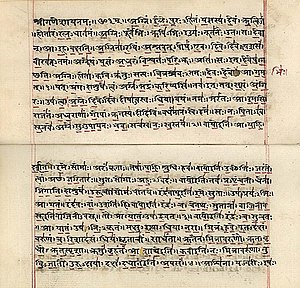
Rigveda (padapatha) manuscript in Devanagari, early 19th century.
However, the written form of the Vedas are in the form of Manuscripts.
“Due to the ephemeral nature of the manuscript material (birch bark or palm leaves), manuscripts rarely surpass an age of a few hundred years.
The Benares Sanskrit University has a Rigveda manuscript of the mid-14th century and there are a number of older Veda manuscripts in Nepal belonging to the Vajasaneyi tradition that are dated from the 11th century onwards.”
The scholarly consensus dates the bulk of the Yajurveda and Atharvaveda hymns to the early IndianIron Age, c. 1200 or 1000 BC, corresponding to the early Kuru Kingdom.
There is a dispute about the exact date of the Manuscripts.
What is to be borne in mind is that the spoken word being older than the written word, and considering the richness of the Language used the Vedas must date quite a few thousand years than the date of the Manuscripts.
But be it as it may.
What I am interested is not about the date of the Vedas but the dates of Vedas when seen in conjunction with the Ithihasas, Ramayana and Puranas.
They themselves admit that the follow the Vedas and as such mus be post-Veda.
Fine, no issues,
But when the Vedas contain references to the Puranas, Ihihsas or their Characters found therein?
Vedas contain,
Rama-rahasyopanishad.
Rama-tapany-upanishad.
Vasudevopanishad.
Gopala-tapany-upanishad.
Krishnopanishad.
Nrisimha-tapaniyopanishad.
Yajnavalkyopanishad.
Varahopanishad
Of these,are characters from The Ramayana(1,2 ) ,: 3, 4 , 5 from Mahabharata and Bhagavatham while 6 ,7, and 8 from Puranas ..
Yagnavalkya is reported to have vomited the Vedas , Taittriyas.
If one looks at these the question that comes to mind is,
If the Purana, Ithihasas are later than the Vedas, how come they are mentioned in the Vedas?
It is also stated that Viswamitra gave the world the Gayatri Mantra, to whom it was revealed.
The Rig Vedic version has one syllable short and Taittriya Aranyaka has the full detailed version.
Does this mean that before it was revealed to Viswamitra no body chanted it?
Yet there are references of the Rishis chanting the Gayatri before the advent of Viswamitra.
How and why?
Therefore my options are.
1. That the Vedas are not eternal I do not subscribe to this view.
2.The References to Puranas are Interpolations.- Possible.
3.That as Sound precedes being grasped, Sounds that exists eternally, are picked up at different times by the different Seers and are recorded.
Eminently possible.
Understanding Infinity and Zero are equally beyond me.
In this sense eternity seems to have a break in that while Sound is Eternal, grasping it not.
6. raamaH= Rama, svayambhuuriva= like the Brahma, bhuutaanaaM= among all the living beings, guNavattaraH= the most virtuous, teshhaamapi= among those brothers, mahaatejaH= the mightiest, ratikaraH babhuuva= was a source of joy, pituH= for his father.
Rama, like the Brahma among all the living beings, the most virtuous among those brothers and the mightiest was a great source of joy for his father.
sa hi devai rudiirNasya raavaNasya vadhaarthibhiH |
arthito maanushhe loke jajJNe vishhNuH sanaatanaH || 2-1-7
7. saH= That Rama, sanaatanaH= the eternal, vishhnuH= Vishnu, jajJNehi= was born, maanushhe loke= on the earth, arthita= as urged by, devaihi= gods, vadhaarthibhihi= to kill, udiirNasya raavaNasya= the egoistic Ravana.
That Rama – was He not the eternal Vishnu who was born on earth as prayed by celestials to kill the egoistic Ravana?
8. aditiryathaa= like Adithi, vajrapaaNinaa= by Indra, devaanaaM vareNa= the best among celestials, kausalyaa= Kausalya, shushubhe= was shone by, putreNa= her son, amitatejasaa= the mighty.
Like Adithi by Indra, best among the celestials, Kausalya shone by her son Rama, the mighty.
sa hi ruupopapannashcha viiryavaananasuuyakaH |
bhuumaavanupamaH suunurgaNairdhasharathopamaH || 2-1-9
9. saH= Rama, ruupopapannaH cha= having beautiful form, viiryavaan= a hero of valor, anasuuyakaH= without envy, gunaiH= by virtues, dasarathopamaH= like Dasaratha, anupamaH= an incomparable, suunuhu hi= son indeed, bhuumau= on earth.
Rama was beautiful in form, a hero of valor and without envy. By virtues, he was like Dasaratha. In this way, he was an incomparable son on earth.
sa cha nityaM prashaantaatmaa mR^idupuurvaM tu bhaashhate |
uchyamaano.api parushhaM nottaraM pratipadyate || 2-1-10
10. saH= that Rama, nityam= always, prashaantaatmaa= with a peaceful mind, bhaashhate= talked, mR^idupuurvakaM= softly, uttaram na prapadyate= he did not respond to, parushhaM= hard words, uchyamaanaha api= spoken by others.
That Rama was always peaceful in mind and spoke softly. He did not react to the hard words spoken by others.
11. saH= That Rama, aatmavattayaa= because of his good bent of mind, tushhyati= feels glad, kathaMchit= even by , aikena= one, upakaareNa= good thing, kR^itena= done, na smarati= (but) does not mind, satamapi= even a hundred, apakaaraaNaam= bad things.
That Rama, because of his good bent of mind, feels glad even by whatever way a good thing is done to him. He does not remember any number of bad things done to him.
12. astrayoga antareshhvapi= Even during intervals while practising archery, nityam= always, kathayannaasta= used to converse with, shiilavR^iddhai= elders by conduct, jJNaanavR^iddhai= elders by wisdom, vayovR^iddhai= elders by age (or), sajjanaiH= with good people.
Whenever he finds some time even while practising archery, Rama used to converse with elderly people, elder by way of conduct or wisdom or age or with good- natured people.
13. buddhimaan= wise man, madhurabhaashhii= sweet conversationalist, puurvabhaashhii= one who initiated a talk, priyaMvadaH= whose speech was compassionate, viiryavaan= person with valor, na cha vismitaH= not arrogant of, svena= his own, mahataa= great, viiryeNa= valor.
Rama was a wise man. He used to speak sweetly. He was the first man to initiate a talk. His speech was compassionate. He was valorous. But he was not arrogant of his mighty valor.
14. na cha= not, anR^itakathaH= speaking untruth, vidvaan= all knowing person, pratipuujakaH= Receptive and worshipful to, vR^idhaanaam= elders, anuraktaH= being loved, prajaabhi= by people, anurajyate= loving, prajaashchapi= also the people.
He did not speak untruth. He was all knowing. He used to be receptive and worshipful to the elders. People used to love him and he used to love the people.
15. saanukroshaH= had compassion, jitakrodhaH= conquered anger, braahmana pratipuujakaH= receptive and worshipful to the wise, diinaanukampii=had mercy towards the meek, dharmajNaH= knew what was to be done, nityam pragrahavaan= Had always self control, suchiH= was clean (in conduct).
He had compassion. He conquered anger. He used to be receptive and worshipful to the wise. He had mercy towards the meek. He knew what was to be done. He had always self-control. He was clean (in conduct).
16. kulochitamatiH= attitude suitable for his social rank, bahumanyate= giving due respect to, kshaatraM dharmam= righteousness of warrior-class, manyate= thought, tataha= by following that righteousness, parayaa kiirtya= by great fame, mahat= great, swargaphalam= fruit of heaven.
That Rama, having an attitude suitable for his social rank, giving due respect to righteousness of warrior-class, believed that by following the righteousness he would attain great fame and through it the fruit of heaven.
17. na rataH= not interested(in), ashreyasi= actions not beneficial, vidvaan= scholar, Na viruddhakathaaruchiH= no taste in tales opposing righteousness, vaachaspatiryathaa= like brihaspathi, uttarottarayuktau= in showing series of strategies, vaktaa= a fluent speaker.
Rama was not interested in actions, which were not beneficial. He was a scholar. He had no taste in tales opposing righteousness. Like vächaspathi, his eloquent speech contained a series of strategies for action.
18. arogaH= without disease, taruNaH= young man, vaagmii= speaker, vapushhmaan= person with a good body, deshakaalavit= knew time and place, purushhasaarajJNaH=could grasp the essence of men, ekaH= the one, saadhuH= gentleman, vinirmitaH= created, loke= on earth.
Rama was a young man without any disease. He was a good speaker. He had a good body. He knew both time and place. He could grasp the essence of men. He was the one gentleman born on earth.
sa tu sreshhThairguNairyuktaH prajaanaaM paarthivaatmajaH |
bahishchara iva praaNo babhuuva guNataH priyaH || 2-1-19
19. prajaanaam= To people, priyaH= loving, saH= that, paarthivaatmajaH= prince, shreshhThaiH= with good, guNaiH= virtues, yuktaH= contained, babhuuva= existed, praanaH aiva= like spirit, bahishcharaH= moving outside, guNataH= by virtues.
People loved the virtuous prince Rama and treated him as their spirit moving outside.
20. vidyaavratasnaataH= after bathing in the discipline of education, samyak= properly, saaN^gavedavit= After knowing archery, yathaavat= as prescribed, bharataagrajaH= elder brother of Bharatha (Rama), babhuuva= was, shreshhThaH= better than, pituH= father, ishhvastre= in archery.
After completing his education properly, Rama, after knowing the science of archery as prescribed, was better than his father in the use of bow and arrows.
21. kalyaanaabhijanaH= having born in a good clan, saadhuH= gentleman, adiinaH= not a feeble man, satyavaak= speaker of truth, R^ijuH= straightforward man, abhiviniitaH= properly trained by, vR^iddhaiH= elderly, dvijaiH= wisemen, dharmartha darshibhiH= who realized righteousness.
Rama, having born in a good clan, was gentle minded. He was not feeble. He spoke truth. He was straightforward. He was properly trained by elderly wise men that knew righteousness.
22. dharma kaamaartha tattvajnaH= one who knew the real form of desire, wealth and righteousness, smR^itimaan= one who had a good power of memory, pratibhaanavaan= one who had a spontaneous wisdom to respond, vishaaradaH= one who had skill, kR^itakalpaH= one who had created arrangement of, samayaachaare= customs useful at that time, laukike= for the society.
Rama knew the real form of desire, wealth and righteousness. He had a good memory power. He had a spontaneous wisdom. He had skills in arranging customs useful to society prevalent at that time.
23. nibhR^itaH= Humble man, saMvR^itaakaaraH= Had an enclosed form, gupta mantraH= kept thoughts to himself, sahaayavaan= helped others, amogha krodha harshhashcha= his anger and pleasure not wasteful, tyaagasaMyama kaalavit= knew the timing of giving and non-giving.
Rama was humble. He did not let his feelings appear outwardly. He kept his thoughts to himself. He helped others. His anger and pleasure were not wasteful. He knew when to give and when not to give.
dR^iDhabhaktiH sthiraprajJNo naasadgraahii na durvachaaH |
nistandrirapramattashcha svadoshhaparadoshhavit || 2-1-24
24.dR^iDha bhaktiH= had a firm devotion, sthira prajJNaH= had steadfast mind, aasadgraahii= was not stubborn, na durvachaaH= not speaking evil words, nistandriH= had no idleness, apramattaH= was alert, svadoshhaparadoshhavit= and recognized his own errors and those of others.
Rama had a firm devotion and steadfast mind. He was not stubborn nor did he speak evil words. He was free from idleness and was ever alert. He recognized his own errors and those of others.
25. shaastrajJNaH cha= He knew sciences, kR^itajJNaH + cha= knew their practice, purushhaantarakovidaH= understood differences among men, yathaanyaayam= as per justice, vichakshaNaH= discriminator of, pragrahaanugrahayoH= punishment and protection.
Rama knew the theory and practice of sciences. He understood the differences among men. He could judiciously discriminate whom to protect and whom to punish.
satsaMgrahapragrahaNe sthaanavinnigrahasya cha |
aayakarmaNyupaayajJNaH saMdR^ishhTavyayakarmavit || 2-1-26
26. satsaMgrahapragrahaNe= identifying the good and protecting them, sthaanavit= knew the people, nigrahasya cha= to be reprimanded, upaayajJNaH= knew the ways and means of, aaya karmaNi= getting income, sandR^ishhTa vyaya karmavit= knew the system of spending as mentioned in sastra.
He identified good men and protected them. He knew the people worthy of reprimand. He knew the ways and means of getting income as well as the system of spending, as perceived by economic sciences.
shraishhThyaM shaastrasamuuheshhu praapto vyaamishrakeshhu cha |
arthadharmau cha saMgR^ihya sukhatantro na chaalasaH || 2-1-27
27. praaptaH= obtained, shraishhThyam= great skill, shaastrasamuuheshhu= in groups of sciences, vyaamishrakeshhu cha= and in their subsidiaries, sukhatantraH= Interested in enjoying comforts, saMgR^ihya= after understanding, artha dharmau= economic realities, na alasaH= and never remained inactive.
Rama could obtain great skill in the groups of sciences along with their subsidiaries. He was interested in enjoying comforts only after understanding the economic realities. He never remained inactive.
28. vijJNaataa= acquainted with, shilpaanaam= fine arts, vaihaarikaaNaam= useful in entertainment, arthavibhaagavit= knew how to distribute wealth, yuktaH= efficient in, aarohe= in riding, vinaye= in taming, vaaraNavaajinaam= elephants and horses.
Rama was acquainted with the fine arts useful for entertainment. He knew how to distribute the wealth. He was efficient in riding and taming of elephants and horses.
dhanurvedavidaaM sreshhTho loke.atirathasaMmataH |
abhiyaataa prahartaa cha senaanayavishaaradaH || 2-1-29
29. shreshhThaH= best of persons, dhanur veda vidaam= knowing the science of archery, athirathasaMmataH= appreciated by the champions of archery, senaa nayavishaaradaH= Attained skills in moving the army properly, abhiyaataa= facing the enemies, prahartaa cha= (He) used to kill them.
Rama was the best of persons knowing the science of archery in the world; and was well appreciated by the champions of archery. He attained skills in marshalling the army. He faced and killed the enemies in battle.
apradhR^ishhyashcha saMgraame kruddhairapi suraasuraiH |
anasuuyo jitakrodho na dR^ipto na cha matsarii |
na chaavamantaa bhuutaanaaM na cha kaalavashaanugaH || 2-1-30
30. kruddhaiH= enraged, suraasurair api= even by suras and asuras, apradhR^ishhyaH= (He) could not be defeated, saMgraame= in battle, anasuuyaH= had no jealousy, jitakrodhaH= conquered anger, na dR^iptaH= Had no arrogance, na matsarii cha= Had no envy, na cha avamantaa= not humiliated, bhuutaanaam= living beings, na kaala vashaanugaH cha= had not surrendered to time.
Even enraged celestials and demons could not defeat Rama in battle. He had no jealousy. He conquered anger. He had no arrogance and envy. He had not humiliated any living being. He had not surrendered to time.
31. paarthivaatmajaH= That prince Rama, evam shreshhThagunaiH= with these good virtues, yuktaH= fair, prajaanaam= to the people, saMmataH= was agreeable, trishhu lokeshhu= to the three worlds, kshamaa guNaiH= virtue of forgiveness, vasudhaayaaH= (comparable) to the earth, budhyaa= By wisdom, bR^ihaspate= to brihaspathi, viiryeNa= by valour, shachiipate= to devendra, tulyaH= (He was) equal.
That Prince Rama, with these good virtues, was fair to the people. He was agreeable to the three worlds. By patience and the related virtues, he was equal to earth, by wisdom to Brihaspathi and by valor to Devendra.
32. raamaH= Rama, guNaiH= by virtues, sarva prajaakaantaiH= which are enlightening to all the people, priitisamjananaiH= which are source of liking, pituH= to his father, viruruche= was shining, suurya eva= like the sun, diiptaH= shining, aMshubhiH= by the rays.
Rama, by his virtues, was a source of happiness to all the people and a spring of joy to his father. As the sun shines with his rays, Rama was shining, thus, with his virtues.
33. medinii= the Earth, akaamayata= wished, tam= Rama, naatham= (to be) the lord, evaM vrathasaMpannam= as he was adorned with disciplined life, apradhR^ishhya paraakramam= having undefeatable valor, lokapaalopamam= equal to the universal lords like Indra.
The earth wished Rama to be her Lord as he was adorned with self -control and norms of behavior bearing undefeatable valor equal to that of universal lords like Indra.






You must be logged in to post a comment.