Tag: Pandya

  • Women Pandya Kingdom Madurai Meenakshi? Pliny Greek Historian

    Women Pandya Kingdom Madurai Meenakshi? Pliny Greek Historian

    Information relating to Indian history,often dismissed as Myths,gain acceptance of they are furnished by Western sources. Such information is quoted by me so that people might understand that Indian history is not a myth ,but fact as described in Puranas, Ithihasas Ramayana and Mahabharata and Tamil Classics like Sangam literature.

    Information found in Hindu temples are also a source of information as the Sthala Puranas. One can find Epigraphs in Temples which describe the date of construction of the temple,who built it,what grants were allotted bt the kings,details of festivals,family tree of the Kings…Sthalapurana is the history of the place where the temple is,reason for the name of the town/village,the background of the Deities in the temples. During my research of Ramayana and Mahabharata,I have found the Sthala Puranas not contradicting these Ithihasas in anyway,though ,at the first instance the Sthala Puranas might seem to be incredible. If one studies the Ithihasas and the so called Legends,one would no contradiction.

    There are two such instances that I am presenting here.

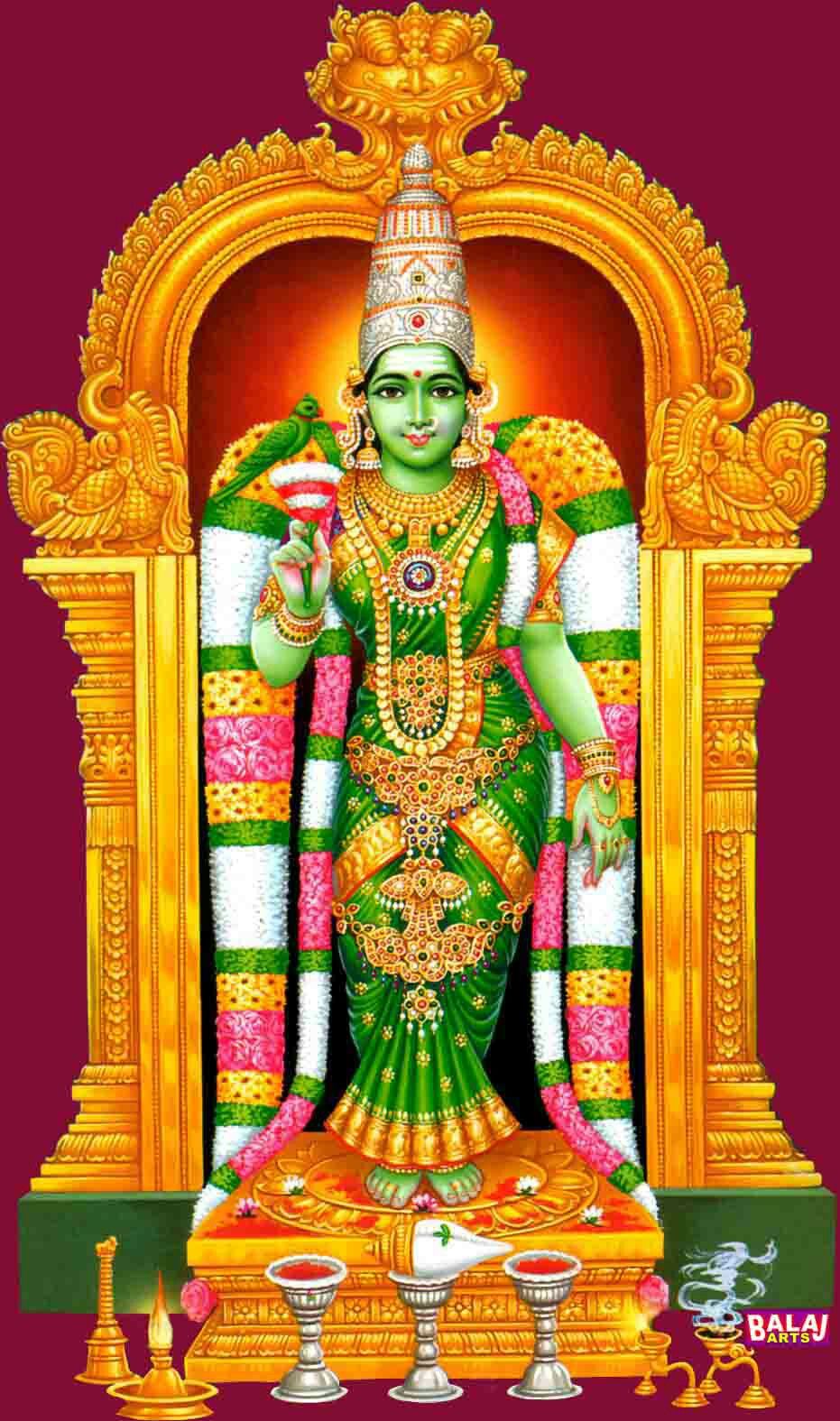
    Madurai, Tamil Nadu is reported to have been the home of Tamils from antiquity.Tamil Poets’ Conclave(Tamil Sangam) was held here , according to Tamil Sangam Classics.Madurai was where the Third Tamil Sangam was held,the first at Thenmadurai,the second at Kaparapuram and the Third at Madurai. Madurai is associated with Tamil ,Siva,Murugan,Vishnu as Azhagar and of course Devi Meenakshi, incarnation of Parvati.

    Her spouse was none other than Lord Shiva Himself.Her father Sarangadwaja,aka Malayathdwaja Pandian participated in the Mahabharata war,on the side of Pandavas. I have written on this with reference from Mahabharata.

    Meenakshi ruled Pandya Kingdom from Madurai. The kingdom was run by women.There is a saying in Tamil about who decides in a family’. It is customary to ask whether your home is Chidambaram or Madurai. Chidambaram is where Lord Nataraja rules,while Madurai by Meenakshi.It is also recorded that the Madurai Kingdom was run so well it was nearly a Republic!

    Greek Historian Pliny mentions tha Madurai was ruled by Pandya and the Kingdom was A Republic run by Women.
    Mahavamsa refers to this fact and it dates the period between 43 and 29 BC.

    There is another women ruler of Madurai,casked Allirani. She was married to Arjuna of Mahabharata and haf a son Babruvahana.She also ran Madurai as a Women Kingdom.She was an Amazonian Queen.Allirani is reported to have ruled from Madurai according Tamil Classics. But,Sri Lankan records show she ruled from Kudiraimalai,Gulf of Mannar.This is also recorded on some Tamil Texts and by Greek writers.

    The issue here is the location,Madurai or Kudiraimalai.I am searching for clinching evidence.

    But what about the reference of women Pandya Kingdom ?

    Pliny refers whom?

    Is it Meenakshi or Allirani,?

    Reference and citation. https://books.google.co.in/books?id=egY9AAAAIAAJ&lpg=PA181&dq=pliny%20pandya%20women&pg=PA181&output=embed

    https://books.google.co.in/books?id=zjTneAGmatsC&pg=PA15&lpg=PA15&dq=pandya+heracles&source=bl&ots=WM629LMq9q&sig=ACfU3U0K9qaIgGGS87maybI61ky7C0t4Vw&hl=en&sa=X&ved=2ahUKEwjT3M318uToAhVAzzgGHc-YCOoQ6AEwBHoECAYQAQ#v=onepage&q=pandya%20heracles&f=false

  • Ravana Signed Peace Treaty With Tamil Pandya King

    Ravana Signed Peace Treaty With Tamil Pandya King

    Two ancient languages of India, Sanskrit and Tamil talk of The Ramayana and Mahabharata.


    Sanskrit and Tamil quote each other that it well-nigh impossible to know which is earlier.


    The Stargate of Ravana
    Ravana’s Stargate


    Ramayana was written by Valmiki in Sanskrit and was extensively quoted by ancient Tamil Literature, some as old as five thousand years.


    There is also evidence to suggest that Valmiki knew Tamil and wrote Tamil Vanmikakovai.


    Post on Was Valmiki a Tamil?, follows.


    The Ramayana speaks of Ravana as a Rakshasa.


    He is also described as Asura, meaning a man of immense Strength and Valor.


    The Rakshasas, according to Puranas, lived down south, an allegory that they lived south of the Vindhyas.


    There are references to Kumari Kandam, a Super Continent, of which Lanka formed a part.


    The three kings of South India had close contacts with the kings of Lanka.


    To such an antiquity that Ravana, who was engaged in stirring trouble in the Pandya Kingdom.


    He was reported to have been checked by a Pandya King and Ravana sued for Peace.


    This has been found in the Chinnamanur inscriptions, Tamil Nadu.


    “The Sanskrit portion of the bigger Sinnamanur plates begins with a fragmentary verse in which the king (perhaps Pandya) boasts of having subdued the ocean — an attribute which the mythical Pandya kings generally assumed in consequence, perhaps, of their sea-bordering kingdom, their naval power, and their sea-borne trade, from the earliest historical times. From him were descended the kings known as Pandyas (v. 2) ‘who engraved their edicts on the Himalaya mountain’ and whose family-priest was the sage Agastya (v. 3). One of the Pandya kings is said to have occupied the throne of Indra (v. 4) and another to have shared it with that god, and still another, to have caused the Ten-Headed (i.e., Ravana of Lanka) to sue for peace (v. 5). One was a conqueror of the epic hero Arjuna       Verse 8 refers to a king who cut off his own head in order to protect that of his master and also to a certain Sundara-Pandya who had mastered all the sciences. Many kings of this family had performed Vedic sacrifices Rajasuya and Asvamedha (v. 9).”


    “Pathupattu in Tamil (Ten long poems) has ten books and one of them is Maduraikanchi. This very long poem has a reference to Ravana (lines 40-42).”

    * I am unable to vouch this as these lines do not see to refer Ravana.

    “தொள் முது கடவுள் பின்னர் மேய,
    வரைத் தாழ் அருவிப் பொருப்பின் பொருந!”


    The above is from Madurai Kanchi,a Sangam Literary work, there seems to be no reference to Ravana here.


    Comments welcome.


    There are references by Nachinarkiniyar, a Tamil Commentator of the Sanga Era on Agsthya and Ravana.


    And there is a reference by Kalidasa in Raghuvamsa.


    (This raises the question about Kalidasa’a Date)


    ““Pandya wore pearl garlands and sandal paste. He was soaked in Avabrutha Snanam during Asvamedha yajna. Ravana was so scared that Pandya may attack and capture his Janasthana (in Dandakaranya), so he made a peace treaty with the Pandya king and then went to win Indraloka. Pandya was praised for receiving a weapon (Brahmsiras) from Lord Shiva.


    Citation.

    http://tamilandvedas.com/2014/06/24/ravana-pandya-peace-treaty-kalidasa-solves-a-tamil-puzzle/


    http://www.whatisindia.com/inscriptions/south_indian_inscriptions/volume_3/copper_plates_at_tirukkalar.html


  • Tamil Nadu Was Not The Whole Tamil Kingdom Sakat Dvipa

    It is an accepted but incorrect history that the Present day Tamil Nadu was inhabited by the three Dynasties of Tamil Kings, Chera ,Chola and Pandyas.


    There is sufficient eveidence in the Epics,Ramayana and Mahabharata that the area of the Tamils as much more than the present Tamil Nadu.


    Lemuria ith Bathymetric Studies
    Kumari Kandam Bathymetric studies. Image Credit.http://kumari-kandam.blogspot.in/


    While people give much credence to the names of kings mentioned in Tamil Sangam literature, the same attention has not been paid to the geographical description found therein.


    Lets us take the description of the Five Divisions of Land according to Tholkappiyama nd other Grammatical works.


    .

    The land mass here the Tamils lived as divided and named into Five distinct geographical entities.


    1.Kurinji-Hilly Terrain.

    2.Mullai-Forests.

    3.Marutham-Plains.

    4.Neydal-Seashore and

    5.Palai-Desert Region.


    One can n find these five regions is the present Tamil Nadu as it is to-day.


    The present conception of Lemuria or Kumari Kandam might explain this phenomena.


    This was a large landmass that got submerged in, possibly a tsunami.


    View. 1.

    There was a mountain chain  south of the Tamraparani River,which was an extension of the Wastern ghats.


    It as submerged in the sea.


    That as called the Malaya Parvatha and there are references to it in the Mahbharata and Ramayana.


    There was a king called Malayathvaja, whose daughter as Meenakshi and legend has it that she married Lord Shiva.


    That is now being called a Madurai , which is erroneous.


    The Madurai here Malayathaja ruled as The Madurai(South Madurai) which submerged.


    This continuation of the Western Ghats , Malaya Parvatha is called Sakatdvipa.


    One Sarangathdja fought with Asathama, after Drona as killed, in the Mahabharata War.


    There are refernces to the Pandyas being adorned with Sandalood paste obtained from the Malayamarutha.(Raja Suya Yaga, Mahabharata)


    This Sakat Dvipa resembled the ears of a Hare and it as described as hanging from the Bharatavarsha(Mahabharrata).


    This Malayaparvatham was reported South of Tamraparani,currently in Tirunelveli District.


    Silappathikaram also mentions that the sandalwood paste as from the forests where the Western Ghats and the Malaya Parvata meet.


    Kumari Kandam ith Cities.jpg
    Kumari Kandam ith Cities.


    Sakatdvipa was 25,600,000 mile


    The 49 lands

    This land was divided into 49 Naadu, or territories (probably of the size of small districts) between Kumari river and Pahruli / Prahuli / Pakruli river. These are named as seven coconut territories (Ezhu Tenga Natu), seven Madurai territories (Ezhu Maturai Natu), seven old sandy territories (Ezhu Mun-palai Natu), seven new sandy territories (Ezhu Pin-palai Natu), seven mountain territories (Ezhu Kunra Natu), seven eastern coastal territories (Ezhu Kuna Karai Natu) and seven dwarf-palm territories (Ezhu Kurum Panai Natu). All these lands, together with the many-mountained land that began with Kumari-Kollam, with forests and habitations, were submerged by the sea.

    Two of these submerged Nadus or territories of Kumari Kandam were supposedly parts of present-day Kollam and Kanyakumari districts.

    The above description match perfectly with  Kumari Kandam map developed using bathymetry studies since it shows the western extent of Kumari Kandam along the coast of Kerala where lies Kollam.

    இன்றைக்கு மஹேந்திர மலை என்பது திருக்குறுங்குடி என்னும் வைணவ திவ்விய தேசத்தில் இருக்கிறது. இங்கிருந்துதான் அனுமன் இலங்கைக்குத் தாவிச் சென்றிருக்கிறான். இந்தப் பகுதியைப் பற்றிச் சொல்வதற்கு முன்னாலேயே, தாமிரபரணி ஆற்றைக் கடந்தபின் மலய பர்வதத்தின் தொடர்ச்சியாக சொல்லப்பட்ட இடத்தில் கவாடபுரம் என்னும் பாண்டியன் தலைநகரைப் பற்றி சுக்ரீவன் சொல்கிறான். இது தென்கடலுடன் இணையும் மேற்குத் தொடர்ச்சி மலைப் பகுதியாகும். இந்தப் பகுதியைப் பற்றிய சுவையான தகவல்களை அடியார்க்கு நல்லார் மூலம் நாம் அறிகிறோம்.
    சிலப்பதிக்கார உரையில் (8-1), ஏழேழ் நாற்பத்தொன்பது நாடுகள் பற்றி அவர் கூறியதை முந்தின பகுதியில் கண்டோம். அவை எல்லாம் கடலுக்குல் அமிழ்ந்தன என்கிறார். அவற்றுடன் கடலுக்குள் அமிழ்ந்த பிற பகுதிகளில்,
    ’குமரி கொல்லம் முதலிய பன்மலை நாடும், காடும், நதியும், பதியும்,
    தட நீர்க் குமரி வட பெருங்கோட்டின்காறும் கடல் கொண்டு அழிதலால்’ என்கிறார்.
    குமரி கொல்லம் முதலிய பன் மலை நாடு என்று சொல்லவே, மலய பர்வதத்தை ஒட்டி அமைந்துள்ள இன்றைய கொல்லம் என்னும் கேரளப் பகுதி பாண்டியன் வசம் அந்நாளில் இருந்திருக்கிறது என்று தெரிகிறது. அந்த இடத்தில் குமரியின் வட பெருங்கோடு இருந்தது என்றும் இதன் மூலம் தெரிகிறது”.
    கோடு என்றால் மலைச் சிகரம் என்றும் பொருள். நீர்க்கரை என்றும் ஒரு பொருள் உண்டு. இங்கு குமரி ஆற்றைச் சொலல்வில்லை. ஏனெனில் இதே விளக்க உரையில், முதலிலேயே பஹ்ருளி ஆற்றையும், குமரி ஆற்றையும் சொல்லி அதற்க்கிடையே உள்ள தூரத்தையும் அடியார்க்கு நல்லார் சொல்லி விட்டார். எனவே இங்கு குமரிக் கோடு என்றதும், வட பெருங்கோடு என்றதும்,
    குமரி மலைத் தொடரின் வடக்கில் உள்ள மலைச் சிகரமான குமரி என்னும் சிகரம் என்றாகிறது. அது கொல்லத்தை ஒட்டி அமைந்திருக்கிறது. இவை எல்லாம் உண்மையே என்பதை இந்தியப் பெருங்கடலின் அடிவாரத்தைக் காட்டும் படங்களில் காணலாம்.”
    So the Tamil Kingdoms referred to included Lemuria and the present Tamil Nadu formed only a Part.
    Most interesting fact is that the Sanatana Dharma flourished there and I willl be posting archeological  evidence.


    https://ramanisblog.in/2014/03/07/india-puranic-names-its-current-names/

    http://kumari-kandam.blogspot.in/2012/05/blog-post.html

  • Independent Tamil Culture Myth

    The Myth of an independent,secular(?) Dravidian Culture has been and is propagated.


    Let us see whether the Statement that the Dravidian, more specifically the Tamil Culture was/is independent of Sanatana Dharma, on the basis of historical and archaeological evidence.

    Panyan Coin.jpg.
    Pandyan coin depicting a temple between hill symbols and elephant, Pandyas, Sri Lanka, 1st century CE.


    1.Tamil quotes Vedas right from the Sangam Age.


    2.Vedas and Sanskrit quote Tamil and the land of Tamils, pointedly at Dravida, meaning south of the Vindhyas.


    3.The earliest recorded Tamil Kingdom was Pandya Kingdom.


    Lord Krishna visited the capital of Pandyas , Madurai.


    Arjuna married a Pandyan Princess during his pilgrimage(see my post on this-Arjuna’s Pilgrimage)


    Ancient Chera Kingdom was from 400 BC to 397 AD.


    Sangam Cholas 300 BC to 240 AD.


    Central Pandya  550 BC to 1311 AD.


    The earliest Pandya to be found in epigraph is Nedunjeliyan, figuring in the Minakshipuram record assigned from the 2nd to the 1st centuries BC.

    The record documents a gift of rock-cut beds, to a Jain ascetic.

    Punch marked coins in the Pandya country dating from around the same time have also been found.


    Jainism came after Vedic Period.


    So when Jainism had made inroads the religion that was in existence was Hinduism even in Tamil Nadu.


    This may be known by the gifts made by the Pandya Kings to Brahmins(Vediyar, Anthanar)


    Again we have a reference to a Chera King who participated in the Mahabharata war;he fed both the Kaurava and Pandya Armies.


    “Reference to Perum Chorru Udiyan Cheral Adan, in the second verse of thePurananuru, an earliest text of Sangam literature, is about his feeding the two armies of the Mahabharata battle.


    And PT Srinivasa Iyengar states that Perunchoruudiyan Chealathan had granted 100 Velis (one Veli equals 100 acres) of land to Brahmins on the condition that he should see the smoke from the Homa from the Brahimn Agraharam daily


    He also performed Tharpana, rituals for the dead, to those  who died in the Mahabharata war.


    Hence the religion that was practiced in Tamil Nadu was Sanatana Dharma and not an independent Tamil Culture.


    Based on the Aryan invasion theory, it was assumed that only Apasthamba came to the South that Hinduism was introduced.


    This is incorrect.


    The Five gems of Tamil Valayapathi, Kundalakesi,Seevaka Sinthamani,Silappathiparam and Manimekalai.


    All these epics dating to BC (appx) refer to Vedic practices and Silappathikaram and  Seevaka Sinthamani Manimekalai refer to Buddhism and Jainism as well.


    The canard of an independent Tamil Culture is a Myth.


    How and Why.

    And yet, such statements do not go deep enough, as they still imply a North-South contrast and an unknown Dravidian substratum over which the layer of �Aryan� culture was deposited. This view is only milder than that of the proponents of a �separate� and �secular� Dravidian culture, who insist on a physical and cultural Aryan-Dravidian clash as a result of which the pure �Dravidian� culture got swamped. As we have seen, archaeology, literature and Tamil tradition all fail to come up with the slightest hint of such a conflict. Rather, as far as the eye can see into the past there is every sign of a deep cultural interaction between North and South, which blossomed not through any �imposition� but in a natural and peaceful manner, as everywhere else in the subcontinent and beyond.

    As regards an imaginary Dravidian �secularism� (another quite inept word to use in the Indian context), it has been posited by many scholars�: Marr,[56] Zvelebil[57] and others characterize Sangam poetry as �secular� and �pre-Aryan�[58] after severing its heroic or love themes from its strong spiritual undercurrents, in a feat typical of Western scholarship whose scrutiny always depends more on the magnifying glass than on the wide-angle lens. A far more insightful view comes from the historian M.�G.�S. Narayanan, who finds in Sangam literature �no trace of another, indigenous, culture other than what may be designated as tribal and primitive.�[59] He concludes�:

    The Aryan-Dravidian or Aryan-Tamil dichotomy envisaged by some scholars may have to be given up since we are unable to come across anything which could be designated as purely Aryan or purely Dravidian in the character of South India of the Sangam Age. In view of this, the Sangam culture has to be looked upon as expressing in a local idiom all the essential features of classical �Hindu� culture.[ 60]

    However, it is not as if the Tamil land passively received this culture�: in exchange it generously gave elements from its own rich temperament and spirit. In fact, all four Southern States massively added to every genre of Sanskrit literature, not to speak of the signal contributions of a Shankara, a Ramanuja or a Madhwa. Cultural kinship does not mean that there is nothing distinctive about South Indian tradition�; the Tamil land can justly be proud of its ancient language, culture and genius, which have a strong stamp and character of their own, as anyone who browses through Sangam texts can immediately see�: for all the mentions of gods, more often than not they just provide a backdrop�; what occupies the mind of the poets is the human side, its heroism or delicate emotions, its bouncy vitality, refined sensualism or its sweet love of Nature. �Vivid pictures of full-blooded life exhibiting itself in all its varied moods,� as Raghunathan puts it. �One cannot but be impressed by the extraordinary vitality, variety and richness of the poetic achievement of the old Tamil.�[61] Ganapathy Subbiah adds, �The aesthetic quality of many of the poems is breathtakingly refined.�[62] It is true also that the Tamil language developed its own literature along certain independent lines�; conventions of poetry, for instance, are strikingly original and more often than not different from those of Sanskrit literature.

    More importantly, many scholars suggest that �the bhakti movement began in the Tamil country and later spread to North India.�[63] Subbiah, in a profound study, not only challenges the misconceived �secular� portrayal of the Sangam texts, but also the attribution of the Tamil bhakti to a northern origin�; rather, he suggests, it was distinctly a creation of Tamil culture, and Sangam literature �a reflection of the religious culture of the Tamils.�[64]

    As regards the fundamental contributions of the South to temple architecture, music, dance and to the spread of Hindu culture to other South Asian countries, they are too well known to be repeated here. Besides, the region played a crucial role in preserving many important Sanskrit texts (a few Vedic recensions, Bhasa�s dramas, the Arthashastra for instance) better than the North was able to do, and even today some of India�s best Vedic scholars are found in Tamil Nadu and Kerala.[*] As Swami Vivekananda put it, �The South had been the repository of Vedic learning.�[65]


    Citation .


    www.en.wikipedia.org/wiki/


    www.micheldanino.voiceofdharma.com/tamilculture.html


  • Pandyas Tamil Kings Lemuria Continent In Mahabharata

    There are references to the Mahabharata in the Tamil Sangam Literature and The Mahabharata refers to the Tamil Kings.

    Lemuria, Tamil Land Mentioned In Mahabharata.Image.jpg.
    Lemuria, Tamil Land Mentioned In Mahabharata.

    The Tamil King Perunchotru Udiyan Neduncheralathan was the one who fed  both Kauravas and Pandavas during the Mahabharata War.

    He also had Tharpana performed for those who did in the Mahbharata war in the Chera Kingdom(History of the Tamils by PT .Srinivasa Iyengar)

    Arjuna and Sahadeva went on a Pilgrimage to the Tamil Kingdoms in the South.

    There are references to Lord Krishna having been acquainted with the Pandya Kings.

    Pandya was present in the Rajasuya ceremony of Pandava king Yudhisthira (2:36,43).


    The Kings of Chola and Pandya, brought numberless jars of gold filled with fragrant sandal juice from the hills of Malaya, and loads of sandal and aloe wood from the Dardduras hills, and many gems of great brilliancy and fine cloths inlaid with gold. Singhalas gave those best of sea-born gems called the lapis lazuli, and heaps of pearls also, and hundreds of coverlets for elephants (2:51).

    Bhishmaka, the mighty king of the Bhojas (of Vidarbha Kingdom) who governs a fourth part of the world, by his learning conquered the Pandyas and the Kratha-Kausikas (2:14).

    Having met with Rukmi (of Vidarbha Kingdom), Karna, repaired to Pandya and the mountain, Sri. And by fighting, he made Karala Kerala?), king Nila, Venudari’s son, and other best of kings living in the southern direction pay tribute (3:252)

    Having brought king Nila of Avanti Kingdom under his sway thus, the victorious son of Madri (Sahadeva) then went further towards the south. He brought the king of Tripura under his sway.

    And next turning his forces against the Paurava kingdom, he vanquished and reduced to subjection the monarch thereof. And the prince, after this, with great efforts brought Akriti, the king of Saurashtra and preceptor of the Kausikas under his sway.

    The virtuous prince, while staying in the kingdom of Saurashtra sent an ambassador unto king Rukmin, the son of Bhishmaka within the territories ofBhojakata.

    And the monarch along with his son, remembering their relationship with Vasudeva Krishna, cheerfully accepted, the sway of the son ofPandu.

    He marched further to the south and reduced to subjection, Surparaka and Talakata, and the Dandakas also.

    The Kuru warrior then vanquished and brought under his subjection numberless kings of the Mlechchha tribe living on the sea coast, and the Nishadas and the cannibals and even the Karnapravarnas, and those tribes also called the Kalamukhas (dark faced) who were a cross between human beings and Rakshasas, and the whole of the Cole (Chola or Kolwa) mountains, and also Surabhi-patna, and the island called the Copper island, and the mountain called Ramaka.

    He having brought under subjection king Timingila, conquered a wild tribe known by the name of the Kerakas.

    The son of Pandu also conquered the town of Sanjayanti and the country of the Pashandas and the Karanatakas by means of his messengers alone, and made all of them pay tributes to him.

    The hero brought under his subjection and exacted tributes from the Paundrayas (Pandyas?) and the Dravidas along with theUdrakeralas and the Andhras and the Talavanas, the Kalingas and the Ushtrakarnikas, and also the delightful city of Atavi and that of the Yavanas.

    And, He having arrived at the sea-shore, then dispatched with great assurance messengers unto the illustrious Vibhishana, the grandson of Pulastya and the ruler of Lanka (2:30).

    Vasudeva Krishna slew king Pandya by striking his breast against his, and moved down the Kalingas in battle (5:48). The Cholas and the Pandyas were mentioned as vanquished by Krishna at (7:11).

    The mighty Sarangadhwaja, the king of the Pandyas, has white steeds, decked with armour set with stones of lapis lazuli.

    His country was invaded and his father was slain by Krishna in battle. Obtaining weapons then from Bhishma and DronaBala Rama and Kripa, prince Sarangadhwaja became, in weapons, the equal of Rukmi and Karna and Arjuna and Achyuta.

    He then desired to destroy the city of Dwaraka and subjugate the whole world.

    Wise friends, however, from desire of doing him good, counselled him against that course.

    Giving up all thoughts of revenge, he is now ruling his own dominions. Steeds that were all of the hue of the Atrusa flower bore a hundred and forty thousand principle car-warriors that followed that Sarangadhwaja, the king of the Pandyas, opposing Drona in Kurukshetra War.(7:23).

    Pandyas were fierce warriors who took part in the Kurukshetra War as per the epic Mahabharata.

    They were mentioned both in the epicMahabharata and epic Ramayana.

    A Pandya king named Sarangadwaja (alternatively Malayadwaja) is mentioned as participating in the Kurukshetra War, siding with the Pandavas.

    It is not clear if Pandyas had any tribal links with the Pandavas of north-India.

    This kingdom existed in the southern part of modern day Tamil Nadu state of India, to the south of Kaveri River.

    Their capital was Madhura on the banks of the Vaigai river.

    The name Madhura resembles the Mathura of northern India indicative of a connection with the Yadavas who once ruled at Mathura.

    Pandyas, Cholas and Keralas were also mentioned in Tamil literature complementing their mention in the Sanskrit literature (constituted by Ramayana, Mahabharata, Puranas and Vedas).

    By looking at the descriptions of the land of Tamils, especially of Pandyas, one is made to conclude that this land mass was in the submerged continent of  Lemuria.

    Please read my posts ,Million Year Old Tamil Quotes Vedas and They quote Tamil, Lemuria, home of The Tamils in Ramayana Mahabharata.

    Citation.

    Ancient Voice wikidot.

    Enhanced by Zemanta