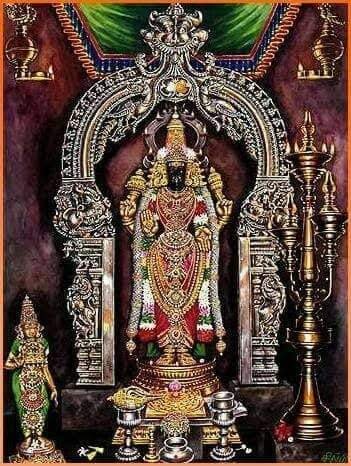
Tag: Nyasa

  • Anganyasa How to Do

    Anganyasa How to Do

    லலிதா ஸஹஸ்ரநாம அங்க நியாஸ விளக்கம்

    Devi Mahatmiyam Durga Sapthasati Parayana Procedure

    The Devi (mother Goddess) killed Madhu and Kaidabha as Vishnu Maya (Thamasic-base), killed Mahishasura as Lakshmi (Rajashic form-materialistic) and killed Shumbha and Nishumbha in the form of Goddess Saraswathi (Sathvic-spiritual).

    All the three are combined in this Stotra.

    It consists of Chapters 74 to 86 (13 chapters) of the Markandeya Purana and has 700 stanzas.

    Devi Describes Herself Devi Gita Text English Translation

    Devi describes herself in the Srrimad Bhagavatham

    The seventh canto of the Devi Bhagavatham is called the Devi Gita..

    This is the essence of Devi, having been revealed by Herself.

    There is another sacred Text where the Devi was described at Her bidding is the Lalita Sahasranama.

    Read my Posts on this..

    Ganesa Devi in Mooladhara Siddhas Explain

    The process of Vaasi is difficult for people,except for those who are gifted. To solve this,Siva had advised Patanjali to simplify Vaasi and introduce a yoga practice that would elevate one to Vaasi consciousness from where Vassi Yoga will take over. Accordingly Patanjali composed Yoga Sutra ,laying emphasis on postures ,followed by Pranayama.

    Devi

    How To Surrender To Devi Appaya Deekshita

    Many Gods, Goddesses are worshipped in Bhakthi Yoga.What is needed in Bhakthi Yoga is total emotional attachment to the Deity.In this article, I shall illustrate life instance from a great Bhakti Yogi, well versed in Sanskrit and Gnana Yogi. What is striking is the total surrender to Devi.

    Over 7K people have signed up.
    Join the crowd.

    Enter your mail to get the latest to your inbox, delivered weekly.

  • Sri Lalitha Sahasranama Nyasa Part 1

    Sri Lalitha Sahasranama Nyasa Part 1

    Sri Lalitha Sahasranama Nyasa Explained Part

    Sri Lalitha Sahasranama Nyasa Basics explained. This forms the first part on Nyasa from my class on Sri Lalitha Sahasranama.

    Aghora Pasupatha Homa Evil Eye Protection Mukthi

    Removal of Evil eye, Protection from forces that hinder Spiritual development. Protection from Black magic,Animals. Increases self confidence and self assurance. Clarity of thought.. Above all,Mukthi and Gnana are facilitated.

    Rig Veda Inflenced Civilizations Outside India

    Date of Rig veda in Ramanisblog According to Ramanisblog, the date of the Rig Veda is subject to considerable debate, with modern scholarly estimates generally ranging between 2000 BCE to 1000 BCE[1]. However, Ramanisblog highlights that Hindu tradition considers the Vedas to be timeless and without a specific beginning[1]. Perspectives on Rig Veda Dating Ramanisblog…

    Navavarana Pooja 1 Guru Stuthi

    Following in the Ai Generated transcript of the Navavarana Pooja Mantras . Recorded and sent to my Shishyas. This is being made public so that this secret knowledge is not lost to posterity. Those who want to be initiated may contact me through mail at ramanan50@gmail.com. Also they can contact through the comment column. If…

    Join 4,576 other subscribers
  • Laghu Nyasa Mahanyasa,Which is More Effective in SriRudram

    Laghu Nyasa Mahanyasa,Which is More Effective in SriRudram

    I have received a query on what Laghu Nyasa is and what are the other Nyasas.

    I have written on Anganyasa and Karanyasa.

    Anganyasa is purification of the limbs and requesting a specific deity ruling the organ,its matra,subtle element to be present there and protect that organ.

    The same applies to Kara ( hands) Nyasa.

    People are confused about this,especially when they chant the Srirudram,where Mahanyasa and Laghu Nyasa are prescribed.

    The confusion is due to the meaning of the term ‘laghu’,meaning easy,simple.

    Readers want to know if following Laghunyasa would yield results as it is easy.

    Nyasa ,as a tool for realizing Brahman through Tantra Shastra is of three types( these are available,others,if there be any,I am unable to locate).

    1.Laghu Nyasa.

    2.Maha Nyasa and

    3.Mathruka Nyasa.

    While Laghu Nyasa,Maha Nyasa is used in the worship of Ganesha,Subrahmanya,Matruka Nyasa is used exclusively for Devi Lalitha Tripurasundari.

    https://ramanisblog.in/2014/09/25/sri-vidya-tripura-sundari-upasna-maha-shodha-nyasa/
    To understand these Nyasas a small note on the concept of God in Hinduism is necessary.

    According to Vedas,the authority in spiritual matters in Hindism,the Reality,Brahman is beyond Attributes,Names and Forms.

    It is experienced ,not known.

    It is felt and beyond Logic.

    Hinduism understands the difficulty of concentrating on abstract principles to realize Brahman,that is the cessation of the modifications of the Mind and going beyond.

    Human mind ,being limited and conditioned by the concepts of Time and Space can not comprend Infinity,Bliss and attain the state of being without thought waves.

    However the Human mind can concentrate on name and form

    So the concept of Gods,Goddesses with name and forms have been suggested.

    And one can choose any of them ,in any form and commune with them in a relationship that appeals to the individual.

    Please read my article Gods Have Names and Forms, Hinduism,Yes and No.

    https://ramanisblog.in/2009/09/28/does-god-have-name-and-form/
    So the first step is to worship one God as one prefers in the form one likes.

    This is Lagunyasa,where Rudra is worshipped as Shiva,as a personal God with the best Attributes.

    The next step is to Attribute this personal God with lordship over all other Gods and vest with Him the power to be the embodiment of everything in the,Universe.

    This thought process can be seen in the Vibhuthi Yoga of Bhagavad,Gita,where Krishna is described as the principle behind everything and He is described as the best among each genus by name.

    Adithyaanam Aham Vishnu,I am Vishnu amng Adithyas,

    One may find these in the Vibuthi Yoga.

    One may also observe in the Lalitha Sahasranama,that there is a separate chapter each for Nirguna,Attributeless ,Upasna and Saguna Upasna.

    This form of worship is both transition from Laghu to Mahanyasa.

    As one goes further,say in Srirudram,one will find thecstuthis gradually becoming Nirguna,without Attributes,from the worship as Personal God.

    So Lagunyasa is as effective as Mahanyasa as it slopes up to Mahanyasa and embraces Mahanyasa  .

    This is one of the reasons why Srirudra and Lalitha,Sahasranama are called Mahamantras as they are both processses and results in realising Brahman,the Reality.

    Please read my article on Brahman Upasna in Srirudram.

    https://ramanisblog.in/2016/06/15/brahman-upasna-in-sri-rudram/
    To enable readers understand the concpt better I am reproducing excerpts from Swamy Paramathmanadas lecture.

     the three levels of Bhakti is there in the dhyana sloka. We will briefly see the meaning of the sloka.

    śuddhasphaṭika saṅkāśaṃ trinetraṃ pañca vaktrakam |
    gaṅgādharaṃ daśabhujaṃ sarvābharaṇa bhūṣitam
           

    This is the first stage where we look upon Lord Shiva as a person. And what is HIS complexion? Suddhaspatika Sankasam, Shiva is very, very fair. Mrs. Shiva, Parvathi, is dark. Maybe this is to show that there should not be any fights over black and white! Shiva is as fair as a crystal. Then trinetram, HE has three eyes represented by the sun, the moon and the fire. The sun and moon represent the ordinary eyes. Agni the third eye represents knowledge. In the mythology you’ll find that Lord Shiva with the third eye destroyed everything including Manmatha (god of kama) and HE also destroy tripurantaka asuras etc. Philosophically the third eye represents Janani Agnih. When we mean Lord destroys Kama we mean HE destroys all our petty desires. IF we have the third eye of wisdom like Shiva we can also burn Kama, kroda, loba, etc. Tripura rakshasas represent the three sharirams, the three gunas, and the three avasthas. With the help of the third eye a person destroys all the sharirams (sthula, sukha and karam). In short, HE destroys samsara, thereby HE destroys all our problems. Pancavaktrakam – the Lord who has five faces or five heads.  Four heads on four sides and one head looking up (you should not ask where is the place!). The five heads are enumerated in the Vedas in the well known mantra sandyo jatham prapadh is the first one, vamadevayah is the second,  agorabyo is the third one, tat purushaya is the fourth one, eshanah is the fifth. The fifth head is very important for those people who seek self-knowledge, all the apara vidya and also para vidya. It is from the standpoint of eshanah that we look upon Lord Shiva as Dakshinamurthy. Lord Shiva is the authority of Vedas. Then Gangadaram means is one who has got Ganga devi or Ganga river on his jatta. From Lord Shiva head only Ganga is blessing all people. Philosophically Ganga represents brahma vidya or self-knowledge. There are a lot of similarities between Ganga and self-knowledge. Both originate from the Lord’s head. Ganga is a perennial river not like our local Madras river that dry up, similarly the tradition of self-knowledge is also perennial. Ganga flows from higher plane to lower plane, atma-vidya too flows from guru in the higher plane to sishya in the lower plane. If you dip into Ganga it refreshes your body and mind, similarly if you dip in brahma vidya (self-knowledge) you like refresh yourself. Ganga has got various ghats (steps). You should approach only through the ghats otherwise you’ll be swept away. Ganga is a powerful river. There are lot of rocks and it;s ice cold. Even a powerful swimmer cannot swim in this river. So if you want to have a bath you must go to a ghat. Likewise if you want self-knowledge you must follow a tradition of approaching a guru. You insist on self-efforts like using translation it will only cause confusion. There are so many common features and the Lord is called Gangadarah. Dasabhujam – the Lord who has ten hands which are stretched in all the ten directions (four main quarters, four secondary quarters and then up and down).  Sarva bharana Bhushitam – One who has many ornaments on HIS body. All the ornaments of Shiva are made up of snakes! 


    nīlagrīvaṃ śaśāṅkāṅkaṃ nāga yaṅñopa vītinam |
    vyāghra carmottarīyaṃ ca vareṇyamabhaya pradam             


    Nilagrivam is the one who is blue necked and one who swallowed the poison to save the whole world. Sasankankam is one who has got moon on HIS head. Philosophically the moon represents the time principle for we determine “thiti” and kala from its movement. Therefore Shiva has Kala under HIS control.  nāga yaṅñopa vītinam – HE has got the sacred thread which is another snake.  vyāghra carmottarīyaṃ ca is the tiger skin that HE is wearing as a dress. Varenyam means that HE is the goal of all the people as HE is the nature of Ananda. Abaya pradam is ONE who gives protection, refuge to all the devotees.       

    kamaṇḍal-vakṣa sūtrāṇāṃ dhāriṇaṃ śūlapāṇinam |
    jvalantaṃ piṅgaḷajaṭā śikhā muddyota dhāriṇam


    HE has got Kamandalu and aksha mala and that’s why HE is the representative of all sanyasis. Shivaratri is considered to be very sacred as many take sanyasa deeksha on this auspicious day. Shiva represents tyaga and Vishnu represents bhoga. Shiva has got jatta and HE does not even have a proper dress. Shiva represents the sanyasi parampara. HE has got sulapaninam to destroy all the asuras. Jvalantam is ONE who is shining, one who is bright. Pingalajatta means jatta  is golden yellow in colour as it is not washed (there is no shampoo etc) and it has become brawny colour. And sikha that is standing upward like a plane and one who is keeping Ganga jalam in HIS matted hair.       

    vṛṣa skandha samārūḍham umā dehārtha dhāriṇam |
    amṛtenāplutaṃ śāntaṃ divyabhoga samanvitam


    HE is amrutham as abhisekam is indicated, HE is ananda and HE is one who has Uma devi as the second half of HIS body. Even after sanyasa HE has got a peculiar problem for he cannot leave his wife. Wherever HE goes Uma devi will also come. And one who is seated on a divine simhasanam that is the Himalayas. And one who has all the bhoga as Himalayas have all the gold, gems etc.

    digdevatā samāyuktaṃ surāsura namaskṛtam |
    nityaṃ ca śāśvataṃ śuddhaṃ dhruva-makṣara-mavyayam


    One who is surrounded by dig devatas and one who is worshipped by all suras and asuras. Until now you got description of Shiva as a personal god. Now the sloka give a different and higher angle of nirgunal brahma swarupam. nityaṃ ca śāśvataṃ śuddhaṃ dhruva-makṣara-mavyayam and these are all definitions of formless Brahman. It is nitya, (eternal), sasvatam (changeless), suddham (pure), druvam (without any movement), aksharam (without any distraction) and avyayam (without any taint). According to the level and maturity of the seeker we can see Shiva as personal god or we can see Shiva as nirgunam Brahman. Then having given these two aspect the dhyana sloka gives the third aspect, that is anaka rupam or vishwa rupam.      

    sarva vyāpina-mīśānaṃ rudraṃ vai viśvarūpiṇam |
    evaṃ dhyātvā dvijaḥ samyak tato yajanamārabhe


    The very same lord is not seated in Kailasa but HE is the form of whole vishwa or cosmos and who is all pervading and who is the ultimate lord. Here we have to reverse the order, first eka rupa then anaka rupa and finally arupa. Having meditated on Shiva in one form or the other according to the maturity of the devotee thereafter rudra abhisekham should be done. First we have to meditate and only then do the rudram puja. …..

    Reference and citation. http://spiritualsathya.blogspot.in/2014/07/dhyana-slokas-of-sri-rudram.html?m=1

  • Armour of Gods Kavacha Nyasas

    In Hinduism,  Hymns  addressed to Gods/Goddesses are numerous.

    These Hymns are classified thus.

    Stotras, addressed by a Devotee, praising the  God by perfect attributes and requesting grant of Relief/ Boons,

    Slokas or verses composed by great writers of epics like Ramayana and Mahabharata, or by great poets like Kalidasa.

    Vishnu's Discus.
    Vishnu’s Discus.gif

    These slokas form a part of the narrative where the Gods are praised.

    Having been revealed/written by inspiration and impelled by creative urge these slokas are powerful and they can be recited.

    Then one has Parayana and Pooja.

    These two are the processes through which the Slokas and stotras are recited and one has to follow laid down procedures.

    Poojas are performed daily and there are standard procedures.

    Lalitha Devi

    Another is Japa when a specific` Mantra, initiated  by a Guru is chanted.

    Parayana is the recital of verses from the Puranas, like the Vishnu stuthi by Prahaladha or the Vishnu Sahasranama from Mahabharatha.

    These recitals follow some rules, like the one from Ramayana Sundarakanda.

    Then we have the Veda Mantras like the Five Sukthas, Purusha Suktham, Narayana Suktham,Vishnu Sukhtham,Sri Suktham and Durga Suktham and of course the SriRudram.

    Excepting for  Parayanas and daily Poojas, protection is necessary, though procedures for daily Poojas and Parayana are available.

    For reciting specific  Mantras, Veda Sukthas, Sri Rudram,Lalitha and Vishnu Sahasranama one has to take adequate protection for the Limbs, Anga and for organs of action.

    There are two functions for any sense organ.

    Eye has the function or act of seeing, this is called Karma function and in this aspect eye is a Karmendriya.(Organ of action)

    Eye, apart from seeing , also forms judgement based on the act of seeing, it acquires knowledge of what is seen.

    Whether it is a Right/wrong Knowledge , correct or incorrect is a different matter.

    In this function of acquiring Knowledge eyes is a Gyanendriya( Organ of Knowledge)

    Mantras being the sounds grasped from Ether by Seers, are sacred and our organs should  e purified and protected.

    -Purified from its impurities and protected from forces that are inimical to our welfare both spiritual.

    This is the reason why Anganyasa and Karanyasa are prescribed for these Mantras.

    And these form an Armour .

    This is the Armour of Gods

    In addition to this or in some cases, in place of these, are the Bandhanas  are prescribed , for example in Vishnu Sahasranama ,Lalitha Sahasranama.

    These are stated before the Dhyana Slokas.

    These Mantras also contain details of the Rishi who grasped the mantra, , the Devatha of the mantra, the meter in which the Prayer is to be chanted

    For example,

    ‘Asya Shriivishhnor-Divyasahasranaama Stotra Mahaa Mantrasya
    Shri Vedavyaaso Bhagavaan Rishhih
    Anushhtuph Chhandah
    Shri Mahaavishnuh Paramaatmaa Shriimannaaraayano Devataa
    Amritaam Shuudbhavo Bhaanuriti Bieejam
    Devakee Nandanah Srashteti Shaktih
    Udbhavah Kshobhano Deva Iti Paramo Mantrah
    Shankha-Bhrinnandakii Chakriiti Keelakam
    Shaarngadhanvaa Gadaadhara Ityastram
    Rathaangapaani Rakshobhya Iti Netram
    Trisaamaa Saamagah Saameti Kavacham
    Aanandam Parabrahmeti Yonih
    Rituh Sudarshanah Kaala Iti Digbandhah
    Shri Vishvaruupa Iti Dhyaanam
    Shri Mahaavishhnu Priityartham Sahasranaama Jape Viniyogah

    Dhyanam

    Ksheerodanvath Pradese Suchimani Vilasad Saikathe Maukthikanam
    Malaklupthasanastha Spatikamani Nibhai Maukthiker Mandithangah
    Shubrai-Rabrai-Rathabrai Ruparivirachitai Muktha Peeyusha Varshai
    Anandi Na Puniyadari Nalina Gadha Sankapanir Mukundaha…..

    Vishnu Sahasranama.

    The mantras shall be effective when these are chanted and the appropriate mudras performed.

    For more on Anaganyasa, Karanyasa, Pooja, Parayana, slokas please read my posts on these

  • Sri Vidya Tripura Sundari Upasna Maha Shoda  Nyasa

    Sri Vidya Tripura Sundari Upasna Maha Shoda Nyasa

    Devi is worshiped in the 51 Aksharas.

    I have posted an article on this in detail.

    The 51 Shakti peetas correspond to these letters.

    Soundaryalahari of Adi Shankaracharya has these letters embed in the slokas.

    Now there is the Shodha Nyasa, six fold purification of the Body and the invoking of the Goddess in the Human Body.

    Nyasa is a ritual of the Hindus.

    While performing Pooja, not to be confused with stotra or Parayana, one must have the Nyasa done.

    Nyasa is a ritual where the individual touches various parts of the body with specific Mantras to purify these parts.

    In Tripurasundari Upasana, Sri Vidya  as well, the performing of the ritual is mandatory.

    I have been hunting down for information on these texts and I mentally vowed six months ago. to start writing on Shakti again, I have published quite a few articles on on Shakti and Shakthi Peetha.

    I have found some information on these subjects which I am sharing.

    This information is rare and is not easily available.

    This information is copyrighted up to 2007.

    I am posting this information with a Link to the site in Public interst.

    If the site owner objects to this, I may have to remove this.

    I suggest, those who are interested , to have this material printed or saved in their system.

    Thou art the body of Shambhu with two breasts which are the Sun and Moon. Oh, Bhagavati, thou art the all pervading stainless one; therefore the connection between each, of thee as part and whole is the nature common to both, the same lordship and supreme bliss – Wave of Bliss (Woodroffe’s translation)

    The Sodha Nyasa (sixfold nyasa), which is part of the daily worship of Tripurasundari, is here for the first time translated into English, from the work called Nityotsava, itself a commentary on the famous Kalpasutras of Parashuram.

    Parashurama was a brahmana initiated by Lord Dattatreya into the worship of Shri Shri Mahatripurasundari Lalita Devi. The Kalpasutras provides a compendium for the worship of that Devi. Various forms of nyasa, which means ‘placing’, enter into this and all other forms of tantrika puja. The dialogue between Parashuram and Dattatreya is contained in the Tripura Rahasya, a wonderful work which is available in an English translation published by the Sri Ramana Ashram in Tiruvannamalai.

    The Sodha Nyasa in which Devi outspreads as Ganeshas, planets, 27 nakshatras (asterisms), yoginis of the seven dhatus or bodily elements of ayurveda, sidereal zodiac, and sacred sites (pithas) is described in very many agamas such as Vamakeshvara Tantra, Gandharva Tantra, Jnanarnava, The 1,000 Names of Lalita, etc.. It is described in detail in the Yogini Hridaya, itself said to form the latter part of the Vamakeshvara Tantra.

    The ritual centres the worshipper as one with She whose true nature is Chit or Consciousness Shakti. She is triple in Her manifestation as the three gunas — represented by Her three Saktis of Iccha (will), Jnana (knowledge), and Kriya (action) — and rays out as the 15 Nityas or Eternities who express the phases of the Moon or Candrakalas, and form the body of time.

    According to the tradition, Shiva, without characteristics is awareness. And Shiva is one with Shakti. Her parts as represented by the Shodha Nyasa amount to 156, and comprise all visible manifestation. She is Maya Shakti, the Matrika or letters of the alphabet Devi, the heap of words and letters which delude men and women, and also those letters transformed by awareness into mantra.

    Her yantra is the Shri Chakra, which contains all letters within its heap of petals, lotuses and lines. This yantra, which is a diagrammatic representation of the human body, is within the wheel of time.

    Worship via this ritual is intended to assist a sadhvini or sadhaka to realise her or his oneness with the Shakti, with the yantra, and with time itself in all its manifestations.

    Mahashodha Nyasa

    In this wonderful abbreviated six way nyasa, obeisance to Dakshinamurti, the Rishi, on the head; to the metre Gayatri in the mouth; to the Devi Mahatripurasundari, to Ganeshas, Planets, (27) Sidereal Constellations, Yoginis, 12 Rashis, the Sacred Sites (pithas) in the heart; obeisance to the application of this Shri Vidya limb nyasa, in the palm of the hand.

    Aim Hrim Shrim Am Kam Kham Gam Gham Nam Am Aim obeisance to the thumbs
    Aim Hrim Shrim Im Cam Cham Jam Jham Nam Im Klim, index fingers
    Aim Hrim Shrim Um Tam Tham Dam Dham Nam Um Sauh, middle fingers
    Aim Hrim Shrim Em Tam Tham Dam Dham Nam Aim Aim, ring fingers
    Aim Hrim Shrim Aum Pam Pham Bam Bham Mam Aum Klim, little fingers
    Aim Hrim Shrim Am Yam Ram Lam Vain Sam Sam Sam Ham Lam Ksham Am Sauh, front & back of hand
    (similarly for heart &c. nyasa)

    Meditation
    Radiant as 1000 rising suns, with full, magnificent breasts, wearing red garlands and clothes, smeared with red unguent, with red gems and red ornaments, holding goad, noose, bow and arrows in Her radiant four hands, with three beautiful eyes, with a gold ornament on Her head — thus we meditate on the Supreme Sundari, consisting of Ganeshas, Planets, (27) Nakshatras, (6) Yoginis, (12) Rashis, Pithas, and the letters of the alphabet.

    Thus is declared the collective form of the Shri Devi, together with Her weapons and instruments of action. Now meditate on Ganeshas, the first of the individual forms:

    Ganesha Nyasa

    Meditation: resembling the newly risen Sun, with an elephant’s face, soft eyes, holding goad, noose, and granting boons, with Shakti, of vermilion lustre, decorated with all manner of gems. One of (her) hands holds a lotus, the other touches (Ganesha’s) lingam. His trunk is coiled to the left. When meditating, the noose comes first. The Shakti holds a lotus in Her left hand, and Her right hand embraces (Ganesha’s lingam).

    Having meditated thus, nyasa should be done in the places where the letters of the alphabet reside, prefixing each with three syllables thus:

    Aim Hrim Shrim Am obeisance to the Lord of Obstacles with Shri. On head.
    Aim Hrim Shrim Am to the King of Obstacles with Hri. On forehead.
    Aim Hrim Shrim Im to the Guide with Tushti. On right eye.
    Aim Hrim Shrim Im to the Most Auspicious with Shanti. On left eye.
    Aim Hrim Shrim Um to the Heart of Obstacles with Pushti. On right ear.
    Aim Hrim Shrim Um to the Maker of Obstacles with Sarasvati. On left ear.
    Aim Hrim Shrim Rm to the Chief of Obstacles with Rati. Right nostril.
    Aim Hrim Shrim Rm to the Chief of Hosts with Medha. On left nostril.
    Aim Hrim Shrim Lm to the One Tusked with Kanti. On right cheek.
    Aim Hrim Shrim Lm to the Two Tusked with Kamini. On left cheek.
    Aim Hrim Shrim Em to the Elephant Faced with Mohini. On upper lip.
    Aim Hrim Shrim Aim to the Guileless with Jata. On lower lip.
    Aim Hrim Shrim Om to the One with Hair Twisted like a Cowrie with Tivra. On upper teeth.
    Aim Hrim Shrim Aum to the Long Faced with Jvalini. On lower teeth.
    Aim Hrim Shrim Am to the One with Pointed Ears with Nanda. On tongue.
    Aim Hrim Shrim Ah to the One with Bull as Banner with Surasa. On throat.
    Aim Hrim Shrim Kam to the Lord of Numbers with Kamarupini. On right shoulder.
    Aim Hrim Shrim Kham to Indra’s Elephant with Subhra. On right elbow.
    Aim Hrim Shrim Gam to the One with Ears Like Winnowing Baskets with Jayini. R. wrist
    Aim Hrim Shrim Gham to the three Eyed One with Satya. Base of right fingers.
    Aim Hrim Shrim Nam to the Pot Bellied One with Vignneshi. On right finger tips.
    Aim Hrim Shrim Cam to the Great Noisy One with Surupa. Left shoulder.
    Aim Hrim Shrim Cham to the four Armed Form with Kamada. Left elbow.
    Aim Hrim Shrim Jam to Sadashiva with Madavihvala. Left wrist.
    Aim Hrim Shrim Jham to the Gladdening One with Vikata. Left root of fingers.
    Aim Hrim Shrim Nam to the Ugly Faced with Puma. Left finger tips.
    Aim Hrim Shrim Tam to the Beautiful Faced One with Bhutida. Right thigh.
    Aim Hrim Shrim Tham to the Delightful One with Bhumi. Right knee.
    Aim Hrim Shrim Dam to the One Footed with Shakti. Right ankle.
    Aim Hrim Shrim Dham to the Dual Tongued with Rama. Right foot.
    Aim Hrim Shrim Nam to the Hero with Manushi. Right toes.
    Aim Hrim Shrim Tam to the Warrior with Makaradhvaja. Left thigh.
    Aim Hrim Shrim Tham to the Peaceful Faced One with Virini. Left knee.
    Aim Hrim Shrim Dam to the Boon Giver with Bhrukuti. Left ankle.
    Aim Hrim Shrim Dham to the Left Hand God with Lajja. Left foot.
    Aim Hrim Shrim Nam to the One with Crooked Trunk with Dirghagona. Left toes.
    Aim Hrim Shrim Pam to the One with two Tusks with Dhanurdhara. Right side.
    Aim Hrim Shrim Pham to the Leader of the Army with Yamini. Left side.
    Aim Hrim Shrim Bam to the Village Lord with Ratri. Back.
    Aim Hrim Shrim Bham to the Intoxicated One with Chandrika. Navel.
    Aim Hrim Shrim Mam to the Clear Headed with Sashiprabha. Belly.
    Aim Hrim Shrim Yam to Intoxication’s Vehicle with Lola. In heart.
    Aim Hrim Shrim Ram to the Ascetic with Chapala. Right collar bone.
    Aim Hrim Shrim Lam to the One with Shorn Hair with Riddhi. Shoulder hump.
    Aim Hrim Shrim Vam to the One with a Tusk with Durbhaga. Left collar bone.
    Aim Hrim Shrim Sham to the Pre-eminent One with Subhaga. Heart to right palm.
    Aim Hrim Shrim Sham to the Bull Bannered with Shiva. Heart to left palm.
    Aim Hrim Shrim Sam to the Greedy One with Durga. Heart to right foot.
    Aim Hrim Shrim Ham to Ganesha with Kali. Heart to left foot.
    Aim Hrim Shrim Lam to the One like Thunder with Kalakubjika. Heart to genitals.
    Aim Hrim Shrim Ksham to the Lord of Obstacles with Destroyer of Obstacles. On heart.

    Planet Nyasa

    Meditation: the Sun &c., in the colours red, white, red, dusky, yellow, pale yellow, black, purple, smoky. Of the form of Kamadeva, the Lord of Love, ornamented with celestial gems. His left hand rests on his left thigh, and his right hand shows the sign of giving. Meditate also on the Shaktis, with their hands dispelling fear and granting boons. Each one is highly appealing, and decked with every kind of jewel. Having meditated in this way:

    Aim Hrim Shrim Am Am Im Im Um Um Rm Rm Lm Lm Em Aim Aum Om Am Ah obeisance to the Sun with Ranuka. In heart.
    Aim Hrim Shrim Yam Ram Lam Vam to the Moon with Amrita. Centre of brow.
    Aim Hrim Shrim Kam Kham Gam Gham Nam to Mars, with Dharma. In eyes.
    Aim Hrim Shrim Cam Cham Jam Jham Nam to Mercury, with Yashasvini. Ears.
    Aim Hrim Shrim Tam Tham Dam Dham Nam to Jupiter, with Shankari. Throat.
    Aim Hrim Shrim Tam Tham Dam Dham Nam to Venus, with Jnanarupa. In heart.
    Aim Hrim Shrim Pam Pham Bam Bham Main to Saturn, with Shakti. In navel.
    Aim Hrim Shrim Sham Sham Sam Ham to Rahu, with Krishna. Mouth.
    Aim Hrim Shrim Lam Ksham to Ketu, with Dhumra. Genitals.

    Nakshatra Nyasa

    Meditation: as flame, like the fire of All Destroying Time, their hands dispelling fear and granting boons, all ornamented with jewels. Bow to Ashvini first. Having meditated thus:

    Aim Hrim Shrim Am Am obeisance to Ashvini. Forehead.
    Aim Hrim Shrim Im to Bharani. Right eye.
    Aim Hrim Shrim Im Im Urn to Krittika. Left eye.
    Aim Hrim Shrim Rm Rm Lm Lm to Rohini. Right ear.
    Aim Hrim Shrim Em to Mrigasiras. Left ear.
    Aim Hrim Shrim Aim to Ardra. Right nostril.
    Aim Hrim Shrim Om Aum to Punarvasu. Left nostril.
    Aim Hrim Shrim Kam to Pushya. Throat.
    Aim Hrim Shrim Kham Gam to Ashlesha. Right shoulder.
    Aim Hrim Shrim Gham Nam to Magha. Left shoulder.
    Aim Hrim Shrim Cam to Purvaphalguni. Back.
    Aim Hrim Shrim Cham Jam to Uttarphalguni. Right elbow.
    Aim Hrim Shrim Jham Nam to Hasta. Left elbow.
    Aim Hrim Shrim Tam Tham to Chitra. Right wrist.
    Aim Hrim Shrim Dam to Svati. Left wrist.
    Aim Hrim Shrim Dham Nam to Vishakha. Right hand.
    Aim Hrim Shrim Tam Tham Dam to Anuradha. Left hand.
    Aim Hrim Shrim Dham to Jyeshta. Navel.
    Aim Hrim Shrim Nam Pam Pham to Mula. Pelvis.
    Aim Hrim Shrim Bam to Purvashadha. Right thigh.
    Aim Hrim Shrim Bham to Uttarashadha. Left thigh.
    Aim Hrim Shrim Mam to Shravana. Right knee.
    Aim Hrim Shrim Yam Ram to Dhanishta. Left knee.
    Aim Hrim Shrim Lam to Shatataraka. Right ankle.
    Aim Hrim Shrim Vam Sham to Purvabhadrapada. Left ankle.
    Aim Hrim Shrim Sham Sam Ham to Uttara Bhadrapada. Right foot.
    Aim Hrim Shrim Lam Ksham Am Ah to Revati. Left foot.

    Yogini Nyasa

    Meditation: In the Vishuddha chakra in the cavity of the throat, in the 16 petal lotus, is Dakini, rosy, three-eyed, armed with club, sword, trident and shield, with 1 face, striking the ignorant with terror, always fond of milk food, presiding over the skin, whose form is surrounded by very beautiful Amrita &c., worshipped by auspicious holy heroes. Having meditated thus:

    Aim Hrim Shrim Dam Dim Da Ma La Va Ra Yum obeisance to Dakini.
    Aim Hrim Shrim Am Am Im Im Um Um Em Em Lam Lim Em Aim Aum Om Am Ah, Being of Skin, protect! protect me! Obeisance to you.

    The nyasa of Dakini should thus be performed in the 16 petals of the Vishuddha in the throat, with 16 golden letters. On the eastern petal first, meditate in clockwise order on the attendant Shaktis thus:

    Aim Hrim Shrim Am obeisance to Amrita; Am to Akarshini; Im to Indrani; Im to Ishani; Um to Uma; Um to Urdhvakeshi; Em to Riddhida; Em to Rikara; Lm to Likara; Lm to Likara; Em to Ekapada; Aim to Aishvaryatmika; Om to Omkara; Aum to Aushadhi; Am to Ambika; Ah obeisance to Akshara.

    Meditation: in the heart, in the 12 petal Sun lotus, meditate on Rakini with Kalaratri &c. as attendants, as having two faces, fanged, black in colour, holding rosary, trident, skull cup and damaru, three eyed, who presides over Blood, who likes greasy food, worshipped by auspicious holy heroes, who gives freedom from fear. Thus having meditated:

    Aim Hrim Shrim Ram Rim Ra Ma La Va Ra Yum obeisance to Rakini. Aim Hrim Shrim Kam Kham Gam Gham Nam Cham Ccham Jam Jham Nam Tam Tham, 0 Being of Blood, protect! protect me! Obeisance to you.

    In the Anahata, the 12 petal lotus, the golden lotus blossom of the day, one should do Rakini nyasa in the petals starting from the east, and going clockwise thus:

    Aim Hrim Shrim Kam obeisance to Kalaratri; Kham to Khandita; Gam to Gayatri; Gham to Ghantakarshini; Nam to Narna; Cham to Chanda; Ccham to Chaya; Jam to Jaya; Jham to Jhahkarini; Nam to Jnanarupa; Tam to Tankahasta; Tham to Thankarini obeisance.

    Meditation: meditate on Lakini in the 10 petal navel lotus, as having three faces, fanged, of red colour, holding dart, thunderbolt, club and the (mudra) banishing fear, very terrific, inspiring terror, the Flesh devata, liking sweetmeats, bestowing all happiness, attended by Damari and others. Thus having meditated:

    Aim Hrim Shrim Lam Lim La Ma La Va Ra Yum obeisance to Lakini. Aim Hrim Shrim Dam Dham Nam Tam Tham Dam Dham Nam Pam Pham, 0 Being of Flesh, protect! protect me!

    Thus one should do Lakini nyasa in the golden-red coloured Manipura lotus of 10 petals, and then one should place Her surrounding attendants in the various petals from the east direction:

    Aim Hrim Shrim Dam obeisance to Damari; Dham to Dhamkarini; Nam to Narna; Tam to Tamasi; Tham to Sthani; Dam to Dakshaya; Dham to Dhatri; Nam to Nari; Pam to Parvati; Pham to Phatkarini.

    Meditation: meditate in the six petal Svadishtana lotus on Kakini, with four faces, three eyes, holding trident, noose, skull, and the mudra banishing fear, ever proud, presiding over Fat, fond of mead, yellow, fond of food mixed with curd, giving desired objects, with Bandhini &c. as attendants. Thus having meditated:

    Aim Hrim Shrim Kam Kim Ka Ma La Va Ra Yum obeisance to Kakini. Aim Hrim Shrim Bam Bham Mam Yam Ram Lam, 0 Being of Fat, protect! protect me! Obeisance to yon.

    In the petals of the Svadishtana lotus, of six petals, golden in colour, in the genitals, the abode of Kakini, one should place Her retinue of Shaktis, in the east petal first:

    Aim Hrim Shrim Barn obeisance to Bandhini; Bham to Bhadrakali; Mam to Mahamya; Yam to Yashasvini; Ram to Rakta; Lam to Lamboshti obeisance.

    Meditation: meditate on Sakini, in the four petal Muladhara lotus, as having five faces, three eyes, of smoky colour, presiding over Bone, holding elephant hook, lotus, book, knowledge mudra, liking mudga beans, intoxicated with liquor, attended by the soft Varada &c. Thus having meditated:

    Aim Hrim Shrim Sham Shim Sa Ma La Va Ra Yum obeisance to Sakini. Vam Sham Sham Sam, 0 Being of Bone, protect! protect me! Obeisance to you.

    In the abode of Sakini, the golden petal Muladhara lotus, one should place Her attendants in the petals, from the East first:

    Aim Hrim Shrim Vam obeisance to Varada; Sham to Shri; Sham to Shanda; Sam obeisance to Sarasvati.

    Meditation: meditate on Hakini, between the eyebrows, in the two petal bindu lotus, as of white colour, showing the Knowledge mudra, holding damaru, lotus, rudraksha rosary, skull; abiding in the Marrow, with six faces and three eyes, with Hamsavati &c. as attendants, liking saffron flavoured food, doing good to all. Thus having meditated:

    Aim Hrim Shrim Ham Him Ha Ma La Va Ra Yum obeisance to Hakini. Aim Hrim Shrim Ham Ksham, 0 Being of Marrow, protect! protect me! Obeisance to you.

    In Hakini’s place, the two petal Ajna lotus in the middle of the forehead, in the right and left petals: Aim Hrim Shrim obeisance to Hamsavati; Ksham obeisance to Kshamavati. One should place these two Shaktis and then:

    Meditation: Meditate on the auspicious Devi Yakini, residing in the Moon in the pericarp of the 1000 petal lotus in the Brahma Randhra, the presiding devata of Semen, armed with every kind of weapon, with faces on every side, with a host of Shaktis from A to Ksha as attendants, 1000 in number, Amrita first, Kshamavati last, the first of these in the eastern direction, liking every kind of food, devoted to Para Shiva. Having meditated thus:

    Aim Hrim Shrim Yam Yim Ya Ma La Va Ra Yum obeisance to Yakini. Aim Hrim Shrim A to Ksha (51), 0 Being of Semen, protect! protect me! Obeisance to you.
    In the 1000 petals one should place Her attendants 1000 in number, Amrita first and Kshamavati last.

    Rashi Nyasa

    Red, white, yellowish white, variegated, black, orange, brown, russet, purple, black and smoky is the order they should be remembered in. Having meditated thus:

    Aim Hrim Shrim Am Am Im Im obeisance to Aries. Right foot.
    Aim Hrim Shrim Um Um to Taurus. Right of penis.
    Aim Hrim Shrim Rm Rm Lm Lm to Gemini. Right of belly.
    Aim Hrim Shrim Em Aim to Cancer. Right of heart.
    Aim Hrim Shrim Om Aum to Leo. Right shoulder joint.
    Aim Hrim Shrim Am Ah Shhm Sham Sam Ham Lam to Virgo. Right of head.
    Aim Hrim Shrim Kam Kham Gam Gham Nam to Libra. Left of head.
    Aim Hrim Shrim Cham Ccham Jam Jham Nam to Scorpio. Left shoulder joint.
    Aim Hrim Shrim Tam Tham Dam Dham Nam to Sagittarius. Left of heart.
    Aim Hrim Shrim Tam Tham Dam Dham Nam to Capricornus. Left of belly.
    Aim Hrim Shrim Pam Pham Bam Bham Mam to Aquarius. Left of penis.
    Aim Hrim Shrim Yam Ram Lam Vam Ksham to Pisces. Left foot.

    Pitha Nyasa

    White, black, red, dusky, green, yellow are, in sequence, the colours of the 50 sacred sites (Pithas). Having meditated thus, the devotee should place these Pithas using the letters of the alphabet:

    Aim Hrim Shrim Am obeisance to Kamarupa. Head.
    Aim Hrim Shrim Am Varanasi. Circle of face.
    Aim Hrim Shrim Im Nepala. Right eye.
    Aim Hrim Shrim Im Paundrardhana. Left eye.
    Aim Hrim Shrim Um Purasthira Kashmira. Right ear.
    Aim Hrim Shrim Um Kanyakubja. Left ear.
    Aim Hrim Shrim Rm Purnashaila. Right nostril.
    Aim Hrim Shrim Rm Arbudachala. Left nostril.
    Aim Hrim Shrim Rm Amritakeshvara. Right cheek.
    Aim Hrim Shrim Lm Ekamraya. Left cheek.
    Aim Hrim Shrim Em Trisrotasi. Upper lip.
    Aim Hrim Shrim Aim Kamakoti. Lower lip.
    Aim Hrim Shrim Om Kailasa. Upper teeth.
    Aim Hrim Shrim Aum Bhrigunagara. Lower teeth.
    Aim Hrim Shrim Am Kedara. Tongue tip.
    Aim Hrim Shrim Ah Chandra Puskarini. Throat.
    Aim Hrim Shrim Kam Shripura. Right shoulder joint.
    Aim Hrim Shrim Kham Omkara. Right elbow.
    Aim Hrim Shrim Gam Jalandhara. Right wrist.
    Aim Hrim Shrim Gham Malaya. Right hand finger root.
    Aim Hrim Shrim Nam Kulantaka. Right hand finger tips.
    Aim Hrim Shrim Cham Devikota. Left shoulder joint.
    Aim Hrim Shrim Ccham Gokarna. Left elbow.
    Aim Hrim Shrim Jam Maruteshvara. Left wrist.
    Aim Hrim Shrim Jham Attahasa. Left hand finger root.
    Aim Hrim Shrim Nam Viraja. Left hand finger tips.
    Aim Hrim Shrim Tam Rajageha. Right leg joint.
    Aim Hrim Shrim Tham Mahapatha. Right knee.
    Aim Hrim Shrim Dam Kolapura. Right ankle.
    Aim Hrim Shrim Dham Elapura. Right sole of foot.
    Aim Hrim Shrim Nam Koleshvara. Right foot toes.
    Aim Hrim Shrim Tam Jayantika. Left leg joint.
    Aim Hrim Shrim Tham Ujjayini. Left knee.
    Aim Hrim Shrim Dam Chitra. Left ankle.
    Aim Hrim Shrim Dham Kshirika. Left sole of foot.
    Aim Hrim Shrim Nam Hastinapura. Left foot toes.
    Aim Hrim Shrim Pam Uddisha. Right side.
    Aim Hrim Shrim Pham Prayag. Left side.
    Aim Hrim Shrim Bam Shashtisha. Back.
    Aim Hrim Shrim Bham Mayapuri. Navel.
    Aim Hrim Shrim Mam Jalesha. Belly.
    Aim Hrim Shrim Yam Malaya. Heart.
    Aim Hrim Shrim Ram Shri Shaila. Right shoulder.
    Aim Hrim Shrim Lam Meru. Back of neck.
    Aim Hrim Shrim Vam Girivara. Left shoulder.
    Aim Hrim Shrim Sham Mahendra. Heart to right hand palm.
    Aim Hrim Shrim Sham Vamana. Heart to left hand palm.
    Aim Hrim Shrim Sam Hiranyapura. Heart to right foot sole.
    Aim Hrim Shrim Ham Mahalakshmi Pura. Heart to left foot sole.
    Aim Hrim Shrim Lam Oddiyana. Heart to genitals.
    Aim Hrim Shrim Ksham obeisance to Chayachatra. Heart to top of head.

    Thus the shodha nyasa is completed.

    Citation.

    http://www.shivashakti.com/shodha.htm

    http://ramanisblog.in/2014/03/08/devis-51-alphabets-15-syllables-details/

    Exploring Nithya Devathas in Sri Vidya

    Nithya Devathas in Sri Vidya Nithya Devathas, often revered within the Sri Vidya tradition, embody various divine forms that are essential for spiritual growth and understanding. The concept of Nithya Devathas emphasizes the importance of worshipping these deities to achieve higher levels of consciousness and fulfillment. Importance of Nithya Devathas Nithya Devathas in Practice Conclusion…

    Durga Sapthasathi Chapter 12: Power of Chanting

    Sree Durga Sapthasathi,Devi Mahatmiya is the most powerful Mantra of Durga. Palasruthi or the benefits of chanting is listed in the chant above. I shall be uploading all the Slokas and meaning . May Goddess Abhirami and Lalithambika Bless us All. You may download from ध्यानंविध्युद्धाम समप्रभां मृगपति स्कन्ध स्थितां भीषणां।कन्याभिः करवाल खेट विलसद्दस्ताभि रासेवितांहस्तैश्चक्र…

    Join 4,576 other subscribers

    Join 4,576 other subscribers