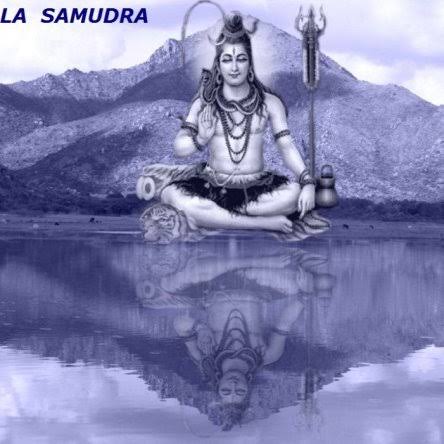
Tag: Agastya

  • Earth Age 432 * One Million Siddha Romasa Science Agrees

    Earth Age 432 * One Million Siddha Romasa Science Agrees

    The world of Siddhas is unique. Their way of living, their presence, their works are quite mysterious.Siddhas are different class of Yogis Rishis,Munis,though it is difficult to say how different they are. So also the difference between Guru Parampara of South India and of North India. The Siddhas are too numerous to be listed. However, 18 of them are regarded as primary Siddhas, the first Siddha being Siva Himself, followed by Agastya,Bhogar,Patanjali and others. One such great Siddha is Kaaka Bhujanga. His son is Romasa. He got his name because his body was covered with hair. It is the legend of this Siddha that ,he was shown allowed to see Brahma lipi, that is his Fate as determined by Brahma( which Brahma could not remember), by Vishnu and was given the boon to live long so that he can meditate for a long period of Time. He was given the boon that one year of his life would pass when one hair falls from his body. And this period corresponds to one life Time of A Brahma( you may check the calculation of Brahma’s life in this article).

    When Shiva Uma marriage took place in the Himalayas, Agastya couldn’t be present there as Siva ordered him to go South to balance the earth( this to indicate the axis tilt in Astronomy).Hence, on the plea of Agastya, Siva along with Parvathi have darshan of marriage to Agastya.Romasa also wanted to have darshan of the event.Agastya left nine lotuses in the Tamrabarani River and asked Romasa to build Siva temples at each place.He did so.

    Romasa had written a host of books. I have provided the list towards the close of the article.

    Romasa also has calculated the Age of Earth,Solar System and the Universe,Multiverse. I am providing below the details.His calculations tally with what modern physicists/ Astronomers say. And his calculations also concur with what Sanskrit texts say.Romasa’s works are in Tamil and his system of Spirituality is that of Saiva Siddhantha) Advaitha of Tamils ( though it is incorrect to say South Advaita, I am saying it to convey the meaning.Those who know Adi Shankaracharya Advaita and Tamil Saiva Siddhantha would know what I am talking about)

    Brahma’s day is divided in one thousand cycles (Maha Yuga, or the Great Year). Maha Yuga, during which life, including the human race appears and then disappears, has 71 divisions, each made of 14 Manvantara (1000) years. Each Maha Yuga lasts for 4,320,000 years.

    Manvantara is Manu’s cycle, the one who gives birth and governs the human race. before & after each manvantara there’s a sandhikal as long as krutyuga & in that time there is all water on earth.

    Each Maha Yuga consists of a series of four shorter yugas, or ages.

    The yugas get progressively worse from a moral point of view as one proceeds from one yuga to another. As a result, each yuga is of shorter duration than the age that preceded it.

    The current Kali Yuga (Iron Age) began at midnight 17 February / 18 February in 3102 BC in the proleptic Julian calendar (Year 6898 of the Holocene Era.)…One day in the life of Brahma is called a Kalpa or 4.32 billion years.Every Kalpa creates 14 Manus one after the other, who in turn manifest and regulate this world. Thus, there are fourteen generations of Manu in each Kalpa. Each Manu’s life (Manvantara) consists of 71 Chaturyugas (quartets of Yugas or eras). Each Chaturyuga is composed of four eras or Yugas: Satya, Treta, Dwapara and Kali. if we add all manvantaras(4320000x71x14)as long as 4 chaturyuga will be missing its because sandhikaal.after & before each manvantara so 15 sandhikaal The span of the Satya Yuga is 1,728,000 human years, Treta Yuga is 1,296,000 human years long, the Dwapara Yuga 864,000 human years and the Kali Yuga432,000 human years.[8] When Manu perishes at the end of his life, Brahma creates the next Manu and the cycle continues until all fourteen Manus and the Universe perish by the end of Bramha’s day. When ‘night’ falls, Brahma goes to sleep for a period of 4.32 billion years, which is a period of time equal one day (of Brahma) and the lives of fourteen Manus. The next ‘morning’, Brahma creates fourteen additional Manus in sequence just as he has done on the previous ‘day’. The cycle goes on for 100 ‘divine years’ at the end of which Brahma perishes and is regenerated. Bramha’s entire life equals 311 trillion, 40 billion years. Thus a second of Brahmā is 98,630 years…..The age of the Earth is 4.54 ± 0.05 billion years (4.54 × 10⁹ years ± 1%). This age is based on evidence from radiometric age dating of meteorite material and is consistent with the radiometric ages of the oldest-known terrestrial and lunar samples. https://ramanisblog.in/2015/08/19/shiva-thiruvannamalai-at-the-instant-of-earths-creation-by-brahma/

    பூமியின் வயது

    • பூமியின் வயதை கணக்கிட 432ஐ 10 லட்சத்தால் பெருக்க வேண்டும் என்கிறார். அதாவது பூமியின் வயது 432 கோடியே 10 லட்சம் ஆண்டுகள் என்கிறார்.( Multiply 432 by one million , it is the age of Earth.Romasa)

    விஞ்ஞானம்

    • இன்றைய விஞ்ஞானம் பூமியின் வயது 450 கோடி ஆண்டுகள் என கணிக்கிறது.  ( Science says Earth’s age as 450!)

    சூர்ய குடும்ப ஆயுள்.

    • பிரம்மாவின் ஒரு நாளே சூர்ய குடும்ப ஆயுள் என்கிறார். அதாவது சூர்ய குடும்ப ஆயுள் 864 கோடி ஆண்டுகள் என்கிறார். பிரம்மாவின் ஒரு நாள் முடியும் போது 14 லோகங்களில் பூலோகம், புவர் லோகம், சுவர் லோகம் மட்டுமே அழியும் என்றும், மற்ற 11 லோகங்கள் ஒவ்வொரு பிரம்மா இறக்கும் போது அழியும் என்கிறார். Solar system Age 864 Crore years)

    விஞ்ஞானம்

    • இன்றைய விஞ்ஞானம் சூர்ய குடும்ப ஆயுள் 900 கோடி ஆண்டுகள் என கணிக்கிறது.Solar system Age 900 Crore years- Science.

    அண்டம்

    • இந்த அண்டத்தின் வயது 155 லட்சத்தி 52 ஆயிரம் கோடி ஆண்டுகள் (பிரம்மாவின் 51ஆம் ஆண்டு துவக்கம்) என்கிறார்.
    • அதைப்போல் அண்டத்தின் ஆயுள் 311 லட்சத்தி 4 ஆயிரம் கோடி ஆண்டுகள் (பிரம்மாவின் ஆயுள்) என்கிறார்.Age of Universe- 311lakh  4000 Crore years -Romasa

    விஞ்ஞானம்

    1. இன்றைய விஞ்ஞானம் அண்டத்தின் வயது 1300 கோடி ஆண்டுகளுக்கு மேல் என கணிக்கிறது.Science says 1300 crore years)

    அகிலாண்டம்.

    • சூரபதுமன் (கந்த புராணம்) என்ற அவுன தேச அரக்கன், 1008 அண்டங்களை ஆளும் வரத்தை சிவனிடமிருந்து பெற்றதாக கூறுகிறார்.

    விஞ்ஞானம்

    • இன்றைய விஞ்ஞானம் இதை போன்ற பல்லண்டங்களை மல்டிவெர்சு (multiverse) என கூறுகிறது. சித்தர்கள் வாழ்க்கை, பரசுராமன், விகடன் பிரசுரம், ISBN 978-8189936068. வான சாஸ்திரம், வேங்கடம், விகடன் பிரசுரம் பக்கம் – 129, பூமியின் வயது, ISBN 978-8189936228
      வான சாஸ்திரம், வேங்கடம், விகடன் பிரசுரம்பக்கம் – 95, சூரியனின் கடைசி காலங்கள், ISBN 978-8189936228
      Zirker, Jack B. (2002). Journey from the Center of the Sun. Princeton University Press. பக். 7–8. பன்னாட்டுத் தரப்புத்தக எண்:9780691057811.
      Short scale usage, i.e., 13.75 thousand million.
      “Seven-Year Wilson Microwave Anisotropy Probe (WMAP) Observations: Sky Maps, Systematic Errors, and Basic Results” (PDF). nasa.gov. பார்த்த நாள் 2011-02-01. (see p. 39 for a table of best estimates for various cosmological parameters)
    • http://en.wikipedia.org/wiki/Multiverse

    Works of Romasa Rishi.           

    • வைத்தியம் 1000 . Treatments 1000
    • மூப்பு சூத்திரம் 30 Aphorisms on Old Age
    • சூத்திரம் 50 Aphorisms 50
    • இரண்டடி 500 Couplet 500
    • வைத்திய சூத்திரம் 500 Treatments 500
    • சோதி விளக்கம் 27 Explanation of Light/ 🔥
    • வைத்திய சூத்திரம் 21Treatments 21
    • நாகாரூடம் 114. Prediction based on Snakes 114
    • அமுத கலை ஞானம் 50. Knowledge of Elixir 50
    • வகார சூத்திரம் 25 Aphorisms on Vakaara ‘V’
    • பெரு நூல் 500. Major work 500
    • சிங்கிவைப்பு 100. Singi vaippu 100
    • குருநூல் 500.Work on Guru.500
  • Jewish Tribes From India DNA Points To South India

    Jewish Tribes From India DNA Points To South India

    Two of the oldest Religions of the world are, Judaism and Sanatana Dharma, Hinduism.

    References to Jewish people and Judaism are found in Ancient Hindu texts.

    When Dwaraka sank after Lord Krishna’s death,just before it happened, Sage Agastya took seventy two families from Dwaraka to the SouthDravida Desa.

    Some of them ,he settled in the border areas between the present Tamil Nadu and Karnataka around Dharmapuri,Salem.

    Just after Tsunami sunk Dwaraka,a group of Lord Krishna’s Yadav’s Clan left through the Arabian sea,wandered and eventually settled in what is now Israel.

    These were the forefathers of The Jews.

    Abraham, Brahmin Priest Migrated from India, Voltaire

    Abraham Descendant of Kashmiri Brahmins,Kaul

    Of the 22 tribes that left the region in quick succession, the tem that preceded North met with disaster and perished.

    Out of the remaining 12 a few families dropped off and settled down in regions currently known as Iraq, Syria, Palestine, Egypt Greece and Russia.
    That great exodus took place 5,743 years ago. The Passover year which the Jews commemorate provides a tally of the period elapsed from the time they left India. … One of their monarchs was Solomon.

    https://ramanisblog.in/2015/01/21/manu-is-noah-yayati-yadava-yehuda-judaism-fom-hinduism/

    New evidence from Judaism on this.

    And it was written according to all that Mordechai commanded concerning the Yehudim, even to the satraps, and the governors and princes of the provinces which are from India unto Ethiopia.”Esther 8:9 (The Israel Bible™)

    The study, published March 24th in PLOS ONE, concluded that the Bnei Israel did share much of their DNA with other Indians. But they also found genetic components that are not present in other Indian groups – components which connect them to the Jewish people.

    “The study showed that the genetics of Bnei Israel resemble the local Indian populations, while at the same time constituting a clearly separated and unique population in India,” the study stated. “They are unique among Indian and Pakistani populations we analyzed in sharing considerable genetic ancestry with other Jewish populations.”

    The researchers concluded that the original ancestors, Middle Eastern Jews, arrived in India about 19 to 33 generations ago (600 to 1,000 years). They also discovered that there were more men in the group of the original Jews. Many of them married local women.

    Source.

    https://www.breakingisraelnews.com/65744/lost-tribe-found-new-dna-tests-prove-bnei-israel-india-share-jewish-genes/

    As archeological evidence predates Hinduism over Judaism,the migration is from India to Israel and not the other way around.

    And the earliest Human DNA is found near Madurai,Tamil Nadu,India.

  • Tamil Sanskrit From Shiva’s Damaru Simultaneously

    Tamil Sanskrit From Shiva’s Damaru Simultaneously

    I have been trying to find out, through my research over nine years, among other things, which language is more ancient, Tamil or Sanskrit.

    I should have been more careful and modest about searching for things which are ancient and honestly speaking beyond one’s capabilities.

    This, I have learnt though my research on the antiquity of Tamil and Sanskrit.

    I found that Tamil, generally assumed to be later than the Vedas, Ithihasas, Ramayana and Mahabharata and Puranas, to be older than these.

    Vedas, Ramayana, Mahabharatha and the Eighteen Puranas speak of Tamil.

    Hence Tamil should have preceded them.

    Yet the earliest known Tamil work, Tholkappiyam speaks about Vedas and its author Tholkappiyam declares himself to be a Brahmin and a disciple of a Brahmin, Aadhankottu Aasan, Teacher from Aadhankodu.

    Then we have Sage Agastya, who is recorded as having received Tamil from Lord Shiva.

    Agastya is considered to be the Co founder of Tamil Language along with Lord Shiva and his first grammar Agathiyam is lost to us. INDIRIndira

    Then there is another Tamil grammar work, Aindiram, reported to be written by Maya, the Architect of the Devas.

    This could be the reason for Tamil presence in Atlantis which is regarded to have been built by Maya.

    This is also lost.

    There is also a view that Aindiram was By Indira , Chief of Devas.

    Agastya us dated around 5000 BC, based on Star Canopus, called Agastya Nakshatra in Tamil by the Siddhas.

    Based on the same star movement and tectonic shift of the earth’s plate, date of Shiva Uma marriage and Shiva’s ordering Agastya to move over to South, this date can be pushed back to forty lakh years ago, 40,00000 years!

    Mind boggling!

    Thiruvannaamalai, Tamil Nadu, India is dated by archeology, to be 3.94 billion years old and it is the abode of Lord Shiva and the the mountain that exists in all the Yugas, aeons.

    Then one finds the age of Lord Nataraja, form of Shiva at Jwalapuram, Cuddappah, Andhra Pradesh (or Telengana ) ‘India to be 74,000 years old as validated by Mount Toba’ s emissions.

    There is a million year old advanced Tamil Civilization site in Chennai.

    The archaeological remains of Poompukaar, Tamil is dated 30,000 years!

    So the antiquity of Tamil and Sanskrit go back to vast stretches of Time.

    So I gave up trying to find out which is older, Tamil or Sanskrit, with the conviction that both go back to very vast stretches of Time, both quote each other.

    Period.

    As to the origin of Sanskrit, it is from Shiva’s Damaru, a musical instrument, adorned by Shiva.

    The sound of Damaru created Sanskrit and it was compiled as Maheswara Suktha.

    This was revealed to Panini and Agastya.

    IT may be noted that Agastya is the father of Tamil, along with Shiva.

    Panini gave Sanskrit.

    As Tamil and Sanskrit seem to go way back, seem to be coexistent, the Tamil Grantha Lipi seems to be common to Sanskrit, Tamil could have been revealed by Shiva simultaneously at the time of revealing Sanskrit in the form of Maheswara Sutra.

    The Tamil and Sanskrit Grammar are said to have been revealed simultaneously to Agasthya and Panini by Lord Shiva! Though the literary proof for this claim can be had only in the post 15th century AD period, it cannot be denied that both Tamil and Sanskrit grammar have commonality in many ways.‘( Jayasree saranathan Blog )

    The sages recorded this Sanskrit transmission using the Grantha alphabet, as instructed by the Lord. The great Tamil Saint Manikkavasagar also sings, in Tamil, of this revelation by Lord Siva to the sages in the “Kirti Tiruvagaval” of his Tiruvasagam.

    The Grantha script is akin to Tamil. One can see the similarity in letters, such as u, o, ka, ta, tha, na, pa, va, yaand ra, etc., in the two scripts. There are also hundreds of common words found in both Tamil and Sanskrit. Many words appear in their pure Tamil form in the Sanskrit Agamas, Silpa Sastras and related scriptures.

    In his Tirumantiram, Rishi Tirumular talks of an ancient time of cold climate in India, which some conclude points to an indigenous Indian civilization extant as far back as the last ice age, 11,000 years ago, in areas that may now be submerged. It was then, he writes, that Lord Siva revealed the essential scriptures in Sanskrit and Tamil simultaneously to the body of learned scholars (verse 109). The term used by Tirumular to denote Sanskrit is ariyam (arya). The ancient indigenous people who were using this arya language to communicate among themselves were called the aryas. They never migrated into India from outside, nor to the South from the northwest.

    https://www.hinduismtoday.com/modules/smartsection/item.php?itemid=5686

  • Agastya Javanese Guru Found in South East Asia

    Agastya Javanese Guru Found in South East Asia

    Sage Agastya, a primary discipline of Lord Shiva, and a Co founder of Tamil language is found in South east Asia, in Malaysia, Indonesia, Vietnam, Laos, Cambodia, New Zealand, Philippines, Fiji and Australia.

    And of course in Sri Lanka.

    A curious fact is that he is found more in this region along with Lord Subramanya and Shiva than towards the west of India.

    Probably this has something to do with the departure of Subrahmanya towards the Far east to spread Sanatana Dharm, due to a Tsunami in the South, Dravidadesa in ancient times.

    At the same time Shiva seems to have moved towards the west of India, along with Ganesa before reaching Arctic, where the Rig Veda was compiled, along with Vasishta. Then he returned to India.

    This accounts for the archaeological finds relating to Shiva and Ganesha from Siberia through Russia in the northwest region of India.

    A Kanchipuram Brahmin founded the Vietnam Dynasty and a princess from India,reportedly from Ikshvaku Dynasty was married to a Korean Prince

    The tribals of Australia perform Shiva’s Trinetra Dance.

    Aborigines of Australia sport Sri Vaishnavas Mark through out their body.

    This speaks of the spread of Sanatana Dharma in this region.

    Agastya is credited with spreading Shaivism in these areas.

    He moved to these areas and hence his presence is found in archaeological remains.

    Agastya is revered as a Guru in Javanese Language and he is venerated in Javanese Ramayana.

    Agastya statues are found in Shiva Temples in Java.

    Agastya stands on his lotus pedestal in the southern room of Candi Singosari. The image had been broken into pieces, but most of the pieces were recovered during the early twentieth-century excavations and the sculpture was satisfactorily restored.

    Agastya is represented as a corpulent, ageing man with a long beard. He is standing firmly on his feet, his right arm is folded across his chest and in his fist he holds a rosary. His left arm is hanging next to his body. It is now broken off in the middle of the fore arm, but the traces on the back slab suggest that he was holding a water pot, as is often the case in Javanese sculpture. On his left shoulder, one can see a fly-whisk. On his right, carved into the back slab, are the remains of a trident (trishula) standing on a small pedestal, as is also observed on the sculpture of Nandishvara. To the left of the figure, a lotus emerges from the ground, spreading its broad leaves and flowers up to the elbow of the great sage

    ….. The Old Javanese Ramayana adds an interesting new element to the story: Java became Agastya’s new residence. In Java, Agastya is specifically connected to the spread of Shaivism to Java, hence his overwhelming presence in the Shaiva temples of Java.

    Source.

    http://singosari.info/en/node/1039

    Agastya in South East Asia.

    Agastya is one of the most important figures in a number of medieval era Southeast Asian inscriptions, temple reliefs and arts. He was particularly popular in Java Indonesia, till Islamic wars of conquest overwhelmed the islands of Indonesia. He is also found in Cambodia, Vietnam and other regions. The earliest mentions of Agastya is traceable to about the mid 1st millennium CE, but the 11th-century Javanese language text Agastya-parva is a remarkable combination of philosophy, mythology and genealogy attributed to sage Agastya.

    The Agastya-parva includes Sanskrit verse (shlokas) embedded within the Javanese language. The text is structured as a conversation between a Guru (teacher, Agastya) and a Sisya(student, Agastya’s son Drdhasyu). The style is a mixture of didactic, philosophical and theological treatise, covering diverse range of topics much like Hindu Puranas. The chapters of the Javanese text include the Indian theory of cyclic existence, rebirth and samsara, creation of the world by the churning of the ocean (samudra manthan), theories of the Samkhya and the Vedanta school of Hindu philosophy, major sections on god Shiva and Shaivism, some discussion of Tantra, a manual like summary of ceremonies associated with the rites of passage and others.

    While the similarities between the Agastya-parva text and classical Indian ideas are obvious, according to Jan Gonda, the Indian counterpart of this text in Sanskrit or Tamil languages have not been found in Indonesia or in India.Similarly other Agastya-related Indonesian texts, dated to be from the 10th to 12th centuries, discuss ideas from multiple sub-schools of Shaivism such as theistic Shaivasiddhanta and monistic Agamic Pashupata, and these texts declare these theologies to be of equal merit and value………

    Agastya is common in medieval era Shiva temples of southeast Asia, such as the stone temples in Java (candi). Along with the iconography of Shiva, Uma, Nandi and Ganesha who face particular cardinal directions, these temples include sculpture, image or relief of Agastya carved into the southern face.The Shiva shrine in the largest Hindu temple complex in southeast Asia, Prambanan, features four cellae in its interior. This central shrine within Prambanan group of temples dedicates its southern cella to Agastya

    The Dinoyo inscription, dated to 760 CE, is primarily dedicated to Agastya. The inscription states that his older wooden image was remade in stone, thereby suggesting that the reverence for Agastya iconography in southeast Asia was prevalent in an older period. In Cambodia, the 9th-century king Indravarman, who is remembered for sponsoring and the building of a large number of historic temples and related artworks, is declared in the texts of this period to be a descendant of sage Agastya.

    Reference and Citation.

    https://en.m.wikipedia.org/wiki/Agastya

  • Shiva Tribes In Kabul To Kaveri

    Shiva Tribes In Kabul To Kaveri

    The Shiva Cult in the south oh Vindhya Mountains,Dravida Desa preceded Shiva worship in the Vedic period.

    1 Shiva is hardly mentioned by name in the Vedas,although He is mentioned in Sreerudram as ”nama Sivaayaca, Sivadharaayaca’

    2.Shiva is mentioned copiously in all the ancient Tamil Classics.

    3.While Shiva legends of the North deal only with his marriage with Uma,Sati’s death , the subsequent Unmatha of Shiva and the scattering of Devi’s body ,which are worshiped as 108 Shakti Peetas.

    3.Though Daksha’s Yagnya,his fight with Shiva is referred to in the North Indian Traditions,more details of this incident is found in the literature of South.

    4.Daksha, to avoid Shiva’s wrath,hid in Antarctica.

    5.Daksha Yagnya Temple is in Kerala.

    Shiva Lunga.gif
    Shiva Linga

    6.Shiva is praised as A Hunter,Kirata,in Srirudram.

    7.Kirata Shiva Temple is in Kerala.

    8.Arjuna fought with Shiva in the south to obtain Pasupathastra.

    9.Parashurama,an Avatar of Vishnu worshiped Shiva in South.

    10.Karna studied under Parashurama in the South.

    11.The earliest mountain temple of Shiva,Thiruvannamalai is in Tamil Nadu.

    12.Jwalapuram,Cuddapah district,Andhra,Nataraja Temple is 72,000 years old.

    13.Thiruvannamalai,Tamil Nadu is dated at 3.94 Billion years.

    14.Temple where Shiva drank the Halakala poison is in Suruttupalli,border between Andhra(is it Telengana now?).

    15.One Tamil king built 108 Shiva temples on the banks of River Kaveri,starting from Srirangapatna near Mysore,Karnataka to Thiruvanaikkaval,Tamil Nadu.

    16.Some of these kings date back to Ramayana period,Perunchotru Udiyan Nedun Cheralaathan being one,Kochchenganaan,the other.And there are many more.

    17.Shiva,as Chokkanatha,married Devi Meenakshi at Madurai.

    18.Meenakshi’s father Malayathdwaja Pandya fought on the side of Pandavas during Mahabhartha Battle.

    19.Shiva’s temples in all His aspects,Satyojaatham,Tatpurusham,Eesaanam,Vamadevam and Agoram are found in the south.

    20.Shiva founded the Tamil language.

    21.Sage Agastya,who is a link between north and south settled down in Podhigai range,Tamil Nadu.

    22. Shiva,Agastya and Valmiki,who wrote Ramayana were Siddhas,Realized souls,Shiva being the First,Adi Yogi.

    23.Satyavrata Manu was a king of Dravida desa.

    24.Rama’s ancestor Sivi/Sibi built a temple for Vishnu as Punadarikaksha at Thiruvellarai near Sri Rangam

    25. Tamil Chola kings belong to Ikshvaku dynasty.

    26.The Yoga system of the Siddhas of south is based on Vaasi yoga and Patanjali’s Yoga Sutra came later and it is a tool to practice Vaasi Yoga(please read my article on Vaasi Yoga)

    I have written detailed article on each of the points mentioned in this article.

    You may find them under Hinduism Category or Google search term ramanan50.

    So it appears that Shiva and His people/tribe were distributed throughout India.

    They were also present throughout the world.

    With the available evidence now,Shiva tribes seem to have been in

    Kabul,

    Near Chittore,Rajasthan,

    Near Yamuna river and near

    River Kaveri

    I may add that the ancient landmass was different from what it is now and places mentioned in South India were a part of Lemuria,others in Ikshvaku And Uighur Kingdoms.

    ‘It appears likely that the Sivis originally lived in north of river Kabol in remote antiquity, from where sections of them moved southwards in later times and settled in what is called Seva around Bolan Pass, which region was known as Sivistan till recently. Pāṇini also mentions a place called Sivapura which he includes in the Udichya (northern) division of Ancient India and which is identified by some scholars with Sibipura of the Shorkot Inscriptions edited by Vogel. The southerly movement of the Sivis is also evidenced from their other settlement called Usinara near Yamuna, ruled by Sivi king called Usinara.[31] Sivis also are attested to have one settlement in Sind, another one in Madhyamika (Tambavati Nagri) near Chittore (in Rajputana) and yet another one on the Dasa Kumara-chrita on the banks of the Kaveri in southern India (Karnataka/Tamil Nadu).’

    Reference and Citation.

    https://en.m.wikipedia.org/wiki/Sivi_(king)