

It requires a study of Puranas to understand the dynasties of India. While Indians can name the various Dynasties of Europe and the British Dynasty in detail, they cannot name the various Dynasties of India. Worse still, is that they end up claiming India has no History and its history is a myth.
There is no point in blaming them,for Children in India are brought up with a diet of Invaders’ History with a claimer that Indian history is a myth.
There were two Dynasties in India initially.
First human was Vaiwaswatha Manu. His son Ikshvaku founded the Suryavansh,Solar Dynasty.Manu’s Daughter Ila ,by marrying Budha,son of Chandra, founded the Chandravansh, Lunar Dynasty.
There was a king of Chandravansh, Lunar Dynasty,Yayati.
His son Yadu refused Yayati’s wish of exchanging his old age for youth, Yayati forbade Yadu from using the name of Chandravansh. So, Yadu named his progeny as belonging to Yadava Dynasty.
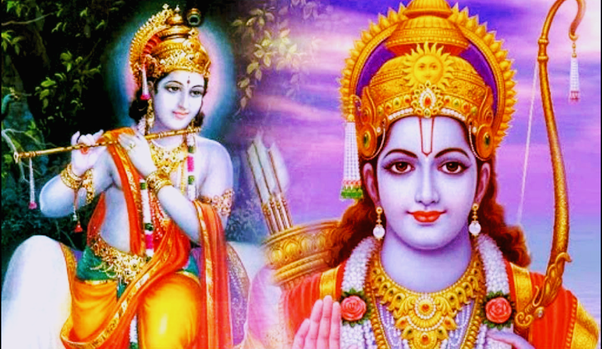
Sri Krishna belongs to the Vrishni branch of Yadava Dynasty.
More articles to follow on the Dynasties of India.
‘
Yadu is one of the five Indian tribes (panchajana, panchakrishtya or panchamanusha) mentioned in the Rig Veda. Krishna is the descendant of Yadu from Vedic tribe.[1]
The Hindu epic Mahabharata, the Harivamsha and the Puranas mention Yadu as the eldest son of king Yayati and his queen Devayani. The prince of King Yayati, Yadu was a self-respecting and a very established ruler. According to the Vishnu Purana, the Bhagavata Purana and the Garuda Purana, Yadu had four sons, while according to the rest of the Puranas he had five sons.The kings between Budha and Yayati were known as Somavanshi. According to a narrative found in the Mahabharata, and the Vishnu Purana, Yadu refused to exchange his years of youth with his father Yayati. So he was cursed by Yayati that none of Yadu’s progeny shall possess the dominion under his father’s command.Thereby, he could not have carried on the same dynasty, called Somavamshi. Notably, the only remaining dynasty of King Puru was entitled to be known as Somavamshi. Thereby King Yadu ordered that the future generations of his would be known as Yadavas and the dynasty would be known as Yaduvanshi. The generations of Yadu had unprecedented growth and got divided into two branches.
Reference and citation. https://en.m.wikipedia.org/wiki/Yadu
- Avidyanaam , Soundaryalahari Sloka 2 Visualized Meaning
 अविद्यीनामन्तस्तिमिरमिहिरद्वीपिनगरीजडानां चैतन्यस्तबकमकरन्दस्रुतिझरी ।दरिद्राणां चिन्तामणिगुणनिका जन्मजलधौनिमग्नानां दंष्ट्रा मुररिपुवराहस्य भवति ॥ ३ ॥ avidyānām antaḥ-timira-mihira-dvīpa-nagarī jaḍānāṁ caitanya-stabaka-makaranda-sruti-jharī |daridrāṇāṁ cintāmaṇi-guṇanikā janma-jaladhau nimagnānāṁ daṁṣṭrā The dust under the lotus feet of the Divine Mother acts as a supreme remedy for four human conditions: For the ignorant: It is like the radiant city of the rising sun that destroys the… Read more: Avidyanaam , Soundaryalahari Sloka 2 Visualized Meaning
 - Taniyamsum , Soundaryalahari 2 Visualization with Meaningतनीयांसं पांसुं तव चरणपङ्केरुहभवंविरिञ्चिस्सञ्चिन्वन् विरचयति लोकानविकलम् ।वहत्येनं शौरिः कथमपि सहस्रेण शिरसांहरस्संक्षुद्यैनं भजति भसितोद्धूलनविधिम् ॥ २॥tanīyāṃsaṃ pāṃsuṃ tava caraṇapaṅkeruhabhavaṃviriñcissañcinvan viracayati lokānavikalam .vahatyenaṃ śauriḥ kathamapi sahasreṇa śirasāṃharassaṃkṣudyainaṃ bhajati bhasitoddhūlanavidhim .. 2..Gathering a minute particle of dust from Thy lotus feet, Brahmā the creator brings into being this universe (limitless and mysterious) without any imperfection. The sustentator Viṣṇu… Read more: Taniyamsum , Soundaryalahari 2 Visualization with Meaning
- Sadhana Panchakam Adi Shankaracharya Word by Word meanings
 Seek the company of the wise and establish firm devotion to the Lord. Cultivate tranquillity and the other disciplines of the mind, and decisively renounce binding action. Approach a competent teacher, serve and honour the teacher daily, inquire into Brahman symbolized by Om, and listen attentively to the great Upaniṣadic declarations.
 - Sacred Plants Flowers Associated With Lalitha Parameswari, Devathas

Kadamba Tree → Raja Shyamala / Matangi (Mantrini Devi) 2. Lotus (Padma) → Sri Maha Lakshmi & Sahasrara Devata
- ஆதிசங்கராசார்யர் சாதன பஞ்சகம் விளக்கம்.
 தேவையான அளவு மட்டும் உணவு உண்ண வேண்டும்.கிடைத்த உணவில் திருப்தியடைய வேண்டும்.சுவை ஆசையைத் தவிர்க்க வேண்டும்.வெப்பம், குளிர் போன்ற இரட்டைகளைப் பொறுத்துக் கொள்ள வேண்டும்.வீண் பேச்சைத் தவிர்க்க வேண்டும்.சமநிலையுடன் இருக்க வேண்டும்.பிறரின் புகழையும் இகழ்ச்சியையும் சமமாக ஏற்க வேண்டும்.


According to Vedic literatures, the Yaduvanshis or Yadavs are the descendants of Yadu, the eldest son of King Yayati. From his line was born Madhu, who ruled from Madhuvana, situated on the banks of river Yamuna, which extended up to Saurastra and Anarta (Gujrat). His daughter Madhumati married Harinasva of Ikshvaku race, from whom Yadu was born again, this time being ancestor of Yadavas.
https://www.yadavsmovement.in/history.php
Is it your character Ila in your story and Madhumati in this link same?
Will be writing in due course on all the Dynasties of india
King porus who fought against the alexander the great is claimed to be yadav descendant. Is it true? The other claim is his full name, Purushotthaman and belongs to pandiyan dynasty. Which is true ? and need historical explanation.
Pandyas and others belong to Turvasa lineage will be writing on this and also on Purushotthama