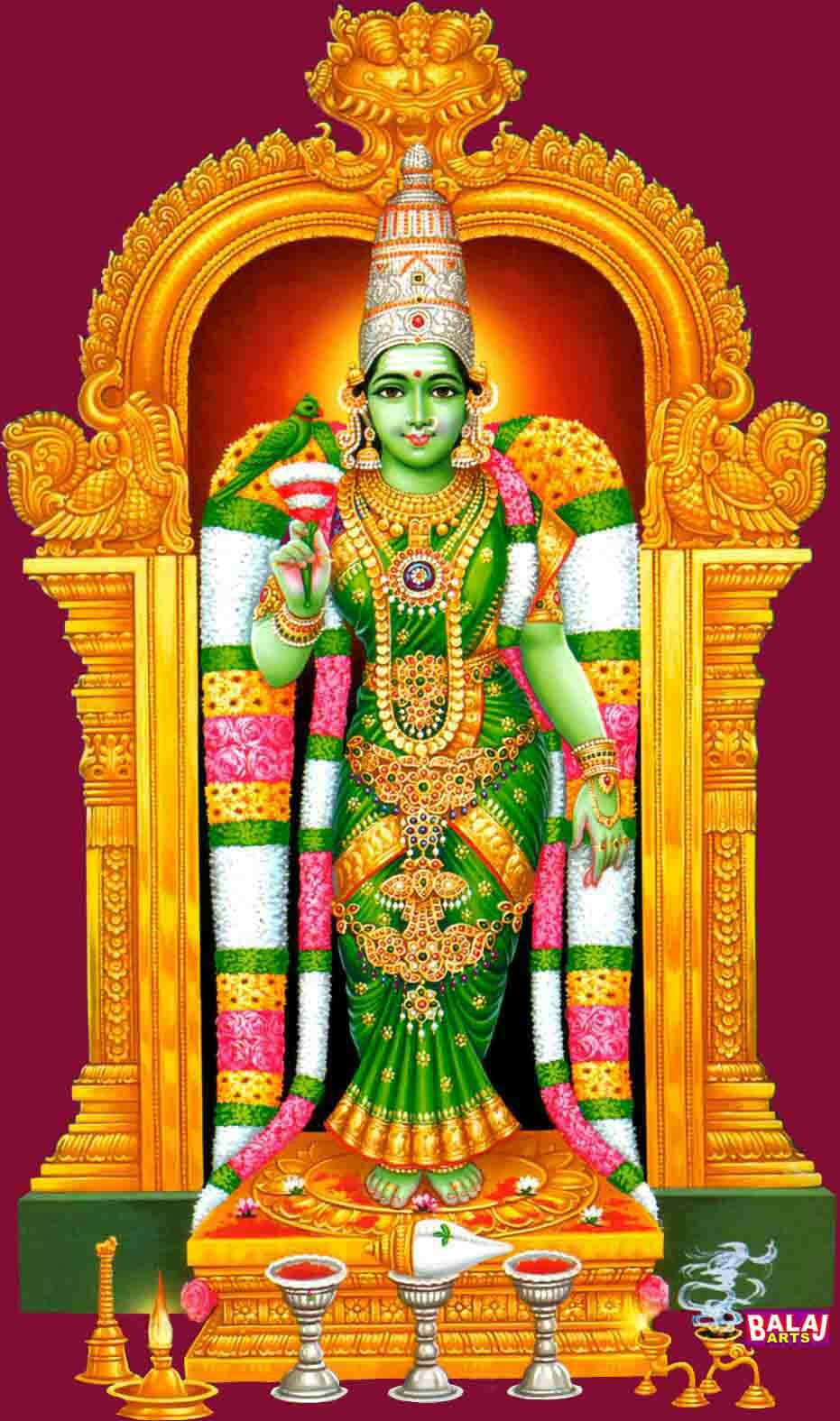
Tag: Madurai Meenakshi Amman

  • கல்லறையிலிருந்தும் மதுரை மீனாட்சியைத் தொழும் ஆங்கிலேயர்

    கல்லறையிலிருந்தும் மதுரை மீனாட்சியைத் தொழும் ஆங்கிலேயர்

    ஒரு இடுகைக்கு பதிலளிக்கும் விதமாக நான் சிறிது காலத்திற்கு முன்பு எழுதிய ‘கல்லறையிலிருந்து பேசிய புனிதர்’, நான் ஒரு வாசகரிடமிருந்து ஒரு பின்னூட்டத்தைப் பெற்றேன் அந்த தேவி  மீனாட்சி ஒரு பிரிட்டிஷ் கலெக்டரை இயற்கையின் விபத்திலிருந்து தனது கையால் வழிநடத்தி காப்பாற்றினார். அவர் கோவில் நிர்வாகத்தின் பொறுப்பாளராகவும் இருந்தார் .  ஒரு நாள் இரவு நகரம் மின்னலையும் இடியையும் அனுபவித்தபோது, மூன்று வயது சிறுமி ஒருவர் அவரது இல்லத்தில் தோன்றி ரூஸ் பீட்டரை வீட்டிற்கு வெளியே அவரது கையால் இழுத்துச் சென்றதாக கதை செல்கிறது. சிறிது நேரத்தில், கட்டிடம் இடிந்து விழுந்தது.  அவரது கடைசி ஆசை  திரு.மணிவண்ணன் அவர்களின் கூற்றுப்படி, இச்சம்பவத்தைத் தொடர்ந்து, ரூ.பீட்டர் கோயிலுக்குத் தங்கக் கவசங்களை நன்கொடையாக வழங்கினார். அவர் இறந்த பிறகு அவரது கண்கள் கோவிலை எதிர்கொள்ள உதவும் ஒரு நிலையில் புதைக்கப்பட வேண்டும் என்றும் அவர் விரும்பினார். For detailed English version.https://ramanisblog.in/2014/04/20/meenakshi-led-britisher-by-hand-his-grave-faces-her/

    கீழே, இக்கட்டுரையைக் கேட்கலாம்.

    Meenakshi Amman Temple Madurai.

    Sunrise Sunset Temple Centre Earth Axis Tilt Design Madurai Meenakshi

    Temples in India are not only a place for Spiritual development but they were also for social purposes like feeding the poor during Drought,Floods and for providing shelter during natural calamities.Not only this, these temples were architectural marvels but they were also built with advanced instruments of which we know not much, but these temples…

    Keep reading
    Madurai Meenakshi Temple with Temple Tank

    Madurai Meenakshi’s Father Sarangadwaja Killed By Aswathama Mahabharata

    Piercing the bodies of the elephants and steeds and men with sharp shafts, that foremost of smiters overthrew and deprived them of life. Cutting off with his own shafts the diverse weapons hurled at him by many foremost of foes, Pandya slew his enemies (8:19). He was slain by the Kaurava hero Ashwatthama (8:20,46) His name was mentioned as Sarangadhwaja.

    Keep reading

  • Nagas Present Throughout India Dravida Desa Kunti Nairs Descendants

    The History of Nagas, now classified as A Tribe in India, mostly settled in the North Eastern part of India is a fascinating one.

    The conception that they were a sort of Aborigines of India  and are /were not advanced in culture is incorrect.

    Lord Vishnu as a Naga.imge.png
    The deity “Ooragan” in Kancheepuram. Lord Vishnu

    I have noticed  that while checking the History of India one has to have an open mind without prejudices foisted on us on the origin and characteristics of the people of India who remain distributed over a vast area.

    There were/are distinct cultural practices and they vary/ed from the others.Yet the undercurrent and the unifying factor is Sanatana Dharma.

    Contrary to what is believed Nagas are were a group concentrated in the North eastern parts of India,.

    They were spread through out India.

    There were three distinct group of Nagas based on the regions they lived in.

    There were Nagas in Mathura,

    ,’Kunti was the biological daughter of the Shurasena, a Yadava chief. Her birth name was Pritha. Kunti was the sister of Vasudeva, the father of Krishna and shared close relationship with Krishna. Her father gave Kunti to his childless cousin Kuntibhoja.

    Nagawanshi Aryaka (sansk. आर्यक) was mentioned to be a member of Naga king Vasuki’s palace. He was described as related to Pandava Bhima. He was the grandfather of the father of Kunti, the mother of Bhima. He recognized Bhima as his kinsmen when the Nagas rescued Bhima, a boy then, and brought him to the palace of Vasuki. Bhima was food-poisoned, tied up and thrown into river Ganges at a place called Pramanakoti, by Duryodhana (1,128).’


    Takshaka’s Race  :- Puchchandaka, Mandalaka, Pindasektri, Ravenaka; Uchochikha, Carava, Bhangas, Vilwatejas, Virohana; Sili, Salakara, Muka, Sukumara, Pravepana, Mudgara, Sisuroman, Suroman and Mahahanu. (Takshaka’s son Aswasena is mentioned as belonging to the Airavata’s race at (8,90). This could mean that Takshaka’s race, was a branch of Airavata’s race.)

    Kauravya’s Race  :- Aryaka, Kundala Veni, Veniskandha, Kumarka, Vahuka, Sringavera, Dhurtaka, Pratara and Astaka. (Kauravya’s race is mentioned as a branch of Airavata’s race at (1,216).

    Dhritarashtra’s Race :- Sankukarna, Pitharaka, Kuthara, Sukhana, and Shechaka; Purnangada, Purnamukha, Prahasa, Shakuni, Dari, Amahatha, Kumathaka, Sushena, Vyaya, Bhairava, Mundavedanga, Pisanga, Udraparaka, Rishabha, Vegavat, Pindaraka; Raktanga, Sarvasaranga, Samriddha, Patha and Vasaka; Varahaka, Viranaka, Suchitra, Chitravegika, Parasara, Tarunaka, Maniskandha and Aruni. (Dhritarashtra was Airavata’s younger brother (1,3).)

    Naga worship in Lanka.
    Cobra symbolism in a Sri Lankan Hindu statue of Nainativu Nagapooshani Ambigai.

    Nagas, Pannagas and Uragas

    Nagas were mentioned as born of Surasa and Pannagas another Naga race, was mentioned as born of Kadru at (1,66). Pannagas and Nagas were mentioned as separate but related Naga races at (3,85). Pannagas were mentioned to denote Nagas at (3-172,180,289) (7-142) (9,45) (12,47) (13,98) Nagas destroyed by Arjuna at Khadavaprstha is described as Pannagas (5,124). Pannagas and Uragas were mentioned as separate but related races at (6,65). Uragas were mentioned to denote Nagas at (1-1,172) (3-167,179,187,223) (many other references) Uragas and Nagas were mentioned as separate but related Naga races at (3,158) -in Yaksha territory; also at (7-160,198) At (1,172) is mentioned that Uragas along with Yakshas, Rakshasas, Gandharvas, Pisachas and Danavas as aware of the history of Arya kings..

    .’Now coming to the names associated with Naga, Uraga also means snake. This word sounds like a Tamil word. ஊர்வதால் ஊரகன். It has become உரகன். The snake crawls silently and as such one who moves silently as a crawling snake can to be called as Uraga. They must also be underground cave dwellers or just cave dwellers sharing their surroundings with Nagas.

    Uraga (pronounced as ‘Ooragan’) is the name of God when appeared in the form of Adisesha, the chief of snakes. There is a temple for Narayana as “Uragan” or “Ooragatthan” in Kancheepuram. The name ooragan signifying the snake (as it crawls) in Tamil must have become Uraga (उरग)….

    .

    The presence of a Divya Desa temple in the name “Ooragan” the snake shows that the original etymology of the word Uraga was in Tamil. This testifies the origin of Uragas from south.
    Pannaga is also the name of certain Naga people. According to Puaranas, Nagas were those born to Surasa and Pannagas were born to Kadru. Both Naga and Pannaga mean snake. By this meaning and by the Puranic story of Surasa and Kadru as among 13 wives of Kashyapa, people tend to dismiss these names as figments of imagination. Kashyapa is the progenitor name of mankind. Even now if someone says that one doesn’t know the gotra in which one is born, one can take up Kashyapa gotra. This shows that Kashyapa is the ancient and common ancestor or progenitor of human race signifying the male component (Y chromosome). The 13 wives of Kashyapa indicate the 13 different types of mtDNA of different progenitor female components. If we think in these lines we can understand that Surasa and Kadru are some names of ancient lines of population. It is like Daityas and Danavas coming in the lines of Diti and Danu.

    Both Naga and Pannaga must have had their early genesis somewhere in the south and south east Asia in the tunnels of the now submerged mountain ranges. Both sound Tamil and have a presence in Sangam literature. There is mention of Naga flower and Punnaga (not Pannaga) flower in the Sangam text of Kurinji Pattu (verse 91). Both these flowers smell good,..

    Of these Naga is said to be a kind of ஞாழல் tree type that generally grows in coastal regions. Punnaaga was derived from the word “Punnai tree” Its flower gives a fine smell. (Naga living near the Punnai tree is Punnaga)…


    It is from the word Punnaga, the raga called Punnaga varali got its name. This raga is supposed to attract snakes!

    In some way the name had changed – from Pannaga to Punnaga or Punnaga to Pannaga. But both refer to snake. The derivation coming from Tamil word Punnai, makes it a word of Tamil origin and the people to be from southern seas who spoke proto Tamil. Punnaga tree is native of South and South East Asian countries. The genesis of Pannaga people must be somewhere here.

    Uragan also is a Tamil-derivative related to crawling or moving silently.

    Naga, Pannaga and Uraga appear together in the Puranas and Mahabharata. This shows that they had shared some kinship among themselves and moved together. The snake identity is only due to certain characteristics they exhibited like snakes. They were not snakes themselves. Nor they were mythological creatures.

    This kind of identifying oneself with something in nature that is well known or well recognised by people had given rise to names like Kinnaras (bird) and Garuda (eagle) to those people who exhibit bird like swiftness or voice (in the case of Kinnaras) and good eye sight like Garuda.( http://jayasreesaranathan.blogspot.in/2016/01/naga-uraga-and-pannaga-of-puranas-who.html )

    Nagas seem to have spread throughout India and they intermarried with the other groups in India.

    Naga married other groups.

    • Naga Nahusha is also mentioned as a king in the Lunar Dynasty of Arya Kings (3,178).
    • A king named Riksha in the race of Puru (a branch of Lunar Dynasti is mentioned as marrying the daughter of a Naga in the race of Takshaka (1,95).
    • Naga Aryaka is described as the grandfather of Kunti’s father. Kunti is the mother of Pandavas. (1,128).
    • Iravat was mentioned as the son of Arjuna and a Naga woman named Uloopi, born in the race of Airavata (6,91).
    • Sage Somasrava, the priest of Janamejaya was the son of a Brahmin named Srutasrava and a Naga woman. (1,3).
    • Sage Astika was the son of a sage in the race of Yayavara Brahmins (1,13) and a Naga woman (sister of Vasuki) (1-14,15,48). Though but a boy, he had great gravity and intelligence. And he was reared with great care in the palace of the Nagas (1,48). He prevented the massacre of the Naga race by Janamejaya (1-15,56).
    • Naga women alias Nakar women of Kerala married Namboodiris of the Aryan race resulting in one of the sub-caste of Nair clan of Kerala.;’

    More interesting is the fact that the Chera Kings of Tamil Nadu seem to have had links with the Nagas.

    And reference to Nagas is found in Cholas history and Manimekalai, one of the Five Epics of Tamil deals extensively about Nagas, so also Cilappadikaram, another Tamil Epic.

    The Thondaman/Pallava Dynasty is recorded to have been through a Nagar Princess.

    Remember it was a Chera King Udiyan Cheralaathan fed both Pandava and Kaurava army!

    Tamil Nagas.

    ‘The word Naga may have different origins. The word naga or nag means mountain in Sanskrit, although the term Nāga also means cobrain Sanskrit. The Nagas have also been known as “Cheras”, which is a Dravidian term for hill or mountain. They were probably called “Cheras” since they may have been a hill tribe. Sri Lanka has also been known as Cerentivu, meaning “island of Cheras’

    The Yakshas and the Nagas are depicted in the Pali epic Mahavamsa as the early inhabitants of Lanka when Vijaya arrived in the island in 500 B.C.According to Manogaran, some scholars also “have postulated that the Yakshas and Nagas […] are the aboriginal tribes of Sri Lanka”. Holt concludes that they were not Tamils, but a distinct group. The practice of dravidian customs such as snake-worshipping, have the Nagas been considered by some scholars to have been Dravidians. Snake-worship is still practiced among Sri Lankan Tamils and the Nair community of Kerala.

    Ancient Naga tribes

    The Oliyar, Parathavar, Maravar and Eyinar who are widespread across South India and North-East Sri Lanka are all Naga tribes.

    Early Tamil literary works such as Kaliththokai mention that many Naga tribes such as Maravar, Eyinar, Oliar, Oviar, Aruvalur and Parathavar migrated to the Pandyan dynastyand started living there in the Third Sangam period 2000 years ago.

    Ramayana

    The Nagas lived among the Yakkha, Raksha and Deva in Lanka according to the Manimekhalai, Mahavamsa and Ramayana. Meghanatha, the son of Ravana, was married to Sulochana, a Naga princess in Lanka. The allied Nagas fought on the side of the Meghanatha and were defeated by Garuda.

    Naga territory

    There is a reference to the town Naga Nakar in Tamil Brahmi inscriptions belonging to 200 BCE, which is believed to be denoting Kudiramalai.

    An early copper coin discovered at Uduththurai port carries the name Naga bumi in Tamil, referring to the Naga Dynasty of the North.

    The Mahavamsa and the Manimekalai mentions a dispute between two Naga kings on Nainativu in northern Sri Lanka’

    Considering the fact that,

    Vaivaswatha Manu, ancestor of Rama migrated from the Dravida desa(south of Vindhyas)

    His Daughter was the founder (along with Budha) of Lunar Dynasty in the South,

    Nagas now live mostly in north east of India,
    Nagas, the ancient people of India

    Manu meditated near Madagascar,

    Cheras   are,


    The word Chera probably derived from Cheral, meaning “declivity of a mountain” in ancient Tamil. The Cheras are referred as Kedalaputho (“Kerala Putra”) in the Ashoka’s edicts (3rd century BCE). The Graeco-Roman trade map Periplus Maris Erythraeirefers the Cheras as Celobotra.

    The term Ceralamdivu or Ceran tivu and its cognates, meaning the “island of the Ceran kings”, is a Classical Tamil name of Sri Lanka that takes root from the term Chera, from which the dynasty name is derived.

    And this definition of Chera agrees with the definition of Naga.

    Lord Rama considered his ancestors as Lemurians.

    Krishna and Arjuna married Pandyan Princesses.

    According to the Epic Mahabharatha the legendary Malayadwaja Pandya, who sided with the Pandavas and took part in the Kurukshetra War of the Mahabharata, is described as follows in Karna Parva (verse 20.25):

    “Although knowing that the shafts (arrows) of the high souled son of Drona employed in shooting were really inexhaustible, yet Pandya, that bull among men, cut them all into pieces”.

    Malayadwaja Pandya and his queen Kanchanamala had one daughter Thataathagai alias Meenakshi who succeeded her father and reigned the kingdom successfully. The Madurai Meenakshi Amman temple was built after her. The city of Madurai was built around this temple. It is also notable that the etymology of the name Meenakshi came from two Sanskrit words Meenu(Fish) and Akshi(Eye ) which collectively means ‘One who has the eyes of a fish as like Kaamakshi (kaama+ akshi – one who has lustful eyes), Vishalakshi (Vishala+akshi – one who has broad eyes).’

    And Malayathwaja belonged to Lunar Dynasty.

    Naga Practices spread throughout the world from the Dravida Desa and North east of India  I postulate that Nagas were present throughout India  and were also a part of Dravida Culture.

    The land they lived in, along with Tamils could have been Lemuria/Kumarikandam or Mu’

    References and citations.

    https://en.wikipedia.org/wiki/Chera_dynasty

    https://en.wikipedia.org/wiki/Naga_people_(Lanka)

    https://ramanisblog.in/2014/12/26/first-chola-king-from-kasyapa-gotra-manu-dynasty/

    http://jayasreesaranathan.blogspot.in/2016/01/naga-uraga-and-pannaga-of-puranas-who.html  (portions of quotes and Ooragan Image0

    https://en.wikipedia.org/wiki/Pandyan_dynasty#Mythology

    Nagabhushani Ambigai Image credit.

    By Kanags – Own work, CC BY-SA 3.0, https://commons.wikimedia.org/w/index.php?curid=8874380

  • Tower Connecting Lines Pass Through Linga Dissects Sanctum Madurai

    The architectural genius of Indians is mind-boggling.

    Please read my posts on these.

    Madurai Meenakshi Amman Temple Panoramic View.

    https://www.p4panorama.com/panos/madurai-meenakshi-temple-gigapixel-image/

    In Madurai Meenakshi Temple, when the plan showed that a straight line from the East tower is drawn to the West tower that line will pass through the main god Shiv Linga of the temple.

    If a line is drawn between the South and North towers that will divide the Gods sanctum sanctorum in to two halves.

    Thousand pillared Hall. Madurai Meenakshi Amman Temple.
    Thousand pillared Hall. Madurai Meenakshi Amman Temple

    God’s sanctum sanctorum (garba griha) was constructed as if it is born by 8 elephants, 32 lions and 64 ganas. Till 50 years ago the sun light was falling on the god exactly on Pongal (Major festival celebrated on Thai first corresponding to 14th January).

    Plan of Madurai Meenakshi Amman Temple.jpg Plan of Madurai Meenakshi Amman Temple.

    The temple is the geographic and ritual center of the ancient city of Madurai and one of the largest temple complexes in Tamil Nadu. The temple complex is divided into a number of concentric quadrangular enclosures contained by high masonry walls. It is one of the few temples in Tamil Nadu to have four entrances facing four directions. Vishwantha Nayaka allegedly redesigned the city of Madurai in accordance with the principles laid down by Shilpa Shastras (Sanskrit: śilpa śāstra, also anglicized as silpa sastra meaning rules of architecture) relevant to urban planning. The city was laid out in the shape of square with a series of concentric streets culminating from the temple. These squares continue to retain their traditional names, Aadi, Chittirai, Avani-moola and Masi streets, corresponding to Tamil month names.Ancient Tamil classics mention that the temple was the center of the city and the streets happened to be radiating out like lotus and its petals. The templeprakarams (outer precincts of a temple) and streets accommodate an elobrate festival calendar in which dramatic processions circumabulate the shrines at varying distances from the centre. The vehicles used in processions are progressively more massive the further they travel from the centre.[20] The complex is in around 45 acres (180,000 m2)

    Golden Lotus Meenakshi Temple.
    Golden Lotus Meenakshi Temple.

    The temple is surrounded by gopurams (gateway tower), – There are 14 gopuram the tallest of which, the famous southern tower, rises to over 170 ft (52 m) and was built in 1559. The oldest gopuram is the eastern one, built by Maravarman Sundara Pandyan during 1216-1238[21] Each gopuram is a multi-storeyed structure, covered with thousands of stone figures of animals, gods and demons painted in bright hues. The outer gopuram presents steeply pyramidal tower encrusted with plaster figures, while the inner gopuram serves as the entrance to the inner enclosure of Sundareswarar shrine.

    The central shrine of Meenakshi Amman temple and her consort Sundareswarar are surrounded by three enclosures and each of these are protected by four minor towers at the four points of the compass, the outer tower growing larger and reaching higher to the corresponding inner one. The Meenakshi shrine has the emerald-hued black stone image of Meenakshi. The Sundareswarar shrine lies at the centre of the complex, suggesting that the ritual dominance of the goddess developed later. Both the Meenakshi and Sundareswarar shrines have gold plated Vimanam (tower over sanctum). The golden top can be seen from a great distance in the west through the apertures of two successive towers. The area covered by the shrine of Sundareswarar is exactly one fourth of the area of the temple and that of Meenakshi is one fourth that of Sundareswarar.

    The tall sculpture of Ganesh carved of single stone located outside the Sundareswarar shrine in the path from Meenashi shrine is called the Mukuruny Vinayakar. A large measure of rice measuring 3 kurini (a measure) is shaped into a big ball of sacrifice and hence the Ganesh is called Mukkurni Vinayagar (three kurinis). This deity is believed to be found during a 17th-century excavation process to dig the Mariamman temple tank.

    The sacred temple tank Porthamarai Kulam (“Pond with the golden lotus”), is 165 ft (50 m) by 120 ft (37 m) in size.  In the Tamil legends, the lake is supposed to judge the worth of a new piece of literature. Authors place their works here and the poorly written works are supposed to sink and the scholastic ones are supposed to float, Tirukkural by Tiruvalluvar was one such work.

    Only a fraction of 17th and 18th century paintings of Nayak period survives and one such portion is found in the small portico on the western side of the tank. It depicts the marriage of Sundareswarar and Meenkashi attended by Vijayaranga Chokkanatha and Rani Mangammal. The painting is executed on a vivid red background, with delicate black linework and large areas of white, green and ochre. The celestial couple is seated inside an architectural frame with a flowering tree in the background.

    The corridor surrounding the sanctum the Meenakshi is called kilikoondu Mandapam (“bird cage corridor”). The space was once used to keep green parrots that were trained to utter the name of Meenakshi. There are two large cages full of squawking green parrots.

    The Kambatadi Mandapam (“Hall of temple tree”) with its seated Nandi (sacred bull) has various manifestations of Shiva carved and also contains the famous “Marriage of Meenakshi” sculpture. Sculptures of Shiva and Kali trying to out-dance one another are pelted with balls of ghee by devotees. A golden flagstaff with 32 sections symbolizes the human backbone and is surrounded by various gods, including Durga and Siddar.

    The Puthu Mandapam (“new hall”) constructed by Tirumala Nayak contains large number of sculptures. It is situated opposite to the east gopuram.

    The Ashta Shakthi Mandapam (“Hall of eight goddess”) is the first hall in the entrance of Meenakshi shrine tower near to East Tower.Ashta indicates eight and Shakthi refers to goddess – the hall has statues of eight goddesses. The gopurams (towers) can be viewed from this hall.[28] The passage was named for eight forms of goddess Shakti carved on its pillars. Other sculptures and paintings depict theTiruvilayadal (holy games of Shiva).The sculptures of heroes of Mahabharata, the Pancha pandavas can be seen in the Pancha Pandava Mandapam (Hall of Pandavas).

    The Viravasantharaya Mandapam is a large hall with huge corridors. To the south of this hall is the kalyana mandapam, to the south of the pillared hall, is where the marriage of Shiva and Parvati is celebrated every year during the Chithirai Festival in mid-April. The golden images of Meenakshi and Sundareswarar are carried into the 16th century oonjal mandapam (swing corridor) and placed on the swing every Friday at 5:30 p.m. The shrine has a 3-storied gopuram guarded by two stern dwarapalakas (guardians) and supported by golden, rectangular columns that bear lotus markings. Along the perimeter of the chamber, granite panels of the divine couple are present. The hall is situated in the western bank of the temple tank.

    The Mudali Pillai Mandapam or Iruttu Mandapam (Dark hall) is a wide and long hall built by Muthu Pillai during 1613. On the pillars of the halls, there are fine sculptures depicting the story of Shiva taking the form of Bikshadanar to teach the sages a lesson.

    The Mangayarkarasi mandapam is a newly built hall situated opposite to the marriage halls and bears the name of saindy queen, Mangayarkarasi who contributed to Saivism and Tamil language. To the south of Mangayarkarasi mandapam lies the Servaikarar Mandapam, a hall built by Marudu brothers in 1795. The Nagara mandapam (Hall of beating drums) lies opposite to Sundareswarar shrine was built by Achaya Rayar, the minister of Rani Mangammal in 1635. The Kolu Mandapam is a hall for displaying dolls during theNavarathri festival celebrated during September–October.This hall is situated in the second corridor of the Meenakshi shrine at the western side.

    Thousand Pillar Hall.

    The Meenakshi Nayakkar Mandapam (“Hall of 1000 pillars”) has two rows of pillars carved with images of yali (mythological beast with body of lion and head of an elephant), commonly used as the symbol of Nayak power.It is situated to the north of Sundareswarar flag staff hall. The Thousand Pillar Hall contains 985 (instead of 1000) carved pillars. The hall was built by Ariyanatha Mudaliar in 1569 and blends engineering skill and artistic vision.[21] Ariyanatha Mudaliar was prime minister and general ofViswanatha Nayak, the first Nayaka of Madurai (1559–1600). He was also the founder of Poligar System, the quasi-feudal organization of the country dividing it into multiple palayams or small provinces in which each palayam was ruled by a palayakkarar or a petty chief. At the entrance of the hall is the statue of Ariyanatha Mudaliar seated on a horse-back, flanking one side of the entrance to the temple. The statue is periodically garlanded by worshippers. Each pillar in the hall is a carved monument of theDravidian sculpture. The more prominent among the carved figures are those of Rati (wife of Kama), Karthikeya, Ganesha, Shiva as a wandering mendicant and endless number of yalis (mythical figures of lions). There is a Temple Art Museum in the hall where icons, photographs, drawings, and other exhibits of the 1200 years old history of the temple are displayed. Just outside this hall, towards the west, are the Musical Pillars. Each pillar, when struck, produces a different musical note.

    Citation.

    https://en.wikipedia.org/wiki/Meenakshi_Amman_Temple#Architecture

    http://tamilandvedas.com/2013/09/29/the-wonder-that-is-madurai-meenakshi-temple/