தமிழ் நாட்டில் பகுத்தறிவுவாதம் என்ற பெயரில் நடக்கும் மோசடிகளையும், தவறான வரலாற்றையும்,வேண்டுமென்றே திருத்திய புனைகதகளை வரலாறு என பரப்பியதயும்,தமிழ்/ தமிழர்கள் சனாதன தர்மத்திற்கு எதிரானவர்கள் என்ற தவறான தகவல்களையும் எனது வலைப்பதிவுகள் மூலம் அம்பலப்படுத்தி வருகிறேன்.சங்ககாலம் முதல் பக்தி இலக்கியம் வரை தமிழ் பக்தியையும் கடவுளையும் புகழ்ந்துரைத்தது. பக்தி உணர்வை தமிழிலிருந்து எடுத்து விட்டால், அது சைவமாக இருந்தாலும் சரி, வைணவமாக இருந்தாலும் சரி, தமிழிலிருந்து மிகுந்திருப்பதது என்ன ?
ஈ.வெ.ரா.வின் பூமி என்று பெரிதும் பேசப்படும் இந்த பெரியார் மண், கடவுள் கருத்து இல்லை என்றும், தமிழ் ஒரு காட்டுமிராண்டி மொழி என்றும், வழிபடுபவர்கள் முட்டாள்கள், ராஸ்கல்கள் என்ற வாதத்தை முன்வைக்கும் தமிழகத்தில் எத்தனை இராமன் கோயில்கள்?
இத்தமிழ் நாட்டில், 2000 க்கும் மேற்பட்ட ராமர் கோயில்கள் உள்ளன.கூகிள் வரைபட படத்தை இடுகையின் சிறப்பு படமாக வைத்துள்ளேன்.பார்க்கவும்.
Sri Rama
அதை பட்டியலிட்ட க்ஷேத்திராடனம் வலைப்பதிவாளரின் முயற்சிகளுக்கு நன்றி. ஆதாரபூர்வமான,சிறந்த தகவலுக்கு அவரது தளத்தைப் பார்வையிடவும்.
There is a Saying in Tamizh, one of the oldest languages of the world ,along with Sanskrit,
‘Doesn’t matter if I lose one of my eyes, the other should lose both their eyes’ This is what I felt when I searched for information about the antiquity of Tamizh.
And the irony is that Ishwar Chandra Vidyasagar was a Brahmin ,the community which EVR vilified as having been the cause for all the social issues including Widows plight.
‘If you find a Snake and a Brahmin, kill the Brahmin First”-EVR
“Recalling his earlier Erode days my media friend said EVR used to address public meetings at Erode’s Karaivaikkal maidan. Power connection for loudspeakers came from an electricity line drawn from an Iyer lawyer’s place close to the maidan. At one such meeting the…
This is the man whom the Tamils,the self styled ‘Rationalists’ , ‘Tamil Lovers’ and people who fight for Tamils’ Cause.. This man is called ‘Thanthai” (Father)!
‘I am saying remove the excreta emanating bad smell from the room. And you are asking me if we remove this excreta what should we place in its place?’” (Viduthalai, 1 June 1950)
those who died i5.The Kings of south India were ardent followers of Vedic Rites.
During the megalithic period of about 1000 BCE – 400 BCE, people of South India including Tamilagam, shared many beliefs and practices of thenative Dravidian religion with the megalithic builders elsewhere in the Indian subcontinent and beyond.The famous 3.5 metre-high granite…
In his family was born Dushyanta; his son was Bharata and his son was Chola after whose name the Solar race on this earth became known as Chola (v. 29) and who ruled the Chola country which was abundantly rich (v. 30). Cholavarman’s son wa
The female child was named Satyavati or Matsyagandha. She was given to the king of fishermen or Dasa, who later adopted her as a daughter. She later obtained the names Yojanagandha and Gandhavati after her giving birth to Krishna Dwaipayana Vyasa through Rishi Parashara.
தமிழுக்கும் சனாதன தர்மத்திற்கும் உள்ள உறவு குறித்து நான் பல கட்டுரைகள் எழுதியுள்ளேன். பண்டைய காலத் தமிழ் இலக்கியங்களில் காணப்படும் வடமொழி, புராணங்கள், இதிகாசங்கள், (ஐந்து இதிகாசங்கள், சங்ககாலக் கவிதைகள்) மற்றும் சமஸ்கிருதம், பிராகிருதம், புராணங்கள், இதிகாசங்கள் இராமாயணம், மகாபாரதம் ஆகியவற்றில் தமிழ் மற்றும் தமிழ் மன்னர்களைப் பற்றிய குறிப்புகள் ஆகியவற்றின் அடிப்படையில், வேத நடைமுறைகள் , தமிழர்களின் பண்பாட்டு நடைமுறைகள் சனாதன தர்மத்திலும், தமிழர் நாகரிகத்தில் ஸனாதன நெறிமுறைகள் இருந்தது பற்றியும் எழுதியுள்ளேன். ஸ்ரீ கிருஷ்ணர், அர்ஜுனன், தமிழ் இளவரசிகள் திருமணம் செய்து கொண்டது பற்றியும் நான் குறிப்பிட்டிருந்தேன்; கிருஷ்ணருக்கு தென்னிந்திய இளவரசி மூலம் ஒரு மகள் பிறந்தாள், அவளை ஒரு பாண்டிய இளவரசனுடன் கிருஷ்ணன் திருமணம் செய்து வைத்தான். ஸ்ரீராமனின் சகோதரி சாந்தா, கர்நாடகாவின் சிருங்கேரியைச் சேர்ந்த ரிஷ்யஷ்ருங்கரை மணந்தார். அவற்றில் சிலவற்றை நீங்கள் எனது வலைத்தளத்தில் படிக்கலாம்.
இக்கட்டுரையை கீழே கேட்கலாம் .
சஞ்சயன் மகாபாரதத்தில் லெமூரியா வர்ணனை.
சமஸ்கிருத நூல்களில் உள்ள இத்தகைய குறிப்புகளின் அடிப்படையில், பாரத வர்ஷம் மற்றும் அதன் அளவு என்ன என்பதை விளக்க முயற்சித்தேன். அவற்றில் சிலவற்றையும் நீங்கள் இங்கே படிக்கலாம்.
இந்த இடுகைகளில், சமஸ்கிருத நூல்களில் குறிப்பிடப்பட்டுள்ள சில பகுதிகளைக் காட்டியுள்ளேன். வடமொழி நூல்களில் தமிழ் நிலங்களைப் பற்றிய குறிப்புகளையும் நான் எழுதியுள்ளேன். அவற்றில் சிலவற்றை இங்கே படியுங்கள். ஸ்ரீமத் பகவத் புராணம் மற்றும் ஸ்கந்த புராணம் ஆகியவை குமரிக்கண்டத்தை அடையாளம் காண்கின்றன.
இப்போது மகாபாரதத்தில் சஞ்சயரின் கூற்றுகளிலிருந்து தமிழ் நிலங்களை ஆராய முயல்கிறேன்.
சஞ்சயன் பூமியின் நிலப்பரப்பின் ஒரு பகுதியாக குறிப்பிடப்பட்டுள்ள பகுதிகளில் ஒன்றான சாகத் த்வீபாவில் ஆறு பகுதிகளைக் குறிப்பிடுகிறார். அவர்கள் உள்ளன.
மகாமேரு – மலைப்பிரதேசம் மகாகாசம் – மேய்ச்சல் நிலம், அங்கு புல் செழித்து வளர்கிறது, முல்லை. ஜலதம் . மருதம். குமுதோதரம் என்றால் மழை பெய்யும் இடம், விவசாயத்திற்கு உகந்தது, நீர் லில்லிப் பூக்கள், அம்பாள், ஆம்பல் தமிழில் ஆம்பல், நிம்பேயா பௌபெசெகன்ஸ். ஜலதாரம் – அதிக மழை பெய்யும் இடம், நெய்தல் சுப்பிரமணியர் என்பது சமஸ்கிருதத்தில் சுகுமாரர் என்று குறிப்பிடப்படுகிறது, அதாவது அழகான, நல்ல, நல்ல மகன் என்று பொருள்; தமிழ் சுப்ரமண்யரை முருகன் என்று அழைக்கிறது, அழகானது, அழகானது என்று பொருள். எனவே, சுகுமாரம் நிலம் சுப்பிரமணியர் வசிக்கும் மலைப் பகுதிகளைக் குறிக்கலாம். தமிழ் இலக்கியத்தில், முருகனுக்கு மலைப் பகுதி ஒதுக்கப்பட்டுள்ளது; மேய்ச்சல் நிலங்களுக்கு கிருஷ்ணராக விஷ்ணு; வருணன் கடல் மற்றும் அதனைச் சுற்றியுள்ள பகுதிகளுக்கு; மருதம் இந்திரனுக்கும், பாலை கொற்றவை, துர்க்கைக்கும் உரியது.
தமிழ் இலக்கணம் நிலப்பரப்பை வரையறுக்கிறது. குறிஞ்சி ( மலை மற்றும் அதனைச் சுற்றியுள்ள பகுதிகள்); முல்லை (வனம் மற்றும் அதனைச் சுற்றியுள்ள பகுதிகள்); மருதம் (விளைநிலம்); நெய்தல் (கடல் மற்றும் அதனைச் சுற்றியுள்ள பகுதிகள்) மற்றும் பாலை (பாலைவனம்).
எனவே சஞ்சயன் தமிழ் நிலங்களைப் பற்றிப் பேசினான் என்று ஊகிப்பது நியாயமானதே.
தமிழ் இலக்கியத்தில் பாலை என்றழைக்கப்படும் பாலைவனப் பகுதி ஏழு தென் பனை நாடு, ஏழு சாதாரண மற்றும் குட்டையான பனைமரங்களின் ஏழு நிலங்களில் காணப்படுகிறது. பனை மரங்கள் பாலைவனங்களிலும் அதைச் சுற்றியுள்ள பகுதிகளிலும் வளர்கின்றன. இந்தப் பாலைக் காணிகள் ஏறக்குறைய பாலைவன முன் பாலை மற்றும் பாலைவனப் பின் பாலை என மேலும் வகைப்படுத்தப்பட்டன.
தமிழ் மன்னர்கள், தென்னன், தென்னன், தெற்கைச் சேர்ந்த பகுதிகளின் பட்டியலை அடிப்படையாகக் கொண்ட ஏழு நிலப்பரப்புகள் பின்வருமாறு.
தெங்க நாடு ஏழு,மதுரை நாடு ஏழு,முன் பாலை நாடு ஏழு,பின் பாலை நாடு ஏழு,குன்ற நாடு ஏழு,குணகரை நாடு ஏழு,குறும்பனை நாடு ஏழு.
அதாவது தேங்கா நாடு (எண்ணிக்கையில் ஏழு) பனைமரம் மற்றும் தென்னந்தோப்புகளைக் கொண்டிருந்தது; மதுரை நாடு (ஏழு) என்பது மருதம், ஜலதம் (; குணகரை நாடு (ஏழு) நெய்தல் கடல் மற்றும் அதனைச் சுற்றியுள்ள பகுதிகளைக் குறிக்கிறது; குன்ற நாடு (ஏழு) மலைப்பிரதேசம்;முள் பாலை மற்றும் முன்பாலை ஆகியவை இனிப்பைக் குறிக்கலாம்..
இந்த சிந்தனையினை மேம்படுத்துவதற்கான ஆதார பூர்வமான கருத்துக்கள் வரவேற்கப்படுகின்றன .
ஆனால் தற்போது மேற்கூறிய ஆய்வின் மூலமாக, சென்னை அடுத்த Athirampakkam கள ஆய்வில் ராபர்ட் புரூஸ் கண்டு எடுத்த கல் கருவிகள் சுமார் பதினைந்து லக்ஷம் வருடங்களுக்கு முற்பட்டது என்பது தெரிய வந்துள்ளது
தமிழ்த்தாயின் வாழ்த்து என்ற பெயரில், பாடலின் அனைத்து வரிகளையும் வெளியிடாமல், கடவுளைப் பற்றி புகழ்ந்து உள்ள வரிகளை நீக்கி விட்டு, தமிழ்த் தாய் வாழ்த்து என்ற பெயரில், வெளியிட்ட வர்கள், தமிழ் க் காவலர்! தமிழை மற்றும் சுந்தரம் பிள்ளையையும் ஏமாற்றுவது அல்லவா! நான் தமிழை மறைத்த கூட்டம் என ஆங்கிலத்தில் எழுதி ய பதிவு இதோ. ‘ Group in Tamil Nadu has been systematically suppressing a portion of History of…
One of the intriguing aspects of Rajaraja Chozha, who is one of the greatest emperors India had seen, is the mystery surrounding the murder of his Elder Brother Aditha Karikala. Aditha Karikala is reported to have been killed by the Personal Bodyguards of Veerapandya, the Pandya King who fought relentlessly against the Cholas. In the battle that ensued, Veera Pandya was seriously injured, escaped from the battlefield and was hiding in a forest,tending his injuries. Aditha Karikala, who led the Cholas in the battle,hunted Veerapandya in his hideout and Cut his head. He did not stop at that that. He hung the lifeless head Thanjavur Fort,which was the capital of Chozhas then. At that time,his father Sundara Chozha was alive. Adithya Karikala added the title,’One who cut the Head of Veerapandya’ ‘before his name. This was not taken kindly by the Pandyas.From here the narratives become hazy .The Bodyguards,called ‘Abathuthavis’ in Tamil,which is equivalent to the Z Group Security Guards, infiltrated into Chozha kingdom,plotted to avenge the death of Adhita Karikala by murdering Sundara Chozha,Rajaraja Chozha ( he had not ascended the the throne yet and was known as Arunmizhi Thevan) and Madurantaka Chozha was called as Uthama Chozha during later days..Madurantaka Chozha was the paternal uncle of Rajaraja Chozha. Madurantaka Chozha ruled ,after the death of Sundara Chozha,for a few years.After he was thrown out/killed, Rajaraja Chozha came to power.)
The question of who killed Aditha Karikala remains a mystery.The narrative that the Guards of Veerapandya murdered Aditha Karikala and the conspirators were punished by Rajaraja Chozha after he came to power is recorded in the Udayarkudi Epigraph. Udayarkudi has a Siva temple built by Rajaraja Chozha The Epigraph states that the conspirators who murdered Aditya Karikala known as the one who cut the head of Pandya, Doman,Panchavan Brahmadhirayan Ravidasam Irumudi Chozha Brahmadhirayan Parameswaran,their brother Malayanur Revadasavithan’s portions of the properties: and from the properties of the Ravidasan’s mother Nangaichanai,his son, Ravidasan’s brother’s,relatives,uncle’s,and those who are married to these; Six house groups measuring two and three fourth veli and oNe Square Ma( a measurement of Ancient Tamil People) is to bought by Vyaazha Gajamallan from the Town Officials by paying 112 Gold Kazhanju,( medium of payment)
Udayarkudi Epigraph.
வீரநாராயண சதுர்வேதி மங்கலத்து ஊர் சபையின் பொறுப்பில் இருக்கும் ‘பாண்டியன் தலை கொண்ட’ ஆதித்த சோழனை கொன்று துரோகிகளானசோமன், பஞ்சவன் பிரமாதிராயரான ரவிதாசன், இருமுடி சோழ பிரமாதிராயனான பரமேஸ்வரன், இவர்கள் தம்பி மலையானூரனான ரேவதாசவித்தன் ஆகியோரது உடைமைகளில் இருந்தும், இவர்கள் உடன்பிறந்தார், இவர்கள் மாமன்மார், இவர்களிடம் பெண்ணெடுத்தவர்கள், இவர்களுக்கு பெண் குடுத்தவர்கள் ஆகியோரது உடமைகளில் இருந்தும், ரேவதாசவித்தன், அவன் மகன், அவன் தாய் நங்கை சாணி ஆகியோரின் இரண்டே முக்கால் வெளிஒரு மா பரப்பளவு நிலத்துடன் கூடிய ஆறு வீட்டுத் தொகுதிகளை,வியாழ கஜமல்லன் என்பவர் ஊரார் சபையிடம் இருந்து 112 பொன் கழஞ்சு
The inscription from Udaiyargudi dated in the second regnal year of Rajaraja Chola states that the government confiscated the lands of a few people and their relatives, namely Soman, Ravidasan alias Panchavan Brahmadhirajan, Parameswaran alias Irumudichola Brahmadhirajan and Malaiyanur Revadasa Kramavittan and the properties of his son and mother for treason and for their hand in the murder of Karikala chola who took the head of the Pandya. Among these Ravidasan and Parameswaran were government officials. We can safely gather that although Aditya II was killed in 969 C.E., no action had been taken by Uttama during his reign to bring justice to the perpetrators. K.A.N. Sastry in his authoritative Colas says that based on an inscription at the temple at Udayarkudi, circumstantial evidence pointed to Uttama’s culpability in the assassination. https://en.m.wikipedia.org/wiki/Uttama_Chola#cite_ref-udaiyargudi1_7-0. https://en.m.wikipedia.org/wiki/Uttama_Chola#cite_ref-udaiyargudi2_8-1. South Indian History Congress (1999). Proceedings of the Annual Conference, Volume 18. p. 157.
Doubt on the Epigraph is due to the fact
Why it took Rajaraja Chozha twenty years to punish the perpetrators?
Why his uncle , Madurantaka Chozha did not punish ?
Two of the perpetrators were Government officials.Dies it mean they had a hand in the assassination?
Even the punishment is not Death Penalty. The perpetrators were sent away from the country.Why?
The argument that they were not given death penalty is due to the practice of the then kings did not execute Brahmins because the kings were following Manu Dharma Shastra which forbids Kings from killing Brahmins This is not supported by evidence anywhere.
If one were to by motives behind a crime, only Madhurantaka Chozha and Rajaraja Chozha fit the bill. Madurantaka can be ruled out because because Rajaraja Chozha and his all powerful Sister Kundavai and her husband Vandhitath Thevan and Rajaraja Chozha’s close friend Aniruddha Brahmaraya( a Brahmin,who later became Rajaraja Chozha’s all powerful Prime Minister ,would not have allowed Madurantaka to ascend the throne By the same logic, Aniruddha Brahmaraya who was the Prime Minister at the time when the punishment was meted out, would not have done so as not only was he a Prime Minister but an astute politician as well not to allow the Brahmins to escape punishment as it would tar his image as a Brahmin and also endanger the King.
Yet the order was passed on, as in the Epigraph,not as an Order of the King with Chozha insignia but only as a Sri Mukha, a letter from the King, which does not carry the force of an order with Insignia.
So, it is probably, by the process of elimination,that Rajaraja Chozha was behind the conspiracy to kill Adhitya Karikala with the help of Kundavai,Vandhyath Thevan and planning by Aniruddha Brahmaraya. This would account for the meek acquiescence of Rajaraja Chozha to the Coronation of Madhurantaka and leaving for Lanka expedition, exposing Sundara Chozha too , to manage any fallout of the assassination,along with Madhurantaka. Events were stage managed that resulted in Madhurantaka sidelined and Rajaraja Chozha ascending the throne..
Chidambaram.The Three Thousand Brahmins,called Thillai Vaazh Andhanar Moovayiravar, தில்லை வாழ் அந்தணர் மூவாயிரவர்,perform this ceremony and they would not perform this for anyone else. This is recorded in a eighteenth century painting in Chidambaram Nataraja temple.
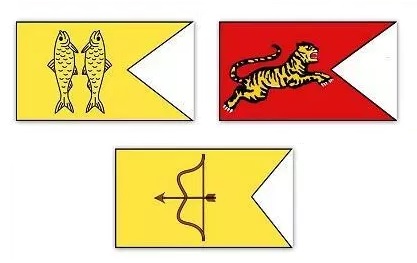
Ancient Tamil Kings used emblems in their reign. They had Bow, Tiger and Fish for Chera, Chola and Pandya respectively. These were used as Stamps in Coins and royal messages. Signet Rings also carried these. All these have their histories.
than 600 people such as dancers, flutists, drummers, Vina players, conch players, canopy holders, water sprinklers, lamp keepers, laundry women, and so forth. These people worked for the temple for half a day, and spent the remaining time on farm work, on land which was lent gratis by Rajaraja I. The contract with the temple…
This temple has withstood six powerful earthquakes.
It’s one of the most amazing buildings in India. It’s 10 times taller than anything built before it, and not only is it huge, but it’s made of granite, one of the hardest stones in the world.
Due to the temples’ size, the U.S. Senate, Versailles, the Houses…
Thirumukkoodal temple dedicated to Sri Vishnu as Thirumukkoodal Appan,Sri Venkateswara is an example of how Chola and later Pallava Kings maintained Vedic School and hospital for the people.The hospital had Fifteen beds and surgeries were performed. People were treated for diseases and epigraphs list the diseases and cures. Specially treated Cow Urine was used to…
I have been searching for some information relating to mathematics and I came across Bakshali manuscript . It is in Sanskrit and dated at AD 224–383/ 885–993 (proposed carbon-dates, recently disputed on methodological grounds: Plofker et al.) It’s script is Sharada and is said to have been in vogue in what is now Kashmir.I was curious because one finds advanced mathematics and scientific concepts in ancient Sanskrit literature, including the Eighteen Puran and Ithihasas, not to speak of Vedas. One finds advanced mathematics concepts in Chamaka of Sri Rudra. Maths DNA Mitochondrial Base Pairs In Chamakam Rudram Obviously, an attempt to bypass Indian history is at work.I pursued my search. I found references first to Greeks,Romans then to Sumeria and Mesapotamia.
The earliest mathematical texts available are from Mesopotamia and Egypt – Plimpton 322 (Babylonian c. 2000 – 1900 BC), the Rhind Mathematical Papyrus (Egyptian c. 1800 BC) and the Moscow Mathematical Papyrus (Egyptian c. 1890 BC). All of these texts mention the so-called Pythagorean triples, so, by inference, the Pythagorean theorem seems to be the most ancient and widespread mathematical development after basic arithmetic and geometry.
Babylonian.
The Babylonian mathematical tablet Plimpton 322, dated to 1800 BC.
Babylonian mathematics refers to any mathematics of the peoples of Mesopotamia (modern Iraq) from the days of the early Sumerians through the Hellenistic period almost to the dawn of Christianity. The majority of Babylonian mathematical work comes from two widely separated periods: The first few hundred years of the second millennium BC (Old Babylonian period), and the last few centuries of the first millennium BC (Seleucid period). It is named Babylonian mathematics due to the central role of Babylon as a place of study. Later under the Arab Empire, Mesopotamia, especially Baghdad, once again became an important center of study for Islamic mathematics.
Egypt
The most extensive Egyptian mathematical text is the Rhind papyrus (sometimes also called the Ahmes Papyrus after its author), dated to c. 1650 BC but likely a copy of an older document from the Middle Kingdom of about 2000–1800 BC.
The manuscript is a compendium of rules and illustrative examples. Each example is stated as a problem, the solution is described, and it is verified that the problem has been solved. The sample problems are in verse and the commentary is in prose associated with calculations. The problems involve arithmetic, algebra and geometry, including mensuration. The topics covered include fractions, square roots, arithmetic and geometric progressions, solutions of simple equations, simultaneous linear equations, quadratic equations and indeterminate equations of the second degree……The manuscript is written in an earlier form of Śāradā script, a script which is known for having been in use mainly from the 8th to the 12th century in the northwestern part of South Asia, such as Kashmir and neighbouring regions. The language of the manuscript,[a] though intended to be Sanskrit, was significantly influenced in its phonetics and morphology by a local dialect or dialects, and some of the resultant linguistic peculiarities of the text are shared with Buddhist Hybrid Sanskrit. The overlying dialects, though sharing affinities with Apabhraṃśa and with Old Kashmiri, have not been identified precisely. It is probable that most of the rules and examples had been originally composed in Sanskrit,
Clever at obfuscation and misleading. At one stroke mathematics of India is relegated to Third century to 9 Century AD The people who have started this canard with high sounding research names and authors do not seem to be aware of what a common man knows in India knows. That is the Structure of Temples in India. You find Temples of India, especially in South India,being not only a place of worship but architectural marvels. Not only that; we have temples where the Sun’s rays fall at a spot on a fixed time, date; temple where one finds inverted image as in a pinhole camera; intricately carved sculptures which could not have been possible without technology. Without going into all these, simple fact is that one of the best example of Chozha architecture is Thanjavur Big Temple, Thanjavur, Tamilnadu, India.And this was built by Rajaraja Chozha during 1064 – 1084. The construction of the temple,where Eighty Ton monolith stone is kept atop the temple; the fact that the temple tower’s shadow falls only within its base; it’s intricate carvings would not have been possible without highly advanced mathematics.
So, I delved deep into Sanskrit and Texts. I find references to Vedic mathematics by Kathyayana and Bodhayana; then to Aryabhatta and Varahamihira. Then in Chamaka of Sri Rudram.
I thought it fit to check on the Tamil texts first before getting into Sanskrit because I had already written some articles on Mathematics in Sanskrit ,like the one on Fibanocchi Numbers,Value Of Pi To 31 Decimal Places In Krishna Stuthi.
Many important ancient texts of India are not, unfortunately not in India. These ancient treasures are preserved in Foreign museums,in some cases by the Government and some have found their way into priy collections. Manuscripts on Palm leaves ,some in a very bad condition are preserved digitally inany places. I had written on some of them .
Not only Vedic scriptures and texts of Sanatana Dharma, but ancient, highly advanced Yoga texts in Tamil,most of them in Palm leaves are also preserved abroad.
The worship of Siva as Adhi Yogi in Tamil Nadu pre dates Sanatana Dharma. Details about Yoga as initially taught by Siva abounds in Tamil.The Yoga by Siva is called Vaasi Yoga, a process that helps one to realise Bliss, by interacting directly with Consciousness with the help of Nadis Nadis may be defined as Nerve centres or the path through which the life force Prana flows.The texts that deal with them are mostly abroad.And they are preserved digitally.I am providing the Link towards the close of the article. You may visit the site and have a look. Original palm leaves are available for study and research. Instead of going through spurious material touted as Original, study the Palmleaf manuscripts.
Though Siva is worshipped as the Iswara of Yoga, others, Ganapathi,Devi, Subrahmanya, Mahalakshmi and Vishnu are also worshipped as being present in the Chakras. Ganapathi sits in Mooladhar with Valla hai,His consort,controls bodily wastes procreation and aids one in raising Kundalini.
மூலாதாரம் – கணபதிசுவாதிஷ்டானம் – பிரம்மா, சரஸ்வதி
மணிபூரகம் – மகாவிஷ்ணு, மகாலெஷ்மி
அனாகதம் – சிவன், பார்வதி
விசுக்தி – அர்த்தநாரீஸ்வரர்
ஆக்ஞை – சதாசிவம்
சிதாகாசம் – வெட்டவெளி
Information in detail are found in Agasthya Poornam 216
நூல் 1: அகத்தியர் சூத்திரம்- 205;
நூல் 2- அகத்தியர் சூத்திரம்- 600 க்கு 60
நூல் 1: மூலிகை வண்ணம்;
நூல் 2: அம்பிகாநந்தர் சூத்திரம்- 25;
நூல் 3: நவலோக மாரணம்;
நூல் 4: முப்பு முடிக்க;
5: சுந்தராநந்தர் வழலை- 16;
நூல் 6: அகத்தியர் சூத்திரம்- 5;
நூல் 7: அகத்தியர் சூத்திரம்- 6…
நூல் 1: பூரண சூத்திரம் – வைத்தியம்- 50 (மூலம்);
நூல் 2: சத்ரு மித்ரு சூத்திரம்- 16;
நூல் 3: அகத்தியர் சூத்திரம்- 600 க்கு 60;
நூல் 4:
அகத்தியர் சூத்திரம்- 60; நூல்
5: சத்தலோக மாரணம் செந்தூரம்- 100
நூல் 1: அகத்தியர் வைத்திய சூத்திரம்- 60;
நூல் 2: அகத்தியர் அத்த சூத்திரம்- 48;
நூல் 3: அகத்தியர் ஞானம்-16;
நூல் 4:
அகத்தியர் ஞானம்- 30;
நூல் 5: கருவுரார் பூசா விதி;
6: நூல் சுந்தரானந்தர் சூத்திரம்- 25…
Titles in original script: நூல் 1: அகத்தியர் சூத்திரம்- 5 நூல் 2: அகத்தியர் சூத்திரம்- 8 நூல் 3: அகத்தியர் சூத்திரம்- 6 நூல் 4: கொங்கணர் சூத்திரம்- 4 நூல் 5: அகத்தியர் அருளிய திராவகம்- 14 நூல் 6: அகத்தியர் நவலோக மாரணம- 16 நூல் 7: கடப்பிள்ளை சமாதி தீக்ஷா விதி நூல் 8: அகத்தியர் 1200க்கு சூத்திரம்-14 நூல் 9: முப்பு திடப்பட நூலறிய நூல்10: அகத்தியர் பூரண பூஜா விதி- 16 நூல் 11: போக நாதர் சூத்திரம்- 8 நூல் 12: மச்சமுனி சகல பிணிகளுக்கும் கியாழம்- 8 நூல் 13: திருமூலர் கிரந்தி எண்ணெய்- 8 நூல் 14: கொங்கணர் கரு குளிகை நூல் 15: நந்தீசர் சகல விஷத்துக்கும் குளிகை நூல்
We can find more rare books that deal with Vaasi Yoga, Ayurveda ( Siddha) Alchemy, Neurology, Surgery, Geriatrics…..Visit the Link below.
You must be logged in to post a comment.