Tag: Rajaraja Chola

  • Thanjavur Brahadeeswara Temple Superintendent  Muslim?

    Thanjavur Brahadeeswara Temple Superintendent Muslim?

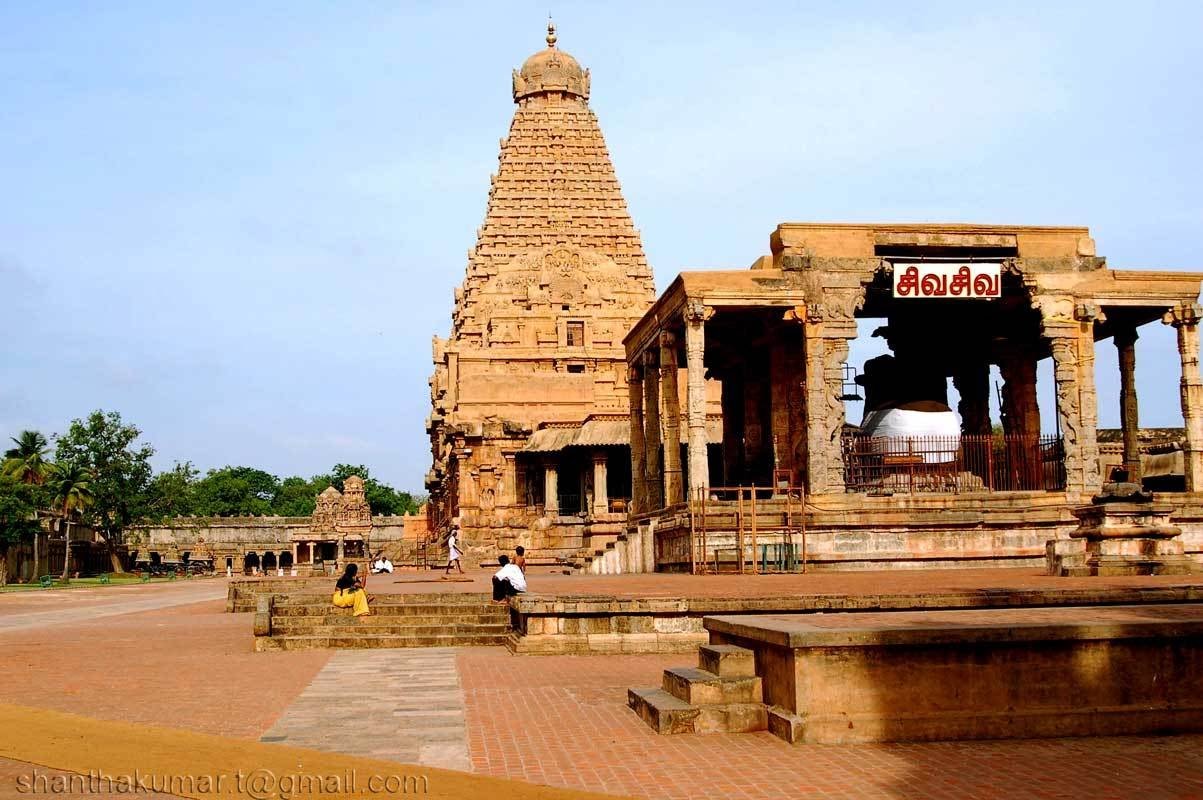
    In Tamil Nadu, Self styled Tamil Scholars and historians seem to have OCD Syndrome. The whole purpose of their existence is to predate Christianity and Islam to even sangam period. We have jokers who, without laughing and without blinking declare that Thiruvalluvar wrote Thirukkural at the instance of St. Thomas .Another obsession is to deny the intricate relationship between Tamil , Sanskrit and Sanatan Dharma.I wouldn’t like to insult the intelligence of my readers by sharing all the nonsense that is doing the rounds in Tamil web portals.And it has seeped into print media in English!

    Drone view of Rameswaram Madurai Thiruvannamalai Chidambaram and Thiruvarur

    The title of the Article.

    Ponniyin Selvan’s Chola king didn’t see Islam as foreign, made a Muslim a temple superintendent.

    The following is an excerpt from The Print.It very casually says that the Superintendent of Royal Edicts in the Employ of Rajaraja Chola was A Muslim. The writer who has provided this information is very astute in inserting Sri. Naganathan’ s (who is no more), an expert and the Bhishma Pitamaha of Tamil Epigraphy , in the same article where he talks about the involvement of Rajaraja Chola with fine arts.What a manipulative piece of writing.The article goes on to add the term Yavana,which is used to denote Ionians in Sangam literature indicates Muslims as Yavana meant not only Greeks but Turks too! Another Guy states that the term Yavana is from Yemen Muslims!( note the name of the said Muslim who is under discussion hete’ பரஞ்சோதி ‘ Pure Shiavism term to denote Shiva as The Ultimate Reality, the term meaning The Reality that shine forth from the transcendental level.

    Rajaraja Chola.
    Rajaraja Chola

    It is true Islam made inroads into India around 7th century AD. But there is no evidence whatsoever of Islam being present in Rajaraja Chola Era.(10 Century AD) Jainism, Buddhism,Carvakas Ajeevaka systems were present and the Nayanmars fought with them by logic

    Saint Thirunaavukkarasar,who has the distinction of being addressed by Siva as ‘ Father( Appar, அப்பா)'( hence Thirunaavukkarasar was called later as Appar, the term in Tamil for Father fought against Jainism. He was responsible for reconversion of Pandya King to Hinduism.

    Now to Facts.I am providing information with authentic sources. I pray that the OCD of a section of Fraud Tamil historians do not become Bipolar.

    Pahlavas etc.

    Others
    other Indian records describe the Yavana attacks on Saketa, Panchala, Mathura and Pataliputra, probably against the Sunga empire, and possibly in defense of Buddhism. The main mentions of the invasion are those by Patanjali around 150 BCE, and of the Yuga Purana, which, like the Mahabharata, also describes Indian historical events in the form of a prophecy.

    https://ramanisblog.in/2016/09/24/krishna-enemy-greek-king-kalayavana-killed-by-tamil-king/https://ramanisblog.in/2016/09/24/krishna-enemy-greek-king-kalayavana-killed-by-tamil-king/

    ‘The Greeks participated in the Kurikshetra War along with Duryodhana on the advice of Karna.

    :

    ‘In the inscription, Chavur Paranjoti is mentioned as donating a total of 96 ewes (female sheep) to three shepherds so that they could supply ghee to the temple for the lamps. In the Thanjavur temple, there is also a significantly damaged inscription, which seems to refer to another of Paranjoti’s donations. “The inscription records a deposit of money, the interest of which was to be used for feeding ten Siva-yogins on each of twenty-four festival days,” according to Rai Bahadur V. Venkayya, the editor of this inscription. That a Muslim made these donations to the temple points to a situation of real religious amity.

    Far more significant than his charitable donations was Paranjoti’s important role in facilitating ritual activities in the temple. To appreciate its significance, one has to first look into Rajaraja I’s deep interest in dance. https://www.google.com/amp/s/theprint.in/opinion/ponniyin-selvans-chola-king-didnt-see-islam-as-foreign-even-made-a-muslim-the-temple-manager/1225480/%3famp

    Mapillas-The Malayalam-speaking people of Malabar were known as Sonaka Mapillas in Tamil Nadu. The word Sonaka was also the early name of the Tamil Muslims. The word was used to identify Muslims of Indo-Arab descent and the Arab part of their ancestry was Yemen. The word Sonaka got corrupted as “Yavana” that finds mentioned in the ‘Sangam’ literature of the 2nd century AD.’

    Muslim mirror

    ‘Religious Principle: Rajaraja was a great devotee of Lord Shiva. The large temple built by him is sufficient evidence of this. However, he, like the Indian Empire, treated all the religions of his great country equally. The sculptures of the big temples, the Vishnu temples he built in Mysore and his donations to vishnu temples illustrate his compromised attitude. Uthaman, who helped in the construction of the Buddhist Vihara at Nagapattinam, is also evident from the fact that some of the chieftains of his rule had done charity to the Jaina temples, and that this emperor had given his princes and subjects the right to follow the religion of their choice. During his reign, many temples which received songs became kallis and many new Shiva temples were built. Many temples were supported by many. The work at the temple increased dramatically. All their details can be found in the section entitled ‘Chola Temple Works… https://ta.m.wikisource.org/wiki/%E0%AE%9A%E0%AF%8B%E0%AE%B4%E0%AE%B0%E0%AF%8D_%E0%AE%B5%E0%AE%B0%E0%AE%B2%E0%AE%BE%E0%AE%B1%E0%AF%81/%E0%AE%AE%E0%AF%81%E0%AE%A4%E0%AE%B2%E0%AE%BE%E0%AE%AE%E0%AF%8D_%E0%AE%87%E0%AE%B0%E0%AE%BE%E0%AE%9A%E0%AE%B0%E0%AE%BE%E0%AE%9A%E0%AE%A9%E0%AF%8D

    Surprising isn’t it,there is no word about Islam while Religions are mentioned. No wonder we have people in Tamil Nadu who raised a query whether Rajaraja Chola was a Hindu, despite his having built the Thanjavur Brahadeeswara Temple. At this rate ,Benares was built by Aurangazeb!?

    (சமயக்கொள்கை : இராசராசன் சிறந்த சிவ பக்தன். இவன் கட்டிய பெரிய கோவிலே இதற்குப் போதிய சான்றாகும். எனினும், இவன், இந்தியப் பேரரசைப் போலவே தன்பெருநாட்டில் இருந்த எல்லாச் சமயங்களையும் சமமாகவே மதித்து நடந்தவன். பெரிய கோவிற்கவர்களில் உள்ள சிற்பங்கள், மைசூரில் இவன் கட்டிய விஷ்ணு கோவில்களும், விஷ்ணு கோவில்கட்கு இவன் செய்துள்ள தானங்களும் இவனது சமரசப்பட்ட மனப்போக்கை விளக்குவதாகும். நாகப்பட்டினத்தில் புத்த விகாரம் கட்டப் பொருள் உதவி புரிந்த உத்தமன் இவன் இவனது ஆட்சியில் இருந்த சிற்றரசர் சிலர், சமணர் கோவில்கட்குத் தருமம் செய்துள்ளனர் என்பதையும் நோக்க, இப்பேரரசன், தன் சிற்றரசரையும் குடிகளையும் தத்தமது விருப்பத்துக்கியைந்த சமயத்தைப் பின்பற்ற உரிமை அளித்திருந்தனன் என்பது நன்கு புலனாகின்றது. இவனது ஆட்சிக் காலத்திற்றான் பாடல் பெற்ற பல கோவில்கள் கற்றளிகளாக மாறின, புதிய பல சிவன் கோவில்கள் கட்டப்பட்டன. பல கோவில்கள் பலரால் ஆதரிக்கப்பெற்றன. கோவிற் பணிகள் வியத்தகு முறையிற் பெருகின. அவற்றின் விவரமெல்லாம் ‘சோழர் கோவிற் பணிகள்’ என்னும் பகுதியிற் பரக்கக் காண்க)

    யவனர் என்போர் ரோமர்கள் அல்ல. அவர்கள் கிரக்கர்களின் 4 பெரும்பிரிவுகளில் ஒன்றான Ionians. அவர்கள் மத்திதரைக்கடற் தீவுகளிலும் ஆசியா மைனர் வரையிலும் பரந்து வாழ்ந்தவர்கள்.

    உண்மையான சரித்திரத் தேடல்களின் போது இந்தச் சங்க இலக்கியங்களை ஒரு பெட்டிக்குள் வைத்துப் பூட்டப் பழகுங்கள்.

    கேள்விகளையும் உண்மையான தேடல்களுக்கான கேள்விகளாக ஆரம்பிக்கப்பழகுங்கள். இப்போது நீங்கள்கேட்பது “வலுவான ஆதாரங்கள் சங்க இலக்கியத்திலுள்ளன என்பதற்கான ஆதாரங்கள்” ! அப்படியா? ( https://ta.quora.com/romarkalai-yavanar-ena-canka-ilakkiyankal-kurippituvataip-pola-arepiyarkal-evvaru-kurikkappattirukinranahttps://ta.quora.com/romarkalai-yavanar-ena-canka-ilakkiyankal-kurippituvataip-pola-arepiyarkal-evvaru-kurikkappattirukinranarr

    Yavanas are not Romans. They are the Ionians, one of the 4 major divisions of the Crackers. They lived on the Mediterranean Islands and as far as Asia Minor.

    Practice locking these Sangam literatures in a box during real historical searches.

    Learn to start with questions as questions for real searches. What you are now hearing is “evidence that strong evidence exists in the Sangam literature”! Is that so.. ( translation of the Tamil portion found above) Translation by Microsoft translator.
    Join 4,576 other subscribers
  • Rajendra Chola Epigraphs Thiruloki Temple Destroyed

    Rajendra Chola Epigraphs Thiruloki Temple Destroyed

    It is one thing that one’s history is denied by invaders; it is unpardonable that people of the country destroy their own past glories. Africa when one reads about its history, is told that there was no civilization there before the advent of Christianity there.Yet , Africa was called the Cradle of Human civilization.( latest findings indicate that earliest DNA was from India). People brushed Early African history as one of Superstition and tribalism. But, as I had written, African culture bespeaks of an advanced culture in ancient days.Same treatment is meted out to Arabia stating that there was no culture to speak of there except Paganism.This is totally untrue. Arabia had a rich culture in ancient days.

    In the case of India, invaders denied Indian history stating Indian history as Myths,Legends, stories.India had missionaries like Maxmuller who deliberately misinterpreted Indian Texts; India had Islam invaders who destroyed and looted temples, systematically wiped out symbols and heritage sites.Then India has a special homegrown species, Secularists,who are out to destroy Hinduism and Indian history and to promote and praise other cultures and religions;India also has a comedy piece Rationalists,very powerful, Atheists,who would denigrate Hinduism, but keep quiet on other Religions.

    The last mentioned Species,under the garb of political parties in South India,proclaiming to be the Saviours of Tamils and Tamil language,leave no turn unturned in destroying , demolishing anything remotely connected to Hinduism and temples.

    Systematically, under the guise of HRCE department ,which comes under the State government, these people have erased evidence of Great Tamil kings, Rajaraja Chola and Rajendra Chola having been ardent Followers of Hinduism. In their zeal, they have also destroyed critical evidence in the form of Epigraphs which have recorded the victory of Rajendra Chola(1012-1044-) so of Rajaraja Chola,who conquered areas upto Ganga.He was called Gangaikonda Chozhan,The Chozha who made Ganga his own.He built a temple in Tamil Nadu Gangaikonda Chozhapuram ,which is an architectural marvel.

    He worshipped Siva by performing Abhishek of Siva with Ganga Water he brought from his North India Campaign,as Kailasanatha at Thiruloki .This temple is on the southern bank of Kollidam River.Later he built the Gangaikonda Chozhapuram temple on the northern bank of Kollidam.This evidence of his having built Gangaikonda Chozhapuram was in the form of Epigraphs in Thiruloki Temple.

    Thiruloki Temple

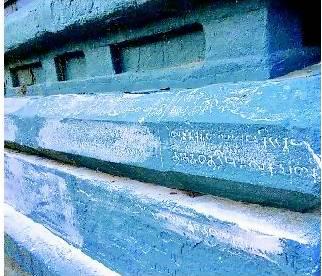
    In 2016,the Epigraphs were whitewashed and hence are in a state of disrepair.

    HR&CE says it is ASI’s Job and they tossed the ball back to HRCE.

    There are thousands of Epigraphs thus destroyed.Shall be writing in detail.

    முதலாம் ராஜேந்திர சோழன் வடஇந்தியாவில் கங்கை வரை போர் தொடுத்து வெற்றி பெற்றதற்கு ஆதாரமாக விளங்கிய திருலோக்கி கல்வெட்டுகள், கோயில் கும்பாபிஷேகத்தின்போது வர்ணம் பூசி அழிக்கப்பட்டுள்ளதால் வரலாற்று ஆர்வலர்கள் வேதனை அடைந்துள்ளனர்.

    தனது தந்தை ராஜராஜ சோழன் போன்று முதலாம் ராஜேந்திர சோழனும் சிறந்த ஆட்சி நிர்வாகம் புரிந்ததுடன், தன்னுடைய படை பலத்தின் மூலம் பல சிற்றரசர்களை வென்று தனது பேரரசை விரிவுபடுத்தினார். அதன்படி, கி.பி.1012-1044-க்கு இடைப்பட்ட காலத்தில் வாழ்ந்த முதலாம் ராஜேந்திர சோழன் கங்கை போரில் வெற்றி பெற்று, கங்கை நதிநீரைக் கொண்டுவந்து, முதலில் கொள்ளிடம் ஆற்றின் தென்கரையில் உள்ள ஏமநல்லூர் என்று அழைக்கப்பட்ட திருலோக்கி என்ற ஊரில் உள்ள கைலாசநாதர் கோயிலுக்கு வந்து அங்கு உள்ள இறைவனை வழிபட்டுள்ளார்..

    அதன் பின்னரே, கொள்ளிடம் ஆற்றின் வடக்கு கரையில் உள்ள சோழபுரத்துக்குச் சென்று அங்கு அழகிய சிவன் கோயிலை எழுப்பி, அதற்கு கங்கை கொண்ட சோழபுரம் என பெயரிட்டு அழைக்கப்பட்டதாக வரலாறுகள் தெரிவிக்கின்றன.

    இதற்கு ஆதாரமாக திரு லோக்கி கைலாசநாதர் கோயிலில் கல்வெட்டுகள் பொறிக்கப் பட்டுள்ளன. இந்த கல்வெட்டுகளின் அடிப்படையில்தான் கங்கை கொண்ட சோழபுரத்தின் வரலாறு உலகுக்குத் தெரியவந்தது.

    போற்றிப் பாதுகாக்கப்பட வேண்டிய இந்த கல்வெட்டு கள், அண்மையில் நடைபெற்ற இக்கோயில் கும்பாபிஷேகத் தின்போது முழுவதும் வர்ணம் பூசி அழிக்கப்பட்டுள்ளன என்பது வரலாற்று ஆர்வலர்களுக்கு வேதனையை ஏற்படுத்தியுள்ளது.

    இதுகுறித்து, கல்வெட்டு மற்றும் வரலாற்று ஆர்வலர் கோமன் கூறியபோது, “முதலாம் ராஜேந்திர சோழனின் கங்கை கொண்ட வெற்றி குறித்து வரலாற்றை நாம் அறிய திருலோக்கி கல்வெட்டுகளே ஆதாரமாக இருந்தன. இந்த கல்வெட்டுகள் பாதுகாக்கப்படாமல் இருந்ததால், அவை கும்பாபிஷேகத்தின்போது வர்ணம் பூசி அழிக்கப்பட்டுள்ளன.

    திருலோக்கி கைலாசநாதர் கோயிலில் 1932-ம் ஆண்டு பிரிட்டிஷ் ஆட்சிக் காலத்திலேயே இந்த கல்வெட்டுகளை படி எடுத்துள்ளனர். ஆனால், அவை வெளியிடப்படவில்லை. அதன்பிறகு எங்களைப் போன்ற வரலாற்று ஆர்வலர்கள் அந்த கல்வெட்டுகளை படி எடுத்துள்ளனர். இருந்தாலும் கோயிலில் இருந்த கல்வெட்டு பாதுகாக்கப்படாமல் அழிக்கப்பட் டுள்ளது வேதனையைத் தருகிறது.

    இதுபோன்ற பல கோயில்களிலும் கும்பாபிஷேகத் தின்போது கல்வெட்டுகள் சிதைக்கப்படுகின்றன. இதனைப் பாதுகாக்க அறநிலையத் துறையும், தொல்லியல் துறையும் முன்வர வேண்டும் என்றார்.

    இதுகுறித்து இந்து சமய அறநிலையத் துறையின் இணை ஆணையர் கஜேந்திரனிடம் கேட்டபோது, “திருலோக்கி கோயி லில் அண்மையில் கும்பாபிஷேகம் நடைபெற்றது. அங்கு உள்ள கல்வெட்டுகள் மீது வர்ணம் பூசப்பட்ட தகவல் தற்போதுதான் தெரியவருகிறது. உடனடியாக விசாரித்து நடவடிக்கை எடுக்கப் படும்” என்றார்.

    இது தொடர்பாக தொல்லியல் துறை அதிகாரிகளிடம் விசாரித்த போது, “திருலோக்கி கைலாசநாதர் கோயில் முழுவதும் அறநிலையத் துறை கட்டுப்பாட்டில்தான் உள் ளது. தொல்லியல் துறைக்கும் அக்கோயிலுக்கும் எவ்விதத் தொடர்பு இல்லை” என்றனர்https://www.hindutamil.in/news/tamilnadu/87330–2.html

  • Tamil Nadu Govt Advertises To Acquire Temple Land .Raise Objection

    Tamil Nadu Govt Advertises To Acquire Temple Land .Raise Objection

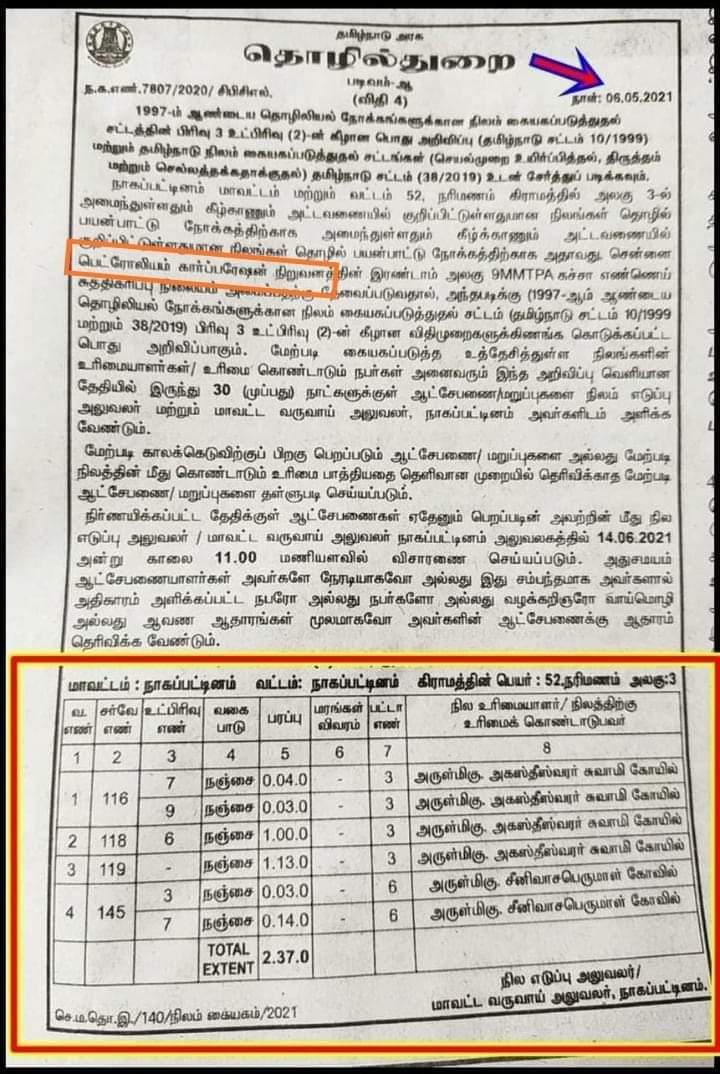
    The Government of Tamil Nadu through its Industrial department,has released an advertisement in Tamil News Paper on 6/05/2021, announcing that it proposes to take over Agastheeswaram temple.This acquisition is for businesses associated with or subsidiaries of Petroleum
    Industry.

    Following is court’s observation on an earlier occasion on this subject.

    Observing that temples in Tamil Nadu are not only a source of identification of the ancient culture but also a testimony of pride and knowledge of the talent in the fields of arts, science and sculpture, the Madras High Court on Wednesday said the state government cannot use temple lands for any purpose other than for holding religious functions.

    The court also directed the Hindu Religious and Charitable Endowments Department to identify and safeguard all temple lands from encroachers with an officer in charge filing periodical reports.

    The issue pertains to the encroachment of lands of the Sakthi Muthamman temple near Neelankarai and the Kottai Mariamman temple in Salem. The court pronounced its orders in the batch of pleas filed by several petitioners over the encroachment of temple land.

    Justice R Mahadevan in his order observed that the properties of religious institutions, particularly temples, have to be maintained properly.

    https://www.newindianexpress.com/states/tamil-nadu/2020/nov/04/madras-hc-says-temple-lands-cant-be-diverted-for-other-purposes-orders-removal-of-encroachments-2219327.html

    Notification asks people to express their objection to acquisition to The District Revenue Officer, Nagappatinam Tamil Nadu within 30 days from the date of the advertisement ( 6/5/2021).That is lodge objection before 5 June 2021.

    Or appear in person on 14 June 2021 in person at Nagappatinam Revenue office at 11 am.

    As petroleum comes under essential services and comes under Central Government, is the State Government action legally tenable?

    The relevant advertisement in Tamil was found in Facebook. Please forward the English version.The advertisement image is posted as Featured image.

    Agastheeswaram Siva Temple, Nagappatinam.

    The recorded history of Agasthiyanpalli and the regions around it is found from the inscriptions in Agastheeswarar Temple and the Vedaranyeswarar Temple. The inscriptions date from the reign of Rajaraja Chola I (985–1014 CE), Rajendra Chola I (1012–1044 CE) and Kulothunga Chola I (1070–1120 CE) indicating various grants to the temple.[1][4]

    Agasthiyanpalli continued to be a part of the Chola Empire and the Chola region emerged as a centre of Saivism during the reign of Kulothunga Chola I (1070–1120 CE). After the fall of Cholas during the reign of Rajendra Chola II in the 13th century CE, the erstwhile Chola region was caught under a power struggle between Pandyas and Hoysalas.[6] The royal patronage continued to the temple during the rule of the Nayaks. The inscriptions from the Pandya king Kulacekarn (1268 – 1309) indicates that he was cured off his ailments after praying at the temple. He constituted a festival at Vedaranyeswarar temple to commemorate the event https://en.m.wikipedia.org/wiki/Agastheeswar_Temple

  • Cholas From Surya Vamsa Rama’s Dynasty Copperplate Evidence

    Cholas From Surya Vamsa Rama’s Dynasty Copperplate Evidence

    There were two dynasties that ruled ancient India. Both trace their origins to Vaivaswatha Manu, the First Man,after whom the word ‘Man’ was coined.

    He hailed from the Dravida Desa, Dravida in Sanskrit meaning South.

    Bhagavatha Sloka mentions that Manu was a Dravida. I am providing a Link on this and on the fact that Manu meditated near Madagascar.

    Manu,apart from sons had a daughter,Ila or Ela.From Ela sprang the Aila dynasty.This is the Chandra Vam!sa or Lunar Dynasty.From the Male offspring of Manu came the Surya Vamsa or Solar Dynasty. I shall be writing on the other sons of Manu and what happened to them. While people talk of Vedic kingdoms,they tend to overlook or notice the kingdoms of Dravida Desa.They were respected by the kings of Aryavartha.(I shall write on what Aryavartha means and its boundaries.The people of Aryavartha and Dravida Desa intermarried.So did the Kings.

    People of Dravida Desa were ruled by the great Kings,Chera,Chola and Pandyas.They ruled the South.And the early kings ruled from the landmass Lemuria.These kings trace their ancestry to Surya Vamsa.Lord Rama belonged to this Dynasty. One of his ancestors,Sibi,had a second capital near North West Frontier Province,now in Pakistan.Much earlier to him was Muchukunda ,who killed a Yavana King,Yavana means Greek.

    Thiruvaalangadu Copper Plates

    The Cholas called themselves as Descendants of Surya Vamsa.They also had ceremonial titles,one of them being Parakesari,the name of a King belonging to Surya Vamsa,Solar Dynasty.Cholas also called themselves as belonging to Kasyapa Gotra.Am providing Link towards the closing of the art.That the Cholas belonged to Solar Dynasty is known from Literary sources,Epigraphs and Copper Plates.I am mentioning one copper plate called ‘Thiruvaalankaadu Cheppedugal,Copper Plates of Thiruvaalangadu,Thiruvaalangadu being the name of a town near Chennai,Tamil Nadu,India.These copper plates were found in the famous Siva temple there.The other copper plate is from Kanyakumari,Tamil Nadu.

    Copper plate inscriptions are made in individual copper plates,strung together with Royal Seal.These generally contain two parts.One part will list out the genealogy of the king in whose period it was prepared and the other part details the grants given to Temples,Villages,and persons. It also lists work to be carried about by the individual officers of the local adminstration and also by those to whom the grants had been provided.

    In the Thiruvaalangadu Cheppedu,31 plates are found;ten are in Sanskrit and twenty in Tamil.The thirty copper plates are in the form of flower petals and are joined together by Chola Royal Seal.It also has Chera,Pandya and Rashtrakoodas,signifying that The Cholas have conquered them all.The plates are in praise of Rajendra Chola. His father was Rajaraja Cholan,who built the Thanjavur Big Temple.Rajaraja Cholan was also called as Arulmozhi Varman. These plates were put in place during the sixth year for his reign,that is around 1004 to 1044 AD. https://en.m.wikipedia.org/wiki/Rajendra_Chola_I

    The plates list the genealogy of the Cholas,beginning with Chola,who was born of Bharata,after whom India is named as Bharatavarsha.

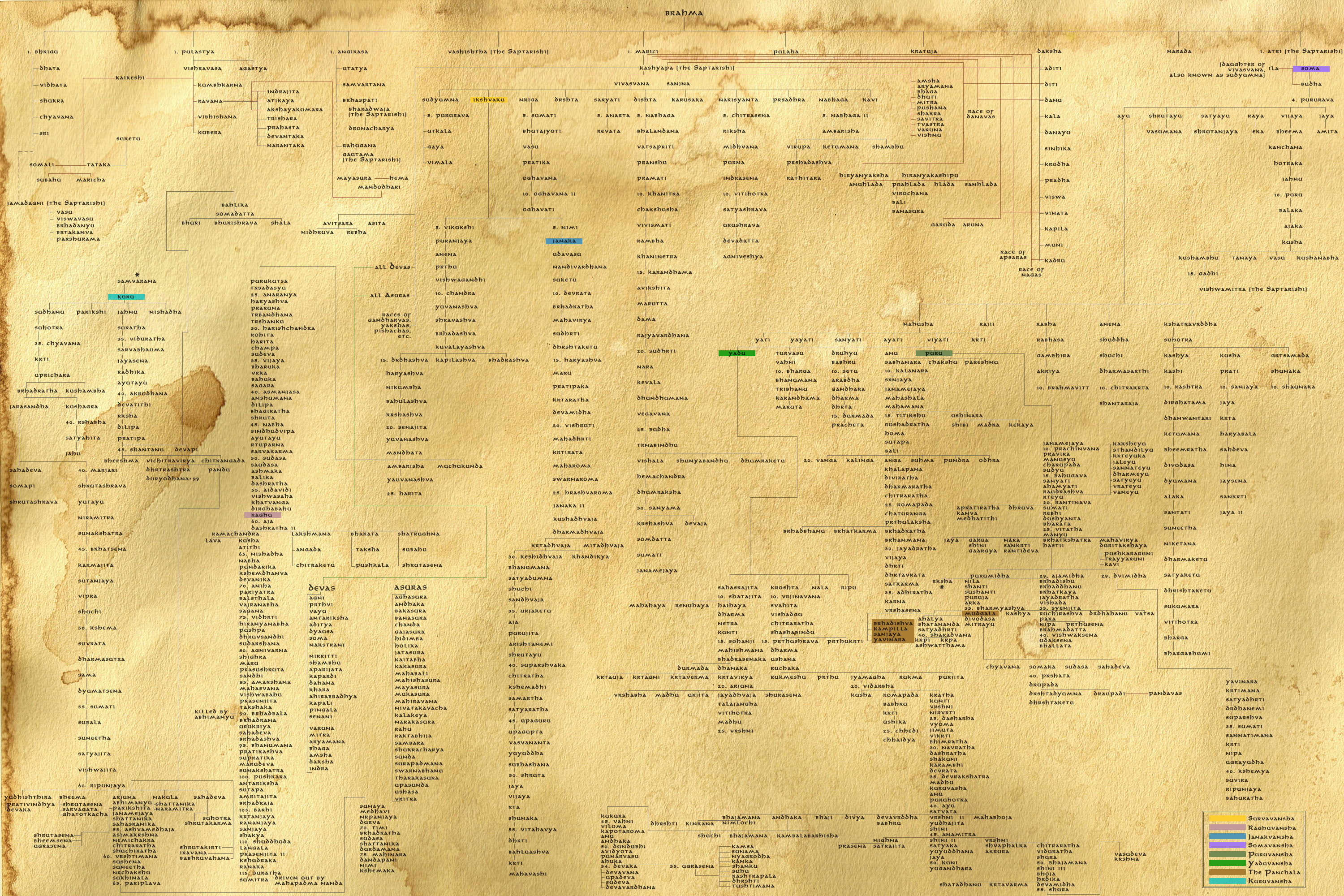
    The list in the copperplates tally with the Kings List found in the Puranas. I am providing Bharat’s family tree as the featured image. You may find the common names.

    As to differences between these two,it is because of the incomplete information regarding the Dynasties of India,that is by considering only the Surya and Chandra Vamsa,without information about the other descendants of Many and more importantly the Vamsas of the Saptha Rishis,whose progeny includes Manu and Ikshvaku Dynasty,Ela and her dynasty,Chandra vamsa.I shall write in detail do that we may understand the dynasties.

    ‘People) say that Dushyanta was an ornament of the race of this (king).  His son was Daushyanti (i.e., born of Dushyanta) Bharata.To him was born a son named Chola after whom the Solar race on this earth became illustrious.

    On the basis of this,one may observe that Cholas descended from Many and are from Solar Dynasty,Surya Vamsa.

    Please note that the people were aware that some of the ancient kings belonged to Treta Yuga,about a million year old and the new Chola dynasty began with Perunarkilli in Dealers Yuga.I had written on Cheers and Pandya Kings participating in Mahabharata war and Krishna and Arjuna’s marriage with Pandyan Princesses.

    (V. 29.) Him (i.e., the king Chola), learned men described as the generous lord of gods (i.e., Indra) who incarnated on earth (on seeing that) the glory of his own (i.e., Amaravati) was humbled by the varied and lustrous riches of the Chola country.

    (V. 30.) Cholavarman’s son was Rajakesarivarman (‘the lion among kings’) who split asunder with (his) nails (viz., crooked knives) the elephants (viz., crooked knives) the elephants (viz., his enemies) and (was) the cage (wherein resided the goddess) of prosperity.

    (V. 31.) Rajakesarin’s son was king Parakesarin by whose fire-like anger the enemies’ forces were consumed.

    (V. 32.)  Thenceforward these two names indicative of (their) suzerainty were alternately borne by the Chola (kings) in the order of their coronation.

    (V. 33.) Parakesarin’s son was king Chitraratha ; his son (was) Chitrasva ; to him (was born) king Chitradhanvan.

    (V. 35.) Having come to know that king Bhagiratha engrossed in penance brought down (from heaven) the river of gods (i.e., Ganga) (to earth), this king (also) desirous to fame brought her (i.e., Ganga) to his dominions under the name Kaverakanyaka (i.e., Kaveri).

    (V. 36.) In that family was (born) Suraguru who was the hereditary abode of the maiden, the Lakshmi of victory.  This king having conquered by his glory the god of Death in his own territory acquired the name Mrityujit.

    (V. 37.) In his race was born king Chitrartha called Vyaghraketu from his banner-cloth bearing (the figure of) a tiger, who was a store of great heroism and who wore as an ornament on his head the flowers of the dhataki (Grislea Tomentosa).

    (V. 38.) The Treta-age having come to a close, a son of this king known as Narendrapati became the ruler.  The diadems of (subordinate) kings dropped down their gems ; (because their) fastenings had become loosened by the constant rolling at his footstool.

    (V. 39.) From him was produced the head-jewel of the powerful Solar race, (king) Vasu, who was the cause of the destruction of the demons (and) who (known) by the significant surname of Uparichara moved in any direction he liked in a celestial car which was presented (to him) by the lord of gods (i.e., Indra).

    (V. 40.) At the end of the Dvapara (-age) was born in the family of this head-jewel of kings a conqueror of all hostile kings named Visvajit.

    (V. 41.) In his race was born Perunatkilli who was the receptacle of all sciences, the abode of (the goddess of) Prosperity, who was worshipped by the diadems of all the rulers of the earth which were set with rows of precious gems.

    Reference,source. Thiruvalankaadu Plates

    செப்பேட்டின் பெயர்-திருவாலங்காட்டுச் செப்பேடுகள்செப்பேடு கிடைக்கப் பெற்ற இடம்-திருவாலங்காடுஊர்-எழும்பூர்வட்டம்-அமைந்தகரைமாவட்டம்-சென்னைமொழியும் எழுத்தும்-தமிழ், வடமொழி – தமிழ், கிரந்தம்அரசு / ஆட்சியாளர்-சோழர் / முதலாம் இராஜேந்திரசோழன்ஆட்சி ஆண்டு-6வரலாற்று ஆண்டு-கி.பி.11-ஆம் நூற்றாண்டுவிளக்கம்-

              தொண்டை நாட்டுப் பாடல் பெற்ற தலங்களுள் காளியோடாடும் இரத்தினசபையான திருவாலங்காடு காரைக்கால் அம்மையார் முத்திப்பெற்ற திருத்தலமாகும். சோழர்கள் ஆட்சிக்காலத்தில் திருவாலங்காடு மிகுந்த சிறப்பினைப் பெற்றிருந்தது என்பதனை இக்கோயில் இறைவர்க்கு அரசர்கள் அளித்த கொடைக்கல்வெட்டுகள் மூலம் அறிய முடிகின்றது.

              முதலாம் இராஜேந்திர சோழன் வழங்கிய இவ்வூருக்கான நிலதானம் பற்றிய ஆணையை திருவாலங்காடு செப்பேடு தெரிவிக்கின்றது. 1903-இல் இக்கோயில் திருப்பணியின் போது சில ஐம்பொன் சிலைகளுடன் 31 ஏடுகளைக் கொண்டு இச்செப்பேட்டுத் தொகுதி கண்டறியப்பட்டது.

              திருவாலங்காட்டுச் செப்பேட்டுத் தொகுதியில் 31 ஏடுகள் பெரிய வளையத்துடன் உள்ளன. இணைப்பு வளையத்தில் சோழ அரசின் இலச்சினை காட்டப்பட்டுள்ளது. இலச்சினையின் மேல்பகுதியில் குடையும் அதன் இருபுறமும் சாமரங்களும் உள்ளன. அதன்கீழ் இரட்டைக் கயல்களும், புலியும் பொறிக்கப்பட்டுள்ளன. அவற்றிற்கு இருபுறமும் இருவிளக்குத் தாங்கிகளும், இவற்றிற்குக் கீழே வில்லும் இடம் பெறுகின்றன. பாண்டியர் மற்றும் சேரரை வென்ற சோழப்பேரரசின் புலிச் சின்னத்தோடு, அவ்விரு அரசர்களின் சின்னங்களும் பொறிக்கப்பட்டிருப்பது சோழப்பேரரசின் கீழ் பாண்டிய, சேர நாட்டுப்பகுதிகள் இணைக்கப்பட்டிருந்ததைக் காட்டி நிற்கின்றன. மொத்தம் 31 ஏடுகளில் 10 வடமொழி ஏடுகள் ஆகும். கிரந்த எழுத்துக்களில் வடமொழிப்பகுதி பொறிக்கப்பட்டுள்ளது. மற்ற 21 ஏடுகள் தமிழ் எழுத்தில் காணப்படுகின்றன. வடமொழிப்பகுதி சுலோகமாகவும், தமிழ்ப்பகுதி உரைநடையாகவும் உள்ளன.

              முதலாம் இராஜேந்திர சோழனின் ஆறாவது ஆட்சியாண்டைக் குறிப்பிடும் திருவாலங்காட்டுச் செப்பேடுகள் அக்கோயில் இறைவர்க்கு இறையிலியாக அளிக்கப்பட்ட நிலக்கொடையைப் பற்றியும், வழங்கப்பட்ட நிலத்தின் எல்லைகள் பற்றி விரிவாகவும் இச்செப்பேட்டில் குறிக்கப்பட்டுள்ளன. மேலும் இங்குள்ள அம்மை நாச்சியாருக்கு வழங்கப்பட்ட கொடைபற்றியும் கூறப்பட்டுள்ளன.ஒளிப்படம் எடுத்தவர்-முனைவர் கோ.சசிகலாஒளிப்படம் வழங்கிய நிறுவனம் / நபர்-தமிழ் இணையக் கல்விக்கழகம்சுருக்கம்-

    தமிழகத்தின் வரலாற்றின் முக்கியமான பகுதியை வெளிப்படுத்திய செப்பேடுகள் திருவாலங்காட்டில் கிடைத்தன. ஒரு பெரிய வளையத்தில் சேர்த்து சோழ முத்திரையுடன் தமிழிலும், வடமொழியிலும் பொறிக்கப்பட்ட சாசனங்களுடன் கிடைத்த அந்த 22 செப்பேடுகள் சோழர்களின் வரலாற்றை நன்கு புலப்குறிப்புதவிகள்-

    1. தென்னிந்திய கல்வெட்டுகள் தொகுதி 3, தொல்லியல் துறை, மைசூர். 2. சு.Source .https://www.tamildigitallibrary.in/copper-plate-details.php?id=jZY9lup2kZl6TuXGlZQdjZpy#lg=1&slide=27

    Related
    Manu ,Dravida

  • World’s First Mental Hospital by Rajendra Deva Rajaraja Chola Grandson 1100AD.

    World’s First Mental Hospital by Rajendra Deva Rajaraja Chola Grandson 1100AD.

    India has contributed to the world,

    Spirituality,

    Philosophy,

    Logic,

    Astronomy,

    Astronomy,

    Physics,

    Mathematics,

    Chemistry,

    Cosmology,

    Advanced Physics and Astronomy,

    Botany,

    Zoology,

    Taxidermy,

    Atomic theory,

    Music,

    Dance,

    Yoga,

    Medical equipment,

    Medicine,

    Surgery,

    Cosmetology,

    Dentistry,

    I can go on adding.

    I have written on each of these and more.

    Please search term+ ramanan50.

    The field of medicine was given priority.

    And it is ordained that no fees is to be collected for treating patients and for medicine.

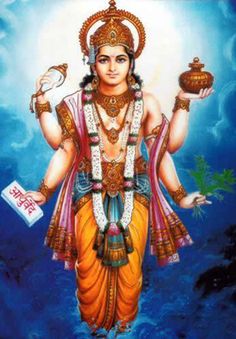
    Danvantri is the God of Medicine along with Aswini Devatas.

    Featued image is of Lord Danvantri .

    Hindus believe both in Mantra ,Mundane cure and Sastra,Surgery.

    Early Hindus had home remedies.

    Even today,in every Hindu Kitchen one box with Five compartments may be found.

    It is called Anjaraipetti in Tamil, meaning ‘ box with Five compartments’

    This has,

    Pepper,

    Mustard,

    Turmeric,

    Fenugreek, and

    Cumin seeds.

    By a combination of these most of the common illnesses were cured.

    Every king had a Royal physician.

    Every village had a medical facility.

    In this article let us see how Tamil King Rajaraja Chola organised hospitals.

    History records that,

    The earliest documented institutions aiming to provide cures were ancient Egyptiantemples. In ancient Greece, temples dedicated to the healer-god Asclepius, known as Asclepieia (Ancient Greek: Ἀσκληπιεῖα, sing. Asclepieion, Ἀσκληπιεῖον), functioned as centres of medical advice, prognosis, and healing.At these shrines, patients would enter a dream-like state of induced sleep known as enkoimesis (ἐγκοίμησις) not unlike anesthesia, in which they either received guidance from the deity in a dream or were cured by surgery. Asclepeia provided carefully controlled spaces conducive to healing and fulfilled several of the requirements of institutions created for healing. In the Asclepieion of Epidaurus, three large marble boards dated to 350 BC preserve the names, case histories, complaints, and cures of about 70 patients who came to the temple with a problem and shed it there. Some of the surgical cures listed, such as the opening of an abdominal abscess or the removal of traumatic foreign material, are realistic enough to have taken place, but with the patient in a state of enkoimesis induced with the help of soporific substances such as opium.The worship of Asclepius was adopted by the Romans. Under his Roman name Æsculapius, he was provided with a temple (291 BC) on an island in the Tiber in Rome, where similar rites were performed.
    Institutions created specifically to care for the ill also appeared early in India. Fa Xian, a Chinese Buddhist monk who travelled across India ca. 400 AD, recorded in his travelogue that

    The heads of the Vaishya [merchant] families in them [all the kingdoms of north India] establish in the cities houses for dispensing charity and medicine. All the poor and destitute in the country, orphans, widowers, and childless men, maimed people and cripples, and all who are diseased, go to those houses, and are provided with every kind of help, and doctors examine their diseases. They get the food and medicines which their cases require, and are made to feel at ease; and when they are better, they go away of themselves.

    The earliest surviving encyclopaedia of medicine in Sanskrit is the Carakasamhita (Compendium of Caraka). This text, which describes the building of a hospital is dated by the medical historian Dominik Wujastykto the period between 100 BCE and 150 CE.The description by Fa Xian is one of the earliest accounts of a civic hospital system anywhere in the world and this evidence, coupled with Caraka’s description of how a clinic should be built and equipped, suggests that India may have been the first part of the world to have evolved an organized cosmopolitan system of institutionally-based medical provision.King Ashoka is wrongly said by many secondary sources to have founded at hospitals in ca. 230 BCEAccording to the Mahavamsa, the ancient chronicle of Sinhalese royalty, written in the sixth century CE, King Pandukabhaya of Sri Lanka (reigned 437 BCE to 367 BCE) had lying-in-homes and hospitals (Sivikasotthi-Sala) built in various parts of the country. This is the earliest documentary evidence we have of institutions specifically dedicated to the care of the sick anywhere in the world.Mihintale Hospital is the oldest in the world.

    https://en.m.wikipedia.org/wiki/History_of_hospitals

    The worship of Asclepius was adopted by the Romans. Under his Roman name Æsculapius, he was provided with a temple (291 BC) on an island in the Tiber in Rome, where similar rites were performed.
    Institutions created specifically to care for the ill also appeared early in India. Fa Xian, a Chinese Buddhist monk who travelled across India ca. 400 AD, recorded in his travelogue that

    The heads of the Vaishya [merchant] families in them [all the kingdoms of north India] establish in the cities houses for dispensing charity and medicine. All the poor and destitute in the country, orphans, widowers, and childless men, maimed people and cripples, and all who are diseased, go to those houses, and are provided with every kind of help, and doctors examine their diseases. They get the food and medicines which their cases require, and are made to feel at ease; and when they are better, they go away of themselves.

    The earliest surviving encyclopaedia of medicine in Sanskrit is the Carakasamhita (Compendium of Caraka). This text, which describes the building of a hospital is dated by the medical historian Dominik Wujastykto the period between 100 BCE and 150 CE.The description by Fa Xian is one of the earliest accounts of a civic hospital system anywhere in the world and this evidence, coupled with Caraka’s description of how a clinic should be built and equipped, suggests that India may have been the first part of the world to have evolved an organized cosmopolitan system of institutionally-based medical provision.King Ashoka is wrongly said by many secondary sources to have founded at hospitals in ca. 230 BCEAccording to the Mahavamsa, the ancient chronicle of Sinhalese royalty, written in the sixth century CE, King Pandukabhaya of Sri Lanka (reigned 437 BCE to 367 BCE) had lying-in-homes and hospitals (Sivikasotthi-Sala) built in various parts of the country. This is the earliest documentary evidence we have of institutions specifically dedicated to the care of the sick anywhere in the world.Mihintale Hospital is the oldest in the world.

    https://en.m.wikipedia.org/wiki/History_of_hospitals

    The treatment of mentally ill persons in asylums was started by the Arabs in the ancient city of Baghdad in 705 AD and then at Cairo in 800 AD. Later the famous European asylums such as Bedlam, Salpetriere and the Madrid asylum were established. The Bethlem asylum which was commonly known as Bedlam was started in London in 1247 AD. Its location was changed many times in its long and chequered career. The Paris hospital for the treatment of mentally ill women, Salpetriere was founded by Louis XIV (1643-1715). It was originally the royal gunpowder factory, which, because of frequent accidental explosions was converted into an asylum. Pinel had liberated mentally ill patients from chains for the first time in the hospitals of Bicetre and Salpetriere.

    There is no mention of specific care for the mentally ill in the Tamil land prior to the Thirumukkudal epigraph (see below). Many of the afflicted, both mental and physical, took “asylum” in the areas adjoining the temples devoted to saivite and vaishnavite Vedic religions and the Jain and Buddhist monasteries (quite prevalent in those days). Some such temples in Tamil Nadu which are frequented to, by people with mental illnesses, even to this day are situated in Gunasilam, Tiruvidaimaruthur, and Sholingur.

    The most important and relevant epigraph pertaining to the treatment of the afflicted in a hospital set up (Aadhular Salai) is found in Thirumukkudal temple of Lord Venkateswara (situated on the road between Chengalpattu and Kanchipuram). This temple is situated at the confluence of three sacred rivers Vegavati, Cheyyar and Palar (hence the name Thirumukkudal).

    ..

    This temple was built by Veera Rajendra Deva (1063-1069 AD). He is the son of the famous Chola emperor Rajendra (1014-1044 AD) who led a successful expedition to the Ganges valley and established a maritime empire comprising of Kadaram (modern Kedah of Malaysia and adjoining areas) and Srivijaya (modern Sumatra). Rajendra also established diplomatic relations with Cambodia and China. His son, Veera Rajendra successfully subdued the Western Chalukyas, the combined forces of the Cheras and Pandyas, and also established his supremacy over the Eelam territory (modern Sri Lanka). He was also very religious like his father and grandfather, and built a number of temples including the one at Thirumukkudal.

    The inscription, found in this temple, is probably the first of its kind to give the composition of a small hospital of 15 beds and its staff. The hospital functioned in the Jananatha Mandapam in this temple. The hospital was named Veera Cholesvara Hospital and was provided with 15 beds. The hospital staff comprised of:

    • A doctor
    • A surgeon
    • 2 male nurses who brought herbs and firewood, and prepared medicines
    • 2 female nurses who administered doses of medicines, fed the patients, and attended to the cooking
    • A barber
    • A washer man
    • A potter
    • A gatekeeper.

    Provision was made for burning a lamp for the whole night. Drugs were prepared in the hospital in the form of medicated ghee (ghritham), medicated oil (thailam) and medicated water (made by mixing cardamom and lemon). The oil was applied to the body or only to the head and was thought to reduce the heat (anal) in one’s body. The external application of medicines was known as tuvalai. The other routes of administration of medicines were fumigation (vatu pitita), oral route (ullukku kottudal), nasal application (nasiyam), and ocular application (kallikam).The various drugs used were:

    An external file that holds a picture, illustration, etc.Object name is IJPsy-56-202-g001.jpg

    ..It could be surmised that this early Chola Hospital antedating Bethlem Hospital was treating the mentally ill along with the others.

    Source.

    *

    Articles from Indian Journal of Psychiatry are provided here courtesy of Wolters Kluwer — Medknow Publications.

    https://www.ncbi.nlm.nih.gov/pmc/articles/PMC4040075/https:///