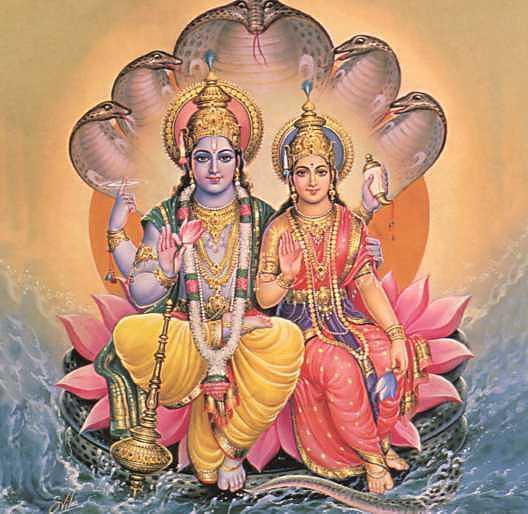
Tag: Upanishads

  • Lakshmi The Yogic Goddess Saubhagyalakshmi Upanishad Text

    Lakshmi The Yogic Goddess Saubhagyalakshmi Upanishad Text


    The worship of Lakshmi is intriguing.

    One normally associates Lakshmi only with wealth.

    Worship of Laksmi is quite ancient,though not by this name.

    Samadhi in Shaktism

    As salt thrown into water,
    dissolves completely as water,
    so the state of I-consciousness,
    dissolves in the supreme consciousness,
    this is Samadhi.

    Saubhagyalakshmi Upanishad 2.14

    She was called’Sri’.

    She is mentioned in the Rig Veda,the oldest literature of the world.

    This is the Saubhagyalakshmi Upanishad.

    Though we have the Sri Suktham,Saubhagyalakshmi Upanishad directly imparts Yoga.

    Probably this is the second text associated with Sri Vaishnavam,the other one being Lakshmi Tantra.

    I shall be writing in detail about Lakshmi and Sri Concept,where how these are Yogic treatises.


    Saubhagyalakshmi Upanishad. English .

    saubhāgyalakṣmīkaivalyavidyāvedyasukhākṛti ।
    tripānnārāyaṇānandaramacandrapadaṃ bhaje ॥
    oṃ vāṅme manasi pratiṣṭhitā mano me vāci
    pratiṣṭhitamāvirāvīrma edhi ॥
    vedasya ma āṇīsthaḥ śrutaṃ me mā
    prahāsīranenādhītenāhorātrānsandadhāmyṛtaṃ
    vadiṣyāmi satyaṃ vadiṣyāmi ॥
    tanmāmavatu tadvaktāramavatu avatu māmavatu
    vaktāramavatu vaktāram ॥oṃ śāntiḥ śāntiḥ śāntiḥ ॥

    hariḥ oṃ ॥atha bhagavantaṃ devā ūcurhe
    bhagavannaḥ kathaya saubhāgyalakṣmīvidyām ।
    tathetyavocadbhagavānādinārāyaṇaḥ sarve devā
    yūyaṃ sāvadhānamanaso bhūtvā śṛṇuta
    turīyarūpāṃ turīyātītāṃ sarvotkaṭāṃ
    sarvamantrāsanagatāṃ pīṭhopapīṭhadevatāparivṛtāṃ
    caturbhujāṃ śriyaṃ hiraṇyavarṇāmiti
    pañcadaśargbhirdhyāyet । atha pañcadaśa
    ṛgātmakasya śrīsūktasyānandakardamaciklītendirāsutā
    ṛṣayaḥ । śrīṛṣyādyā ṛcaḥ
    caturdaśānamṛcāmānandādyṛṣayaḥ ।
    hiraṇyavarṇādyādyatrayasyānuṣṭup chandaḥ ।
    kāṃsosmītyasya bṛhatī chandaḥ ।
    tadanyayordvayostriṣṭup । punaraṣṭakasyānuṣṭup ।
    śeṣasya prastārapaṅktiḥ । śryagnirdevatā ।
    hiraṇyavarṇāmiti bījam । kāṃso’smīti śaktiḥ ।
    hiraṇmayā candrā rajatasrajā hiraṇyā hiraṇyavarṇeti
    praṇavādinamontaiścaturthyantairaṅganyāsaḥ ।
    atha vaktratrayairaṅganyāsaḥ । mastakalocanaśrutighrāṇa-
    vadanakaṇṭhabāhudvayahṛdayanābhiguhyapāyūrujānujaṅgheṣu
    śrīsūktaireva kramaśo nyaset । aruṇakamalasaṃsthā
    tadrajaḥpuñjavarṇā karakamaladhṛteṣṭā’bhītiyugmāmbujā ca ।
    maṇikaṭakavicitrālaṅkṛtākalpajālaiḥ sakalabhuvanamātā
    santataṃ śrīḥ śriyai naḥ ॥1॥
    tatpīṭhakarṇikāyāṃ sasādhyaṃ śrībījam ।
    vasvādityakalāpadmeṣu śrīsūktagatārdhārdharcā
    tadbahiryaḥ śuciriti mātṛkayā ca śriyaṃ yantrāṅgadaśakaṃ
    ca vilikhya śriyamāvāhayet । aṅgaiḥ prathamā vṛttiḥ ।
    padmādibhirdvitīyā । sokeśaistṛtīyā । tadāyudhaisturīyā
    vṛttirbhavati । śrīsūktairāvāhanādi । ṣoḍaśasahasrajapaḥ ।
    saubhāgyaramaikākṣaryā bhṛgunicṛdgāyatrī । śriya ṛṣyādayaḥ ।
    śamiti bījaśaktiḥ । śrīmityādi ṣaḍaṅgam । bhūyādbhūyo
    dvipadmābhayavaradakarā taptakārtasvarābhā śubhrābhrābhebhayugma-
    dvayakaradhṛtakumbhādbhirāsicyamānā । raktaughābaddhamauli-
    rvimalataradukūlārtavālepanāḍhyā padmākṣī padmanābhorasi
    kṛtavasatiḥ padmagā śrīḥ śriyai naḥ ॥1॥
    tatpīṭham । aṣṭapatraṃ vṛttatrayaṃ dvādaśarāśikhaṇḍaṃ
    caturasraṃ ramāpīṭhaṃ bhavati । karṇikāyāṃ sasādhyaṃ śrībījam ।
    vibhūtirunnatiḥ kāntiḥ sṛṣṭiḥ kīrtiḥ sannatirvyuṣṭiḥ
    satkṛṣṭirṛddhiriti praṇavādinamo taiścaturthyantairnavaśaktiṃ
    yajet । aṅge prathamā vṛtiḥ ।
    vāsudevābhirdvitīyā । bālākyādibhistṛtīyā ।
    indrādibhiścaturthī bhavati ।
    dvādaśalakṣajapaḥ । śrīlakṣmīrvaradā viṣṇupatnī
    vasupradā hiraṇyarūpā
    svarṇamālinī rajatasrajā svarṇaprabhā svarṇaprākārā
    padmavāsinī padmahastā
    padmapriyā muktālaṅkārā candrasūryā bilvapriyā īśvarī
    bhuktirmuktirvibhūtirṛddhiḥ samṛddhiḥ kṛṣṭiḥ
    puṣṭirdhanadā dhaneśvarī
    śraddhā bhoginī bhogadā sāvitrī dhātrī
    vidhātrītyādipraṇavādinamontāścaturthyantā
    mantrāḥ । ekākṣaravadaṅgādipīṭham । lakṣajapaḥ ।
    daśāṃśaṃ tarpaṇam ।
    daśāṃśaṃ havanam । dvijatṛptiḥ । niṣkāmānāmeva
    śrīvidyāsiddhiḥ ।
    na kadāpi sakāmānāmiti ॥1॥
    atha hainaṃ devā ūcusturīyayā māyayā nirdiṣṭaṃ
    tattvaṃ brūhīti । tatheti sa hovāca ।
    yogena yogo jñātavyo yogo yogātpravardhate ।
    yo’pramattastu yogena sa yogī ramate ciram ॥1॥
    samāpayya nidrāṃ sijīrṇe’lpabhojī
    śramatyājyabādhe vivikte pradeśe ।
    sadā śītanistṛṣṇa eṣa prayatno’tha
    vā prāṇarodho nijābhyāsamārgāt ॥2॥
    vaktreṇāpūrya vāyuṃ hutavalanilaye’pānamākṛṣya dhṛtvā
    svāṅguṣṭhādyaṅgulībhirvarakaratalayoḥ ṣaḍbhirevaṃ nirudhya ।
    śrotre netre ca nāsāpuṭayugalamato’nena mārgeṇa samyak-
    paśyanti pratyayāśaṃ praṇavabahuvidhadhyānasaṃlīnacittāḥ ॥3॥
    śravaṇamukhanayananāsānirodhanenaiva kartavyam ।
    śuddhasuṣumnāsaraṇau sphuṭamamalaṃ śrūyate nādaḥ ॥4॥
    vicitraghoṣasaṃyuktānāhate śrūyate dhvaniḥ ।
    divyadehaśca tejasvī divyagandho’pyarogavān ॥5॥
    saṃpūrṇahṛdayaḥ śūnye tvārambhe yogavānbhavet ।
    dvitīyā vighaṭīkṛtya vāyurbhavati madhyagaḥ ॥6॥
    dṛḍhāsano bhavedyogī padmādyāsanasaṃsthitaḥ ।
    viṣṇugranthestato bhedātparamānandasambhavaḥ ॥7॥
    atiśūnyo vimardaśca bherīśabdastato bhavet ।
    tṛtīyāṃ yatnato bhittvā ninādo mardaladhvaniḥ ॥8॥
    mahāśūnyaṃ tato yāti sarvasiddhisamāśrayam ।
    cittānandaṃ tato bhittvā sarvapīṭhagatānilaḥ ॥9॥
    niṣpattau vaiṣṇavaḥ śabdaḥ kvaṇatīti kvaṇo bhavet ।
    ekībhūtaṃ tadā cittaṃ sanakādimunīḍitam ॥10॥
    ante’nantaṃ samāropya khaṇḍe’khaṇḍaṃ samarpayan ।
    bhūmānaṃ prakṛtiṃ dhyātvā kṛtakṛtyo’mṛto bhavet ॥11॥
    yogena yogaṃ saṃrodhya bhāvaṃ bhāvena cāñjasā ।
    nirvikalpaṃ paraṃ tattvaṃ sadā bhūtvā paraṃ bhavet ॥12॥
    ahaṃbhāvaṃ parityajya jagadbhāvamanīdṛśam ।
    nirvikalpe sthito vidvānbhūyo nāpyanuśocati ॥13॥
    salile saindhāvaṃ yadvatsāmyaṃ bhavati yogataḥ ।
    tathātmamanasaurekyaṃ samādhirabhidhīyate ॥14॥
    yadā saṃkṣīyate prāṇo mānasaṃ ca pralīyate ।
    tadā samarasatvaṃ yatsamādhirabhidhīyate ॥15॥
    yatsamatvaṃ tayoratra jīvātmaparamātmanoḥ ।
    samastanaṣṭasaṅkalpaḥ samādhirabhidhīyate ॥16॥
    prabhāśūnyaṃ manaḥśūnyaṃ buddhiśūnyaṃ nirāmayam ।
    sarvaśūnyaṃ nirābhāsaṃ samādhirabhidhīyate ॥17॥
    svayamuccalite dehe dehī nityasamādhinā ।
    niścalaṃ taṃ vijānīyātsamādhirabhidhīyate ॥18॥
    yatrayatra mano yāti tatratatra paraṃ padam ।
    tatratatra paraṃ brahma sarvatra samavasthitam ॥19॥iti॥॥2॥
    atha hainaṃ devā ūcurnavacakravivekamanubrūhīti ।
    tatheti sa hovāca ādhāre brahmacakraṃ trirāvṛttaṃ
    bhagamaṇḍalākāram । tatra mūlakande śaktiḥ pāvakākāraṃ
    dhyāyet । tatraiva kāmarūpapīṭhaṃ sarvakāmapradaṃ bhavati ।
    ityādhāracakram । dvitīyaṃ svādhiṣṭhānacakraṃ
    ṣaḍdalam । tanmadhye paścimābhimukhaṃ liṅgaṃ
    pravālāṅkurasadṛśaṃ dhyāyet । tatraivoḍyāṇapīṭhaṃ
    jagadākarṣaṇasiddhidaṃ bhavati । tṛtīyaṃ
    nābhicakraṃ pañcāvartaṃ sarpakuṭilākāram ।
    tanmadhye kuṇḍalinīṃ bālārkakoṭiprabhāṃ
    tanumadhyāṃ dhyāyet । sāmarthyaśaktiḥ sarvasiddhipradā
    bhavati । maṇipūracakraṃ hṛdayacakram ।
    aṣṭadalamadhomukham । tanmadhye jyotirmayaliṅgākāraṃ
    dhyāyet । saiva haṃsakalā sarvapriyā sarvalokavaśyakarī
    bhavati । kaṇṭhacakraṃ caturaṅgulam । tatra vāme iḍā
    candranāḍī dakṣiṇe piṅgalā sūryanāḍī tanmadhye suṣumnāṃ
    śvetavarṇāṃ dhyāyet । ya evaṃ vedānāhatā siddhidā bhavati ।
    tālucakram । tatrāmṛtadhārāpravāhaḥ ।
    ghaṇṭikāliṅgamūlacakrarandhre rājadantāvalambinīvivaraṃ
    daśadvādaśāram । tatra śūnyaṃ dhyāyet । cittalayo bhavati ।
    saptamaṃ bhrūcakramaṅguṣṭhamātram । tatra jñānanetraṃ
    dīpaśikhākāraṃ dhyāyet । tadeva kapālakandavāksiddhidaṃ
    bhavati । ājñācakramaṣṭamam । brahmarandhraṃ nirvāṇacakram ।
    tatra sūcikāgṛhetaraṃ dhūmraśikhākāraṃ dhyāyet । tatra
    jālandharapīṭhaṃ mokṣapradaṃ bhavatīti parabrahmacakram ।
    navamamākāśacakram । tatra ṣoḍaśadalapadmamūrdhvamukhaṃ
    tanmadhyakarṇikātrikūṭākāram । tanmadhye ūrdhvaśaktiḥ ।
    tāṃ paśyandhyāyet । tatraiva pūrṇagiripīṭhaṃ
    sarvecchāsiddhisādhanaṃ bhavati । saubhāgyalakṣmyupaniṣadaṃ
    nityamadhīte yo’gnipūto bhavati । sa vāyupūto bhavati । sa
    sakaladhanadhānyasatputrakalatrahayabhūgajapaśumahiṣīdāsīdāsa-
    yogajñānavānbhavati । na sa punarāvartate na sa punarāvartata
    ityupaniṣat ।

    oṃ vāṅme manasi pratiṣṭhitā mano me vāci pratiṣṭhitam
    āvirāvīrma edhi ॥vedasya ma āṇīsthaḥ śrutaṃ me mā
    prahāsīranenādhītenāhorātrānsandadhāmyṛtaṃ vadiṣyāmi
    satyaṃ vadiṣyāmi ॥tanmāmavatu tadvaktāramavatu avatu māmavatu
    vaktāramavatu vaktāram ॥oṃ śāntiḥ śāntiḥ śāntiḥ ॥
    iti śrīsaubhāgyalakṣmyupaniṣatsamāptā ॥

    Sanskrit text Saubhagyalakshmi Upanishad.

    ॥ सौभाग्यलक्ष्म्युपनिषत् ॥
    
    सौभाग्यलक्ष्मीकैवल्यविद्यावेद्यसुखाकृति ।
    त्रिपान्नारायणानन्दरमचन्द्रपदं भजे ॥
    
    ॐ वाङ्मे मनसि प्रतिष्ठिता मनो मे वाचि
    प्रतिष्ठितमाविरावीर्म एधि ॥
    
    वेदस्य म आणीस्थः श्रुतं मे मा
    प्रहासीरनेनाधीतेनाहोरात्रान्सन्दधाम्यृतं
    वदिष्यामि सत्यं वदिष्यामि ॥
    
    तन्मामवतु तद्वक्तारमवतु अवतु मामवतु
    वक्तारमवतु वक्तारम् ॥ ॐ शान्तिः शान्तिः शान्तिः ॥
    
    हरिः ॐ ॥ अथ भगवन्तं देवा ऊचुर्हे
    भगवन्नः कथय सौभाग्यलक्ष्मीविद्याम् ।
    तथेत्यवोचद्भगवानादिनारायणः सर्वे देवा
    यूयं सावधानमनसो भूत्वा शृणुत
    तुरीयरूपां तुरीयातीतां सर्वोत्कटां
    सर्वमन्त्रासनगतां पीठोपपीठदेवतापरिवृतां
    चतुर्भुजां श्रियं हिरण्यवर्णामिति
    पञ्चदशर्ग्भिर्ध्यायेत् । अथ पञ्चदश
    ऋगात्मकस्य श्रीसूक्तस्यानन्दकर्दमचिक्लीतेन्दिरासुता
    ऋषयः । श्रीऋष्याद्या ऋचः
    चतुर्दशानमृचामानन्दाद्यृषयः ।
    हिरण्यवर्णाद्याद्यत्रयस्यानुष्टुप् छन्दः ।
    कांसोस्मीत्यस्य बृहती छन्दः ।
    तदन्ययोर्द्वयोस्त्रिष्टुप् । पुनरष्टकस्यानुष्टुप् ।
    शेषस्य प्रस्तारपङ्क्तिः । श्र्यग्निर्देवता ।
    हिरण्यवर्णामिति बीजम् । कांसोऽस्मीति शक्तिः ।
    हिरण्मया चन्द्रा रजतस्रजा हिरण्या हिरण्यवर्णेति
    प्रणवादिनमोन्तैश्चतुर्थ्यन्तैरङ्गन्यासः ।
    अथ वक्त्रत्रयैरङ्गन्यासः । मस्तकलोचनश्रुतिघ्राण-
    वदनकण्ठबाहुद्वयहृदयनाभिगुह्यपायूरुजानुजङ्घेषु
    श्रीसूक्तैरेव क्रमशो न्यसेत् । अरुणकमलसंस्था
    तद्रजःपुञ्जवर्णा करकमलधृतेष्टाऽभीतियुग्माम्बुजा च ।
    मणिकटकविचित्रालङ्कृताकल्पजालैः सकलभुवनमाता
    सन्ततं श्रीः श्रियै नः ॥ १॥
    
    तत्पीठकर्णिकायां ससाध्यं श्रीबीजम् ।
    वस्वादित्यकलापद्मेषु श्रीसूक्तगतार्धार्धर्चा
    तद्बहिर्यः शुचिरिति मातृकया च श्रियं यन्त्राङ्गदशकं
    च विलिख्य श्रियमावाहयेत् । अङ्गैः प्रथमा वृत्तिः ।
    पद्मादिभिर्द्वितीया । सोकेशैस्तृतीया । तदायुधैस्तुरीया
    वृत्तिर्भवति । श्रीसूक्तैरावाहनादि । षोडशसहस्रजपः ।
    सौभाग्यरमैकाक्षर्या भृगुनिचृद्गायत्री । श्रिय ऋष्यादयः ।
    शमिति बीजशक्तिः । श्रीमित्यादि षडङ्गम् । भूयाद्भूयो
    द्विपद्माभयवरदकरा तप्तकार्तस्वराभा शुभ्राभ्राभेभयुग्म-
    द्वयकरधृतकुम्भाद्भिरासिच्यमाना । रक्तौघाबद्धमौलि-
    र्विमलतरदुकूलार्तवालेपनाढ्या पद्माक्षी पद्मनाभोरसि
    कृतवसतिः पद्मगा श्रीः श्रियै नः ॥ १॥
    
    तत्पीठम् । अष्टपत्रं वृत्तत्रयं द्वादशराशिखण्डं
    चतुरस्रं रमापीठं भवति । कर्णिकायां ससाध्यं श्रीबीजम् ।
    विभूतिरुन्नतिः कान्तिः सृष्टिः कीर्तिः सन्नतिर्व्युष्टिः
    सत्कृष्टिरृद्धिरिति प्रणवादिनमो तैश्चतुर्थ्यन्तैर्नवशक्तिं
    यजेत् । अङ्गे प्रथमा वृतिः ।
    वासुदेवाभिर्द्वितीया । बालाक्यादिभिस्तृतीया ।
    इन्द्रादिभिश्चतुर्थी भवति ।
    द्वादशलक्षजपः । श्रीलक्ष्मीर्वरदा विष्णुपत्नी
    वसुप्रदा हिरण्यरूपा
    स्वर्णमालिनी रजतस्रजा स्वर्णप्रभा स्वर्णप्राकारा
    पद्मवासिनी पद्महस्ता
    पद्मप्रिया मुक्तालङ्कारा चन्द्रसूर्या बिल्वप्रिया ईश्वरी
    भुक्तिर्मुक्तिर्विभूतिरृद्धिः समृद्धिः कृष्टिः
    पुष्टिर्धनदा धनेश्वरी
    श्रद्धा भोगिनी भोगदा सावित्री धात्री
    विधात्रीत्यादिप्रणवादिनमोन्ताश्चतुर्थ्यन्ता
    मन्त्राः । एकाक्षरवदङ्गादिपीठम् । लक्षजपः ।
    दशांशं तर्पणम् ।
    दशांशं हवनम् । द्विजतृप्तिः । निष्कामानामेव
    श्रीविद्यासिद्धिः ।
    न कदापि सकामानामिति ॥ १॥
    
    अथ हैनं देवा ऊचुस्तुरीयया मायया निर्दिष्टं
    तत्त्वं ब्रूहीति । तथेति स होवाच ।
    योगेन योगो ज्ञातव्यो योगो योगात्प्रवर्धते ।
    योऽप्रमत्तस्तु योगेन स योगी रमते चिरम् ॥ १॥
    
    समापय्य निद्रां सिजीर्णेऽल्पभोजी
         श्रमत्याज्यबाधे विविक्ते प्रदेशे ।
    सदा शीतनिस्तृष्ण एष प्रयत्नोऽथ
         वा प्राणरोधो निजाभ्यासमार्गात् ॥ २॥
    
    वक्त्रेणापूर्य वायुं हुतवलनिलयेऽपानमाकृष्य धृत्वा
         स्वाङ्गुष्ठाद्यङ्गुलीभिर्वरकरतलयोः षड्भिरेवं निरुध्य ।
    श्रोत्रे नेत्रे च नासापुटयुगलमतोऽनेन मार्गेण सम्यक्-
         पश्यन्ति प्रत्ययाशं प्रणवबहुविधध्यानसंलीनचित्ताः ॥ ३॥
    
    श्रवणमुखनयननासानिरोधनेनैव कर्तव्यम् ।
    शुद्धसुषुम्नासरणौ स्फुटममलं श्रूयते नादः ॥ ४॥
    
    विचित्रघोषसंयुक्तानाहते श्रूयते ध्वनिः ।
    दिव्यदेहश्च तेजस्वी दिव्यगन्धोऽप्यरोगवान् ॥ ५॥
    
    सम्पूर्णहृदयः शून्ये त्वारम्भे योगवान्भवेत् ।
    द्वितीया विघटीकृत्य वायुर्भवति मध्यगः ॥ ६॥
    
    दृढासनो भवेद्योगी पद्माद्यासनसंस्थितः ।
    विष्णुग्रन्थेस्ततो भेदात्परमानन्दसम्भवः ॥ ७॥
    
    अतिशून्यो विमर्दश्च भेरीशब्दस्ततो भवेत् ।
    तृतीयां यत्नतो भित्त्वा निनादो मर्दलध्वनिः ॥ ८॥
    
    महाशून्यं ततो याति सर्वसिद्धिसमाश्रयम् ।
    चित्तानन्दं ततो भित्त्वा सर्वपीठगतानिलः ॥ ९॥
    
    निष्पत्तौ वैष्णवः शब्दः क्वणतीति क्वणो भवेत् ।
    एकीभूतं तदा चित्तं सनकादिमुनीडितम् ॥ १०॥
    
    अन्तेऽनन्तं समारोप्य खण्डेऽखण्डं समर्पयन् ।
    भूमानं प्रकृतिं ध्यात्वा कृतकृत्योऽमृतो भवेत् ॥ ११॥
    
    योगेन योगं संरोध्य भावं भावेन चाञ्जसा ।
    निर्विकल्पं परं तत्त्वं सदा भूत्वा परं भवेत् ॥ १२॥
    
    अहंभावं परित्यज्य जगद्भावमनीदृशम् ।
    निर्विकल्पे स्थितो विद्वान्भूयो नाप्यनुशोचति ॥ १३॥
    
    सलिले सैन्धावं यद्वत्साम्यं भवति योगतः ।
    तथात्ममनसौरेक्यं समाधिरभिधीयते ॥ १४॥
    
    यदा संक्षीयते प्राणो मानसं च प्रलीयते ।
    तदा समरसत्वं यत्समाधिरभिधीयते ॥ १५॥
    
    यत्समत्वं तयोरत्र जीवात्मपरमात्मनोः ।
    समस्तनष्टसङ्कल्पः समाधिरभिधीयते ॥ १६॥
    
    प्रभाशून्यं मनःशून्यं बुद्धिशून्यं निरामयम् ।
    सर्वशून्यं निराभासं समाधिरभिधीयते ॥ १७॥
    
    स्वयमुच्चलिते देहे देही नित्यसमाधिना ।
    निश्चलं तं विजानीयात्समाधिरभिधीयते ॥ १८॥
    
    यत्रयत्र मनो याति तत्रतत्र परं पदम् ।
    तत्रतत्र परं ब्रह्म सर्वत्र समवस्थितम् ॥ १९॥ इति॥ ॥ २॥
    
    अथ हैनं देवा ऊचुर्नवचक्रविवेकमनुब्रूहीति ।
    तथेति स होवाच आधारे ब्रह्मचक्रं त्रिरावृत्तं
    भगमण्डलाकारम् । तत्र मूलकन्दे शक्तिः पावकाकारं
    ध्यायेत् । तत्रैव कामरूपपीठं सर्वकामप्रदं भवति ।
    इत्याधारचक्रम् । द्वितीयं स्वाधिष्ठानचक्रं
    षड्दलम् । तन्मध्ये पश्चिमाभिमुखं लिङ्गं
    प्रवालाङ्कुरसदृशं ध्यायेत् । तत्रैवोड्याणपीठं
    जगदाकर्षणसिद्धिदं भवति । तृतीयं
    नाभिचक्रं पञ्चावर्तं सर्पकुटिलाकारम् ।
    तन्मध्ये कुण्डलिनीं बालार्ककोटिप्रभां
    तनुमध्यां ध्यायेत् । सामर्थ्यशक्तिः सर्वसिद्धिप्रदा
    भवति । मणिपूरचक्रं हृदयचक्रम् ।
    अष्टदलमधोमुखम् । तन्मध्ये ज्योतिर्मयलिङ्गाकारं
    ध्यायेत् । सैव हंसकला सर्वप्रिया सर्वलोकवश्यकरी
    भवति । कण्ठचक्रं चतुरङ्गुलम् । तत्र वामे इडा
    चन्द्रनाडी दक्षिणे पिङ्गला सूर्यनाडी तन्मध्ये सुषुम्नां
    श्वेतवर्णां ध्यायेत् । य एवं वेदानाहता सिद्धिदा भवति ।
    तालुचक्रम् । तत्रामृतधाराप्रवाहः ।
    घण्टिकालिङ्गमूलचक्ररन्ध्रे राजदन्तावलम्बिनीविवरं
    दशद्वादशारम् । तत्र शून्यं ध्यायेत् । चित्तलयो भवति ।
    सप्तमं भ्रूचक्रमङ्गुष्ठमात्रम् । तत्र ज्ञाननेत्रं
    दीपशिखाकारं ध्यायेत् । तदेव कपालकन्दवाक्सिद्धिदं
    भवति । आज्ञाचक्रमष्टमम् । ब्रह्मरन्ध्रं निर्वाणचक्रम् ।
    तत्र सूचिकागृहेतरं धूम्रशिखाकारं ध्यायेत् । तत्र
    जालन्धरपीठं मोक्षप्रदं भवतीति परब्रह्मचक्रम् ।
    नवममाकाशचक्रम् । तत्र षोडशदलपद्ममूर्ध्वमुखं
    तन्मध्यकर्णिकात्रिकूटाकारम् । तन्मध्ये ऊर्ध्वशक्तिः ।
    तां पश्यन्ध्यायेत् । तत्रैव पूर्णगिरिपीठं
    सर्वेच्छासिद्धिसाधनं भवति । सौभाग्यलक्ष्म्युपनिषदं
    नित्यमधीते योऽग्निपूतो भवति । स वायुपूतो भवति । स
    सकलधनधान्यसत्पुत्रकलत्रहयभूगजपशुमहिषीदासीदास-
    योगज्ञानवान्भवति । न स पुनरावर्तते न स पुनरावर्तत
    इत्युपनिषत् ।
    
    ॐ वाङ्मे मनसि प्रतिष्ठिता मनो मे वाचि प्रतिष्ठितम्
    आविरावीर्म एधि ॥ वेदस्य म आणीस्थः श्रुतं मे मा
    प्रहासीरनेनाधीतेनाहोरात्रान्सन्दधाम्यृतं वदिष्यामि
    सत्यं वदिष्यामि ॥ तन्मामवतु तद्वक्तारमवतु अवतु मामवतु
    वक्तारमवतु वक्तारम् ॥ ॐ शान्तिः शान्तिः शान्तिः ॥
    
    इति श्रीसौभाग्यलक्ष्म्युपनिषत्समाप्ता ॥
    
    
    Encoded by Sunder Hattangadi (sunderh@hotmail.com)

    References and Citations.

    Sanskrit text source. A good site for rare mantras.

    http://sanskritdocuments.org/doc_upanishhat/saubhagya.html?lang=sa

    English version source.

    http://upanishad.info/upanishads/text/rigveda/translitration/saubhagya-lakshmi

  • What Is Yoga Upanishad, The List

    Yoga means ‘Union’, that is connecting with the Reality, Brahman,the One with no attributes.In Saguna Upasna,worship of Reality with Attributes is practiced.

    In fact it was Patanjali  who introduced the concept of Ishwara into otherwise worship of Reality as without Attributes or Nirguna Brahman.

    When one analyses the  systems of Yoga, one would find some common characteristics as well as differences.

    While the effort to realize Self  is common to all, the methodology differs.

    Essentially , there are five aspects or components in Yoga.

    e1386-clipboard01

    1.Postures.

    2 .Breath control.

    3.Meditation, Dhyana,

    4.Nada ,Sound,

    5.Tantra.

    Patanjali’s Yoga Sutra deals more with Meditation or Dhyana,while the Siddhas emphasize Breath control,Vaasi Yoga.

    I shall write more on this later.

    And there seems to be some Deities or system of worshiping a specific God or Goddess.

    We have, thus, Shaiva,Shakta,Vaishnava Yoga Upanishads.

    And we have Samanya, common Yoga Upanishads for Gruhastha or householders and  Sannyasa Yoga Upanishads for the Renounced.

    I have written on some of these Yoga Upanishads.

    Shall write further.

    Here is the list of twenty Yoga Upanishads.


    List of Yoga Upanishads.

    1. Hamsa Upanishad  Sukla Yajurveda
    2. Amritabindu Upanishad Atharvaveda
    3. Nadabindu Upanishad or Amrita Nada Bindu Upanishad Rigveda or Atharvaveda
    4. Kshurika Upanishad Atharvaveda Krishna Yajurveda
    5. Tejobindu Upanishad Atharvaveda
    6. Nadabindu Upanishad. Atharvaveda and Rig Veda.
    7. Dhyanabindu Upanishad. Atharvaveda and Samaveda
    8. Brahmavidya Upanishad. Atharvaveda and Krishna YajurVeda.
    9. Yogatattva Upanishad Atharvaveda.
    10. Trishikhibrahmana Upanishad. Shukla YajurVeda.
    11. Yogachudamani Upanishad. Samaveda.
    12. Mandala-brahmana Upanishad Shukla Yajurveda.
    13. Advayataraka Upanishad  Shukla Yajurveda.
    14. Shandilya Upanisishad Atharva Veda.
    15. Yogashikha Upanishad Krishna Yajur Veda.
    16. EPashupatabrahma Upanishad77Atharvaveda
    17. Yoga-kundalini Upanishad. Krishna Yajur, Veda.
    18. Yogasutras Darshana Upanishad Samaveda
    19. Mahavakya Upanishad Atharvda
    20. Varaha Upanishad. Krishna Yajurveda.

    Reference.

    https://en.m.wikipedia.org/wiki/Yoga_Upanishads

    https://ramanisblog.in/2014/04/22/108-upanishads-complete-list/

  • Vedas Alone Not Hinduism Shad Darsana Six Systems Indian Philosophy

    Indian philosophy and the Religion of the Hindus differ from other religions in that,

    1. It has no founder.

    2. It is not dogmatic and one can follow what one is inclined to.

    3. It has no strict rules to follow in that it does not condemn you to Hell.

    4. It does not proselytize.

    Reality, Brahman of HinduismT
    Brahman, The Reality

    5. No single individual is considered as the authority in matters relating Hinduism

    6. It has no written texts and these have been transmitted orally for over five thousand years.

    7.It accommodates all views including the Atheists; you can be an Atheist and still be A Hindu.

    8.It fixes individual responsibility. You can not escape from the results of your actions by assigning it to some one else.

    9. It treats all Beings and also the Insentient equally.

    10. There is no procedure to become a Hindu nor is there any question of expelling some one from Hinduism and readmitting.

    11. Indian philosophy is based on Intuition and experience , though Logic and other tools of knowledge are used to verify or support Knowledge gained by Intuition.

    The systems of Indian philosophy have the following components.

    a) Theory of Knowledge or Epistemology.

    The systems decide first what knowledge is and proceed what instruments to use to gain Knowledge.

    There are some instruments of Knowledge through which we gain knowledge.

    Knowledge is taken at its core meaning, to be aware of.

    That it is correct, incorrect, Right or Wrong comes later when judgement are made.

    Facts are differentiated from Impression of Facts.

    Prathyaksha. Is what is known through senses.

    b)Anumana is Inference.

    c)Upamana is Comparison , with similar things.

    d) Tharka ,  Logic where Knowledge is derived from Logical steps through Syllogism.

    e) Sabda , from Testimony fro others.

    f) Intuition.

    The tools of knowledge followed by a system decides its philosophy..

    Systems of Indian Philosophy, Religion.

    In India Religion and Philosophy are interwoven.

    There is no separation of the two.

    A philosophy not worth practicing is not considered at all.

    Religion is to be experienced and there is no such thing as Practising Religion and non practicing religion.

    Many believe, even Hindus, that the Vedas alone constitute Indian Philosophy.

    Not true.

    We have Jainism, Buddhism, Buddhism , Carvakas and Ajivakas whih form a parf Indian Philosophy.

    They existed along with the Vedas.

    And they were accepted.

    Another feature of Hinduism is the definition of Atheism.

    It has nothing to do with the belief in God.

    One can be a Hindu and remain an Atheist ,like Carvakas, Buddhist,Ajivaka.

    These are totally opposed to Vedas and deny their authority.

    Orthodox systems are those which belive in the Authoroty of the Vedas.

    Those, like Jainism are called Heterodox and they do not believe in the Vedas.

    Even among the Orthodox systems which believe in the authority of the Vedas deny God, like The Nyaya System.

    Philosophical systems are called Darsana.

    Darśana, also darśana or darshanam, Sanskrit: दर्शन from dṛś, meaning “to see”, vision, apparition, or glimpse.

    Though there are other meanings like The darsana of God/Holy men , in Indian Philosophy the term Darsana is used in the meaning meaning provided above.

    It may be called as Perspective.

    Reality or Truth has many facets.

    One discerns what one is inclined to

    The six systems of Hinduism are.

    They are called the Shad (six) Darsana

    Nyaya,the realism school emphasizing analytics and logic,

    Vaiseshika,the naturalism school with atomistic themes and related to the Nyaya schoo

    Sankhya, the rationalism school with dualism and atheistic themes,

    Yoga,school similar to Samkhya but accepts personally defined theistic themes,

    Purva Mimamsa or  Mimamsa), the ritualism school with Vedic exegesis and philology emphasis

    Uttara Mimasa or Vedanta, the Upanishadic tradition, with many sub-schools ranging from dualism to non-dualism.

    It has nothing to do with the belief in God.

    One can be a Hindu and remain an Atheist ,like Carvakas, Buddhist,Ajivaka.

    These are totally opposed to Vedas and deny their authority.

    Orthodox systems are those which believe in the Authority of the Vedas.

    Those, like Jainism are called Heterodox and they do not believe in the Vedas.

    Even among the Orthodox systems which believe in the authority of the Vedas deny God, like The Nyaya System.

    Please read my articles on FAQs of Hinduism.

    I shall e writing in detail on each of these systems in detail.

    Reference and citation.

    https://en.wikipedia.org/wiki/Indian_philosophy


  • Marrried Men Women Are Brahmacharis

    The term Brahmacharya means, ‘going after Brahman’ ,The Reality.

    This has two connotations in practice.

    One is engaging oneself in the pursuit of Reality.

    Lord Hanuman Sitting .Image Lord Hanuman In Sitting Posture.

    The other is the virtue of practicing celibacy.

    Let us study the Etymology of the word.

    The word brahmacharya stems from two Sanskrit roots:

    1. Brahma (ब्रह्म, shortened from Brahman), means “the one self-existent Spirit, the Absolute Reality, Universal Self, Personal God, the sacred knowledge”.
    2. charya (चर्य), which means “occupation with, engaging, proceeding , behaviour, conduct, to follow, going after”..This is often translated as activity, mode of behaviour, a “virtuous” way of life.

    So the word Brahmacharya literally means a lifestyle adopted to seek and understand Brahman – the Ultimate Reality.

    In historic literature of Hinduism, it means “devoting oneself to Brahman”.

    In modern literature, it is commonly translated to mean celibacy for those unmarried, and fidelity to one’s partner when married.

    In ancient and medieval era Indian texts, the term brahmacharya is a concept with more complex meaning. Brahmacharya embodies in its meaning an overall lifestyle that helps the pursuit of sacred knowledge and spiritual liberation.It is a means, not an end, and usually includes cleanliness, ahimsa, simple living, studies, meditation, voluntary restraints on certain diet, intoxicants and behaviors (including sexual behavior)’

    So, one interpretation, which is basic, is that Brahmacharya means making efforts to Realize Brahman, The Reality.

    Brahman can be realized, according to scriptures, with the help of a Preceptor, Guru..

    Though the Smritis  /Sruthi declare that Brahmacharya begins with Upanayana, at an early age with the Upanayana, which is recommended at ages between 5 , 7, and 9,people were aware that the quest for Brahman might arise in an individual at a later date, say at the age 25, 30, 40 or even 50.

    In such cases  by following of the enquiry into the nature of Brahman, one becomes a Brahmachari, a Student.

    He could be a married man or woman.

    Being married or unmarried , man or woman is no hindrance in pursuing the Reality Brahaman.

    We have many Grahasthas, married people as great Rishis, Vasishta,Krupar,Kashyapa, Agastya, Gargi , Maitreyi.

    Therefore these great souls, though married are students, Brahmacharis, as they pursued Brahama Gnana.

    Hence a Married man is also a Brahmachari in this sense.

    Brahmacharya indicates a Stage of life,  that of study.

    The four Asramas are

    Brahmacharya,

    Gruhastha,

    Vanaprastha and Sanyasa.

    These relate to the dispositions and the actions being contemplated upon by the individual, while Celibacy is a part of Sadhana marga which expedites spiritual journey.

    Coming to Celibacy,

    Celibacy is essential in preserving the Semen from falling to the ground or flowing down as this hinders the spiritual growth,

    It is called Urthvarethas,

    Meaning that the semen flows upwards through the Chakras in the body to reach the Sahasrara in the head,

    This Celibacy is called Naishtika Brahmacharrya.(not allowing the semen to flow down)

    Bhishma is a Naishtika Brahmachari.

    He is the only Naishtika Brahmachari, apart from Hanuman.

    This is  the reason, why Devavrataha, was  called Bhishma, one who does the Impossible.

    In the case of the Grahasthas, so long as their object of physical interaction is to produce progeny without Lust, they are also rated high in the scheme of things.

    King Janaka is one such.

    Therefore a married one can also be called a Brahmachari, provided he/ she is after the enquiry into the Nature of Brahman.

    Citation.

    https://en.wikipedia.org/wiki/Brahmacharya#Etymology

  • Soul Immortal Body Dies Why Sraddha Pinda?

    A reader posed an interesting question, which I am reproducing below.

    ‘a SMALL DOUBT sOUL IS NOT PERISHABLE. THERE IS REBIRTH AFTER DEATH. THEN WHY THESE SHARDHAMS AND PINDAS FOR THE EXISTING ONES. CURIOSITY OF VEDIC REFERENCES. WE ARE MOULD OF FLESH AND BONES AND WE HAVE NO REACH ON IMMORTALITY. CAN YOU DISCUSS. THANKS’

    I remember having written on this , in the passing, while on another article.

    As the issues involved are complex and many have the same doubt, I would like to clarify.

    True, the Atman is Imperishable, Immortal , timeless

    The Vedas and the Upanishads stress this point and the entire Indian Philosophy revolves on this concept of Atman

    The Bhagavad Gita states thus.

    Bhagavad Gita Verse Chapter 2.Sloka 20. on the Nature of Atman.

    Bhagavad Gita Verse on the Nature of Atman.jpg Bhagavad Gita Verse on the Nature of Atman, Self .Chap.2,Sloka20

    The body is the instrument through which the fruits of actions, the Karmaphalas are worn out.

    Body , being made of the five elements, earth,water, fire,air and ether returns to the respective elements after death.

    All things done or being done during the course of one’s life are directed towards this body, excepting the urge to realize Brahman, the Reality.

    Once the body dies a Hindu performs Sraddha , ceremonies for the dead by offering food .

    This concept of offering to  the departed is present in all Religions.

    Names might differ.

    If the body is perishable and the Soul is Immortal , what is the point in performing these rituals, like Tharpana, offering Pindas,and Sraddha?

    Though the body ceases to exist, the remnants of actions performed, Desired do not cease even after death.

    The thoughts remain as energy once created can not be destroyed and Thoughts and Thought processes are Energy.

    They have to be expended.

    Till such time the Subtle body remains.

    The Subtle Body is called as Sukshma Sareera.

    The Sukshma sareera exists even after death and is nourished by  the essenceFood, Water.

    This is applicable in both Stages, Life and afer Death

    The physical frame is sustained by the essence of Food(Anna Rasa) and so is the suskshma sareera.

    This is one of the reasons for some foods contributing to unidentified anxiety, despondence, fear etc.

    Also Food determines one’s disposition .

    For more on this Googe Food ramanan50.

    Now after the Physical frame ceases ,the Sukshma Sareera needs nourishment.

    And this is what we do by performing Sraddha and offering food to the departed,

    Now to the question.

    The dead are reborn.

    They have taken a new body and they eat.

    Would this not be enough to nourish the Physical body and the sukshma Sareera?

    No.

    The remnants of the earlier birth’s needs are not wholly met in the current birth.

    The bonds one had established during the earlier birth still linger and those are met only by the offerings from the people with whom we had bonded in the earlier birth.

    This non compliance of the Sraddha results in Pitru Dosha.

    Pitru Dosha does not merely indicate the anguish of the ancestors but also the needs of the Sukshma Sareera of the earlier birth( which forms a pat of the Sukshma Sareera of theis birth).

    When such needs have not been met, one faces unaccountable problems.

    These do not apply to realized souls or Brahma Gnanis.