It is one thing that one’s history is denied by invaders; it is unpardonable that people of the country destroy their own past glories. Africa when one reads about its history, is told that there was no civilization there before the advent of Christianity there.Yet , Africa was called the Cradle of Human civilization.( latest findings indicate that earliest DNA was from India). People brushed Early African history as one of Superstition and tribalism. But, as I had written, African culture bespeaks of an advanced culture in ancient days.Same treatment is meted out to Arabia stating that there was no culture to speak of there except Paganism.This is totally untrue. Arabia had a rich culture in ancient days.
In the case of India, invaders denied Indian history stating Indian history as Myths,Legends, stories.India had missionaries like Maxmuller who deliberately misinterpreted Indian Texts; India had Islam invaders who destroyed and looted temples, systematically wiped out symbols and heritage sites.Then India has a special homegrown species, Secularists,who are out to destroy Hinduism and Indian history and to promote and praise other cultures and religions;India also has a comedy piece Rationalists,very powerful, Atheists,who would denigrate Hinduism, but keep quiet on other Religions.
The last mentioned Species,under the garb of political parties in South India,proclaiming to be the Saviours of Tamils and Tamil language,leave no turn unturned in destroying , demolishing anything remotely connected to Hinduism and temples.
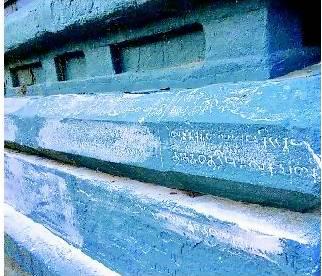
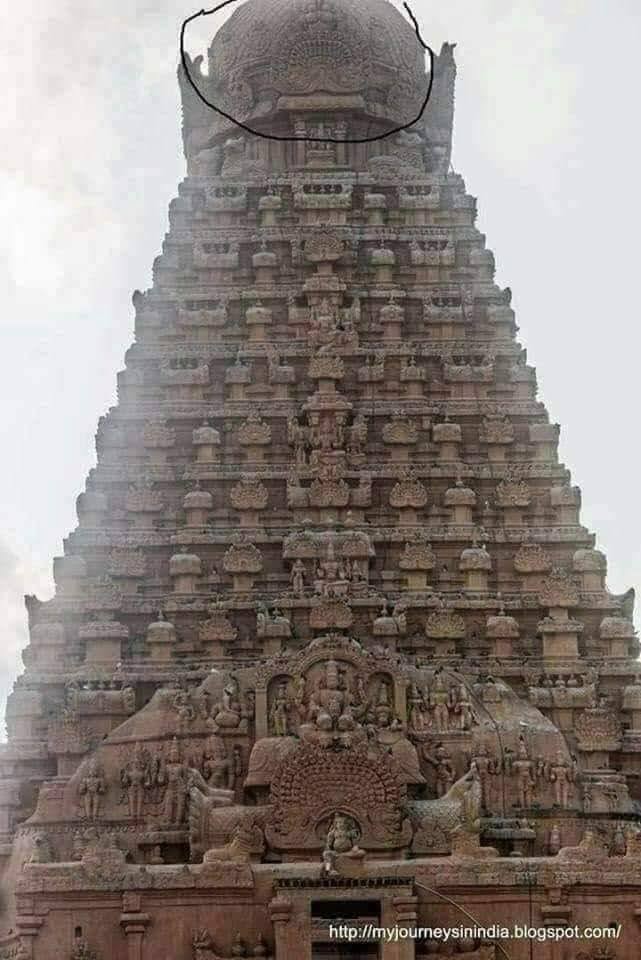
Systematically, under the guise of HRCE department ,which comes under the State government, these people have erased evidence of Great Tamil kings, Rajaraja Chola and Rajendra Chola having been ardent Followers of Hinduism. In their zeal, they have also destroyed critical evidence in the form of Epigraphs which have recorded the victory of Rajendra Chola(1012-1044-) so of Rajaraja Chola,who conquered areas upto Ganga.He was called Gangaikonda Chozhan,The Chozha who made Ganga his own.He built a temple in Tamil Nadu Gangaikonda Chozhapuram ,which is an architectural marvel.
He worshipped Siva by performing Abhishek of Siva with Ganga Water he brought from his North India Campaign,as Kailasanatha at Thiruloki .This temple is on the southern bank of Kollidam River.Later he built the Gangaikonda Chozhapuram temple on the northern bank of Kollidam.This evidence of his having built Gangaikonda Chozhapuram was in the form of Epigraphs in Thiruloki Temple.
Thiruloki Temple
In 2016,the Epigraphs were whitewashed and hence are in a state of disrepair.
HR&CE says it is ASI’s Job and they tossed the ball back to HRCE.
There are thousands of Epigraphs thus destroyed.Shall be writing in detail.
முதலாம் ராஜேந்திர சோழன் வடஇந்தியாவில் கங்கை வரை போர் தொடுத்து வெற்றி பெற்றதற்கு ஆதாரமாக விளங்கிய திருலோக்கி கல்வெட்டுகள், கோயில் கும்பாபிஷேகத்தின்போது வர்ணம் பூசி அழிக்கப்பட்டுள்ளதால் வரலாற்று ஆர்வலர்கள் வேதனை அடைந்துள்ளனர்.
தனது தந்தை ராஜராஜ சோழன் போன்று முதலாம் ராஜேந்திர சோழனும் சிறந்த ஆட்சி நிர்வாகம் புரிந்ததுடன், தன்னுடைய படை பலத்தின் மூலம் பல சிற்றரசர்களை வென்று தனது பேரரசை விரிவுபடுத்தினார். அதன்படி, கி.பி.1012-1044-க்கு இடைப்பட்ட காலத்தில் வாழ்ந்த முதலாம் ராஜேந்திர சோழன் கங்கை போரில் வெற்றி பெற்று, கங்கை நதிநீரைக் கொண்டுவந்து, முதலில் கொள்ளிடம் ஆற்றின் தென்கரையில் உள்ள ஏமநல்லூர் என்று அழைக்கப்பட்ட திருலோக்கி என்ற ஊரில் உள்ள கைலாசநாதர் கோயிலுக்கு வந்து அங்கு உள்ள இறைவனை வழிபட்டுள்ளார்..
அதன் பின்னரே, கொள்ளிடம் ஆற்றின் வடக்கு கரையில் உள்ள சோழபுரத்துக்குச் சென்று அங்கு அழகிய சிவன் கோயிலை எழுப்பி, அதற்கு கங்கை கொண்ட சோழபுரம் என பெயரிட்டு அழைக்கப்பட்டதாக வரலாறுகள் தெரிவிக்கின்றன.
இதற்கு ஆதாரமாக திரு லோக்கி கைலாசநாதர் கோயிலில் கல்வெட்டுகள் பொறிக்கப் பட்டுள்ளன. இந்த கல்வெட்டுகளின் அடிப்படையில்தான் கங்கை கொண்ட சோழபுரத்தின் வரலாறு உலகுக்குத் தெரியவந்தது.
போற்றிப் பாதுகாக்கப்பட வேண்டிய இந்த கல்வெட்டு கள், அண்மையில் நடைபெற்ற இக்கோயில் கும்பாபிஷேகத் தின்போது முழுவதும் வர்ணம் பூசி அழிக்கப்பட்டுள்ளன என்பது வரலாற்று ஆர்வலர்களுக்கு வேதனையை ஏற்படுத்தியுள்ளது.
இதுகுறித்து, கல்வெட்டு மற்றும் வரலாற்று ஆர்வலர் கோமன் கூறியபோது, “முதலாம் ராஜேந்திர சோழனின் கங்கை கொண்ட வெற்றி குறித்து வரலாற்றை நாம் அறிய திருலோக்கி கல்வெட்டுகளே ஆதாரமாக இருந்தன. இந்த கல்வெட்டுகள் பாதுகாக்கப்படாமல் இருந்ததால், அவை கும்பாபிஷேகத்தின்போது வர்ணம் பூசி அழிக்கப்பட்டுள்ளன.
திருலோக்கி கைலாசநாதர் கோயிலில் 1932-ம் ஆண்டு பிரிட்டிஷ் ஆட்சிக் காலத்திலேயே இந்த கல்வெட்டுகளை படி எடுத்துள்ளனர். ஆனால், அவை வெளியிடப்படவில்லை. அதன்பிறகு எங்களைப் போன்ற வரலாற்று ஆர்வலர்கள் அந்த கல்வெட்டுகளை படி எடுத்துள்ளனர். இருந்தாலும் கோயிலில் இருந்த கல்வெட்டு பாதுகாக்கப்படாமல் அழிக்கப்பட் டுள்ளது வேதனையைத் தருகிறது.
இதுபோன்ற பல கோயில்களிலும் கும்பாபிஷேகத் தின்போது கல்வெட்டுகள் சிதைக்கப்படுகின்றன. இதனைப் பாதுகாக்க அறநிலையத் துறையும், தொல்லியல் துறையும் முன்வர வேண்டும் என்றார்.
இதுகுறித்து இந்து சமய அறநிலையத் துறையின் இணை ஆணையர் கஜேந்திரனிடம் கேட்டபோது, “திருலோக்கி கோயி லில் அண்மையில் கும்பாபிஷேகம் நடைபெற்றது. அங்கு உள்ள கல்வெட்டுகள் மீது வர்ணம் பூசப்பட்ட தகவல் தற்போதுதான் தெரியவருகிறது. உடனடியாக விசாரித்து நடவடிக்கை எடுக்கப் படும்” என்றார்.
இது தொடர்பாக தொல்லியல் துறை அதிகாரிகளிடம் விசாரித்த போது, “திருலோக்கி கைலாசநாதர் கோயில் முழுவதும் அறநிலையத் துறை கட்டுப்பாட்டில்தான் உள் ளது. தொல்லியல் துறைக்கும் அக்கோயிலுக்கும் எவ்விதத் தொடர்பு இல்லை” என்றனர்https://www.hindutamil.in/news/tamilnadu/87330–2.html
The effort to divide North and South continues even today. Though evidence from Sanskrit Ithihasas,Ramayana Mahabharata,Eighteen Puranas present a country called Bharatvarsha,though the Kings as is their wont were fighting against each others.
I have provided evidence from Sanskrit and Tamil literature to prove that Tamil and Sanatan Dharma were intricately connected,Tamil kings participated in Damayanthi,Sita, Draupadi Swayamvara;Vedas mention spices ,Elephant tusk, honey and kings from the South;Krishna married a Pandyan princess,had a daughter; Balarama visited South to have darshan of Lord Muruga, Madurai Meenakshi’s father took part in Mahabharata war;Perunchotru Udiyan Cheralaathan,A Chera King fed the Armies that took part in Mahabharata battle…
Cholas claim they are the descendants from Suryavansha.King Sibi, Ancestor of Rama ruled from his second capital from what is now in Northwest Pakistan.Cholas declare they belong to Kasyapa gotra.
I have written extensively on this.
In this article I am providing information from Thiruvalangadu Copper plates Inscription where. Cholas provide their lineage from Ikshvaku Dynasty.
These Copper plates belong to the reign of Rajendra Chola,son of Rajaraja Chola who built the Thanjavur Big Temple.
Rajendra chola was a great king,had a large powerful Navy and conquered Malaysia and Far East He also built the temple in Gangaikonda cholapuram.
I am providing excerpts from Thiruvalangadu Copper plates .
‘The Sanskrit and Tamil portions of the Tiruvalangadu grant were written at different periods, as has been already pointed out by Mr. Venkayya,— the latter at the time to which the inscription refers itself and the former about at least a decade later. A detached inscription written in continuation of the Sanskrit portion on sheet Xa and continued on Xb, is stated by Mr. Venkayya to be a later addition.[5] It registers a grant made to the shrine of the goddess at Tiruvalangadu, perhaps contemporaneously with the grant of Palaiyanur to the temple of Mahadeva (Siva) of that place, but put into writing long after. The characters of the detached record are paleographically at least one or even two centuries later than the characters of the Palaiynaur grant and it is difficult to explain why a gift made to the shrine of the goddess in the 6th year of Rajendra-Chola I. must have been kept without being reduced to writing for such a long period. In this connexion it deserves to be noted that separate shrines of goddesses in Siva temples are, generally, of much later origin than the original Siva temples themselves and that in the stone inscriptions registered on the walls of the Tiruvalangadu temple the shrine of the goddess is referred to for the first time only in a record of the 10th year of Tribhuvana-chakravartin Rajadhiraja II., i.e., in A.D. 1173 – clearly 155 years after the date of the subjoined copper-plate grant
The tradition of the place Tiruvalangadu intimately connects it with Ammai or Karaikkal-Ammai, a great devotee of Siva who, under the orders of that god, put on a dreary emaciated appearance and worshipped his dancing form at Tiruvalangadu. The name Ammai-Nachchiyar which occurs in the detached inscription on plate XVI as a name of the goddess of the temple does not so appear in the stone records of Tiruvalangadu. No. 469 of the Madras Epigraphical Collection for 1905 calls her Periya-Nachchiyar; in another record her name occurs as Vandarkulal Nachchiyar (No. 497 of 1905), which is still current in its Sanskrit form Bhramaralakamba. The god himself is named Ammaiyappa in v. 129. He was perhaps so named on account of his being kind as a father to his devotee Ammai or Karaikkal-Ammai. Both the names Palaiyanur (or Palanai) and Tiruvalangadu occur in the Devaram hymns. In the hymn sung by Sundaramurti-Nayanar the goddess is referred to as Vandarkulali-Umainangai and the god himself as Palaiyanur-Amma. It is not impossible that in the names Ammaiyappan and Ammai-Nachchiyar, Amma is synonymous with the god Tiruvalangadu. The story of Karaikkal-Ammai is not referred to in the Devaram so called. But the eleventh Tirumurai of the sacred collection which describes the god, at Tiruvalangadu was the composition of Karaikkal-Ammai herself and the place of honour is given to it as muthathirupathigam.
The prasasti of the Chola family conveyed by the Sanskrit portion of the grant (vv. 1 to 137) consists of 271 lines and is mostly Puranic[6]. In verse 4 are introduced the sun and Manu, the latter of whom was produced from the Sun by concentration of mind. His son was Ikshvaku (v. 5) ; his son Vikukshi (v. 6) ; his son Puranjaya (v. 7) surnamed Kakutstha (v. 8) ; his son Kakshivat (v. 9) and his son Aryaman (v. 10). In this family was born Analapratapa (v. 11); in his family was born Vena; and his son born from the right arm was Prithu (vv. 12 and 13). In his familywas born Dhundhumara, so called on account of his having killed the demon Dhundhu (v. 14). In (his) family was born Yuvanasva (v. 15) ; his son was Mandhatri who ruled the earth as far as the Lokaloka mountain (v. 16) ; his son was muchukunda who, by killing the demon Kalayavana, pleased the god Mukunda, i.e., Vishnu (v. 17). In (his) family was born king Valabha[7] who founded the city of Valabhi (v. 18) ; his son was Prithulaksha who set the mountain Mandara whirling in the ocean for securing nectar (v. 19) ; his son was Parthivachudamani (v. 20). In (his) family was born Dirghabahu (v. 21) and then came Chandrajit[8] (v. 22); his son was Sankriti who became the emperior at the close of the Krita age (v. 23). In that family was born Panchapa (v. 24)[9] ; in his family was born Satyavrata who conquered Kasiraja, the king of Varanasi (i.e., Benares) (v. 25) and acquired the title Rudrajit (v. 26) by conquering Rudra in battle. In that family was born Sibi; an ornament of his family was king Marutta[10] who was an immediate predecessor of the Pandavas (vv. 27 and 28). In his family was born Dushyanta; his son was Bharata and his son was Chola after whose name the Solar race on this earth became known as Chola (v. 29) and who ruled the Chola country which was abundantly rich (v. 30). Cholavarman’s son was Rajakesarivarman and Rajakesarin’s son was Parakesarin (vv. 30 and 31). These two names were used as titles alternately by the Chola kings in the order of their coronation (v. 32). Parakesarin’s son was Chitraratha; his son was Chitrasva and his son, Chitradhanvan (v. 33). It is stated that this last king Chitradhanvan brought into his dominions the river Kaverakanyaka, i.e., Kaveri, just as Bhagiratha brought into the earth Ganga, the river of the gods (v. 35). In that family was born Suraguru entitled Mrityujit (v. 36). In his family was born Chitraratha who bore the title Vyaghraketu after his banner on which was the figure of a tiger. He also bore as an ornament on his head the flowers of the dhataki (v. 37).[11] His son was Narendrapati who became king at the end of the Treta age. His son was king Vasu entitled Uparichara on account of his having received a celestial car from Indra by which he moved about in all directions (v. 39). In his family was born Visvajit at the close of the dvapara age (v. 40). Thus verses 4 to 40 supply names of kings who ruled in the Krita, Treta and the Dvapara ages and as such can hardly be of any interest to the student of history, excepting perhaps the euponymous name Chola and the titles Rajakesarivarman and Parakesarin of the Treta age.
Coming to the rulers of the Kali age, the first king mentioned is Perunatkilli who was born in this same family and was highly learned (v. 41). In his race[12] was born Kalikala who renovated the town Kanchi with gold and established his fame by constructing flood-embankments for the river Kaveri. The poet explains the name Kalikala as ‘the god of Death (Kala)’ either to the Kali age or to the elephants (kari) of his enemies (v. 42). Evidently here, the tradition recorded in Tamil literature that the name Karikala ‘the burnt-leg’ was derived from an accident which happened to the king while yet he was a boy, was either not known or was purposely ignored by the eulogist. In that family was born Kochchengannan whose former birth as a spider and deep devotion to Siva are described in verse 43. The story of Kochchengannan is found in the Periyapuranam under the name Kochchengatchola-Nayanar. He is there stated to have been the son of Subhadeva and Kamalavati and to have constructed many Siva temples in the Chola country. The classic Tamil poem Kalavali, which is devoted to the history of his life, describes his defeat of the Chera king at Kalumalam.
In the family of Kochchengannan was born Vijayalaya who took possession of Tanchapuri (i.e., Tanjore) and there consecrated the goddess Nisumbhasudani (vv. 44 – 46). With Vijayalaya commences a regular genealogy of the Cholas whose capital was Tanjore. The earlier Cholas of literature whose traditional capital was Uraiyur and who preceded Vijayalaya must have been in a decadent condition serving in some subordinate capacity under the powerful Pallavas. A Telugu branch of them ruling perhaps independently over a small tract of country. His son Adityavarman conquered the Pallava king Aparajita in battle and took possession of his country (vv. 47 – 49). This was the Tondaimandalam which Aditya is known to have subdued.[13] His son Parantaka was a devotee of Siva. He drove the Pandya king into the sea and carried his conquests even into Simhala (Ceylon) (vv. 50-52). This explains the titles Madirai-konda and Maduraiyum-Ilamum-konda often found added to the name of Parantaka in inscriptions. This Parantaka is further stated to have built the golden hall called dabhrasabha (at Chidambaram) and thereby excelled Kubera, thefriend of Siva (v. 53). The larger Leyden plates, on the other hand, state that he only covered it with gold. His son Rajaditya defeated king Krishnaraja in battle and went to heaven (v. 54). The reference here is evidently to the battle of Takkolam[14] in which the Rashtrakuta king Krishna III. and his Ganga feudatory Butuga jointly defeated and killed Rajaditya who was fighting from the back of an elephant as stated in the Leyden grant. The summary way in which Rajaditya has been disposed of by the author of the Tiruvalangadu plates shows that probably he did not succeed to the throne, although the Leyden plates explicitly state that after the death of Parantaka, Rajaditya “ruled” the kingdom.[15] Rajaditya’s brother, Gandaraditya next became king (v. 54). The Leyden plates say of him that he produced a son called Madhurantaka and founded a town after his own name on the northern bank of the river Kaveri.[16] The next king mentioned is Arindama (v. 55) whose exact relationship to Gandaraditya is not specified. But it is known from the Leyden plates and from other inscriptions that Arindama (Arinjaya, Arinjiga or Arikulakesari) was the third son of Parantaka. His rule was evidently neither famous nor long. From the Melpadi inscription published at page 26f of this volume, we learn that Rajaraja I. erected the Siva temple called Arinjisvara (the modern Cholesvara) as a pallippadai (tomb-shrine) to his grandfather Arinjaya who was also known as Arrur-tunjinadeva. Arrur where Arinjaya appears to have died must be distinct from Tondaiman-Arrur where Aditya I. is stated to have died (Madras Epigraphical Report for 1907, page 71, paragraphs 29 and 30). Then came Sundara-Chola or Sundara-Chola Parantaka (II.) who was very famous. Five verses (56 to 60) are devoted to his praise. Of Sundara-Chola the Leyden plates state that at a place called Chevura he fought a great battle and caused rivers of blood to flow. This Sundara-Chola’s son was Arunmolivarma (vv. 61-63). After the death of Sundara-Chola (v. 64) his wife Vanavan-Mahadevi is stated to have abandoned her people and followed her husband to heaven (vv. 65 and 66). His son Aditya next ruled the earth, killed the Pandya king in battle and placed his head high up as a pillar of victory in his capital (vv. 67 and 68). This Pandya king is stated in the Leyden plates to be Vira-Pandya. We also learn from the same plates that Aditya II. had the other name Karikala. Immediately after the death of Aditya, Arunmolivarman (called Rajaraja in the Leyden grant) was requested by his subjects to succeed to the throne but he desired it not while his paternal uncle still coveted his dominions (v. 69). This statement which indicates a probable dispute about the succession to the throne immediately after Aditya-Karikala (II.) is not referred to in the Leyden plates. These latter state that Madhurantaka, the son of Gandaraditya, succeeded straightway after the death of Aditya. Perhaps we have to give credence to the information furnished in the Tiruvalangadu plates and accept that while by right the succession was Rajaraja’s, he voluntarily permitted his uncle Madhurantaka to rule the kingdom, on the understanding that he would himself he chosen for the office of the heir-apparent (v. 70). Madhurantaka ruled the kingdom virtuously as a pious devotee of Siva (v. 71). After Madurantaka, Arunmolivarman was installed in the administration of the kingdom amidst the rejoicings of his people (v. 72). His digvijaya or the conquest of the quarters and the tulabhara i.e., ‘weighing oneself against gold’ are mentioned in verses 74 and 75. The conquest of the quarters began with the south (v. 76). Rajaraja conquered first the Pandya (king) Amarabhujangawhile his commandant (dandanatha) captured the impregnable fortress of Vilinda whose moat was the sea (vv. 78 and 79) The latter officer also crossed the ocean by ships and destroyed the lord of Lanka (Ceylon) (v. 80). Arunmolivarman’s ocean-like army next defeated Satyasrya who fled away to avoid misery. “Being produced to Tail (oil) this (slipping away) was but natural in him” (v. 81) saysthe poet , thereby indicating that Satyasraya who was defeated by Rajaraja was the son of Tail II. He also killed the faultless Andhra king Bhima for the mere reasons that the latter had killed by a powerful club a certain Rajaraja, his namesakeke, who was an expert in war (v. 82). This statement makes it clear that Rajaraja unnecessarily interfered in the politics of the Andhra country, by killing a king called Bhima. This Bhima and the Rajaraja killed by him have not been identified. Rajaraja next conquered the [Kerala] country which was the creation of Rama (i.e., Parasurama) and also subdued in battle successively the Ganga, Kalinga, Vanga, Magadha, Aratta, Odda, Saurashtraka, Chalukya, and other kings (v. 81). This list of Rajaraja’s conquests, though by no means impossible, is yet exaggerated when it includes names like those of Magadha and Saurashtraka. According to the Leyden plates Rajaraja I was known by the title Rajasraya. Rajaraja’s son was Madhurantaka (v. 85) who backed up by a powerful army turned his attention to the conquest of the quarters (digvijaya) (v. 89). This king called Uttama-Chola (II.) started to the south as usual[17] with a desire to conquer the Pandya king (v. 90). The commander of his forces (dandanatha) so struck the Pandya that the latter ran away from the land of Agastya and sought refuge in the Malaya hill (v. 91). After taking possession of many a pure lustrous pearl of the Pandya king (v. 92), Madhurantaka placed there his own son Chola-Pandya for the protection of the Pandya country and started westward (v. 93). For the first time in its history, Kerala, which was impregnable and unconquered, was entirely annihilated (vv. 94 to 97). The king after this returned to his capital and started afresh for the conquest of the north (v. 98), having again appointed his son Chola-Pandya[18] to protect the western country (v. 99). Rajendra-Chola entered Kanchi (i.e., Conjeeveram) in his march against Jayasimha of the Tail family, the lord of the Chalukyas[19] (vv. 99-100). He thoroughly routed him and his forces, thereby causing the ladies of the Ratta kingdom to shed tears[20] (vv. 101-107). Rajendra-Chola returned again to his capital (v. 108). With the idea of bringing the river Ganga into his own country through the strength of his arm he ordered his commander[21] to subdue the kings occupying the banks of that river (vv. 109-110). From v. 113 it is inferred that Rajendra-Chola also held the title Vikrama-Chola. The first king conquered was Indraratha of the Lunar race (v. 114); next, Ranasura was robbed of his prosperity and then Dharmapala. The commander of the Chola army reached the Ganga and got the most sacred water of that river carried to his master Madhurantaka (vv. 116-117). Meantime Rajendra Chola himself reached the river Godavari to meet his able General who had just brought the water of the Ganges, after having defeated Mahipala on the way (vv. 118-119). Here, Rajendra-Chola is stated to have killed the wicked king of Odda and to have accepted as tribute from the surviving claimant, many rutting elephants[22] (v. 120). His next campaign was against Kataha (v. 123). He then constructed in his capital the tank called Cholagangam which was composed of the waters of the Ganga river, and established it there as a memorial pillar of his victory (v. 124). The conquests of Rajendra-Chola are mostly recorded in the historical introductions to his Tamil inscriptions dated from and after the 13th year of his reign.[23] It may here be noted that the Tamil introduction given in lines 131 to 142 below is naturally the shorter one, since it belongs to the 6th year of the king’s reign ; and since it does not include a list of all conquests mentioned above, it has been suggested that the Sanskrit portion of the grant which includes the conquests of the later years must be a subsequent addition.https://googleads.g.doubleclick.net/pagead/ads?client=ca-pub-2137364728838345&output=html&h=250&slotname=6325448717&adk=3007479896&adf=2600224992&w=300&lmt=1506580324&psa=0&guci=2.2.0.0.2.2.0.0&format=300×250&url=https%3A%2F%2Fwww.whatisindia.com%2Finscriptions%2Fsouth_indian_inscriptions%2Fvolume_3%2Fno_205_aditya_ii_karikala.html&flash=0&wgl=1&adsid=ChAI8NSu-QUQsO-A1JmQnLMFEjsAndZOYA_9oqlvxFUxRA7cqQ_JTAgegP2QAo85US6p–swMq3bOrafAvM3Dq3TLD0ve8aIvXgOhxP_rA&dt=1596777723454&bpp=7&bdt=685&idt=172&shv=r20200803&cbv=r20190131&ptt=9&saldr=aa&abxe=1&cookie=ID%3Dcbbe4a7b732d7dbf%3AT%3D1596776454%3AS%3DALNI_MZiYFGbzM4uc1J7Xmn2ePgskSeUyQ&prev_fmts=728×90&correlator=1165038271063&frm=20&pv=1&ga_vid=1596251553.1596776457&ga_sid=1596777724&ga_hid=257832054&ga_fc=0&iag=0&icsg=2239146&dssz=18&mdo=0&mso=0&u_tz=330&u_his=3&u_java=0&u_h=813&u_w=375&u_ah=813&u_aw=375&u_cd=24&u_nplug=0&u_nmime=0&adx=668&ady=3374&biw=980&bih=1782&scr_x=0&scr_y=708&eid=42530558%2C42530560%2C21066125%2C21066819%2C21066973&oid=3&pvsid=373936515875853&pem=13&ref=https%3A%2F%2Fwww.google.com%2F&rx=0&eae=0&fc=896&brdim=0%2C0%2C0%2C0%2C375%2C0%2C375%2C682%2C979%2C1782&vis=1&rsz=d%7Cd%7CEebr%7Cn&abl=XS&pfx=0&fu=8192&bc=31&jar=2020-08-07-02&ifi=2&uci=a!2&btvi=1&fsb=1&xpc=mEIJOnzsbP&p=https%3A//www.whatisindia.com&dtd=184
Being encamped at Mudigondasolapuram, king Madurantaka deputed his minister Janatha, the son of rama, in the 6th year of his reign, to grant the village of Palaiyura to the temple of Siva [at Tiruvalangadu] (v. 125). This Jananatha is stated to have been a minister of Madhurantaka and a crest jewel of the Chalukyas (v. 127). The village Puranagrama, (i.e., Palaiyura quoted above), which was granted to the god Siva named Ammaiyappa, was the ornament of the province of Jayangonda-Chola-mandalam and was situated in the district Paschatyagiri[24] (vv. 128-129). It was also called Tiruvalangadu and was bounded on three sides by Simhalantaka-chaturvedimangalama and on the fourth by Nityavinoda-chaturvedimangalam (vv. 130-131). The srimukha or the royal order conveying the grant was written by Uttamasola-Tamiladaraiyan. Tirukkalatti Pichchan made the request (vijnapti) on behalf of the temple and Araneri, son of Mayana, a native of Mangalavayil and of the fourth caste, did the business of taking round the female elephant (karinibhramana), etc., under orders of Jananatha (vv. 132-135). The learned poet Narayana, son of Sankara and a devotee of Vishnu, composed the grant (v. 136). Tirukkalatti Pichchan and Araneri, sons of Mayana, do not appear in the Tamil portion of the grant described below. Jananatha of the Sanskrit portion is identical with Narakkan Marayan Janathan alias Rajendrasola-Brahmadhirajan who together with three other officers of the king issued the order to execute the grant of Palaiyanur to the Siva temple of Tiruvalangadu. Uttamasola-Tamiladaraiyan is identical with Narayanan-karrali alias Uttamasola-Tamiladaraiyan mentioned in 1. 276 of the Tamil portion.
There were two dynasties that ruled ancient India. Both trace their origins to Vaivaswatha Manu, the First Man,after whom the word ‘Man’ was coined.
He hailed from the Dravida Desa, Dravida in Sanskrit meaning South.
Bhagavatha Sloka mentions that Manu was a Dravida. I am providing a Link on this and on the fact that Manu meditated near Madagascar.
Manu,apart from sons had a daughter,Ila or Ela.From Ela sprang the Aila dynasty.This is the Chandra Vam!sa or Lunar Dynasty.From the Male offspring of Manu came the Surya Vamsa or Solar Dynasty. I shall be writing on the other sons of Manu and what happened to them. While people talk of Vedic kingdoms,they tend to overlook or notice the kingdoms of Dravida Desa.They were respected by the kings of Aryavartha.(I shall write on what Aryavartha means and its boundaries.The people of Aryavartha and Dravida Desa intermarried.So did the Kings.
People of Dravida Desa were ruled by the great Kings,Chera,Chola and Pandyas.They ruled the South.And the early kings ruled from the landmass Lemuria.These kings trace their ancestry to Surya Vamsa.Lord Rama belonged to this Dynasty. One of his ancestors,Sibi,had a second capital near North West Frontier Province,now in Pakistan.Much earlier to him was Muchukunda ,who killed a Yavana King,Yavana means Greek.
Thiruvaalangadu Copper Plates
The Cholas called themselves as Descendants of Surya Vamsa.They also had ceremonial titles,one of them being Parakesari,the name of a King belonging to Surya Vamsa,Solar Dynasty.Cholas also called themselves as belonging to Kasyapa Gotra.Am providing Link towards the closing of the art.That the Cholas belonged to Solar Dynasty is known from Literary sources,Epigraphs and Copper Plates.I am mentioning one copper plate called ‘Thiruvaalankaadu Cheppedugal,Copper Plates of Thiruvaalangadu,Thiruvaalangadu being the name of a town near Chennai,Tamil Nadu,India.These copper plates were found in the famous Siva temple there.The other copper plate is from Kanyakumari,Tamil Nadu.
Copper plate inscriptions are made in individual copper plates,strung together with Royal Seal.These generally contain two parts.One part will list out the genealogy of the king in whose period it was prepared and the other part details the grants given to Temples,Villages,and persons. It also lists work to be carried about by the individual officers of the local adminstration and also by those to whom the grants had been provided.
In the Thiruvaalangadu Cheppedu,31 plates are found;ten are in Sanskrit and twenty in Tamil.The thirty copper plates are in the form of flower petals and are joined together by Chola Royal Seal.It also has Chera,Pandya and Rashtrakoodas,signifying that The Cholas have conquered them all.The plates are in praise of Rajendra Chola. His father was Rajaraja Cholan,who built the Thanjavur Big Temple.Rajaraja Cholan was also called as Arulmozhi Varman. These plates were put in place during the sixth year for his reign,that is around 1004 to 1044 AD. https://en.m.wikipedia.org/wiki/Rajendra_Chola_I
The plates list the genealogy of the Cholas,beginning with Chola,who was born of Bharata,after whom India is named as Bharatavarsha.
The list in the copperplates tally with the Kings List found in the Puranas. I am providing Bharat’s family tree as the featured image. You may find the common names.
As to differences between these two,it is because of the incomplete information regarding the Dynasties of India,that is by considering only the Surya and Chandra Vamsa,without information about the other descendants of Many and more importantly the Vamsas of the Saptha Rishis,whose progeny includes Manu and Ikshvaku Dynasty,Ela and her dynasty,Chandra vamsa.I shall write in detail do that we may understand the dynasties.
‘People) say that Dushyanta was an ornament of the race of this (king). His son was Daushyanti (i.e., born of Dushyanta) Bharata.To him was born a son named Chola after whom the Solar race on this earth became illustrious.
On the basis of this,one may observe that Cholas descended from Many and are from Solar Dynasty,Surya Vamsa.
Please note that the people were aware that some of the ancient kings belonged to Treta Yuga,about a million year old and the new Chola dynasty began with Perunarkilli in Dealers Yuga.I had written on Cheers and Pandya Kings participating in Mahabharata war and Krishna and Arjuna’s marriage with Pandyan Princesses.
(V. 29.) Him (i.e., the king Chola), learned men described as the generous lord of gods (i.e., Indra) who incarnated on earth (on seeing that) the glory of his own (i.e., Amaravati) was humbled by the varied and lustrous riches of the Chola country.
(V. 30.) Cholavarman’s son was Rajakesarivarman (‘the lion among kings’) who split asunder with (his) nails (viz., crooked knives) the elephants (viz., crooked knives) the elephants (viz., his enemies) and (was) the cage (wherein resided the goddess) of prosperity.
(V. 31.) Rajakesarin’s son was king Parakesarin by whose fire-like anger the enemies’ forces were consumed.
(V. 32.) Thenceforward these two names indicative of (their) suzerainty were alternately borne by the Chola (kings) in the order of their coronation.
(V. 33.) Parakesarin’s son was king Chitraratha ; his son (was) Chitrasva ; to him (was born) king Chitradhanvan.
(V. 35.) Having come to know that king Bhagiratha engrossed in penance brought down (from heaven) the river of gods (i.e., Ganga) (to earth), this king (also) desirous to fame brought her (i.e., Ganga) to his dominions under the name Kaverakanyaka (i.e., Kaveri).
(V. 36.) In that family was (born) Suraguru who was the hereditary abode of the maiden, the Lakshmi of victory. This king having conquered by his glory the god of Death in his own territory acquired the name Mrityujit.
(V. 37.) In his race was born king Chitrartha called Vyaghraketu from his banner-cloth bearing (the figure of) a tiger, who was a store of great heroism and who wore as an ornament on his head the flowers of the dhataki (Grislea Tomentosa).
(V. 38.) The Treta-age having come to a close, a son of this king known as Narendrapati became the ruler. The diadems of (subordinate) kings dropped down their gems ; (because their) fastenings had become loosened by the constant rolling at his footstool.
(V. 39.) From him was produced the head-jewel of the powerful Solar race, (king) Vasu, who was the cause of the destruction of the demons (and) who (known) by the significant surname of Uparichara moved in any direction he liked in a celestial car which was presented (to him) by the lord of gods (i.e., Indra).
(V. 40.) At the end of the Dvapara (-age) was born in the family of this head-jewel of kings a conqueror of all hostile kings named Visvajit.
(V. 41.) In his race was born Perunatkilli who was the receptacle of all sciences, the abode of (the goddess of) Prosperity, who was worshipped by the diadems of all the rulers of the earth which were set with rows of precious gems.
செப்பேட்டின் பெயர்-திருவாலங்காட்டுச் செப்பேடுகள்செப்பேடு கிடைக்கப் பெற்ற இடம்-திருவாலங்காடுஊர்-எழும்பூர்வட்டம்-அமைந்தகரைமாவட்டம்-சென்னைமொழியும் எழுத்தும்-தமிழ், வடமொழி – தமிழ், கிரந்தம்அரசு / ஆட்சியாளர்-சோழர் / முதலாம் இராஜேந்திரசோழன்ஆட்சி ஆண்டு-6வரலாற்று ஆண்டு-கி.பி.11-ஆம் நூற்றாண்டுவிளக்கம்-
தொண்டை நாட்டுப் பாடல் பெற்ற தலங்களுள் காளியோடாடும் இரத்தினசபையான திருவாலங்காடு காரைக்கால் அம்மையார் முத்திப்பெற்ற திருத்தலமாகும். சோழர்கள் ஆட்சிக்காலத்தில் திருவாலங்காடு மிகுந்த சிறப்பினைப் பெற்றிருந்தது என்பதனை இக்கோயில் இறைவர்க்கு அரசர்கள் அளித்த கொடைக்கல்வெட்டுகள் மூலம் அறிய முடிகின்றது.
முதலாம் இராஜேந்திர சோழன் வழங்கிய இவ்வூருக்கான நிலதானம் பற்றிய ஆணையை திருவாலங்காடு செப்பேடு தெரிவிக்கின்றது. 1903-இல் இக்கோயில் திருப்பணியின் போது சில ஐம்பொன் சிலைகளுடன் 31 ஏடுகளைக் கொண்டு இச்செப்பேட்டுத் தொகுதி கண்டறியப்பட்டது.
திருவாலங்காட்டுச் செப்பேட்டுத் தொகுதியில் 31 ஏடுகள் பெரிய வளையத்துடன் உள்ளன. இணைப்பு வளையத்தில் சோழ அரசின் இலச்சினை காட்டப்பட்டுள்ளது. இலச்சினையின் மேல்பகுதியில் குடையும் அதன் இருபுறமும் சாமரங்களும் உள்ளன. அதன்கீழ் இரட்டைக் கயல்களும், புலியும் பொறிக்கப்பட்டுள்ளன. அவற்றிற்கு இருபுறமும் இருவிளக்குத் தாங்கிகளும், இவற்றிற்குக் கீழே வில்லும் இடம் பெறுகின்றன. பாண்டியர் மற்றும் சேரரை வென்ற சோழப்பேரரசின் புலிச் சின்னத்தோடு, அவ்விரு அரசர்களின் சின்னங்களும் பொறிக்கப்பட்டிருப்பது சோழப்பேரரசின் கீழ் பாண்டிய, சேர நாட்டுப்பகுதிகள் இணைக்கப்பட்டிருந்ததைக் காட்டி நிற்கின்றன. மொத்தம் 31 ஏடுகளில் 10 வடமொழி ஏடுகள் ஆகும். கிரந்த எழுத்துக்களில் வடமொழிப்பகுதி பொறிக்கப்பட்டுள்ளது. மற்ற 21 ஏடுகள் தமிழ் எழுத்தில் காணப்படுகின்றன. வடமொழிப்பகுதி சுலோகமாகவும், தமிழ்ப்பகுதி உரைநடையாகவும் உள்ளன.
முதலாம் இராஜேந்திர சோழனின் ஆறாவது ஆட்சியாண்டைக் குறிப்பிடும் திருவாலங்காட்டுச் செப்பேடுகள் அக்கோயில் இறைவர்க்கு இறையிலியாக அளிக்கப்பட்ட நிலக்கொடையைப் பற்றியும், வழங்கப்பட்ட நிலத்தின் எல்லைகள் பற்றி விரிவாகவும் இச்செப்பேட்டில் குறிக்கப்பட்டுள்ளன. மேலும் இங்குள்ள அம்மை நாச்சியாருக்கு வழங்கப்பட்ட கொடைபற்றியும் கூறப்பட்டுள்ளன.ஒளிப்படம் எடுத்தவர்-முனைவர் கோ.சசிகலாஒளிப்படம் வழங்கிய நிறுவனம் / நபர்-தமிழ் இணையக் கல்விக்கழகம்சுருக்கம்-
தமிழகத்தின் வரலாற்றின் முக்கியமான பகுதியை வெளிப்படுத்திய செப்பேடுகள் திருவாலங்காட்டில் கிடைத்தன. ஒரு பெரிய வளையத்தில் சேர்த்து சோழ முத்திரையுடன் தமிழிலும், வடமொழியிலும் பொறிக்கப்பட்ட சாசனங்களுடன் கிடைத்த அந்த 22 செப்பேடுகள் சோழர்களின் வரலாற்றை நன்கு புலப்குறிப்புதவிகள்-
The areas around Tambaram, especially the stretch from Nemilicherry, Nanmangalam , and the route from nanmangalam is declared as archeological area.
I investigated this.
This is the information.
Tambaram,now a bustling suburb of Chennai was a settlement of Stone Age People.
Implement of the Stone Age and Iron Age have been found here for a radius of 10km from Old Tambaram.
A 13th Century inscription of Rajaraja Chola and his son Rajendra Chola have been found(1000 AD).
Stone Age Hand Axe, Tambram, Chennai
The area then was called Thondai Nadu.
Aathondai ,Capporis zeylanicaFlowers Used by the Pallava Kings.
Tambaram is referred to as Taamapuram.
It’s still earlier name was Gunaseelpuram
Kunrathur near Tambaram is the birthplace of Sekkizhar who compiled the 63 Nayanmars ‘(Devotees of Shiva) lives, calling the work as Periyapuranam.
This was first inaugurated during the reign of Rajaraja Chola.
”
. One of the famous battles of Pallava history was fought in this region. The later Cholas, the Pandias and the Vijayanagar kings also ruled this region. Even the flowers in the jungle are connected with our history. During February and March the beautiful pink and white flowers of the aathondai or thondai creepers (Capparis zeylanica)1 adorn the campus. The region of thondai nadu comprising mainly Madras and Chinglepet districts derives its name from this flower from which garlands of the famous Pallava kings were made.
About 200,000 years ago people of the Old Stone Age (Lower Paleolithic Culture) roamed about Tambaram. They fashioned rough stone implements out of quartzite and used them for hunting and skinning wild animals. These implements or artifacts are called ‘ the hand axes of Madras industry.’ . The primitive men did not know the use of wooden handles for their stone axe-heads but used their hands instead. The first hand axe was picked up at Pallavaram over a century ago, and within the campus, several artifacts have been picked up by students4 and members of staff .
Around 300 B.C., there were people of the Iron Age living in Tambaram area and they built their burial monuments in the form of dolmens and stone circles which are called Megaliths5 (big stones). Fine examples of such Megalithic Monuments can be seen about 100 metres east of the Great Southern Trunk Road near Guduvancheri railway station.
Tambaram region must have been a flourishing country during the later Chola period which lasted for about 250 years after 1000 A.D. Tamil inscriptions of the Cholas are found in Manimangalam, Tiruneermalai, Tirusoolam and Kunrathoor. At Kunrathoor, the birth-place of Sekkilar, one Kaasyappa was the local doctor (Vaidya) 8 and some lands were set apart for his services. Inscriptions at Tiruneermalai refer to certain merchants from Pammal showing that this village near Pallavaram existed even then. Inscriptions at Manimangalam of Rajadhiraja I (1018-1054) give us details of a war with Ceylonese kings. Rajadhiraja defeated one Veerasalaamaygan of Ceylon, carried away his wife and sister and cut off the nose of his mother. This sort of barbaric behaviour seems to have been very common in those days even though the kings were supposed to follow Manu’s Dharma Sastra. Stories of such mutilations and abductions have been handed down to us in epics like the Ramayana. The inscriptions of Kulothunga I (1070-1120), the hero of Kalingathu parani, are found at Tirusoolam near Pallavaram and of the inscriptions of Kulothunga III there are several in this area.
At Pammal, on the basement of a ruined Siva temple, two Chola inscriptions not heretofore noticed were copied by the students. One is dated in the reign of Tribhuvanachakravarti Sri Rajarajadeva, and the other, in the reign of Virarajendra.
The inscription of the time of Rajaraja (III) is incomplete. It refers to an endowment for burning a lamp at a temple at Pammal. The inscription mentions that the village of Pammal belonged to Surathurnadu. It may be interesting to note that Surathurnadu was a territorial division probably named after Tiruchuram. Tiruchuram happens to be the old name of the apsidal Chola temple near Pallavaram, which is now called Tirusulam.
The second inscription at Pammal is dated in the 35th year of the reign of Virarajendra Chola. If Virarajendra is Rajendra III, the king who succeeded Rajaraja III, then this is probably the latest reported inscription of the reign of Rajendra III.
The inscription is complete and refers to an endowment of land by Panchanadhivaanan Nilakangarayan and to its exemption from taxes. The endowment is made to the temple of Azhaga Perumal by the Sri Vaishnavas.
Of special interest was the fact that this inscription refers to Tambaram, which is also called Gunaseelanallur. Tambaram is referred to here as Taampuram.
A a newly discovered Chola inscription on the basement of the Ahatisvara temple in Perungalatur gives the old name of the village as Perunkulatur, that is, the village of the big tank.
Pandya inscriptions are found at Kunrathoor, Tirusoolam and Tiruneermalai. Temple building activity which started during the Chola period continued during the Vijayanagar period in this area and inscriptions of the Vijayanagar kings of the 14th to the 17th centuries are found here. This brings us to the modern period.
This find will be one of the references for my theory that the Sanatana Dharma was in Dravida desa , if not originated from it.
References.
1.S. Gamble, Flora of the Presidency of Madras (Calcutta, 1957), p. 33.
2 Nandikkalambakam (Tamil), (Madras, 1961), p. 66.
3 V. D. Krishnaswami, ‘ Stone Age India ‘, Ancient India (1947).
4 The largest hand axe was picked up by Mitran Devanesen when he was a student here in the Pre-University class.
5 N. R. Banerjee, ‘ Megalithic problem of Chinglepet district in the light of the recent exploration’, Ancient India, (1956), pp. 22-32.
6 V. Rangacharya, Inscriptions of the Madras Presidency, Vol. i (Madras, 1919), p. 411.
7 E. Hultzsch, South Indian Inscriptions, Vol. I (Madras, 1890), p. 152.
8 K. V. Raman, The Early History of the Madras Region (Madras,1957), p. 184.
9 E. Hultzsch, South Indian Inscriptions, Vol. 3, Part I (Madras, 1899), p. 53.
10 Annual Report of Epigraphy (1932-33), p. 75.
You must be logged in to post a comment.