Tag: Pandavas

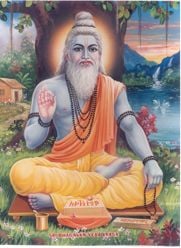
  • Veda Vyasa Grandson Of Thodiththol Chola Uparichara

    Veda Vyasa Grandson Of Thodiththol Chola Uparichara

    In my earlier articles, I have traced the ancestry of Chozha Kings based on Thiruvalankadu Copperplates evidence and validated it by Brahmanda Puran and Mahabharat.These texts mention Chozhas prominently as having been linked to Suryavansh,Solar Dynasty.They are Muchukunda, Sibi ,Manuneedhi and Thodiththol Chola.Muchukunda Chozha is referred to in Tamil classics and Sthala Puran of temples in Tamil Nadu. He is associated with Sapthavidanga Sthalas in Tamilnadu. Sapthavidanga Sthalas.

    Emerald Siva linga at Uttarakosamangai, Tamil Nadu

    Sibi Chozha built the Pundarikaksha Temple at Thiruvellarai near Sri Rangam,Tamil Nadu.

    Manu ,the first Human was from Dravida Desa and was an Emperor. His son Ikshvaku founded the Ikshvaku,Solar race,to which Sri Rama belongs. Manu had a daughter Ila .Through her came the Chandravansh, ,Lunar Dynasty.Puru,Kuru and Yadu dynasties have sprung from this dynasty.Chozhas trace their genealogy References to this are also found in Silappadikaram, Manimekalai and Sangam Literature Puranaanuru.

    Uparichara vasu was a king of the Puru lineage and his grandson was Veda Vyasa.

    ← Back

    Thank you for your response. ✨

    Please rate our website(required)

    After Vasu performed the austerities, gratified Indra had blessed him and given him a crystal chariot along with a bamboo pole to protect his subjects. Uparichara, after one year, planted the pole and worshipped it as Sakra. This became a tradition in Chedi and people used to erect pole and deck it with gold cloth, scents, garlands and various ornaments. Indra was gratified by this festival and blessed them.https://en.m.wikipedia.org/wiki/Uparichara_Vasu

    Vaishampayana said, “There was a king, a ruler of the earth, always devoted to righteous conduct. His name was Uparichara and he loved hunting. That descendant of the Puru lineage was also named Vasu and, on Indra’s instructions, conquered the beautiful and handsome kingdom of Chedi. After some time, the king gave up the use of weapons and lived in a hermitage, practising austerities. One day, the thunder-wielding god came to him.

    • We see that before he conquered the kingdom of Chedi and made his capital at Suktimati, he was still a powerful ruler and a devotee and friend of Indra. Even referred to as the lord of Earth……..Here we see that Indra pleased with Uparichara’s austerities gives him one of his divine chariots(which will appear later in the answer). He also gives him a vaijayanti mala, which would make one immune to all weapons, and a bamboo stick as a symbol of maintaining the peace.
    • Later all the kings started this practice of worshipping bamboo stickes, who have the manifestation of Indra himself. It became a custom among the kings…..

    He had five sons, who had great valour and infinite might. He was a universal emperor and instated his sons in many kingdoms. His famous maharatha son Brihadratha was instated in the kingdom of Magadha. Others were Pratyagraha and Kushamba, also known as Manivahana and Macchilla, and Yadu, powerful kings invincible in battle. O king! These were the sons of that rajarshi with unbounded powers. They established kingdoms and cities named after them. Thus, the five kings, sons of Vasu, established separate dynasties that were eternal. When he seated himself or travelled through the sky in the crystal chariot obtained through Indra’s grace, the apsaras and the gandharvas worshipped the great king. And he became famous as Uparichara.

    • Here, universal emperor mostly refers to the fact that he has already defeated all kings .
    • His wife Girika gave birth to 5 sons: Brihadratha of Magadha, Pratyagraha, Kushamba Manivahana, Macchilla and Yadu (Not to be confused with Yadu, the son of Yayati).
    • Each of them established kingdoms of their own and their dynasties remained for a long periods of time…….Here we can understand that Vasu was already the king of Chedi before his marriage. Infact his wife Girika is much smaller in age than him. This is probably when Vasu was a young and powerful king and had just become a king of kings.
    • The son of the river was appointed as the general of Vasu’s army. The daughter married Vasu and gave birth to five illustrious sons….

    “When the bird was thus swiftly flying through the sky, another hawk saw him and thought that the hawk was carrying some meat and flew at him. The two birds fought with their beaks in the sky. When they were thus fighting, the semen fell into the waters of the river Yamuna. An apsara known by the name of Adrika lived in the water of the Yamuna as a fish, because she had been cursed by Brahma. In the form of a fish, Adrika speedily came to where Vasu’s semen fell from the hawk’s claw and swallowed it up immediately. O best of the Bharata lineage! Some time after this, the fish was caught by fishermen and she was in her tenth month. From the stomach of the fish there emerged twins in human form, a boy and a girl. They marvelled at this and went and told the king, ‘O king! These two have been born in human form inside a fish.’ Then King Uparichara accepted the male child and he later became the righteous and truthful king named Matsya. As soon as the children were born, the apsara was also immediately freed from her curse. The beautiful one had earlier been told by the illustrious god that she would be freed from her nonhuman form when she gave birth to two human children. Following these words, after giving birth to two children and after being killed by the fishermen, she left the form of a fish and assumed her own divine form. The beautiful apsara then went up to the sky, following the path of the siddhas, rishis and charanas. The girl, the daughter of the fish, smelt of fish. She was given by the king to the fishermen, saying that she would be their daughter. ‘“This girl was called Satyavati. She was possessed of great beauty and had every quality and character.

    • The Apsara Adrika gave birth to a set of twins, one male and one female after consuming Vasu’s semen. She was cursed to be a fish, and got liberated after the birth of twins.
    • The male child was named Matsya, and he was raised by Vasu himself to be a righteous and truthful king. He would later go on to establish the kingdom of Matsya, and is the ancestor of King Virata of Matsya.
    • The female child was named Satyavati or Matsyagandha. She was given to the king of fishermen or Dasa, who later adopted her as a daughter. She later obtained the names Yojanagandha and Gandhavati after her giving birth to Krishna Dwaipayana Vyasa through Rishi Parashara.
    • We know that Satyavati later marries King Shantanu…..
    • https://www.quora.com/What-was-the-relationship-between-Uparichara-Vasu-Kuru-king-and-Shantanu-before-Shantanu-s-marriage-with-Satyavati.
    • Chedi Kingdom

    One of the Five epics of Tamil Manimekalai,A Jain work talks of Chola King being presented with a Chariot . And Silappadikaram another Tamil epic also mentions this.

    உலகம் திரியா ஓங்கு உயர் விழுச் சீர்ப்

    பலர் புகழ் மூதூர்ப் பண்பு மேம்படீஇய

    ஓங்கு உயர் மலயத்து அருந் தவன் உரைப்ப

    தூங்கு எயில் எறிந்த தொடித் தோள் செம்பியன்

    விண்ணவர் தலைவனை வணங்கி முன் நின்று

    மண்ணகத்து என்தன் வான் பதி தன்னுள்

    மேலோர் விழைய விழாக் கோள் எடுத்த

    நால் ஏழ் நாளினும் நன்கு இனிது உறைக என

    அமரர் தலைவன் ஆங்கு அது நேர்ந்தது

    கவராக் கேள்வியோர் கடவார் ஆகலின் 01-010 மெய்த் திறம் வழக்கு நன்பொருள் வீடு எனும்

    இத் திறம் தம் தம் இயல்பினின் காட்டும்

    சமயக் கணக்கரும் தம் துறை போகிய

    அமயக் கணக்கரும் அகலார் ஆகி

    கரந்து உரு எய்திய கடவுளாளரும்

    பரந்து ஒருங்கு ஈண்டிய பாடை மாக்களும்

    ஐம் பெருங்குழுவும் எண் பேர் ஆயமும்

    வந்து ஒருங்கு குழீஇ வான்பதி தன்னுள்

    கொடித் தேர்த் தானைக் கொற்றவன் துயரம்

    விடுத்த பூதம் விழாக்கோள் மறப்பின் 01-020 மடித்த செவ் வாய் வல் எயிறு இலங்க

    இடிக் குரல் முழக்கத்து இடும்பை செய்திடும்

    தொடுத்த பாசத்து தொல் பதி நரகரைப்

    புடைத்து உணும் பூதமும் பொருந்தாதாயிடும்

    மா இரு ஞாலத்து அரசு தலையீண்டும்

    ஆயிரம்கண்ணோன் விழாக் கால்கொள்க என

    வச்சிரக் கோட்டத்து மணம் கெழு முரசம்

    கச்சை யானைப் பிடர்த்தலை ஏற்றி

    ஏற்று உரி போர்த்த இடி உறு முழக்கின்

    கூற்றுக்கண் விளிக்கும் குருதி வேட்கை 01-030 முரசு கடிப்பு இகூஉம் முதுகுடிப் பிறந்தோன்

    திரு விழை மூதூர் வாழ்க! என்று ஏத்தி

    வானம் மும் மாரி பொழிக! மன்னவன்

    கோள் நிலை திரியாக் கோலோன் ஆகுக! தீவகச் சாந்தி செய்தரு நல் நாள்

    ஆயிரம்கண்ணோன் தன்னோடு ஆங்கு உள

    நால் வேறு தேவரும் நலத்தகு சிறப்பில்

    பால் வேறு தேவரும் இப் பதிப் படர்ந்து

    மன்னன் கரிகால்வளவன் நீங்கிய நாள்

    இந் நகர் போல்வதோர் இயல்பினது ஆகிப் 01-040 பொன்நகர் வறிதாப் போதுவர் என்பது

    தொல் நிலை உணர்ந்தோர் துணிபொருள் ஆதலின்

    தோரண வீதியும் தோம் அறு கோட்டியும்

    பூரண கும்பமும் பொலம் பாலிகைகளும்

    பாவை விளக்கும் பல உடன் பரப்புமின்

    காய்க் குலைக் கமுகும் வாழையும் வஞ்சியும்

    பூக் கொடி வல்லியும் கரும்பும் நடுமின்

    பத்தி வேதிகைப் பசும் பொன் தூணத்து

    முத்துத் தாமம் முறையொடு நாற்றுமின்

    விழவு மலி மூதூர் வீதியும் மன்றமும் 01-050 பழ மணல் மாற்றுமின் புது மணல் பரப்புமின்

    கதலிகைக் கொடியும் காழ் ஊன்று விலோதமும்

    மதலை மாடமும் வாயிலும் சேர்த்துமின்

    நுதல் விழி நாட்டத்து இறையோன் முதலா

    பதி வாழ் சதுக்கத்துத் தெய்வம் ஈறு ஆக

    வேறுவேறு சிறப்பின் வேறுவேறு செய்வினை….

    முதலாவது விழாவறைந்த பாட்டு அஃதாவது: பூம்புகார் நகரத்து வாழ்கின்ற சமயக் கணக்கர் முதலிய பெரியோர் ஒருங்கு கூடி அந் நகரத்திலே வாண்டு தோறும் நிகழ்த்தப்பட்டு வருகின்ற இந்திர விழா என்னும் பெருவிழா எடுத்தற்குரிய சித்திரைத் திங்களின் முழுமதி நாள் அணுகி வருதலானே அவ் விழாவிற்குக் கால் கொள்ள வேண்டும் என்று முடிவு செய்து அதனை நகரமக்கட்கு அறிவிக்கும் படி வழக்கம் போல விழா முரசம் அறையும் முதுகுடிப் பிறந்த வள்ளுவனுக்கு அறிவிப்பு, அது கேட்ட வள்ளுவன்றாணும் வச்சிரக் கோட்டத்தில் வைக்கப்பட்டிருக்கின்ற மணங்கெழு முரசத்தைக் கச்சையானைப் பிடர்த்தலை ஏற்றித் தானும் ஏறியிருந்து அவ் விழா நிகழப் போவதனையும் அதற்குக் கால் கோள் செய்யும் நாளையும் விழாவின் பொருட்டு நகரத் தெருக்கள் தோறும் முரசறைந்த செய்தியைக் கூறும் பாட்டு என்றவாறு. இக் காதையினால் இற்றைக் கிர்கடாயிரம் ஆண்டுகட்கு முன்னர்த் தமிழகத்து மாந்தர் விழா நிகழ்த்தும் முறையும், அவர் ஒப்பற்ற நாகரிகமும் இனிது விளங்கும். உலகம் திரியா ஓங்கு உயர் விழுச் சீர்ப்
    பலர் புகழ் மூதூர்ப் பண்பு மேம்படீஇய
    ஓங்கு உயர் மலயத்து அருந் தவன் உரைப்ப
    தூங்கு எயில் எறிந்த தொடித் தோள் செம்பியன்
    விண்ணவர் தலைவனை வணங்கி முன் நின்று
    மண்ணகத்து என்தன் வான் பதி தன்னுள்
    மேலோர் விழைய விழாக் கோள் எடுத்த
    நால் ஏழ் நாளினும் நன்கு இனிது உறைக என
    அமரர் தலைவன் ஆங்கு அது நேர்ந்தது
    கவராக் கேள்வியோர் கடவார் ஆகலின் 01-010 மெய்த் திறம் வழக்கு நன்பொருள் வீடு எனும்
    இத் திறம் தம் தம் இயல்பினின் காட்டும்
    சமயக் கணக்கரும் தம் துறை போகிய
    அமயக் கணக்கரும் அகலார் ஆகி
    கரந்து உரு எய்திய கடவுளாளரும்
    பரந்து ஒருங்கு ஈண்டிய பாடை மாக்களும்
    ஐம் பெருங்குழுவும் எண் பேர் ஆயமும்
    வந்து ஒருங்கு குழீஇ வான்பதி தன்னுள்
    கொடித் தேர்த் தானைக் கொற்றவன் துயரம்
    விடுத்த பூதம் விழாக்கோள் மறப்பின் 01-020 மடித்த செவ் வாய் வல் எயிறு இலங்க
    இடிக் குரல் முழக்கத்து இடும்பை செய்திடும்
    தொடுத்த பாசத்து தொல் பதி நரகரைப்
    புடைத்து உணும் பூதமும் பொருந்தாதாயிடும்
    மா இரு ஞாலத்து அரசு தலையீண்டும்
    ஆயிரம்கண்ணோன் விழாக் கால்கொள்க என
    வச்சிரக் கோட்டத்து மணம் கெழு முரசம்
    கச்சை யானைப் பிடர்த்தலை ஏற்றி
    ஏற்று உரி போர்த்த இடி உறு முழக்கின்
    கூற்றுக்கண் விளிக்கும் குருதி வேட்கை 01-030 முரசு கடிப்பு இகூஉம் முதுகுடிப் பிறந்தோன்
    திரு விழை மூதூர் வாழ்க! என்று ஏத்தி
    வானம் மும் மாரி பொழிக! மன்னவன்
    கோள் நிலை திரியாக் கோலோன் ஆகுக!
    தீவகச் சாந்தி செய்தரு நல் நாள்
    ஆயிரம்கண்ணோன் தன்னோடு ஆங்கு உள
    நால் வேறு தேவரும் நலத்தகு சிறப்பில்
    பால் வேறு தேவரும் இப் பதிப் படர்ந்து
    மன்னன் கரிகால்வளவன் நீங்கிய நாள்
    இந் நகர் போல்வதோர் இயல்பினது ஆகிப் 01-040 பொன்நகர் வறிதாப் போதுவர் என்பது
    தொல் நிலை உணர்ந்தோர் துணிபொருள் ஆதலின்
    தோரண வீதியும் தோம் அறு கோட்டியும்
    பூரண கும்பமும் பொலம் பாலிகைகளும்
    பாவை விளக்கும் பல உடன் பரப்புமின்
    காய்க் குலைக் கமுகும் வாழையும் வஞ்சியும்
    பூக் கொடி வல்லியும் கரும்பும் நடுமின்
    பத்தி வேதிகைப் பசும் பொன் தூணத்து
    முத்துத் தாமம் முறையொடு நாற்றுமின்
    விழவு மலி மூதூர் வீதியும் மன்றமும் 01-050 பழ மணல் மாற்றுமின் புது மணல் பரப்புமின்
    கதலிகைக் கொடியும் காழ் ஊன்று விலோதமும்
    மதலை மாடமும் வாயிலும் சேர்த்துமின்
    நுதல் விழி நாட்டத்து இறையோன் முதலா
    பதி வாழ் சதுக்கத்துத் தெய்வம் ஈறு ஆக
    வேறுவேறு சிறப்பின் வேறுவேறு செய்வினை
    ஆறு அறி மரபின் அறிந்தோர் செய்யுமின்
    தண் மணல் பந்தரும் தாழ்தரு பொதியிலும்
    புண்ணிய நல்லுரை அறிவீர்! பொருந்துமின்
    ஒட்டிய சமயத்து உறு பொருள் வாதிகள் 01-060 பட்டி மண்டபத்து பாங்கு அறிந்து ஏறுமின்
    பற்றாமாக்கள் தம்முடன் ஆயினும்
    செற்றமும் கலாமும் செய்யாது அகலுமின்
    வெண் மணல் குன்றமும் விரி பூஞ் சோலையும்
    தண் மணல் துருத்தியும் தாழ் பூந் துறைகளும்
    தேவரும் மக்களும் ஒத்து உடன் திரிதரும்
    நால் ஏழ் நாளினும் நன்கு அறிந்தீர் என
    ஒளிறு வாள் மறவரும் தேரும் மாவும்
    களிறும் சூழ்தர கண் முரசு இயம்பி
    பசியும் பிணியும் பகையும் நீங்கி
    வசியும் வளனும் சுரக்க! என வாழ்த்தி
    அணி விழா அறைந்தனன் அகநகர் மருங்கு என் 01-072 இந்திர விழாவின் வரலாறு 1-10: https://m.dinamalar.com/temple_detail.php?id=6851

    மணிமேகலை விழாவறைந்த கதை (1-5 பாடல்)
    உலகம் திரியா ஓங்கு உயர் விழுச் சீர்ப்
    பலர் புகழ் மூதூர்ப் பண்பு மேம்படீஇய
    ஓங்கு உயர் மலயத்து அருந் தவன் உரைப்ப
    தூங்கு எயில் எறிந்த தொடித் தோள் செம்பியன்
    விண்ணவர் தலைவனை வணங்கி முன் நின்று
    பொருள் – சான்றோர் சென்ற நெறிநின்றொழுகுதலில் ஒரு பொழுதும் பிறழா தொழுகுதல் காரணமாகப் பெரிதும் உயர்ந்துள்ள தனது மாபெரும் சிறப்பினைப் பிறநாட்டிலுள்ள சான்றோர் பலரும் புகழாநிற்றற் கிடமான பழைய ஊராகிய புகார் நகரத்தின் தெய்வத் தன்மை காலந்தோறும் மேம்பட்டு வளர்தற் பொருட்டாக; வானுற உயர்ந்து புகழானும் உயர்ந்த பொதிய மலையின்கண் இறைவன் ஏவலாலே எழுந்தருளியிருக்கும் செய்தற்கரிய தவங்களைச் செய்துயர்ந்த அகத்தியமுனிவன் பணிப்ப: வானத்திலே இயங்குகின்ற மதில்களை அழித்த வீர வலைய மணிந்த சோழ மன்னன் ஒருவன்; தனக்கு நன்றிக் கடன்பட்டுள்ள அமரர்கோமனை வணங்கி அவன் முன்னிலையிலேயே நின்று..இந்த பாடலில் “”தூங்கு எயில் எறிந்த” என்று வருகிறது. இந்த தூங்கு எயில் என்பதன் பொருள் “தொங்கும் நகரம் அல்லது அரண் ஆகும்..

    .https://etamilwin.blogspot.com/2015/09/blog-post_8.html?m=1

  • Pandavas Kauravas Ramas Ikshwaku Dynasty

    There are, according to Puranas and Ithihasas Ramayana and Mahabharata there are two dynasties.

    One is the Inshwaku dynasty to which Lord Rama belongs.(Solar Dynasty)

    Another is Chandra Dynasty to which the Pandavas and Kauravs belong.( Lunar Dynasty)

    Ikshwaku (Ramayana) and Mahabharata Dynasty.

    familytree-_chandravansh

    Click on the Image to enlarge.

    The Kurus/Chandra dynasty is from Budha, Purururava.

    The point is in the above lineage you shall find the descendants of Ikshwaku/Rama fought along side the Kauravas and while Bhima defeated Dirghayaghna, Abhimanyu killed  Vrishdvala!


    There are two issues here.

    One is that Ramayana took place in Treta Yuga , thousands of years before Mahabharata war in Dwapara Yuga.

    How come the descendants of Ishwakhu fought with the Kauravas in Dwapara Yuga?

    And I have written earlier that Lord Rama’s death preceded Krishna’s  by a mere 250 Years!

    I have replied to that in my post Ramas death precedes Krishnas 250 years.

    Are we missing the history here and are there some Kings list of Ikshwaku missing?

    Though the lineage of Ikshwaku is provided in the Mahabharataby Vyasa, there seems to some thing missing in the Kings List as it can not account for thousands of years.

    Readers may contribute.

    Might be there are some missing links who ruled during Yuga Sandhi, the hiatus between the end of one Yuga and the beginning of another Yuga and the Ikshwaku Kings ruled in that period.

    But the Universe is in hibernation in Yuga Sandhi!

    Other wise the list is perfect.

    Another important point is Mahabharata states that Ikshwaku is considered to be elder brother of one of the daughters of Manu and she got married into Chandra Vamasa.

    ‘Mahabharata mentions the founder king Ikshwaku as a son of the great patriarch Manu. thus we have at Mbh.1.75:- Manu begat ten children namedVena, Dhrishnu, Narishyan, Nabhaga, Ikshvaku, Karusha, Saryati, the eighth, a daughter named Ila, Prishadhru the ninth, and Nabhagarishta, the tenth. Among this, princess Ila is the founder of Aila dynasty which later expanded into Puru, Bharata and Kuru linages in which the Kauravas and Pandavas are born. Thus Mahabharata consider Ikshwaku as an elder bother of Ila. It indirectly gives the impression that the Ikshwakus were older than the Ailas.’

    Source .http://ancientvoice.wikidot.com/article:ikshwaku-kings-in-mahabharata#toc5

    Rama’s Dynasty ends.

    ‘Soorya Vamsa.
    Sree Maha Vishnu
    Brahma
    Mareechi
    Kasyapa, his wife– Aditi.
    Soorya (Sun), his wife– Sanjna.
    Vaivasvsvata Manuvu, his wife– Sraddha.

    Ikshvaaku Ilaa(lady) Saryaati Subhaaga
    (later transformed (grandson)
    into Sudyumna)

    Grand son son Chyavana.
    Kaakutsa
    Ambareesha.
    Kaakutsa’s
    16th descendant
    Maandhaatha.
    Maandhaatha wife Bindumati
    He got three sons and 50 daughters
    Elder son Purukutsu
    Purukutsu’s 7th descendant Trishanka
    Trishanka’s son Harischandra
    Harischandra’s 8th descendant Sagara
    Sagara’s grand son Amsumanta
    Amsumanta’s grand son Bhageeratha
    Bhageeratha’s 5th descendant Rutuparna
    Rutuparna’s 6th descendant Khatvanga.
    Khatvanga’s grand son King Raghu.
    King Raghu’s grand son King Dasaradha
    King Dasaradha’s four sons are
    SriRama, Lakshmana, Bharata, Satrughna.
    Sri Rama’s sons, Lava and Kusa.
    Lakshmana’s sons Angada, Chandra keta.
    Bharata’s sons Daksha,Pushkala
    Satrughna’s sons Subaahu, Srutasena.

    Because all the above kings descended from the origin,Soorya (Sun), it is called Soorya Vamsa. As far as we know, in Soorya Vamsa, the last king in Tretayuga, was Sreerama Chandra. Later,in Dvaapara Yuga, there were Pandavas,Kouravas, Sri Krishna etc. Kings. They belong to Chandra Vamsa Kings'( Udyoga Parav of Mahabharta by Vyasa)’

    Source.

    http://www.telugubhakti.com/telugupages/monthly/mahabharat/content504b.htm

  • Draupadi , Lover Of Krishna?

    There are a lot of articles in the web that Lord Krishna and Draupadi were lovers.

    Krishna saves the honor of Draupadi.
    Krishna saves the honor of Draupadi.

    And this is the reason for Krishna taking an active part in the Kurukshetra war and Draupadi seeking Krishna’s help and advice at critical moments in her life, be it her being stripped in Public in Mahabharata , when Dhrvasa visited them during Pandavas Vana Vasa, when she was crest fallen when Abhimanyu’s wife’s Foetus was about to be annihilated by Aswathama… !

    “Many authors have their own interpretations for this relationship. It could spring up from the attributes given to both the characters from historical narratives to fan fictions in each period of time. IMO, most of the readers find their relationship not distant enough as the religious discourse has conditioned our society.

    I would want to approach it from both the premises.
    Assumption 1 : They did not have feelings for each other.
    From this view point, the narrative projects a great bond of friendship. Protecting/mentoring/humoring a woman who you respect/admire shows that Krishna valued a relationship of standing by each other as something higher than the socially believed concepts of chastity (Probably the society too did not care much!). People might call it a sakhi-sakha relationship or a brother-sister relationship or a god-devotee relationship. But the common feature of any of the above is that they walked together towards a common goal

    Assumption 2 : They had feelings
    The narrative now projects a compromise in a relationship for a perceived greater cause. But we can observe that their interactions post her wedding were not much inhibited. Probably neither of them felt much guilty about it or they consciously faced the situation and grew out. The beauty of it is that the ‘separation’ did not seem to affect their commitment to each other. At the same time, their relationship did not affect their commitment to their own spouses. They were still together and yet not together.

    Either ways, I find the relation worth a bow.

    My unsolicited advice/request to those who explore the epic : Try not to judge the historical characters. We have no idea what they have practically faced. Try not to justify the weaknesses that exist in us by projecting them in the historical characters. Yes, they were humans like you and me. But had they just been like you and me with similar strengths and weaknesses, they would not have created immortal epics. :)”

    (https://www.quora.com/What-was-the-relationship-between-Krishna-and-Draupadi-like)

    Draupadi was Lord Krishna’s true lover! 14 unknown facts about Mahabharat

    Draupadi was Lord Krishna’s true lover! 14 unknown facts about Mahabharat
    When it comes to Mahabharat, there’ll be hardly anyone of the Hindu religion who would have not heard about the epic.  However, there are many things in this scripture that are neither told to anyone, and also people have not paid any attention to it. This epic is filled with innumerable interesting facts.


    In the Shastras, Mahabharat is also known as the fifth Veda. The writer of this epic is Ved Vyas.

    Today we will tell you about that secret of Mahabharat you would have never heard or thought of. Did you know that Draupadi was Lord Krishna’s lover?

    (http://daily.bhaskar.com/news/JM-draupadi-was-lord-krishnas-true-lover-14-more-facts-of-mahabharat-not-known-4511290-PHO.html?seq=1

    More than what the ill intentioned outsiders could do to malign Hinduism, these self-styled writers on Hinduism could do better.

    I am not sure if these Catherine Mayos and Max Muellers have heard of a gentleman named Veda Vyasa,and he wrote The Mahabharata.

    Krishna has always been explicit about His relationships, be it Rukmini or Sathya Bhama.

    As to the observation Krishna had 16,000 wives please refer my post under the same name.

    If Krishna and Draupadi were lovers Vyasa would have recorded it, for he is the man who recorded,

    That,

    Draupadi had Five Husbands,

    Santhanu , at an advanced age lusted after Sathyavati,

    Sage Parasara’s liaison with a fisherwoman,

    Kunti’s Illegal child,

    Krishna’s manipulation of people and events in the Kurukshetra Battle,

    .. list is endless.

    Now Vyasa on Draupadi’s Swayamvara ,

    Among others came in all her beauty the Princess Draupadi, stepping gently and sweet, bearing in a delicate hand the golden bridal garland, which was adorned with sparkling gems. Tardily she made approach, blushing with increasing loveliness, and appeared in the presence of the princes. Mighty and high-born men were there. The Pandavas beheld in the galleries their enemies Duryodhana, Karna, and all the great Kauravas, and they

    p. 215

    saw also Krishna, the amorous and powerful one, and his brother, the wine-drinking Balarama 1, the Yádava princes, the Rajah of Sindhu and his sons, the Rajah of Chedi, the Rajah of Kosala, the Rajah of Madra, and many more. Now the Pandavas were still disguised as Brahmans, and stood among the holy men.

    An aged and white-haired Brahman, clad in white, approached the high altar, chanting mantras. He spread the holy grass and poured out oil; then he kindled the sacred fire, and the offering to the gods was blessed.

    Thereafter the thousand trumpets were sounded, and a tense silence fell upon the buzzing crowd. In the solemn hush all eyes were turned towards the royal mansion as Drupada’s valiant son, Dhrishta-dyumna, led forth his sister Draupadi, and in a voice like thunder proclaimed his father’s will, saying:

    “Here stands the noble princess, my sister. Whosoever can bend this bow, and strike with an arrow yonder whirling target set on high, may, if his lineage is noble, claim Draupadi for his bride. My words are truth!”

    Having spoken thus, the prince recited to his sister the names of the royal guests, their lineage and their deeds of fame, and bade her award the golden garland to the successful archer.

    The rajahs then descended from their gorgeous thrones and gathered around Draupadi as the bright gods gather around Párvati, the mountain bride of Shiva. Their hearts were filled with love for the maiden and with hate for one another. Rivals frowned upon rivals. Those who had been close friends became of a sudden angry enemies because that Draupadi was so beautiful. Krishna

    p. 216

    and Balarama alone remained aloof; calmly and self-restrained they stood apart, while rajah opposed rajah like to angry elephants.

    Each of the love-sick monarchs gazed upon the mighty bow and upon the whirling target on high, and for a time no man sought to lift the bow lest he should be unable to bend it and then be put to shame. At length a rajah, more bold than the others, picked it up and tried his strength without avail; another followed and another, but failed to string it. Soon many rajahs strained their arms in vain, and some fell upon the ground and groaned, while the laughter of the people pealed around the barriers. . . . The gods had assembled in mid-air and looked down with steadfast eyes.

    At length proud Karna strode forward; he took the bow and bent it and fixed the bowstring. Then he seized an arrow. Drupada and his son were alarmed, fearing he might succeed and claim the bride. Suddenly Draupadi intervened, for she would not have the son of a charioteer for her lord. She said, speaking loudly: “I am a king’s daughter, and will not wed with the base-born. . . .”

    Karna smiled bitterly, his face aflame. He cast down the bow and walked away, gazing towards the sun. He said: “O sun! be my witness that I cast aside the bow, not because I am unable to hit the mark, but because Draupadi scorns me.”

    Others sought to perform the feat, but in vain, and many rajahs feared to make attempt lest they should compel the laughter of the people. A buzz of merry voices arose from beyond the barriers.

    Meanwhile the Pandava brethren, disguised as Brahmans, looked on with the others.

    Then suddenly silence fell upon everyone, for Arjuna

    p. 217

    advanced from the priestly band to lift the bow. The Brahmans applauded him, shaking their deerskins.

    Said the rajahs: “Can a weakly Brahman, who is a mere stripling, accomplish a feat which is beyond the strength of mighty warriors.”

    Others said: “The Brahman knoweth best his own skill. He would not go forward if he were not confident of success.”

    An aged priest endeavoured to restrain Arjuna, lest he should by his failure bring ridicule upon the Brahmans; but the hero would not be thwarted. He strode forward like to a stately elephant and bared his broad shoulders and ample chest. He was nimble as a lion, and calm and self-possessed.

    Ere he lifted the bow, he walked round it; then he addressed a prayer to the gods. . . . He stood up unmoved and serene as a mountain peak, and he bent the bow and fixed an arrow in it. . . .

    All eyes watched him. He drew the cord, and the arrow flew upwards with a hissing sound; it hit the target eye, and the golden fish fell over and clashed upon the ground.

    Like distant thunder arose the plaudits of the multitude; hundreds of Brahmans shouted in ecstasy and waved their scarfs; a thousand trumpets clamoured in triumph, and the drums were beaten loud. . . .”

    Source.http://www.sacred-texts.com/hin/iml/iml18.htm

    If Draupadi loved Krishna, she would have garlanded Krishna and Krishna would have earlier met the challenge easily.

    Vyasa has not mentioned anything about Krishna and Draupadi being Lovers in his Mahabharata.

    She was called Krishnai, because of her color was black, like Krishna.

    She considered Krishna as her mentor and she was a few among the people in Mahabharata who knew Krishna was the incarnation of Vishnu and as such was devoted to him.

    Time that people rebut this type of non sense floating around stating that Krishna and Draupadi were Lovers.

    Or is this secular writing?

    ( I am called a Right wing Historian, I am neither)

  • Pandava’s Caves or Buddhist Monastery Pachmarhi


    The Five brothers, The Pancha Pandavas, while on exile for thirteen years were reported to have dwelt in caves in Madhya Pradesh,


    They also built a Pond for Draupadi .


    These caves are in Satpura range in Madhya Pradesh at Pachmarhi.

    Pachmarhi is a hill station and has other tourist attractions

    Caves of The Pandavas
    Pandava Caves

    A Cave of the Pancha Pandavas
    One of the Caves of The Pandavas


    The Pond of Draupadi
    Draupadi Kund


    It is widely known as Satpura ki Rani (“Queen ofSatpura“), situated at a height of 1100 m in a valley of the Satpura Range in Hoshangabaddistrict. Dhupgarh, the highest point (1,350 m) in the central India region and the Vindhyaand Satpura range, is located here.


    The Legend:

    These caves were built by five Pandavabrothers of Mahabharatha era during their fourteen years of exile.

    The caves are situated on a hilltop and provide an excellent vantage point.

    How to Reach Pachmarhi.


    Amongst these five caves, the most well ventilated and the spacious one is the ‘Draupadi Kuti’, named after Draupadi, the wife of the five Pandava brothers. The darkest of all the caves is the ‘Bhim Kothari’, named after the toughest of the five brothers – Bhima. All the five caves are hewed in a rough manner, which however do not mar their beauty or attraction. People visit the humble sanctuaries that relate their name with the Mahabharata, round the year.

    Though Pandava caves proudly associate with Mahabharata, many archaeologists contradict the fact. They believe that these caves belong to the Gupta period (9th or 10th century AD) and even predict their construction by Buddhist monks. Traces of an ancient brick-built stupa have been unearthed on top of the caves, which dates back these caves to the Buddhist period. Archeologists believe the stupa is a remnant of the regime of King Ashoka.


    Airport . Bhopal 144 Kms.


    Railway Station. Bhopal.


    Bus station.Bhopal,Chhindwara.


    Buses start from Habibganj ISBT of Bhopal and generally take close to 5–6 hours to reach Pachmarhi.


    Other Tourist spots in Pachmarhi and around.


    Pachmarhi is blessed with very rich flora and fauna. It has endless nature spots, lush greenery, breath-taking views, waterfalls, mountain streams, rich and rare wildlife. Some of the popular spots are as follows

    Dhupgarh
    Highest point of Satpura ranges. It is known for sunrise and sunset view point. At night one can see the lights of the neighboring towns such as Itarsi. At the day time the view of the lush green valley offers a captivating view. One can reach the top either by road or by trekking.
    Chauragarh
    This the second highest peak. It is a pilgrimage site with Lord Siva’s temple at the top.
    B-Hill and B-Falls
    This is another hill very close to the township. On the hind side of this hill a big waterfall called B-fall. It is a popular picnic spot as it offers pristine water flowing down this fall.
    PanarPani
    Panarpani has a natural fresh water lake with forest around.
    Sangam
    This is a conflux of mountain streams behind Dhupgarh. The water in these streams is crystal clear in all seasons except of course autumn.
    Jatashankar and Mahadeo caves
    These are mountain caves with fresh water dripping from them. One can witness ecosystem at work out here with mountains feeding the streams with fresh water, the water that they soak-in during autumn. As the name suggests, these caves and many others like these are abode of lord Siva.
    Silver Falls
    Also called Rajat Prapat/Big Fall. The falls comes 2800+ feet roaring down the gorge creating a sliver streak that gives its name. The view of dense, serene, virgin forest and stream is simply mesmerizing.
    Apsara Vihar
    This is a mountain stream that creates a beautiful natural water pool, cascades and waterfall in its a course.
    Other waterfalls
    Pachmarhi’s ecosystem is blessed with many waterfalls. To name a few are Silver Fall, B-Fall, Little Fall, Duchess Fall etc.
    Rich Biosphere
    One would love to get lost in the forests of Pachmarhi, particularly in the summer, as it is full of fruit trees such as – mangoes, jamun, custard fruit and lesser known but very delicious local fruits such khatua, tendu, chunna, khinni and chaar. The forest is also known for its richness in medicinal plants and herbs.
    Wildlife
    The jungle has tigers, panthers, bear, deer, bison, wide variety of birds etc. Tigers have retreated deeper in the forest though.
    Citation:
    http://en.wikipedia.org/wiki/Pachmarhi


    Enhanced by Zemanta