Tag: Kumarikandam

  • Tamil Chola Kings List From 3020 BCE to 245 BCE,Missing 160 Million Years

    Tamil Chola Kings List From 3020 BCE to 245 BCE,Missing 160 Million Years

    The study of Puranas and ancient Tamil literature is exciting.

    Thanks to the educational system introduced by the British, we have been trained to take Indian history as legends and figment of imagination.

    Till the advent of Internet we had no means of checking whether what is mentioned in Indian texts is fact or fiction.

    Now resources are available in the Internet, not only in English but in other languages as well.

    If one cares to check these resources one would find corroboration of Indian Texts.

    Astro dating, linguistics, anthropology, archeology, Carbon dating, Infrared dating resources are aplenty to validate Indian texts.

    Cross referencing Indian texts with Foreign authors,right from Plato,Thucycides is possible.

    Some interesting facts about ancient Indian history emerge.

    There was Sanatana Dharma of India which preceded all civilizations.

    It was present throughout the world.

    The current date assigned to Rig Veda, Hinduism as 5000 BC is no longer valid as Sanatana Dharma goes back possibly by million years!

    Another curious fact is the presence of Dravidas in the south of Vindhya ranges.

    This civilization quotes Vedas and they quote Tamil,a Dravidian culture.

    Enough material is available to prove that the Dravidian Kings were the forerunners of Sanatana Dharma and the first Man Manu was a Dravidian King.

    The Cholas were cousins of Ikshvaku Dynasty,by virtue of Manu’s daughter having been Married to a,Chola King.

    Tamil kings,Chera,Chola and Pandyas were respected by the kings from the region where Sanatana Dharma was flourishing.

    Three kings,Aryavarman,Ariyappadaikadantha Neduncheralaathan and Imayavarmban Neduncheralaathan invaded North India and settles people there.

    One can find Brahui,a Dravidian language is found in Balochisthan and Afghanisthan even today.

    Tamil is spoken among the Cameroonians even today.

    Traces of Tamil culture is found among Hitties,Elamites,Aztecs and Mayans.

    The Home of Tamils ,Lemuria is 230 million years old and Himalayas was not even formed then.

    Himalayas were formed about 70 million years ago.

    The issues that confounds are,

    Who influenced whom,Sanatana Dharma, Tamil or is it the other way around?

    If Dravidians/languages are found throughout the world and especially in the North of India,how come they were in South ,when did they move and why.

    What was lying in the north of Vengadam,Seshachalam hills,the northern boundary of Lemuria between 230 million years ago and 70 million years ago when Himalayas was formed?

    One finds details of Shiva in Lemuria, but only limited information about him in Sanatana Dharma,that too relating to Himalayas and His marrying Uma.

    Why?

    I am searching ,through I have written articles on these issues.

    To unravel this one has to check the Kings List of Tamil Nadu.

    There are references in foreign sources and Puranas about these Prehistoric kings and I intend finding out the Truth.

    For instance, Chera king was named as Aryavarman and the term varma is of Sanatana Dharma origin where the Kshtriyas,Kings use Varma as surnames.

    This king is mentioned in Iranian legends!

    I had written on Tamil Kings List from 404 BC,where I have covered Cheras and later Cholas.

    I am yet to write on Pandyas.

    Herebelow I provide list of Tamil Kings from

    • Eri Oliyan Vaendhi C. 3020 BCE
    • Maandhuvaazhi C. 2980 BCE
    • El Mei Nannan C. 2945 BCE
    • Keezhai Kinjuvan C. 2995 BCE
    • Vazhisai Nannan C. 2865 BCE
    • Mei Kiyagusi Aerru C. 2820 BCE
    • Aai Kuzhi Agusi Aerru C. 2810 BCE
    • Thizhagan Maandhi C. 2800 BCE
    • Maandhi Vaelan C. 2770 BCE
    • Aai Adumban C. 2725 BCE
    • Aai Nedun jaet chozha thagaiyan C. 2710 BCE
    • El Mei Agguvan a.k.a. Keezh nedu mannan C. 2680 BCE
    • Mudiko Mei Kaalaiyam Thagaiyan C. 2650 BCE
    • Ilangok keezh kaalaiyan thagaiyan a.k.a. Ilangeezh nannan C. 2645 BCE -start of Kadamba lineage by his brother Aai Keezh Nannan
    • Kaalaiyan gudingyan C. 2630 BCE
    • Nedun gaalayan dhagayan C. 2615 BCE
    • Vaengai nedu vael varaiyan C.2614 BCE
    • Vaet kaal kudingyan C. 2600 BCE
    • Maei Ila vael varaiyan C. 2590 BCE
    • Sibi Vendhi C. 2580 BCE
    • Paru nonji chaamazhingyan C. 2535 BCE
    • Vaeqratrtri chembiya chozhan C. 2525 BCE
    • Saamazhi chozhiya vaelaan C. 2515 BCE
    • Uthi ven gaalai thagan C. 2495 BCE
    • Nannan that kaalai thagan C. 2475 BCE
    • Vel vaen mindi C. 2445 BCE
    • Nedun jembiyan C. 2415 BCE
    • Nedu nonji Vendhi C. 2375 BCE
    • Maei Vael paqratrtri C. 2330 BCE
    • Aai Perun thoan nonji C. 2315 BCE
    • Kudiko pungi C. 2275 BCE
    • Perun goep poguvan C. 2250 BCE
    • Koeth thatrtri C. 2195 BCE
    • Vadi sembiyan C. 2160 BCE
    • Aalam poguvan C. 2110 BCE
    • Nedun jembiyan C. 2085 BCE
    • Perum paeyar poguvan C. 2056 BCE
    • Kadun jembiyan C. 2033 BCE
    • Nedun kathan C. 2015 BCE
    • Paru nakkan C. 1960 BCE
    • Vani sembiyan C. 1927 BCE
    • Udha chira mondhuvan C. 1902 BCE
    • Perun kaththan C. 1875 BCE
    • Kadun kandhalan C. 1860 BCE
    • Nakka monjuvan C. 1799 BCE
    • Maarko vael Maandhuvan Aaththikko C. 1786 BCE
    • Musukunthan Vaendhi C. 1753 BCE
    • Peru nakkan Thatrtri C. 1723 BCE
    • Vaer kaththan C. 1703 BCE
    • Ambalaththu Irumundruvan C. 1682 BCE
    • Kaari mondhuvan C. 1640 BCE
    • Vennakkan Thatrtri C. 1615 BCE
    • Maarko chunthuvan C. 1565 BCE
    • Vaer parunthoan mundruvan C. 1520 BCE
    • Udhan kaththan C. 1455 BCE
    • Kaariko sunthuvan C. 1440 BCE
    • Vendri nungunan C. 1396 BCE
    • Mondhuvan Vendhi C. 1376 BCE
    • Kaandhaman C. 1359 BCE
    • Mundruvan Vendhi C. 1337 BCE
    • Kaandhaman C. 1297 BCE
    • Monjuvan Vendhi C. 1276 BCE
    • Ani sembiyan C. 1259 BCE
    • Nungunan Vendhi C. 1245 BCE
    • Maarkop perum Cenni C. 1229 BCE
    • Monjuvan Nanvendhi C. 1180 BCE
    • Kop perunar chenni C. 1170 BCE
    • Monthuvan jembiyan C. 1145 BCE
    • Narchenni C. 1105 BCE
    • Caet chembiyan C. 1095 BCE
    • Nakkar chenni C. 1060 BCE
    • Parun jembiyan C.1045 BCE
    • Venjenni C. 998 BCE
    • Musugunthan C. 989 BCE
    • Maarkop perun jembiyan C. 960 BCE
    • Nedunjenni C.935 BCE
    • Thatchembiyan C. 915 BCE
    • Ambalaththu iruvaer chembiyan C. 895 BCE
    • Kaariko chenni C. 865 BCE
    • Venvaer chenni C. 830 BCE
    • Kaandhaman, C. 788 BCE
    • Kaandhalan C. 721 BCE
    • Caetchenni C. 698 BCE
    • Vani nungunan C. 680 BCE
    • Mudhu sembiyan Vendhi C. 640 BCE
    • Peelan jembiyach chozhiyan C. 615 BCE
    • Maeyan gadungo C. 590 BCE
    • Thiththan C. 570 BCE
    • Perunar killi Porvaiko C. 515 BCE
    • Kadu mundruvan C. 496 BCE
    • Kopperunjozhan C. 495 BCE
    • Narkilli Mudiththalai C. 480 BCE
    • Thevvan go chozhan C. 465 BCE
    • Naran jembiyan C. 455 BCE
    • Nakkam peela valavan C. 440 BCE
    • Iniyan thevvan jenni C. 410 BCE
    • Varcembiyan C. 395BCE
    • Nedun jembiyan C. 386 BCE
    • Nakkan aran jozhan C. 345 BCE
    • Ambalathu irungoch chenni C. 330 BCE
    • Perunar killi C. 316 BCE
    • Kochaet Cenni C. 286 BCE
    • Cerupazhi Erinda Ilanjaetcenni, C. 275 BCE
    • Nedungop perunkilli C. 220 BCE
    • Cenni Ellagan C. 205 BCE
    • Perun gilli C. 165 BCE
    • Kopperun jozhiyav ilanjaetcenni C. 140 BCE
    • Perunar killi Mudiththalai ko C. 120 BCE
    • PerumpootCenni C. 100 BCE
    • Ilam perunjenni C. 100 BCE
    • Perungilli Vendhi aka Karikaalan I C. 70 BCE
    • Nedumudi Killi C. 35 BCE
    • Ilavanthigaipalli Thunjiya Maei Nalangilli Caet Cenni, C. 20 BCE
    • Aai Vaenalangilli C. 15 BCE
    • Uruvapakraer Ilanjaetcenni, C. 10 – 16 CE
    • 16–30 CE Kingdom ruled by a series of Uraiyur chieftains
    • Karikaalan II Peruvalaththaan, C. 31 CE
    • Vaer paqradakkai Perunar killi, C. 99 CE
    • Perun thiru mavalavan, Kuraapalli Thunjiya C. 99 CE
    • Nalangilli C. 111 CE
    • Perunarkilli, Kula mutrtraththu Thunjiya C. 120 CE
    • Perunarkilli, Irasasuya vaetta C. 143 CE
    • Vael kadunkilli C. 192 CE
    • Kochenganaan C. 220 CE
    • Nalluruththiran C. 245 CE
    • Source and citation.
    • https://en.m.wikipedia.org/wiki/Legendary_early_Chola_kings
  • Tamils Homeland Lemuria Kumarikandam Three Million Years Old

    Tamils Homeland Lemuria Kumarikandam Three Million Years Old

    I had written about the antiquity of Tamils and its close connections to Sanatana Dharma.

    One intriguing fact,I have mentioned in many articles,is about Shiva Worship.

    While Shiva is mentioned rarely in the Vedas directlty,save Srirudram,no Sukthas directly addressed to Shiva,Tamil literature speaks extensively about Shiva.

    While the legend of Shiva is limited to His Marriage with Uma(Parvathi,daughter of Himavan,Daksha) her self immolation in the sacrificial fire in the Yagnya conducted by Her father,And Shiva carrying the body of UMA and the coming into being of the 108 Shakti Peetas,the Tamil literature speaks of 64 Avatars of Shiva,His formulation of Tamil as a language,his sons,apart from Ganesha,Murugan(Subrahmanya)Veerabaahu,Navaveeras,Rudrasena.

    And Shiva is called the First Yogi with Sage Agastya,Bhogar and Patanjali as His disciples among others.

    Rama is reported to have worshipped Shiva in many places in South India,including Rameswaram.

    This probably is one of the strongest clues that Shiva cult preceded Ramayana.

    The Sangam classics,dated around 3000 BC,speak of Shiva.

    In the light of archelogical findings at Poompuhar,Tamil Nadu sets the Sangam classics by 30,000 Years.

    So this is another clue.

    The next is Tamil being spoken ,even today,in Afghanisthan as a dialect and in Nortwest frontier province of Pakistan.

    I had written that Tamils had a second Capital in the Nortwest of India.

    Kind Sibi,a Chola king ruled from there.

    He invaded the south and built a Temple in Thirivellarai,near Srirangam,Tamil Nadu for Pundarikaksha,(Vishnu).

    Sibi and Manu(not Manusmriti Manu) were Cholas and ancestors of Lord Rama

    *please read my articles on these.

    So we have two issues.

    Tamils preceded Ramayana.

    They were present in the northwest of India.

    There is evidence that the Tamils lived somewhere near the Gulf of Cambay,Gujarat.

    Shall write a detailed article on this.

    The present article is about the date of Tamils,whose homeland was Lemuria,/Kumarikandam,/MU)

    These three could have been one landmass are different but what can not be disputed is that the land was Tamils homeland.

    How old is this land and the people?

    Before proceeding further it would be relevant to know about the geographical landmarks provided in Tamil classics.

    Sangam literature mentions ‘Thrivengadam’Vada Vengadam’ as the Nothern boundary of Tamil Homeland.

    Currently,Tirupati is taken as Venkatam.

    This forms a part of Seshacham range of hills and it dates back to 200 million years.

    Himalayas were formed only about 70 million years ago.

    The reference to Himalayas are not found in Lemuria.

    What we have now in Tamil is the works belonging to the The Third Tamil Sangam and one finds reference to Himalayas.

    The earlier works belonging to second and first Tamil Sangam were lost due to Tsunami.

    They could have contained more references to Lemuria.

    The reason why Himalayas is not found in Lemuria is because Himalayas was not formed then while Seshachalalam, Vada vengadam was in existence.

    I shall be writing on the mountains,rivers of Lemuria as found in Tamil classics.

    In as much as Vengadam is mentioned and not Himalayas,it is safe to postulate that Tamils refer to a period when Seshachalam was in existence and Himalayas yet to be Formed.

    Thiruvannamalai,which has a Shiva temple representing Shiva as Fire is 3.94 Billion years old.
    Thirupati,Seshachalam is 2100 million years old.

    Thirupati Balaji aarthi. image
    Thirupati Balaji,Seshachachalam.

    These dates have been verified by Tectonics and Infrared imaging technology.

    Now more evidence about Lemuria,Home of Tamils,being 200 million years old.

    Featured image credit. http://www.theeventchronicle.com/study/lemuria-australia-pacific/#

    This page created for  trivia and commentary regarding the Tretya Yuga [Silver Age]and the continent of Mu, or Lemuria. [- E.M.]

    *Trivia: “[….] The Tretya Yuga, or Silver Age, came after the breakup of the previous age, when Lemuria, by earthquakes and tidal waves, went down under the seas. [….]” [Based on: Paul Twitchell, The Shariyat-Ki- Sugmad, Book Two, p. 113, Second Edition – 1988] 

    *Trivia: “[….] These records tell us that the legendary paradise of man, thought of as the Garden of Eden, was laid on the lost continent of Lemuria which was sunk by earthquakes and tidal waves fifty thousand years ago. [….]” [Based on: Paul Twitchell, The Shariyat-Ki- Sugmad, Book Two, Second Edition – 1988, p. 107]

       Considered to be Earth’s first great civilization, Mu [Lemuria] could naturally be placed in the *Golden Age [about 3,891,102 B.C. – 2,163,102 B.C.] in order to fit a popular mythological paradigm of four [Gold, Silver, Bronze, Iron] great ages. My dates for these four ages [Yugas] were figured by using 3,102 B.C. as a starting date for Kali Yuga [Iron Age] and subtracting the appropriate fractions from 4,320,000 years to determine the rest. Most remarkable, perhaps, is the fact Paul Twitchell appeared to suggest two dates [separated by nearly 2 million years] for the destruction of Lemuria: roughly 2 million B.C. & 50,000 B.C. What are the reasons for these two dates? Can a continent sink twice? Or, during his research, was Paul Twitchell faced with more than one popular paradigm concerning the beginning of civilization? [- E.M.]

    * See: pp. 16 and 98 (or Index page reference for Yuga / Satya) The Shariyat-Ki-Sugmad, Book One, by Paul Twitchell; p.77 (or Index page reference for Age / Golden) The Shariyat-Ki-Sugmad, Book Two, by Paul Twitchell; pp. 55 and 163 (or Index page reference for Satya Yuga & Tretya Yuga) The ECK-VIDYA Ancient Science of Prophecy, by Paul Twitchell.

    *Trivia: “[….] The destruction of the kingdom of Lemuria and all its colonial empire came about by gas pockets under the crust of the earth some hundreds of thousands of years ago. It was a land of the Aryans who spread the empire throughout the world. [….]” [Based on: Paul Twitchell, The Shariyat-Ki- Sugmad, Book Two, seventh printing, 1982, p. 97 & eighth printing, 1986, p. 97 ]

    *Trivia: “[….] The destruction of the kingdom of Lemuria and all its colonial empire came about by gas pockets under the crust of the earth that formed some hundreds of thousands of years ago. [….]” [Based on: Paul Twitchell, The Shariyat-Ki- Sugmad, Book Two, Second Edition – 1988, p. 112]

    *Note: “Paul Twitchell died in September, 1971.” [– E.M]

       The foregoing two sections of text appear not entirely the same. The newer edition [1988] contains the words that formed. To me [at least for now], this appears to suggest that [hundreds of thousands of years ago] gas pockets were formed under the crust of the earth. The older version of this text [1982 & 1986], however, “appears to suggest” it was the destruction of Lemuria that happened hundreds of thousands of years ago. That is, before the beginning of the Tretya Yuga about 2 million B.C. [- E.M.]

    Col. James Churchward suggests a starting date for Mu [Lemuria] at about 200,000 B.C. He bases this date, allegedly, on ancient Nacaal tablets. According to the position of certain stars recorded on those tablets [according, that is, to the conclusion of certain astronomers], he thus determines the date. On the other hand, the final destruction of Mu, according to Churchward, appears to have taken place between 10,000 & 11,000 years B.C.” [- E.M.]

       So here we have a case of popular apparent history for one of the oldest recorded civilizations on earth. One that, according to such history, apparently sank beneath the waves of the Pacific Ocean anywhere from 2 million to 10,000 years B.C.
    Even more astonishing, perhaps, is the classic church story about how the Garden of Eden and the beginning of the world began at just around 4,000 B.C. Only in the last two hundred years have other older dates for creation really begun to gain public attention. Writers contemporary with the 20th and 21st centuries were once engaged with promoting dates of between ten and fifteen thousand years B.C. for the Biblical flood; not to mention the beginning of man on earth – which probably goes back even further. Of course, some contemporary authors now favor the idea of all four Hindu yugas corresponding – more or less – with the popular 5,000-plus-year cycle for Mayan “suns”, which could have the oldest of them beginning around the 4th millennium B.C.
    Obviously, a paradigm shift has been taking place for a number of years. A regular see-saw of dates, or a “hall of mirrors” that “seems to matter”. [- E.M.]

    Source. 

    http://mirrorh.com/mu.html 

  • Dravida Lunar Culture Founded By Ila Manu Daughter Ikshvaku Dynasty

    Though Sanatana Dharma and the Tamils have mutual respect and lived together, there are some differences.

    1. The Worship of Shiva is more pronounced among the Tamils as compared to Vedas.Shiva is not mentioned directly in the Vedas but through Sri Rudram and the name of Shiva is kept in secret in Sri Rudram.There are no special Sukthas for Shiva in the Vedas whereas Shiva was /is considered as the Prime Deity among the Tamils.

    Shiva is called the Adi Siddha, the First Siddha and is reported to have founded the Vaasi Yoga, a special Technic of Yoga.

    The term Shiva is only a representation of the Vaasi Yoga.The word Vaasi when read  in the reverse or spoken fast becomes Siva.

    Shiva’s disciples on Yoga were, among others ,Agastya,Bhoga and Patanjali.

    This is from the Tamils.

    Kumarikandam
    Kumari Kandam ,The Sunken Continent

    Sanskrit mentions that Shiva means Auspiciousness and the Patanjali’s Yoga Sutra, though remains the same in essence, is different from Vaasi Yoga.

    While Shiva’s activities are limited to His Marriage with Uma and not much is heard of Him in the North Indian Texts, Tamil has a lot of references to Shiva’s Manifestations.

    His presence in Madurai is chronicled.

    His son Subrahmanya is explained in detail and He, along with Shiva and Sage Agastya are credited to have founded the Tamil Language.

    Sage Agastya and Subrahmanya are present in  South East Asian  Cultures the form  as far as New Zealand,Australia,.

    Tamil kings were present during the marriages of

    Nala and Damayanthi, which predates Ramayana,

    Rama Sita ,

    Draupadi Swayamvara, and also at

    Yudhistra’s Rajasuya Yaga,

    Tamil kings participated in the Kurukshetra , Mahabharata War,

    Krishna and Arjuna married Pandyan princesses and had children through them,

    Balarama visited south and worshiped Subrahmanya called as Murugan in the South…

    Lord Krishna attended Tamil Poets’ Conclave,Tamil Sangam…

    And Vaivaswatha Manu , ancestor of Lord Rama was a Dravida, meditated in Madagascar before migrating to Ayodhya where his son Ikshvaku founded the Ikshvaku Dynasty to which Lord Rama belongs.

    It is the Solar Dynasty of India, Suryavansh.

    Manu left for the North because of A Tsunami

    Tamil is an ancient language of India which runs parallel to Sanskrit.

    A Million year old site found near Chennai records an advanced Tamil civilization.

    The sunken harbor of Poonpuhar, Tamil Nadu, which is spoken of in detail in the Tamil Epic Cilappadikaram,is dated 20,000 years ago..

    Such an old culture refers to Sanskrit and Sanskrit in turn refers to Tamil.

    Then there is Sage Agastya who is present both in Tamil and Sanskrit.

    So is Sage Valmiki who is considered to be a Siddha and has written poems in Tamil.

    Such an intimacy between Sanatana Dharma and Tamuls yet there are differences though they present a unified picture!

    This has been a question I have been seeking  an answer to.

    The fact that Manu was from the South, Dravida.

    • One has to remember that the landmass in those ancient days was different and it has no relevance to what we call as North or South India now
    Jambudweepa,
    Jambudweepa, landmass of the Earth as explained in the Puranas. Note the change from present Landmass

    Lord Rama refused to fight against the Lemurians while he was fighting the Atlantis people saying that Lemurians were his ancestors,

    Ravana,s ancestors Malyavan and Kubera were also from the area we now call as Lemuria

    made me check.

    Vaivaswatha Manu had a daughter as well.

    She was called Ila.

    Ila was birth a Man and a woman and he/ she could change genders.

    To the skeptics , please check transgender surgeries being performed now

    While migrating to Ayodhya, Manu seems to have left his Daughter Ila in the South with a kingdom to rule.

    Ila married Budha , son of Moon.

    And The Lunar dynasty was born in India.

    Ila, daughter of Manu with her husband Budha
    Surendrapuri Temple’s Navagraha Temples, Budha with wife Ila.
    Chandra vansh
    Chandra vansh, Lunar Dynasty. Here one may find Budha, Ila is wife of Budha ) click to enlarge

    The Ikshvaku Dynasty to which Lord Rama belongs is the Solar dynasty.

    Tamil kings especially the Cholas call themselves as belonging to Solar Dynasty.

    So, while Ikshvaku Dynasty prospered in the North as Sanatana Dharma on the banks of Ganges,Sarasvathi and Sindhu, another dynasty founded by the daughter of Manu, Ila prospered in the South, Dravida Desa.

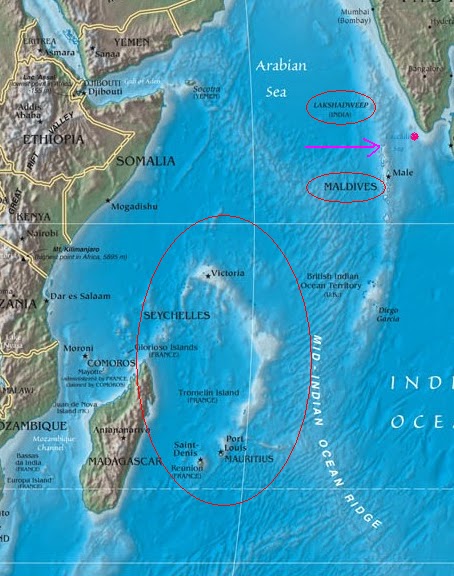
    This dynasty seems to have survived the Tsunami by staying at a higher plane near Madagascar which was a part of Lemuria.

    Saman was the brother of Ila.

    He stayed with his sister Ila in the south.

    And also in Mu civilization.

    This accounts for both the unity and diversity between Sanatana Dharma and Tamils.

    The term Elam, Tamil land seems to have originated from Ila and the descendants of Ila were ruling Elam.

    This Elam encompassed a Landmass called Kumarikandam.

    There seems to be a controversy a s to whether Lemuria and Kumarikandam are different.

    Lemuria and Kumarikandam Verified

    Ila (Sanskrit: इल) or Ilā (Sanskrit: इला) is an androgyne in Hindu mythology, known for their sex changes. As a man, he is known as Ila or Sudyumna and as a woman, is called Ilā. Ilā is considered the chief progenitor of the Lunar dynasty of Indian kings – also known as the Ailas (“descendants of Ilā”).

    While many versions of the tale exist, Ila is usually described as a daughter or son of Vaivasvata Manu and thus the sibling of Ikshvaku, the founder of the Solar Dynasty. In versions in which Ila is born female, she changes into a male form by divine grace soon after her birth. After mistakenly entering a sacred grove as an adult, Ila is either cursed to change his/her gender every month or cursed to become a woman. As a woman, Ilā married Budha, the god of the planet Mercury and the son of the lunar deity Chandra (Soma), and bore him a son called Pururavas, the father of the Lunar dynasty. After the birth of Pururavas, Ilā is transformed into a man again and fathered three sons.


    In the Vedas, Ilā is praised as Idā (Sanskrit: इडा), goddess of speech, and described as mother of Pururavas.’

    (ஈழம் என்று அழைக்கப்பட்ட  மனுவின் மகள் குமரி > ஈழம் என்னும் தமிழ் அரச குமாரி ஆண்டு வந்த. குமரி ஆட்சிசெய்த பகுதிகளை குமரிக்கண்டம் என்று அழைக்கப்பட்டு வந்தது)

    குமரிக்கண்டத்தில் இருந்த தென் இந்தியாவின் பழங்குடிகள் பழந்தமிழர்கள் என்பது கருதுகோள். சிலப்பதிகாரம் மற்றும் மணிமேகலை ஆகிய காப்பியங்களில் குமரிக்கண்டம் பின்னர் அழிவுக்குட்பட்தாக கூறப்படுகின்றது பத்தாயிரம் ஆண்டுகளுக்கு முன்பிருந்த [கி.மு.8000] பனி யுகத்தின் போது மாக்கடலில் கடல்நீர் மட்டம் குன்றிக் குமரிக் கண்டம் முழுவதும் புறத்தே தெரியும்படி மேலாக உயர்ந்திருந்தது. தமிழர் தாயக நிலப்பரப்புகளான தமிழ்நாடு, நாகதீவு>( தமிழீழம்) ஆகியவற்றில் வசித்த  தமிழனின் பிறந்தகம். ஆதித் தமிழன் வாழ்ந்த இடம் லெமுரியாக் கண்டம்.கடற்கோள் காரணமாக  லெமுரியாக் கண்டத்தின் பல பகுதிகள் கடலில் மூழ்கின.அதில் எஞ்சிய பன்னிராயிரம் தீவுகளில் ஒன்றே,>கடலில் மூழ்கிய குமரி நிலத்தின் எச்சமே இன்றைய தமிழனின் பிறந்தகம்.மேற்கூறிய சான்றுகளின்படி தற்போதைய இலங்கை தமிழகத்தின் ஒரு பகுதியே என்பதும் அங்கு வசித்தவர்கள் தமிழை தாய்மொழியாக கொண்டவர்கள் என்பதும் தெளிவாகக் புலப்படுகிறது. தமிழ் ஈழம் தமிழினத்தின் பிறப்புரிமை ! 50 ஆயிரம் ஆண்டுக்கால இலக்கிய வரலாறு கொண்ட தமிழே உலகின் முதன் மொழி! குமரிக் கண்டமே தமிழனின் பிறந்தகம். கடலில் மூழ்கிய குமரி நிலத்தின் எச்சமே இன்றைய தமிழீழம், தமிழ்ஈழம்  என்னும் நாகதீவை ஆண்ட மனுவின் மகள் ஈழம் என்னும் தமிழ் அரசகுமாரி ஆட்சி புரிந்த பகுதி> குமரிக் கண்டம் எனப்பட்டதுசிங்களவர்கள் இலங்கைத் தீவின் வந்தேறிகள்.என்பதும் கடலில் மூழ்கிய குமரி நிலத்தின் ஒரு பகுதியே இன்றைய தமிழீழம், என்பதும் தெளிவாகக் புலப்படுகிறது.

    மனுசக்கரவர்த்திக்கு ,>சமன்,என்னும் புத்திரனும்,>ஈழம், என்னும புத்திரியும்பிறந்தார்கள். மனுசக்கரவர்த்திக்கு பின் தமிழகம் இந்த இருவராலும் ஆட்சி செய்யப்பட்டு வந்தது. 

    தென்னகத்தை மகனாகிய சமனும், அவனது சந்ததியினரும், வடபாகத்தை மகளாகிய ஈழமும் அவளது சந்ததியினரும் ஆண்டு வந்தனர். மனுவின் மகளாகியஈழம் என்பவளுக்கு> குமரி என்று வேறு பெயரும் உண்டு.குமரி என்று அழைக்கப்பட்ட இந்தமனுசக்கரவர்த்தியின் மகள் ஆட்சி புரிந்த பகுதி> குமரிக் கண்டம் எனப்பட்டது. இந்தக் குமரிக் கண்டத்திலேயே  தமிழ்நாடு ,ஈழநாடு, பாண்டி நாடு, சேர நாடு, சோழ நாடு முதலிய நாடுகள் அடங்குகின்றன. ஈழம் என்னும் அரசி அட்சி புரி;ந்த பகுதியே அவளின் பெயரால் ஈழம்நாடு என்று அழைக்கப்பட்டுக் காலக்கிரமத்தில் ஈழநாடு ஆகியது. இந்த நான்கு மண்டலங்களும் ஒரு காலத்தில் ஒரே நிலப்பரப்பாகவே இருந்தன. இடையில் ஏற்பட்ட கடல்கோள்களே ஈழநாடு என்று அழைக்கப்பட்ட ஈழ மண்டலத்தை ஏனைய மூன்று மண்டலங்களிருந்து பிரித்து விட்;டன.எனினும் ஈழமண்டலமாகிய ஈழத்தில் தமிழரே வாழ்ந்து வந்தனர். பிற்காலத்தில்தான் தமிழலரல்லாதோர் இங்கு வந்து குடியேறினர் என்பதனை நாம் மறந்து விடக் கூடாது. வரலாற்றுக்காலத்துக்கு முன்பிருந்தே தமிழர்கள் ஈழத்தில் மிகவும் முன்னேற்றம் அடைந்தவர்களாகவும் நாகரீக வளர்ச்சி பெற்றவர்களுமான ஓர் இனமாக வாழ்ந்து வந்தனர்.

    தமிழர்கள் பாரம்பரியமாக வாழ்ந்துவந்த குமரிக் கண்டத்தில் உள்ள ஒரு நகரில் கன்னியாகிய குமரி (ஈழம்) ஆட்சி புரிந்தமையால் அந்நகரம் கன்னியாகுமரி என்று அழைக்கப்பட்டது. இக்கன்னியாகுமரி என்னும் பட்டினம் குமரிகண்டத்துக்குச் சிலகாலம் தலை நகராகி விளங்கியது. பிற்காலத்தில் குமரிக்கண்டத்தின் பெரும் பகுதி கடல் கொள்ளப்பட்டது. இக்கடல் கோல்களினால் நிலப்பரப்பு மாத்திரமன்றிப் பல தமிழ் சங்க மண்டபங்கள், அவைகளில் இருந்த இலக்கண இலக்கிய நூல்கள் எல்லாம் சமுத்திரத்துள் ஆழ்ந்து விட்டது, சமன் ஆண்ட பிரதேசமும் கடலுள் அமிழ்ந்தி விட்டது.மிகுதியான நிலப்பரப்பு பாரத கண்டம் பல தேசங்களாக பிரிந்தது.

    • Some gaps in the history remain.I am researching.People may contribute with authentic Links


    Reference and citations.

    http://m.ilavamcam.webnode.com/%E0%AE%88%E0%AE%B4%E0%AE%B5%E0%AE%AE%E0%AF%8D%E0%AE%9A%E0%AE%A4%E0%AF%8D%E0%AE%A4%E0%AE%BF%E0%AE%A9%E0%AE%B0%E0%AE%BF%E0%AE%A9%E0%AF%8D-%E0%AE%92%E0%AE%B0%E0%AF%81-%E0%AE%95%E0%AF%81%E0%AE%B2%E0%AE%B5%E0%AE%BF%E0%AE%B3%E0%AE%95%E0%AF%8D%E0%AE%954/


    https://en.wikipedia.org/wiki/Ila_(Hinduism)

    Budha with Ila Image credit.

    By SurendrapuriNavagraha.jpg: Arkrishnaderivative work: Redtigerxyz (talk) – SurendrapuriNavagraha.jpg, CC BY-SA 3.0, https://commons.wikimedia.org/w/index.php?curid=8306583

    https://ramanisblog.in/2014/12/26/lunar-dynasty-india-chandra-vamsa-of-mahabharata-list/

  • Brahmin With Tuft In Lemuria Kumari Kandam

    There are many views about the sunken continent of Lemuria, Kumari Kandam.

    The model of a human figure found here showed a tuft on the head of a person.png
    The model of a human figure found here showed a tuft on the head of a person.
    Brahmin with Traditioanl Tuft at the back of the Head.png
    Brahmin with Traditioanl Tuft at the back of the Head.

    I have posted articles on this, Lemuria The Home Of Tamils,Tamil Nadu,the Whole of Tamil Land,Lemuria Climate, Tamil dates over 50,000 years.

    The views currently in vogue are.

    1.Lumria, Kumari Kandam had an independent culture , different from the Sanatana Dharma-I do not subscribe to this view.

    I have posted an article with evidence that Sanatana Dharma was the Religion of the Tamils.

    2.The Aryans pushed the Tamils in Lemuria towards the South.

    This is based on the now busted Aryan Invasion theory.I do not agree to this.Arya Invasion Theory a, A Myth-please refer my post.

    3.The Kumari Kandam people pushed the Aryans to towards the north, triggering exodus to Europe.

    This calls for more investigation and I shall post my views on this.

    There additional archaeological proof that the Kumari kandam had been a Home for Sanatana Dharma, specifically the Brahmins.

    Skeleton Models found in Gobekli Tepe and Nevali Cori located on the Euphrates in Southern Turkey show temples and figures carved in stone established at a time between 10th and 8thMillennium BC.

    The  tufted Brahmin image/idol is found here.

    Turkey and Euphrates valley was a part of KumariKandam and there is a view that the Sumerian Civilization might have links to it, Tamils might be the forerunners of the Sumerians.

    This fits with my contention that an already evolved people of the South called Kumeru had gone to the North and established Sumeru and continued their Vedic practices.

    The excavated region has the features resembling temples. The interesting feature of the temples is that they are oval or circular shaped.

    More iformation on this to follow.

    Citation.

    http://beforeitsnews.com/science-and-technology/2013/02/guest-blogger-jayasree-mu-to-lemuria-kumari-kandam-to-sumeria-part-2-2-2543096.html?currentSplittedPage=0