Tag: festivals of India

  • What Is Pushkar Day Duties  Details

    What Is Pushkar Day Duties Details

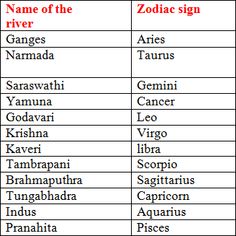
    Pushkar is the time when Planet Jupiter,Brahaspathi in Zodiac.

    There are, according to Hindu texts seven sacred rivers.

    Gange cha yamuneschaiva Godavari Saraswati,

    Narmada Sindhu Kaveri Jalesmin Sannithim kuru’

    This is the Punyahavaachana Mantra,Prokshana Mantra.

    That is this is recited to purify a place and the materials to be used for God and for occasions.

    The seven rivers are,

    Ganges,

    Yamuna,

    Godavari,

    Saraswati,

    Narmada,

    Sindhu and

    Kaveri.

    Yet twelve rivers are also mentioned as sacred.

    It is stated in Hindu texts that taking Holy Dip in these rivers would wash away one’s sins and Rituals for ancestors are to be performed here.

    Special days are,
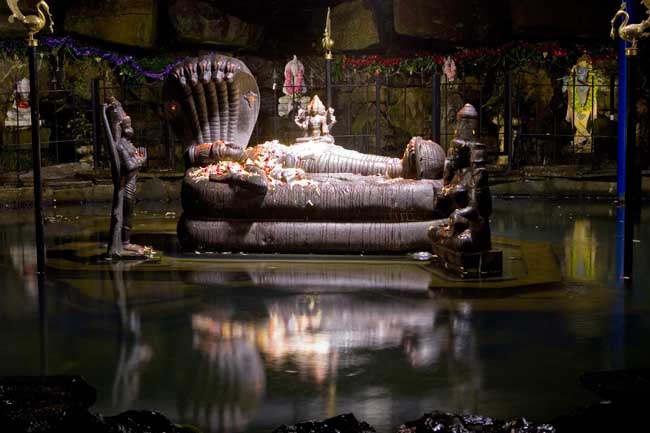
    Amavasya,New Moon days,

    Grahana kaala, Eclipse days,

    Months ,Ashaada,Tula,

    Dakshinayana,Winter Solstice,

    Uttarayana, Summer Solstice, and Sraddha Thithi days of ancestors.

    In addition to this,Pushkar is celebrated,once in twelve years.

    The Rivers,having absorbed the Sins of those who took bath in them are purified during Pushkar.

    For example,the Ganga Pushkar is calculated thus.
    Pushkara schedule starts with Ganga River when Jupiter enters into Mesha Raasi which is the first sign in the zodiac. Pushkara schedule for a particular river will be for one year, however, the first twelve days known as Aadi Pushkara and the last twelve days known as Anthya Pushkara are held to be highly sacred.

    Pushkaram or Pushkaralu (in Telugu), Pushkara or Pushkar is an Indian festival dedicated to worshipping of rivers.Pushkara or Pushkar is a Sanskrit word derived from the element of Push (Pushti) meaning nourishment and Kara means one who does it. Pushkara is the energy that nourishes. With reference to the sacred rivers, Pushkara means the one who energize the rivers and provide spiritual purification.
    Astrologically Jupiter (Brihaspathi) the Devaguru is the most benevolent planet symbolizing the wealth, fortune, learning, knowledge, divinity, progeny, domestic peace, auspiciousness and above all the karaka for occurrence of Pushkaram. Pushkara the Theertharaja always resides in the Kamandalu of Lord Brahma in the sanctified waters that has emerged out from the foot of Lord Sri ManNarayana. Entry of Pushkara into a particular river signifies the Pushkara festival when, all the Brahmaadi Devathas, all the Sages, all the Pithru Devathas, all the Theerthas in this Bhoomandala including Ganga (Ganges) enters into that particular river along with Brihaspathi and Pushkara. This time of their entry into a particular river is considered as highly sacred and celestial that has the power to diminish the ghastly and dreadful sins committed.

    Our ancient seers have prescribed certain austerities to be observed during Pushkara time known as Pushkara Vidhi. Most important are Pushkara Snana (taking bath), Pushkara Vaasa (staying), Pushkara Darshana, Siro Mundana (tonsuring of head), Fasting, Pushkara Pithru Karma, and Pushkara Dana (charity).

    Reference.

    Featured image credit.

    https://www.pinterest.co.uk/pin/475692779372532008/?%24ios_deeplink_path=pinterest%3A%2F%2Fpin%2F475692779372532008&%24android_deeplink_path=pinterest%3A%2F%2Fpin%2F475692779372532008&_client_id=amp-38Cct7tBn346BOvc1-30jg&utm_source=168&utm_medium=2160&current_page_url=https%3A%2F%2Fwww.pinterest.co.uk%2Fpin%2F475692779372036101%2F&install_id=cf9b07a1ef434d31b7f5642756916c01&%24fallback_url=https%3A%2F%2Fwww.pinterest.co.uk%2Fpin%2F475692779372532008%2F&_branch_match_id=556361606816225038

    http://pushkaralu.fullrjy.com/2015/03/godavari-pushkaralu-2015-at-rajahmundry.html?m=1

    Each river is associated with a zodiac sign, and the river for each year’s festival is based on which zodiac sign the planet Jupiter(Bṛhaspati) is in at that time. There are periods when Jupiter is in retrograde motion, resulting in entry into the same Zodiac sign twice in a year. On such occasions, the second entry of Jupiter is reckoned for celebrating the first part of the festival.

    https://en.m.wikipedia.org/wiki/Pushkaram

  • Vaikunta Ekadasi,Vizhnyir Ekoratsya Vikhunh in Russia

    Vaikunta Ekadasi,Vizhnyir Ekoratsya Vikhunh in Russia

    The present area comprising of Russia and the parts of the erstwhile USSR,from Afghanistan border to Arctic and from the black sea to border of China were Vedic.

    I had written on,

    Rig Veda composed in the Arctic,

    Yagnyavalkya had his Ashram in Russia,

    Krishna’s son Pradhyumna built the city of Port Barzhyn,

    Russia was called Sthree Varsha,Kingdom of women and it was a Republic,

    Caspian Sea was Kashyap Sagar,named after Sage Kasyapa,

    Lake Baikal was Indra’s Vaikanasa Theeretha,

    Narodnaya in Urals was Narada Mountain,

    Om Ganeshya Namaha inscription,praising Lord Ganesha is found in Baku,Azharbaijn,

    Vishnu idol found in Russia,

    One can find River Moksha in USSR,

    Seven Rivers,Saptha Sarovar are found in Russia,

    The similarities between Sanskrit and Russian language,

    ….and more.

    (You can find the articles mentioned above by searching Google with the search term +ramanan50)

    Now one more to establish the presence of Sanatana Dharma in Russia.

    That is the observance of Vaikunta Ekadasi,the vrat,the practice of fasting in Russia.

    It was called ‘Vizhnyir Ekoratsya Vikunh’

    In Russian orthodox Christianity, worship is conducted very much like in Vishnu temples. The Russians refer to the feast of Vizhnyir Ekoratsya Vikhunh, directly corresponding with Vaikhunda Ekhadasi. The Russian language also owes a lot to Sanskrit, whose origins 50,000 years ago roughly correspond with the language of the people of the Smritzyi archaeological site, along the banks of the now-dried up Vernstokhlin (Varnasatyakhalini) river system.”

    Reference and citation. http://autarmota.blogspot.in/2015/12/sanskrit-and-ancient-vedic-culture-in.html

    Vaikuntaekadasi

  • Krishna Janmashtami Pooja Procedure Mantras Full

    The personal approach God,of treating Him as a Human being and interacting with Him as one would with a Human being is unique to Hinduism.

    For Hinduism, God is not someone who wields the stick when we err or offer carrots when we are in our best behaviour.

    One has to reap the consequences of one’s actions and there is no escaping from it.

    Krishna Janmashtami 2017.

    14 August.

    Muhurtha for Pooja.

    Nishita Puja Time = 24:03+ to 24:47+
    Duration = 0 Hours 43 Mins
    Mid Night Moment = 24:25+
    On 15th, Parana Time = After 17:39
    On Parana Day Ashtami Tithi End Time = 17:39
    Janmashtami without Rohini Nakshatra
    *Vaishnava Krishna Janmashtami falls on 15/Aug/2017
    For Vaishnava Janmashtami Next Day Parana Time = 05:54 (After Sunrise)
    On Parana Day Ashtami got over before Sunrise
    Janmashtami without Rohini Nakshatra
    Lord Krishna as a child.Image.jpg
    Krishna as a child

    One does not and can not bribe God nor God is a Broker to intervene in the functioning of Cosmic Law.

    Gods, when they take Avatars are bound by their actions as may be noticed from Rama, Krishna Avatars.

    Then why do people perform Pooja?

    Self realization is nothing but the rediscovering the true Nature of oneself, Sat, Chit and Ananda, Being, Consciousness and Bliss.

    Human mind needs to be focussed from the myriad of Thoughts to concentrate on a Single Thought which would lead to the annihilation of Thoughts and one realizes the Self.

    The Poojas are a tool to concentrate the Mind and to lead one towards Godhood.

    When one connects with Reality at the emotional level, it becomes easier to practice Bhakthi Yoga.

    This type of Approach is like Kindergarten and when one reaches Higher levels of Yoga and realizes BrahmanThe Self, the earlier approach of Pooja might seem silly.

    But nobody can get a Doctorate without attending Kindergarten.

    So performance of Poojas is vital.

    In performing Poojas, there are processes of performing them ,

    Five fold, Pancha Upachaara,

    Shodasa Upachaara,Sixteen Fold and

    Sixty four Fold.

    Please read my articles on Upachaara.

    I am providing the Sixteen Fold process of Pooja to be performed forcLord Krishna on Janmashtami,Krishnashtami, Gokulashtami.

    One starts Poojas with Prayer to Ganesh, take right determination, Sankalpa and proceeds thus.

    Dhyanam (ध्यानम्) Puja should begin with the meditation of Lord Krishna. Dhyana should be done in front of already installed Lord Krishna statue in front of you.

    Following Mantra should be chanted while meditating on Lord Shri Krishna.

    Om Tamadbhutam Balakam Ambujekshanam Chaturbhuja Shankha Gadadyudhayudam। Shri Vatsa Lakshmam Gala Shobhi Kaustubham Pitambaram Sandra Payoda Saubhagam॥ Maharha Vaidhurya Kiritakundala Tvisha Parishvakta Sahasrakundalam। Uddhama Kanchanagada Kanganadibhir Virochamanam Vasudeva Ekshata॥ Dhyayet Chaturbhujam Krishnam, Shankha Chakra Gadadharam। Pitambaradharam Devam Mala Kaustubhabhushitam॥ Om Shri Krishnaya Namah। Dhyanat Dhyanam Samarpayami॥

    Avahanam (आवाहनं) After Dhyana of Lord Krishna, one should chant following Mantra in front of the Murti, by showing Aavahan Mudra (Aavahan Mudra is formed by joining both palms and folding both thumbs inwards).

    Avahana Mantra

    Om Sahasrashirsha Purushah Sahasrakshah Sahasrapat। Sa Bhumim Vishvato Vritva Atyatishthaddashangulam॥ Agachchha Devadevesha Tejorashe Jagatpate। Kriyamanam Maya Pujam, Grihana Surasattame॥ Avahayami Deva Tvam Vasudeva Kulodbhavam। Pratimayam Suvarnadinirmitayam Yathavidhi॥ Krishnam Cha Balabadhram Cha Vasudevam Cha Devakim। Nandagopa Yashodam Cha Subhadram Tatra Pujayet॥ Atma Devanam Bhuvanasya Garbho Yathavasham Charati Deveshah। Ghosha Idasya Shrnvire Na Rupam Tasmai Vatayahavisha Vidhema॥ Shri Kleem Krishnaya Namah, Saparivara Sahita, Shri Balakrishnam Avahayami॥

    Asanam (आसनं) After Lord Krishna has been invoked, take five flowers in Anjali (by joining palm of both hands) and leave them in front of the Murti to offer seat to Shri Krishna while chanting following Mantra.

    Asana Mantra

    Purusha Evedagam Sarvam Yadbhutam Yachchha Bhavyam। Utamritatvasyeshanah Yadannenatirohati॥ Rajadhiraja Rajendra Balakrishna Mahipate। Ratna Simhasanam Tubhyam Dasyami Svikuru Prabho॥ Om Shri Balakrishnaya Namah। Asanam Samarpayami॥

    Padya (पाद्य)

    After offering seat to Lord Krishna offer Him water to wash the feet while chanting following Mantra.

    Padyam Mantra Etavanasya Mahima Ato Jyayaganshcha Purushah। Padoasya Vishva Bhutani Tripadasyamritam Divi॥ Achyutananda Govinda Pranatarti Vinashana। Pahi Mam Pundarikaksha Prasida Purushottama॥ Om Shri Balakrishnaya Namah। Padoyo Padyam Samarpayami॥

    Arghya (अर्घ्य) After Padya offering, offer water to Shri Krishna for head Abhishekam while chanting following Mantra. Arghyam Mantra.

    Tripadurdhva Udaitpurushah Padoasyehabhavatpunah। Tato Vishvangvyakramat Sashananashane Abhi॥ Paripurna Parananda Namo Namo Krishnaya Vedhase। Grihanarghyam Maya Dattam Krishna Vishnorjanardana॥ Om Shri Balakrishnaya Namah। Arghyam Samarpayami॥

    Achamaniyam (आचमनीयं) After Arghya offering, offer water to Shri Krishna for Achamana (water for sipping) while chanting following Mantra.

    Achamana Mantra

    Tasmadviradajayata Virajo Adhi Purushah। Sa Jato Atyarichyata Pashchadbhumimatho Purah॥ Namah Satyaya Shuddhaya Nityaya Jnana Rupine। Grihanachamanam Krishna Sarva Lokaika Nayaka॥ Om Shri Balakrishnaya Namah। Achamaniyam Samarpayami॥

    Snanam (स्नानं) After Achamana, offer water to Shri Krishna for the bath while chanting following Mantra.

    Snanam Mantra.

    Yatpurushena Havisha Deva Yajnamatanvata। Vasanto Asyasidajyam Grishma Idhmashsharaddhavih॥ Brahmandodara Madhyasthaistithaishcha Raghunandana। Snapayishyamyaham Bhaktya Tvam Grihana Janardana॥ Om Shri Balakrishnaya Namah। Malapakarsha Snanam Samarpayami॥

    Vastra (वस्त्र)

    Now offer Moli (मोली) as new clothes to Shri Krishna while chanting following Mantra.

    Vastra Mantra.

    Om Tam Yajnam Barhishi Praukshan Purusham Jatamagratah। Tena Deva Ayajanta Sadhya Rishayashcha Ye॥ Om Upaitu Mam Devasakhah Kirtishcha Manina Saha। Pradurbhutoasmi Rashtresminkirtimriddhim Dadatu Me॥ Tapta Kanchana Samkasham Pitambaram Idam Hare। Samgrihana Jagannatha Balakrishna Namoastute॥ Om Shri Balakrishnaya Namah।

    Vastrayugmam Samarpayami॥

    Yajnopavita (यज्ञोपवीत) After Vastra offering, offer Yajnopavita to Shri Krishna while chanting following Mantra.

    Yajnopavitam Mantra.

    Tasmadyajnatsarvahutah Sambhritam Prishadajyam। Pashuganstaganshchakre Vayavyan Aranyan Gramyashchaye॥ Kshutpipasamalam Jyeshthamalakshmim Nashayamyaham। Abhutimasamriddhim Cha Sarvam Nirnudame Grihat॥ Shri Balakrishna Devesha Shridharananta Raghava। Brahmasutramchottariyam Grihana Yadunandana॥ Om Shri Balakrishnaya Namah। Yajnopavitam Samarpayami॥

    Gandha (गन्ध) After Yajnopavita offering, offer scent to Shri Krishna while chanting following Mantra.

    Gandha Mantra.

    Tasmadyajnatsarvahutah Richah Samani Jajnire। Chhandansi Jajnire Tasmat Yajustasmadajayata॥ Gandhadwaram Duradharsham Nityapushtam Karishinim। Ishwarim Sarvabhutanam Tamihopahvaye Shriyam॥ Kumkumagaru Kasturi Karpuram Chandanam Tata। Tubhyam Dasyami Rajendra Shri Krishna Svikuru Prabho॥ Om Shri Balakrishnaya Namah। Gandham Samarpayami॥

    Abharanam Hastabhushan (आभरणं हस्तभूषण)

    Now offer jewellery (Abhushana) to Shri Krishna while chanting following Mantra.

    Abharanam Hastabhushan Mantra Grihana Nanabharanani Krishnaya Nirmitani। Lalata Kanthottama Karna Hasta Nitamba Hastamguli Bhushanani॥ Om Shri Balakrishnaya Namah। Abharanani Samarpayami॥ Om Shri Balakrishnaya Namah। Hastabhushanam Samarpayami॥

    Nana Parimala Dravya (नाना परिमल द्रव्य)

    Now offer various fragrance stuffs to Lord Krishna while chanting following Mantra.

    Nana Parimala Dravya Mantra Om Ahiriva Bhogaih Paryeti Bahum Jayaya Hetim Paribadhamanah। Hastaghno Vishva Vayunani Vidvanpumanpumamsam Pari Patu Vishvatah॥ Om Shri Balakrishnaya Namah। Nana Parimala Dravyam Samarpayami॥

    Pushpa (पुष्प) Now offer flowers to Lord Krishna while chanting following Mantra.

    Pushpa Mantra Malyadini Sugandhini, Malyatadini Vaiprabho। Maya Hritani Pujartham, Pushpani Pratigrihyatam॥ Om Shri Balakrishnaya Namah। Pushpani Samarpayami॥

    Atha Angapuja (अथ अङ्गपूजा)

    Now worship those Gods who are body parts of Shri Krishna itself. For that take Gandha, Akshata and Pushpa in left hand and leave them near to Lord Krishna Murti with right hand while chanting following Mantra(s).

    Angapuja Mantra.

    Om Shri Krishnaya Namah। Padau Pujayami॥ Om Rajivalochanaya Namah। Gulphau Pujayami॥ Om Narakantakaya Namah। Januni Pujayami॥ Om Vachaspataye Namah। Janghai Pujayami॥ Om Vishvarupaya Namah। Urun Pujayami॥ Om Balabhadranujaya Namah। Guhyam Pujayami॥ Om Vishvamurtaye Namah। Jaghanam Pujayami॥ Om Gopijana Priyaya Namah। Katim Pujayami॥ Om Paramatmane Namah। Udaram Pujayami॥ Om Shrikantaya Namah। Hridayam Pujayami॥ Om Yajnine Namah। Parshvau Pujayami॥ Om Trivikramaya Namah। Prishthadeham Pujayami॥ Om Padmanabhaya Namah। Skandhau Pujayami॥ Om Sarvastradharine Namah। Bahun Pujayami॥ Om Kamalanathaya Namah। Hastan Pujayami॥ Om Vasudevaya Namah। Kantham Pujayami॥ Om Sanatanaya Namah। Vadanam Pujayami॥ Om Vasudevatmajaya Namah। Nasikam Pujayami॥ Om Punyaya Namah। Shrotre Pujayami॥ Om Shrishaya Namah। Netrani Pujayami॥ Om Nandagopapriyaya Namah। Bhravau Pujayami॥ Om Devakinandanaya Namah। Bhrumadhyam Pujayami॥ Om Shakatasuramardhanaya Namah। Lalatam Pujayami॥ Om Shri Krishnaya Namah। Shirah Pujayami॥ Om Shri Balakrishnaya Namah। Sarvangani Pujayami॥ Dhupam (धूपं) Now offer Dhupa to Shri Krishna while chanting following Mantra. Dhupa Mantra Vanaspatyudbhavo Divyo Gandhadyo Gandha Uttamah। Balakrishna Mahipalo Dhupoyam Pratigrihyatam॥ Yatpurusham Vyadadhuh Katidha Vyakalpayan। Mukham Kimasya Kau Bahu Kavuru Padavuchyete॥ Om Shri Balakrishnaya Namah।


    Now Chant Krishna Astotram and offer flowers.


    Deepam (दीपं) Now offer Deep to Shri Krishna while chanting following Mantra.

    Deepam Mantra Sajyam Trivarti Samyuktam Vahnina Yojitum Maya। Grihana Mangalam Deepam, Trailokya Timirapaham॥ Bhaktya Deepam Prayashchami Devaya Paramatmane। Trahi Mam Narakat Ghorat Deepam Jyotirnamostute॥ Brahmanosya Mukhamasit Bahu Rajanyah Kritah। Uru Tadasya Yadvaishyah Padbhyam Shudro Ajayata॥ Om Shri Balakrishnaya Namah। Deepam Darshayami॥

    Naivedya (नैवेद्य) Now offer Naivedya to Shri Krishna while chanting following Mantra.

    Naivedya Mantra Om Krishnaya Vidmahe Balabhadraya Dhimahi। Tanno Vishnu Prachodayat॥ Om Shri Balakrishnaya Namah॥ Nirvishi Karanarthe Tarksha Mudra। Amriti Karanarthe Dhenu Mudra। Pavitri Karanarthe Shankha Mudra। Sanrakshanarthe Chakra Mudra। Vipulamaya Karanarthe Meru Mudra। Om Satyantavartena Parishinchami। Bhoh! Swamin Bhojanartham Agachchhadi Vijnapya। Sauvarne Sthalivairye Manigana Khachite Goghritam Supakvam Bhakshyam Bhojyam Cha Lehyanapi Sakalamaham Joshyamna Nidhaya Nana Shakairupetam Samadhu Dadhi Ghritam Kshira Paniya Yuktam Tambulam Chapi Shri Krishnam Pratidivasamaham Manasa Chintayami॥ Adya Tishthati Yatkinchit Kalpitashchaparamgrihe Pakvannam Cha Paniyam Yathopaskara Samyutam Yathakalam Manushyarthe Mokshyamanam Shariribhih Tatsarvam Krishnapujastu Prayatam Me Janardana Sudharasam Suvipulam Aposhanamidam Tava Grihana Kalashanitam Yatheshtamupabhujjyatam॥ Om Shri Balakrishnaya Namah। Amritopastaranamasi Svaha। Om Pranatmane Narayanaya Svaha। Om Apanatmane Vasudevaya Svaha। Om Vyanatmane Sankarshanaya Svaha। Om Udanatmane Pradyumnaya Svaha। Om Samanatmane Aniruddhaya Svaha। Om Shri Balakrishnaya Namah। Naivedyam Grihyatam Deva Bhakti Me Achalam Kuruh। Ipsitam Me Varam Dehi Ihatra Cha Param Gatim॥ Shri Krishna Namastubhyam Maha Naivedyam Uttamam। Sangrihana Surashreshtha Bhakti Mukti Pradayakam॥ Om Chandrama Manaso Jatah Chakshoh Suryo Ajayata। Mukhadindrashchagnishcha Pranadvayurajayata॥ Om Ardram Pushkarinim Pushtim Suvarnam Hemamalinim। Suryam Hiranmayim Lakshmim Jatavedo Ma Avaha॥ Om Shri Balakrishnaya Namah। Naivedyam Samarpayami॥ Sarvatra Amritopidhanyamasi Svaha। Om Shri Balakrishnaya Namah। Uttaraposhanam Samarpayami॥

    Tambulam (तांबूलं) Now offer Tambula (Paan with betel nuts) to Shri Krishna while chanting following Mantra.

    Tambulam Mantra.

    Pugiphalam Satambulam Nagavalli Dalairyutam। Tambulam Grihyatam Krishna Yela Lavanga Samyuktam॥ Om Shri Balakrishnayanamah। Pugiphala Tambulam Samarpayami॥

    Dakshina (दक्षिणा).

    Now offer Dakshina (gift) to Shri Krishna while chanting following Mantra. .

    Achamana Mantra .

    Hiranya Garbha Garbhastha Hemabija Vibhavasoh। Ananta Punya Phalada Athah Shantim Prayachchha Me॥ Om Shri Balakrishnayanamah। Suvarna Pushpa Dakshinam Samarpayami॥

    Maha Nirajan (महा नीराजन) Now offer Nirajan (Aarti) to Shri Krishna while chanting following Mantra.

    Maha Nirajan Mantra.

    Om Shriyai Jatah Shriya Aniriyaya Shriyam Vayo Jaritribhyo Dadati Shriyam Vasana Amritattvamayan Bhavanti Satya Sa Mithamitadrau Shriya Evainam Tat Shriyamadadhati Santatamricha Vashatkrityam Santatyai Sandhiyate Prajaya Pashubhih Ya Evam Veda॥ Om Shri Balakrishnaya Namah। Mahanirajanam Deepam Samarpayami॥

    Pradakshina (प्रदक्षिणा) Now offer symbolic Pradakshina (circumambulate from left to right of Shri Krishna) with flowers while chanting following Mantra.

    Pradakshina Mantra.

    Om Nabhya Asidantariksham Shirshno Dyauh Samavartata। Padabhyam Bhumirdishah Shrotrat Tatha Lokan Akalpayan॥ Ardram Yahkarinim Yashtim Pingalam Padmamalinim। Chandram Hiranmayim Lakshmim Jatavedo Ma Avaha॥ Yani Kani Cha Papani Janmantara Kritani Cha। Tani Tani Vinashyanti Pradakshine Pade Pade॥ Anyatha Sharanam Nasti Tvameva Sharnam Mama। Tasmat Karunya Bhavena Raksha Rakhsa Ramapate॥ Om Shri Balakrishnayanamah। Pradakshinan Samarpayami॥

    Namaskar (नमस्कार) Now pay homage to Shri Krishna while chanting following Mantra.

    Namaskar Mantra.

    Namo Brahmanya Devaya Gobrahmanahitaya Cha। Jagadishaya Krishnaya Govindaya Namo Namah॥ Krishnaya Vasudevaya Haraye Paramatmane। Pranatakleshanashaya Govindaya Namo Namah॥ Namastubhyam Jagannatha Devakitanaya Prabho Vasudevatmajananda Yashodanandavardhana Govinda Gokuladara Gopikanta Namostute Saptasyasan Paridhayah Trissapta Samidhah Kritah। Deva Yadyajnam Tanvanah Abadhnanpurusham Pashum॥ Tam Ma Avaha Jatavedo Lakshmimanapagaminim। Yasyam Hiranyam Vindeyam Gamashvam Purushanaham॥ Namah Sarva Hitartaya Jagadadhara Hetave। Sashtangoyam Pranamaste Prayatnena Maya Kritah॥ Urusa Shirasa Drishtva Manasa Vachasa Tatha। Padbhyam Karabhyam Janubhyam Pranamoshtangam Uchyate॥ Shatyenapi Namaskaran Kurvatah Shrangapanaye। Shata Janmarchitam Papam Tatkshanadeva Nashyati॥ Om Shri Balakrishnaya Namah। Namaskaran Samarpayami॥

    Kshamapan (क्षमापन) After Namaskar, seek pardon from Shri Krishna for any known-unknown mistakes done during Puja while chanting following Mantra.

    Kshamapan Mantra Aparadha Sahasrani Kriyante Aharnisham Maya। Dasoayamiti Mam Matva Kshamasva Purushottama॥ Yantu Deva Ganah Sarve Pujam Adaya Parthivim। Ishta Kamyartha Siddhyartham Punaragamanaya Cha॥

    ॥Shri Krishnarpanamastu॥

    Mantra citation and source.

    http://www.drikpanchang.com/dashavatara/lord-krishna/janmashtami/puja-vidhi/krishna-janmashtami-puja-vidhi.html

  • Indian Valentines Day May 10 Indira Vizha Nepal Yena festival

    Indians , contrary to what is being projected,, gave importance  to finer emotions of Life.

    Chitrai Thiruvizha , Madurai
    Chitar FestivalMadurai

    Hinduism is not all about asceticism and renunciation..

    Yena Festival Nepal,Chariot procession
    Yena Festival Nepal,Chariot procession

    They have formulated the stages of Life one goes through based on his physical and emotional development.

    Indir Vizha flag, Fag of Indra with Vajra, His weapon
    Indras flag adopted

     At the same time they also took into account the social structure  into account.

    The Stages of Life.

    Brahmacharya,The stage of Studies, celibacy and inculcation of self discipline.

    Gruhastha, Married Life, with duties laid down towards each other and to society.

    Vanprastha,The stage when one reaches a stage in Life where one has discharged his family and social obligations and children are settled.One leaves the running of the family to his sons, and pursues the spiritual path.If one’s wife is willing to travel in this journey she is welcome.Otherwise she is in the care of her sons.One may retire to forests to contemplate.

    Sanyas, the stage when one relinquishes everything and is totally engaged in self enquiry.

    Each stage is provided with necessary structure to develop that stage .

    Sanatana Dharma understood the human feeling ,emotions and imitations of Human Mind and human nature.

    So it has provided alternate paths to realize God.One can choose what suits one the best.

    Opportunities are provided for Love and marrigae.

    Not all marriages , during Sanatana Dharma, were arranged one.

    There are many type of marriages. set forth by Santna Dharma, one of them being Gandharva Vivaha, Love marriage.

    However another ancient people of India Tamils, intricately connected with Sanatana Dharma, went a step further. Their marriage types are more detailed. Please my articles on these.

    The Tamils have devoted n entire chapter for Love and the attendant issues in theier first Grammatical work, Tholkaapiyam.

    It is called Kalavozhukkam,it details procedure to be followed, activities during courting.

    It my of interest to note that women re given equal right in this process.

    To facilitate  Courtship and Love, the Tamils have dedicated a day of the Year.

    This day is dedicated to Lord Indra, chief of Devas and also known for Love and enjoyment.

    He is Bhogi, one who revels in pleasure .

    Bhogi festival which precedes Tamil New Year is dedicated to him.

    Tamils also  fixed a day for revelry and courtship, when one finds his or her love,

    This was called Indira Vizha, the festival for for Indra.

    This was celebrated to bring in rains as Indra is the God of Thunder.

    Failure to propitiate him by Yadavas resulted in a deluge and Lord Krishna had to lift the Govardhan Mountain to save the Yadavas.

    When a Choza king stopped it, the harbour city of Kaveripumpattinam in Tamil Nadu was devoured by the sea..

    This Festival the Indian Valentines Day was held on the Chitra Pournmi Day.

    That is on the day the Nakshatra  Chitra( Spica) and a Full Moon fall on the same day.

    This is around May 10 of the Gregorian Calendar.

    To allow for climate changes this is celebrated around is September 27 in Nepal

    This is also the day of Buddha Pournima and Kurma Jayanthi

    Unlike the west where Lovers’ day has been named after an individual( which again is open to doubt), the Tamils fixed it on a Celestial event!

    Tamil Epics Silappadikaram and Manimekalai detail this festival.

    Sangam Tamil literature refers to Indra (Pura Nanuru 182 and 241, Ainkuru. 62, Tirumurugu. 155-59 ) and Amruta (ambrosia of Indraloka) in a lot of places. Didactic books including Tirukkural also refer to Indra and Amruta.

    ainkuirunuru 62

    இந்திர விழவில் பூவின் அன்ன
    புன் தலைப் பேடை வரி நிழல் அகவும்
    இவ் ஊர் மங்கையர்த் தொகுத்து, இனி
    எவ் ஊர் நின்றன்று மகிழ்ந! நின் தேரே?

    Like the cock with its small head
    which called for the hens from shady place,
    you gathered women of this town
    in festival of Indra.
    Now towards which town
    is your chariot proceeding,
    so that you can have more pleasure?

    Poet:Orampoki

    Translated by me

    This poem is uttered by the wife to her husband. This show that Indra Vizha was a popular hunting ground for men to covet lovely young maidens and courtesans.

    We will now proceed to best discription of Indra Vizha in Tamil Literature.

    The following are excerpts from Indra Vizha chapter from Puhar Kandam in Silapathikaram.

    “இளவேனிலும் மலயத் தென்றலும் உலவும் வீதி”

    காதல் கொழுநனைப் பிரிந்து அலர் எய்தா

    மாதர்க் கொடுங் குழை மாதவி-தன்னோடு

    இல் வளர் முல்லை, மல்லிகை, மயிலை,

    தாழிக் குவளை, சூழ் செங்கழுநீர்,

    பயில் பூங் கோதைப் பிணையலின் பொலிந்து,

    காமக் களி மகிழ்வு எய்தி, காமர்

    பூம் பொதி நறு விரைப் பொழில் ஆட்டு அமர்ந்து,

    நாள் மகிழ் இருக்கை நாள்-அங்காடியில்

    பூ மலி கானத்துப் புது மணம் புக்கு,

    புகையும் சாந்தும் புலராது சிறந்து,

    நகை ஆடு ஆயத்து நல் மொழி திளைத்து,

    குரல் வாய்ப் பாணரொடு, நகரப் பரத்தரொடு,

    திரிதரு மரபின் கோவலன் போல,

    இளி வாய் வண்டினொடு, இன் இளவேனிலொடு,

    மலய மாருதம் திரிதரு மறுகில்-

    Charmed by the sight of lover’s rapture, the breeze wandered through gardens of delight faintly scented by tender buds too shy to open yet; it roamed through the market noisy with frolic, where it gathered the perfumes of incense and sandal paste and entwining itself with laughter of lovers, it scattered their secrets as it passed. Gently warmed by the young summer, it kept company with wandering bees, whose murmur resemble the illi, the fifth note of the harp. And like the breeze, singers, oboe players, and companions expert seeking adventure.

    “வீதியில் உலவும் பரத்தையரை ஆடவர் புகழ்தல்”

    கரு முகில் சுமந்து, குறு முயல் ஒழித்து-ஆங்கு,

    இரு கருங் கயலொடு இடைக் குமிழ்஢ எழுதி,

    அம் கண் வானத்து அரவுப் பகை அஞ்சி,

    திங்களும் ஈண்டுத் திரிதலும் உண்டுகொல்!-

    One of the young men thus celebrated his beloved lady:

    “ The Moon, in fear of Rahu, monster who

    devours her on the days of her eclipse,

    fled from the sky in search of shelter.

    framed in the dark clouds of you hair,

    she reappeared then as your pallid face.

    she chased away the hairs from your fair cheeks,

    painted two soot- black fish- shaped eyes,

    and in the middle placed kumil flower,

    that since then passes for your pretty nose.”

    நீர் வாய் திங்கள் நீள் நிலத்து அமுதின்

    சீர் வாய் துவலைத் திரு நீர் மாந்தி,

    மீன் ஏற்றுக் கொடியோன், மெய் பெற, வளர்த்த,

    வான-வல்லி வருதலும் உண்டுகொல்!

    Another lover sang to his love:

    “You are a lighting-flash, born in the sky,

    that Eros, a fish upon his pennant, hurled

    when he descended on this earth in search

    of his annihilated body, drinking all the nectar

    that the pale Moon distills us drop by drop.”

    ‘Chitra Pournami – was supposed to have been the Valentine’s day as
    per Ancient Tamil Culture – followed with Indira Vizha!

    It was rather Valentine’s month till next Pounrnami! Greeks
    present in such functions carried this custom to their country and
    then spread to France and thus Feb 14th.. !

    ‘The festival usually commenced with a group beating drums and
    announcing to the people the start of the celebrations. The citizens of
    the town then cleaned the streets and roads and redecorate the city,
    with each house being adorned with many decorations. The officials of
    the kingdom would pay their respects to the king and wish him and the
    kingdom well. Musical performances would be held and the fire oblations
    offered in many temples for Siva, Vishnu and other deities. The festival
    ended with people bathing in the sea with the members of the family. It
    was generally believed that this festival was actually a prayer to
    Indra, and would remove the difficulties and dangers to those who
    celebrate it. “

    Who Started the Indira Vizha.

    Mahabharata says it was started by Uparichara Vasu. The life story of Uparichara Vasu itself is interesting. He was given an aeroplane and a garland of never fading lotus flowers by Indra. He married Girika but he was asked to go to a forest where his seed (semen) fell at the thought of his wife. It was devoured by a fish and Matsya (satyavati) was born to the fish. Each one of his sons started a separate dynasty in India. He was credited with some engineering feats  such as breaking down a hill to create a new river (Please read my post GREAT ENGINEERS OF ANCIENT INDIA).

    Jain scriptures link Indra festival with Rishabadeva, the first Thirthankara. Tamil epic Silappadikaram (Kathai 5) says that one choza king Thungeyil  Erintha Thodithot  Sembiyan started this festival. Both may be correct if we take one started it in the north and another started in the south of India. Interestingly Chozas themselves claimed that their ancestors ruled north India. All their ancestors were mythological characters mentioned in Mahabharata and Ramayana. The very word Sembiyan came from Sibi Chakravarthy of the famous pigeon story  (Sibi=Saibya=Sembiya). The story of Sibi is in Sangam Tamil literature, Pancha Tantra and Tamil epic Silappadikaram.

    The details of the celebrations were given in Silappadikaram  (5: 141-4) and Manimekalai (1:27-72, 2:1-3, 1:1-9, 24: 62-69, 25: 175-200). The drummer will announce that the festival began and then people will assemble to hoist the Indra Dwaja (Banner). The whole town wore a festive look with lot of decorations. Indra was bathed with holy water. It started on a full moon day in Chitra month (coinciding with April). Other deities were also decorated. Dance and Music were the highlights.

    According to Maimekalai, Agastya asked the Sembian (Choza) king to start this festval. In Nepal, it is celebrated in September. In Tamil Nadu, the festival Bogi, celebrated on the eve of Makarasanranti/ Pongal also linked with Indra. Bogi itself means Indra.

    Indira Vizha in Nepal.

    The rare coincidence between the Tamils and the Nepalese is that both of them install a pole and hoist the Indra flag. In Nepal it is celebrated for 8 days but in Tamil Nadu it was celebrated for 28 days.

    Yenya, Nepl Indir vizha.

    Indra Jātrā as it is most commonly known or Yenyā (Nepal Bhasa: येँयाः) is the biggest religious street festival in Kathmandu, Nepal. Yenya means “Kathmandu festival” in Nepal Bhasa. The celebrations consist of two events. Indra Jātrā is marked by masked dances of deities and demons, displays of sacred images and tableaus in honor of the deity Indra, the king of heaven. The other event isKumāri Jātrā, the chariot procession of the living goddess Kumari.

    Family members deceased in the past year are also remembered during the festival. The main venue of the festivities is Kathmandu Durbar Square. The celebrations last for eight days from the 12th day of the bright fortnight to the 4th day of the dark fortnight ofYanlā (ञला), the eleventh month in the lunar Nepal Era calendar.

    Indra Jatra was started by King Gunakamadeva(गुणकामदेव) to commemorate the founding of the city of Kathmandu in the 10th century. Kumari Jatra began in the mid-18th century. The celebrations are held according to the lunar calendar, so the dates are changeable. The 2016 date is September 27.

    Reference and citation.

    http://ponniyinselvan.in/forum/discussion/30059/indira-vizha-tamil-velentines-day/p1

    https://tamilandvedas.com/2012/08/11/indra-festival-in-the-vedas-and-tamil-epics/

    https://karkanirka.org/2010/02/14/indira-vizha-silapadikaram/

    Yena Festival Image credit.By Krish Dulal – Own work, CC BY-SA 3.0, https://commons.wikimedia.org/w/index.php?curid=16432786


  • Devi Mahatmiyam Durga Sapthasati Parayana Procedure

    The three forms of the female principles embodied in Durga, Lakshmi and Sarasvati are the expressions of Valour,Wealth and Knowledge needed for the Humans.

    All the three have to stay together if one were to lead a successful Life.

    Hindu festivals represent these principles and they remind one of these Life’s Truths.

    Durga represents Valor, Lakshmi wealth and Sarasvati Knowledge.

    The Nine days’ festival, Navaratri represents this.

    I have written articles on the procedure Mantras and dates assigned to each Goddess.

    There is a sacred text, called Devi Mahatmiyam in Markandeya Purana which delivers the results  equivalent  to accruing by reciting all the mantras of the three Devis.

    Durga, Lakshmi, Sarasvathi.jpg
    Durga, Lakshmi, Sarasvathi.

    The Devi (mother Goddess) killed Madhu and Kaidabha as Vishnu Maya (Thamasic-base), killed Mahishasura as Lakshmi (Rajashic form-materialistic) and killed Shumbha and Nishumbha in the form of Goddess Saraswathi (Sathvic-spiritual).

    All the three are combined in this Stotra.

    It consists of Chapters 74 to 86 (13 chapters) of the Markandeya Purana and has 700 stanzas.

    This is known as Devi Mahatmya in South India, Chandi in West Bengal and as Durga Sapthasathi in the northern parts of the country including Varanasi.

    How to do Devi Mahatmiya Parayan

    There are two methods.

    Trayangam is a method in which we need to chant three prayers – Devi Kavacham, Argala Stotram and Devi Keelakam followed by Navakshari Mantram.

    Navangam is a method for which nine prayers are recited prior of starting reading the book. Navangam stotrams are: Devi Nyasa, Devi Avahana, Devi Namani, Argala Stotram, Keelaka Stotram, Devi Hrudaya, Dhala, Devi Dhyana and Devi Kavacha.

    As per the prescribed methods in ancient scriptures, Devi Mahatmya should be read in one sitting. After finishing the recital of Devi Mahatmya, one should chant the Devi Suktam (slokas 7 to 36 of Chapter 8).

    Devi Saptashati Parayana in 3 days & 7 days

    Apart from one sitting recital, devotees read Devi mahatmya for three consecutive days: Prathama Charitra or 1st Chapter on first day, Madhyama Charitra (2, 3, 4 chapters) on 2nd day, and Uttama Charitra (5-13 chapters) on third day.

    Some devotees also read Devi Mahatmya in 7 days. They chant 1st Chapter on first day, 2-3 chapters on 2nd day, 4th chapter on 3rd day, 5-8 chapters on 4th day, 9-10 chapters on 5th day, 11thchapter on 6th day and 12-13 chapters on 7th day.

    Each chapter should be read in single sitting. Due to any reason, Parayana is stopped in between a chapter; the whole chapter should be read again.

    The order of reciting Durga Saptashati Parayana daily is: Trayanga Mantra, Devi Mahatmya text followed by Devi Suktam.

    Many devotees read Durga Saptashati during Navratri Durga Puja 9/10 days.. Here is the procedure to read Devi Mahatmyam during Navratri

    How to read Durga Saptashati (Devi Mahatmyam) during Navratri festival

    1st day: Chapter 1 (Madhu kaitabha samhaaram)

    2nd day: Chapter 2, 3 and 4 (Mahishhasura samhaara)

    3rd day: Chapter 5 and 6 (Dhuumralochana vadha)

    4th day: Chapter 7 (Chanda Munda vadha)

    5th day: Chapter 8 (Rakta biija samhaara)

    6th day: Chapter 9 and 10 (Shumbha Nishumbha vadha)

    7th day: Chapter 11 (Praise of Narayani)

    8th day: Chapter 12 (Phalastuti – reciting merits or benefits)

    9th day: Chapter 13 (Blessings to Suratha and the Merchant)

    10th day: Chapter 14 (Aparadha Kshamaprarthana) on 10th day

    You can also complete the recital on 9th day by chanting Devi Aparadha Kshama Prarthana Stotram on 9th day itself.

    You should read Siddha Kunjika Stotram after completing the recital of every chapter.

    Siddhakunjika Stotra.

    *

    This manthra is of very great power and should not be chanted unless, it is taught by a Guru.

    The other is Navangam, where nine prayers are recited before starting reading of the book. They are chanting of 1. Nyasa, 2. Avahana, 3. Namani, 4. Argala, 5. Keelaga, 6. Hrudhaya, 7. Dhala, 8. Dhyana and 9. Kavacha.

    It is recommended that the entire Devi Mahatmya should be read in one sitting. After completion of the reading it is necessary to chant the Devi Suktham consisting of the slokas seven to 36 of chapter 8, is to be chanted. If the Guru has taught the navakshari manthra, then it should also be meditated up on.

    Citation.

    http://stotraratna.sathyasaibababrotherhood.org/pm1.htm

    Devi Mahatmiyam Sanskrit Text

    Devi Mahatmiyam English