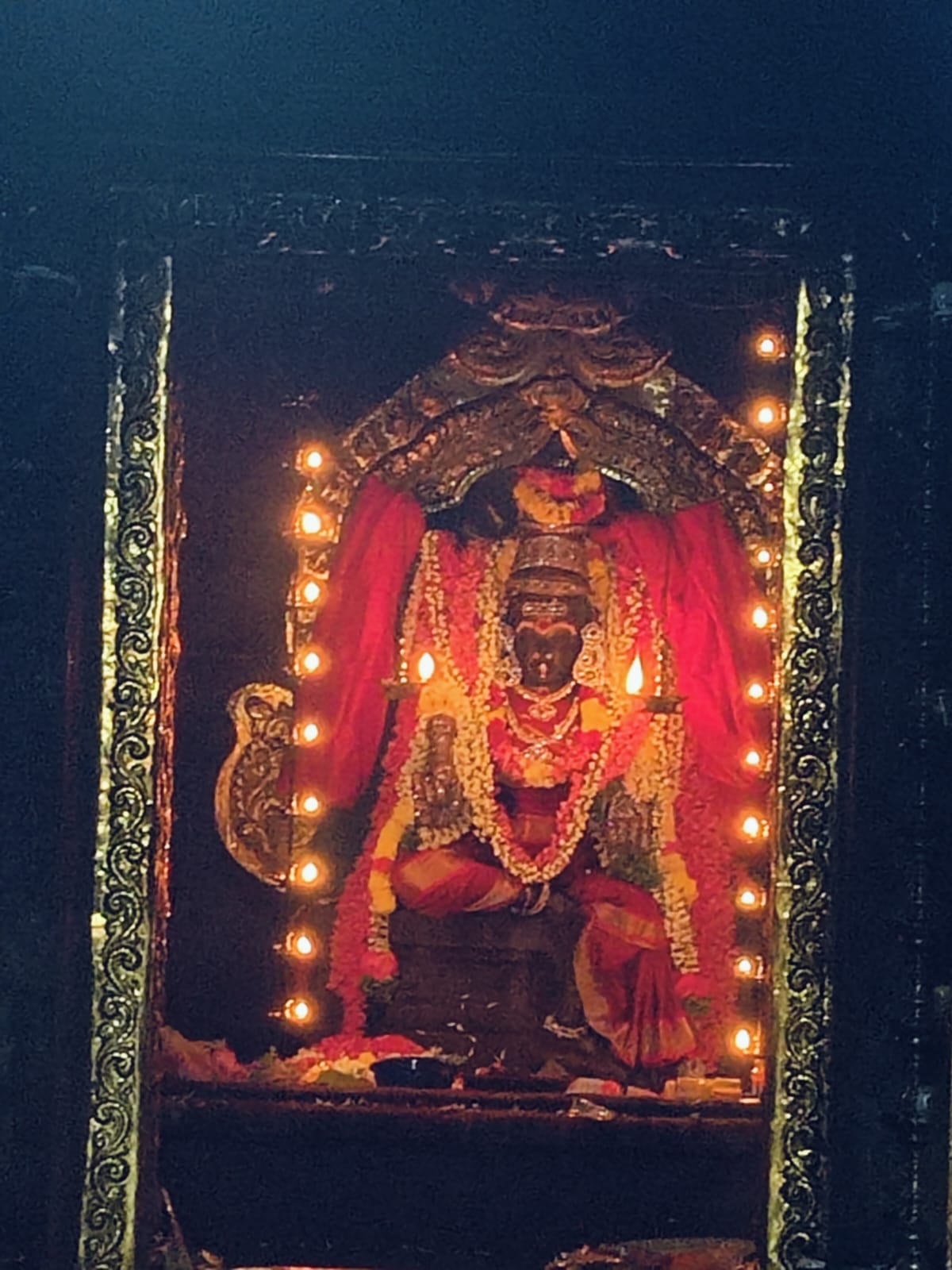
Tag: Devi Upasana

  • Twenty Three Tantra Technics

    What is Tantra?

    It is a very complicated subject and a dangerous one too for the uninitiated.

    I have refrained from writing on this lest some may start practicing it with out understanding the implications.

    I seem to have referred to the Tantra in some of my articles.

    I have been receiving mails on this and some of them are disturbing in the sense that it might affect some who venture to practice it.

    Sri Vidya Diagram with Ten Mahavidyas
    Sri Vidya Diagram with Ten Mahavidyas  Triangles represent Shiva and Shakti, Snake , Spanda and Kundalini.


    ( Image By toyin adepoju – the_birth_of_ten_mahavidyas_with_shiva_parvati_dk47.jpg, CC BY-SA 3.0, https://commons.wikimedia.org/w/index.php?curid=16543786)

    And there is this accusation that Tantra is basically sex oriented and many indulge in it for Orgies.

    I have been meaning to write on Tantra as Password protected , paid articles to restrict access.

    I shall do so some time in future.

    In the mean while I was worried about some youngsters(Male and Female)  asking me whether  they can perform Yoni/Linga Pooja.

    I have decided to out line what Tantra is.

    Do not practice Tantra unless initiated by a Guru .

    As I have indicated in many of my articles a real Guru will find you if you are ardent enough.

    There are various ways to realize Self/God.

    There are,

    Gnana Yoga, Path of Knowledge,at the mental level,

    Bhakti Yoga,Surrendering to God, emotional Level,

    Karma Yoga,path of action, Physical and mental level and

    Raja Yoga, reaching the mental discipline through Physical control/regulation.

    These were developed by Rishis by personal experience.

    It is not mandatory that that all of them suit an individual.

    As there are as many dispositions among people there are many paths.

    So they differ and what suits one may not suit another.

    There is no blanket solution.

    One’s mental capacity and wisdom level is to be understood and dispositions analysed before any of the procedures are recommended.

    Hence a Guru is needed.

    Who is a Guru?

    A realized soul who dispassionately analyses you and offer solutions and he does not advertise himself nor does he seek any thing in return.

    For more on this read my post who is a Guru.

    Self realization is a personal goal and can be attained only by personal experience.

    So when one practices any of the methods of Yoga mentioned above, one comes across some practices which have been productive and they are handed down to us.

    It need not be conducive to our disposition.

    One such practice is Tantra.

    There are various practices, Sadhanas in following  in any of the four Yogas.

    They are,

    Mantra, mystically locked Sounds,

    Yantra. Geometric images to concentrate with the aid of the Mantras, and Tantras.

    Apart from these, which come under Raja yoga and Karma yoga, there are slokas and Stuthis.

    Slokas and Stuthis may be followed by any one.

    Not Mantra, Yantra and Tantra.

    A severe discipline is needed.

    These need Guru Upadesa.

    However there are some  Mantras that can be used without a Guru but by taking Subrahmanya, Dakshinamurthy or Krishna as Guru.

    I have posted such Mantras.

    Tantra does not find a place in Vedas.

    They are found in Agamas and even this is not confirmed.

    As stated earlier, these are individual tools obtained while performing any of the four yogas.

    Second-hand knowledge of the self gathered from books or gurus can never emancipate a man until its truth is rightly investigated and applied; only direct realisation will do that. Realise yourself, turning the mind inward.Tripura Rahasya, 18: 89


    Tantra (Sanskrit: तन्त्र), also called Tantrism and Tantric religion, is an ancient Indian tradition of beliefs and meditation and ritual practices that seeks to channel the divine energy of the macrocosm or godhead into the human microcosm, to attain siddhis and moksha. It arose no later than the 5th century CE, and it had a strong influence on both Hinduism and Buddhism.

    According to David N. Lorenzen, two different kind of definitions of Tantra exist, a “narrow definition” and a “broad definition.” According to the narrow definition, Tantrism, or “Tantric religion,” refers only to the traditions which are based on the Tantras, Samhitas and Agamas. This definition refers primarily to a tradition which is primarily based in the higher social classes, which were literate, and lived in or close by urban centers.

    According to the broad definition, Tantra refers to a broad range of religious traditions with a “magical” orientation. This includes the upper class texts and traditions, but also practices and rituals from lower social classes, which were less educated, and lived more in the rural areas.

    According to David Gordon White,

    Tantra is that Asian body of beliefs and practices which, working from the principle that the universe we experience is nothing other than the concrete manifestation of the divine energy of the godhead that creates and maintains that universe, seeks to ritually appropriate and channel that energy, within the human microcosm, in creative and emancipatory ways


    Characteristics of Tantra.

    1. Centrality of ritual, especially the worship of deities
    2. Centrality of mantras
    3. Visualisation of and identification with a deity
    4. Need for initiation, esotericism and secrecy
    5. Importance of a teacher (guru, acharya)
    6. Ritual use of mandalas (maṇḍala)
    7. Transgressive or antinomian acts
    8. Revaluation of the body
    9. Revaluation of the status and role of women
    10. Analogical thinking (including microcosmic or macrocosmic correlation)
    11. Revaluation of negative mental states

    Purpose of Tantra.

    Tantric ritual seeks to access the supra-mundane through the mundane, identifying the microcosm with the macrocosm.The Tantric aim is to sublimate (rather than negate) reality.The Tantric practitioner seeks to use prana (energy flowing through the universe, including one’s body) to attain goals which may be spiritual, material or both

    Tantric teachings are passed on orally in a teacher-student relationship Initiation by a teacher is necessary for the practice to be successful.

    Tantra Technics.

    • Dakshina: Donation or gift to one’s teacher
    • Diksha: Initiation ritual which may include shaktipat
    • Yoga, including breathing techniques (pranayama) and postures (asana), is employed to balance the energies in the body/mind.
    • Mudras, or hand gestures
    • Mantras: reciting syllables, words, and phrases
    • Singing of hymns of praise (stava)
    • Mandalas
    • Yantras: symbolic diagrams of forces at work in the universe
    • Visualization of deities and Identification with deities, Dhyana, Dharna
    • Puja (worship ritual)
    • Animal sacrifice
    • Use of taboo substances such as alcohol, cannabis, meat and other entheogens.
    • Prayashcitta – an expiation ritual performed if a puja has been performed wrongly
    • Nyasa
    • Ritual purification (of idols, of one’s body, etc.)
    • Guru bhakti (devotion) and puja
    • Yatra: pilgrimage, processions
    • Vrata: vows, sometimes to do ascetic practices like fasting
    • The acquisition and use of siddhis or supernormal powers. Associated with the left hand path tantra.
    • Ganachakra: A ritual feast during which a sacramental meal is offered.
    • Ritual Music and Dance.
    • Maithuna: ritual sexual union (visualized or with an actual physical consort).
    • Dream yoga.
    • It is evident these are the offshoots of Yoga.

    Reference and Citation.

    https://en.wikipedia.org/wiki/Tantra#Scholarly_definitions

  • How Sri Yantra Was Created

    Sound , language and Self Realization are intricately connected in Hinduism.

    While the Reality is a principle beyond qualities, names and forms God concept has been advocated to ensure that the Mind has an object to concentrate upon in the path to Realization.


    Sri Chakram.jpg
    Sri Chakram.

    Please read my post God has names and forms Yes and No.

    Sound/Vibrations are basis of creation.

    Universe is born of Motion.

    One may never determine which precedes the other, sound or vibration, one may never know.

    The Sri Chakra of Devi.The Devi's Sri Chakra.iamge.jpg
    Sri Chakra

    Consciousness which is beyond Space and Time is linked to sound in effort to realize itself, that is Self.

    While Consciousness  can communicate and commune with Reality at the highest level, at the rudimentary level it communicates through sound and vibrations.

    Realizing this Hinduism has arrived at three levels from here the sound originates in the Human Body.

    From the Mouth, as in A,

    From the Throat, as in U, and

    From the pit of the stomach, as in M.

    Correct sound of these letters may be found when one pronounces the Sanskrit script.

    These primordial sounds of A, U and M are combined and the resultant Sound Om or AUM is the vital basic Mantra of Hinduism.

    No Mantra is complete with out these three sounds.

    In some Mantras these sounds though invisible are embedded in Mantras and stotras by Great Acharyas.

    Soundaryalahari By Adi Shankaracharya contains the 51 Bheejaksharas, the Seed sounds of Devi , they are embedded in the text though it is invisible.

    Each God is assigned specific numbers of letters, called Aksharas,

    Interesting to note that Akshara, loosely translated as Letters means Limitless, therby signifying the power of sound produced by each letter.

    Shiva is assigned five,

    Vishnu Twelve,

    Subrahmanya Six  and

    Devi 15/51.

    These letters when intoned correctly form the Geometrical shape of Yantra.

    OM produces Sri Yantra.

    Please read my article on this.

    How the Devi’s Yantra is produced?

    Ho did it evolve?

    Lalita Devi in Sri Pura.jpg
    Lalita Devi in Sri Pura.

    ‘Formation of the Shri Yantra

    The creation of the Shri Yantra is described in the Yogini Hridaya (Heart of the Yogini Tantra), which still does not exist in an English translation, as far as we are aware. This is said to be the second part of the Vamakeshvara Tantra.

    “From the fivefold Shakti comes creation and from the fourfold Fire dissolution. The sexual union of five Shaktis and four Fires causes the chakra to evolve. O Sinless One! I speak to you of the origin of the chakra.

    “When she, the ultimate Shakti, of her own will (svecchaya) assumed the form of the universe, then the creation of the chakra revealed itself as a pulsating essence. From the void-like vowels with the visarga (:) emerged the bindu, quivering and fully conscious. From this pulsating stream of supreme light emanated the ocean of the cosmos, the very self of the three mothers.

    “The baindava of the chakra has a triple form, dharma, adharma and atma, and matri, meya and prama. The chakra of nine yonis is the great mass of consciousness bliss and is the ninefold chakra and the nine divisions of the mantra.

    “The baindava is placed on a dense flowery mass and is the Chitkala. Similarly, the ambika form of eight lines is the circle of the vowels. The nine triangles quiver forth the effulgent form of 10 lines. The Shakti, together with her surrounding nine blossomed forth the 10 trikonas. The second quivering form of 10 lines has Krodhisha as first of the 10. These four chakras, of the nature of light, create the 14-fold form, the essence of perception.” — Yogini Hridaya, I 6-16.

    At the very heart of the bindu or centre of the Shri Yantra is that which caused it to emanate. This is Kamakala, consisting of the three bindus or potentials. One is red, one is white, and one is mixed. The red bindu is ova, the white bindu semen, and the mixed bindu the union of Shiva-Shakti, the individual as potential Shri Cakra.

    Father and Mother are represented in Shri Vidya by two limbs or aspects of Lalita known as Varahi and Kurukulla. The semen of Varahi, the father-form, gives four alchemical dhatus to the child. The ova of Kurukulla, the mother-form, gives five dhatns to the child. Consciousness enters via orgasm. The three bindus, collectively known as Kamakala (digit of sexual desire), are the root potential of sun, moon and fire. It is like sun and moon coming together in an eclipse, or the seed from which the plant human being grows.

    Varahi’s four alchemical dhatus are known as the four fires. Kurukulla’s alchemical dhatus are known as the five saktis. The combination of these five saktis (downward pointing triangles) and four fires (upward pointing triangles), forms the complex figure in the centre of Shri Cakra.

    Varahi’s four fires are the 12 (3 x 4) sun Kalas, 12 sidereal constellations. Kurukulla’s five triangles are the 15 (5 x 3) Kalas of the moon, 15 lunar days. The complete individual grows within nine months to be born as a Shri Yantra or plant. The flowering of this plant is shown by the 24 petals of the yantra. The above all gives rise to the familiar shape of the Shri Yantra. The yantra is usually arranged in one of two forms. In the Bhuprastara, it is two dimensional and laid flat, usually facing the east, but sometimes the north, depending on the practice. The Meruprastara has the yantra in a pyramidal form. Unless the yantra be decorated with the appropriate bija and other mantras, it is worthless. It is also dead unless it is installed with life and the individual doing the puja is initiated into one of the lines (parampara).
    “The baindava is placed on a dense flowery mass and is the Chitkala. Similarly, the ambika form of eight lines is the circle of the vowels. The nine triangles quiver forth the effulgent form of 10 lines. The Shakti, together with her surrounding nine blossomed forth the 10 trikonas. The second quivering form of 10 lines has Krodhisha as first of the 10. These four chakras, of the nature of light, create the 14-fold form, the essence of perception.” — Yogini Hridaya, I 6-16.
    At the very heart of the bindu or centre of the Shri Yantra is that which caused it to emanate. This is Kamakala, consisting of the three bindus or potentials. One is red, one is white, and one is mixed. The red bindu is ova, the white bindu semen, and the mixed bindu the union of Shiva-Shakti, the individual as potential Shri Cakra.

    Father and Mother are represented in Shri Vidya by two limbs or aspects of Lalita known as Varahi and Kurukulla. The semen of Varahi, the father-form, gives four alchemical dhatus to the child. The ova of Kurukulla, the mother-form, gives five dhatns to the child. Consciousness enters via orgasm. The three bindus, collectively known as Kamakala (digit of sexual desire), are the root potential of sun, moon and fire. It is like sun and moon coming together in an eclipse, or the seed from which the plant human being grows.

    Varahi’s four alchemical dhatus are known as the four fires. Kurukulla’s alchemical dhatus are known as the five saktis. The combination of these five saktis (downward pointing triangles) and four fires (upward pointing triangles), forms the complex figure in the centre of Shri Cakra.

    Varahi’s four fires are the 12 (3 x 4) sun Kalas, 12 sidereal constellations. Kurukulla’s five triangles are the 15 (5 x 3) Kalas of the moon, 15 lunar days. The complete individual grows within nine months to be born as a Shri Yantra or plant. The flowering of this plant is shown by the 24 petals of the yantra. The above all gives rise to the familiar shape of the Shri Yantra. The yantra is usually arranged in one of two forms. In the Bhuprastara, it is two dimensional and laid flat, usually facing the east, but sometimes the north, depending on the practice. The Meruprastara has the yantra in a pyramidal form. Unless the yantra be decorated with the appropriate bija and other mantras, it is worthless. It is also dead unless it is installed with life and the individual doing the puja is initiated into one of the lines (parampara).

    Source of the quote,

    http://www.shivashakti.com/tripura.htm

  • பாவனோபனிஷத் பொருள் பொழிப்புரை பகுதி 2


    18.

    ஏதத்வாயு  சம்சர்க்ககோபாதி–பேதேன ரேசக:பாசக :


    சோஷகோ தாக :


    ப்லாகவ இதி பிராண –முக்யத்வேன பஞ்சதசா ஜடராக்னிற் பவதி .18


    க்ஷாரக உததராக :க்ஷோபகோ ஜ்ரும்பகோ மோஹக இதி  நாக


    ப்ராதான்யேன பஞ்சவிதாஸ்தே மனுஷ்யாணாம் தேஹகா பக்ஷ்ய


    lalitha Devi and SriChakra
    Lalitha Devi


    போஜ்ய சோஜ்ய சோஷ்ய லேஹ்ய பேயாத்மக பஞ்சவித


    மன்னம் பாசயந்தி .


    ஏதாதசவக்னிகலா:சர்வக்ஞாயாத்யா  அந்தர் தசார தேவதா


    18 to 20.


    மேற்கூறிய பத்து  அக்னிகள்  பத்து தொழில்களையாற்றுகின்றன .


    அவையாவன .

    ஜாடராக்னி ,பிராணன் முதலிய ஐந்து வாயுக்களுடன் சேர்ந்து உபாதி

    பேதத்தினால் ,ரேசகம்,பாசகம் (உணவைப் பரிபக்குவம் செய்தல் ,


    சோஷகம் -உணவை உலர்த்துதல் (during digestion),


    தாஹகம்- உணவை எரித்தல்,


    ப்லாவகம் –நிறைத்தல் .(5 )


    க்ஷாரகம்,உத்தாரகம்,க்ஷோபகம் ,ஜ்ரும்பகம் ,மோஹகம்  எனப்பட்ட ஐந்து

    உப வாயுக்களுடன் , ஜாடாக்னி செய்கிறது..

    இவை மனிதரின் உடலெங்கும் பரவி , பஷ்ய,போஜ்ய ,சோஷ்ய லேஹ்ய

    ,பேய( ஐந்து விதமான உணவுகள் நாம் சாப்பிடும்  முறையை வைத்து )

    எனப்பட்ட ஐந்து வகையான உணவுகளை ஜீரணம் செய்கிறது .

    இப்பத்து அக்நிகலைகளும் , சர்வக்க்யா முதலிய பத்துக் கோணங்கள் .


    21.

    சீதோஷ்ண –சுகது : க்கேச்சா :சத்வம் ரஜஸ்தமோ


    வசின்யாதி –சக்தயோஷ்டௌ.

    குளிர் ,வெப்பம் ,இன்பம் ,துன்பம் ,ஆசை,சத்வம் ,ரஜஸ் ,தமஸ் ஆகியன வசினி முதலான  எட்டு சக்திகள் .


    22.

    சப்தாதி தன்மாத்ரா பஞ்ச புஷ்ப பாணா:


    23.மன இக்ஷு தனு:


    24. ராக : பாச :


    25.

    த்வேஷான்குச:


    ஸ்பர்சம் ,ரூபம், கந்தம் ,ரசம் , சப்தம் ஆகிய ஐந்து தன்மாத்திரைகள்

    தேவியின் கையில் உள்ள புஷ்ப பானங்கள்;


    மனமே கரும்பு வில் ;

    ஆசையே பாசமாகிய கயிறு ,

    த்வேஷமே அங்குசம் ,


    26.

    அவ்யக்த :மகத் அஹங்காரா :காமேஸ்வரி வஜ்ரேஸ்வரி


    பகமாலின்யோந்தஸ்திரி-கோணகா தேவதா :


    அவ்யக்தம்(விளக்கவொண்ணாதது),மகத்,அஹங்காரம் ஆகியவையே ,காமேஸ்வரி,,வஜ்ரேஸ்வரி மற்றும் பகமலலினி எனப்படும் உள் முக்கோண தேவதைகள் .


    27. நிருபாதிக சம்விதேவ காமேஸ்வர:


    உபாதியற்ற பிந்துவடிவான ஞானமே காமேஸ்வரர்


    28.

    சதானந்த பூர்ண :ச்வாத்மைவ பரதேவதா லலிதா

    எப்பொழுதும் பரிபூர்ண ஆனந்தமாயிருக்கும் தனது ஆத்ம ஸ்வரூபமே


    லலிதா தேவி .


    29.

    லவ்ஹித்ய   மேதச்ய சர்வச்ய விமர்ச :

    ஜீவன்  சக்தி இவற்றின் செந்நிறம் , இவ்வனைத்தின் விமர்சம் .


    30.

    அனன்ய சித்தத்வேன ச சித்தி :


    இந்த சாதைனையால் சித்தத்தை ஒருமுகப்படுத்தலே  சித்தியாகும் .


    31.

    பவானாயாக : க்ரியா : உபசார :.


    பாவனை செய்வதே உபசாரம்.


    32.

    அகம் த்வமஸ்தி நாஸ்தி கர்த்தவ்ய மகர்த்தவ்ய முபாசிதவ்ய


    மிதி விகல்பானா மாத்மனி விலாபனம் ஹோம :

    நான் ,நீ ,உண்டு , இல்லை , செய்யத்தக்கது , தகாதது ,உபாசிக்கத்தக்கது எனும் வேறுபாடுகளை எல்லாம் ஆத்மாவில் ஒடுங்க ,லயிக்கச் செய்வதே ஹோமம்.


    33.

    பாவனா  விஷயாணா மபேத பாவனா தர்ப்பணம்


    பாவனைக்கு சொல்லப்பட்ட விஷயங்களில் உயர்ந்தது தாழ்ந்தது பார்க்காமல் இருப்பதே தர்ப்பணம் .


    34.

    பஞ்சதச திதி ரூபேண காலச்ய பரிநாமவலோகன :


    பதினைந்து திதிகளின் வடிவைக் காலம் மாறி வருவதை , சாட்சியாயிருந்து ,காண்பதே காட்சி


    35.

    ஏவம். முஹூர்த்த த்விதயம் முஹூர்த்த மாத்ரம் வா


    பாவனா பரோ ஜீவன் முக்தோ பவதி ஸ ஏவ சிவ


    யோகீதி கத்யதே.


    இப்படி மூன்று முஹூர்த்தமோ , அல்லது இரண்டு முஹூர்த்தமோ ,அல்லது ஒரு முஹூர்த்தமோ ஆவது பாவனையில் நிலைத்திருப்பவன்

    ஜீவன் முக்தன் ஆவான்

    அவனே சிவயோகி எனப்படுவான் .


    36.காதி மதேனாச்சக்ர பாவனா : பிரதிபாதிதா :


    இவ்வாறு காதி மதத்தை ஒற்றி மிகவும் தனிப்பட்ட ஸ்ரீசக்ர பாவனைகள்


    விளக்கப்பட்டன


    ய.ஏவம் வேத ஸோதர்வசிரோ தீதே

    யார் இதை உள்ளபடி அறிகிறானோ அவன் அதர்வ வேதத்தின் சிறந்த உண்மையைக் கற்றவன் ஆகிறான் .


    இதத்துடன் பாவனோபனிஷத் நிறைவு பெற்றது .


    பத்ரம் கர்நேபி …… சொல்லவும்.


    Related;


    http://ramanisblog.in/2014/04/24/%E0%AE%AA%E0%AE%BE%E0%AE%B5%E0%AE%A8%E0%AF%8B%E0%AE%AA%E0%AE%A8%E0%AE%BF%E0%AE%B7%E0%AE%A4%E0%AF%8D-%E0%AE%AA%E0%AF%8A%E0%AE%B0%E0%AF%81%E0%AE%B3%E0%AF%8D-%E0%AE%AA%E0%AF%8A%E0%AE%B4%E0%AE%BF/


  • பாவநோபநிஷத் பொருள் பொழிப்புரை பகுதி 1

    ஸ்ரீ வித்யையின் ஆதார நூலான பாவநோபநிஷத் அதர்வ வேததினுடன் தொடர்புடையது .

    ஸ்ரீ சக்ரம் மற்றும் தந்திர முறையிலான தேவி வழிபாட்டை விளக்கும் அற்புதமான உபநிஷத்.


    ஸ்ரீவித்யா உபாசனையின் ஆழத்தை  இந்த உபநிஷத்தில் உணரலாம்.

    வேத சாரமாகவும் வித்யா உபாசனையின் மூல விளங்குவது  பாவனோபனிஷத் .

    சாக்த தத்துவம் மட்டுமன்றி அத்வைத தத்துவத்தை மிக அழகாக விளக்கும் நூல் இது.

    இந்த  உபநிஷத்தின் சம்ஸ்க்ருத மற்றும் தமிழ் வடிவம் அனைத்தும் புத்தக  வடிவிலும் பணம் கொடுத்தாலே மட்டும் படிக்க முடியும் என்ற நிலையை நான் வலைத்தளத்தில் கண்டேன்.

    அனைவரும் படிக்கும் பொருட்டு  இதனை வெளியிடுகிறேன், இரண்டு பகுதிகளாக..

    Mediafireல் மட்டும் இந்த உபநிஷத் இலவசமாக  உள்ளதாக அறிகிறேன் .

    பிழை இருப்பின் மன்னிக்கவும் .

    பிழைத் திருத்தங்களை வரவேற்கிறேன் ,

    ரகசியமான இந்த நூல்களை வெளியிடுவது தவறு என்பது சிலர் கருத்து .

    ஆனால் அறிய நூல்கள் அழிந்து போக வாய்ப்பு இருப்பதால் வெளியிடுவது சரி எனக் கருதுகிறேன்.

    ஆப்ரிக்காவின் மதமே அழிக்கப்பட்டுவிட்டது மேலை நாட்டவரால் .


    இது பற்றி எனது வலைப் பதிவில் காண்க .

    நமது தொன்மையான பொக்கிஷங்களை வெளியிட்டு அவைகளை காக்க வேண்டும்.

    வித்யா உபாசனை ரகசியமானது மட்டுமல்ல , ஆபத்தானதும் கூட.

    படிப்பது வேறு , பின்பற்றுவது வேறு .

    குரு முகமாக உபதேசம் பெற்றுத்தான் வித்யா உபாசனை செய்ய வேண்டும்.

    புத்தகம் மற்றும் வலைத்தளத்தில் படித்து விட்டு இறங்கினால் ஆபத்து..

    என்னுடைய இப்பதிவு இந்து மதத்தின், வேதத்தின்  முழு வீச்சை இளைய தலை முறைக்கு எடுத்துச் செல்லும் என நம்புகிறேன் ..

    வேதத்தின் முழுச் சாரத்தையும், சாங்க்யா, யோகா  மற்றும் நியாயா தத்துவங்களையும் இந்த உபநிஷத் அடக்கியுள்ளது.


    ஆங்கில மொழி பெயர்ப்பையும் (வாரியர் அவர்களது) கொடுத்துள்ளேன் .

    சம்ஸ்க்ருதத்தில் படிப்பது சிறந்தது..

    இல்லையெனில் நமது தாய் மொழியில் படிப்பது நன்று


    Sri Chakra of Devi
    The Sri Chakra


    பத்ரம் கர்நேபி  ச்ருணையாம தேவா;


    பத்ரம் பச்யே மோக்ஷ்மபிர் யஜஸ்திரா ரன்கைஸ் துஷ்டு வாசஸ்

    தநூஊ பி :I


    வ்யசேம தேவஹிதம் யதாயு :


    ஸ்வஸ்தி ந இந்திரோ வ்ருததச்ரவா:I


    ஸ்வஸ்தி ந :பூஷாவிச்வவேதா!


    ஸ்வஸ்தி நஸ் தார்ஷ்யோ அரிஷ்டநேமிI


    ஸ்வஸ்தி நோ ப்ருஹஸ்பதிர் ததாது I


    ஓம் சாந்தி :சாந்தி : சாந்தி ;


    ஓம்

    ஓம் ,

    தேவர்களே I


    செவிகளால் நாங்கள் நல்லதையே கேட்க வேண்டும் .


    விழிகளால் நல்லவற்றையே காண வேண்டும் .


    வலிவான உடல்களுடனும் உடல் உறுப்புக்களுடனும்,தேவர்களைத் துதித்துப் போற்றிக்கொண்டு ,அவர்களுக்கு உவப்பான ஆயுள் எவ்வளவோ ,

    அதை நாம் அடைவோமாக .

    பெரும் புகழ்பெற்ற இந்திரன் நமக்கு நன்மை அளிக்கட்டும் .

    அனைத்தையும் அறியும் சூரியன் ,நமக்கு நன்மை அளிக்கட்டும் .


    தடை படாத கதியை உடைய கருடன் ,நமக்கு நன்மை அளிக்கட்டும் .

    ப்ருஹஸ்பதி நமக்கு நன்மைகளை வழங்குவாராக .

    முவ்வகயிலும் சாந்தி நிலவுவதாக .


    1.

    ஆத்மான மகண்ட –மண்டலாகார –மாவ்ருத்ய ஸகல-ப்ரஹ்மாண்ட-


    மண்டலம்  ஸ்வப்ரகாசம் த்யாயேத்I

    ஸ்ரீ குரு சர்வ காரண பூதா சக்தி :-1


    தன்னைச் சுற்றிலும் தன் ஒளியால் அனைத்துப் பிரம்மாண்ட மண்டலங்களிலும் எல்லையின்றிப் பிரகாசிக்கும் ஆத்ம ஜோதியை த்யானம் செய்க .

    குருவே அனைத்திற்கும் காரணமான சக்தி .


    2.

    தேன நவரந்திர ரூபோ தேக :-2

    ஆகையினால் ,ஒன்பது வாயில்களுடன் தோன்றும் ,உடல் குருவின் வடிவாகும் .


    3.

    நவ சக்ர ரூபம் ஸ்ரீ சக்ரம் -3


    ஒன்பது சக்ரங்களைக் கொண்ட இதுவே ஸ்ரீ சக்ரத்தின் வடிவாகும்.


    4.

    வாராஹி பித்ருரூபா குருகுல்லா பலிதேவதா  மாதா –4


    தாதுக்களுக்கு அதிதேவதையான வாராஹி , தந்தையின் வடிவம் ;

    மாமிசத்திற்கு அதிதேவதையான வாராஹி எனப்படும் குருகுல்லா தேவி ,

    அன்னையின் வடிவம்.


    5.

    புருஷார்த்தா; சாகரா :-5

    அறம், பொருள் , இன்பம் மற்றும் வீடு எனப்படும் புருஷார்த்தங்கள் ,

    நாற்புறமும் சூழ்ந்துள்ள கடல்கள் .


    6.

    தேஹோ நவரத்ன த்வீப :-6


    உடலே நவரத்னத் தீவு .


    7.

    த்வகாதி சப்ததாது –ரோம சம்யுக்த :-7


    ஏழு தாதுக்கள் ரோமத்துடன் நவரத்தினங்கள் .

    உரோமம்  ,மாமிசம் ,இரத்தம்,மேதை ,மஜ்ஜை ,நரம்புகள் ,எலும்புகள்.


    8.


    சங்கல்பா :கலபதர்வச்தேஜ: கல்ப கோத்யானம்-7

    தெளிந்த தீர்மானமே கற்பக வ்ருக்ஷங்கள்.


    உள்ளொளி படைத்த மனமே கற்பகக் காடு .


    ரசனையா –பாவ்யமானா மதுராம்ல –திக்த –கடு –கஷாய –லவண-ரஸா:


    ஷட்த்ருதவ :-9


    நாவினால் உணரப்படும் இனிப்பு ,புளிப்பு ,கசப்பு ,உவர்ப்பு ,கார்ப்பு மற்றும் துவர்ப்பு என்னும் அறுசுவைகளும் ஆறு ருதுக்கள்.


    10.

    ஞானமர்க்யம் ஞேயம் ஹவிர் ஜ்ஞாதா ஹோதா


    ஞாத்ரு –ஞான-ஞேஞானா –மபேத-பாவனம் ஸ்ரீசக்ர பூஜனம்-


    ஞானமே சிறந்த அர்க்யம் .


    இந்திரிய அக்னியில் அர்ப்பணம் செய்யப்படும் ஞேய பொருள்களே ஹவிஸாகும்.

    தன்னைத் தானே அறிபவன் ,ஹோமம் செய்பவன் .

    அறிபவனும் ,அறிவும் ,அறியப்படுவதும் ஒன்றே என்ற பரிவற்ற மனப் பாங்கே ஸ்ரீசக்ர பூஜையாகும் .


    11.

    நியதி : ஸ்ருங்காரராதயோ ரஸா அணிமாதய :


    ஒழுக்கத்துடன் கூடிய ஒன்பது ரசங்களும் ,சேர்ந்து அணிமா முதலிய பத்து

    சித்தி தேவதைகள் .

    நவரசங்கள் .

    பயம்,,கோபம்,வெறுப்பு ,ஹாஸ்யம் ,வீரம் ,கருணை ,வியப்பு மற்றும் அமைதி .


    12.

    காம –குரோத –லோப –மோக –மத –மாத்சர்ய-புண்ய –பாப –மாயா ப்ராஹ்மாயத்-யஷ்டசக்த்ய :

    காமம் ,கோபம் ,லோபம் , மோகம் மதம் ,மாத்சர்யம் ,புண்யம் மற்றும் பாபம்  இவை  எட்டும்  மாத்ருகா சக்திகள் .


    13.

    ஆதார நவகம்முத்ரா சக்த்யா .


    மூலாதாரம் முதலிய ஆறு ஆதாரங்கள் ,இவைகளுக்கு மேலே உள்ள

    அகுல சகஸ்ராரம் ,கீழுள்ள குல சஹஸ்ராரம் ,இந்திர யோனி –உள்நாக்கு ஆகிய ஒன்பது ஆதாரங்களும் இவற்றின் சமஷ்டியாக ஒன்றும் சேர்த்து பத்து முத்ரா சக்திகள் .


    14.

    ப்ருத்வியப்ததேஜோ –வாய்வாகாச -ச்ரோத்ர –த்வக்-சக்ஷூர் –ஜிஹ்வாக்காரண-வாக் –பாணி –பாத –பாயுபச்தானி  மனோ விகாரா :

    காமா கர்ஷின்யாதி சோடச-சக்த்ய:


    நிலம் ,நீர் , நெருப்பு ,காற்று ,ஆகாயம் :

    செவி ,மெய் ,கண் ,நாக்கு ,மூக்கு ,வாக்கு :

    கை ,கால் பாயு ,உபஸ்தம் எனும் பதினைந்தும் , மற்றும் ,

    இவற்றால் மாறுபடும் மனத்துடன் காமகார்ஷினி முதலான பதினாறு சக்திகள் .


    15.

    வ்சனாதாகமான –விசர்க்கானந்த –ஹானபேதையோ பேக்ஷாக்ய-

    புத்தயோனங்க குசுமண்டத்திஷ்டவ்.

    பேசுதல் வாங்குதல் ,நடத்தல் ,கழித்தல் ரமித்தல் ஆகிய ஐந்து கர்மேந்திரியத் தொழில்களும்,தாகம் ,கிரகணம் ,உபேக்ஷை எனும் புத்தியின்  தொழில்களும் ,அனங்க குசுமா  எனப்படும் எட்டு சக்திகள்.


    16.

    அலம்புசா குஹூர் –விச்வோதரா வாரணாகமன- ஹஸ்தி ஜிஹ்வா

    யசொவதீ பயஸ்வினி காந்தாரி பூஷா சங்கினி சரசஸ்வதீதா

    பிங்களா சுஷும்னா சேதி சதுர்த்தச நாட்ய :

    சர்வ:சம்ஷன்யோபாதி  சதுர்த்தச சக்தய:

    அலம்புசா ,குஹு ,விச்வோதாரா ,வாரணா,ஹஸ்தி –ஜிஹ்வை ,யசோவதீ,


    பயச்விநீ ,காந்தாரி ,பூஷா ,சங்கினி ,சரஸ்வதி ,இடை , பிங்கலை ,சுஷும்னை  ஆகிய பதினான்கு நாட்களின் சக்திகளே சர்வ சம்க்ஷோபிணீ

    முதலிய பதினான்கு சக்திகள்.


    17.

    பிராணாபான –வ்யாநோதான –சமான –நாக –கூர்ம –க்ருகர-தேவதத்த –தனஞ்சயா தசாவயவ :

    சர்வ சித்தி –பிரதாதீ –பகிர்த்தசார தேவதா .


    பிராணன் ,அபானன்,,வியானன்,உதானன், சமானன் ,நாகன் ,கூர்மன் ,க்ருகரன் ,தேவதத்தன் ,தனஞ்சயன்  முதலிய பத்து வாயுக்களும் வெளிப்பத்துக் கோணங்களில் உள்ள தேவதைகள் .


    Bhavanopanishad.

    English Translation by Dr.A.G Krishna Warrier.


    Published by The Theosophical Publishing House, Chennai
    Om ! Gods ! With ears let us hear what is good;

    Adorable ones ! With eyes let us see what is good.

    With steady limbs, with bodies, praising,

    Let us enjoy the life allotted by the gods.

    May Indra, of wide renown, grant us well-being;

    May Pusan, and all-gods, grant us well-being.

    May Tarksya, of unhampered movement, grant us well-being.


    May Brihaspati grant us well-being.

    Om ! Peace ! Peace ! Peace !

    1. The holy Teacher is the Power (Para-Sakti) that is the cause of all.

    2. Of that Power the body with its nine orifices is the form.

    3. It is the holy Wheel in the guise of the nine wheels.

    4. The Power of the Boar is paternal: Kurukulla, the deity of sacrifice, is maternal.

    5. The (four) human Ends are the oceans (purusharthas – dharma, artha, kama and moksha).

    6- 7. The body with the seven constituents (Chile, blood, flesh, fat, bone, marrow and semen) like the skin and the hair is the island of the nine gems.

    8. Resolutions are the wish-granting trees; energy (of the mind) is the garden of the trees of plenty.

    9. The six seasons are the tastes, namely sweet, sour, bitter, pungent, astringent and saltish, which are apprehended by the tongue.

    10. Knowledge is the material for worship; the object of knowledge is the oblation; the knower is the sacrificer. The meditation on the identity of the three, knowledge, its object, and the knower, is the worship rendered to the holy Wheel.

    11. Destiny and sentiments like love are (the miraculous attainments like) atomicity, etc. Lust, anger, greed, delusion, elation, envy, merit, demerit – these constitute the eight powers of Brahma, etc. (Brahma, Maheshvari, Kaumari, Vaishnavi, Varahi, Raudri, Charmamunda and Kalasamkarsini).

    12. The nine abodes (muladhara etc.,) are the powers of the mystic gestures.

    13. The earth, water, fire, air, ether, ear, skin, eye, tongue, nose, speech, feet, hands, the organs of evacuation and generation and the modification of mind are the sixteen powers such as the pull of lust, etc.

    14. Speech, grasp, motion, evacuation, generation, and the attitudes of rejection, acceptance and apathy are the eight (entities) such as the flower of love, etc.

    15. Alambusa, kuhu, visvodara, varana, hastijihva, yasovati, payasvini, gandhari, pusa, sankhini, sarasvati, ida, pingala and susumna – these fourteen arteries are the fourteen powers such as the all-exciting, etc.

    16. The five vital breaths and the five minor breaths are the ten divinities of the outer spokes, (styled) Sarvasiddhiprada, etc.

    17. The digestive fire becomes fivefold through distinctions based on its association with this pre-eminent breath. (They are) what ejects, what cooks, what dries, what burns and what inundates.

    18. Owing to the prominence of the minor breath, these (fires) in the human body come to be styled as the corroder, the ejector, the agitator, the yawner and the deluder. They promote the digestion of the fivefold food: eaten, chewed, sucked, licked and imbibed.

    19. The ten aspects of Fire are the ten divinities of the inner spokes, Sarvajna, etc.

    20. The qualities of cold, heat, pleasure, pain, desire, sattva, rajas and tamas are the eight powers, vasini, etc.

    21. The five, rudimentary sound, etc., are the flowery shafts.

    22. Mind is the bow made of sugarcane.

    23. Attachment is the cord (that binds).

    24. Aversion is the hook.

    25. The unmanifest, the Great, and the principle of Egoism are the divinities of the inner triangle: Kameshvari, Vajreshvari and Bhagamalini.

    26. Absolute awareness, verily, is Kameshvara.

    27. The supreme divinity, Lalita, is one’s own blissful Self.

    28. Of all this the distinctive apprehension is the red glow.

    29. Perfection (ensues from) exclusive concentration of the mind.

    30. In the performance of meditation consist (various acts of) respectful service.

    31. The act of oblation is the merger in the Self of distinctions like I, Thou, Existence, non-Existence, the sense of duty and its negation, and the obligation worship.

    32. Assuagement is the thought of identity of (all) objects of imagination.

    33. The view of time’s transformation into the fifteen days (of the half lunar month) points to the fifteen eternal (divinities).

    34. Thus meditating for three instants, or two, or even for a single instant, one becomes liberated while living; one is styled the Siva-Yogin.

    35. Meditations on the inner wheel have been discussed (here) following the tenets of Saktaism.

    36. Whoso knows thus is a student of the Atharvasiras.

    Om ! Gods ! With ears let us hear what is good;

    Adorable ones ! With eyes let us see what is good.

    With steady limbs, with bodies, praising,

    Let us enjoy the life allotted by the gods.

    May Indra, of wide renown, grant us well-being;

    May Pusan, and all-gods, grant us well-being.

    May Tarksya, of unhampered movement, grant us well-being.

    May Brihaspati grant us well-being.

    Om ! Peace ! Peace ! Peace !

    Here ends the Bhavanopanishad, included in the Atharva-Veda.


    Enhanced by Zemanta
  • How To Write Chintamani Bheeja Yantra on The Tongue

    Devi Kali is said to have written this Yantra on the tongue of Kalidasa.


    He immediately started the Shymala Dandakam,


    Manikyaveenam upalaalayantheem,Mthalasaam Majula Vaakvilaasaam’


    In Devi Upasna family traditions there is this practice of writing the Bheeja Yantra of Devi.


    The Chintamani Yantra Drawing.
    The Chintamani Yantra


    Half an hour after the birth of the Child, the Yantra has to be written with a blunt Golden needle, dipped in Cow’s Ghee mixed with Honey in unequal


    proportions(make sure that the mixture is uneven as equal quantity is reported to be fatal),uttering the following Mantra in the Child’s right Ear in a


    sweet tone, not very loud.


    The Mantra.


    तद्विद्धि प्रणिपातेन परिप्रश्नेन सेवया ।
    उपदेक्ष्यन्ति ते ज्ञानं ज्ञानिनस्तत्वदर्शिनः ॥
     
    उस ज्ञान को तू तत्वदर्शी ज्ञानियों के पास जाकर समझ, उनको भलीभाँति दण्डवत्* प्रणाम करने से, उनकी सेवा करने से और कपट छोड़कर सरलतापूर्वक प्रश्न करने से वे परमात्म तत्व को भलीभाँति जानने वाले ज्ञानी महात्मा तुझे उस तत्वज्ञान का उपदेश करेंगे. श्रीमद्*भगवद्*गीता-4.34


    Citation.

    Chintamani Yantra


    Chintamanai Mantra Download pdf.


    Enhanced by Zemanta