Tag: Chola dynasty

  • Sagara Ramas Ancestor Married Dravidian Princess

    History of ancient India is complex,yet very interesting.

    Seemingly disconnected facts,events acquire  significance when they are analysed .

    One such is the intimacy between the Dravida Desa and Sanatana Dharma.

    Both have an intricate,complex relationship .

    Both quote each other.

    The Kings of the Northern India had a close relationship with their counterparts from the south,right from the days of the First Human Being,Manu.

    Manu was a king of Dravida Desa.

    He meditated in Madagascar,which was a part of his kingdom.

    He had a daughter who was married in the south.

    She was Ila.

    And King Sagara,of Ikshvaku Dynasty whose son. Bhagiratha brought River Ganga to earth,India was married to a south Indian,Dravida Princess.

    She belonged to Sibi,aka Sivi dynasty.

    She founded the Lunar Culture

    Sagara) is a prominent king of the Suryavansha dynasty in Satya Yuga. He has two wives, one a princess of the Vidarbha, and the other from royal lineage of Sivi,’

    Source. https://en.m.wikipedia.org/wiki/King_Sagara

    SIBI.

    Sibi,Emperor.image.jpg
    King Sibi.

    ‘The story of Sibi Chakravarthy is so famous that it was sculpted in the Barhut, Nagarjunakonda ,Amaravati bas-reliefs and  Borobudur in Java,Indonesia (see Boropudur sculpture above).

    Tamil epics Silappadikaram and Manimekalai gave more details about this link. Since the oldest part of Sangam Tamil literature mentions it no one can reject it. The link is confirmed with other stories as well.

    Sibi ruled from the north west of India. There was a Sibi puram on the banks of river Chenab in Punjab. Sibi clan is mentioned in Rig Veda and Brahmanas. Panini referred one Sivapuram may be the same Sibipuram’

    Sibi is in Nort west of India, currently in Pakistan.

    There are views that Sibi ruled from there and that the Tamils were from North India.

    Considering the differences between the Tamil Culture and Sanatana Dharma, thought Tamils were a part of Sanatana Dharma and the archeological evidence,Literature, the structural difference between Sanskrit , I am of the opinion that it is not so.

    In the case of Sibi. it is probable that Sibi had the city of Sibi as a second capital.


  • Cholas Ancestors of Rama?

    The genealogy of Manu is very interesting.

    Manu is reported to be the first Man.

    Hence the name Manusha(Sanskrit),Manithan(Tamil), Man (English).

    Manu meditated in Madagascar while a Tsunami struck and His son Ikshvaku left for Ayodhya with his sons.

    His son Ikshvaku founded the Ikshvaku dynasty ,the Solar Dynasty , to which Lord Rama belongs.

    c3865-bm-image-751276

    But what happened to Manu’s daughters?

    A detailed research reveals interesting information.

    Manu had a daughter Ila.

    She was married to Chandra,Moon and the offspring was Budha.

    While many versions of the tale exist, Ila is usually described as a daughter or son of Vaivasvata Manu and thus the sibling of Ikshvaku, the founder of the Solar Dynasty. In versions in which Ila is born female, she changes into a male form by divine grace soon after her birth. After mistakenly entering a sacred grove as an adult, Ila is either cursed to change his/her gender every month or cursed to become a woman. As a woman, Ilā married Budha, the god of the planet Mercury and the son of the lunar deity Chandra (Soma), and bore him a son called Pururavas, the father of the Lunar dynasty. After the birth of Pururavas, Ilā is transformed into a man again and fathered three sons.

    In the Vedas, Ilā is praised as Idā (Sanskrit: इडा), goddess of speech, and described as mother of Pururavas. ‘

    She begot a son Pururavas.

    https://en.m.wikipedia.org/wiki/Ila_(Hinduism)https://en.m.wikipedia.org/wiki/Ila_(Hinduism)

    Hence the descendants of this Dynasty were called the Lunar Dynasty, Chandra Vamsa.

    The Kuru Dynasty of Mahabharata,which was named after one of the ancestors.

    Manu had a grand daughter through his daughter called Dakshina,one meaning of the term is South.

    It is probable that she was the founder of the Lunar Dynasty , she was also called Ila.

    Ila’s son was called Ellalan,who ruled the south.

    Ellalan in Tamil means ‘one who rules the boundaries’

    He was a king of the present Sri Lanka.

    Mahavamsa of Sri Lanka records that he was a Chola and a noble king.


    He was also called as Manu Needhi Chola, A Chola King in Dravida Desa.

    https://en.m.wikipedia.org/wiki/Ellalan


    Now there is the famous Emperor Sibi who belonged to Solar Dynasty.


    His date preceds Rama’s.

    ‘The words “Kumari Kandam” first appear in Kanda Puranam, a 15th-century Tamil version of the Skanda Purana, written by Kachiappa Sivacharyara (1350-1420).[3] Although the Tamil revivalists insist that it is a pure Tamil name, it is actually a derivative of the Sanskrit words “Kumarika Khanda”.The Andakosappadalam section of Kanda Puranam describes the following cosmological model of the universe: There are many worlds, each having several continents, which in turn, have several kingdoms. Paratan, the ruler of one such kingdom, had eight sons and one daughter. He further divided his kingdom into nine parts, and the part ruled by his daughter Kumari came to be known as Kumari Kandam after her. Kumari Kandam is described as the kingdom of the Earth. Although the Kumari Kandam theory became popular among anti-Brahmin anti-Sanskrit Tamil nationalists, the Kanda Puranam actually describes Kumari Kandam as the land where the Brahmins also reside, where Shiva is worshipped and where the Vedas are recited. The rest of the kingdoms are described as the territory of the mlecchas.[5]

    He ruled from the north and conquered the south, defeating his maternal cousins.

    This is recorded in the Temple history of Thiruvellarai, temple dedicated to Lord Vishnu as Pundarikaksha.

    Please read my detailed article on this.

    This Vishnu temple is older than Sri Rangam Ranganatha Temple in Tamil Nadu.

    Ramayana records that Vibhishana requested the Idol of Lord Ranganatha from Lord Rama and though Rama gave him, Vishnu,Ranganatha stayed back at Sri Rangam, where He faces Sri Lanka.

    So the Cholas were the ancestors of Rama and not the other war around.

    (I have written earlier that Cholas were descendants of Rama. As this blog is research oriented I write as I come by evidence. So there is updation and clarification and there is no contradiction.)

    Considering the facts,

    ‘Manu left for the North because of A Tsunami

    Tamil is an ancient language of India which runs parallel to Sanskrit.

    A Million year old site found near Chennai records an advanced Tamil civilization.

    The sunken harbor of Poompuhar, Tamil Nadu, which is spoken of in detail in the Tamil Epic Cilappadikaram,is dated 20,000 years ago..

    Such an old culture refers to Sanskrit and Sanskrit in turn refers to Tamil.

    Then there is Sage Agastya who is present both in Tamil and Sanskrit.

    So is Sage Valmiki who is considered to be a Siddha and has written poems in Tamil.

    Such an intimacy between Sanatana Dharma and Tamils, yet there are differences though they present a unified picture!

    This has been a question I have been seeking  an answer to.

    The fact that Manu was from the South, Dravida.

    • One has to remember that the landmass in those ancient days was different and it has no relevance to what we call as North or South India now…

    Lord Rama refused to fight against the Lemurians while he was fighting the Atlantis people saying that Lemurians were his ancestors,

    Ravana,s ancestors Malyavan and Kubera were also from the area we now call as Lemuria

    https://ramanisblog.in/2016/11/10/dravida-lunar-culture-founded-by-ila-manu-daughter-ikshvaku-dynasty/

    It may be noted that,

    Shiva worship  in the Dravida desa  preceded Vedic  period,

    The Tamils though a part of Sanatana Dharma , their methods of worship of Shiva was different,

    The Siddha system and Yoga pre date Patanjal’s Yoga Sutra.

    The influence of Tamil mode of worship in fareastern countries is greater than Vishnu worship.


    It stands to reason to postulate thar the Cholas preceded Ramayan and this can also be confirmed by the fact tha Tamil Kings were present during Damayanti’s Swayamvar.

    Nala and Damayanti predate Rama.

    One may also note thar there is Ila people in Zambia.

    A tribe in Cameroon still speak Tamil.

    Hittie civilization has its in Tamils.

    The genealogy of Manu dynasty .

    Maitreya said: Svāyambhuva Manu begot three daughters in his wife Śatarūpā, and their names were Ākūti, Devahūti and Prasūti.

    SB 4.1.2: Ākūti had two brothers, but in spite of her brothers, King Svāyambhuva Manu handed her over to Prajāpati Ruci on the condition that the son born of her be returned to Manu as his son. This he did in consultation with his wife, Śatarūpā.

    SB 4.1.3: Ruci, who was very powerful in his brahminical qualifications and was appointed one of the progenitors of the living entities, begot one son and one daughter by his wife, Ākūti.

    SB 4.1.4: Of the two children born of Ākūti, the male child was directly an incarnation of the Supreme Personality of Godhead, and His name was Yajña, which is another name of Lord Viṣṇu. The female child was a partial incarnation of Lakṣmī, the goddess of fortune, the eternal consort of Lord Viṣṇu.

    SB 4.1.5: Svāyambhuva Manu very gladly brought home the beautiful boy named Yajña, and Ruci, his son-in-law, kept with him the daughter, Dakṣiṇā.

    SB 4.1.6: The Lord of the ritualistic performance of yajña later married Dakṣiṇā, who was anxious to have the Personality of Godhead as her husband, and in this wife the Lord was also very much pleased to beget twelve children.

    SB 4.1.7: The twelve boys born of Yajña and Dakṣiṇā were named Toṣa, Pratoṣa, Santoṣa, Bhadra, Sānti, Iḍaspati, Idhma, Kavi, Vibhu, Svahna, Sudeva and Rocana.

    SB 4.1.8: During the time of Svāyambhuva Manu, these sons all became the demigods collectively named the Tuṣitas. Marīci became the head of the seven ṛṣis, and Yajña became the king of the demigods, Indra.

    SB 4.1.9: Svāyambhuva Manu’s two sons, Priyavrata and Uttānapāda, became very powerful kings, and their sons and grandsons spread all over the three worlds during that period.

    SB 4.1.10: My dear son, Svāyambhuva Manu handed over his very dear daughter Devahūti to Kardama Muni. I have already spoken to you about them, and you have heard about them almost in full.

    SB 4.1.11: Svāyambhuva Manu handed over his daughter Prasūti to the son of Brahmā named Dakṣa, who was also one of the progenitors of the living entities. The descendants of Dakṣa are spread throughout the three worlds.’

    http://vanisource.org/wiki/SB_4.1:_Genealogical_Table_of_the_Daughters_of_Manu

    Please read my articles on Daksha in Antarctica.

  • Chola King List From 3020 BC

    The Tamil Kingdoms run parallel to Puranic Timelines and the Puranas, Ramayana and Mahabharata mention these kings in various places, Damayanthi/Sita/Draupadi Swayamvara,Krishna/Arjuna marrying a Pandyan Princess,Shahadeva/Balarama pilgrimage to South,import of spices and elephant tusks.Agastya’s visit to South…..


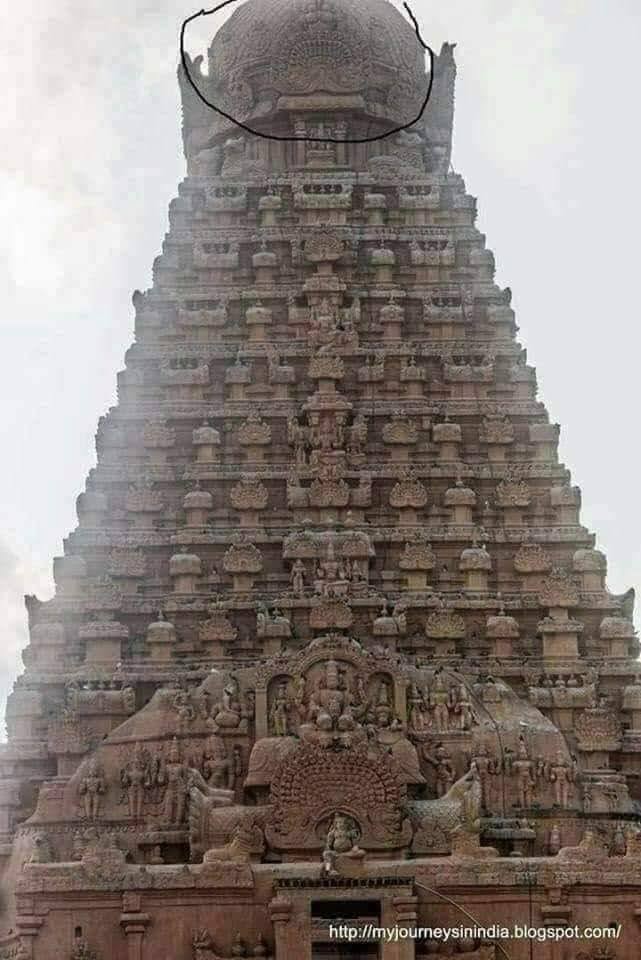
    Tanjore Big Temple.image.jpg
    Thanjavur Big Temple

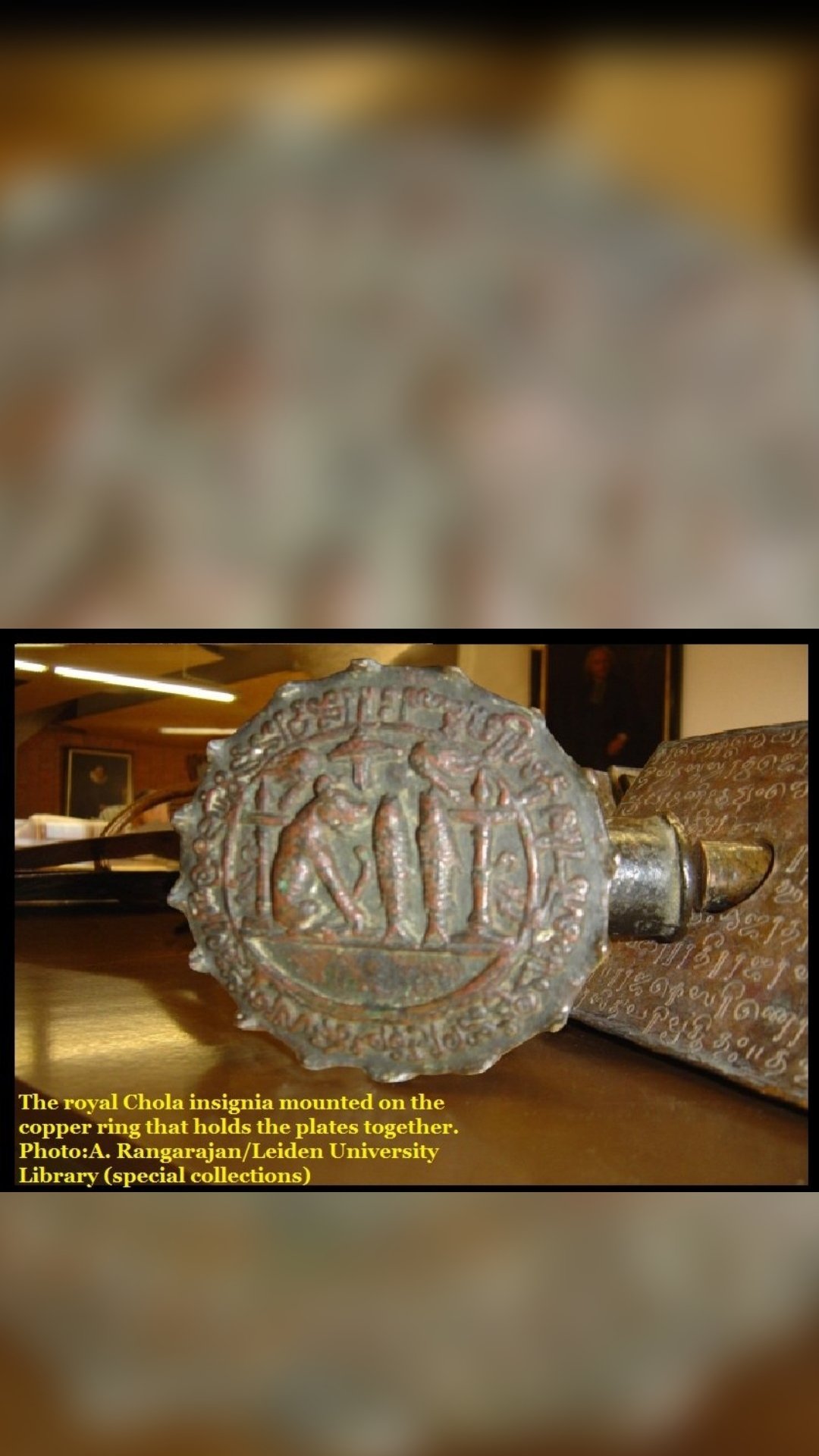
    I am providing a list of Cholas from 3020 BCE based on Puranas and the evidence from the copperplates,Chola Inscriptions belonging to Chola period.

    Even this may not be accurate as Chera King Udiyan Cheralaathan , Chola and Pandya Kings took part in the Kurukshetra war in the Mahabharata.

    As Ramayana also refers to these Kings the date may be pushed back to somewhere around 5000 BC.

    List of Chola Kings as indicated by Puranas.

    • Eri Oliyan Vaendhi C. 3020 BCE
    • Maandhuvaazhi C. 2980 BCE
    • El Mei Nannan C. 2945 BCE
    • Keezhai Kinjuvan C. 2995 BCE
    • Vazhisai Nannan C. 2865 BCE
    • Mei Kiyagusi Aerru C. 2820 BCE
    • Aai Kuzhi Agusi Aerru C. 2810 BCE
    • Thizhagan Maandhi C. 2800 BCE
    • Maandhi Vaelan C. 2770 BCE
    • Aai Adumban C. 2725 BCE
    • Aai Nedun jaet chozha thagaiyan C. 2710 BCE
    • El Mei Agguvan a.k.a. Keezh nedu mannan C. 2680 BCE
    • Mudiko Mei Kaalaiyam Thagaiyan C. 2650 BCE
    • Ilangok keezh kaalaiyan thagaiyan a.k.a. Ilangeezh nannan C. 2645 BCE -start of Kadamba lineage by his brother Aai Keezh Nannan
    • Kaalaiyan gudingyan C. 2630 BCE
    • Nedun gaalayan dhagayan C. 2615 BCE
    • Vaengai nedu vael varaiyan C.2614 BCE
    • Vaet kaal kudingyan C. 2600 BCE
    • Maei Ila vael varaiyan C. 2590 BCE
    • Sibi Vendhi C. 2580 BCE
    • Paru nonji chaamazhingyan C. 2535 BCE
    • Vaeqratrtri chembiya chozhan C. 2525 BCE
    • Saamazhi chozhiya vaelaan C. 2515 BCE
    • Uthi ven gaalai thagan C. 2495 BCE
    • Nannan that kaalai thagan C. 2475 BCE
    • Vel vaen mindi C. 2445 BCE
    • Nedun jembiyan C. 2415 BCE
    • Nedu nonji Vendhi C. 2375 BCE
    • Maei Vael paqratrtri C. 2330 BCE
    • Aai Perun thoan nonji C. 2315 BCE
    • Kudiko pungi C. 2275 BCE
    • Perun goep poguvan C. 2250 BCE
    • Koeth thatrtri C. 2195 BCE
    • Vadi sembiyan C. 2160 BCE
    • Aalam poguvan C. 2110 BCE
    • Nedun jembiyan C. 2085 BCE
    • Perum paeyar poguvan C. 2056 BCE
    • Kadun jembiyan C. 2033 BCE
    • Nedun kathan C. 2015 BCE
    • Paru nakkan C. 1960 BCE
    • Vani sembiyan C. 1927 BCE
    • Udha chira mondhuvan C. 1902 BCE
    • Perun kaththan C. 1875 BCE
    • Kadun kandhalan C. 1860 BCE
    • Nakka monjuvan C. 1799 BCE
    • Maarko vael Maandhuvan Aaththikko C. 1786 BCE
    • Musukunthan Vaendhi C. 1753 BCE
    • Peru nakkan Thatrtri C. 1723 BCE
    • Vaer kaththan C. 1703 BCE
    • Ambalaththu Irumundruvan C. 1682 BCE
    • Kaari mondhuvan C. 1640 BCE
    • Vennakkan Thatrtri C. 1615 BCE
    • Maarko chunthuvan C. 1565 BCE
    • Vaer parunthoan mundruvan C. 1520 BCE
    • Udhan kaththan C. 1455 BCE
    • Kaariko sunthuvan C. 1440 BCE
    • Vendri nungunan C. 1396 BCE
    • Mondhuvan Vendhi C. 1376 BCE
    • Kaandhaman C. 1359 BCE
    • Mundruvan Vendhi C. 1337 BCE
    • Kaandhaman C. 1297 BCE
    • Monjuvan Vendhi C. 1276 BCE
    • Ani sembiyan C. 1259 BCE
    • Nungunan Vendhi C. 1245 BCE
    • Maarkop perum Cenni C. 1229 BCE
    • Monjuvan Nanvendhi C. 1180 BCE
    • Kop perunar chenni C. 1170 BCE
    • Monthuvan jembiyan C. 1145 BCE
    • Narchenni C. 1105 BCE
    • Caet chembiyan C. 1095 BCE
    • Nakkar chenni C. 1060 BCE
    • Parun jembiyan C.1045 BCE
    • Venjenni C. 998 BCE
    • Musugunthan C. 989 BCE
    • Maarkop perun jembiyan C. 960 BCE
    • Nedunjenni C.935 BCE
    • Thatchembiyan C. 915 BCE
    • Ambalaththu iruvaer chembiyan C. 895 BCE
    • Kaariko chenni C. 865 BCE
    • Venvaer chenni C. 830 BCE
    • Kaandhaman, C. 788 BCE
    • Kaandhalan C. 721 BCE
    • Caetchenni C. 698 BCE
    • Vani nungunan C. 680 BCE
    • Mudhu sembiyan Vendhi C. 640 BCE
    • Peelan jembiyach chozhiyan C. 615 BCE
    • Maeyan gadungo C. 590 BCE
    • Thiththan C. 570 BCE
    • Perunar killi Porvaiko C. 515 BCE
    • Kadu mundruvan C. 496 BCE
    • Kopperunjozhan C. 495 BCE
    • Narkilli Mudiththalai C. 480 BCE
    • Thevvan go chozhan C. 465 BCE
    • Naran jembiyan C. 455 BCE
    • Nakkam peela valavan C. 440 BCE
    • Iniyan thevvan jenni C. 410 BCE
    • Varcembiyan C. 395BCE
    • Nedun jembiyan C. 386 BCE
    • Nakkan aran jozhan C. 345 BCE
    • Ambalathu irungoch chenni C. 330 BCE
    • Perunar killi C. 316 BCE
    • Kochaet Cenni C. 286 BCE
    • Cerupazhi Erinda Ilanjaetcenni, C. 275 BCE
    • Nedungop perunkilli C. 220 BCE
    • Cenni Ellagan C. 205 BCE
    • Perun gilli C. 165 BCE
    • Kopperun jozhiyav ilanjaetcenni C. 140 BCE
    • Perunar killi Mudiththalai ko C. 120 BCE
    • PerumpootCenni C. 100 BCE
    • Ilam perunjenni C. 100 BCE
    • Perungilli Vendhi aka Karikaalan I C. 70 BCE
    • Nedumudi Killi C. 35 BCE
    • Ilavanthigaipalli Thunjiya Maei Nalangilli Caet Cenni, C. 20 BCE
    • Aai Vaenalangilli C. 15 BCE
    • Uruvapakraer Ilanjaetcenni, C. 10 – 16 CE
    • 16–30 CE Kingdom ruled by a series of Uraiyur chieftains
    • Karikaalan II Peruvalaththaan, C. 31 CE
    • Vaer paqradakkai Perunar killi, C. 99 CE
    • Perun thiru mavalavan, Kuraapalli Thunjiya C. 99 CE
    • Nalangilli C. 111 CE
    • Perunarkilli, Kula mutrtraththu Thunjiya C. 120 CE
    • Perunarkilli, Irasasuya vaetta C. 143 CE
    • Vael kadunkilli C. 192 CE
    • Kochenganaan C. 220 CE
    • Nalluruththiran C. 245 CE

    Based on Chola Inscriptions.

    • Manu
    • Ikshvaku
    • Vikukshi
    • Puranjaya
    • Kakutstha
    • Kakshivat
    • Aryaman
    • Analapratapa
    • Vena
    • Prithu
    • Dhundhumara
    • Yuvanasva
    • Mandhata
    • Muchukunda
    • Valabha
    • Prithulaksha
    • Parthivachudamani
    • Dirghabahu
    • Chandrajit
    • Sankriti
    • Panchapa
    • Satyavrata
    • Rudrajit
    • Sibi
    • Marutta
    • Dushyanta
    • Bharata
    • Cholavarman
    • Rajakesarivarman
    • Parakesarin
    • Chitraratha
    • Chitrasva
    • Chitradhanvan
    • Suraguru
    • Chitraratha
    • Vyaghraketu
    • Narendrapati
    • Vasu
    • Visvajit
    • Perunatkilli
    • Karikala
    • Kochchengannan

    Please read my posts on Cholas from Kasyapa Gotra, Sibi, Cholas from Ikshvaku Dynasty.

    For more articles on Cholas ,please Google Cholas+ramanan50.


    Citation and reference.

    http://america.pink/legendary-early-chola-kings_2572689.html

  • Tamil Chola Sibi Ruled From Pakistan?

    The affinity of Sanskrit, Tamil Culture with Sanatana Dharma is very close.

    The Tamil kings are referred to in the Vedas, Puranas, Ramayana and Mahabharata.

    They predate even Lord Rama.

    Tamil ings were present during the Swayamvar of Sita,

    They were present during the Swayamvar of Nala and Damayanthi.

    Nala was the ancestor of Lord Rama and legends have it that Nala visited Thirunaru, Pondicherry, to be relived of Shani(Saturn’s) effect.

    Though there are many  anecdotes of Tamil Kings, who trace their lineage to Solar Dynasty, two stand out.

    One is Manu Needhi Chola,means, one who effectively enforced the rules elaborated by Manu.

    He ran his son over by his chariot,(he was riding it) because a Cow complained to him by ringing the Bell he installed to hear people’s grievances and informed him that his son ran over its calf.

    Manuneedhi Chola atoned it by running his chariot over his son!

    The episode is found in the Hitti Civilization-they were the forerunners of the Anatolian Civilization.

    Another is Emperor Sibi.

    Chakravarthy Sibi is mentioned in the Rig Veda, Ramayana and Mahabharata , apart from references in the eighteen Puranas.

    Thereafter, the king when recovered from loss of consciousness and again returned to his breath, called that charioteer for the purpose of getting the report on Rama. Then, Sumantra, who joined his palms in reverence, approached the monarch who was repenting about Rama alone, filled with pain and sorrow, advanced in age, greatly anguished, sighing like a newly caught elephant and reflecting on something as a sick elephant.

     The king, having great distress, spoke to Sumantra, whose body was covered with dust, his face filled with tears, who was miserable and who approached near him (as follows):” Oh, Sumantra! Where can Rama the virtuous man abide, taking refuge at the root of a tree? What that Rama, who enjoyed very many pleasantries, can eat now? Oh, Sumantra! How can Rama the prince, who was habituated to good beds, sleep with such discomfort on a floor like an orphan? Footsoldiers, Chariots and elephants used to follow whenever Rama was marching ahead. How such a man can take shelter and stay in a forest devoid of people? How Seetha Rama and Lakshmana entered forest filled with wild animals and black snakes? How those princes with Seetha the delicate and the poor lady went on foot, after descending from the chariot? You have seen my sons entering the forest, as though divinities of Aswini had entered the Mountain-range of Mandara. You are indeed lucky. After reaching the forest, what words did Rama speak? What did Lakshmana speak? What did Seetha speak?  Tell me where Rama sat, slept and took food. By hearing these things, I shall survive, as Yayati survived in the company of saints.”

    Comment: King Yayati, when doomed to fall from heaven requested Indra to cast his lot with saints. He was accordingly sent down to a spot on the earth, where four ascetics- Astaka Pratardana, Vasuman and parva King Sibi had been practicing austerities, and had discourse with them- Mahabharata, Adi Parva.

    Ayodhya Kanda, Ramayana, Sarga 58

    Sibi was son of King Usinara and queen Madhavi. He was a righteous king. Indra and Agni wanted to test his integrity and so they took the form of birds hawk and dove. The hawk chased the dove and it sought protection from Sibi. Sibi was ready to give the hawk anything except the dove. But the hawk (Indra) was so adamant demanded either the dove or equal measure of meat from the king. When the king cut his flesh and placed it on one pan and the dove on the other pan, it was never equal. The king himself mounted the balance to give himself for the sake of the dove. But Indra and Agni revealed themselves and blessed him. There is another story of Sibi’s eye donation in the Buddhist Jataka.

    This story is sung by several poets and they are in Purananuru verses 37, 39, 43 46 and 228. Sibi’s wards were called Saibya in Sanskrit. Sangam Tamil poets Tamilized this word and called the Chozas Sembian. This word is in other Sangam books Aka Nanuru (36) and Natrinai (14)…

    King Sibi weighing his Thigh Flesh.Sculpture, Borobudur King Sibi weighing his Thigh Flesh.

    The story of Sibi Chakravarthy is so famous that it was sculpted in the Barhut, Nagarjunakonda ,Amaravati bas-reliefs and  Borobudur in Java,Indonesia (see Boropudur sculpture above).

    Tamil epics Silappadikaram and Manimekalai gave more details about this link. Since the oldest part of Sangam Tamil literature mentions it no one can reject it. The link is confirmed with other stories as well.

    Sibi ruled from the north west of India. There was a Sibi puram on the banks of river Chenab in Punjab. Sibi clan is mentioned in Rig Veda and Brahmanas. Panini referred one Sivapuram may be the same Sibipuram’

    Sibi is in Nort west of India, currently in Pakistan.

    There are views that Sibi ruled from there and that the Tamils were from North India.

    Considering the differences between the Tamil Culture and Sanatana Dharma, thought Tamils were a part of Sanatana Dharma and the archeological evidence,Literature, the structural difference between Sanskrit , I am of the opinion that it is not so.

    In the case of Sibi. it is probable that Sibi had the city of Sibi as a second capital.

    Sibi (Balochi: بلوچ ) (Urdu: سِبی‎) is a city of Balochistan province of Pakistan. The city is located at 29°33’0N 67°52’60E at an altitude of 130 metres (429 feet)[1] and is headquarters of the district and tehsil of the same name.[2] According to the 2001 census of Pakistan, the population of Sibi is 52,100..

    Citation.

    http://tamilandvedas.com/2013/07/15/sibi-story-in-old-tamil-literature/

  • Sivas City Turkey Hinduism Tamil Manu Needhi Chola

    Sivas City Turkey Hinduism Tamil Manu Needhi Chola

    I have written articles on the connection between Anatolia,(Asia Minor), Mesopotamia, Sumeria and Babylon.

    They are,

    Hindu kings of Iraq, Turkey, Syria, Lebanon, Egypt and Italy,

    Mitanni (/mɪˈtæni/; Hittite cuneiform KUR URUMi-ta-an-ni; alsoMittani Mi-it-ta-ni) or Hanigalbat (Assyrian Hanigalbat, Khanigalbatcuneiform Ḫa-ni-gal-bat) or Naharin in ancient Egyptian texts was a Hurrian-speaking state in northern Syria and southeast Anatoliafrom ca. 1500 BC–1300 BC. Founded by an Indo-Aryan ruling class governing a predominantly Hurrian population, Mitanni came to be a regional power after the Hittite destruction of Amorite[1] Babylon and a series of ineffectual Assyrian kings created a power vacuum in Mesopotamia.

    The Mittanni was in northern Mesopotamia , roughly from 1500-1300 BC.

    At its height the empire extended from Kirkuk (ancient Arrapha) and the Zagros Mountains in the east through Assyria to the Mediterranean Sea in the west.

    …These Kings and evena Roman Emperor sported Thiruman, The Vaishnavite marks on their Body.

    Mittani, Hitties

    I had also written on the migration of Shiva with his son Ganesha westwards from the south of Vindhyas, because of a Tsunami.

    This was the time Lord Rama’s ancestor Satyavrata Manu migrated to Ayodhya .

    Satyavrata manu’s son Ikshvaku founded the Sola dynasty, Ikshvaku.

    The traces of Shiva are found everywhere from the Middle east to the Arctic!

    The Chola dynasty traces its origins to ikshvaku dynasty of Rama.

    The story of Chola King Sibi is narrated in the Vishnu Purana, as the ancestor of Rama.

    Apart from the evidence of Hitties being influenced by the Tamils, it might be possible that the Cholas were in Hittie Kingdom,possibly they had a hand in forming the Hittie Empire.

    The Hittites relied on their mastery of chariot warfare. Resembles Manuneedhi Chola, Tamil King of Solar Dynasty
    The Hittites relied on their mastery of chariot warfare. Resembles Manuneedhi Chola, Tamil King

    This is a speculation I have in the light of many of the Hitties customs and the depiction of a chariot  running over a man.

    In the Tamil Classics, King Manu Needhi Chola ran his son down by his chariot because his son ran over a calf and because the cow had complained of this to him by ringing the bell set up by the king for the people to let him know of their problems!

    Monument in Siva, Turkey.jpg Monument in Siva, Turkey.

    It wasn’t until explorer Charles Texier stumbled upon ruins he had hoped belonged to an ancient Roman city that history would gradually begin to allow the Hittites to take their rightful place. Texier made his discovery in the isolated village of Bogazköy, in central Anatolia, roughly half way between Ankara and Sivas. The year was 1834. Though he didn’t know it at the time, he had in fact discovered the imperial Hittite city of Hattusa. However, the road to understanding the Hittites would prove to be a long one.

    Stones covered with mysterious hieroglyphs were being discovered in northern Syria and all over Anatolia and they seemed to relate to the hieroglyphs found at the Hattusa site. Archaeologists were beginning to consider the possibility that these hieroglyphs belonged to an ancient forgotten empire. In 1880, English Assyriologist Archibald Sayce shocked the world with his announcement that this empire and the Hittites of the Old Testament were one and the same people.

    Excavations at the site did not start until 1906, and tablets found in the Hittite’s cuneiform language revealed a surprising twist. The language of the Hittites belonged to the Indo-European languages with the Hittite word for water (‘watar’) for instance uncannily resembling English and German, leading to speculation that the Hittites may originally have migrated from Europe. Other theories, however, claim that Indo-European languages originated elsewhere, perhaps even in Anatolia itself. Whatever the truth may be, English and a host of other languages can thus be traced back to a single root hidden somewhere in the darkness of prehistory..

    ‘Excavations at a mound known as Topraktepe indicate Hittite settlement in the area as early as 2600 BC, though little is known of Sivas’ history prior to its emergence in the Roman period. In 64 BC as part of his reorganization of Asia Minor after the Third Mithridatic War, Pompey the Great founded a city on the site called “Megalopolis”. Numismatic evidence suggests that Megalopolis changed its name in the last years of the 1st century BC to “Sebaste”, which is the feminine form of the Greek name corresponding to Augustus. The name “Sivas” is the Turkish version deriving from the name Sebasteia, as the city was known during late Roman empire. Sebasteia became the capital of the province of Armenia Minor under the emperorDiocletian, was a town of some importance in the early history of the Christian Church; in the 4th century it was the home of Saint Blaise and Saint Peter of Sebaste, bishops of the town, and of Eustathius, one of the early founders of monasticism in Asia Minor. It was also the place of martyrdom of the Forty Martyrs of Sebaste, also 4th century. Justinian I had a fortified wall around it rebuilt in the 6th century…

    …’Historian Christopher Scarre describes Hattusa as “a vast fortress-city sprawling over the rocky terrain, with craggy citadels and elaborate temples. It became the center of a powerful empire that covered not only most of Anatolia but also at times extended far to the south, into Syria and the Levant” (206). Hattusa was originally founded by the Hatti (an aboriginal tribe of Anatolia) in 2500 BCE, and their culture may have provided the basis for that of the Hittites.  This very important complex and those who built it along with their vast empire, however, remained almost unknown until their writings were discovered, first by the Irish missionary William Wright  in 1884 CE, and then by the German archaeologist Hugo Winckler in 1906 CE. By the year 1912 CE, Winckler “had recovered 10,000 clay tablets from the Hittite royal archives” (Scarre & Fagan, 206).  These tablets, on which they had recorded their history and transactions, were deciphered relatively quickly.

    ..

    Sivas (Armenian: Սեբաստիա; Latin: Sebastia, Sebastea, Sebasteia, Sebaste) is a city in central Turkey and the seat of Sivas Province. According to a 2011 estimate, its urban population is 425,297.

    The city, which lies at an elevation of 4,193 feet (1,278 m) in the broad valley of the Kızılırmak river, is a moderately-sized trade center and industrial city, although the economy has traditionally been based on agriculture. Rail repair shops and a thriving manufacturing industry of rugs, bricks, cement, and cotton and woolen textiles form the mainstays of the city’s economy. The surrounding region is a cereal-producing area with large deposits of iron ore which are worked at Divriği.

    Sivas is also a communications hub for the north-south and east-west trade routes to Iraq and Iran, respectively. With the development of railways, the city gained new economic importance as junction of important rail lines linking the cities of Ankara,Kayseri, Samsun, and Erzurum. The city is linked by air to Istanbul.

    Citations.

    http://www.ancient.eu/hittite/

    https://en.wikipedia.org/wiki/Sivas

    http://www.turkeytourism.in/cities/city_c.php?id=321