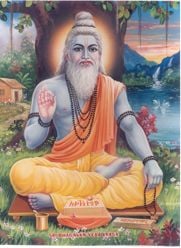
Tag: சிபி சக்கரவர்த்தி வரலாறு

  • Veda Vyasa Grandson Of Thodiththol Chola Uparichara

    Veda Vyasa Grandson Of Thodiththol Chola Uparichara

    In my earlier articles, I have traced the ancestry of Chozha Kings based on Thiruvalankadu Copperplates evidence and validated it by Brahmanda Puran and Mahabharat.These texts mention Chozhas prominently as having been linked to Suryavansh,Solar Dynasty.They are Muchukunda, Sibi ,Manuneedhi and Thodiththol Chola.Muchukunda Chozha is referred to in Tamil classics and Sthala Puran of temples in Tamil Nadu. He is associated with Sapthavidanga Sthalas in Tamilnadu. Sapthavidanga Sthalas.

    Emerald Siva linga at Uttarakosamangai, Tamil Nadu

    Sibi Chozha built the Pundarikaksha Temple at Thiruvellarai near Sri Rangam,Tamil Nadu.

    Manu ,the first Human was from Dravida Desa and was an Emperor. His son Ikshvaku founded the Ikshvaku,Solar race,to which Sri Rama belongs. Manu had a daughter Ila .Through her came the Chandravansh, ,Lunar Dynasty.Puru,Kuru and Yadu dynasties have sprung from this dynasty.Chozhas trace their genealogy References to this are also found in Silappadikaram, Manimekalai and Sangam Literature Puranaanuru.

    Uparichara vasu was a king of the Puru lineage and his grandson was Veda Vyasa.

    ← Back

    Thank you for your response. ✨

    Please rate our website(required)

    After Vasu performed the austerities, gratified Indra had blessed him and given him a crystal chariot along with a bamboo pole to protect his subjects. Uparichara, after one year, planted the pole and worshipped it as Sakra. This became a tradition in Chedi and people used to erect pole and deck it with gold cloth, scents, garlands and various ornaments. Indra was gratified by this festival and blessed them.https://en.m.wikipedia.org/wiki/Uparichara_Vasu

    Vaishampayana said, “There was a king, a ruler of the earth, always devoted to righteous conduct. His name was Uparichara and he loved hunting. That descendant of the Puru lineage was also named Vasu and, on Indra’s instructions, conquered the beautiful and handsome kingdom of Chedi. After some time, the king gave up the use of weapons and lived in a hermitage, practising austerities. One day, the thunder-wielding god came to him.

    • We see that before he conquered the kingdom of Chedi and made his capital at Suktimati, he was still a powerful ruler and a devotee and friend of Indra. Even referred to as the lord of Earth……..Here we see that Indra pleased with Uparichara’s austerities gives him one of his divine chariots(which will appear later in the answer). He also gives him a vaijayanti mala, which would make one immune to all weapons, and a bamboo stick as a symbol of maintaining the peace.
    • Later all the kings started this practice of worshipping bamboo stickes, who have the manifestation of Indra himself. It became a custom among the kings…..

    He had five sons, who had great valour and infinite might. He was a universal emperor and instated his sons in many kingdoms. His famous maharatha son Brihadratha was instated in the kingdom of Magadha. Others were Pratyagraha and Kushamba, also known as Manivahana and Macchilla, and Yadu, powerful kings invincible in battle. O king! These were the sons of that rajarshi with unbounded powers. They established kingdoms and cities named after them. Thus, the five kings, sons of Vasu, established separate dynasties that were eternal. When he seated himself or travelled through the sky in the crystal chariot obtained through Indra’s grace, the apsaras and the gandharvas worshipped the great king. And he became famous as Uparichara.

    • Here, universal emperor mostly refers to the fact that he has already defeated all kings .
    • His wife Girika gave birth to 5 sons: Brihadratha of Magadha, Pratyagraha, Kushamba Manivahana, Macchilla and Yadu (Not to be confused with Yadu, the son of Yayati).
    • Each of them established kingdoms of their own and their dynasties remained for a long periods of time…….Here we can understand that Vasu was already the king of Chedi before his marriage. Infact his wife Girika is much smaller in age than him. This is probably when Vasu was a young and powerful king and had just become a king of kings.
    • The son of the river was appointed as the general of Vasu’s army. The daughter married Vasu and gave birth to five illustrious sons….

    “When the bird was thus swiftly flying through the sky, another hawk saw him and thought that the hawk was carrying some meat and flew at him. The two birds fought with their beaks in the sky. When they were thus fighting, the semen fell into the waters of the river Yamuna. An apsara known by the name of Adrika lived in the water of the Yamuna as a fish, because she had been cursed by Brahma. In the form of a fish, Adrika speedily came to where Vasu’s semen fell from the hawk’s claw and swallowed it up immediately. O best of the Bharata lineage! Some time after this, the fish was caught by fishermen and she was in her tenth month. From the stomach of the fish there emerged twins in human form, a boy and a girl. They marvelled at this and went and told the king, ‘O king! These two have been born in human form inside a fish.’ Then King Uparichara accepted the male child and he later became the righteous and truthful king named Matsya. As soon as the children were born, the apsara was also immediately freed from her curse. The beautiful one had earlier been told by the illustrious god that she would be freed from her nonhuman form when she gave birth to two human children. Following these words, after giving birth to two children and after being killed by the fishermen, she left the form of a fish and assumed her own divine form. The beautiful apsara then went up to the sky, following the path of the siddhas, rishis and charanas. The girl, the daughter of the fish, smelt of fish. She was given by the king to the fishermen, saying that she would be their daughter. ‘“This girl was called Satyavati. She was possessed of great beauty and had every quality and character.

    • The Apsara Adrika gave birth to a set of twins, one male and one female after consuming Vasu’s semen. She was cursed to be a fish, and got liberated after the birth of twins.
    • The male child was named Matsya, and he was raised by Vasu himself to be a righteous and truthful king. He would later go on to establish the kingdom of Matsya, and is the ancestor of King Virata of Matsya.
    • The female child was named Satyavati or Matsyagandha. She was given to the king of fishermen or Dasa, who later adopted her as a daughter. She later obtained the names Yojanagandha and Gandhavati after her giving birth to Krishna Dwaipayana Vyasa through Rishi Parashara.
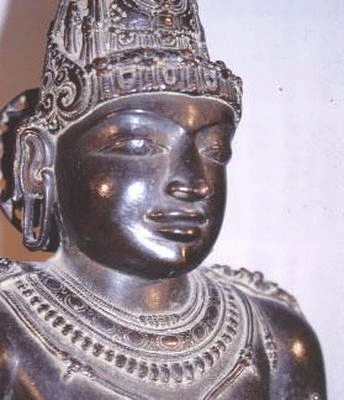
    • We know that Satyavati later marries King Shantanu…..
    • https://www.quora.com/What-was-the-relationship-between-Uparichara-Vasu-Kuru-king-and-Shantanu-before-Shantanu-s-marriage-with-Satyavati.
    • Chedi Kingdom

    One of the Five epics of Tamil Manimekalai,A Jain work talks of Chola King being presented with a Chariot . And Silappadikaram another Tamil epic also mentions this.

    உலகம் திரியா ஓங்கு உயர் விழுச் சீர்ப்

    பலர் புகழ் மூதூர்ப் பண்பு மேம்படீஇய

    ஓங்கு உயர் மலயத்து அருந் தவன் உரைப்ப

    தூங்கு எயில் எறிந்த தொடித் தோள் செம்பியன்

    விண்ணவர் தலைவனை வணங்கி முன் நின்று

    மண்ணகத்து என்தன் வான் பதி தன்னுள்

    மேலோர் விழைய விழாக் கோள் எடுத்த

    நால் ஏழ் நாளினும் நன்கு இனிது உறைக என

    அமரர் தலைவன் ஆங்கு அது நேர்ந்தது

    கவராக் கேள்வியோர் கடவார் ஆகலின் 01-010 மெய்த் திறம் வழக்கு நன்பொருள் வீடு எனும்

    இத் திறம் தம் தம் இயல்பினின் காட்டும்

    சமயக் கணக்கரும் தம் துறை போகிய

    அமயக் கணக்கரும் அகலார் ஆகி

    கரந்து உரு எய்திய கடவுளாளரும்

    பரந்து ஒருங்கு ஈண்டிய பாடை மாக்களும்

    ஐம் பெருங்குழுவும் எண் பேர் ஆயமும்

    வந்து ஒருங்கு குழீஇ வான்பதி தன்னுள்

    கொடித் தேர்த் தானைக் கொற்றவன் துயரம்

    விடுத்த பூதம் விழாக்கோள் மறப்பின் 01-020 மடித்த செவ் வாய் வல் எயிறு இலங்க

    இடிக் குரல் முழக்கத்து இடும்பை செய்திடும்

    தொடுத்த பாசத்து தொல் பதி நரகரைப்

    புடைத்து உணும் பூதமும் பொருந்தாதாயிடும்

    மா இரு ஞாலத்து அரசு தலையீண்டும்

    ஆயிரம்கண்ணோன் விழாக் கால்கொள்க என

    வச்சிரக் கோட்டத்து மணம் கெழு முரசம்

    கச்சை யானைப் பிடர்த்தலை ஏற்றி

    ஏற்று உரி போர்த்த இடி உறு முழக்கின்

    கூற்றுக்கண் விளிக்கும் குருதி வேட்கை 01-030 முரசு கடிப்பு இகூஉம் முதுகுடிப் பிறந்தோன்

    திரு விழை மூதூர் வாழ்க! என்று ஏத்தி

    வானம் மும் மாரி பொழிக! மன்னவன்

    கோள் நிலை திரியாக் கோலோன் ஆகுக! தீவகச் சாந்தி செய்தரு நல் நாள்

    ஆயிரம்கண்ணோன் தன்னோடு ஆங்கு உள

    நால் வேறு தேவரும் நலத்தகு சிறப்பில்

    பால் வேறு தேவரும் இப் பதிப் படர்ந்து

    மன்னன் கரிகால்வளவன் நீங்கிய நாள்

    இந் நகர் போல்வதோர் இயல்பினது ஆகிப் 01-040 பொன்நகர் வறிதாப் போதுவர் என்பது

    தொல் நிலை உணர்ந்தோர் துணிபொருள் ஆதலின்

    தோரண வீதியும் தோம் அறு கோட்டியும்

    பூரண கும்பமும் பொலம் பாலிகைகளும்

    பாவை விளக்கும் பல உடன் பரப்புமின்

    காய்க் குலைக் கமுகும் வாழையும் வஞ்சியும்

    பூக் கொடி வல்லியும் கரும்பும் நடுமின்

    பத்தி வேதிகைப் பசும் பொன் தூணத்து

    முத்துத் தாமம் முறையொடு நாற்றுமின்

    விழவு மலி மூதூர் வீதியும் மன்றமும் 01-050 பழ மணல் மாற்றுமின் புது மணல் பரப்புமின்

    கதலிகைக் கொடியும் காழ் ஊன்று விலோதமும்

    மதலை மாடமும் வாயிலும் சேர்த்துமின்

    நுதல் விழி நாட்டத்து இறையோன் முதலா

    பதி வாழ் சதுக்கத்துத் தெய்வம் ஈறு ஆக

    வேறுவேறு சிறப்பின் வேறுவேறு செய்வினை….

    முதலாவது விழாவறைந்த பாட்டு அஃதாவது: பூம்புகார் நகரத்து வாழ்கின்ற சமயக் கணக்கர் முதலிய பெரியோர் ஒருங்கு கூடி அந் நகரத்திலே வாண்டு தோறும் நிகழ்த்தப்பட்டு வருகின்ற இந்திர விழா என்னும் பெருவிழா எடுத்தற்குரிய சித்திரைத் திங்களின் முழுமதி நாள் அணுகி வருதலானே அவ் விழாவிற்குக் கால் கொள்ள வேண்டும் என்று முடிவு செய்து அதனை நகரமக்கட்கு அறிவிக்கும் படி வழக்கம் போல விழா முரசம் அறையும் முதுகுடிப் பிறந்த வள்ளுவனுக்கு அறிவிப்பு, அது கேட்ட வள்ளுவன்றாணும் வச்சிரக் கோட்டத்தில் வைக்கப்பட்டிருக்கின்ற மணங்கெழு முரசத்தைக் கச்சையானைப் பிடர்த்தலை ஏற்றித் தானும் ஏறியிருந்து அவ் விழா நிகழப் போவதனையும் அதற்குக் கால் கோள் செய்யும் நாளையும் விழாவின் பொருட்டு நகரத் தெருக்கள் தோறும் முரசறைந்த செய்தியைக் கூறும் பாட்டு என்றவாறு. இக் காதையினால் இற்றைக் கிர்கடாயிரம் ஆண்டுகட்கு முன்னர்த் தமிழகத்து மாந்தர் விழா நிகழ்த்தும் முறையும், அவர் ஒப்பற்ற நாகரிகமும் இனிது விளங்கும். உலகம் திரியா ஓங்கு உயர் விழுச் சீர்ப்
    பலர் புகழ் மூதூர்ப் பண்பு மேம்படீஇய
    ஓங்கு உயர் மலயத்து அருந் தவன் உரைப்ப
    தூங்கு எயில் எறிந்த தொடித் தோள் செம்பியன்
    விண்ணவர் தலைவனை வணங்கி முன் நின்று
    மண்ணகத்து என்தன் வான் பதி தன்னுள்
    மேலோர் விழைய விழாக் கோள் எடுத்த
    நால் ஏழ் நாளினும் நன்கு இனிது உறைக என
    அமரர் தலைவன் ஆங்கு அது நேர்ந்தது
    கவராக் கேள்வியோர் கடவார் ஆகலின் 01-010 மெய்த் திறம் வழக்கு நன்பொருள் வீடு எனும்
    இத் திறம் தம் தம் இயல்பினின் காட்டும்
    சமயக் கணக்கரும் தம் துறை போகிய
    அமயக் கணக்கரும் அகலார் ஆகி
    கரந்து உரு எய்திய கடவுளாளரும்
    பரந்து ஒருங்கு ஈண்டிய பாடை மாக்களும்
    ஐம் பெருங்குழுவும் எண் பேர் ஆயமும்
    வந்து ஒருங்கு குழீஇ வான்பதி தன்னுள்
    கொடித் தேர்த் தானைக் கொற்றவன் துயரம்
    விடுத்த பூதம் விழாக்கோள் மறப்பின் 01-020 மடித்த செவ் வாய் வல் எயிறு இலங்க
    இடிக் குரல் முழக்கத்து இடும்பை செய்திடும்
    தொடுத்த பாசத்து தொல் பதி நரகரைப்
    புடைத்து உணும் பூதமும் பொருந்தாதாயிடும்
    மா இரு ஞாலத்து அரசு தலையீண்டும்
    ஆயிரம்கண்ணோன் விழாக் கால்கொள்க என
    வச்சிரக் கோட்டத்து மணம் கெழு முரசம்
    கச்சை யானைப் பிடர்த்தலை ஏற்றி
    ஏற்று உரி போர்த்த இடி உறு முழக்கின்
    கூற்றுக்கண் விளிக்கும் குருதி வேட்கை 01-030 முரசு கடிப்பு இகூஉம் முதுகுடிப் பிறந்தோன்
    திரு விழை மூதூர் வாழ்க! என்று ஏத்தி
    வானம் மும் மாரி பொழிக! மன்னவன்
    கோள் நிலை திரியாக் கோலோன் ஆகுக!
    தீவகச் சாந்தி செய்தரு நல் நாள்
    ஆயிரம்கண்ணோன் தன்னோடு ஆங்கு உள
    நால் வேறு தேவரும் நலத்தகு சிறப்பில்
    பால் வேறு தேவரும் இப் பதிப் படர்ந்து
    மன்னன் கரிகால்வளவன் நீங்கிய நாள்
    இந் நகர் போல்வதோர் இயல்பினது ஆகிப் 01-040 பொன்நகர் வறிதாப் போதுவர் என்பது
    தொல் நிலை உணர்ந்தோர் துணிபொருள் ஆதலின்
    தோரண வீதியும் தோம் அறு கோட்டியும்
    பூரண கும்பமும் பொலம் பாலிகைகளும்
    பாவை விளக்கும் பல உடன் பரப்புமின்
    காய்க் குலைக் கமுகும் வாழையும் வஞ்சியும்
    பூக் கொடி வல்லியும் கரும்பும் நடுமின்
    பத்தி வேதிகைப் பசும் பொன் தூணத்து
    முத்துத் தாமம் முறையொடு நாற்றுமின்
    விழவு மலி மூதூர் வீதியும் மன்றமும் 01-050 பழ மணல் மாற்றுமின் புது மணல் பரப்புமின்
    கதலிகைக் கொடியும் காழ் ஊன்று விலோதமும்
    மதலை மாடமும் வாயிலும் சேர்த்துமின்
    நுதல் விழி நாட்டத்து இறையோன் முதலா
    பதி வாழ் சதுக்கத்துத் தெய்வம் ஈறு ஆக
    வேறுவேறு சிறப்பின் வேறுவேறு செய்வினை
    ஆறு அறி மரபின் அறிந்தோர் செய்யுமின்
    தண் மணல் பந்தரும் தாழ்தரு பொதியிலும்
    புண்ணிய நல்லுரை அறிவீர்! பொருந்துமின்
    ஒட்டிய சமயத்து உறு பொருள் வாதிகள் 01-060 பட்டி மண்டபத்து பாங்கு அறிந்து ஏறுமின்
    பற்றாமாக்கள் தம்முடன் ஆயினும்
    செற்றமும் கலாமும் செய்யாது அகலுமின்
    வெண் மணல் குன்றமும் விரி பூஞ் சோலையும்
    தண் மணல் துருத்தியும் தாழ் பூந் துறைகளும்
    தேவரும் மக்களும் ஒத்து உடன் திரிதரும்
    நால் ஏழ் நாளினும் நன்கு அறிந்தீர் என
    ஒளிறு வாள் மறவரும் தேரும் மாவும்
    களிறும் சூழ்தர கண் முரசு இயம்பி
    பசியும் பிணியும் பகையும் நீங்கி
    வசியும் வளனும் சுரக்க! என வாழ்த்தி
    அணி விழா அறைந்தனன் அகநகர் மருங்கு என் 01-072 இந்திர விழாவின் வரலாறு 1-10: https://m.dinamalar.com/temple_detail.php?id=6851

    மணிமேகலை விழாவறைந்த கதை (1-5 பாடல்)
    உலகம் திரியா ஓங்கு உயர் விழுச் சீர்ப்
    பலர் புகழ் மூதூர்ப் பண்பு மேம்படீஇய
    ஓங்கு உயர் மலயத்து அருந் தவன் உரைப்ப
    தூங்கு எயில் எறிந்த தொடித் தோள் செம்பியன்
    விண்ணவர் தலைவனை வணங்கி முன் நின்று
    பொருள் – சான்றோர் சென்ற நெறிநின்றொழுகுதலில் ஒரு பொழுதும் பிறழா தொழுகுதல் காரணமாகப் பெரிதும் உயர்ந்துள்ள தனது மாபெரும் சிறப்பினைப் பிறநாட்டிலுள்ள சான்றோர் பலரும் புகழாநிற்றற் கிடமான பழைய ஊராகிய புகார் நகரத்தின் தெய்வத் தன்மை காலந்தோறும் மேம்பட்டு வளர்தற் பொருட்டாக; வானுற உயர்ந்து புகழானும் உயர்ந்த பொதிய மலையின்கண் இறைவன் ஏவலாலே எழுந்தருளியிருக்கும் செய்தற்கரிய தவங்களைச் செய்துயர்ந்த அகத்தியமுனிவன் பணிப்ப: வானத்திலே இயங்குகின்ற மதில்களை அழித்த வீர வலைய மணிந்த சோழ மன்னன் ஒருவன்; தனக்கு நன்றிக் கடன்பட்டுள்ள அமரர்கோமனை வணங்கி அவன் முன்னிலையிலேயே நின்று..இந்த பாடலில் “”தூங்கு எயில் எறிந்த” என்று வருகிறது. இந்த தூங்கு எயில் என்பதன் பொருள் “தொங்கும் நகரம் அல்லது அரண் ஆகும்..

    .https://etamilwin.blogspot.com/2015/09/blog-post_8.html?m=1

  • Sixteen Emperors of India Mahabharata List Chola Among Them

    Sixteen Emperors of India Mahabharata List Chola Among Them

    History of ancient India is very interesting and it would need patience and perseverance to go through the volumes upon volumes left by our ancestors in the form of Puran, Ithihasa and Sthala Puran. Added to this are the texts in Regional languages of India,like Tamil, Telugu, Bengali.Then there are temple Epigraphs.Despite all this, people say India did not historical records!

    Though many dynasties had been in India,two dynasties,Surya, Solar and Chandra,Lunar Dynasties are the ones from which all others have sprung .This includes Ancient Tamil Kings Chola,Andhra Kings.

    The Chola Emperor mentioned as one of the sixteen, Shodasa,is Sibi also called as Usunira Vasu.

    Screen shot of the Book Ancient Historical Traditions by Pargiter.

    The first major war was fought in India. ( Ref. https://en.m.wikipedia.org/wiki/Battle_of_the_Ten_Kings

    First Emperors were also from India. Mahabharat gives a list of sixteen( Shodasa) Chakravarthins.

    ‘When the Rajasuya Yagya was conducted by Yudhishthira, rishi Vaishampayana described to him a list of 16 Samrats who had lived before the Mahabharata era. The list occurs in Mbh (12.29) and is called Shodasha Rajika or a list of 16 kings.

    • Marutta Avikshita ( Suryavanshi and Vaishali kingdom)
    • Suhotra Atithina    ( Chandravanshi, Puru (Bharatvansh) and Kurujangala kingdom)
    • Brihadratha Anga  ( Chandravanshi and Anga kingdom)
    • Shivi Aushinara     ( Chandravanshi, Anu and Shivi kingdom)
    • Bharata Daushyanti ( Chandravanshi, Puru and Kurujangala kingdom)
    • Ram Dasharathi     ( Suryavanshi and Ayodhya or Kosala kingdom)
    • Bhagiratha Dileepa (Suryavanshi and Ayodhya or Kosala kingdom)
    • Dileepa Khatvanga ( Suryavanshi and Ayodhya or Kosala kingdom)
    • Mandhata Yauvanashva ( Suryavanshi and Ayodhya or Kosala kingdom)
    • Yayati Nahusha      ( Chandravanshi and ruled Puru+Anu+Yadava+Turvasu+Druhyu kingdom)
    • Ambarisha Nabhagi  ( Suryavanshi and Ayodhya or Kosala kingdom)
    • Shashabindu Chaitrarathi ( Chandravanshi, Yadava and Yadava kingdom)
    • Rantideva Sankruti  ( Chandravanshi and Charmanvati (Chambal) kingdom)
    • Prithu Vainya          ( Older than the formation of Suryavansha and Chandravansha)
    • Ancient Indian historical tradition

    http://historyindianized.blogspot.com/2013/01/chakravarti-samrat-of-ancient-india.html?m=1

  • King Sibi Janapada Coins Found First Century BC

    King Sibi Janapada Coins Found First Century BC

    King Sibi is a famous Chozha King. He is reported to be the ancestor of Sri Rama. He built a temple for Vishnu as Pundarikaksha at Thiruvellarai ,7 km from Srirangam, Tamil Nadu.He has invaded South to subdue Asuras.He is praised for his compassion.

    King Sibi’s Janapada Coins have been unearthed.Details are: ‘

    Full Description:

    Śibi was a king in Hindu texts and the Jataka tales of Buddhism, notably in the Śibi Jataka. Śibi… was the son of Ushinara, a famous king of the Surya Vamsa. He was contemporary to the Suryavanshi King Trayarunya who was the ancestor of Rama. King Śibi was renowned for his liberal beliefs and selflessness and is said to have saved Agni (transformed into a dove) from Indra (transformed into a hawk) by offering up his own flesh..Śibi is listed among other legendary kings in the lineage claimed by the later Chola dynasty. The Cholas claimed to have descended from the Sun. The Tamil name for Shibi is Cempiyan and Chola rulers took this as one of their titles.

    Tribal-Post Mauryan, Sibi Janapada (200 BC), Copper Unit, Obv: a tree and a Swastika in the center with taurine attached to each corner, Brahmi legend “(Majhamikaya) Sibi (Janapa)dasa”, Rev: six-arched hill with crescent (chaitya) with a wavy line below, 4.48g, 20.17mm, (Handa # Pl. XXXII- 5), about very fine, Extremely Rare.

    Note: Referred to in the Rigveda and the Aitareya Brahmana as the Shivas, the Sibis are amongst the earliest known tribes of ancient India. They are one of the many tribes described in these ancient texts as having been defeated by the Trtsu-Bharata (Puru) king Sudas in the famous Battle of the Ten Kings, or the Dasrajya Yuddha, which is recorded to have taken place somewhere near the rivers Vipas (Beas) and Purushni (Ravi). They feature prominently in the Mahabharata, with their king Usinara having attended the swayamvara of Draupadi and later fighting alongside the Pandavas in Kurukshetra where he was killed by Dronacharya. They also appear in the writings of Patanjali and Katyayana, and their cities, Arithapura and Jetuttara, can be found in Buddhist texts such Mahamayuri and the Jatakas. In the 10th century AD, Jetuttara is referred to by Al-Beruni as Jattaraur in Mariwar, which is present-day Mewar, and it is here, at Nagari and Chittorgarh, that the coins of this illustrious tribe 

    https://www.facebook.com/vishalbumb99/videos/541662300304305/

    The story of Sibi Chakravarthy is so famous that it was sculpted in the Barhut, Nagarjunakonda ,Amaravati bas-reliefs and  Borobudur in Java,Indonesia (see Boropudur sculpture above).

    Tamil epics Silappadikaram and Manimekalai gave more details about this link. Since the oldest part of Sangam Tamil literature mentions it no one can reject it. The link is confirmed with other stories as well.

    Sibi ruled from the north west of India. There was a Sibi puram on the banks of river Chenab in Punjab. Sibi clan is mentioned in Rig Veda and Brahmanas. Panini referred one Sivapuram may be the same Sibipuram’

    Sibi is in Nort west of India, currently in Pakistan.

    There are views that Sibi ruled from there and that the Tamils were living in North India.

    Considering the differences between the Tamil Culture and Sanatana Dharma, thought Tamils were a part of Sanatana Dharma and the archeological evidence,Literature, the structural difference between Sanskrit , I am of the opinion that it is not so.

    In the case of Sibi. it is probable that Sibi had the city of Sibi as a second capital.

    The Temple for Vishnu at Srirangam ,is reported to be built by Rama,though many state that it was built earlier.
    This period belongs to Treta Yuga, some 4,32,000 ago according to Indian Texts.
    Historical dating of Lord Rama is around 5114 BC.
    We may safely state that Srirangam belongs to 5114 BC, if not earlier.
    References are found in Indian Texts that there is another temple which was built earlier by Lord Rama’s ancestor, King Sibi.
    The same Sibi is mentioned as the one who parted with his Flesh to feed a Dove.
    This has been mentioned in Tamil Sangam Literature, which is dated around 3000 BC.
    But  the date of Sangam literature is pushed back by at least by 20,000 subsequent finding of the ruins of Poompuhar,Tamil Nadu.
    Poompuhar’s period was much later than Sangam period!
    The Tamil Cholas are referred to as the descendants of Ikshvaku Clan,to which Lord Rama belonged.
    So the refernce to a temple earlier to that of Srirangam gains credibility.
    The Temple of Pundarikaksha(Vishnu) is mentioned in Sangam Classics and also referred to in King Rajaraja’s inscriptions.https://ramanisblog.in/2016/06/03/become-invicible-pond-thiruvellarai-oldest-vishnu-temple/

    Sibi Janapada, Circa 1st century BC, AE mixed alloy unit. Obv: Swastika with taurine ends, crop plant (multi branched tree), legend around in Brahmi: Sibi Janapada[Sa]. Rev: Six arched hill.

    The descendants of Shiva are called Shivi (S’ibi) The lineage is shown from page of an English translation of Bhagatvatpurana.Samrat Ushinara’s son was Shivi. Shivi was the name of a King and a Gana in ancient India, ruled by democratic system of administration known as ganatantra. Kshudrakas had formed a sangha with Malavas. Sibia were the people descendants of Sibi. Shivis formed a sangha with a big federation or sangha known as Jat, which is clear from Panini’s shloka in grammar of Aṣṭādhyāyī. The famous Sanskrit scholar Panini of 500 BCE has mentioned in his Sanskrit grammar known as Aṣṭādhyāyī (III. 3. 19) in the form of shloka as जट झट संघाते or Jata Jhata Sanghāte. This means that the terms ‘Jat’ and ‘democratic federation’ are synonymous. Shibi (शिबी) are mentioned at various places in Mahabharata (I.59.18), (I.61.8), (I.177.15), (II.29.6), (II.48.13), (XIII.116.66). Adi Parva, Mahabharata/Mahabharata Book I Chapter 59 mentions details of Birth of all creatures starting from Brahma ….Hiranyakasipu had five sons, all famous throughout the world. The eldest of them all was Prahlada, the next was Sahradha; the third was Anuhrada; and after him were Shibi and Vashkala. Shibi is included in verse (I.59.18). Please read captions for details. These coins are exceedingly rare and are found in worn out condition but this piece has clear depiction which makes it special specimen for me! References: Jatland.com, Mahabharta.https://nilaish.blogspot.com/2020/07/sibi-janapada-rare-coin.html?m=1

    Reference to Shiva is interesting. Siva is described in greater detail than Vedas in South and Siva’ Exploits are quite vivid in Thiruvilayadal Purana .Sixty four of His Manifestations are described in detail and the events mentioned stand verification by History as found in Epigraphs and Tamil literature.Shall write more on this.There is strong evidence that Tamil Kings were forerunners of Jats or are closely related to them.