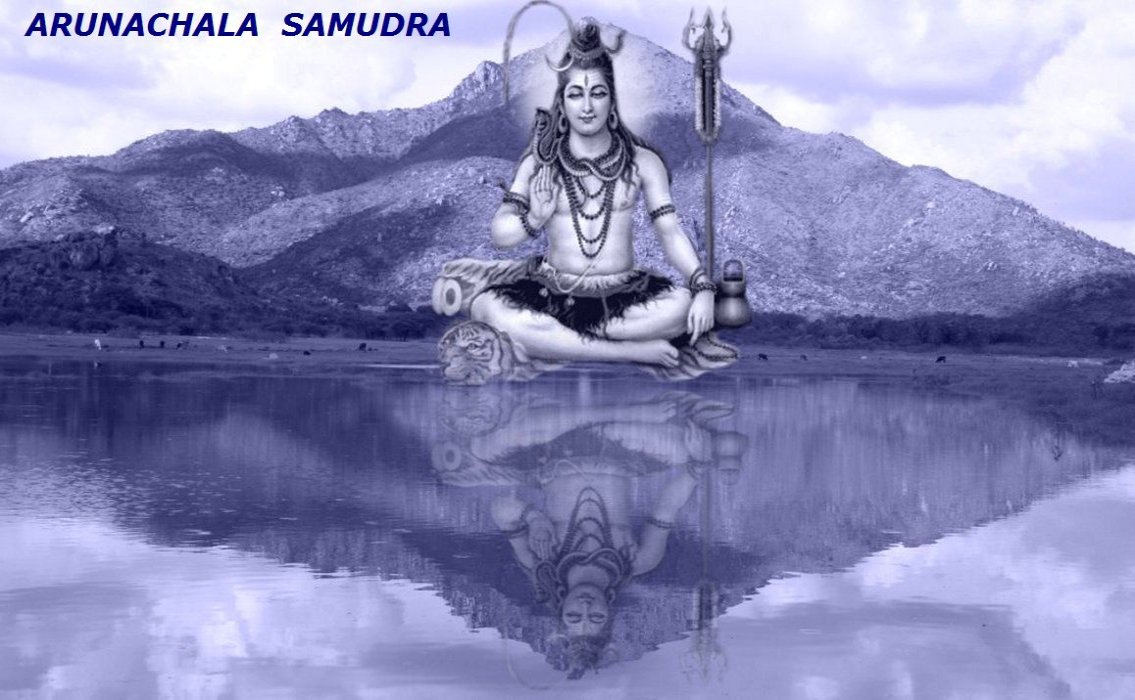
Tag: Rudra

  • No Cremation Ground Devotees Not Allowed Taliparamba Shiva

    Three is a Temple in Srivanchiyam where the Naivedya for Shiva is done after a corpse has been burnt in the Cremation ground in front of  the temple.

    Please read my post  on this ‘Where Corpses Burn’.

    Taliparamba Temple.jpg
    Taliparamba Temple.

    There is a Temple in Kerala where the Shiva Linga was ordered to be installed in a place where there is no cremation ground!

    The Rajarajeswara temple is in Taliparamba, Kerala.

    I would like hear from people from Taliparamaba where the cremation ground exists in Taliparamba.

    Another unique feature is that the Devotees are not allowed to offer Namaskara, Prostrations before the Deity, in the  Namaskara Mantapa, they are not allowed inside this Mantapa.

    The reason is that Lord Rama offered Namaskara to Shiva here and as a mark of respect to Lord Rama, this custom is followed.


    Legend.

    Taliparamba is among the 108 ancient Kerala temples dedicated to Shiva.

    Taliparamba is regarded as one of the ancient Shakti Peethams.

    The Shiva Linga here is believed to be several thousands of years old. Legend has it that Shiva gave three sacred Shiva Lingas to Parvati/Sati for worship.

    One sage, Maandhata propitiated Lord Shiva with intense prayers. Shiva was so pleased that he presented one of the Shiva Lingas to him with the injunction that it should be installed only at a place where there was no cremation ground. The sage, after searching all over, found Taliparamba the most sacred spot where he installed the Shiva Linga.

    After his death the Linga disappeared into the earth. Then his son Muchukunda offered similar prayers to Shiva and got a second Shiva Linga, which too disappeared in course of time. Centuries passed. The third Shiva Linga was handed down to Satasoman, a king of Mushaka/Kolathiri/Chirakkal Royal Family, who then ruled the region. He was an ardent devotee of Shiva. On the advice of sage Agastya, he prayed to Lord Siva, who granted him the Shiva Linga. The king installed it in the present temple built by him. However, many legends associated with the Temple, claim Agastya Himself as installing the ShivaLinga (which is believed as per those legends to be a ‘Jyothirlingam’).

    * We have Spatha Vidnaga Sthalas in Tamil Nadu, where the legend runs on similar lines.Rfer my Post on Sapthavidanga Sthalas

    It is believed that Sri Rama during his victorious return from Lanka stopped here to offer worship to Lord Shiva. In honor of His presence, devotees are not allowed into the namaskara mandapam even today.

    Lord Shiva worshiped in this sacred temple is known as Sree Rajarajeswara, which means the Emperor of Emperors — the Lord Supreme. The name signifies the supreme transcendental power in the background of mysterious drama of the boundless universe. That power is invoked here as Lord Rajarajeshwara. Devotees address the lord with such royal appellations as Perumthrikovilappan, Perum-chelloorappan and Thampuraan Perumthrikkovilappan.

    The Jyothirlingam in the shrine in vibrant with spiritual power that exerts an enriching influence both on the material and spiritual levels of the earnest devotees. The celebrated ancient sage Agasthya Maharishi is associated with the installation of the Jyothirlingam in the shrine.

    Temple Timings.

    Pooja / Prayer timings: The temple opens at 4 am and remains closed in the afternoon from 12 to 5.

    Wednesday, the day when the lingam was installed, is the most important day for prayer instead of Monday.

    Festivals: Shivratri, Puthari, a festival of the harvesting season; Karkadaka Sankramam (July) and Nira are some of the auspicious days celebrated in the temple with pomp and festivities.

    Codes and guidelines: Men are allowed to enter the shrine at any time, but woman are allowed only after 8 PM. Non Hindus are not allowed to enter the temple. Mundu is the dress code for men.

    Cloak room: One has to deposit their purse and other belongings in the cloak room outside. Photography is prohibited in the temple.

    How To Reach.

    By Air.

    Taliparamba111 km away

    Bajpe Airport (IXE)Mangalore, Karnataka

    Taliparamba100 km away

    Calicut International Airport (CCJ)Kozhikode, Kerala

    Train.

    Taliparamba does not have an train station. Nearest option is Kannapuram.

    Taliparamba9 km away

    Kannapuram (KPQ)Kannapuram, Kerala

    Taliparamba12 km away

    Payangadi (PAZ), Payangadi, Kerala

    By Bus.
    Available from major cities of India, especially in Kerala,

    Citation and Reference.


     http://en.wikipedia.org/wiki/Rajarajeshwara_Temple#Legends_and_history


  • Shiva Is Goddess Ziva Of Slavs Poland Czechoslavakia

    I have written as to how the Celts declare themselves as the Tribes/Peoples of Danu, Danube being a River in memory of Danu, wife of Sage Kashyapa.

    Also that there is an ancient cave found in Germany, containing the figure of Narasimha,Lord Vishnu’s Avatar.

    Now there is more about Hindu Gods and Goddesses in the western Pantheon.

    God as Man and woman.Jpg
    Man Woman God,Shiva and Sakthi

    Lord Shiva is worshiped as Goddess Ziva by the Slav People of Poland, Czechoslavakia, East  Germany.

    She is also called Shiwa,and in modern Polish Sheeva.

    Other forms of the names are Sivve, Shiwa, Sieba, Syeba, Siba and Dsiva.(Znayenko, pp. 75, 220).

    Zhiva Slavic Goddess of Fertility.jpg
    Zhiva Slavic Goddess of Fertility.

    She is the Goddess of Life Offspring and Fertility .

    Fridays are sacred to Her.

    Slavs in Europe 600 AD
    Slavs c. 650 AD. “Europe around 650” by by Ramsey Muir – Muir’s Historical Atlas–Mediaeval and Modern ( London, 1911). Licensed under Public Domain via Wikimedia Commons – http://commons.wikimedia.org/wiki/File:Europe_around_650.jpg#mediaviewer/File:Europe_around_650.jpg

    Twelve Fridays of a year are marked for Her worship.(Hubbs, p. 117).

    The meaning of the word Siva is Auspiciousness, Mangalam.

    Shiva is not to be confused with Rudra, as Amsa of Shiva.

    Rudra is the chief of the Ekadasa Rudras.

    He is described as Ferocious and anger prone.

    Sri Rudram starts with,

    ‘On namo Bhagavate Rudraaya,

    Namsthe Rudramanyave”

    My Salutations  to Rudra,

    who is the embodiment of anger,

    My Salutaions to Him’

    He is the god of Destruction, while Braham is the God of Creation, Vishnu the Protector.

    Shiva is different as Vishnu is different from Narayana.

    Shiva has five functions.

    Srushti(Creation), Stithi(Protection or Maintanence), Samahara(Destruction). Thirodhaaana(Hiding) and Anugraha( Benevolence).

    Shiva is the Kinetic energy while Sakthi is the potentian Energy.

    Shiva without Sakthi is useless.

    In Tamil there is a saying Shiva without Sakthi(in Tamil this word also means Power) is a Sava, A corpse.

    It is Sakthi who contributes to the Power of Shiva.

    Lalitha Sahasranama calls Her as,

    pancha Pretha Manchaathi Saayini’ one who rests on Five Corpses.

    Please read my post onDevi worship on the meaning of this.

    This sakthi is a part of Shiva and occupies the Left side of Shiva.

    This is seen in Ardhanaareswara Form of Shiva.

    Bhavani is an Amsa of Sakthi.

    The word Bhavani springs from the Sanskrit word “BHU,  BHUVA ,-“to live, be, exist”

    It also means “being, existence’

    This alludes to Being, Being Born, offspring and fertility.

    n Slovakia, the equivalent to Siva is life-goddess Zivena, who is counterposed with chief god Praboh (Jones and Pennick, p. 187). His name means “(original) primitive god” (Konus, p. 906).

    Interrelated Sanskrit words:

    PRA- (prefix): “before, in front”, and therefore, “first, original”; BHU, #1 BHU’, #2 BHU’: “becoming, being, produced, live”. All are the root words of BHAVA/BHAVANI
    —PRA-BHU*, “excelling, powerful, lord”, a name of Shiva.

    The name itself means “before-living”, in other words, “original God”.

    It obtains the concept of “excelling, powerful” exactly in the same way that Eng. PRIME implies “the best”.
    —PRA-BHU/PRA-[root] BHU-, -BHAVATI, “originate from, be powerful/master.”
    —PRA-BHAVA*, “excelling, production, origin, Creator (“might, power”=PRA-BHAVA) (Monier-Williams)

    A picture of Siva shows her with a sun-disk behind her head (admittedly, not an unusual occurrence for ancient deities). And there is mention of Siwa/Syuna, a goddess of the Western Polabi (Hastings, vol. 11, p. 594).

    Zhiva: “..…

    “There persisted another religious rite more closely related to Procopius’s account of the veneration of nymphs. This religion appears to have had no organized priesthood. It revolved around the goddess called Zhiva by the Elbe Slavs.

    The ceremonies were performed by the whole community in the depths of the forests [like the Baiga and Savaras of Northern India, who believe fully in forest spirits. (Hastings, vol. 2, p. 333; vol. 7, p. 214}] and in places where land and water met. (Hubbs, pp.12-13).

    “Chroniclers, who confirm Procopius’s earlier observations, refer to the river, lake, and forest nymphs as BEREGINY.” (from BEREGINA, “earth, shore”). BEREGINY represent the fertility goddesses (Ibid, pp.14-15).

    The role of diety of guardianship/family/ household is shared by Bhavani, Prabha and the BEREGINY (Kinsley, pp. 109 and 110; Ann and Imel. p. 291; Hubbs, p. 13).

    In a similar vein, Shiva-Bhava is the “presiding diety of the waters” (Gupta, p.15).

    Banaras/Benares, known as Shiva’s City, is referred to as the center of Earth, “this shore,” on the Ganges River and is an embodiment of the goddess Kashi (“shining, sun”. Cf. Hebrew names Ziva or Zivah, (“shining, radiant”).

    Kashi is a counterpart to Bhavani and is a shakti of Shiva (Eck, pp.159, 418). Kashi is said to sit above the earth as a crossing place between earth and the “far shore” of the transcendant Brahman. (Eck, pp. 6, 35).

    It is said that, when one dies, Shiva whispers the “ferryboat mantra”, or mantra of the crossing (Eck, p. 331).

    This compares with Slavic concepts of the dead traveling across an ocean with a conductor to guide the deceased. Likewise, the Slavic Siva is connected with the life/death cycle. (Ann and Imel, p. 73).

    Compare Slavic SHIVAYA/ZHIVAYA VODA (various sources give different spellings), “living water”, which brings dead people back to life; and MERTVAYA VODA, “dying water”, which makes a living person dead (Professor A. Babyonyshev, email).

    The “dying water” heals all wounds on the corpse of the deceased, and then the sprinkling of “living water” bring it to life.

    And in the Kanjar tribe, Bhavani is worshipped along with the goddess Prabha, “light” (Hastings, vol. 7, p.653).

    This word is associated with a sun-disk (Monier-Williams, p. 683).

    The Kanjar use a protector-exorcist called a SYAANAA (“wise one”) to propitiate bad spirits (Hastings, vol. 7, p. 653).

    Neither the Kanjar nor the followers of Siva had any formal priesthood (Hubbs, pp. 13, 14; Hastings, vol. 7, p

    References.

    Ann, Martha, and Imel, Dorothy Myers. GODDESSES OF THE WORLD
    Babyonyshev, A, professor. Email)
    Eck, Diana. BANARAS CITY OF LIGHTS
    Gupta, Shakti M. FROM DAITYAS TO DEVATAS IN HINDU MYTHOLOGY
    Gutkin, Irina, professor. Email
    Hastings, James , ed. ENCYCLOPEDIA OF RELIGION AND ETHICS
    Helmhold, CHRONICLE OF THE SLAVS, Tschan translator
    Hubbs, Joanna. MOTHER RUSSIA
    Hudec, Ivan. TALES FROM SLAVIC MYTHS, translated by Emma Nezinska and Jeff Schmitz
    Jobes, Gertrude. DICTIONARY OF MYTHOLOGY, FOLKLORE AND SYMBOLS
    Jones, Prudence, and Pennick, Nigel. A HISTORY OF PAGAN EUROPE
    Kinsley, David. HINDU GODDESSES
    Konus, Jozef J. SLOVAK-ENGLISH PHRASEOLOGICAL DICTIONARY
    Monier-Williams, Monier. A SANSKRIT-ENGLISH DICTIONARY

    Znayenko, Myroslava. THE GODS OF THE ANCIENT SLAVS

  • Murugan Kavadi In Harappa Amulet

    Bogus assertions that the Dravidians were different and  at war with SanatanaDharma notwithstanding, evidence keeps on piling up about the proximity of the two.

    Of the Vedic Gods, Vishnu, Devi,Varuna, Indra and Murugan(Subrahmanya) are found in ancient Tamil literture so much so that the second earliest book in Tamil Literature,the first Agathiyam was destroyed by the Great Flood,Tholkappiyam.

    Vishnu, called as Mayon, was the chief Deity of the geographical Division,Mullai, Forest Lands,

    Indra, for Marutham, Region surrounding arable fields,

    Varuna, for Neydhal, Sea shore,

    Kotravai(Durga), for Desert Lands and

    Murugan(Subrahmanya) for Kurinji, Mountainous area.

    Murugan was worshiped as Skanda in Vedas.

    Murugan Kavadi,Harappa.image
    Murugan Kavadi,Harappa

    Murugan was/is worshiped by the vow of carrying the ‘Kavadi’  by the Devotees ,to Him.


    Idumban requested that he remain forever at the portal of Murugan’s shrine. Murugan duly appointed Idumban as official gatekeeper at his temple and advised that henceforth all who worshipped Murugan with a Kavadi would first acknowledge Idumban…

    This is named as Idumpan Pooja….


    Kavadi.

    Subrahmanya,Hindu God. Image
    Subrahmanya,Hindu God


    The kavadi consists of two semicircular pieces of wood or steel which are bent and attached to a cross structure that can be balanced on the shoulders of the devotee.

    It is often decorated with flowers, peacock feathers (the vehicle of God Murugan) among other things. Some of the kavadis can weigh up to 30 kg.

    The preparations start 48 days before the two-day Thaipusam festival. The devotees purge themselves of all mental and physical impurities. They take only one vegetarian meal per day and 24 hours before  Thaipusam, they must maintain a complete fast’


    Now this Kavadi finds a Place in the Harappan Amulet.

    ‘Carrying a “Kavadi” is a religious practice associated with worship of god Murugan in Tamil society and it is very popular and regularly practiced even now. Kavadi is a kind of small decorated palanquin-like structure carried in honour of god Murugan. The small palanquin, which is being carried today, looks like a modified form of water carrier pole. The water carrier is not a deity, but a devotee, who carries the Kavadi containing offerings to god. Most probably, the worshippers of that time might have carried some offerings like newly harvested grains and some homemade sweets as an offering to the temple of god.’


    ‘Another very ancient aspect of the worship of Murukan, not alluded to in the Cankam poems, but strongly supported by Tamil tradition, is the ritual carrying of offerings on the kavati (yoke with the offerings tied to the ends by ropes). The Paharpur plaques noticed above may also be compared with the Tamil legends of muruku (the demon) and Itumpan, his kavati-bearing worshipper.’

    Citation.


    Murugan in Indus Script

  • Compilers Composers Rig Veda Six Major Families

    The Vedas are heard, Sruthi, and grasped.

    There is no written record of them.

    They have been transmitted  orally since 5000 years.

    Composers Of Rig Veda.jpg
    Composers Of Rig Veda.

    The Vedas were intutively grasped in the for of Sounds by the Seers,Rishis.

    They can not be really called composers, they have complied what they have intutively learnt.

    The major families that composed these hymns are the Bharadvajas, Visvamitras, Vasisthas, Vamadevas, Grtsamadas and Atris. Each of these is attributed a Mandala (or Book) in the Rig Veda. These Mandalas are thus referred to as the Kula Mandalas (Family Books).

    The AnukramaNIs or Indices of the Rigveda provide us with the most basic information about each of the 1028 hymns of the Rigveda:

    a. The RSi ( Rishi: ऋषि  ) or composer of each hymn or verse.

    b. The DevatA (  देवता  ) or deity of each hymn or verse.

    c. The Chhanda ( छंद  ) or metre of each hymn or verse.

    For the purpose of our historical analysis of the Rigveda, we will be concerned only with the index which deals with the most undeniably historical aspect of the Rigveda: the index of RSis which provides us with details about the living and breathing historical personalities who composed the hymns.

    The Rigveda consists of 10 MaNDala ( मंडल ) or Books, which contain 1028 sUktas ( सूक्त ) or hymns, consisting of 10552 mantras ( मंत्र ) or verses as follows:

    MaNDala NI
    II
    III
    IV
    V
    VI
    VII
    VIII
    IX
    X Total
    No. of Hymns  191
    43
    62
    58
    87
    75
    104
    103
    114
    191 1028
    No. of verses 2006
    429
    617
    589
    727
    765
    841
    1716
    1108
    1754 10552

    The names of the composers of the different hymns in the Rigveda:

    MaNDala.I  (191 hymns)

    1-10
    11
    12-23
    24-30
    31-35
    36-43
    44-50
    51-57
    58-64
    65-73
    74-93
    94-98
    99
    100
    101-115
    116-126
    127-139
    140-164
    165-191
    Madhucchandas VaiSvAmitra
    JetA MAdhucchandas
    MedhAtithi KANva
    SunahSepa AjIgarti later DevarAta VaiSvAmitra
    HiraNyastUpa ANgiras
    KaNva Ghaura
    PraskaNva KANva
    Savya ANgiras
    NodhAs Gautama
    ParASara sAktya
    Gotama RAhUgaNa
    Kutsa ANgiras
    KaSyapa MArIca
    RjrASva VArSAgira
    Kutsa ANgiras
    KakSIvAn Dairghatamas
    Parucchepa DaivodAsI
    DIrghatamas Aucathya
    Agastya MaitrAvaruNI

    MaNDala II (43 hymns)

    1-3
    4-7
    8-26
    27-29
    30-43
    GRtsamada Saunahotra, later GRtsamada Saunaka
    SomAhuti BhArgava
    GRtsamada Saunahotra, later GRtsamada Saunaka
    KUrma GArtsamada
    GRtsamada Saunahotra, later GRtsamada Saunaka

    MaNDala III (62 hymns)

    1-12
    13-14
    15-16
    17-18
    19-22
    23-35
    36
    37
    38
    39-53
    54-56
    57-61
    62
    ViSvAmitra GAthina
    RSabha VaiSvAmitra
    UtkIla KAtya
    Kata VaiSvAmitra
    GAthin KauSika.
    VaiSvAmitra GAthina
    VaiSvAmitra GAthina, Ghora ANgiras
    VaiSvAmitra GAthina
    VaiSvAmitra GAthina, Prajapati VaiSvAmitra/VAcya
    VaiSvAmitra GAthina
    PrajApati VaiSvAmitra /VAcya
    VaiSvAmitra GAthina
    VaiSvAmitra GAthina, Jamadagni BhArgava

    MaNDala IV (58 hymns)

    1-42
    43-44
    45-58
    VAmadeva Gautama
    PurumILha Sauhotra, AjamILha Sauhotra
    VAmadeva Gautama

    MaNDala V (87 hymns)

    1
    2
    3-6
    7-8
    9-10
    11-14
    15
    16-17
    18
    19
    20
    21
    22
    23
    2425-26
    27
    28
    29
    30
    31
    32
    33-34
    35-36
    37-43
    44
    45
    46
    47
    48
    49
    50-51
    52-61
    62
    63-64
    65-66
    67-68
    69-70
    71-72
    73-74
    75
    76-77
    78
    79-80
    81-82
    83-86
    87
    Budha/ GaviSThira Atreya
    KumAra/VRSa JAna Atreya
    VasuSruta Atreya
    ISa Atreya
    Gaya Atreya
    Sutambhara Atreya
    DharuNa ANgiras
    PUru Atreya
    Dvita Atreya
    Vavri Atreya
    Prayasvanta Atreya
    Sasa Atreya
    ViSvasAman Atreya
    Dyumna ViSvacarSaNI Atreya
    Bandhu, Subandhu, Srutabandhu,
    Viprabandhu (GaupAyanas)
    VasUyava Atreya
    Atri Bhauma
    ViSvavArA AtreyI
    GaurivIti SAktya
    Babhru Atreya
    Avasyu Atreya
    GAtu Atreya
    SamvaraNa PrAjApatya
    PrabhUvasu ANgiras
    Atri Bhauma
    AvatsAra KASyapa, various Atreyas
    SadApRNa Atreya
    PratikSatra Atreya
    Pratiratha Atreya
    PratibhAnu Atreya
    Pratiprabha Atreya
    Svasti Atreya
    SyAvASva Atreya
    Srutavida Atreya
    ArcanAnas Atreya
    RAtahavya Atreya
    Yajata Atreya
    Urucakri Atreya
    BAhuvRkta Atreya
    Paura Atreya
    Avasyu Atreya
    Atri Bhauma
    Saptavadhri Atreya
    SatyaSravas Atreya
    SyAvASva Atreya
    Atri Bhauma
    EvayAmarut Atreya

    MaNDala VI (75 hymns)

    1-30
    31-32
    33-34
    35-36
    37-43
    44-46
    47
    48
    49-52
    53-74
    75
    BharadvAja BArhaspatya
    Suhotra BharadvAja
    Sunahotra BharadvAja
    Nara BharadvAja
    BharadvAja BArhaspatya
    Samyu BArhaspatya
    Garga BharadvAja
    Samyu BArhaspatya
    RjiSvan BhAradvAja
    BharadvAja BArhaspatya
    PAyu BharadvAja

    MaNDala VII (104 hymns)

    1-31
    32
    33-100
    101-102
    103-104
    VasiSTha MaitrAvaruNI
    VasiSTha MaitrAvaruNI Sakti VAsiSTha
    VasiSTha MaitrAvaruNI
    VasiSTha MaitrAvaruNI, Kumara Agneya
    VasiSTha MaitrAvaruNI

    MaNDala VIII (103 hymns)

    1
    2
    3
    4
    5
    6
    7
    8
    9
    10
    11
    12
    13
    14-15
    16-18
    19-22
    23-25
    26
    27-31
    32
    33
    34
    35-38
    39-41
    42
    43-44
    45
    46
    47
    48
    49
    50
    51
    52
    53
    54
    55
    56
    57-58
    59
    60-61
    62-65
    66
    67
    68-69
    70
    71
    72
    73-74
    75
    76-78
    79
    80
    81-83
    84
    85
    86
    87

    88
    89-90
    91
    92-93
    94
    95-96
    97
    98-99
    100
    101
    102
    103

    PragAtha KANva, MedhAtithi KANva,
    MedhyAtithi KANva
    MedhAtithi KANva, Priyamedha ANgiras
    MedhyAtithi KANva
    DevAtithi KANva
    BrahmAtithi KANva
    Vatsa KANva
    Punarvatsa KANva
    Sadhvamsa KANva
    SaSakarNa KANva
    PragAtha KANva
    Vatsa KANva
    Parvata KANva
    NArada KANva
    GoSUktin KANva, ASvasUktin KANva
    IrimbiTha KANva
    Sobhari KANva
    ViSvamanas VaiyaSva
    ViSvamanas VaiyaSva, VyaSva ANgiras
    Manu Vaivasvata or KaSyapa MArIca
    MedhAtithi KANva
    MedhyAtithi KANva
    NIpAtithi KANva
    SyAvASva Atreya
    NAbhAka KANva
    NAbhAka KANva, ArcanAnas Atreya
    VirUpa ANgiras
    TriSoka KANva
    VaSa ASvya
    Trita Aptya
    PragAtha KANva
    PraskaNva KANva
    PuSTigu KANva
    SruSTigu KANva
    Ayu KANva
    Medhya KANva
    MAtariSvan KANva
    KRSa KANva
    PRSadhra KANva
    Medhya KANva
    SuparNa KANva
    Bharga PrAgAtha
    PrAgAtha KANva
    Kali PrAgAtha
    Matsya SAmmada or MAnya MaitrAvaruNI
    riyamedha ANgiras
    Puruhanman ANgiras
    SudIti PurumILha
    Haryata PrAgAtha
    Gopavana Atreya
    VirUpa ANgiras
    Kurusuti KANva
    KRtnu BhArgava
    Ekadyu NaudhAsa
    usIdin KANva
    USanA KAvya,
    KRSna ANgiras
    KRSna ANgiras, ViSvaka KArSNI
    KRSna ANgiras, DyumnIka VAsiSTha,
    Priyamedha ANgiras
    NodhAs Gautama
    NRmedha ANgiras, Purumedha ANgiras
    ApAlA AtreyI
    SukakSa ANgiras
    Vindu ANgiras, PUtadakSa ANgiras
    TiraScI ANgiras
    Rebha KASyapa
    NRmedha ANgiras
    Nema BhArgava
    Jamadagni BhArgava
    Prayoga BhArgava, Agni BArhaspatya
    Sobhari KANva

    MaNDala IX (114 hymns)

    5-24
    25
    26
    27
    28
    29
    30
    31
    32
    33-34
    35-36
    37-38
    39-40
    41-43
    44-46
    47-49
    50-52
    53-60
    61
    62
    63
    64
    65
    66
    67
    68
    69
    70
    71
    72
    73
    74
    75-79
    80-82
    83
    84
    85
    86
    87-89
    90
    91-92
    93
    94
    95
    96
    97
    98
    99-100
    101
    102
    103
    104-105
    106
    107
    108
    109
    110
    111
    112
    113-11
    1  .Madhucchandas VaiSvAmitra,  MedhAtithi KANva
    2.    SunahSepa AjIgarti
    3.     HiraNyastUpa ANgiras
    4.   Asita KASyapa, Devala KASyapa
    DRLhacyuta Agastya
    IdhmavAha DArLhacyuta
    NRmedha ANgiras
    Priyamedha ANgiras
    NRmedha ANgiras
    Bindu ANgiras
    Gotama RAhUgaNa
    SyAvASva Atreya
    Trita Aptya
    PrabhUvasu ANgiras
    RahUgaNa ANgiras
    BRhanmati ANgiras
    MedhAtithi KANva
    AyAsya ANgiras
    Kavi BhArgava
    Ucathya ANgiras
    AvatsAra KASyapa
    AmahIyu ANgiras
    Jamadagni BhArgava
    Nidhruvi KASyapa
    KaSyapa MArIca
    Jamadagni BhArgava
    Sata VaikhAnasa
    SaptaRSis, Pavitra ANgiras
    VatsaprI BhAlandana
    HiraNyastUpa ANgiras
    ReNu VaiSvAmitra
    RSabha VaiSvAmitra
    Harimanta ANgiras
    Pavitra ANgiras
    KakSIvAn Dairghatamas
    avi BhArgava
    asu BhAradvAja
    Pavitra ANgiras
    PrajApati VAcya
    Vena BhArgava
    Atri Bhauma, GRtsamada Saunaka,
    AkRSTa MASA, Sikata NivAvarI, PRSni AjaUSanA KAvya
    VasiSTha MaitrAvaruNI
    KaSyapa MArIca
    NodhAs Gautama
    KaNva Ghaura
    PraskaNva KANva
    Pratardana DaivodAsI
    VasiSTha MaitrAvarunI, Indrapramati
    VAsiSTha, VRSagaNa VAsiSTha, Manyu
    VAsiSTha, Upamanyu VAsiSTha,
    VyAghrapAda VAsiSTha, Sakti VAsiSTha,
    KarNaSrut VAsiSTha, MRLIka VAsiSTha,
    Vsukra VAsiSTha, ParASara SAktya,
    Kutsa ANgiras.AmbarISa VArSAgira, RjiSvan ANgiras
    RebhAsUnu KASyapas
    AndhIgu SyAvASvI, YayAtI NAhuSa, NahuSa
    MAnava, Manu SamvaraNa, PrajApati
    VaiSvAmitra.
    Trita Aptya
    Dvita Aptya
    Parvata KANva, NArada KANva
    Agni CakSuSa, CakSu MAnava, Manu Apsava
    SaptaRSis
    GaurIvIti SAktya, Sakti VAsiSTha, Uru ANgiras,
    RjiSvan BhAradvAja
    Agni DhISNya AiSvaraya
    TryaruNa TraivRSNa, Trasadasyu Paurukutsa
    AnAnata PArucchepi
    SiSu ANgiras
    KaSyapa MArIca

    MaNDala X (191 hymns)

    1-7
    8
    9
    10
    11-12
    13
    14
    15
    16
    17
    18
    19
    20-26
    27-29
    30-34
    35-36
    37
    38
    39-40
    41
    42-44
    45-46
    47
    48-50
    51-53
    54-56
    57-60
    61-62
    63-64
    65-66
    67-68
    69-70
    71-72
    73-74
    75
    76
    77-78
    79-80
    81-82
    83-84
    85
    86
    87
    88
    89
    90
    91
    92
    93
    94
    95
    96
    97
    98
    99
    100
    101
    102
    103
    104
    105
    106
    107
    108
    109
    110
    111
    112
    113
    114
    115
    116
    117
    118
    119
    120
    121
    122
    123
    124
    125
    126
    127
    128
    129
    130
    131
    132
    133
    134
    135
    136
    137
    138
    139
    140
    141
    142

    143
    144
    145
    146
    147
    148
    149
    150
    151
    152
    153
    154
    155
    156
    157
    158
    159
    160
    161
    162
    163
    164
    165
    166
    167
    168
    169
    170
    171
    172
    173
    174
    175
    176
    177
    178
    179

    180
    181

    182
    183
    184
    185
    186
    187
    188
    189
    190
    191

    Trita Aptya
    TriSirAs TvASTra
    TriSirAs TvASTra, SindhudvIpa AmbarISa
    Yama Vaivasvata, YamI VaivasvatI
    HavirdhAna ANgi
    VivasvAn Aditya
    Yama Vaivasvata
    Sankha YAmAyana
    Damana YAmAyana
    DevaSravas YAmAyana
    Sankusuka YAmAyana
    Matitha YAmAyana, or BhRgu, or Cyavana
    BhArgava
    Vimada Aindra, VasukRt VAsukra
    Vasukra Aindra
    KavaSa AilUSa
    LuSa DhAnaka
    AbhitApa Saurya
    Indra MuSkavAn
    GhoSA KAkSIvatI
    Suhastya GhauSeya
    KRSNa Angiras
    VatsaprI BhAlandana
    Saptagu ANgiras
    Indra VaikuNTha
    Agni Saucika
    BRhaduktha VAmadevya
    Bandhu, Subandhu, Srutabandhu,
    Viprabandhu (GaupAyanas)
    NAbhAnediSTha MAnava
    Gaya PlAta
    VasukarNa VAsukra
    AyAsya ANgiras
    Sumitra VAdhryaSva
    BRhaspati ANgiras
    GaurivIti SAktya
    SindhukSit Praiyamedha
    JaratkarNa Sarpa AirAvata
    SyUmaraSmi BhArgava
    Agni SaucIka or Sapti VAjambhara
    ViSvakarmA Bhauvana
    Manyu TApasa
    SUryA SAvitrI
    VRSAkapi Aindra, Indra, IndrANI
    PAyu BhAradvAja
    MUrdhanvAn VAmadevya
    ReNu VaiSvAmitra
    NArAyaNa
    AruNa Vaitahavya
    SAryAta MAnava
    TAnva PArthya
    Arbuda KAdraveya Sarpa
    PurUravas AiLa, UrvaSI
    Baru ANgiras, Sarvahari Aindra
    BhiSag AtharvaNa
    DevApi ArSTiSeNa
    Vamra VaikhAnasa
    Duvasyu VAndana
    Budha Saumya
    Mudgala BhArmyaSva
    Apratiratha Aindra
    ASTaka VaiSvAmitra
    Sumitra Kautsa, Durmitra Kautsa
    BhUtAMSa KASyapa
    Divya ANgiras, DakSiNA PrAjApatya
    SaramA, PaNis
    JuhU BrahmajAyA
    RAma JAmadagnya, Jamadagni BhArgava
    ASTAdaMSTra VairUpa
    Nabhahprabhedana VairUpa
    Sataprabhedana VairUpa
    Sadhri VairUpa
    Upastuta VArSTihavya
    Agniyuta Sthaura
    BhikSu ANgiras
    UrukSaya ANgiras
    Laba Aindra
    BRhaddiva AtharvaNa
    HiraNyagarbha PrAjApatya
    CitramahA VAsiSTha
    Vena BhArgava
    Agni, VaruNa, Soma
    VAk AmbhRNI
    AMhomuk VAmadevya
    KuSika Saubhara, RAtrI BhAradvAjI
    Vihavya ANgiras
    PrajApati ParameSThin
    Yajña PrAjApatya
    SukIrti KAkSIvata
    SakapUta NArmedha
    SudAs Paijavana
    MAndhAtA YauvanASva
    KumAra YAmAyana
    JUti, VAtajUti, ViprajUti, VRSAnaka,
    Karikrata, EtaSa, RSyaSRnga (VAtaraSanas)
    SaptaRSis
    ANga Aurava
    ViSvavAsu Devagandharva
    Agni, PAvaka
    Agni TRpasa
    SArNga, JaritR, DroNa, SArisRkva,
    Stambhamitra
    Atri SAnkhya
    Urdhvasadman YAmAyana
    IndrANI
    DevamunI Airammada
    Suvedas SairISI
    PRthu Vainya
    Arcan HairaNyastUpa
    MRLIka VAsiSTha
    SraddhA KAmAyanI
    SAsa BhAradvAja
    IndramAtara DevajAmaya
    YamI VaivasvatI
    SirimbiTha BhAradvAja
    Ketu Agneya
    Bhuvana Aptya, SAdhana Aptya
    CakSu Saurya
    SacI PaulomI
    PUraNa VaiSvAmitra
    YakSmanASana PrAjApatya
    RakSohA BrAhma
    VivRhA KASyapa
    Pracetas ANgiras
    Kapota NairRta
    RSabha VairAja SAkvara
    ViSvAmitra, Jamadagni
    Anila VAtAyana
    Sabara KAkSIvata
    VibhrAt Saurya
    ITa BhArgava
    SaMvarta ANgiras
    Dhruva ANgiras
    AbhIvarta ANgiras
    UrdhvagrAvA Arbuda
    SUnu Arbhava
    PataNga PrAjApatya
    AriSTanemi TArkSya
    Sibi AuSInara, Pratardana KASirAja, Vasumanas RauhidaSva
    Jaya Aindra
    Pratha VAsiSTha, Sapratha BhAradvAja,
    Gharma Saurya
    TapurmUrdhan BArhaspatya
    PrajAvAn PrAjApatya
    ViSNu PrAjApatya
    SatyadhRti VAruNi
    Ula VAtAyana
    Vatsa Agneya
    Syena Agneya
    SArparAjñI
    AghamarSaNa MAdhucchandas
    SaMvanana ANgiras

    There are some fictitious composers ,especially in Mandala X.

    However, in the first eight MaNDala, except in the case of one single hymn (VIII.47), it is very easy to identify the actual composer (by which we mean the RSi who actually composed the hymn, or his eponymous ancestor to whose name the hymn is to be credited as per the system followed in the particular MaNDala) of a hymn ascribed to a fictitious composer.

    Hymn

    Fictitious Composers

    Actual Composer

    I.100

    AmbarISa, Sahadeva, BhayamAna, SurAdhas

    RjrASva

    I.105

    Trita Aptya

    Kutsa

    I.126

    BhAvayavya, RomaSA

    KakSIvAn

    III.23

    DevaSravas, DevavAta

    ViSvAmitra

    IV.42

    Trasadasyu Paurukutsa

    VAmadeva

    V.27

    Trasadasyu, TryaruNa, ASvamedha

    Atri

    VI.15

    VItahavya

    BharadvAja

    VIII.1

    AsaNga, SaSvatI

    MedhAtithi

    VIII.34

    Vasurocis

    NIpAtithi

    (2) Dialogue hymns, in some of which verses are ascribed to Gods and even rivers:

    Hymn

    Fictitious Composers

    Actual Composer

    I.165

    Indra, Maruts, (epon.) Agastya

    Agastya

    I.170

    Indra, (epon.) Agastya

    Agastya

    I.179

    (epon.) Agastya, LopAmudrA, a pupil

    Agastya

    III.33

    (epon.) ViSvAmitra, Rivers

    ViSvAmitra

    IV.18

    (epon.) VAmadeva, Indra, Aditi

    ViSvAmitra

    (3) Hymns which are ascribed alternatively to the actual composers and to their remote ancestors:

    Hymn

    Fictitious ComposersActual Composer

    III.31KuSika AiSIrathIViSvAmitra GAthinaVIII.27-31Manu VaivasvataKaSyapa MArIcaVIII.71PurumILha ANgirasSudIti PurumILha.

    Female Composers.

    he female Vedic writers credited with composing hymns are noted below:
    (1) Vak Devi: she was the daughter of Rishi Ambhrina. She is credited with composing the eight riks of 125 Sukta, Book X and Rig Veda. These riks are known as Devi-Sukta. In the ancient Vedic times it was a custom to read the Devi-Sukta on special occasions. In modern times instead of the Devi Sukta, the Chandi (recounting of the deeds of Durga) is read. In the eight hymns Vak Devi has conveyed her ideas of monotheism and chastity.

    (2) Biswavara: She belonged to the Atri clan. She was the composer of six hymns. These hymns illustrate the gentle ideas, beauty and loving affections of the female.

    (3) Aditi: She was the spouse of the great sage Kasyapa. Her father was King Daksha and she was the mother of twelve Aditya brothers of the deva-Aryans. Aditi is credited with composing five hymns of R. V.X, 153 Sukta. She has also composed the fifth, sixth and the seventh hymns of R. V., IV and 18 Sukta.

    (4) Apala: She belonged to the Atri clan. She has also composed many beautiful hymns like Biswavara, the eight hymns of R.V. VIII and 91 Sukta.

    (5) Yami: She has written the first, third, fifth, seventh, and eleventh hymns of R.V, 10 Sukta and even the five hymns of 154th Sukta.

    (6) Urvashi: She has described her love marriage with Pururava, a lunar king, in seven hymns of the 95th Sukta, Book X and Rig Veda.

    (7) Lopamudra: She was the Princess of Vidarbha and wife of the great sage Agastya. She has composed the first two hymns of the 179th Sukta of Book I of the Rig Veda.

    (8) Romasa: she was the Queen of Bhava-Yavya and the mother of King Svanaya. She has composed the seventh hymn of 126th Sukta, Book I, and Rig Veda.

    References.

    The History and Culture of the Indian People

    2. The Culture and Civilization of Ancient India in Historical Outline by D.D. Kosambi, Vikas Publishing House Pvt.  Ltd, Delhi-Bombay-Bangalore-Kanpur, 1975 (first printed 1970).

    3. Rgveda Repetitions Vol.2 by Maurice Bloomfield, Harvard University Press, Cambridge, Massachussetts,  1916.  p. 634

    4. The Rise of the Greek Epic by Gilbert Murray

    Courtesy: – Rigveda: A historical Analysis by  Shrikant G. Talageri

    Citation.

    https://cpdarshi.wordpress.com/2012/04/17/rigveda-%E0%A4%8B%E0%A4%97%E0%A5%8D%E0%A4%B5%E0%A5%87%E0%A4%A6-a-historical-analysis-1/

  • Pitrus Presiding Deties Sraddha

    Details of Pitrus present and the Deities of Sraddha.


    1 Pururav-Aardrav and Dhurilochan

    Pururav-Aardrav and Dhurilochan are deities of ancestors’ souls. They are referenced in the ritual of Shraddha.

    1.2. Vasu-Rudra-Aditya

    1.‘Shraddha is associated with the benevolent deities Vasu, Rudra and Aditya of the ancestors’ souls. The mantras chanted during the Shraddha and the rites performed enables one to connect to these deities.’ (6)

    2. The deceased person for whom the ritual of Shraddha is being performed, is considered as a follower of Vasu, his parents are considered as followers of Rudra and his grand parents are considered as followers of Aditya. Therefore during Shraddha, the names of father, grandfather and great grandfather (or mother, grandmother and great grandmother) are pronounced as representatives of Vasu-Rudra-Aditya respectively.


    Presiding Deity of
    the departed ancestors
    Associated mission
    Vasu Desire
    Rudra Dissolution
    Aditya Action

    During the ritual of Shraddha the Vishvedevs called Pururav-Ardrav and Dhurilochan are also invoked. Vishvedev means the ‘group of Deities which represents the Deities during a sacrificial fire’.


    Pitrus, Ancestoes present during Mahalaya Sraddha.


    . Father, grandfather, great grandfather (Pitrutrayi) 10. Maternal uncle
    2. Mother, grandmother and great grandmother (matrutrayi) 11. Brother
    3. Step mother 12. Father’s sisters
    4. Mother’s father, grandfather and great grandmother (matamahatrayi) 13. Mother’s sisters
    5. Mother’s mother, grandmother and great grandmother 14. Sisters
    6. Wife 15. Father-in-law
    7. Sons 16. Other relatives
    8. Daughters 17. Guru (if the Guru-disciple relationship exists)
    9. Paternal cousins 18. Disciple (if the Guru-disciple relationship exists)

    http://kramans.blogspot.in/2012/01/shraddha.html