Tag: Bhasma

  • How To Wear Vibuthi Holy Ash Meaning Details Jabali Upanishad

    How To Wear Vibuthi Holy Ash Meaning Details Jabali Upanishad

    I have written on how to wear the Sri Vaishnava Marks as explained by Vasudeva Upanishad.

    I have also written another article on Vibhuthi,the Sacred Ash and Thiruman,the Sri Vaishnava Mark.

    There is a minor Upnishad which describes how one shouls wear the Vibhuthi,Sacred Ash,the Saivite Mark in the body.

    ThexJabali Upanishad is a part of Sama Veda.

    The sacred Ash is worn to remind one of his mortality and how we are nothing but Ashes in the end.

    While the Ash,Vibhuthi is an expression of Gnana Yoga,the Path of Knowledge, by making one aware that we are Mortal and the body is subject to destruction,only the Soul is Permanent,the Thirumann,the Sri Vaishnava Mark expresses the Bhakthi Yoga,which espouses the Bhakthi Yoga,the Path of Surrender to God.

    The Jabali Upanishad describes the impermanence of Human Life,talks about both Advaitha and Dwaita,the Reality as One and as Dual.

    What is interesting is that it reflects the Saivite Philosophy of Siddhas and Tamils,which is considered as Alien to Vedic Thought.

    It talks about Pasu ( Individual Soul),Pathi ( the RealityIswara,Shiva ) and the relationship between the two ( Paasam,Bond between the two).

    Shall be writing on this.

    The Jabali Upanishad is a conversation between Sage Jabaali and Pippalada.


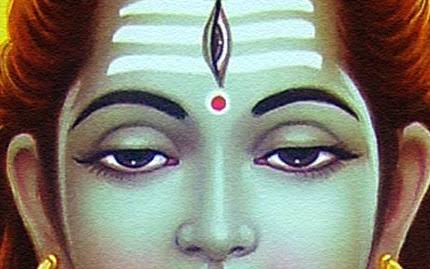
    How should the three lines be applied, Jabali is asked. The text states in verse 22, the three lines should occupy all of the forehead. The three lines signify the trimurti of Brahma, Vishnu and Shiva.The top line represents “Garhapathya” agni or home fire, syllable “Aa” of AUM, one’s own body (self), Rajas guna, the power to act, the Rigveda, ushakala (twilight hour) or early morning hour, and is the personification of Brahma.The second streak or the middle line denotes “Dakshinagni”, syllable “Uu” of AUM, Sattva Guṇa (virtue), atman (soul, innermost self), the power to will, Yajurveda, midday, and is the personification of Vishnu.The third streak of bhasma or ash line represents the “Ahavaniya agni”, the syllable “Ma” of AUM, the Supreme Self (Brahman), the power to know, the heavens, Tamas guna, Samaveda, evening time, and is personified by Shiva.

    Smearing of the holy Bhasma or ash by a person, whether he is a brahmacharya, grihastha, vanaprastha or sannyasa frees him from sins, makes him aware of the essence of the Vedas, gets him the benefit of bathing in holy rivers, and frees him from samsara.

    Jabali Upanishad,Translation by Sri. P.R.Ramchander.

    Om! Let my limbs and speech, Prana, eyes, ears, vitality

    And all the senses grow in strength.
    All existence is the Brahman of the Upanishads.
    May I never deny Brahman, nor Brahman deny me.
    Let there be no denial at all:
    Let there be no denial at least from me.
    May the virtues that are proclaimed in the Upanishads be in me,
    Who am devoted to the Atman; may they reside in me.
    Om! Let there be Peace in me!
    Let there be Peace in my environment!
    Let there be Peace in the forces that act on me!

    The Sage Pippalada approached Sage Jabali and asked him, “Oh God like sage, please teach me the secret of the absolute philosophy. What is Thathwa (principle)? Who is Jeeva (being)? What is Pasu? Who is Ishwara? And what is the method for salvation?” Thus asked sage Jabali explained to him everything as follows:

    Jeeva (being) is nothing but God (the Lord of all beings – Pasupathi) himself who is acting the role of egoism. That Jeeva (being) is the Pasu. Pasupathi is he who knows everything, who does the five jobs like creation, and who is the Lord of all beings. Pasu (in common parlance) are those animals which eat grass, which do not have viveka (knowledge to differentiate), which are driven by others, which are made to work in jobs like agriculture and which undergo lot of sufferings. Similar to the owner of such animals is the God Pasupathi who rules over all beings.

    To the question, “What trick is there to acquire such knowledge?”. Jabali replied, “By wearing of the holy ash”. He further told, “After taking the holy ash in hand by reciting the five Brahma mantras starting with ‘Sathyojatham’, and chanting “Agnirithi Basma (Hoy ash is fire)”, mix it with water by chanting, “Manasthoke” and then wear the holy ash in head, forehead and shoulders in sets of three lines chanting the three mantras “trayayusham”. Further wear these by chanting the three mantras starting with “Trayayusham” and the mantra “Tryambakam” is called Sambhava penance. Those with knowledge of Veda say that this has been told in all Vedas. For avoiding rebirth, the people with eternal wisdom, should adopt this.

    Among the three lines, the first one is Garhapathya (the domestic fire), the letter Aa, the quality of Rajas, earth, Jeevathma (soul of beings), the power of creation, Rigveda, time of dawn and its God is Lord Brahma. The second line is Dakshinagni (Fire of the south), the letter Uu, the quality of Sathva, atmosphere, the soul inside the body, the power of desire, Yajurveda, the time of noon, and its God is Lord Vishnu. The third line is the Ahavaneeya agni (the fire of the Sun), the letter Ma, the quality of Thamas, the place of Gods, the Paramatma, the power of knowledge, Samaveda, the time of dusk and its God is Shiva. That individual, who wears holy ash, whether he is a Brahmachari or Sanyasi, gets rid of great as well as minor sins. He becomes fit to worship all gods; he becomes one who has taken bath in all holy waters and the one who has chanted all the Rudra mantras. He does not have rebirth. This Upanishad tells that, it is sworn that he will not have rebirth.

    Om! Let my limbs and speech, Prana, eyes, ears, vitality
    And all the senses grow in strength.
    All existence is the Brahman of the Upanishads.
    May I never deny Brahman, nor Brahman deny me.
    Let there be no denial at all:
    Let there be no denial at least from me.
    May the virtues that are proclaimed in the Upanishads be in me,
    Who am devoted to the Atman; may they reside in me.
    Om! Let there be Peace in me!
    Let there be Peace in my environment!
    Let there be Peace in the forces that act on me!

    Here ends the Jabali Upanishad, included in the Sama-Veda.

    Reference and citation.

    https://en.m.wikipedia.org/wiki/Jabali_Upanishad

  • Disease Free Life Infant High Fever Indrakshi Stotra

    I remember ,as a child, when I had high fever,my father doing Indrakshi Japa with Vibhuth, Bhasma and applying it to my forehead.


    It produced results.


    Those were the days when antibiotics were sparingly used, the Cure it all was penicillin.


    That was prescribed for only, in the doctor’s opinion, for serious illnesses.


    Indrakshi Mantra is by Lord Narayana.


    This will cure all diseases and daily chanting of this will ensure a disease free Life.


    Arogyatha Matha Indrakshi Sthothram

    Asya Indrakshi Sthothra Maha Mandrasya,
    Sasi Purandara Rishi, Anushtup Chanda
    Indrakshi Durga Devatha, Lakshmi Beejam,
    Bhuvaneswari Shakthi, Bhavani Keelagam,
    Mama Indrakshi Prasad Sidhyarthe Jape Viniyoga

    Indrakshyai Angushtabhyam Nama
    Mahalakshmyai Tharjaneebhyam Nama
    Maheswaryai Madhyamabhyam Nama
    Kathyayinyai Kanishtikabhyam Nama
    Koumaryai Kara Thala Kara Prushtabhyam Nama

    Indrakshyai Hrudayaya Nama
    Mahalashmyai Sirase Swaha
    Maheswaryai Shikhaya Vashat
    Ambujakshyai Kavachaya Hum
    Kathyayinyai Nethra Thrayaya Vaushat
    Kaumaryai Asthraya Phat
    Bhoorbhu Vaswarom Ithi Dig Bandha

    Dhyanam

    Nethraanam Dasapi Sathai Parivrutham,
    Athyugra Sarmaambharam,
    Hemaabham Mahathim
    Vilambhitha Sikam, Ammuktha Kesanwitham,
    Kanda Manditha Pada Padma Yugalam,
    Nagendra Kumbha Sthaneem
    Indrakshim Parichindayami,
    Manasa Kalbhoktha Siddhi Pradham

    Indarkshim Dwibhujam Devim Peetha Vasthra Dwayanvitham,
    Vama Hasthe Vajradaraam Dakshane Navara Pradham
    Indrakshi Noumi Yuvathim Nanalankara Bhooshitham,
    Prasanna Vadanam Poshaam Aamsaro Gava Sevitham

    Indraana Poorvada Padhu, Agneyaam Thadeswari
    Koumari Dakshine Padhu, Nairruthyam Pathu Parvathi,
    Varahi Paschime Pathu, Vayavye Naarasimhyabhi,
    Udeechyam Kaala Rathri, Maam Isanyam Sarva Sakthaa,
    Bhirvayu Oordhwam Sa, Pathu Padhwatho Vaishnavi Thada
    Evam Dasa Dhiso Raksheth Sarvadha Bhuvaneswari

    Stotram

    Indrakshi Naama Saa Devi Devaiathas Samudhahrudha,
    Gouri, Sakambhari Devi Durga Naama Neethi Visrutha
    Nithyananda, Nirahara, Nishkalayai Namosthude,
    Kathyayani Mahadevi Chandrakanda Mahathapa

    Savithri Saa Cha Gayatri Brahmani Brhama Vadini,
    Narayani, Bhadra Kali, Rudrani, Krisha Pingala
    Agni Jwala Roudra Mukhi Kaala Rathri, Thapaswini,
    Meghaswana Sahasraksi, Vikaarangi, Jadodhari

    Mahodari Mukthakesi , Gora Roopa, Mahabala,
    Ajithabhadradhananda, Roga Harthreem Shiva Priya
    Bhavani, Paravathi, Durga, Haimavathi, Ambika, Shiva,
    Shiva Bhavani Rudrani Sankaradha Sareerini

    Iravatha Gajarooda Vajrahastha Varapradha,
    Tripadha Basmapraharana Trishira Rakthalochana
    Nithya Sakalakalyani Sarvaiswarya Pradhayini,
    Dakshayani Padmahastha Bharathi Sarva Mangala

    Durjati, Vikati Gori, Asthangi, Narabhojini,
    Bramari Kanchi Kamakshi Kwanan Manikhya Noopuraa
    Shivaa Shiva Roopa Shiva Shakthi Parayani,
    Mrutyunjayi Mahamayi Sarva Roga Nivarini

    Indri Devi Sda Kaalam Santhim Aasu Karothu Me

    Indrakshi Gayathri

    Basmayudhaya Vidmahe
    Raktha Nethraya Deemahi,
    Thanno Jwarahara Prachoidayath

    Om Iym Hrim Srim Kleem Kloom Indrakshyai Nama,
    Om Namo Bhagawathi, Indrakshi, Mahalakshmi,
    Sarva Jana Sammohini, Kalarathri, Narasimhi,
    Sarva Shathru samharini, Anale, Abhaye, Ajithe
    Aparajithe, Mahasimhavahini, Mahishasura Mardhani,
    Hana Hana, Mardhaya Mardhaya, Maaraya Maaraya,
    Soshaya Soshaya Dhahaya Dhahaya,
    Maha Grahan Samhara Samhara

    Samvatsara Jwara, Jwaralabha Jwara,
    Sarva Jwara, Sarvanga Jwaraan,
    Nasaya Nasaya, Hara Hara, Hana Hana,
    Dhaha Dhaha, Pasa Pasa, Thadaya Thadaya,
    Aakarshaya Aakarshaya, Vidwweshaya Vidweshaya,
    Sthambhaya Sthambhaya, Mohaya Mohaya,
    Uchadaya Uchadaya Hum Phat Swaha

    OM Hrim Om Namo Bhagawathi,
    Trilokya Lakshmi, Sarva Jana Vasangari,
    Sarva Dushta Graha Sthambini, Kamkali,
    Kamaroopini, Kalaroopini, Ghora Roopini,
    Para Manthra, Para Yanthra Prabhedhini,
    Prathipada Vidwamsini, Parapaladuraga Vimardini,
    Sathru Karaschedini, Sathru Mamsa Bhakshini,
    Sakala Dushta Jwara Nivarini, Bhoota Pretha Pisacha
    Brahma Rakshasa Yaksha Yamadhootha,
    Saakini, Dakini, Kamini, Sthambhini, Mohini,
    Vasankari, Kukshiroga, Siro Roga, Nethra Roga,
    Kshata Apasmara, Kushtaathi Maharoga Nivarini,
    Mama Sarva Rogam Nasaya Nasaya
    Hraam Hram, Hrum Hraim Hara Hoom Phat Swaha

    Om Namo Bhagawathi,
    Maheswari, Maha Chinthamani, Durge,
    Sakala Siddeshwari, Sakala Jana Mano Harini,
    Kaala Kaalarathra Maha Gora Rupe,
    Prathivada Viswaroopini, Madhu Soodhani,
    Maha Vishnu Roopini, Siras Shoola,
    Kati Soola, Anga Soola, Parswa Soola,
    Nethra Soola, Karna Soola, Paksha Soola,
    Pandu Roga, Kamiladeena,
    Samhara Samhara Nasaya Nasaya.

    Vaishnavi Brahmastrena, Vishnu Chakrena,
    Rudra Soolena, Yama Dhandena, Varuna Pasena,
    Vasava Vajrena, Sarvan Areen Panchaya Panchaya,
    Rajayashma, Kshaya Roga, Thapa Jwara Nivarini,
    Mama Sarva Jwaram Nasya Nasaya

    Phalasruthi

    Narayana Uvacha,

    Etayir Nama Sathai, Divya Sthutha Chakrena Dheematha,
    Ayur Arogyam Iswaryam Apamruthyu Bhayapaham

    Kshaya Apasmara Kushtadhi Thapa Jwara Nivaranam,
    Chora Vyagra Bhayam, Thathra Seetha Jwara Nivaranam

    Sathamavrthayed Yasthu Muchyua Devyathi Bandhanath,
    Avarthayan Sahasrathu Labhathe Vanchitham Phalam
    Ethath Stothram Maha Punyam Japed Ayush Vardanam,
    Vinasaya Cha Roganam Apmruthyu Haraya

    Ashta Thorbhi Samayuktho Nana Yudha Visaradhe,
    Bhootha Pretha Pisasehemyo Roga Rathi Mukahi Rabu,
    Nagebhya Visha Yanthrebhya Abhicharai Maheswari,
    Raksha Maam, Raksha Maam Nithyam Prathyaham Poojitha Maya

    Sarva Mangala Mangalye Shive Sarvartha Sadhake,
    Sarnye Thryambike Devi Narayani Namosthuthe

    Sree Indrakshi Sthothram Sampoornam.

    For High Fever , especially in Infants and small children recite the Inrdakshi Gayatri quoted below for 108 times, keeping your fingers in a Vibhuthi, Bhasma..

    Apply this Bhasma on the forehead.

    Continue this till the child is cured of fever.

    Keep the Bhasma in the Yantra shown in the Image.

    This can be drawn with RiceFlour.

    Indrakshi Gayathri

    Basmayudhaya Vidmahe
    Raktha Nethraya Deemahi,
    Thanno Jwarahara Prachoidayath